

P1523 on 2015-2017 Chrysler 200 2.4L: VVA Low Oil Pressure Causes and Fixes
On a 2015-2017 Chrysler 200 with the 2.4L MultiAir engine, code P1523 is almost always caused by a low oil level or incorrect oil type/filter. This engine is known for oil consumption. Before replacing any parts, verify the oil level is full and perform an oil change using only full synthetic SAE 0W-20 oil meeting the MS-6395 specification and an OEM-quality filter; this resolves the issue over 50% of the time.
- P1523 on your Chrysler 200 means there is low oil pressure in the special MultiAir valve system.
- DO NOT drive the vehicle. You risk sudden stalling and causing very expensive engine damage.
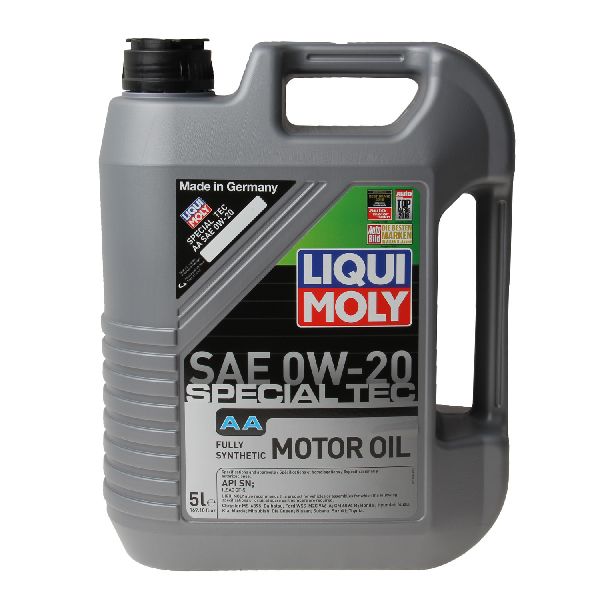
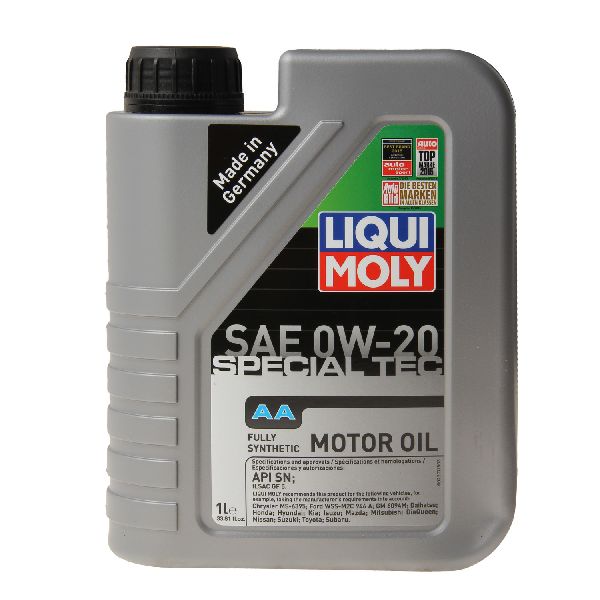
- The first and most effective step is to check your oil level. The most common fix is an oil and filter change using ONLY full synthetic SAE 0W-20 oil that meets the Chrysler MS-6395 specification.
- This engine is known to consume oil; check the level frequently, even between scheduled oil changes.
What's Unique About the 2015-2017 Chrysler 200
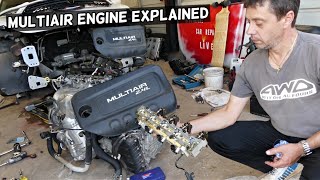
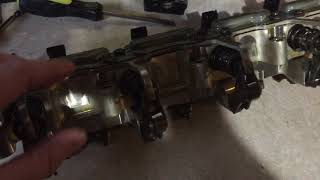
The 2.4L MultiAir2 'Tigershark' engine in the Chrysler 200 lacks a conventional intake camshaft, instead using a block of electro-hydraulic actuators (the 'MultiAir brick') to open the intake valves. This design is extremely sensitive to the engine oil's level, viscosity, and cleanliness. Critically, this engine is the subject of class-action lawsuits and warranty extensions (e.g., X81) for excessive oil consumption. This known issue means the oil level can drop significantly between changes, starving the actuators and triggering P1523, a problem far more prevalent on this engine than on traditional valvetrains.
Symptoms You May Notice
- Check Engine Light (MIL) illuminated
- Engine stalling, sometimes suddenly during driving
- Rough or unstable idle
- Reduced engine power and performance, sometimes entering 'limp mode'
- Long crank or no-start condition, especially after sitting for a long time
- Ticking or chattering noise from the top of the engine
- Replacing camshaft or crankshaft position sensors. This code is related to the hydraulic actuation of the valves, not the sensors that read rotational position.
- Replacing the main engine oil pressure sensor. P1523 points to a pressure problem specifically within the MultiAir circuit, not necessarily the engine's main oil gallery. The main sensor is located on the back of the engine block.
Most Likely Causes
- Low Engine Oil Level, Incorrect Oil Viscosity, or Restrictive Oil Filter 🔴 High Probability The MultiAir system is fundamentally dependent on a precise volume and pressure of oil. Due to the engine's known oil consumption issues, the level can easily fall low enough to trigger this code. Furthermore, using oil other than full synthetic 0W-20 meeting MS-6395, or using a cheap/restrictive aftermarket oil filter, can impede flow and cause the same fault.
How to confirm: Turn off the engine on level ground and wait 5-10 minutes. Check the oil level using the dipstick. Check service records or the oil cap for the required oil specification, which must be full synthetic SAE 0W-20 meeting Chrysler MS-6395. If the oil was recently changed, confirm an OEM-quality filter was used, as restrictive aftermarket filters are a known cause.
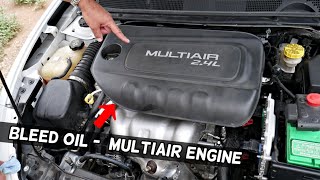
Typical fix: Perform an engine oil and filter change using the exact OEM-specified full synthetic oil and a quality filter (e.g., Mopar P/N 04892339BE). After the oil change, some scan tools have a 'UniAir module adaptive parameters reset' function that should be performed. 🎬 Watch: How to bleed the MultiAir system after service
Est. part cost: $60-$130 - Clogged or Dirty MultiAir Oil Filter 🟡 Medium Probability A small, secondary filter screen protects the MultiAir actuator from debris. If oil change intervals are extended or the wrong oil is used, sludge can clog this filter, starving the actuator of oil even if the main oil level is correct.
How to confirm: This requires accessing and removing the small filter, which is typically located on the cylinder head. Visual inspection will show if it is clogged with sludge or debris. The part is often listed as Mopar P/N 68189847AA, though fitment should be verified.
Typical fix: Replace the MultiAir oil filter screen. This is often done during an oil change or if an oil change does not resolve the code.
Est. part cost: $15-$40 - Failing MultiAir Actuator ('Brick') ⚪ Low Probability Chronic low oil pressure, contamination, or simple high mileage can cause internal failure of the complex actuator assembly itself. The individual solenoids within the brick are not serviceable; the entire assembly must be replaced.
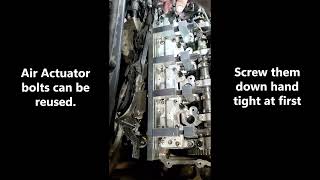
How to confirm: This is a diagnosis of exclusion. If the oil level, quality, and filters are correct, and the code persists, the actuator itself is the likely culprit. A dealership-level scan tool may be able to perform actuator tests. Failure to prime the new actuator with oil before starting the engine will cause immediate failure. 🎬 See this walkthrough for installing and priming the actuator
Typical fix: Replacement of the entire MultiAir actuator assembly. The current OEM part number is 5047980AE. This is a labor-intensive and expensive repair.
Est. part cost: $800-$1500
Rare But Worth Checking
- Failing Engine Oil Pump or Clogged Pickup Tube: While not common, a failing oil pump or a pickup tube screen clogged with sludge can reduce overall engine oil pressure, which in turn will starve the MultiAir system and trigger P1523. This would usually be accompanied by a general engine oil pressure warning light or code (like P0520/P0522) and can be confirmed with a mechanical pressure test.
- Powertrain Control Module (PCM) Software: FCA has issued TSBs (e.g., #18-042-21, #18-087-17) for MultiAir engines that address false P1523/P1524 triggers via software updates. It's worth checking with a dealer if any applicable PCM updates are available for the 2.4L engine as a first step if the oil level is correct.
- Fuel Dilution of Engine Oil: A rare but possible cause is a leaking fuel injector diluting the engine oil with gasoline. This thins the oil's viscosity, preventing it from generating enough pressure for the MultiAir system. A strong fuel smell on the dipstick is the primary indicator.
Diagnosis Steps
- Verify the code with a reliable OBD-II scanner.
- CRITICAL FIRST STEP: Turn the engine off and let it sit on a level surface for at least 5 minutes.
- Check the engine oil level using the dipstick. Due to known oil consumption issues, check this frequently.
- If the oil level is low, top it off with full synthetic SAE 0W-20 oil meeting Chrysler MS-6395 spec and see if the code clears.
- If the oil level was correct or the history is unknown, perform a complete engine oil and filter change. Use ONLY the specified oil and a high-quality (preferably OEM) filter.
- If the code returns, inspect and replace the small MultiAir oil filter screen located on the cylinder head.
- If the code still persists, verify base engine oil pressure with a mechanical gauge. Pressure should be a minimum of 4 PSI at hot idle and 25-80 PSI at 3000 RPM. If pressure is good, the issue is likely a failing MultiAir actuator assembly. Professional diagnosis is recommended at this stage.
Parts You'll Likely Need
- Engine Oil and Filter
(OEM #Oil Filter: Mopar 04892339BE)— This is the most common fix. The MultiAir system is highly sensitive to oil level, quality, and filter restriction. Using the correct, fresh, full synthetic 0W-20 (MS-6395) oil with an OEM filter often restores proper hydraulic pressure.
Trusted brands: Mopar (Filter), Pennzoil Platinum (Oil), Valvoline SynPower (Oil)
OEM price range: $70-$120
Aftermarket price range: $60-$90 - MultiAir Actuator Assembly ('Brick')
(OEM #Mopar 5047980AE (supersedes prior versions))— If oil changes and filter cleaning do not resolve the code, the actuator itself may have failed internally. This is the most expensive and complex repair for this code.
Trusted brands: Mopar
OEM price range: $1200-$1500
Aftermarket price range: $800-$1100
Related Codes That Often Appear With This One
- P1524 — P1524 (Oil Pressure Out Of Range - Camshaft Advance/Retard Disabled) is often set as a companion code. When the PCM detects the low pressure of P1523, it sets P1524 as it disables the variable valve system to prevent damage.
- P1D7F — This code for 'ETC Self-Learning Failure' is mentioned in TSBs alongside P1523 and P1524. The poor engine running condition caused by the MultiAir fault can interfere with the Electronic Throttle Control's calibration process.
Technical Service Bulletins (TSBs) & Recalls
- TSB 18-042-21: While originally for the 1.4L engine, this TSB and others like #18-087-17 show a pattern of FCA addressing false P1523/P1524 triggers via PCM software updates, suggesting it's a valid diagnostic path for the 2.4L as well if oil level and quality are confirmed good.
Platform-Specific Known Issues
- Real-world owner story: A 2016 Fiat 500X (same 2.4L engine) had a P1524 code (often paired with P1523). The owner suspected a major failure, but the actual cause was a cheap, restrictive aftermarket 'Carguard' oil filter. Replacing it with an OEM Mopar filter resolved the issue completely.
- Real-world owner story: Due to the high oil consumption of the 2.4L Tigershark engine, owners are strongly advised to check their oil level more frequently than the recommended oil change interval, such as every 1,000 miles, to prevent it from dropping low enough to trigger this code.
Mechanic-Grade Diagnostic Values
- Base Engine Oil Pressure (at operating temperature) — expected: Minimum of 4 PSI at hot idle; 25-80 PSI at 3000 RPM.. Failure: Pressure below these thresholds indicates a problem with the oil pump, pickup tube, or main bearings, which must be fixed before addressing the MultiAir system.
- MultiAir (VVA) Solenoid Resistance — expected: 5-20 Ohms. Failure: A reading outside this range, particularly an open circuit (infinite resistance) or a short (near zero), points to a failed solenoid coil within the actuator 'brick'.
Scan Tool Commands That Help
- wiTECH or advanced bidirectional scanner: Multi-Air VVA Solenoid Cylinder #X Activation — With the engine off but ignition on, a technician can command each individual solenoid to activate. An audible click should be heard from the top of the engine. The absence of a click for a specific cylinder points to a failed solenoid or wiring issue, helping to condemn the MultiAir brick.
- wiTECH, MultiECUscan, or equivalent: UniAir module adaptive parameters reset / Oil change reset — This function should be performed after an oil change or replacement of the MultiAir actuator. It resets the learned adjustments the PCM has made for oil degradation and component wear, allowing it to re-learn with the new oil/parts. Failure to do this may cause the code to persist.
- wiTECH, MultiECUscan, or equivalent: UniAir actuator dispersion correction — This is a specific adjustment procedure run after replacing the MultiAir unit. It often requires the UniAir oil temperature to be above 90°C (194°F) to run successfully. It helps the PCM calibrate the new actuator's hydraulic properties.
Wiring & Ground Locations
- MultiAir Actuator Connector — On the back of the cylinder head, plugged directly into the MultiAir actuator ('brick') assembly.. This is the primary electrical connection for all four VVA solenoids. Checking for voltage, ground, and signal integrity at this connector's pins is a key step in differentiating a wiring/PCM fault from an internal actuator failure.
- PCM Connector C2 — The Powertrain Control Module (PCM) is located in the engine bay. C2 is one of the main harness connectors to the module.. The control and return wires for the VVA solenoids run to this connector. For example, on similar models, Pin 1 is VVA Solenoid 2 Return, Pin 2 is VVA Solenoid 3 Signal, and Pin 3 is VVA Solenoid 3 Return. Testing continuity from this connector to the actuator connector can definitively rule out a harness break.
Real Owner Repair Stories
- Reddit user in r/AskMechanics (Chrysler 200 (year not specified, but with MultiAir)) — Crank but no start, code P1523. A mechanic had previously used a 'fancy computer' to get it started, claiming air was in the 'brick'. The fix only lasted 3 days.
❌ Tried (didn't work) Initial diagnostic by a mechanic that provided a temporary fix.
✅ What actually fixed it The owner found the solution was that the VVA solenoids were stuck. They had to manually activate each solenoid using a scan tool's bidirectional function until they all became unstuck and the engine would start.
OEM Part Supersession History
5047457AD, 5047457AE, 5047980AA, 5047980AB, 5047980AC, 5047980AD→5047980AE— Progressive updates to the MultiAir actuator assembly to improve reliability and address failure modes.
Heads up: While all listed numbers are replaced by 5047980AE, some parts catalogs note specific production date cutoffs (e.g., before or after 03/01/2014), so verifying with a VIN is critical when ordering.4884900AB, 4892339AA, 4892339AB, 5047769AA, 68197769AA→04892339BE— Standard part number consolidation and minor revisions for the engine oil filter.
Diagnostic Flowchart
Used vs. New Parts: Buying Guide for This Vehicle
When a used part is the smart pick: A used MultiAir actuator ('brick') can be a cost-saving measure, but it is a high-risk part. It only makes sense if the donor vehicle is known to have low mileage and there is a clear history of regular oil changes with the correct oil. Given the high failure rate and sensitivity to maintenance, it's a gamble.
Donor-vehicle mileage cap: roughly under 60000 miles for the part to have meaningful remaining life.
What to inspect on the donor part:
- Ask for the VIN of the donor car to check its service history if possible.
- Inspect the area around the actuator for any signs of oil leaks or sludge.
- If possible, remove the valve cover on the donor engine to inspect for sludge, which would indicate poor maintenance and a high likelihood of a failing actuator.
OEM-only on this vehicle (don't cheap out):
- MultiAir Actuator ('Brick'): Due to the extreme sensitivity to oil pressure and internal complexity, aftermarket versions are not recommended. The risk of premature failure is very high.
- Engine Oil Filter: While high-quality aftermarket filters from brands like Wix or PurolatorBOSS are acceptable, cheap, no-name filters are a known cause of P1523 and should be strictly avoided. Given the small price difference, using the Mopar OEM filter is the safest choice.
Aftermarket brands forum-validated for this vehicle:
- Oil Filters: WIX (e.g., 57060), PurolatorBOSS
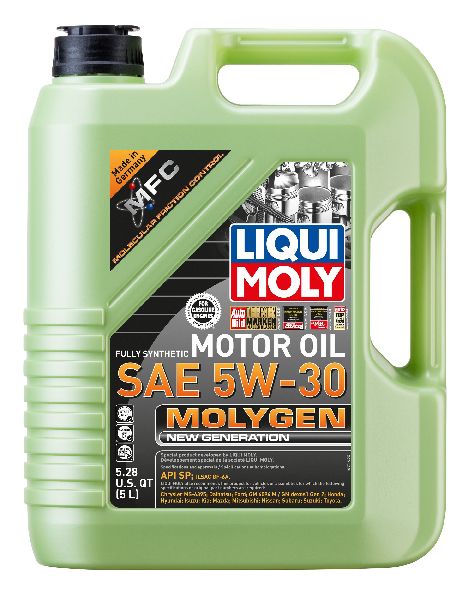
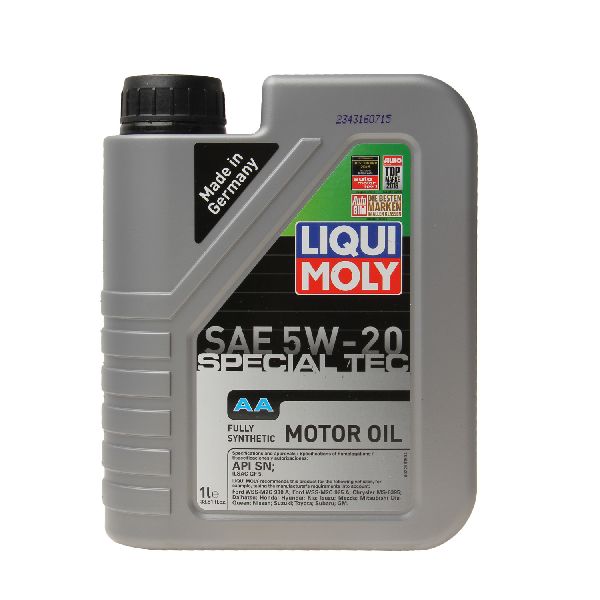
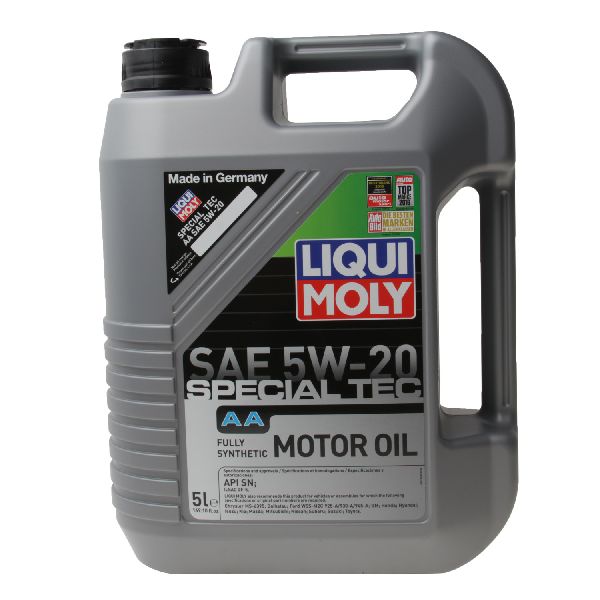
- Engine Oil: Pennzoil Platinum, Valvoline SynPower, Amsoil Signature Series (must meet MS-6395 spec)
Brands owners have reported issues with on this vehicle:
- Generic or 'white-box' oil filters with unknown flow characteristics.
- Any engine oil that does not explicitly state it meets the Chrysler MS-6395 specification.
Real Owner Stories
Aggregated from forums and TSBs cited above. Mileages and costs reflect what owners reported in those sources.
Chrysler 200 2.4L
Symptoms: The car would crank but not start and was throwing code P1523. A mechanic was able to get it started temporarily with a scan tool, but the no-start condition returned after three days.
What fixed it: A mechanic temporarily resolved the no-start by using a scan tool to get air out of the MultiAir actuator ('brick'). The final, permanent fix was not mentioned in the report.
Source hint: Reddit r/AskMechanics
2016 Fiat 500X 2.4L
Symptoms: The vehicle had a P1524 code, which is often paired with P1523.
What fixed it: The problem was caused by a cheap, restrictive aftermarket 'Carguard' oil filter. Replacing it with an OEM Mopar filter resolved the issue completely.
Source hint: Real-world owner story from article context
Related OBD-II Codes
Frequently Asked Questions
What is the absolute first thing I should check if my 2016 Chrysler 200 shows a P1523 code?
I need to add oil to my 2.4L MultiAir engine. Can I use any synthetic 0W-20?
I just had an oil change at a generic shop and now the check engine light is on with P1523. What's the likely cause?
My oil level is full and the correct type was used, but the code is still there. What's the next cheapest part to check?
Is there a software update or TSB that could fix a P1523 code?
If all the oil-related fixes don't work, what is the most likely major repair for P1523?
How often should I check the oil on my 2.4L Tigershark engine to prevent this code?
Helpful Videos
Used OEM Parts in Stock

New Aftermarket Parts Available

The information in this article is provided for general reference and educational purposes only. Vehicle specifications, procedures, and part compatibility can vary by production date, trim level, and region. Always consult your vehicle's factory service manual and verify part numbers before purchasing or performing repairs. Safety-critical components such as airbags, seat belts, and braking systems should be installed by a qualified professional.
- Chrysler 200:
- 🎬 Helpful Videos
- 🛍️ Shop This Part
- What's Unique About the 2015-2017 Chrysler 200
- Symptoms You May Notice
- Most Likely Causes
- Rare But Worth Checking
- Diagnosis Steps
- Parts You'll Likely Need
- Related Codes That Often Appear With This One
- Technical Service Bulletins (TSBs) & Recalls
- Platform-Specific Known Issues
- Mechanic-Grade Diagnostic Values
- Scan Tool Commands That Help
- Wiring & Ground Locations
- Real Owner Repair Stories
- OEM Part Supersession History
- Diagnostic Flowchart
- Used vs. New Parts: Buying Guide for This Vehicle
- Real Owner Stories
- Chrysler 200 2.4L
- 2016 Fiat 500X 2.4L
- Related OBD-II Codes
- Frequently Asked Questions
- 🎟️ Get 5% Off