

P1450 on 2014-2023 Ram ProMaster: "Unable to Bleed Up Fuel Tank Vacuum" Causes and Fixes
This code means the fuel tank has excessive vacuum that it cannot release. The most common causes on a Ram ProMaster are a faulty EVAP system purge valve or a clogged/failed Evaporative System Integrity Module (ESIM) switch. Ignoring the code can lead to stalling after refueling and, in the long term, can deform the plastic fuel tank, leading to much costlier repairs. Expect to spend $20-$60 on parts for a DIY fix.
- P1450 on a ProMaster means there's too much vacuum in the fuel tank that can't be vented.
- The most likely fix is replacing the EVAP purge valve located in the engine bay.
- The second most likely fix is replacing the Evaporative System Integrity Module (ESIM) on the charcoal canister under the van.
- Symptoms can include a 'whoosh' sound from the gas cap and difficulty refueling.
- This is a DIY-friendly repair with parts typically costing under $70.
What's Unique About the 2014-2023 Ram ProMaster
While P1450 is a common code on many makes, Chrysler/Ram vehicles, including the ProMaster, use an Evaporative System Integrity Module (ESIM) for part of the EVAP system's leak detection and venting process. This component, which is mounted on the charcoal canister, can become clogged with dust or fail internally, which is a frequent cause of this code. This is often seen alongside the more universal purge valve failure. Many owners specifically report issues with filling the fuel tank, where the pump clicks off repeatedly, which is a strong indicator of a faulty ESIM.
Symptoms You May Notice
- Check Engine Light is on.
- Difficulty starting the engine, or engine stalling, especially right after refueling.
- A loud 'whoosh' sound of air rushing in when opening the gas cap.
- Difficulty filling the fuel tank (fuel pump nozzle clicks off repeatedly).
- Slightly reduced fuel economy.
- Possible faint fuel smell near the rear of the vehicle.
- Rough idle or stumbling during low-speed driving.
- Replacing the gas cap. While a loose or faulty gas cap can cause other EVAP codes (like P0456 for a small leak), it is not a primary cause for P1450, which indicates an inability to *relieve* vacuum, not a failure to *hold* it.
Most Likely Causes
- Faulty EVAP Purge Valve/Solenoid 🔴 High Probability The purge valve is a constantly working component that can wear out or get stuck open from debris or age. It's a very common failure item across the many FCA vehicles that use the 3.6L Pentastar engine. When stuck open, it allows constant engine vacuum to be pulled on the fuel tank, causing the P1450 code.
How to confirm: Locate the purge valve in the engine bay, typically on the intake manifold. With the engine off, disconnect the vapor line running to it. Use a hand vacuum pump to see if it holds a vacuum; it should. If it doesn't, or if you can blow air through it, it's stuck open and is bad. A simpler check is to start the engine, then disconnect the EVAP hose from the valve; if you can feel suction from the valve's port at idle, it is stuck open and needs replacement.
Typical fix: Replacement of the purge valve assembly. This is typically a simple, plug-and-play part located on or near the engine intake.
Est. part cost: $20-$50 - Faulty or Clogged Evaporative System Integrity Module (ESIM) 🟡 Medium Probability The ESIM is located on the charcoal canister near the fuel tank and is susceptible to dust and debris, which can clog its internal filter and weighted valve mechanism. This prevents the system from venting properly, trapping vacuum in the tank. This is a known issue on many Chrysler/Dodge/Jeep/Ram products.
How to confirm: Locate the ESIM on the charcoal canister under the vehicle, near the fuel filler neck area. Remove it by twisting it counter-clockwise (usually a quarter-turn). Shake the old unit; if it doesn't rattle, the internal weighted switch is likely stuck. Also inspect its filter for heavy dirt or mud contamination.
Typical fix: Replace the ESIM. This is a 🎬 Watch: This video shows you how to replace the ESIM module. relatively simple twist-off, twist-on part. It is highly recommended to use a genuine Mopar part, as aftermarket versions are known for premature failure.
Est. part cost: $30-$60 - Blocked or Kinked EVAP Vent Hoses ⚪ Low Probability
How to confirm: Visually inspect all accessible EVAP hoses running from the engine bay to the charcoal canister and fuel tank. Look for any obvious kinks, collapses, or blockages from dirt/debris. A smoke test is the most definitive way to find restrictions or non-obvious blockages.
Typical fix: Repair or replace the damaged section of hose.
Est. part cost: $10-$40
Rare But Worth Checking
- Faulty Fuel Tank Pressure (FTP) Sensor: The sensor itself can fail and send incorrect vacuum readings to the computer, even if the mechanical parts of the EVAP system are working correctly. A scan tool can be used to monitor the FTP sensor reading with the engine off; it should read close to atmospheric pressure.
- Clogged Charcoal Canister: If the canister becomes saturated with fuel (often from habitually overfilling the gas tank) or clogged with dust, it can restrict airflow and prevent the system from bleeding off vacuum. This can be a costly repair.
Diagnosis Steps
- Read the code with an OBD-II scanner to confirm P1450 is present.
- Listen for a loud 'whoosh' when opening the gas cap after driving. This indicates a strong vacuum is present in the tank.
- Visually inspect the EVAP purge valve in the engine bay and its connecting hoses for any obvious damage or cracks.
- Test the purge valve for leakage. With the engine idling, disconnect the hose on the valve's canister side. If you feel vacuum with your finger, the valve is stuck open and must be replaced.
- If the purge valve is good, locate the charcoal canister and the attached ESIM under the vehicle, typically near the fuel filler neck area.
- Inspect the ESIM and its small filter for excessive dirt or mud, which can cause a blockage.
- Remove and inspect the ESIM. It should rattle when shaken, indicating the internal weight and switch are free. If it's silent, it's likely stuck and needs replacement.
- If the above steps don't reveal the issue, perform a smoke test on the EVAP system to check for blocked lines or a clogged charcoal canister.
- As a final check, use a scan tool to monitor the Fuel Tank Pressure (FTP) sensor data to ensure it is providing plausible readings.
Parts You'll Likely Need
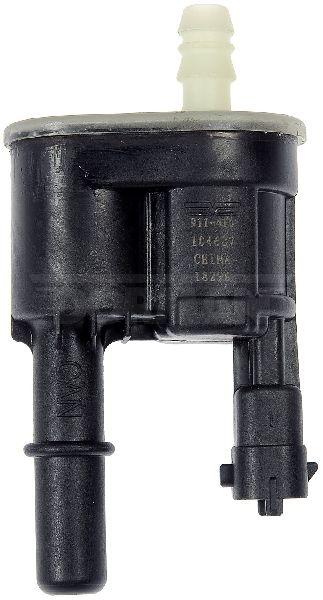
- EVAP Canister Purge Valve / Solenoid
(OEM #4891741AA)— This is a very common failure point. It gets stuck open, allowing constant engine vacuum to pull on the fuel tank.
Trusted brands: Mopar, Standard Motor Products, Dorman
OEM price range: $40-$60
Aftermarket price range: $20-$40 - Evaporative System Integrity Module (ESIM)
(OEM #04861959AD)— This is the second most likely cause, specific to Chrysler/Ram vehicles. It acts as the vent and can get stuck or clogged, preventing vacuum from being released. The original part number 04861959AC has been superseded by 04861959AD.
Trusted brands: Mopar
OEM price range: $40-$70
Aftermarket price range: $30-$50
Related Codes That Often Appear With This One
- P0456 — A P0456 (Very Small Evap Leak) can sometimes accompany P1450 if a component like the ESIM or purge valve is failing intermittently, causing both leak and vacuum bleed-off issues. One owner reported having both P1450 and P0456, where replacing the ESIM cleared P1450 but P0456 remained, indicating a separate leak.
- P219A — If the purge valve is stuck open, it creates a vacuum leak into the intake manifold, which can disrupt the air-fuel ratio and potentially trigger a P219A (Bank 1 Air/Fuel Ratio Imbalance) code.
- P0171/P0174 — A stuck-open purge valve introduces unmetered air into the intake, which can lead to a lean running condition, triggering System Too Lean codes for Bank 1 (P0171) or Bank 2 (P0174).
Technical Service Bulletins (TSBs) & Recalls
- TSB 18-098-19: This TSB involves a PCM software update for various MIL illumination issues on some FCA vehicles, including codes like P1CEA-00 (Boost Side EVAP Purge System Performance). While not directly for P1450, it shows that EVAP system logic can be affected by software and an update should be considered if hardware replacement doesn't solve the issue.
- TSB 18-018-22 REV. A: This TSB for the 2021 ProMaster City involves a PCM flash to correct a P0452 (EVAP Pressure Switch Stuck Closed) code, further demonstrating that EVAP system codes can sometimes be software-related.
Platform-Specific Known Issues
- A known issue on ProMaster vans is difficulty during refueling (pump clicks off), which is often caused by a faulty ESIM. While this doesn't always throw a code, it is a strong indicator that the ESIM is the culprit when P1450 is also present.
- Owners on forums frequently advise using only OEM Mopar parts for EVAP system components like the ESIM, as aftermarket versions have a reputation for failing quickly.
Mechanic-Grade Diagnostic Values
- Fuel Tank Pressure (FTP) Sensor Voltage — expected: The FTP sensor is a three-wire sensor. With the key on and engine off (atmospheric pressure), the signal wire should read a specific voltage (e.g., ~2.5V, this can vary). As engine vacuum is applied, this voltage should decrease.. Failure: A signal voltage that is stuck high (e.g., near 5V), stuck low (near 0V), or does not change when vacuum changes indicates a faulty sensor or wiring issue.
- FTP Sensor 5V Reference and Ground — expected: Using a multimeter, the reference wire should have ~5V from the PCM, and the ground wire should have near 0V.. Failure: Absence of 5V or a ground reading significantly above 0V points to a wiring or PCM issue, not a sensor failure.
Scan Tool Commands That Help
- wiTECH or equivalent bidirectional scanner: EVAP Purge Valve Control / Actuation Test — This is the most definitive test for a stuck-open purge valve. Command the valve to 0% (closed) while the engine is running and monitor FTP sensor data. If vacuum continues to build in the tank, the valve is mechanically stuck open and must be replaced.
- wiTECH or equivalent bidirectional scanner: EVAP Vent Solenoid / ESIM Control — This command is used to test the venting side of the system. By commanding the vent open, you can verify if the system is capable of returning to atmospheric pressure. If the vacuum does not bleed off when the vent is commanded open, it points to a blockage in the vent path, a clogged ESIM, or a faulty ESIM.
Wiring & Ground Locations
- Primary Engine Ground Strap — A braided strap running from the transmission case to a bolt on the top of the transmission mount. It is most easily accessed by removing the driver's side headlight assembly.. This is the primary ground for the engine and transmission. An intermittent or poor connection here can corrupt the data signals from all engine-mounted sensors, including the FTP sensor and purge valve control, leading to false codes and erratic behavior that mimics component failure.
- EVAP Purge Valve Connector — In the engine bay, on the purge valve solenoid, which is typically mounted on or near the intake manifold.. Corrosion or a loose connection at this point can prevent the PCM from commanding the purge valve closed, causing it to remain open and create vacuum.
- ESIM Connector — Under the vehicle, on the ESIM module which is attached to the charcoal canister near the fuel tank.. A poor connection can prevent the ESIM from operating correctly during the EVAP self-test, leading to a false P1450 code.
OEM Part Supersession History
04861959AC→04861959AD— Part revision and update by the manufacturer for the Evaporative System Integrity Module (ESIM).
Model Year Variations Within This Range
- 2020-2023: The 3.6L Pentastar engine received updated valve lifters starting mid-2019 for the 2020 model year to address the 'Pentastar tick'. While not directly related to the EVAP system, it marks a change in the engine build.
- 2022-2023: These models feature a significant facelift, a new 9-speed automatic transmission, electric power steering, and a redesigned cowl. The engine was also updated with an external EGR valve, which was not present on earlier models that used cam phasing for the same effect. These changes to engine management and electronics could potentially influence EVAP diagnostic strategies, although the core P1450 causes remain the same.
Diagnostic Flowchart
Used vs. New Parts: Buying Guide for This Vehicle
When a used part is the smart pick: For this specific code, buying used parts is generally not recommended for the primary electrical components. However, structural parts like EVAP hoses or a charcoal canister from a low-mileage, non-crashed donor vehicle in a dry climate could be a cost-effective option, provided the canister is confirmed to be free of liquid fuel saturation.
Donor-vehicle mileage cap: roughly under 50000 miles for the part to have meaningful remaining life.
What to inspect on the donor part:
- For a charcoal canister, ensure there is no fuel smell or signs of liquid saturation.
- For hoses, check for any signs of dry rot, cracking, or brittleness.
- Inspect electrical connectors for corrosion, bent pins, or damaged locking tabs.
OEM-only on this vehicle (don't cheap out):
- Evaporative System Integrity Module (ESIM): Forum and repair site consensus strongly advises against aftermarket ESIMs. Brands like Dorman are frequently reported to fail prematurely or be dead-on-arrival, leading to repeated repairs.
- EVAP Canister Purge Valve: While some aftermarket versions may work, the OEM Mopar part is recommended for longevity and to avoid potential air-fuel ratio issues caused by a poor quality valve.
Aftermarket brands forum-validated for this vehicle:
- Standard Motor Products (SMP) is often cited as a viable alternative to OEM for some sensors and valves, but OEM is still the safest bet for this vehicle's EVAP system.
Brands owners have reported issues with on this vehicle:
- Dorman: Specifically for EVAP components on Chrysler/Ram vehicles, Dorman parts have a poor reputation among mechanics and owners, with frequent reports of premature failure.
Real Owner Stories
Aggregated from forums and TSBs cited above. Mileages and costs reflect what owners reported in those sources.
2018 Ram ProMaster 3.6L V6 Pentastar
Symptoms: The Check Engine Light was on for P1450 and the van was very difficult to refuel, with the gas pump nozzle constantly clicking off.
What fixed it: Replacing the Evaporative System Integrity Module (ESIM) on the charcoal canister solved the problem.
Source hint: promasterforum.com user discussions
2017 Ram ProMaster 3.6L V6 Pentastar
Symptoms: Owner experienced an intermittent EVAP code and was having issues with aftermarket replacement parts.
What fixed it: The owner was advised to use an OEM Mopar ESIM, as aftermarket versions are 'notorious for very short lifespans' and often fail quickly.
Source hint: reddit.com/r/ram_trucks
Related OBD-II Codes
Frequently Asked Questions
I'm having trouble filling my ProMaster with gas, the pump keeps clicking off. Is this related to the P1450 code?
I need to replace the ESIM on my ProMaster. Can I use a cheaper aftermarket part?
What's the easiest way to test the EVAP purge valve on my ProMaster's 3.6L engine?
I hear a loud 'whoosh' sound when I open my gas cap. Is that a symptom of P1450?
My mechanic replaced the purge valve, but the P1450 code came back. What should I check next?
Are other vehicles with the 3.6L Pentastar engine, like the Jeep Wrangler or Dodge Grand Caravan, also prone to this P1450 issue?
Helpful Videos
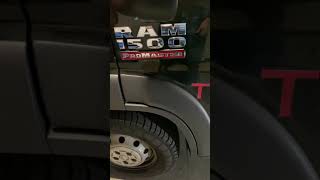
Used OEM Parts in Stock
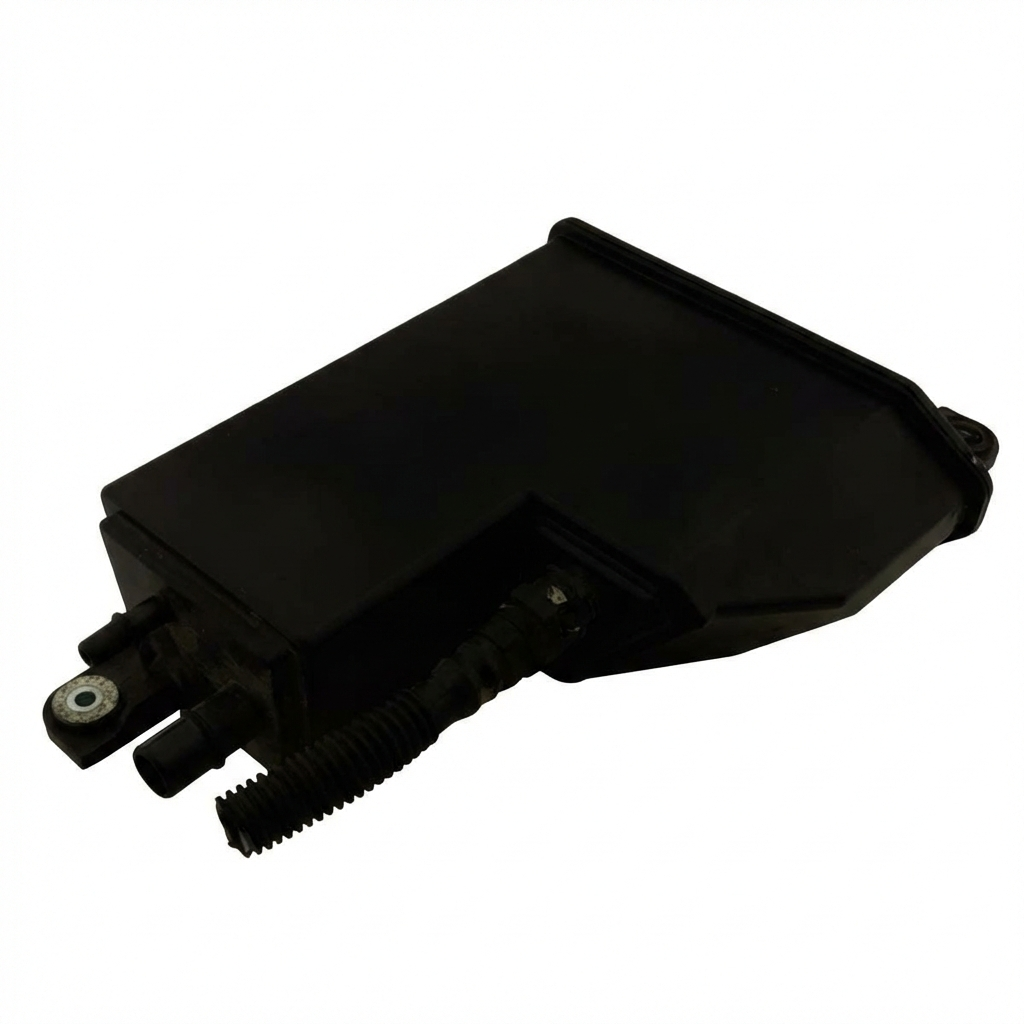
New Aftermarket Parts Available


The information in this article is provided for general reference and educational purposes only. Vehicle specifications, procedures, and part compatibility can vary by production date, trim level, and region. Always consult your vehicle's factory service manual and verify part numbers before purchasing or performing repairs. Safety-critical components such as airbags, seat belts, and braking systems should be installed by a qualified professional.
- Ram ProMaster:
- 🎬 Helpful Videos
- 🛍️ Shop This Part
- What's Unique About the 2014-2023 Ram ProMaster
- Symptoms You May Notice
- Most Likely Causes
- Rare But Worth Checking
- Diagnosis Steps
- Parts You'll Likely Need
- Related Codes That Often Appear With This One
- Technical Service Bulletins (TSBs) & Recalls
- Platform-Specific Known Issues
- Mechanic-Grade Diagnostic Values
- Scan Tool Commands That Help
- Wiring & Ground Locations
- OEM Part Supersession History
- Model Year Variations Within This Range
- Diagnostic Flowchart
- Used vs. New Parts: Buying Guide for This Vehicle
- Real Owner Stories
- 2018 Ram ProMaster 3.6L V6 Pentastar
- 2017 Ram ProMaster 3.6L V6 Pentastar
- Related OBD-II Codes
- Frequently Asked Questions
- 🎟️ Get 5% Off