

P1450 on 2005-2010 Pontiac G6: Causes and Fixes for Excessive Fuel Tank Vacuum
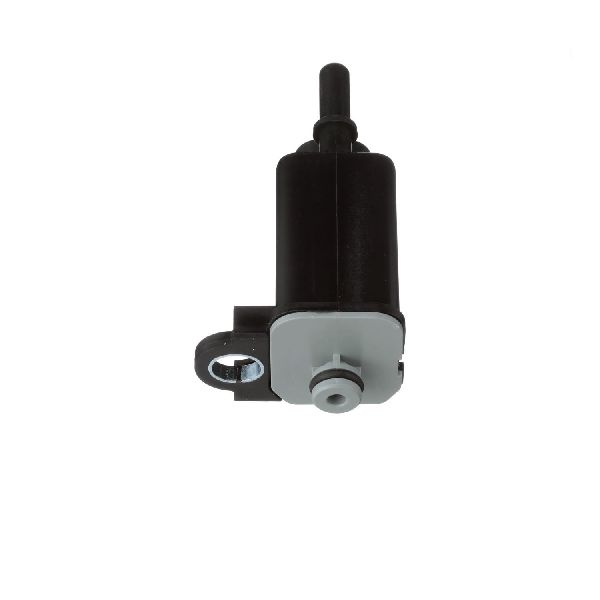
On a 2005-2010 Pontiac G6, code P1450 is most often caused by a faulty vapor canister purge valve located in the engine bay. This valve gets stuck open, causing constant engine vacuum to be pulled on the fuel tank. This is an inexpensive part (around $25-$60) and is very easy to replace, making it the best starting point for diagnosis and repair. Ignoring this code can potentially lead to fuel tank deformation over time.
- P1450 means your fuel tank has too much vacuum that it can't get rid of.
- The most likely cause on a Pontiac G6 is a bad vapor canister purge valve located on the engine, which is an easy and cheap DIY fix.
- A classic symptom is the car struggling to start right after you get gas.
- You can diagnose the bad purge valve in minutes by starting the car and feeling for suction on the valve's port; there should be none.
What's Unique About the 2005-2010 Pontiac G6
For the Pontiac G6 and its GM Epsilon platform mates, the EVAP system has two key valves that are common failure points for this code. The vapor canister purge valve is conveniently located on the engine and is very simple for a DIYer to replace. Conversely, the canister vent valve is located at the rear of the vehicle near the fuel tank and is more difficult to access. Because the purge valve is a frequent culprit for being stuck open and is easy to get to, it's the most logical and cost-effective part to check first.
Symptoms You May Notice
- Check Engine Light is on
- A 'whoosh' or hissing sound of air rushing in when opening the gas cap
- Difficulty starting the engine immediately after refueling; 🎬 Watch this quick diagnosis for hard starts after fueling. may require holding the gas pedal down to start
- Slightly reduced fuel economy
- Minor rough idle or stumbling, especially during deceleration or at a stop shortly after starting
- Strong fuel smell in some cases
- Replacing the gas cap when the purge valve is the actual problem.
- Replacing the more difficult-to-access vent solenoid near the tank before testing the much easier and more common purge solenoid in the engine bay.
- Replacing other fuel system components before performing the simple 5-minute suction test on the purge valve.
Most Likely Causes
- Faulty Vapor Canister Purge Valve (Solenoid) 🔴 High Probability This valve cycles frequently and is a very common failure item on many GM vehicles of this era, where it gets stuck internally in the open position. This allows continuous, un-commanded engine vacuum to be pulled on the fuel tank, causing the P1450 code and often a P0496 code as well.
How to confirm: Remove the purge valve from the engine bay (it's easily accessible after removing the plastic engine cover). With the valve's electrical connector unplugged, try to blow through it. If any air passes through, it is stuck open and needs to be replaced. A more definitive test is to disconnect the EVAP line from the valve, start the engine, and feel the port on the valve. If you feel any suction, it is faulty and must be replaced. A healthy valve should be fully closed with no power applied.
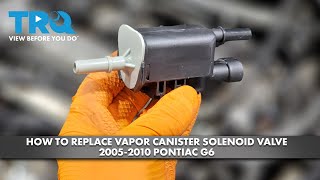
Typical fix: Replace the vapor canister purge valve. This is a 15-minute job requiring minimal tools, typically just a flat blade screwdriver and an 8mm socket. 🎬 See how to replace the purge valve on Ecotec engines.
Est. part cost: $25-$60 - Faulty EVAP Canister Vent Valve (Solenoid) 🟡 Medium Probability This valve is located near the rear wheel by the charcoal canister and is exposed to road debris, salt, and moisture. This can cause it to fail and get stuck in the closed position, which traps vacuum in the tank and prevents it from bleeding off.
How to confirm: Locate the valve near the charcoal canister at the rear of the vehicle. A scan tool with bi-directional controls can command the valve to open and close to test its function. Without a scan tool, you can apply 12V power to the solenoid's terminals to see if it clicks open and closed. A visual inspection for heavy corrosion or dirt clogging the vent filter is also recommended.
Typical fix: Replace the EVAP canister vent valve. Access is more difficult than the purge valve and will require safely jacking up the vehicle to work near the rear axle. 🎬 See this walkthrough for replacing the rear canister vent solenoid.
Est. part cost: $30-$70 - Blocked or Kinked EVAP Hoses ⚪ Low Probability
How to confirm: Visually inspect all accessible EVAP lines running from the engine bay to the charcoal canister and fuel tank. Look for any obvious kinks, collapses, or damage. A professional smoke test is the most effective way to find restrictions or hidden blockages in the lines or canister itself.
Typical fix: Repair or replace the damaged section of the hose.
Est. part cost: $10-$30 - Loose or Faulty Gas Cap ⚪ Low Probability
How to confirm: Ensure the gas cap is tight and the seal is not cracked or damaged. While a loose cap usually causes a small leak code (like P0456), a faulty cap that doesn't vent properly under extreme vacuum can contribute to the issue.
Typical fix: Tighten or replace the gas cap with an OEM-spec part.
Est. part cost: $15-$30
Rare But Worth Checking
- Faulty Fuel Tank Pressure (FTP) Sensor: This sensor reports the pressure/vacuum level to the computer. If it provides an inaccurate reading, it can cause the computer to set P1450 incorrectly. This is less common than a valve failure.
- Saturated Charcoal Canister: Repeatedly overfilling the fuel tank (topping off after the pump clicks off) can force liquid fuel into the charcoal canister. This saturates the charcoal, turning it into a solid blockage that prevents the system from venting properly. If you shake the canister and it sounds like a maraca (from loose charcoal granules), it is defective.
Diagnosis Steps
- Check the gas cap. Ensure it is tight and the seal looks intact. A very strong 'whoosh' of air when opening the cap is a key symptom pointing towards excessive vacuum.
- Locate the vapor canister purge valve on the side of the engine. Disconnect the hose coming from the rear of the car (the EVAP line, not the intake manifold line).
- Start the engine. With the electrical connector still attached but the hose off, place your finger over the valve's port. If you feel any suction, the valve is stuck open and must be replaced. This is the most common fix.
- If the purge valve is good (no suction), the next step is to inspect the EVAP canister vent valve located at the rear of the car, near the fuel tank.
- Test the vent valve for proper operation. Use a scan tool to command it open and closed, or apply 12V power to check if the solenoid clicks. Inspect its filter for blockages from dirt or spider webs.
- If both valves seem to be working, visually inspect all EVAP hoses for kinks, damage, or blockages.
- If no visible issues are found, a smoke test is the next step to identify any hard-to-see restrictions in the lines or canister.
- As a final, less likely step, test the Fuel Tank Pressure (FTP) sensor to ensure it is reading correctly.
Parts You'll Likely Need
- Vapor Canister Purge Valve / Solenoid
(OEM #12611801, 214-1685)— This is the most frequent cause of P1450 on the Pontiac G6. It gets stuck open, causing continuous vacuum to be applied to the fuel tank.
Trusted brands: ACDelco, Dorman, Standard Motor Products
OEM price range: $40-$60
Aftermarket price range: $25-$45 - EVAP Canister Vent Valve / Solenoid
(OEM #214-2311)— This is the second most likely cause. It gets stuck closed, preventing the system from venting built-up vacuum. Its location near the rear wheel makes it prone to failure from road debris.
Trusted brands: ACDelco, Dorman, Standard Motor Products, Wells
OEM price range: $50-$80
Aftermarket price range: $30-$50
Related Codes That Often Appear With This One
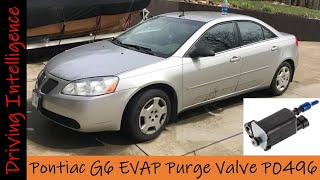
- P0496 — P0496 (EVAP Flow During a Non-Purge Condition) is also very commonly caused by a stuck-open purge valve. It's highly likely to appear alongside or instead of P1450 for the same root cause, as both codes point to a condition where the EVAP system is seeing flow/vacuum when it shouldn't.
Technical Service Bulletins (TSBs) & Recalls
- While no TSB was found specifically for the Pontiac G6 and P1450, other manufacturers like Ford have issued TSBs (e.g., 19-2207, 16-0055) for the same code, often pointing to a faulty canister purge valve and sometimes requiring a PCM software update in addition to the part replacement. This reinforces the purge valve as the primary suspect across different makes.
Mechanic-Grade Diagnostic Values
- EVAP Canister Vent Valve Solenoid Resistance — expected: 48 - 65 Ohms. Failure: A reading outside this range, or an open/infinite reading, indicates a failed solenoid coil.
- Fuel Tank Pressure (FTP) Sensor Signal Voltage — expected: 0.1V (high pressure) to 4.9V (high vacuum). Failure: A signal that is stuck at one voltage or does not change as tank pressure changes (e.g., when opening the gas cap) indicates a faulty sensor.
- EVAP Purge/Vent Solenoid Voltage Supply — expected: Battery voltage (~12V) at the voltage supply circuit terminal with ignition on.. Failure: If a test lamp does not illuminate between the supply wire and a known good ground, it indicates an open or short in the power supply circuit or a blown fuse.
Scan Tool Commands That Help
- Tech2 / GDS2: EVAP Service Bay Test — This is a comprehensive, automated test that allows a technician to force the EVAP monitor to run in the service bay without a full drive cycle. It commands the purge and vent valves to cycle and monitors the FTP sensor to verify system integrity, quickly identifying leaks or blockages. Note that the test has prerequisites, such as fuel level between 15-85% and a cold engine (ECT below ~158°F).
- Professional Scan Tool (e.g., Autel, Snap-on): EVAP Purge Solenoid Control / EVAP Vent Solenoid Control — This bidirectional command allows you to manually open and close the purge and vent solenoids while observing system pressure or listening for an audible click. For P1450, you would command the vent solenoid ON (open) to see if the vacuum in the tank bleeds off. If it doesn't, the vent path is blocked. You can also command the purge solenoid to 0% (closed) with the engine running to confirm it's not leaking vacuum.
Wiring & Ground Locations
- G105 — On the left rear side of the engine compartment, on an engine/transmission stud, below the upper coolant hose.. This is a critical ground point shared by the Engine Control Module (ECM) and the Transmission Control Module (TCM). A poor connection at G105 can cause erratic behavior from multiple components controlled by the ECM, including the EVAP purge and vent solenoids, leading to false codes or incorrect operation.
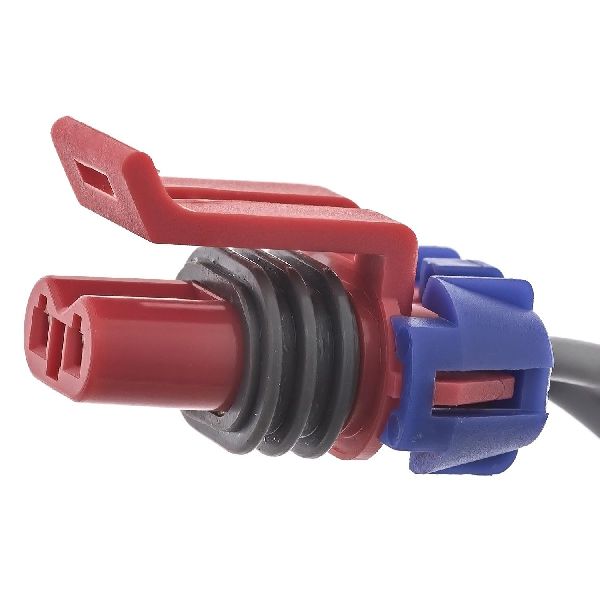
- EVAP Canister Purge Solenoid Connector — On the EVAP purge solenoid, located on the side of the engine.. For testing, Terminal A is the voltage supply circuit (Pink/Black wire) and Terminal B is the control circuit (White wire) controlled by the ECM. Verifying voltage at Terminal A and commanding the ground on Terminal B with a scan tool confirms the integrity of the wiring to the solenoid.
- EVAP Canister Vent Solenoid Connector — At the vent solenoid, located near the charcoal canister at the rear of the vehicle.. For testing, Terminal A is the voltage supply circuit and Terminal B is the control circuit. A common failure point is corrosion within this connector due to its exposure to road spray, which can cause an open or high resistance in the control circuit, often setting a P0449 code but can also contribute to venting issues related to P1450.
Real Owner Repair Stories
- YouTube channel 'South Main Auto Repair' (2006 Pontiac G6) — Check Engine Light with code P0449 (EVAP Vent Solenoid Control Circuit). While not P1450, this is a directly related component failure.
❌ Tried (didn't work) The diagnosis was direct, no other parts were tried.
✅ What actually fixed it The EVAP vent solenoid was confirmed to be faulty using a scan tool to command it on/off; no clicking was heard. The circuit itself was tested and confirmed to be good. Replacing the EVAP vent solenoid located at the rear of the vehicle resolved the code. - YouTube channel 'ScannerDanner' (Pontiac G6 (year not specified)) — No-start, no-crank condition with multiple communication codes.
❌ Tried (didn't work) Initial focus was on the Park/Neutral Position Switch.
✅ What actually fixed it The root cause was a bad ground at G105, which is shared by the ECM, TCM, and Park/Neutral switch. Wiggling the ground wires at the transmission stud caused the fault to appear and disappear. This story highlights the importance of checking G105, as a poor connection there can affect all ECM-controlled systems, including the EVAP solenoids.
OEM Part Supersession History
12611801→19435149— Standard part number update by GM.GM 13575701 (for vent valve)→ACDelco 214-2311— Transition from GM factory number to ACDelco service part number.
Heads up: Part 214-2237 is also listed as an interchange for 214-2311.
Diagnostic Flowchart
Used vs. New Parts: Buying Guide for This Vehicle
When a used part is the smart pick: For this repair, buying a used part is generally not recommended. The primary failure components (purge and vent solenoids) are relatively inexpensive to buy new from reputable aftermarket brands. Since these are known high-failure-rate items, a used part from a junkyard carries a significant risk of having the same internal fault or a very short remaining service life.
Donor-vehicle mileage cap: roughly under 50000 miles for the part to have meaningful remaining life.
What to inspect on the donor part:
- For a vent solenoid, inspect the electrical connector pins for any signs of green or white corrosion.
- Check the plastic housing for cracks or heat stress.
- If possible, test the solenoid with a 12V source to ensure it clicks before purchasing.
OEM-only on this vehicle (don't cheap out):
- While not strictly required, using an OEM (ACDelco) gas cap is often recommended as some aftermarket caps have been known to have sealing issues that can cause other EVAP codes.
Aftermarket brands forum-validated for this vehicle:
- Standard Motor Products (SMP)
- Dorman
- Wells
- Bosch
Brands owners have reported issues with on this vehicle:
- No-name, unbranded parts from online marketplaces should be avoided, as their internal components and seals may not meet the required specifications, leading to a quick repeat failure.
Real Owner Stories
Aggregated from forums and TSBs cited above. Mileages and costs reflect what owners reported in those sources.
2008 Pontiac G6
Symptoms: Having trouble starting after fueling.
What fixed it: The likely culprit was identified as a stuck-open EVAP purge solenoid.
Source hint: Reddit r/Cartalk thread '08 Pontiac G6 having trouble starting after fueling'
2007 Pontiac G6
Symptoms: Car not starting only after getting gas; needing to press the gas pedal to start after filling up.
What fixed it: The issue was diagnosed as a bad purge valve.
Source hint: Reddit r/MechanicAdvice thread 'Car not starting only after getting gas?'
Related OBD-II Codes
Frequently Asked Questions
My 2008 Pontiac G6 is very hard to start right after I get gas. Is this related to the P1450 code?
I hear a loud 'whoosh' of air when I open the gas cap on my G6. Is that normal?
What is the most common part I should check first for a P1450 code on my Pontiac G6?
How can I test the purge valve on my G6 myself without special tools?
My mechanic also found code P0496 along with P1450. Are they related?
Do other GM cars like the Chevy Malibu or Saturn Aura have this same P1450 problem?
Should I buy a used purge valve from a junkyard to save money?
Helpful Videos

Used OEM Parts in Stock
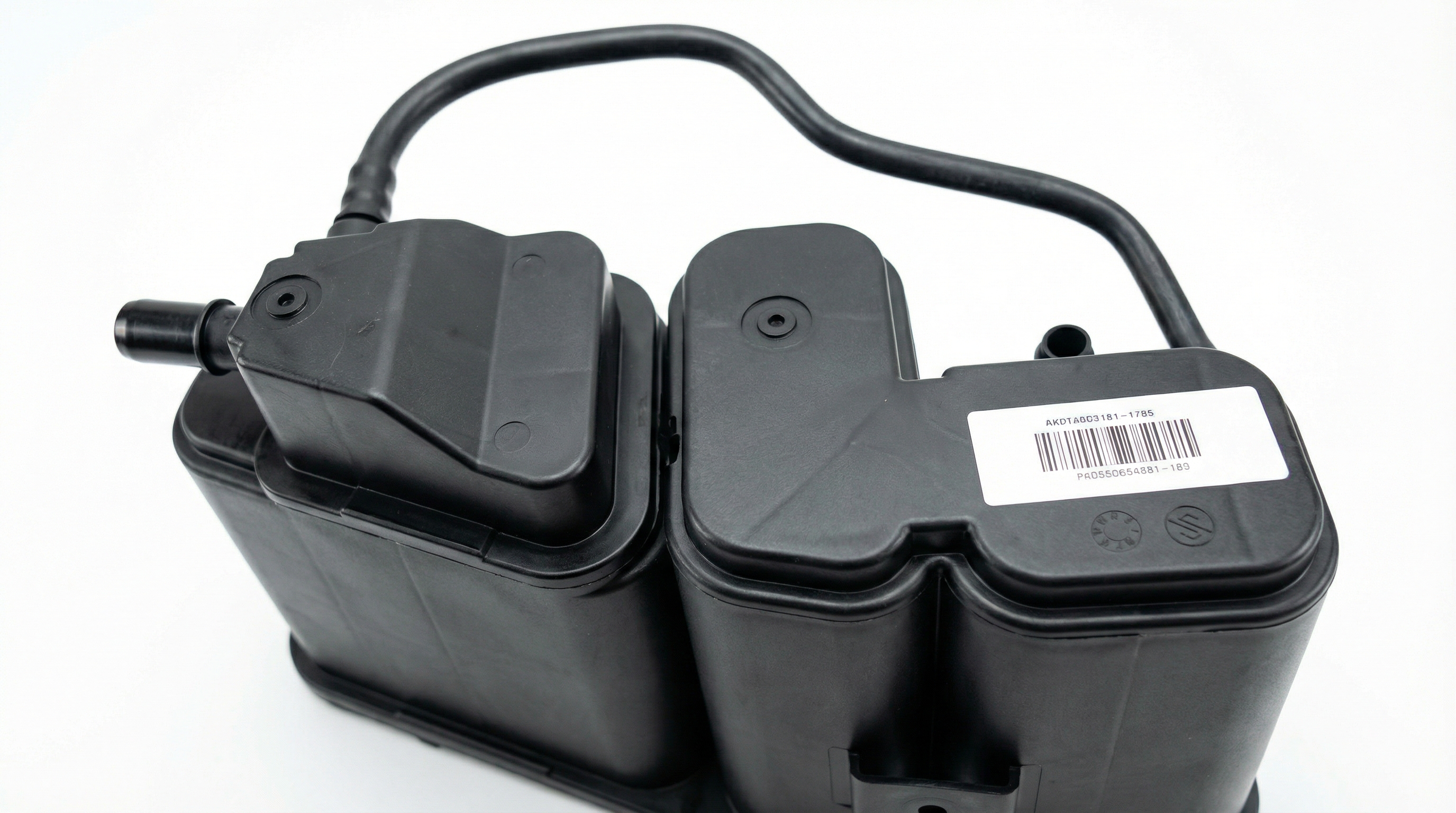
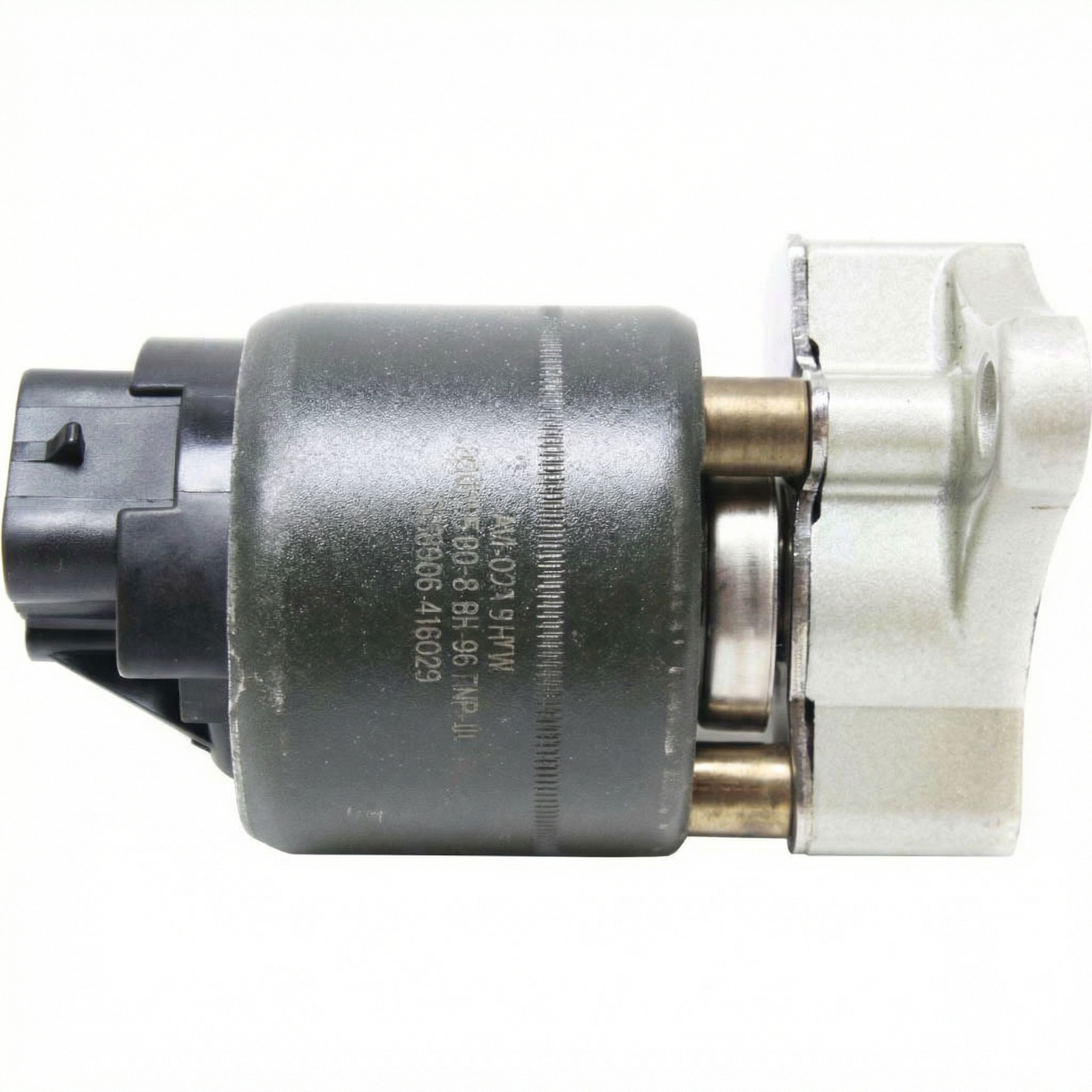
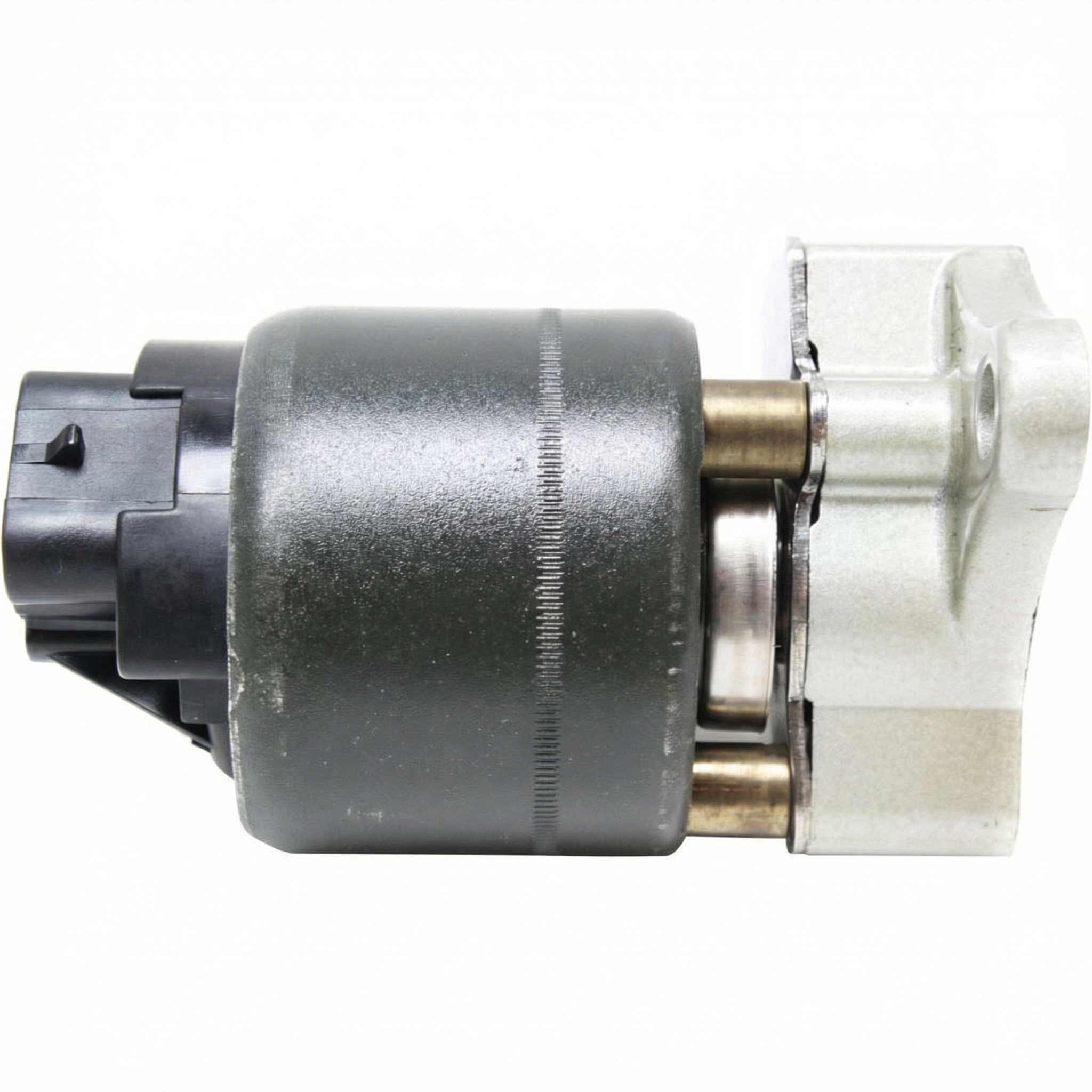
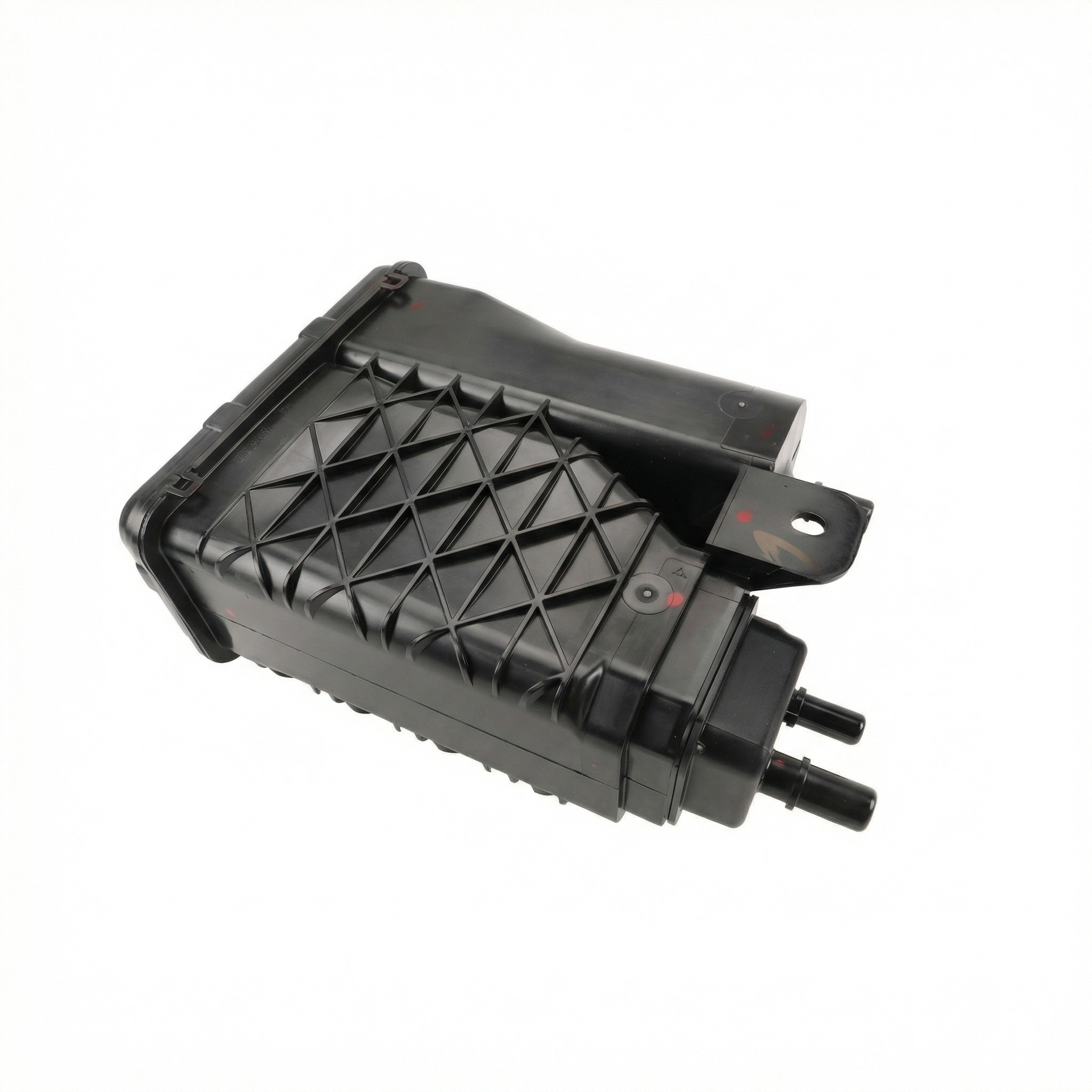
New Aftermarket Parts Available


The information in this article is provided for general reference and educational purposes only. Vehicle specifications, procedures, and part compatibility can vary by production date, trim level, and region. Always consult your vehicle's factory service manual and verify part numbers before purchasing or performing repairs. Safety-critical components such as airbags, seat belts, and braking systems should be installed by a qualified professional.
- Pontiac G6:
- 🎬 Helpful Videos
- 🛍️ Shop This Part
- What's Unique About the 2005-2010 Pontiac G6
- Symptoms You May Notice
- Most Likely Causes
- Rare But Worth Checking
- Diagnosis Steps
- Parts You'll Likely Need
- Related Codes That Often Appear With This One
- Technical Service Bulletins (TSBs) & Recalls
- Mechanic-Grade Diagnostic Values
- Scan Tool Commands That Help
- Wiring & Ground Locations
- Real Owner Repair Stories
- OEM Part Supersession History
- Diagnostic Flowchart
- Used vs. New Parts: Buying Guide for This Vehicle
- Real Owner Stories
- 2008 Pontiac G6
- 2007 Pontiac G6
- Related OBD-II Codes
- Frequently Asked Questions
- 🎟️ Get 5% Off