

P1107 on 2010-2015 Hyundai Tucson 2.4L: MAP Sensor Circuit Fixes
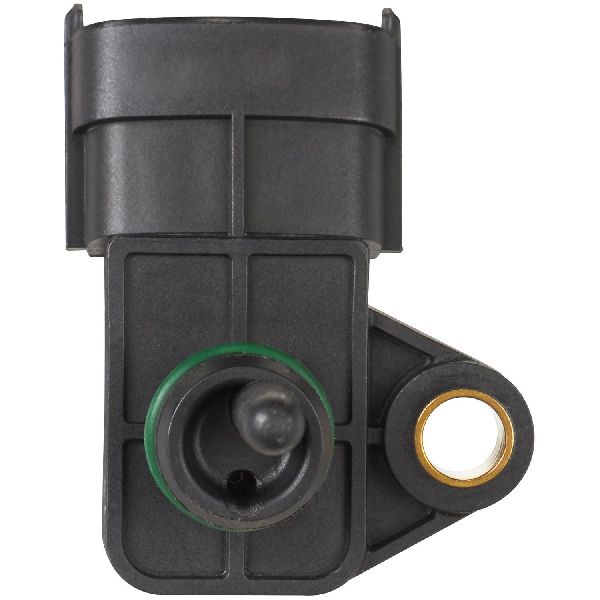
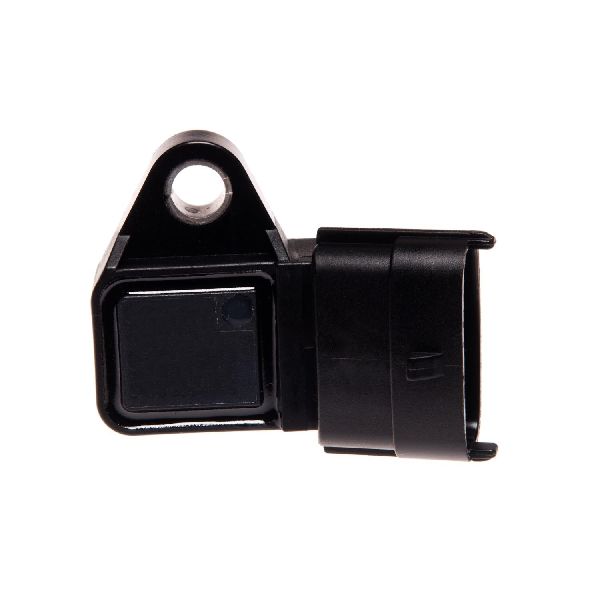
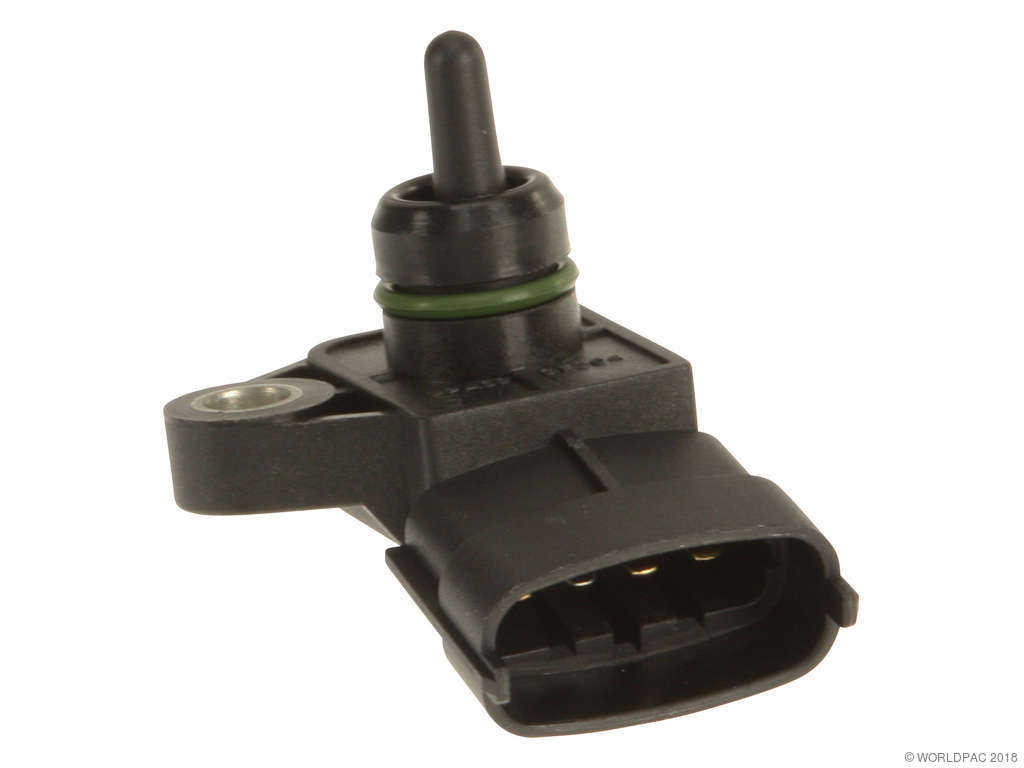
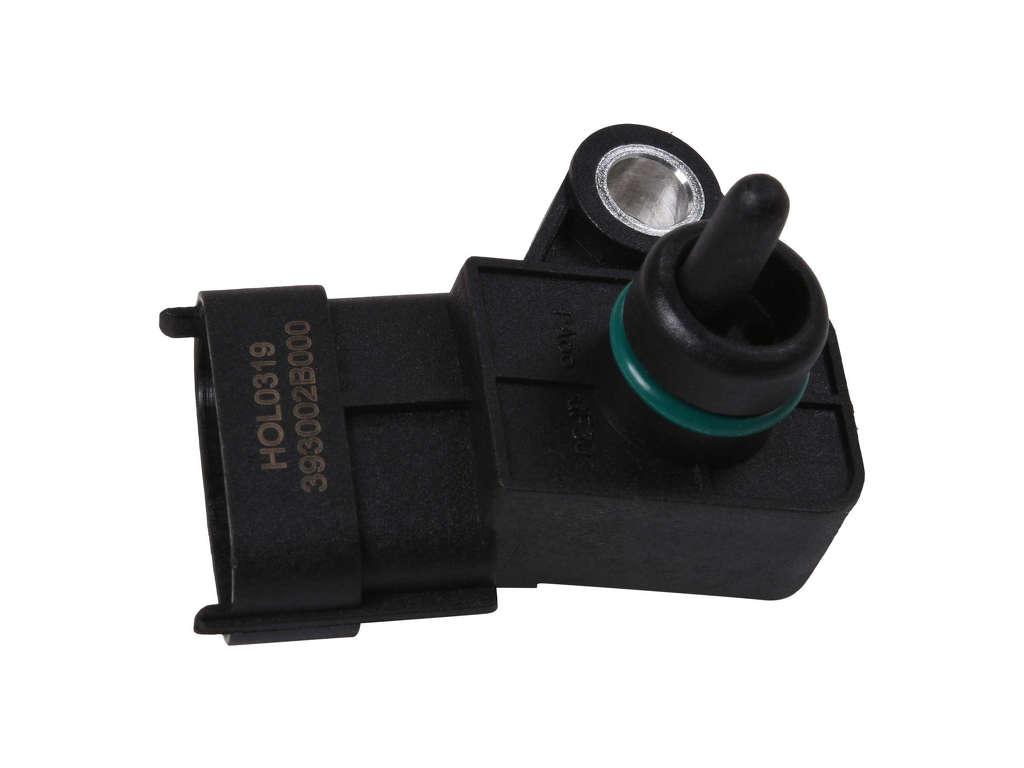
On a 2010-2015 Tucson 2.4L, code P1107 almost always indicates a faulty Manifold Absolute Pressure (MAP) sensor. This is a very easy DIY fix, typically taking less than 15 minutes with a single bolt. Expect to pay $40-$80 for an aftermarket part, or $70-$120 for a genuine Hyundai sensor, which is highly recommended. The OEM part number is 39300-2G000, which has been superseded by 39300-2B000.
- P1107 on your Tucson almost certainly means you need a new MAP sensor.
- This is a very simple 15-minute DIY repair that only requires basic hand tools.
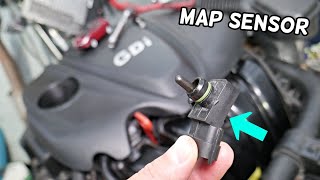
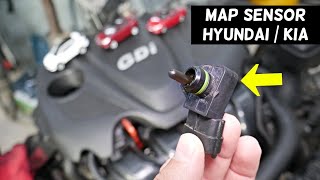
- The MAP sensor is located on top of the intake manifold, held by one 10mm bolt.
- Spend the extra money on a genuine OEM Hyundai MAP sensor (part #39300-2B000) to ensure a lasting fix.
- Before replacing the part, take a minute to check that its electrical connector is secure and the nearby wiring isn't damaged.
What's Unique About the 2010-2015 Hyundai Tucson
The 2.4L GDI engine in the second-generation (LM) Tucson does not use a Mass Airflow (MAF) sensor, relying solely on the MAP sensor for its primary engine load calculations. This simplifies diagnosis by eliminating the MAF as a potential cause for fuel trim or performance issues. The MAP sensor is also conveniently located directly on top of the intake manifold, making it exceptionally easy to access and replace compared to many other vehicles.
Symptoms You May Notice
- Check Engine Light is on
- Rough or unstable idle
- Engine hesitation or stumbling during acceleration
- Reduced engine power or sluggish performance
- Decreased fuel economy
- Engine may stall, especially at idle
- Difficulty starting the engine
- Replacing spark plugs or ignition coils when the issue is a fuel mixture problem caused by the faulty MAP sensor.
- Cleaning the throttle body, which, while good maintenance, will not fix a failed sensor or wiring issue. A Reddit user with a P0107 on a similar Hyundai platform reported that a throttle body service did not resolve the issue.
Most Likely Causes
- Faulty Manifold Absolute Pressure (MAP) Sensor 🔴 High Probability This is the most common failure point for all MAP-related codes (including P0106, P0107, P0108) on this platform. The sensor is an electronic component that can fail with age and heat cycles.
How to confirm: With a scan tool, monitor the MAP sensor voltage at Key On, Engine Off (KOEO). It should read around 4.5-5.0 volts (reflecting atmospheric pressure). At idle, it should drop to 1.0-1.8 volts. If the voltage intermittently drops out or is stuck low (below 0.25V), the sensor is bad.
Typical fix: Replace the MAP sensor. It is held to the intake manifold by a single 10mm bolt.
Est. part cost: $40-$120 - Damaged Wiring or Loose Connector 🟡 Medium Probability The wiring harness is in the engine bay and exposed to heat and vibration, which can cause wires to become brittle or connections to loosen over time. The harness is located near the radiator fan, which can sometimes cause damage.
How to confirm: Visually inspect the MAP sensor connector for corrosion, pushed-out pins, or damage. With the engine running, carefully wiggle the connector and wiring harness leading to the sensor. If the engine stumbles or the live data on a scan tool fluctuates wildly, a wiring issue is likely. Check for 5V reference voltage at the connector with the key on.
Typical fix: Repair the damaged section of wiring or replace the connector pigtail.
Est. part cost: $15-$30 - Vacuum Leak ⚪ Low Probability Rubber vacuum hoses can crack and plastic fittings can break with age, creating an unmetered air leak that causes MAP sensor readings to be higher than expected at idle, though this is less likely to cause an intermittent *low* voltage code like P1107.
How to confirm: Listen for a hissing sound around the intake manifold with the engine running. You can also spray short bursts of brake cleaner or a propane torch (unlit) around potential leak points like the PCV hose, brake booster line, and intake manifold gaskets; a change in engine idle indicates a leak.
Typical fix: Replace the cracked or broken vacuum hose or gasket.
Est. part cost: $10-$50
Rare But Worth Checking
- Clogged Catalytic Converter: A severely restricted exhaust can cause abnormal pressure readings in the intake manifold. This would typically be accompanied by other symptoms like a significant loss of power, especially at high RPM, and potentially a sulfur (rotten egg) smell from the exhaust.
- Faulty Powertrain Control Module (PCM): This is extremely rare. The PCM should only be considered after all other possibilities, including the sensor, wiring, and vacuum leaks, have been thoroughly ruled out.
Diagnosis Steps
- Connect an OBD-II scanner and confirm P1107 is the active code. Note any other codes present.
- Using the scanner's live data function, monitor the MAP sensor voltage with the Key On, Engine Off (KOEO). The reading should be steady and correspond to your altitude (approx. 4.5V at sea level).
- Start the engine and observe the MAP sensor voltage at idle. It should drop to a steady 1.0-1.8V.
- Gently wiggle the MAP sensor connector and its wiring harness. If the voltage reading on the scan tool drops out or fluctuates erratically, you have a wiring or connection problem.
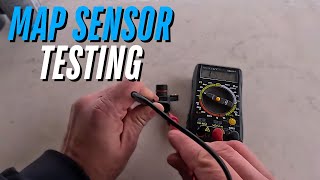
- If the wiring seems okay, turn the ignition off, disconnect the sensor, and turn the key back on. Use a multimeter to verify you have a 5-volt reference signal (approx. 4.8V-5.2V) and a good ground (less than 100mV or 0.1V) at the connector pins. 🎬 See: Step-by-step guide to testing a MAP sensor with a multimeter
- Perform a visual inspection of all vacuum hoses connected to the intake manifold, particularly the PCV hose and the brake booster hose, for cracks or disconnections.
- If no vacuum leaks or wiring issues are found, the MAP sensor itself is the most likely culprit and should be replaced.
Parts You'll Likely Need
- Manifold Absolute Pressure (MAP) Sensor
(OEM #39300-2G000 (superseded by 39300-2B000))— This sensor is the most frequent point of failure for code P1107 on this vehicle.
Trusted brands: Hyundai (OEM), Bosch, Delphi, NTK
OEM price range: $70-$120
Aftermarket price range: $40-$80
Related Codes That Often Appear With This One
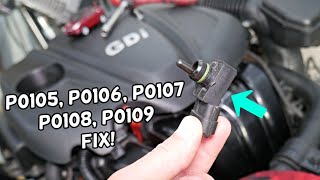
- P0106 — This code indicates a MAP Sensor Range/Performance issue, which can be triggered by the same intermittent signal drops that cause P1107. 🎬 Watch: Diagnosing common Hyundai MAP sensor codes and check engine lights
- P0108 — This code for MAP Sensor Circuit High Input can sometimes appear with P1107 if the sensor is failing erratically, sending both high and low invalid signals.
Platform-Specific Known Issues
- Owners and technicians strongly recommend using a genuine Hyundai (OEM) MAP sensor for this repair. Aftermarket sensors have a reputation for being less reliable and may cause the code to return prematurely.
Mechanic-Grade Diagnostic Values
- MAP Sensor 5V Reference (at connector) — expected: 4.8V - 5.2V. Failure: Significantly lower or no voltage indicates a problem with the PCM or wiring, not the sensor.
- MAP Sensor Signal Voltage (Key On, Engine Off) — expected: 4.0V - 5.0V at sea level. Failure: A reading below 0.5V suggests a faulty sensor or a short in the signal wire. P1107 triggers if the signal is intermittently below 0.25V.
- MAP Sensor Signal Voltage (Engine Idling, warm) — expected: 1.0V - 1.8V. Failure: Voltage is stuck low (below 0.5V) or does not respond to throttle changes.
- MAP Sensor Ground Circuit Voltage Drop — expected: Less than 0.10V (100mV). Failure: A reading higher than 100mV indicates excessive resistance in the ground circuit, which can cause incorrect sensor readings.
- MAP Sensor Ground Circuit Resistance — expected: < 10 Ω to chassis ground. Failure: Higher resistance indicates a poor ground connection.
Scan Tool Commands That Help
- Hyundai GDS (or advanced aftermarket scanner): Resetting Auto T/A values / Reset Adaptive Values — This function should be performed after replacing a MAP sensor or cleaning the throttle body to force the Engine Control Module (ECM) to relearn fuel trims and idle characteristics with the new sensor data.
Wiring & Ground Locations
- MAP Sensor Connector — On the MAP sensor itself, which is mounted directly on the top of the intake manifold, near the throttle body.. This 3-pin connector is the primary point for all electrical testing. Pin 1 is the signal (Blue wire on some models), Pin 2 is the 5V power supply (Pink/Black on some models), and Pin 3 is the ground. A poor connection here is a common cause of intermittent codes.
- ECM Connector (CHG-K) — The ECM is located in the left rear of the engine compartment.. According to a pinout diagram for a 2011 2.0L Tucson, Pin 30 provides the +5V sensor power, and Pin 31 is the MAP sensor signal input. This is useful for checking wire continuity back to the ECM if a wiring fault is suspected.
- Engine Ground Strap — Typically runs from the engine block or cylinder head to the chassis frame rail or firewall.. A corroded, loose, or broken main engine ground can cause a floating ground for multiple sensors, including the MAP. This can lead to erratic and incorrect low voltage readings, triggering a P1107 even if the sensor and its dedicated wiring are good.
Real Owner Repair Stories
- YouTube Channel 'Easy Fix' (2013 Hyundai Tucson 2.4L) — Slightly rough idle and a Check Engine Light with code P2188 (System Too Rich at Idle).
❌ Tried (didn't work) The video directly addresses the fix, but implies the diagnosis pointed away from more complex fuel system issues.
✅ What actually fixed it The owner replaced the very dirty original MAP sensor and a clogged engine air filter. After replacement and clearing the code, the issue was resolved. The video highlights the ease of replacement (one 10mm bolt) and the importance of checking the connector pins for corrosion.
OEM Part Supersession History
39300-2G000→39300-2B000— Standard part update/revision by the manufacturer.
Heads up: The two part numbers are cross-compatible for this vehicle range. 39300-2B000 is the current recommended replacement.
Diagnostic Flowchart
Other Known Issues on This Vehicle
Issues unrelated to this code that are worth knowing about as an owner of this generation:
- Catastrophic Engine Failure (Rod Bearing Wear) 🔴 High — Very common, can occur at any mileage but often seen between 60k-120k miles. Caused by manufacturing debris restricting oil passages. (Ref: Multiple recalls (e.g., NHTSA Campaign 19V120) and class-action lawsuits led to a lifetime warranty extension for the engine short block for vehicles that received the Knock Sensor Detection System (KSDS) software update (e.g., Campaign 953 / T3G).)
- Excessive Oil Consumption 🔴 High — Extremely common, often starting around 60,000-80,000 miles. Many owners report consumption exceeding one quart per 1,000 miles. Often attributed to carbon-stuck piston rings or a faulty PCV system. (Ref: No specific recall, but addressed through dealer-performed oil consumption tests and is a known precursor to engine failure covered under the extended warranty.)
- Intake Valve Carbon Buildup 🟠 Medium — Common to all GDI engines, including this one. Typically requires professional cleaning every 60,000-100,000 miles to prevent misfires, rough idle, and power loss.
- Knock Sensor Detection System (KSDS) Issues 🟠 Medium — The KSDS software update (Campaign 953/966), intended to detect bearing failure, can sometimes be falsely triggered, putting the car into limp mode (reduced power, MIL flashing, P1326 code). This can also be caused by wiring interference. (Ref: TSB 19-01-006H-3 provides a fix for wiring interference issues causing false P1326 codes.)
Used vs. New Parts: Buying Guide for This Vehicle
When a used part is the smart pick: For this specific repair, a used part is NOT recommended. The MAP sensor is a relatively low-cost electronic component that fails due to age, heat cycles, and internal contamination. A used sensor from a junkyard carries a high risk of having the same issues or a very short remaining lifespan.
What to inspect on the donor part:
- Not applicable as used parts are not advised for this component.
OEM-only on this vehicle (don't cheap out):
- Manifold Absolute Pressure (MAP) Sensor
Aftermarket brands forum-validated for this vehicle:
- Bosch
- Delphi
- NGK/NTK
Brands owners have reported issues with on this vehicle:
- Unbranded, 'white-box' parts from online marketplaces often have high failure rates and may not be calibrated correctly for the vehicle.
Real Owner Stories
Aggregated from forums and TSBs cited above. Mileages and costs reflect what owners reported in those sources.
2013 Hyundai Elantra GT 1.8L (Theta II Architecture)
Symptoms: The vehicle triggered a MAP sensor code; the owner replaced the sensor but the code returned.
What fixed it: The diagnostic path required checking the wiring harness and inspecting for vacuum leaks after the initial sensor replacement failed to resolve the issue.
Source hint: r/AskAMechanic - 'P0107 code Hyundai': https://www.reddit.com/r/AskAMechanic/comments/17s4311/p0107_code_hyundai/
Related OBD-II Codes
Frequently Asked Questions
Should I use an aftermarket MAP sensor to fix P1107 on my 2012 Tucson?
Is there a TSB for the limp mode and flashing engine light I'm seeing alongside MAP codes?
Could my Tucson's rough idle and P1107 be related to the PCV system?
Is the MAP sensor failure related to the major Hyundai engine recalls?
Where is the MAP sensor located on the 2.4L GDI engine?
Can carbon buildup cause the same symptoms as a P1107 code?
Helpful Videos
We Have This Part in Stock


The information in this article is provided for general reference and educational purposes only. Vehicle specifications, procedures, and part compatibility can vary by production date, trim level, and region. Always consult your vehicle's factory service manual and verify part numbers before purchasing or performing repairs. Safety-critical components such as airbags, seat belts, and braking systems should be installed by a qualified professional.
- Hyundai Tucson:
- 🎬 Helpful Videos
- 🛍️ Shop This Part
- What's Unique About the 2010-2015 Hyundai Tucson
- Symptoms You May Notice
- Most Likely Causes
- Rare But Worth Checking
- Diagnosis Steps
- Parts You'll Likely Need
- Related Codes That Often Appear With This One
- Platform-Specific Known Issues
- Mechanic-Grade Diagnostic Values
- Scan Tool Commands That Help
- Wiring & Ground Locations
- Real Owner Repair Stories
- OEM Part Supersession History
- Diagnostic Flowchart
- Other Known Issues on This Vehicle
- Used vs. New Parts: Buying Guide for This Vehicle
- Real Owner Stories
- 2013 Hyundai Elantra GT 1.8L (Theta II Architecture)
- Related OBD-II Codes
- Frequently Asked Questions
- 🎟️ Get 5% Off