

P1101 on 2012-2020 Chevrolet Sonic 1.4L: Intake Airflow System Causes and Fixes
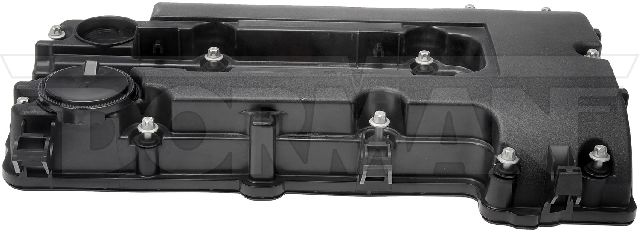
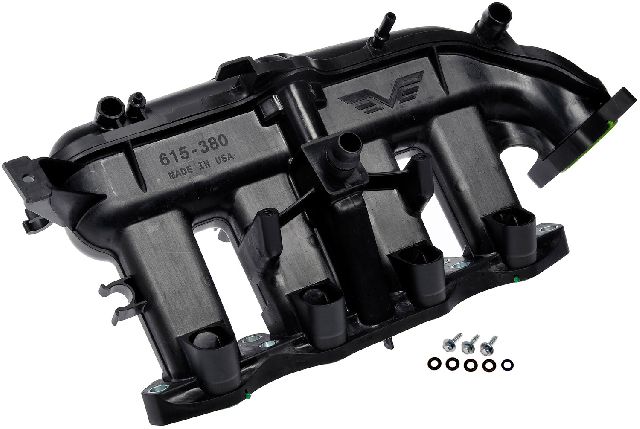
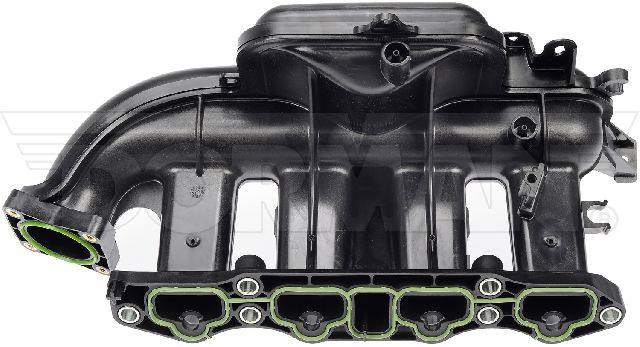
On a 1.4L Turbo Sonic, P1101 is almost always caused by a sequential failure in the PCV system, creating a large vacuum leak. The root cause is a small check valve in the intake manifold that gets ingested by the engine, which then causes a rubber diaphragm in the valve cover to rupture under pressure. The correct fix requires replacing the valve cover assembly (ACDelco #25198874) AND addressing the missing check valve, either by replacing the intake manifold (Dorman OE FIX #615-380) or installi
- For a P1101 on a 1.4L Turbo Sonic, immediately suspect a vacuum leak from the PCV system, not a bad sensor.
- Listen for a hissing sound from the engine and check for strong suction at the oil cap to quickly diagnose a torn valve cover diaphragm.
- CRITICAL: Before replacing the valve cover, you MUST inspect the intake manifold port for a small orange check valve. If it's missing, the intake manifold needs to be repaired or replaced to prevent repeat failure.
- This issue commonly triggers codes P0171 (System Too Lean) and P0106 (MAP Sensor Performance) at the same time.
What's Unique About the 2012-2020 Chevrolet Sonic
The 1.4L Turbo (LUV) engine used in the Sonic, Cruze, Trax, and Encore is notorious for a specific Positive Crankcase Ventilation (PCV) system failure that is the root cause of most P1101 codes. The system has a cascade failure design flaw. First, a small, orange, rubber check valve inside the intake manifold becomes brittle from heat and oil, breaks apart, and is ingested by the engine. Without this valve, the crankcase is exposed to turbo boost pressure, which quickly ruptures a thin rubber diaphragm integrated into the valve cover. This ruptured diaphragm creates a massive vacuum leak, which the ECM detects as an airflow performance issue, triggering P1101.
Symptoms You May Notice
- Check Engine Light is on
- Rough or unstable idle
- Loud hissing, sucking, or whistling sound from the engine bay, especially near the oil cap area
- Poor engine performance and hesitation during acceleration
- Increased fuel consumption
- Engine may stall when coming to a stop
- Oil filler cap is very difficult to remove with the engine running due to strong vacuum
- Replacing the MAF sensor without checking for vacuum leaks. The P1101 code indicates an airflow *performance* issue, which is most often caused by a vacuum leak from the PCV system on this engine, not a faulty sensor.
- Replacing the valve cover for a torn diaphragm but failing to check for the missing intake manifold check valve. This is a critical error, as turbo boost pressure will destroy the new valve cover diaphragm, leading to a repeat failure in a short amount of time.
Most Likely Causes
- Failed/Missing Intake Manifold PCV Check Valve 🔴 High Probability This is the root cause. A small, orange, rubber check valve inside the intake manifold gets brittle, breaks, and is ingested by the engine. This leaves an open port, exposing the rest of the PCV system to damaging turbo boost pressure. This failure almost always leads to the secondary failure of the valve cover diaphragm.
How to confirm: Remove the PCV hose from the port on top of the intake manifold (behind the oil filler cap). Shine a light into the port. You should see the small orange check valve with a cross shape in the center. If the hole is empty and dark, the valve is missing.
Typical fix: Option 1 (OEM): Replace the entire intake manifold. Dorman offers an improved 'OE FIX' version (part #615-380) with a redesigned retainer to prevent the valve from dislodging. Option 2 (Aftermarket): Install an external check valve kit (e.g., from CruzeKits.com) which bypasses the need to replace the manifold by adding a more durable, external check valve into the PCV hose.
Est. part cost: $150-$250 for a new manifold, $75 for an external valve kit - Failed PCV System (Ruptured Valve Cover Diaphragm) 🔴 High Probability This is the most obvious symptom, but is caused by the missing intake manifold check valve. Boost pressure entering the crankcase ruptures the thin rubber diaphragm inside the valve cover, creating a large, unmetered vacuum leak. Simply replacing the cover without fixing the manifold issue will cause the new diaphragm to fail again quickly.
How to confirm: With the engine running, listen for a loud hissing sound near the top of the engine. A definitive test is to place a finger over the small weep hole on the PCV diaphragm housing on the valve cover; if the hissing stops and you feel strong suction, it's torn. You can also try to remove the oil fill cap; if strong suction holds it down, the diaphragm has failed.
Typical fix: Replace the entire valve cover assembly. The diaphragm is integrated and not sold separately by the OEM. This must be done in conjunction with addressing the missing intake manifold check valve.
Est. part cost: $50-$120 - Cracked or Loose Intake Air Duct 🟡 Medium Probability The flexible hoses between the air filter, turbo, and throttle body can crack with age and heat, allowing unmetered air to enter the system after the MAF sensor. The corrugated PCV hose connecting the valve cover to the turbo inlet is also a common failure point.
How to confirm: Visually inspect all intake ducting for cracks, especially in the accordion sections. Ensure all clamps are tight. A smoke test is the most effective way to find hidden leaks.
Typical fix: Replace the cracked air duct or PCV hose.
Est. part cost: $40-$80 - Dirty or Contaminated Mass Airflow (MAF) Sensor ⚪ Low Probability While less common than PCV failure on this engine, oil from an over-oiled aftermarket air filter or dirt can contaminate the MAF sensor's delicate wires, causing inaccurate readings.
How to confirm: Remove the MAF sensor and inspect the small wires inside. If they appear dirty or coated in oil, they need cleaning. Do not touch the wires.
Typical fix: Clean the sensor with a dedicated MAF sensor cleaner spray. If cleaning doesn't work, replace the sensor.
Est. part cost: $10 for cleaner, $60-$150 for a new sensor
Rare But Worth Checking
- Dirty Throttle Body: Carbon buildup around the throttle plate can restrict airflow at idle, causing the ECM to see a mismatch between expected and actual airflow.
- Improperly Installed Air Filter: An air filter that is not seated correctly can allow air to bypass the MAF sensor, leading to incorrect readings and a P1101 code.
- Cracked PCV Pipe to Turbo: TSB PI0907C notes that the PCV pipe running from the intake manifold to the turbocharger inlet can crack or have a failed internal back pressure valve, causing a leak that can set P1101.
Diagnosis Steps
- Scan for codes and note any other codes present with P1101, especially P0171 and P0106.
- With the engine running, listen for a distinct hissing or sucking sound from the top of the engine, indicating a vacuum leak.
- Perform a quick check of the PCV diaphragm: carefully place your finger over the small square hole on the valve cover's circular PCV housing. If the sound stops and you feel strong suction, the valve cover needs to be replaced.
- CRITICAL: Inspect the intake manifold PCV port. Disconnect the hose from the top of the intake manifold and look inside the port with a flashlight. Confirm the presence of the small orange check valve. If it is missing, the intake manifold must be repaired or replaced.
- If PCV checks are inconclusive, check throttle position angle with a scan tool at warm idle with the A/C off. Per TSB PI0907C, a reading below 7-8% indicates an unmetered air leak that must be found.
- If no obvious cause is found, perform a smoke test to definitively locate any hidden vacuum leaks in the intake system, paying close attention to all hoses and gaskets.
- As a final, less likely check, remove and inspect the MAF sensor for contamination. Clean with dedicated MAF cleaner if dirty.
Parts You'll Likely Need
- Valve Cover with Integrated PCV Diaphragm
(OEM #25198874)— This is the most common symptomatic failure. The internal PCV diaphragm tears due to pressure from the failed intake manifold check valve. The entire cover must be replaced.
Trusted brands: ACDelco (OEM), Dorman
OEM price range: $80-$140
Aftermarket price range: $50-$90 - Intake Manifold
(OEM #25200449 (OEM), 615-380 (Dorman OE FIX))— Required if the internal PCV check valve is missing. The Dorman 615-380 is a popular alternative with a redesigned valve retainer.
Trusted brands: Dorman
Related Codes That Often Appear With This One
- P0171 — System Too Lean. This is the most common companion code. The unmetered air from the PCV vacuum leak causes the engine to run lean, as there is more air than the ECM is accounting for with fuel.
- P0106 — Manifold Absolute Pressure (MAP) Sensor Performance. The large vacuum leak from a failed PCV system directly affects manifold pressure, causing MAP sensor readings to be out of their expected range.
- P0299 — Turbocharger Underboost. A significant leak in the intake tract (which the PCV failure creates) prevents the turbo from building the correct amount of boost pressure.
- P0496 — EVAP Flow During Non-Purge. As mentioned in NHTSA complaint #11384224, a large vacuum leak from the PCV system can disrupt the normal vacuum supply for the EVAP system, causing it to set a fault code.
Technical Service Bulletins (TSBs) & Recalls
- PI0907C: 'Check Engine Light On with DTC P1101 Set'. This is the primary TSB for this issue. It advises technicians to check the throttle position angle at idle if normal diagnostics fail. A low reading (<7%) points to an unmetered air leak. It also mentions checking the PCV pipe to the turbo.
- 20-NA-047: 'Front or Rear Crankshaft Oil Leak, Malfunction Indicator Lamp (MIL) Illuminated - DTC P1101 Set'. This bulletin connects the P1101 code directly to excessive crankcase pressure/vacuum blowing out crankshaft seals, highlighting the importance of a timely repair.
Platform-Specific Known Issues
- NHTSA ODI #11384224 documents an owner of a 2013 Sonic with P1101, P0171, and P0496, noting that research showed it was a common issue across Cruze, Sonic, and Trax models.
- GM Special Coverage Adjustment N202299080 extended the warranty on the camshaft cover (valve cover) for some model years to 10 years or 120,000 miles due to the high rate of PCV diaphragm failure.
Mechanic-Grade Diagnostic Values
- Long-Term and Short-Term Fuel Trims (LTFT/STFT) at idle — expected: Within +/- 10%. Failure: Consistently high positive values (e.g., +25% or higher) confirm the ECM is compensating for a large unmetered air leak.
- Mass Airflow (MAF) Sensor at idle — expected: A rule-of-thumb is that g/s should be close to engine displacement, so ~1.4 g/s for a 1.4L engine. Some sources state a healthy range is 2-7 g/s.. Failure: A reading significantly lower than expected can indicate an unmetered air leak downstream of the sensor.
- Mass Airflow (MAF) Sensor Voltage (KOER Self-Test) — expected: 0.46V to 2.44V. Failure: A voltage reading outside of this range during the Key-On Engine-Running self-test will trigger the P1101 code.
Wiring & Ground Locations
- G101 — Located at the front of the engine, lower block area.. This ground is reported to serve the Engine Control Module (ECM) and the Mass Air Flow (MAF) sensor. A poor connection here could directly cause incorrect MAF sensor readings, mimicking a sensor failure.
- G107 — Located on the lower left rear of the engine block.. This is a primary engine block and powertrain system ground. A GM Preliminary Information bulletin (PIC5879) specifically advises inspecting grounds G100 through G107 for looseness or contamination when diagnosing various electrical complaints, as a poor connection can cause erratic sensor readings that may trigger a P1101.
- MAF Sensor Connector — On the air filter housing, where the main intake tube begins.. Checking for power, ground, and signal integrity at the MAF sensor connector is a key diagnostic step. A damaged wire or corroded pin can cause P1101 even if the sensor itself is good.
Real Owner Repair Stories
- YouTube channel 'Fixing the Infamous' (Buick Encore 1.4L (same engine/PCV system as Sonic)) — Check Engine Light with code P1101, apparent lack of turbo boost.
❌ Tried (didn't work) Replaced valve cover, Installed external PCV fix kit (CruzeKits), Cleaned MAF sensor, Cleaned throttle body, Replaced oil fill cap and dipstick gaskets
✅ What actually fixed it The final cause was a cracked intercooler pipe (charge air cooler hose), which was creating a boost leak that the owner found after all the common PCV-related repairs failed to solve the problem. The specific part was GM Part Number 42698921. - Sonic Owners Forum user (Chevy Sonic 1.4T) — Codes P0171 (System Too Lean) and P1101, hissing from PCV on valve cover.
❌ Tried (didn't work) Replacing the valve cover fixed the hissing and cleared codes P0171 and P1101.
✅ What actually fixed it After replacing the valve cover, new codes P0106 (MAP Sensor) and P0300 (Random Misfire) appeared, with a new hissing/whirring sound from near the firewall. This indicates that while the primary diaphragm failure was fixed, the root cause (likely the intake manifold check valve) was not addressed, leading to new, related issues.
"I Checked Everything" — The Actual Cause
- In a documented repair on a Buick Encore with the same 1.4L engine, the owner performed all the standard PCV system repairs (valve cover, external check valve kit) but the P1101 code persisted. The final cause was a cracked intercooler pipe, which acts as a boost leak. This type of leak might not be found with a low-pressure smoke test focused only on the vacuum side of the system.
OEM Part Supersession History
25200449 (OEM Intake Manifold)→Dorman OE FIX 615-380— The Dorman part is an improved design that includes a redesigned retainer pin for the internal PCV check valve to prevent it from becoming dislodged, which is the failure mode of the original OEM part.N/A→CruzeKits.com External PCV Fix Kit— This aftermarket kit provides an alternative to replacing the entire intake manifold. It plugs the failed internal port and adds a more durable, externally-serviceable check valve into the PCV hose system.Varies by year→GM Special Coverage N202299080— Due to the high failure rate of the PCV diaphragm, GM extended the warranty on the camshaft cover (valve cover) to 10 years or 120,000 miles for certain 2012-2014 Sonics, among other models.
Heads up: This is a warranty extension, not a part change. Owners should check with a GM dealer to see if their vehicle is covered before paying for a repair.
Diagnostic Flowchart
Other Known Issues on This Vehicle
Issues unrelated to this code that are worth knowing about as an owner of this generation:
- Water Pump Failure 🟠 Medium — Common failure. GM extended warranty coverage under bulletin 14371A to 10 years/150,000 miles for some model years due to high failure rates. (Ref: 14371A)
- Thermostat Housing Leak / P0597 🟠 Medium — The plastic thermostat housing is prone to cracking and leaking. The integrated temperature sensor can also fail, causing the cooling fans to run constantly and setting a P0597 code.
- Oil Cooler Gasket Leaks 🟠 Medium — The gaskets between the oil cooler and the engine block are known to degrade, causing significant oil and/or coolant leaks.
- Turbocharger Coolant Line Leaks 🟡 Low — The banjo bolt fittings and seals on the turbocharger coolant feed and return lines can develop leaks over time.
- Valve Cover Gasket Oil Leak 🔴 High — Extremely common. The gasket hardens and leaks oil into the spark plug tubes, which can cause misfires, and down the side of the engine. This is often a separate issue from the PCV diaphragm failure, though both can occur.
Used vs. New Parts: Buying Guide for This Vehicle
When a used part is the smart pick: For this specific P1101 repair, using used parts is generally not recommended. The key failure points—the valve cover diaphragm and the intake manifold check valve—are wear items made of rubber and plastic that degrade with heat and time. A used part from a junkyard is likely to have similar wear and could fail shortly after installation.
Donor-vehicle mileage cap: roughly under 40000 miles for the part to have meaningful remaining life.
What to inspect on the donor part:
- If considering a used intake manifold, you MUST verify the orange check valve is still present and intact.
- For a used valve cover, there is no reliable way to inspect the internal diaphragm without destroying it. It is a high-risk purchase.
OEM-only on this vehicle (don't cheap out):
- Valve Cover: While aftermarket is available, many forum users recommend sticking with a new ACDelco (OEM) valve cover, as some aftermarket diaphragms have been reported to fail quickly.
Aftermarket brands forum-validated for this vehicle:
- Dorman OE FIX (Intake Manifold #615-380): This is a widely accepted and recommended upgrade over the OEM manifold due to its improved design.
- CruzeKits.com (External PCV Fix Kit): This is a well-regarded aftermarket solution that bypasses the need to replace the intake manifold entirely.
Brands owners have reported issues with on this vehicle:
- Unbranded/generic valve covers from online marketplaces can be a gamble, with some owners reporting rapid failure of the integrated PCV diaphragm.
Real Owner Stories
Aggregated from forums and TSBs cited above. Mileages and costs reflect what owners reported in those sources.
2013 Chevrolet Sonic 1.4L Turbo
Symptoms: Owner reported a Check Engine Light with codes P1101, P0171, and P0496. Research indicated this was a common failure shared with the Cruze and Trax models.
What fixed it: The issue is documented as a PCV system failure involving the intake manifold and valve cover.
Source hint: NHTSA ODI #11384224
2011-2016 Chevrolet Cruze 1.4L Turbo (LUV)
Symptoms: Underboost and other codes; identified as the classic failure chain where the intake manifold check valve disappears, leading to a ruptured valve cover.
What fixed it: Replacing the intake manifold and valve cover (or using an external PCV kit).
Source hint: Reddit thread on r/cruze titled 'What going on'
Related OBD-II Codes
Frequently Asked Questions
Is there a warranty extension for the PCV issues causing P1101 on my Chevrolet Sonic?
My mechanic says I need a new intake manifold for a P1101 code. Is there a cheaper fix for the Sonic 1.4L?
Why did my new valve cover fail just a few weeks after fixing my P1101 code?
What does TSB PI0907C say about diagnosing P1101 on the Sonic?
Can a P1101 code lead to oil leaks on my Sonic 1.4L Turbo?
How can I quickly check if my Sonic's PCV diaphragm is blown?
Helpful Videos
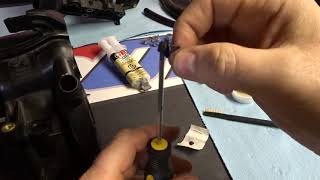
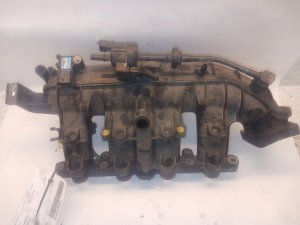
Used OEM Parts in Stock
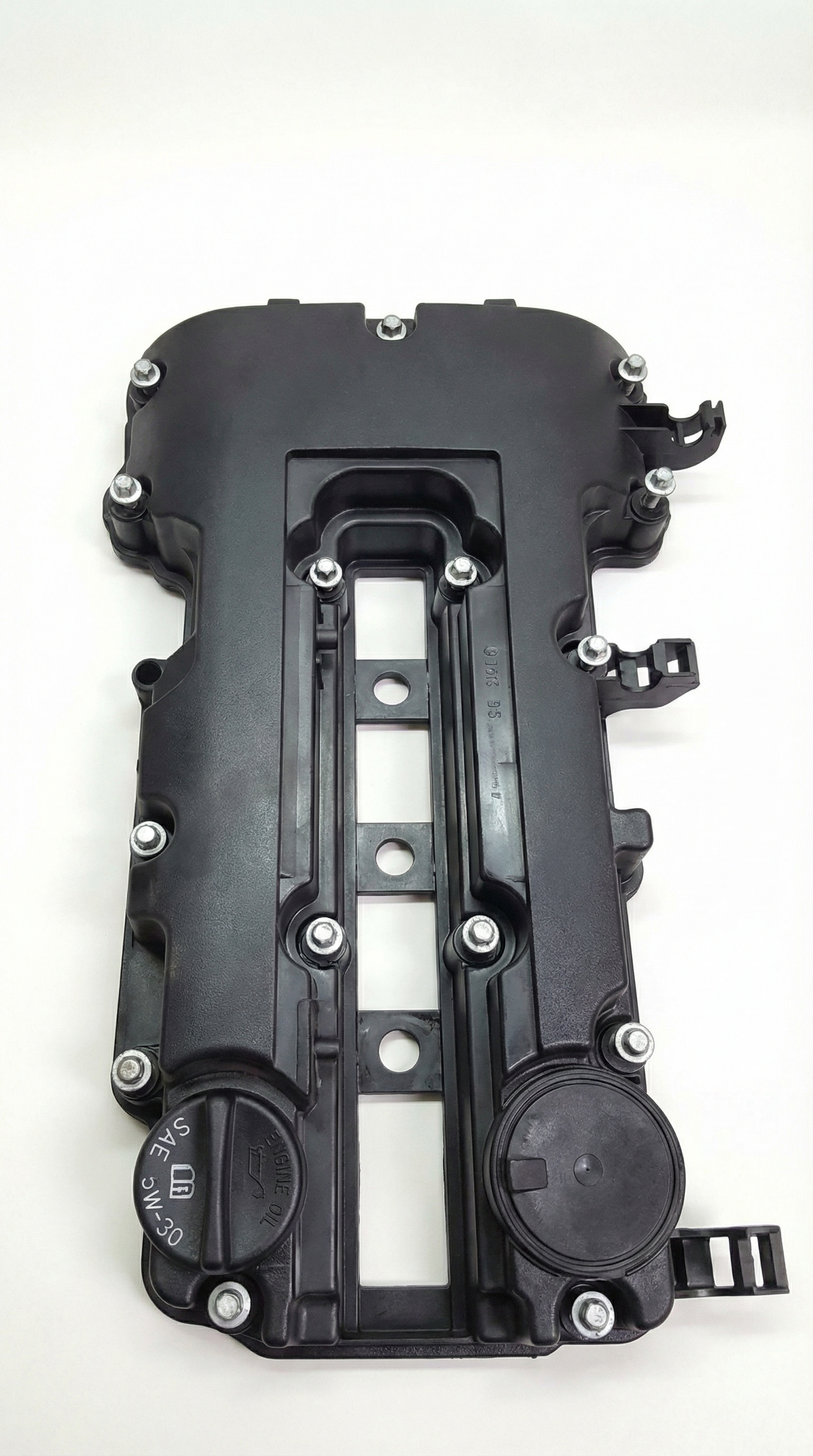
New Aftermarket Parts Available




The information in this article is provided for general reference and educational purposes only. Vehicle specifications, procedures, and part compatibility can vary by production date, trim level, and region. Always consult your vehicle's factory service manual and verify part numbers before purchasing or performing repairs. Safety-critical components such as airbags, seat belts, and braking systems should be installed by a qualified professional.
- Chevrolet Sonic:
- 🎬 Helpful Videos
- 🛍️ Shop This Part
- What's Unique About the 2012-2020 Chevrolet Sonic
- Symptoms You May Notice
- Most Likely Causes
- Rare But Worth Checking
- Diagnosis Steps
- Parts You'll Likely Need
- Related Codes That Often Appear With This One
- Technical Service Bulletins (TSBs) & Recalls
- Platform-Specific Known Issues
- Mechanic-Grade Diagnostic Values
- Wiring & Ground Locations
- Real Owner Repair Stories
- "I Checked Everything" — The Actual Cause
- OEM Part Supersession History
- Diagnostic Flowchart
- Other Known Issues on This Vehicle
- Used vs. New Parts: Buying Guide for This Vehicle
- Real Owner Stories
- 2013 Chevrolet Sonic 1.4L Turbo
- 2011-2016 Chevrolet Cruze 1.4L Turbo (LUV)
- Related OBD-II Codes
- Frequently Asked Questions
- 🎟️ Get 5% Off