

P1052 on 2012-2018 Mazda Mazda6 2.2L Diesel: Injection Quantity Too High Cylinder 1
This code means cylinder #1 is getting too much fuel. The most likely cause is a failing No. 1 fuel injector. However, this engine is known for injector seal failures, which should be inspected at the same time, as they can lead to catastrophic engine damage from oil contamination.
- P1052 on a Mazda 2.2L diesel means cylinder #1 is getting too much fuel, likely due to a bad injector.
- Do not trust generic code definitions for this fault; it is not a VVT or O2 sensor issue.
- This engine has a known weakness with injector seals (washers). Any injector service must include replacing the seal and inspecting for related damage.
- Driving with this code active will prevent DPF regeneration, leading to a clogged DPF and more costly repairs.
- This repair requires special tools and injector coding; it is not recommended for a novice DIYer.
What's Unique About the 2012-2018 Mazda Mazda6

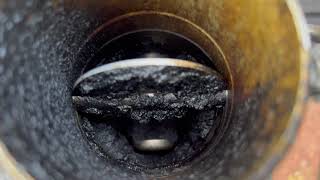
The SKYACTIV-D 2.2L engine has a well-documented history of premature injector seal (copper washer) failure. When these copper seals leak, hot combustion gases blow past the injector into the valve cover area, superheating the oil and creating hard carbon deposits. This carbon can contaminate the oil, clog the oil pickup strainer, and lead to oil starvation, causing widespread engine damage including turbocharger failure and camshaft wear. While P1052 points directly to a fuel injector issue, it's often a symptom or related component to this more infamous injector seal problem. Any work on the injectors must include a thorough inspection of these seals and the oil system for carbon buildup.
Symptoms You May Notice
- Check Engine Light is on
- Disabled DPF regeneration (may lead to DPF warning lights later)
- Rough idle or engine vibrations
- Changes in engine noise or a slight knocking/stuttering sound.
- Slight hesitation or surging during acceleration.
- Noticeable smell of rich diesel exhaust or burning oil.
- Blue or black smoke from the exhaust, especially at idle or under load.
- Replacing oxygen sensors or VVT solenoids. Generic scan tools often provide the wrong definition for this code, leading to unnecessary repairs. P1052 on this diesel engine is always related to the fuel injection system.
Most Likely Causes

- Fuel Injector #1 Malfunction 🔴 High Probability The Denso piezo injectors in this common rail system operate under high stress. Internal wear, contamination, or manufacturing defects can cause them to stick open, leak, or deliver fuel improperly. Some batches of injectors were reportedly made of a softer metal, leading to premature failure.
How to confirm: A technician can use a Mazda-specific scan tool (like M-MDS or FORScan) to monitor injector correction values (PID: INJ_CMP_1-4). 🎬 Watch: How to diagnose injector issues using live data. A significantly negative value for cylinder 1 indicates the PCM is trying to reduce its fuel delivery. Swapping the injector with another cylinder (e.g., cylinder #2) and seeing if the fault code follows (e.g., to P1053 for cylinder #2) is a definitive test.
Typical fix: Replace the No. 1 fuel injector and its corresponding seal and clamp. The new injector's unique calibration code must be programmed into the PCM.
Est. part cost: $250-$450 - Leaking Fuel Injector Seal (Copper Washer) on Cylinder #1 🟡 Medium Probability This is a widely known, critical failure point on the SH-VPTS engine. The original seals can fail, allowing combustion blow-by which creates hard, tar-like carbon deposits in the valve cover area and oil. This carbon buildup can directly affect injector performance or damage the injector itself.
How to confirm: Visually inspect the area around the base of the fuel injectors for black, tar-like carbon deposits or wetness. When removing the injector for inspection, the seal will show clear evidence of blow-by. An oil filter cut open may show hard carbon specks.
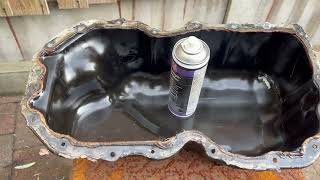
Typical fix: Replace the fuel injector seal (washer), clamp bolt, and rocker cover gasket. The injector seat in the cylinder head must be meticulously cleaned 🎬 See this walkthrough for replacing injector seals and O-rings. and possibly re-cut to ensure a proper seal. This is often done preventatively on all cylinders when one fails. The oil pan should be removed to inspect and clean the oil pickup strainer.
Est. part cost: $5-$20 - Poor Quality Fuel ⚪ Low Probability Contaminants or poor-quality diesel can damage the sensitive piezo injectors.
How to confirm: This is a diagnosis by exclusion. If injectors and seals appear fine, consider the fuel source. The Mazda diagnostic procedure lists this as a possible cause.
Typical fix: Drain the fuel tank and replace with high-quality fuel from a reputable source.
Est. part cost: $0 (plus the cost of wasted fuel)
Rare But Worth Checking
- Wiring Harness or Connector Fault: A damaged wire or loose/corroded connector at the No. 1 fuel injector could cause erratic signals. This typically sets a circuit code (like P0201), but could potentially cause a performance code in some instances.
- PCM Malfunction: While extremely rare for this specific code, PCM failure is not unheard of on these vehicles. TSB 01-004/17 addresses an issue on some 2014-16 models where a DENSO PCM failure causes paired injector circuit codes (P0201/P0204), not P1052, but it highlights PCM vulnerability. A user on Mazdas247 reported needing a PCM replacement after injector work for code P062B.
- Internal Engine Mechanical Fault: The Mazda service manual notes that insufficient compression or coolant leakage into the cylinder could theoretically cause this code, but these would present with much more severe symptoms.
Diagnosis Steps
- Verify the code with a quality scan tool. Confirm the definition is 'Injection quantity too high cylinder No.1'.
- Using a scan tool like FORScan or Mazda M-MDS, check freeze frame data. Monitor fuel injector correction values (INJ_CMP_1-4) at idle. A large negative value for cylinder 1 is a strong indicator.
- Visually inspect the area around all four fuel injectors for signs of black soot or tar ('coking'), indicating leaking injector seals.
- Check the engine oil level. A level rising above the 'X' mark on the dipstick indicates significant fuel dilution, often from failed DPF regenerations linked to these issues.
- Inspect the wiring harness and connector for the No. 1 fuel injector for any visible damage, corrosion, or looseness.
- If a leaking seal is suspected, remove the No. 1 fuel injector. Inspect the injector nozzle for damage and the copper seal for signs of blow-by.
- If the injector and seal appear fine, swap the No. 1 injector with another cylinder (e.g., cylinder #2). Clear codes and drive the vehicle. If the code changes to P1053 (Cylinder 2), the injector is faulty.
- If the injector is replaced, the new injector seal and clamp bolt must be installed, the injector seat in the head must be perfectly clean, and the new injector's calibration code must be programmed into the PCM using a capable scan tool.
Parts You'll Likely Need
- Fuel Injector
(OEM #SH01-13-H50)— This is the most direct cause of an over-fueling condition detected by the PCM. The original injector may be internally worn or stuck.
Trusted brands: Denso (OEM, Part No. DCRI200260 or 295900-0260)
OEM price range: $350-$500
Aftermarket price range: $250-$400 (Remanufactured) - Fuel Injector Seal (Washer/Gasket)
(OEM #SH01-13-H51)— This is a mandatory replacement part whenever an injector is removed. It is also a known high-failure item on this engine and its failure can contribute to injector problems and catastrophic oil contamination.
Trusted brands: Mazda (OEM)
OEM price range: $5-$15
Aftermarket price range: $2-$10 - Fuel Injector Clamp Bolt
(OEM #SH01-13-H52)— This is a stretch bolt and is recommended for replacement whenever an injector is serviced to ensure proper clamping force.
Trusted brands: Mazda (OEM)
OEM price range: $5-$10
Aftermarket price range: $3-$8
Related Codes That Often Appear With This One
- P1051 — P1051 is 'Injection quantity too low cylinder No.1'. Seeing both may indicate an erratic injector or wiring problem.
- P0301 — P0301 is 'Cylinder 1 Misfire'. A severe over-fueling or under-fueling condition can be interpreted by the PCM as a misfire.
- P0299 — 'Turbocharger/Supercharger Underboost'. Often a consequence of the cascading failures starting with injector seals, leading to oil contamination and turbo damage.
- P0471 — 'Exhaust Pressure Sensor Range/Performance'. This sensor is another common failure point on the Skyactiv-D, and its failure can cause a variety of performance issues and warning lights.
Technical Service Bulletins (TSBs) & Recalls
- SA-026/19: A Mazda service alert that provides general information and service cautions for the SKYACTIV-D 2.2L engine, including notes on fuel injector installation.
- R073/15: A detailed TSB outlining the diagnosis and repair procedure for issues related to turbochargers and camshafts, including engine flushing steps and injector tightening procedures, often stemming from the root cause of injector seal leaks.
- 01-004/17: While for different codes (P0201/P0204), this TSB is notable as it documents a known PCM internal failure issue on some 2014-2016 Mazda6, CX-5, and Mazda3 models, indicating potential electronic vulnerabilities.
Platform-Specific Known Issues
- Injector Seal Failure: As detailed above, failure of the copper injector seals (SH01-13-H51) is the most significant known issue with this engine. It leads to oil contamination with hard carbon particles, which clogs the oil pickup strainer and can cause catastrophic engine failure from oil starvation. Any injector-related code warrants an immediate inspection of the seals and oil for contamination.
Mechanic-Grade Diagnostic Values
- Fuel Injector Resistance — expected: 0.9–1.1 MΩ (Megohms) at 20°C (68°F). Failure: A reading outside this range indicates an internal electrical fault in the injector.
- Injector Correction Values (Live Data) — expected: Between -1.0 and +1.0 mm³/stroke at idle. Failure: A value significantly outside this range (e.g., a large negative number for P1052) indicates the PCM is attempting to correct a major fueling deviation.
- Engine Oil Pressure (Warm Engine, Idle) — expected: Approximately 160 kPa. Failure: Pressure significantly lower, such as 130-140 kPa, can indicate a clogged oil pickup strainer, a common consequence of injector seal failure on this engine.
- Engine Oil Pressure (Warm Engine, 2000 RPM) — expected: Approximately 180 kPa. Failure: Pressure failing to rise to this level under load suggests an oil delivery problem.
- Glow Plug Resistance — expected: Approximately 0.3 Ω (ohms) at 20°C (68°F). Failure: While not a direct cause for P1052, this is a key health indicator for the combustion system on this engine.
Hidden / Shadow Codes Worth Checking
- P167B:00: Injector Amount Correction Not Completed. This code is stored if the 'Injector Amount Correction' learning procedure fails or is not performed after a relevant service. (see via Mazda M-MDS or equivalent advanced scan tool. The glow plug indicator light may also flash.)
- P1200:00: Injector Amount Correction Not Completed. Similar to P167B, this code indicates the learning procedure has not been successfully finished. (see via Mazda M-MDS or equivalent advanced scan tool. The check engine light, glow indicator, and master warning light may illuminate.)
- Status Byte: A 2-digit suffix to the main DTC (e.g., P1052:00) that indicates the code's status, such as current malfunction vs. past malfunction. This helps differentiate between an active fault and a historical one. (see via Mazda M-MDS tool during a 'quick check'.)
Scan Tool Commands That Help

- Mazda M-MDS (or FORScan): Injector Amount Correction — This is a learning procedure required after replacing injectors or the PCM. It allows the PCM to learn the characteristics of the injectors. Failure to perform this can set codes P167B or P1200.
- Mazda M-MDS: Data Reset > Injector — Used to reset learned values for the fuel injectors. This is typically performed before running new learning procedures. The menu path is Powertrain > Data Reset > Injector.
- Mazda M-MDS: Injector Coding (QR Code Programming) — When a new injector is installed, its unique multi-digit calibration code (QR code) must be programmed into the PCM. This function allows the technician to input the new code.
- Manual Procedure (No Scan Tool): Injector Pilot Learning Procedure — A non-scanner method to initiate injector relearn. With the engine idling, use a jumper wire to tap a specific pin in the under-hood fuse box to a battery ground five times quickly. The glow plug light will indicate if the procedure has started.
Wiring & Ground Locations
- Engine Ground Point — Behind the ABS unit on the passenger side front of the engine bay. Located on a steel bar that runs from the vehicle frame toward the engine.. This ground point is difficult to access and prone to corrosion. A poor ground here can cause various electrical issues, including erratic signals for engine components like injectors, potentially leading to performance codes.
- Injector Fuse — In the under-hood fuse block (Fuse Block J/B).. A dedicated 30A 'INJECTOR' fuse supplies power to the fuel injector relay. While a blown fuse would likely cause a no-start or multiple codes, it's a primary power supply point to check.
- Fuel Injector Connector — Directly on top of each fuel injector, under the engine cover.. Corrosion or oxidation on the connector pins can cause a voltage drop, leading the PCM to misinterpret injector performance and set codes like P1052, even if the injector itself is functional.
Real Owner Repair Stories
- Mechanic report from Australia (Mazda with SH-VPTS 2.2L Diesel Engine) — Repeated failure of new fuel injectors.
❌ Tried (didn't work) Replacing the fuel injector multiple times (three consecutive units failed within 8,000 km each).
✅ What actually fixed it The root cause was determined to be micro-contamination in the fuel. The problem was permanently resolved only after installing a secondary, fine-pored (0.5 micron) inline fuel filter before the high-pressure pump to protect the sensitive piezo injectors. - Mechanic diagnostic story (Mazda with SH-VPTS 2.2L Diesel Engine) — Symptoms of injector failure, triggering code P0204 (Injector 4 circuit fault).
❌ Tried (didn't work) Initial diagnosis pointed towards replacing the #4 fuel injector.
✅ What actually fixed it Upon testing voltage at the injector connector, a 0.7-volt drop was discovered. The cause was oxidation on the terminal pins inside the connector. Cleaning the connector pins and ensuring a solid connection resolved the fault without replacing the injector.
"I Checked Everything" — The Actual Cause
- While not a smoke test issue, a similar pattern exists where standard component tests can be misleading. A case was documented where an injector was repeatedly replaced for performance codes, but the root cause was micro-contamination in the fuel that was too fine for the factory filter to catch. The fix was adding an aftermarket 0.5-micron fuel filter.
- An injector circuit code (P0204) was triggered, but the injector itself was fine. The actual cause was a 0.7-volt drop due to oxidation on the electrical connector pins, which would not be found by a simple resistance test of the injector itself.
OEM Part Supersession History
Denso 295900-0260 / Mazda SH01-13-H50→Denso 295900-0261, 295900-0265, 295900-0267— Likely internal revisions for durability and performance improvements.
Heads up: These part numbers are generally interchangeable for the specified engine, but it is always best to replace injectors as a matched set or ensure the calibration codes are correctly programmed into the PCM.
Model Year Variations Within This Range
- 2012-2018: A recall was issued for carbon deposit buildup in the intake shutter valve. The required repair work varied by VIN, with earlier models potentially needing more extensive cleaning or parts replacement compared to later ones. A PCM software update was also part of the recall fix.
- 2018: A revised version of the 2.2L SKYACTIV-D engine was reportedly introduced in 2018, though specific changes affecting this fault code are not detailed. The primary issues with injectors and seals are present across the entire 2012-2018 range.
Diagnostic Flowchart
Other Known Issues on This Vehicle
Issues unrelated to this code that are worth knowing about as an owner of this generation:
- Injector Seal (Copper Washer) Failure 🔴 High — Very common, especially on pre-2017 models. Can occur at any mileage but becomes more likely after 60,000 miles. Leads to oil contamination, clogged oil pickup strainer, and subsequent engine failure if not addressed. (Ref: Multiple TSBs exist, including R073/15 which details inspection and repair procedures.)
- Premature Turbocharger Failure 🔴 High — Common, and often a direct result of oil starvation/contamination caused by failed injector seals. The small turbo's wastegate flap rivet can also break.
- Exhaust Camshaft Lobe Wear 🔴 High — A known issue, particularly on earlier models. Caused by poor lubrication from diluted or contaminated oil. Leads to rough running and loss of power. (Ref: Mazda issued TSBs regarding inspection of the exhaust camshaft.)
- Oil Dilution and Rising Oil Level 🔴 High — Common problem caused by incomplete DPF regeneration cycles, where diesel fuel enters the crankcase. This thins the oil, reducing its lubricating properties and accelerating wear on all engine components.
- Oil Pump Chain Stretch/Failure 🟠 Medium — Less common than other issues but reported in forums. Can be caused by the increased strain from sludgy, contaminated oil, leading to a loss of oil pressure.
- Exhaust Pressure Sensor Failure 🟡 Low — A very common sensor to fail, often causing multiple warning lights (Check Engine, SCBS, TPMS) and limp mode. Mazda has released several updated versions of the sensor.
Used vs. New Parts: Buying Guide for This Vehicle
When a used part is the smart pick: For this specific repair, obtaining a used fuel injector is highly discouraged. The sensitivity of these piezo injectors and the known issues with wear and contamination mean a used part carries a very high risk of premature failure. A professionally reconditioned injector from a reputable diesel specialist is a viable, cost-effective alternative to brand new.
Donor-vehicle mileage cap: roughly under 50000 miles for the part to have meaningful remaining life.
What to inspect on the donor part:
- If considering a reconditioned injector, verify it comes with a test report showing its performance on a calibration bench.
- Ensure the seller provides a warranty.
- The part should be perfectly clean, with a new copper seal, and a protective cap on the nozzle.
- The QR calibration code must be clearly legible.
OEM-only on this vehicle (don't cheap out):
- Fuel Injector Seal (Copper Washer, PN: SH01-13-H51)
- Fuel Injector Clamp Bolt (PN: SH01-13-H52)
Aftermarket brands forum-validated for this vehicle:
- Denso (This is the Original Equipment Manufacturer)
Brands owners have reported issues with on this vehicle:
- Unbranded, low-cost injectors from online marketplaces. The precision required for common rail diesel injectors is extremely high, and cheap copies are known to fail quickly, perform poorly, and potentially cause engine damage.
Real Owner Stories
Aggregated from forums and TSBs cited above. Mileages and costs reflect what owners reported in those sources.
2013 Mazda Mazda6 2.2L SKYACTIV-D
Symptoms: Owner reported symptoms including blue smoke from the exhaust, a stuttering engine, and a noticeable burning oil smell.
What fixed it: The issues were identified as classic indicators of the underlying injector seal failure and subsequent oil dilution problems, which required addressing the seals and contaminated oil system.
Source hint: PistonHeads Forum - '13 Mazda 2.2 diesel - what's gone wrong?'
2014 Mazda Mazda6 2.2L SKYACTIV-D — ~75000 miles
Symptoms: Owner was concerned about critical design flaws like camshaft wear and turbo failures, which are known to stem from oil contamination.
What fixed it: To avoid catastrophic failure, the owner was advised by other forum members to perform a preventative replacement of the fuel injector seals.
Source hint: reddit.com/r/mazda6
2015 Mazda Mazda6 2.2L SKYACTIV-D
Symptoms: The vehicle experienced major engine problems, including turbo failure and issues with the PCM.
What fixed it: Diagnosis traced the root cause of the multiple system failures back to the primary, well-documented issue of fuel injector seal failure, which had contaminated the engine oil and led to downstream component damage.
Source hint: mazda6club.com / mazdas247.com
Related OBD-II Codes
Frequently Asked Questions
Is the injector seal failure a well-known problem on the 2012-2018 Mazda6 2.2L diesel?
My mechanic mentioned TSB R073/15. What does it cover for my Mazda6?
If I have code P1052, do I have to replace the fuel injector or just the seal?
What is the most important step when replacing a fuel injector on this engine?
My engine oil level is rising above the 'X' mark on the dipstick. Is this related to P1052?
I have a 2015 Mazda CX-5 with the 2.2L diesel. Does this P1052 information apply to my car?
Helpful Videos
Used OEM Parts in Stock

New Aftermarket Parts Available

The information in this article is provided for general reference and educational purposes only. Vehicle specifications, procedures, and part compatibility can vary by production date, trim level, and region. Always consult your vehicle's factory service manual and verify part numbers before purchasing or performing repairs. Safety-critical components such as airbags, seat belts, and braking systems should be installed by a qualified professional.
- Mazda Mazda6:
- 🎬 Helpful Videos
- 🛍️ Shop This Part
- What's Unique About the 2012-2018 Mazda Mazda6
- Symptoms You May Notice
- Most Likely Causes
- Rare But Worth Checking
- Diagnosis Steps
- Parts You'll Likely Need
- Related Codes That Often Appear With This One
- Technical Service Bulletins (TSBs) & Recalls
- Platform-Specific Known Issues
- Mechanic-Grade Diagnostic Values
- Hidden / Shadow Codes Worth Checking
- Scan Tool Commands That Help
- Wiring & Ground Locations
- Real Owner Repair Stories
- "I Checked Everything" — The Actual Cause
- OEM Part Supersession History
- Model Year Variations Within This Range
- Diagnostic Flowchart
- Other Known Issues on This Vehicle
- Used vs. New Parts: Buying Guide for This Vehicle
- Real Owner Stories
- 2013 Mazda Mazda6 2.2L SKYACTIV-D
- 2014 Mazda Mazda6 2.2L SKYACTIV-D — ~75000 miles
- 2015 Mazda Mazda6 2.2L SKYACTIV-D
- Related OBD-II Codes
- Frequently Asked Questions
- 🎟️ Get 5% Off