

P0894 on 2011-2019 Hyundai Sonata: Transmission Slipping Causes & Fixes
On a 2011-2019 Sonata, code P0894 usually indicates a serious internal transmission problem, often starting with a worn valve body causing hydraulic pressure loss. This is not a simple fix; diagnosis is critical and repair often involves transmission removal, with costs ranging from several hundred to a few thousand dollars.
- P0894 on a 2011-2019 Sonata is a serious code indicating internal transmission slipping and should be addressed immediately.
- A primary and well-documented cause for this specific vehicle is premature wear in the transmission valve body, leading to hydraulic pressure loss.
- Diagnosis is complex and requires professional tools. Do not continue to drive the vehicle, as you risk catastrophic transmission failure.
- The first diagnostic step is always to check the transmission fluid level and condition, ensuring the correct Hyundai SP-IV fluid is used.
What's Unique About the 2011-2019 Hyundai Sonata

The 2011-2019 Sonata uses Hyundai's 6-speed A6-series automatic transmission (A6GF1, A6MF1/2, A6LF1/2). A well-documented weakness in this transmission family is premature wear in the valve body bores, which can occur in as little as 40,000 miles. Specifically, the bores for the solenoid pressure reducing valves are prone to wear, causing internal hydraulic leaks. This loss of pressure reduces the force needed to hold clutches tight, directly leading to the slipping condition that triggers code P0894. While other causes are possible, this valve body issue is a known pattern failure for this specific transmission.
Generation note: This range covers the YF (2011-2014) and LF (2015-2019) Sonata generations. Both primarily use the 6-speed automatic transmission (A6MF/A6LF series) and share similar vulnerabilities. One key diagnostic difference is the Transmission Fluid Temperature (TFT) sensor: on 2011-2012 models, it is a standalone part, while on 2013-2019 models, it is integrated into the internal transmission wiring harness, which is itself a known high-failure item.
Symptoms You May Notice

- Check Engine Light is on
- Harsh or delayed gear shifting
- Engine RPMs flare up between shifts
- Vehicle feels like it's losing power or hesitating during acceleration
- Shuddering or vibration at cruising speeds, especially during TCC lockup
- Transmission may get stuck in one gear (limp mode or fail-safe)
- Reduced fuel economy
- A burnt smell from the transmission fluid
- Replacing only the speed sensors. While speed sensors provide the data, they are rarely the cause of the actual slip. The code indicates they are correctly reporting a mechanical problem.
- Performing a transmission 'flush'. If the transmission has significant internal wear, a high-pressure flush can dislodge debris and make the problem worse. A simple drain-and-fill is less risky but will not fix a mechanical fault.
- Replacing only the TCC solenoid. The P0894 code is often caused by a hydraulic or mechanical issue that the solenoid controls, such as a worn valve bore or a failing torque converter clutch, not the solenoid itself.
Most Likely Causes

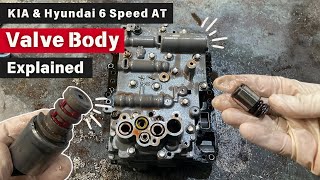
- Worn Valve Body 🔴 High Probability The A6-series transmission is known to develop wear in the valve body bores, especially the reducing valve and TCC control valve bores, at relatively low mileage. This causes a loss of hydraulic pressure required to apply clutches and the TCC, leading directly to slip.
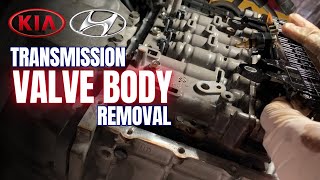
How to confirm: A technician will use a scan tool to monitor transmission line pressure and solenoid commands during a test drive. A pressure test using gauges connected to the transmission case may also be performed. Visual inspection of the bores after removal is the ultimate confirmation. Bore wear is often visible to the naked eye. 🎬 Watch: A detailed breakdown of how these valve bodies fail. A vacuum test on the repaired bores should hold a minimum of 16-18 in-Hg.
Typical fix: The valve body may be repaired by reaming the worn bores and installing oversized valves and sleeves, such as those in a TransGo (SK A6MF) or Sonnax kit. In many cases, replacing the entire valve body with an updated or remanufactured unit is the more common and reliable repair.
Est. part cost: $400-$900 - Low or Degraded Transmission Fluid 🟡 Medium Probability These transmissions are 'sealed for life' and lack a dipstick, discouraging fluid checks. Over time, the fluid degrades or leaks, and low or worn-out fluid cannot provide the hydraulic pressure needed to prevent slipping.
How to confirm: The fluid level must be checked via a fill plug on the side of the transmission case with the vehicle level and at a specific temperature (typically 122-140°F), with the engine running. The fluid should be red and clear, not dark brown/black or smelling burnt.
Typical fix: If the fluid is low, top it off with Hyundai-specific SP-IV fluid and check for leaks. If the fluid is old and degraded but not burnt, a drain-and-fill might be a temporary fix, but it will not solve underlying mechanical wear.
Est. part cost: $80-$200 - Failing Transmission Solenoids 🟡 Medium Probability
How to confirm: A professional scan tool can often detect solenoid-specific fault codes. A technician can also test the electrical resistance of the solenoids (linear solenoids should be around 5.1 Ohms; on/off solenoids should be 10-11 Ohms) and command them on and off to check for proper mechanical function.
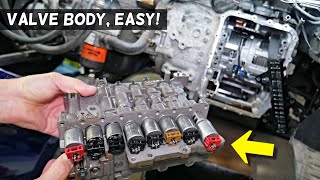
Typical fix: Solenoids are located on the valve body. If one or more are faulty, they can be replaced individually or as a pack. This requires draining the fluid and removing the transmission pan and valve body. 🎬 Watch: Step-by-step walkthrough for replacing the transmission solenoids.
Est. part cost: $150-$500
Rare But Worth Checking
- Torque Converter Failure: The internal clutch (TCC) within the torque converter can wear out and slip, triggering P0894. This failure often contaminates the entire transmission with debris, requiring a full rebuild or replacement and a thorough flush of the cooler lines.
- Worn Internal Clutch Packs: This is typically the final result of prolonged slipping caused by another issue (like low pressure from a worn valve body). The friction material on the clutch plates wears away, leading to complete loss of a gear. This requires a full transmission rebuild.
- Faulty Internal Wiring Harness: The harness inside the transmission is a known high-failure component, particularly near the main case connector, leading to erratic sensor readings or solenoid commands. This can also cause codes for the integrated transmission fluid temp sensor on 2013+ models.
Diagnosis Steps
- Check and verify the transmission fluid level and condition. Ensure the correct Hyundai SP-IV fluid is being used. This is a critical first step. 🎬 See this complete guide on checking and filling transmission fluid.
- Use a professional scan tool to check for any other transmission-related codes and to view live data. Monitor TCC slip RPM, line pressure, input/output speed sensor data, and solenoid command percentages during a test drive.
- If fluid is low, inspect for leaks from the pan gasket, axle seals, or cooler lines. Check that the transmission cooler is not plugged.
- If the valve body is suspected, a technician may perform pressure tests to confirm a loss of hydraulic pressure.
- If solenoids are suspected, test their resistance and function. Linear solenoids should read approximately 5.1 Ohms, and on/off solenoids should read 10-11 Ohms.
- If the fluid smells burnt or has metallic debris, it's a strong indicator of severe internal damage (clutches, torque converter), and the transmission pan should be dropped for inspection.
- Based on the findings, the repair will likely involve either valve body replacement/rebuilding, solenoid replacement, or a full transmission rebuild/replacement.
Parts You'll Likely Need

- Transmission Valve Body
(OEM #462103B610, 462103B611)— This is a documented weak point on the A6-series transmission and a primary cause of hydraulic pressure loss that leads to slipping.
Trusted brands: Hyundai (OEM), Sonnax (for rebuild kits, e.g., 102741-11K for TCC control valve), TransGo (for shift kits, e.g., SK A6MF)
OEM price range: $700-$1200
Aftermarket price range: $400-$800 (Remanufactured) - Transmission Solenoid Kit — Solenoids control the fluid flow and can fail electrically or mechanically, causing shifting and slipping issues.
Trusted brands: Hyundai (OEM), Rostra
OEM price range: $400-$600
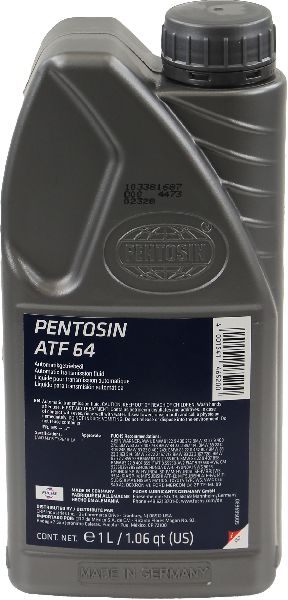
Aftermarket price range: $150-$350 - Hyundai Genuine ATF SP-IV
(OEM #00232-19045)— This is the required fluid for this transmission. Using the wrong fluid type can cause damage and shifting problems.
OEM price range: $15-$25 per quart
Related Codes That Often Appear With This One
- P0741 — Torque Converter Clutch Circuit Performance or Stuck Off. This code often appears with P0894 if the slip is being detected specifically within the torque converter.
- P0731-P0735 — Gear Ratio Error codes for specific gears (1-5). These codes pinpoint that the slipping is happening when the transmission tries to engage a particular gear.
- P0705, P0706, P0707, P0708 — Range Sensor Circuit codes. While not directly causing a slip, a faulty range sensor (inhibitor switch) can cause erratic shifting behavior. Hyundai has a TSB (17-AT-005) for these codes.
Technical Service Bulletins (TSBs) & Recalls
- TSB 18-AT-004: Addresses harsh and/or delayed shifts on 6-speed automatics by using the GDS to measure shift engagement times. This is relevant for diagnosing the symptoms that can accompany P0894.
- TSB 17-AT-005: Provides diagnostic procedures for inhibitor switch (range sensor) DTCs P0705-P0708. A faulty range sensor can cause erratic shifting that might be misdiagnosed.
- TSB 17-01-047 (superseded by Recall 162): Related to the Theta II engine inspection, but highlights the interconnectedness of systems. Engine performance issues can sometimes be mistaken for transmission problems like shudder or delayed shifts.
Platform-Specific Known Issues

- Owner Experience: Rebuild, Refurbished Valve Body, Still P0894: A user on the 'bobistheoilguy.com' forums with a 2012 Kia Forte (sharing the A6MF transmission) reported still having the P0894 code even after a full transmission rebuild and installation of a refurbished valve body. This highlights the complexity of the issue and the importance of thorough diagnosis. Suggestions from other members included checking for a plugged transmission cooler or a failed torque converter that was not replaced during the rebuild.
Mechanic-Grade Diagnostic Values

- Variable Force Solenoid (VFS) / Linear Solenoid Resistance — expected: 5.1 Ohms. Failure: Readings significantly higher or lower than 5.1 Ohms, or an open circuit (OL).
- On/Off Solenoid Resistance — expected: 10-11 Ohms. Failure: Readings outside this range or an open circuit (OL).
- Transmission Fluid Temperature (TFT) Sensor Voltage — expected: Approx. 3.2V at 104°F (40°C) and 0.29V at 302°F (150°C).. Failure: Voltage that is stuck high or low, or does not correlate with temperature changes.
- Valve Body Bore Vacuum Test (Post-Repair) — expected: Minimum 16-18 in-Hg. Failure: Failure to hold the specified vacuum level, indicating a leak remains in the bore despite the repair.
- Clutch Pack Air Test Pressure (During Rebuild) — expected: Approx. 35 PSI. Failure: Audible leaks or failure of the clutch pack to apply with a firm 'thud' sound.
Scan Tool Commands That Help
- Hyundai GDS (Global Diagnostic System): Resetting Auto T/A values — This function must be performed after replacing the transaxle, valve body, or TCM. It erases all learned shift adaptations, forcing the TCM to relearn shift points and pressures based on the new components. Failing to do this can result in poor shift quality, harsh engagements, and potentially the return of fault codes.
Real Owner Repair Stories
- GMTNation forum user 'cornchip' (Chevrolet Trailblazer EXT (different vehicle, but same generic P0894 code and TCC slip symptom)) — Check Engine Light with code P0894 would appear only at highway speeds when the torque converter clutch should be locked. No issues in city driving.
❌ Tried (didn't work) Resetting the code (it would always return on the highway), Driving in 3rd gear to prevent TCC lockup (less frequent but code still appeared)
✅ What actually fixed it The TCC solenoid was replaced. The old solenoid had a tiny, hairline crack in the plastic body that was not visible until it was removed and cleaned for close inspection. This crack was causing a hydraulic leak under pressure, leading to the slip, but would not show up on an electrical test.
"I Checked Everything" — The Actual Cause
- In the context of a P0894 code, the equivalent of a 'smoke test clean' scenario is when standard hydraulic tests or initial part replacements don't solve the issue. One owner of a vehicle with a similar transmission type experienced a persistent P0894 with TCC slip even after replacing the entire valve body. The initial diagnosis pointed to worn bores (the most common cause of pressure loss), but replacing the valve body did not fix it. The ultimate cause was suspected to be a glazed or worn-out torque converter clutch, which was not applying correctly despite receiving the correct hydraulic pressure from the new valve body.
Model Year Variations Within This Range

- 2013-2019: The Transmission Fluid Temperature (TFT) sensor is integrated into the internal wiring harness, unlike the 2011-2012 models where it is a separate, replaceable component.
- Later models in the 2011-2019 range: Later models may use a rubber molded valve body cover gasket. The cover itself is prone to warping, which can cause internal hydraulic leaks. Technicians recommend flat-sanding the cover before re-use to ensure a proper seal.
- 2011-2019: The specific transmission model (e.g., A6MF1 vs A6MF2) can vary based on the engine installed (2.0L vs 2.4L). While the core design and common failures are the same, the torque capacity and some internal hard parts differ. The A6MF1 is typically for 2.0L/2.4L engines with up to 170 lb-ft of torque, while the A6MF2 is for 2.4L engines up to 210 lb-ft.
Diagnostic Flowchart
Other Known Issues on This Vehicle
Issues unrelated to this code that are worth knowing about as an owner of this generation:
- Theta II Engine Seizure/Failure 🔴 High — Widespread across 2.0L and 2.4L GDI engines, particularly in 2011-2014 models. Can occur at any mileage but is often seen between 60k-100k miles. (Ref: Multiple recalls (e.g., Recall 162, NHTSA 17V-226) and a major class-action lawsuit settlement have been issued. Hyundai extended the engine warranty for affected vehicles.)
- Steering Coupler Disintegration 🟠 Medium — Extremely common on 2011-2014 models, but persists in later years. Typically fails between 50k-100k miles, causing a distinct clicking or clunking noise when turning the steering wheel. (Ref: TSB #17-ST-002 was issued, and Hyundai extended the warranty for this part (P/N: 56315-2K000-FFF) to 10 years/100,000 miles for many affected vehicles.)
- Peeling White Paint 🟡 Low — Very common on Sonatas (and other Hyundai models) painted in white, typically from 2010-2018 model years. Paint begins to delaminate and peel in large sheets, often starting on the roof and hood. (Ref: No formal recall, but Hyundai has extended the paint warranty for this specific issue on many vehicles and often approves goodwill repairs on a case-by-case basis.)
Used vs. New Parts: Buying Guide for This Vehicle
When a used part is the smart pick: For this specific P0894 issue on the Sonata, sourcing used electronic or hydraulic parts is highly discouraged. The primary cause is wear on valve body bores, which is impossible to see on a used part and can occur at low mileage. A complete used transmission assembly is also a significant risk unless it comes from a very low-mileage donor and includes a comprehensive warranty.
Donor-vehicle mileage cap: roughly under 30000 miles for the part to have meaningful remaining life.
What to inspect on the donor part:
- For a complete transmission, insist on seeing the fluid. It must be bright red and clear, with no burnt smell or metallic shimmer.
- Verify the donor vehicle's mileage with a VIN history report if possible.
- Avoid parts from salvage yards that have been stored outdoors or exposed to the elements.
OEM-only on this vehicle (don't cheap out):
- Transmission Fluid (Hyundai SP-IV). Using the correct fluid is non-negotiable to prevent shift quality issues and further damage.
Aftermarket brands forum-validated for this vehicle:
- Sonnax: Widely respected for their valve body repair kits, including oversized valves, reamers, and other components to fix known wear points permanently.
- TransGo: Known for their 'Shift Kits' (e.g., SK A6MF) that include improved valves and springs to correct factory design flaws and wear issues.
Brands owners have reported issues with on this vehicle:
- Unbranded, low-cost solenoid kits from online marketplaces. While tempting, these often have high failure rates and inconsistent quality control, potentially leading to a repeat repair.
Real Owner Stories
Aggregated from forums and TSBs cited above. Mileages and costs reflect what owners reported in those sources.
2012 Kia Forte
Symptoms: The P0894 code was still present after a full transmission rebuild and the installation of a refurbished valve body.
What fixed it: The issue was not resolved in the report, but other members suggested checking for a plugged transmission cooler or a failed torque converter that wasn't replaced during the rebuild.
Source hint: Owner Experience described in vehicle_specific_issues, citing 'bobistheoilguy.com' forums
Related OBD-II Codes
Frequently Asked Questions
My Sonata has harsh shifts along with the P0894 code. Does TSB 18-AT-004 apply to this?
The mechanic says my valve body is worn out. What is the recommended fix for this on the Sonata?
My transmission is 'sealed for life' and has no dipstick. How can I check the fluid level and condition?
Can an engine problem on my Sonata feel like this transmission issue?
I have a Kia Optima with code P0894. Is the cause the same as on the Hyundai Sonata?
What are the correct electrical resistance values for the transmission solenoids in my Sonata?
Helpful Videos


![How to Check and Fill Fluids [COMPLETE GUIDE] - Hyundai Sonata (2011-2014)](https://img.youtube.com/vi/-GL5Rz7lFFA/mqdefault.jpg)
Used OEM Parts in Stock


New Aftermarket Parts Available


The information in this article is provided for general reference and educational purposes only. Vehicle specifications, procedures, and part compatibility can vary by production date, trim level, and region. Always consult your vehicle's factory service manual and verify part numbers before purchasing or performing repairs. Safety-critical components such as airbags, seat belts, and braking systems should be installed by a qualified professional.
- Hyundai Sonata:
- 🎬 Helpful Videos
- 🛍️ Shop This Part
- What's Unique About the 2011-2019 Hyundai Sonata
- Symptoms You May Notice
- Most Likely Causes
- Rare But Worth Checking
- Diagnosis Steps
- Parts You'll Likely Need
- Related Codes That Often Appear With This One
- Technical Service Bulletins (TSBs) & Recalls
- Platform-Specific Known Issues
- Mechanic-Grade Diagnostic Values
- Scan Tool Commands That Help
- Real Owner Repair Stories
- "I Checked Everything" — The Actual Cause
- Model Year Variations Within This Range
- Diagnostic Flowchart
- Other Known Issues on This Vehicle
- Used vs. New Parts: Buying Guide for This Vehicle
- Real Owner Stories
- 2012 Kia Forte
- Related OBD-II Codes
- Frequently Asked Questions
- 🎟️ Get 5% Off