

P0868 on 2008-2020 Nissan Rogue: Low CVT Fluid Pressure Causes and Fixes
On a 2008-2020 Nissan Rogue, code P0868 almost always points to a problem within the CVT, not just a simple sensor. The most common fixes are servicing the transmission fluid and filters, replacing the external CVT cooler, or replacing the valve body. A full transmission replacement is the worst-case scenario. A former Nissan technician referred to related code P0746 as a 'CVT death code', often requiring a full replacement.
- P0868 on a Nissan Rogue is a serious code indicating an actual low-pressure condition in the CVT, not just a bad sensor.
- Do not drive the vehicle extensively. Limp mode is a protective measure to prevent catastrophic failure. Get it diagnosed immediately.
- The first step is always to check the CVT fluid level and condition. Use ONLY the specified Nissan NS-2 or NS-3 fluid.
- Common culprits are clogged filters, a failing external CVT cooler, or a bad valve body. These are known weak points on the Rogue.
- Before authorizing a full transmission replacement, ensure these less expensive components have been thoroughly checked, as they are often the root cause.
What's Unique About the 2008-2020 Nissan Rogue

The Nissan Rogue, across these model years, uses a Jatco-supplied CVT that is notoriously prone to overheating and premature failure. Code P0868 is a very common indicator of these well-documented issues. Unlike many other vehicles where this code might point to a simple sensor, on a Rogue, it frequently signals a more significant underlying problem like a clogged CVT cooler, fluid degradation from heat, or a failing valve body, all of which are known weak points of this specific transmission design.
Generation note: This range covers the first-generation Rogue (2008-2013/15) which uses the Jatco JF011E (CVT2), and the second-generation (2014-2020) which uses the Jatco JF016E (CVT8). Both generations use failure-prone Jatco CVTs and suffer from similar issues leading to code P0868, though specific part numbers for coolers and valve bodies differ. The JF011E is particularly noted for overheating and belt/pulley wear.
Symptoms You May Notice
- Vehicle enters 'limp mode' (fail-safe mode) with drastically reduced power and acceleration.
- Hesitation or delay when accelerating from a stop.
- Shuddering, shaking, or juddering during acceleration, often prompting related TSBs.
- A noticeable whining or grinding noise from the transmission.
- A burning smell, indicating overheated transmission fluid.
- Check Engine Light is illuminated.
- Replacing only the pressure sensor when it is not sold separately from the valve body.
- Replacing the entire transmission when only a fluid/filter service or a new CVT cooler was needed to resolve an overheating condition causing the low pressure.
- Assuming the transmission is fine after fixing a fluid leak without checking the fluid condition or for damage caused by running it low.
Most Likely Causes

- Low or Degraded CVT Fluid 🔴 High Probability The CVT runs hot, breaking down the fluid over time. Many units lack an easily accessible dipstick, leading to neglected fluid levels. Overheating is a known issue with the JF011E.
How to confirm: The fluid level and condition must be checked. This often requires a specific procedure involving a fill plug and overflow tube, and the fluid should be bright green (NS-2/NS-3) and not dark brown or black. A user on Reddit reported getting code P0868, adding a quart of fluid, and having the issue resolve temporarily, confirming a low fluid level. Similarly, NHTSA ODI #10434048 notes that a Nissan vehicle leaked transmission fluid from the transfer housing case, triggering code P0868 and causing the vehicle to rev over 5,000 RPMs without power to pull.
Typical fix: Perform a transmission fluid drain-and-fill using the correct Nissan CVT fluid (NS-2 for JF011E, NS-3 for JF016E).
Est. part cost: $75-$150 for fluid - Clogged CVT Cooler and/or Filters 🔴 High Probability The stock transmission cooler is often inadequate, leading to overheating. The transmission also has internal filters that can become clogged with metallic debris from normal (or abnormal) wear, restricting flow and causing pressure to drop.
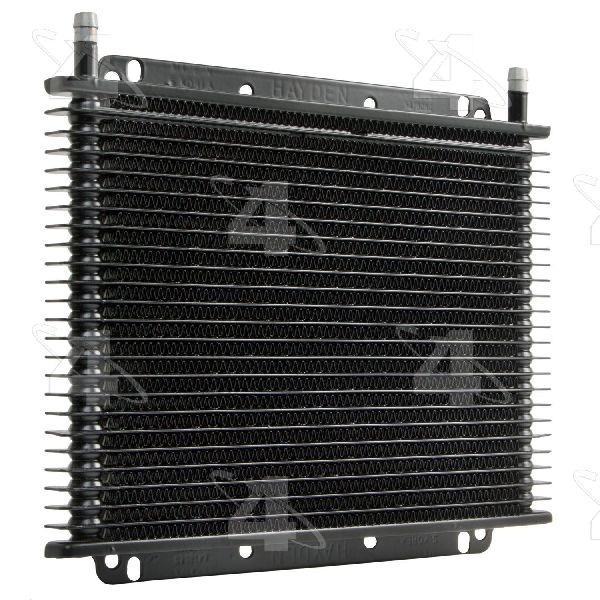
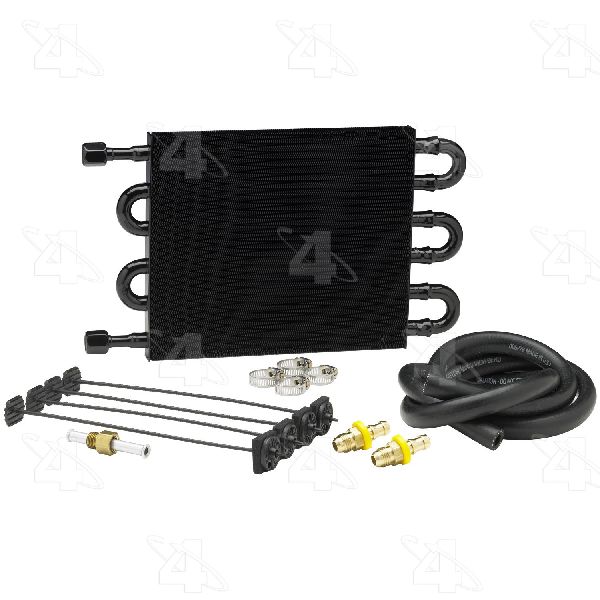
How to confirm: Inspect the external cooler for damage or blockages. Check the fluid for excessive debris. A professional may need to perform a pressure/flow test on the cooling circuit. Upgrading to a larger, aftermarket cooler (e.g., from Hayden) is a common preventative measure discussed by owners. 🎬 Watch: How to install an aftermarket transmission cooler.
Typical fix: Replace the external CVT fluid cooler and both the pan filter and the internal cartridge filter. This is often done as a preventative measure when other transmission work is performed.
Est. part cost: $100-$300 - Failing CVT Valve Body 🔴 High Probability The valve body, which contains pressure sensors and control solenoids, is a very common failure point on these Jatco CVTs. Solenoids can fail or stick, directly causing pressure regulation problems.
How to confirm: This is typically diagnosed after fluid and filter issues have been ruled out. A technician with a high-level scan tool can monitor commanded vs. actual pressure readings to pinpoint a faulty valve body. TSBs like NTB17-034 provide diagnostic flowcharts that often lead to valve body inspection or replacement. NHTSA ODI #11643169 highlights a case where P0868 appeared alongside P0965 (PC Solenoid B) and P17F0 (CVT Judder), resulting in a safety concern where the vehicle would hold up traffic for 30 seconds at every stop.
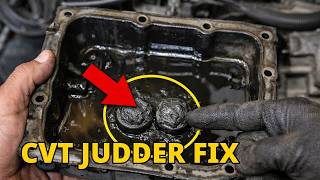
Typical fix: Replace the entire valve body assembly. This repair requires the new unit to be programmed to the vehicle. Nissan TSBs NTB15-084d and NTB17-039P detail the procedure for valve body replacement. 🎬 Watch: How to fix a CVT shudder by replacing the valve body.
Est. part cost: $800-$1500 - Internal CVT Failure (Pump, Belt, or Pulleys) 🟡 Medium Probability Sustained operation with low fluid pressure, degraded fluid, or overheating can cause fatal damage to the CVT's core components like the push belt and pulleys.
How to confirm: If a fluid/filter service and valve body replacement do not resolve the code, and there is significant metallic debris in the fluid pan, internal failure is likely. A borescope inspection of the belt may be performed per Nissan TSBs. NHTSA ODI #11004701 describes a scenario where P0868 was found with P0746 and P1778, leading a mechanic to recommend a full transmission replacement rather than individual component repairs.
Typical fix: Complete replacement of the CVT assembly with a new or remanufactured unit.
Est. part cost: $3000-$5000+
Rare But Worth Checking
- Faulty Transmission Fluid Pressure Sensor: While possible, the sensor itself failing is less common than the other mechanical issues on this platform. Often, the sensor is part of the valve body and not sold separately, leading to a valve body replacement anyway. However, some forum users suggest the sensor is replaceable on its own on the valve body. NHTSA ODI #11497967 notes an instance where P0868 for "Fluid Pressure Low" was intermittent and caught during a dealership diagnostic check.
- Damaged Wiring or Connectors: Physical damage to the transmission harness could cause incorrect pressure readings or solenoid function, but this is rare compared to the hydraulic and mechanical failures. NHTSA ODI #11004701 mentions code P1701 for TCM wiring appearing alongside P0868.
Diagnosis Steps
- Scan the vehicle for all stored DTCs in the TCM and ECM. Note any accompanying codes like P0746, P17F0, or P1778.
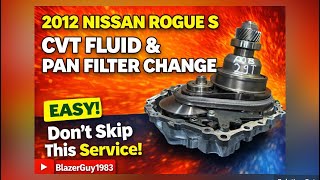
- Check the CVT fluid level and condition. Note if it is dark, burnt-smelling, or full of debris. This is a critical first step. 🎬 See this walkthrough for a CVT fluid and pan filter change.
- Inspect for any external transmission fluid leaks from pans, seals, or cooler lines.
- Using a professional scan tool, monitor live data for commanded secondary pressure vs. actual secondary pressure while driving.
- Inspect the external transmission cooler and lines for clogs or damage.
- If fluid level and condition are good but pressure is still low, drop the transmission pan to inspect the internal filter and look for excessive metal debris on the magnets. TSBs provide guidance on what constitutes 'excessive' debris.
- If filters are clean and fluid is good, the next logical step is to suspect a faulty valve body, following diagnostic procedures in TSBs like NTB17-034.
- If the pan contains a large amount of metallic debris, suspect catastrophic internal CVT failure, which may require a borescope inspection of the belt and pulleys.
Parts You'll Likely Need

- CVT Valve Body
(OEM #31705-28X0B (Example for 2014-2016 Rogue with JF016E, verify with VIN))— This is a primary failure point containing the control solenoids and pressure sensors that regulate pressure. A fault here directly causes P0868.
Trusted brands: Hitachi (OEM supplier), Nissan OE
OEM price range: $1200-$1800
Aftermarket price range: $800-$1200 - CVT Fluid Cooler
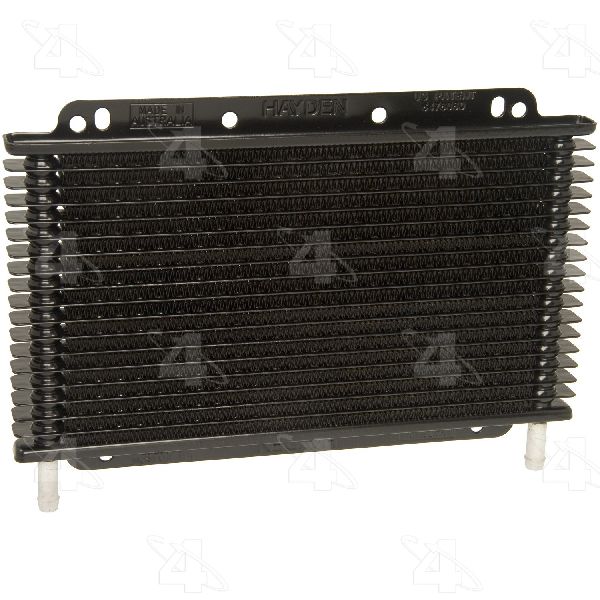
(OEM #21606-1XF0A (Example for 1st Gen Rogue, verify with VIN))— The original cooler is often undersized or gets clogged with debris, leading to overheating, fluid breakdown, and low pressure.
Trusted brands: Hayden, Dorman, Nissan OE
OEM price range: $200-$350
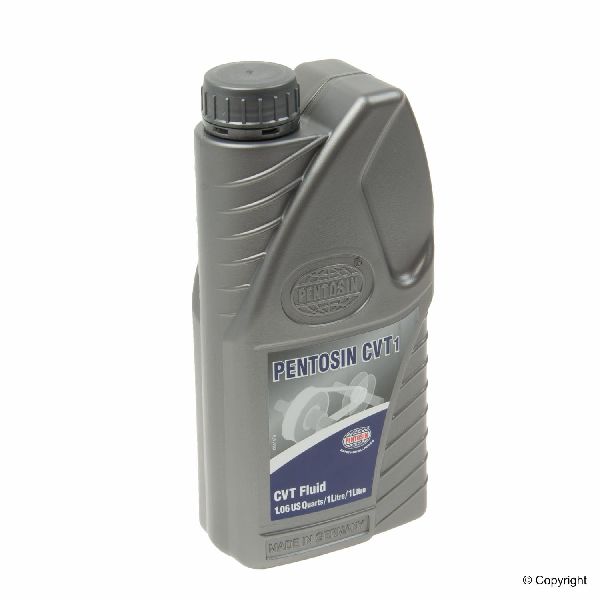
Aftermarket price range: $80-$150 - Nissan CVT Fluid (NS-2 or NS-3)
(OEM #NS-2: 999MP-NS200P, NS-3: 999MP-NS300P)— Using the correct fluid is mandatory. NS-2 is for the JF011E (Gen 1) and NS-3 for the JF016E (Gen 2). Low, old, or incorrect fluid is a direct cause of low pressure and CVT failure.
Trusted brands: Nissan OE, Idemitsu, ENEOS
OEM price range: $20-$30 per quart
Aftermarket price range: $15-$25 per quart
Related Codes That Often Appear With This One
- P17F0, P17F1 — These are manufacturer-specific codes for 'CVT Judder' and are often stored alongside P0868. Nissan issued TSBs NTB15-083 and NTB15-084d to address these codes, which often require TCM reprogramming or valve body/transmission replacement.
- P0746 — This code relates to the 'Pressure Control Solenoid A Performance/Stuck Off'. A problem with the primary line pressure control system can directly cause the secondary pressure to be low. TSB NTB17-034 directly addresses this code along with judder complaints. A former Nissan tech on a forum called this a 'CVT death code' often leading to full transmission replacement.
- P1778 — This code indicates a problem with the stepper motor, which controls ratio changes in the earlier JF011E CVT. A faulty stepper motor can lead to incorrect pulley positions and subsequent low pressure readings (P0868).
Technical Service Bulletins (TSBs) & Recalls
- NTB15-083 / NTB15-083A: Enhanced Diagnostic Logic For CVT Judder. Involves reprogramming the TCM.
- NTB15-084d: Addresses CVT Judder with DTC P17F0/P17F1, providing a flowchart for diagnosis that can lead to valve body or full CVT replacement.
- NTB17-034 (and revisions like 'f', 'g', 'i', 'l'): Addresses CVT Judder and DTCs P0746, P0965, P17F0. Provides a detailed diagnostic procedure involving inspection for debris, belt inspection, and potential replacement of the valve body or entire CVT.
- NTB17-039P: Similar to NTB15-084, addresses judder with P17F0/P17F1, leading to valve body or sub-assembly replacement.
Platform-Specific Known Issues
- CVT Overheating due to Undersized Cooler: The first-generation Rogue (2008-2013) with the JF011E CVT is particularly known for overheating. The stock cooler is often insufficient, causing the fluid to break down quickly, which leads to loss of pressure (P0868), whining, and eventual failure. Many owners proactively install larger aftermarket coolers.
- CVT Warranty Extension Program: Due to the high failure rates, Nissan doubled the original powertrain warranty on many early model year CVTs from 5 years/60,000 miles to 10 years/120,000 miles. While this program has expired for most of these vehicles, it's an official acknowledgment of the widespread problem.
Mechanic-Grade Diagnostic Values

- Secondary Pressure Differential (Commanded vs. Actual) — expected: Less than 0.25 MPa (36 psi). Failure: A difference greater than 0.25 MPa (36 psi) for 1.5 seconds at speeds below 9 mph will set the code.
- Secondary Pressure Sensor Signal Voltage (JF011E) — expected: 0.5V to 4.5V. Failure: A signal that is stuck, erratic, or outside the typical range. 0.5V corresponds to 0 psi and 4.5V corresponds to 870 psi.
- TCC Control Solenoid Resistance (JF011E) — expected: 3.0 to 9.0 ohms. Failure: Resistance outside of this range indicates a faulty solenoid.
- Lockup Select Switch Solenoid Resistance (JF011E) — expected: 15.0 to 30.0 ohms. Failure: Resistance outside of this range indicates a faulty solenoid.
Scan Tool Commands That Help
- Nissan CONSULT-III plus: Erase/Write Calibration Data — Required when replacing the valve body or entire CVT assembly. The calibration data is often supplied on a CD or QR code with the new part and must be written to the TCM.
- Nissan CONSULT-III plus: Clutch Point Learning — This procedure is mandatory after a valve body replacement. Failure to perform this can result in the vehicle not moving when put into gear.
- Nissan CONSULT-III plus: Select Learning (Drive/Reverse Learning) — Required after replacing the valve body or the entire CVT assembly. It involves shifting between N, D, and R ten times each to allow the TCM to relearn engagement points.
Wiring & Ground Locations
- TCM to CVT Unit Harness — The wiring runs between the Transmission Control Module (TCM) and the main CVT unit connector.. The official diagnostic procedure for pressure sensor circuit faults involves disconnecting both the TCM and CVT connectors and checking for continuity and shorts between specific terminals to rule out a wiring issue before condemning a sensor or valve body.
Real Owner Repair Stories
- YouTube channel 'Video Service Information' (2016 Nissan Rogue, 2.5L, ~75,000 miles) — RPMs fluctuating and not increasing properly with acceleration.
❌ Tried (didn't work) The diagnosis went straight to pulling codes and inspection, no other parts were tried.
✅ What actually fixed it The technician scanned the vehicle and found codes P17F0 (CVT Judder), P0776 (Oil Pressure Solenoid B), and P0965 (Pressure Control Solenoid B). Based on these pressure-related codes, the next step was to drop the transmission pan. Upon inspection, significant metallic debris was found on the pan magnets and circulating in the valve body. A visual inspection of the pulleys revealed scoring marks. The combination of pressure codes and heavy metal contamination led to the diagnosis of internal failure, and the final recommendation was a complete CVT replacement. - NHTSA ODI #10892198 — An owner reported that their vehicle required repairs totaling $2,984 for multiple issues including transmission fluid pressure code P0868, which occurred when the vehicle was approximately 5 years old with 67,000 miles.
OEM Part Supersession History
Varies by year→Varies by year— Hardware and software updates to address reliability.
Heads up: Crucially, new valve bodies for the JF016E (2014+) must be installed along with their corresponding calibration data, which comes on a CD or via a QR code. Attempting to install a new valve body without performing the 'Write Calibration Data' procedure with a CONSULT tool will result in failure. This makes using a junkyard valve body without its original matched TCM extremely risky and likely to fail.
Model Year Variations Within This Range
- 2008-2013 (Gen 1, JF011E): This generation uses a stepper motor for ratio control. A failing stepper motor is a very common issue and can set code P1778. This fault can lead to improper pulley control and may be seen alongside the P0868 low pressure code, as the two functions are related.
- 2014-2020 (Gen 2, JF016E): This generation (also called CVT8) uses a different valve body and internal logic. Part numbers for the valve body (e.g., 31705-28X0B) and filters are specific to this unit and are not interchangeable with the first generation.
Diagnostic Flowchart
Other Known Issues on This Vehicle
Issues unrelated to this code that are worth knowing about as an owner of this generation:
- Premature AC Compressor Failure 🟠 Medium — Commonly reported between 60,000 and 90,000 miles, especially on 2008-2016 models. Repair costs can be significant, often exceeding $1,000.
- Faulty Fuel Gauge / Fuel Level Sender 🟡 Low — Widespread issue on 2008-2018 models where the fuel gauge gives inaccurate readings. This is often caused by a defective fuel level sender unit inside the fuel tank. (Ref: Recalls were issued for certain model years (e.g., 2014, 2021) for fuel pump assemblies which include the sender, but not for all affected years.)
- EVAP System Leaks (Canister and Vent Valve) 🟠 Medium — Owners frequently report check engine lights with EVAP leak codes (P0455, P0456). The cause is often a cracked vapor canister or a failed vent control valve, which gets clogged with dirt and debris. (Ref: No specific recall, but it is a widely discussed repair.)
- Suspension and Steering Noises 🟡 Low — Clunking sounds from the steering column or rattling from the suspension are noted by owners, sometimes related to steering shaft defects or worn suspension components.
Used vs. New Parts: Buying Guide for This Vehicle
When a used part is the smart pick: For this specific repair, used parts are generally not recommended for the core components. A used external CVT cooler assembly is a reasonable choice if it is flushed thoroughly and confirmed to be free of clogs and debris from the donor vehicle's failure.
Donor-vehicle mileage cap: roughly under 60000 miles for the part to have meaningful remaining life.
What to inspect on the donor part:
- For a used cooler, ensure the donor vehicle did not have a catastrophic transmission failure, which would have filled the cooler with metal debris.
- Inspect cooler fins for physical damage and ensure fittings are not stripped or corroded.
- Ask for the VIN of the donor car to check its history if possible.
OEM-only on this vehicle (don't cheap out):
- CVT Valve Body: This is the highest-risk used part. New OEM valve bodies come with critical calibration data required for programming. A used part will not have this and is likely suffering from the same wear that causes P0868 in the first place.
- CVT Fluid: Strictly use Nissan NS-2/NS-3 or a fully-compatible equivalent from a reputable brand like Idemitsu (an OEM supplier). Using generic ATF will destroy the transmission.
Aftermarket brands forum-validated for this vehicle:
- Hayden, Dorman: For external transmission coolers. Many owners install a larger Hayden cooler as a preventative upgrade to combat overheating.
- Sonnax: Offers upgraded valve body components and repair kits for professional rebuilders to address known wear issues in the valve body and pump.
Brands owners have reported issues with on this vehicle:
- Unknown/no-name valve bodies from online marketplaces. These are often just cleaned-up used parts with no correction of the underlying wear issues and will not come with the necessary programming data.
Real Owner Stories
Aggregated from forums and TSBs cited above. Mileages and costs reflect what owners reported in those sources.
Nissan Rogue
Symptoms: The vehicle displayed code P0868, which was temporarily resolved by adding fluid.
What fixed it: Adding a quart of CVT fluid resolved the issue temporarily, confirming the root cause was a low fluid level.
Source hint: Reddit user report cited in article context
Nissan Rogue
Symptoms: After a repair for code P1778, the vehicle set code P0868 and entered a no-move condition.
What fixed it: The issue was not resolved; the owner ultimately gave up on the vehicle.
Source hint: Reddit r/NissanRogue/comments/1djg82d/code_p0868/
Related OBD-II Codes
Frequently Asked Questions
My 2011 Rogue is shuddering. Is there a known issue or TSB for this?
I heard Nissan extended the CVT warranty. Does that cover the P0868 code on my 2012 Rogue?
What type of transmission fluid should I use for my first-generation (2008-2013) Nissan Rogue?
My mechanic says the valve body needs to be replaced to fix P0868. Is that a common failure on the Rogue?
Is it true that the stock transmission cooler on the Rogue is inadequate?
A former Nissan tech on a forum called P0868 a 'death code'. Does this mean my transmission is toast?
Helpful Videos
Used OEM Parts in Stock

New Aftermarket Parts Available

The information in this article is provided for general reference and educational purposes only. Vehicle specifications, procedures, and part compatibility can vary by production date, trim level, and region. Always consult your vehicle's factory service manual and verify part numbers before purchasing or performing repairs. Safety-critical components such as airbags, seat belts, and braking systems should be installed by a qualified professional.
- Nissan Rogue:
- 🎬 Helpful Videos
- 🛍️ Shop This Part
- What's Unique About the 2008-2020 Nissan Rogue
- Symptoms You May Notice
- Most Likely Causes
- Rare But Worth Checking
- Diagnosis Steps
- Parts You'll Likely Need
- Related Codes That Often Appear With This One
- Technical Service Bulletins (TSBs) & Recalls
- Platform-Specific Known Issues
- Mechanic-Grade Diagnostic Values
- Scan Tool Commands That Help
- Wiring & Ground Locations
- Real Owner Repair Stories
- OEM Part Supersession History
- Model Year Variations Within This Range
- Diagnostic Flowchart
- Other Known Issues on This Vehicle
- Used vs. New Parts: Buying Guide for This Vehicle
- Real Owner Stories
- Nissan Rogue
- Nissan Rogue
- Related OBD-II Codes
- Frequently Asked Questions
- 🎟️ Get 5% Off