

P0868 on 2008-2019 Chevrolet Silverado: Transmission Fluid Pressure Low Causes and Fixes
P0868 on a Chevrolet Silverado means the transmission's hydraulic fluid pressure is too low. The most common cause is a low fluid level due to a leak. Checking the fluid and inspecting for leaks is the first step. If the fluid level is correct, the issue could be a bad pressure sensor, a clogged filter, a failing torque converter, or an internal transmission problem.
- P0868 means the transmission fluid pressure is dangerously low. Do not ignore this code.
- The most likely cause is simply a low fluid level from a leak. Always check the fluid level and inspect for leaks first.
- If the fluid level is correct, the problem is likely a bad pressure sensor, a clogged filter, or a more serious internal transmission issue.
- Due to the complexity and need for special tools, diagnosis and repair are best left to a professional mechanic.
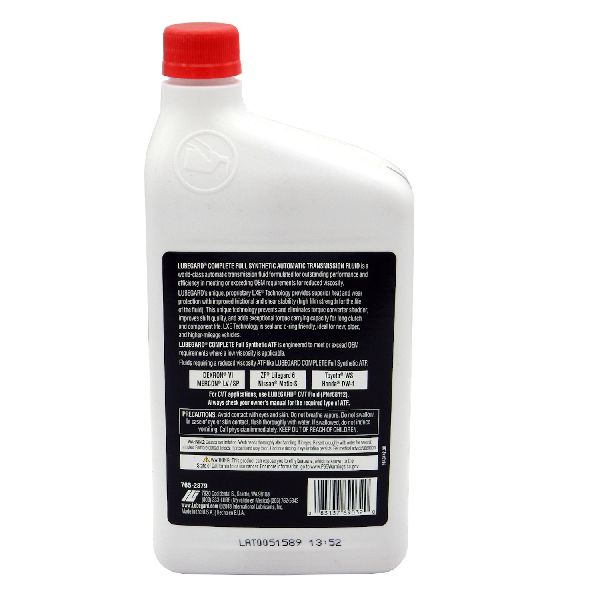
- Always use the GM-specified transmission fluid (like ACDelco DEXRON-VI) to avoid causing further problems.
What's Unique About the 2008-2019 Chevrolet Silverado
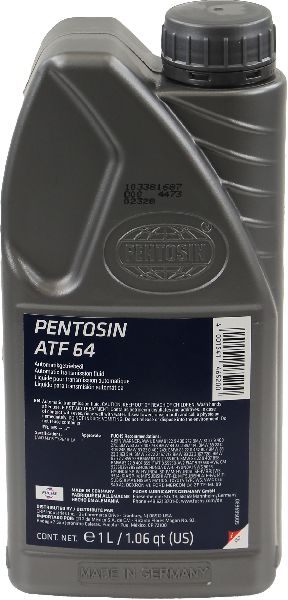
The 2008-2019 Silverado spans two generations (GMT900 and K2XX) and used several different automatic transmissions, including the 4L60-E, 6L80, and 8L90. While P0868 is a universal code, the root cause can be specific to the transmission model. For example, the 6L80 and 8L90 transmissions in later models are known to have issues with torque converters that can fail, sending debris through the transmission and causing pressure loss. These models are also subject to a well-documented 'transmission shudder' issue, often addressed by a fluid exchange with a specific Mobil 1 fluid per TSB 18-NA-355, as the original fluid could contribute to poor performance and eventual component failure.
Generation note: This guide covers the second generation (GMT900, 2008-2013) and third generation (K2XX, 2014-2019) Silverado. The GMT900s often used the 4L60-E and 6L80 transmissions, while the K2XX models primarily used the 6L80 and later the 8L90. While the causes are similar, later models with 8-speed transmissions have known torque converter and valve body issues that can be a factor.
Symptoms You May Notice
- Check Engine Light is on
- Harsh, erratic, or delayed shifting
- Transmission slipping between gears
- Vehicle enters 'limp mode' (may be stuck in a single gear)
- Complete loss of forward or reverse gears, sometimes intermittently
- Burning smell from the transmission area due to overheating
- Increased fuel consumption
- Shuddering or vibration that feels like driving over rumble strips
- Replacing the TFP sensor without first confirming the actual fluid level and pressure. If the fluid is low or the pump is weak, a new sensor will not fix the problem.
- Assuming a transmission replacement is needed without checking for simpler causes like low fluid, a clogged filter, or a bad sensor.
Most Likely Causes
- Low Transmission Fluid Level 🔴 High Probability Leaks can develop over time from pan gaskets, cooler lines, or seals. These are common wear items on high-mileage trucks.
How to confirm: Check the transmission fluid level. On older models with a dipstick, check per the owner's manual. On newer sealed transmissions, this must be done by a specific procedure on a vehicle lift with the engine running at a certain temperature. Any visible red or dark fluid drips under the truck are a clear sign.
Typical fix: Identify and repair the source of the leak, then top off or replace the fluid with the correct type (e.g., ACDelco DEXRON-VI).
Est. part cost: $20-$150 - Clogged Transmission Filter or Dirty Fluid 🟡 Medium Probability Fluid breaks down over time, and filters become saturated with clutch material and debris, restricting flow and starving the pump for fluid.
How to confirm: Inspect the fluid's color and smell. If it's dark brown/black or has a burnt odor, it's degraded. The filter is inspected during a pan-drop service. A severely clogged filter can sometimes crack, causing a sudden loss of pressure.
Typical fix: Perform a transmission fluid and filter change. This is a standard maintenance item that is often neglected.
Est. part cost: $50-$120 - Faulty Transmission Fluid Pressure (TFP) Sensor 🟡 Medium Probability
How to confirm: Use a scan tool to monitor the TFP sensor's voltage/pressure reading. Compare this to a mechanical pressure gauge connected to the transmission's test port. If the mechanical gauge shows good pressure but the scan tool reports low pressure, the sensor is bad.
Typical fix: Replace the TFP sensor. On 6L80/6L90 transmissions, the pressure sensor is part of the Transmission Electro-Hydraulic Control Module (TEHCM), also known as the control solenoid/valve body assembly, which is inside the transmission pan. This makes replacement more complex than a simple external sensor.
Est. part cost: $40-$100 for a standalone sensor, $300-$700+ for a TEHCM assembly. - Failing Transmission Pump or Internal Hydraulic Leak ⚪ Low Probability
How to confirm: If the fluid level is correct but both a mechanical gauge and the scan tool show low pressure, the issue is internal. This indicates the pump is not generating enough pressure or there's a significant internal leak (e.g., bad seals, cracked valve body, worn clutch pack seals).
Typical fix: This requires a major repair, often a transmission rebuild or replacement.
Est. part cost: $1500-$4000+
Rare But Worth Checking
- Damaged Wiring or Connectors: Check the wiring harness leading to the transmission for any visible damage, corrosion, or loose connections, especially the main connector to the TEHCM. This can cause an incorrect signal from the pressure sensor.
- Faulty Pressure Control Solenoid: This solenoid, located on the valve body, regulates pressure. If it fails or sticks, it can cause the P0868 code. It is often replaced as part of a valve body or TEHCM service.
- Failing Torque Converter: Particularly on 8-speed models, a failing torque converter can shed debris into the transmission fluid, clogging the filter and valve body passages, leading to a loss of line pressure. This is often preceded by a shuddering sensation at highway speeds.
Diagnosis Steps
- Scan for all stored trouble codes. Note any other transmission-related codes, especially P0700 or P0741.
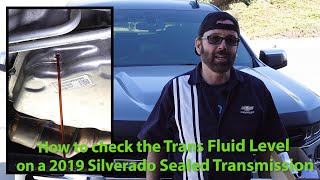
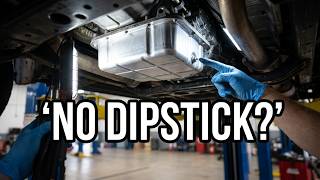
- Crucial Step: Check the transmission fluid level and condition. Follow the specific procedure for your vehicle's year and transmission, as many do not have a dipstick. This usually involves raising the vehicle, getting the transmission to a specific temperature (checked with a scan tool), and removing a check plug. 🎬 Watch this step-by-step guide on checking sealed transmission fluid levels.
- Inspect the vehicle for any signs of transmission fluid leaks from the pan, cooler lines, or seals.
- If the fluid is low, top it off with the correct fluid (DEXRON-VI for most), clear the codes, and test drive to see if the code returns. If it does, a leak is present and must be found.
- If the fluid level is correct, use a scan tool to monitor the live data from the Transmission Fluid Pressure (TFP) sensor. Also monitor desired vs. actual pressure PIDs.
- For a definitive diagnosis, connect a mechanical pressure gauge to the transmission's line pressure test port.
- Compare the mechanical gauge reading to the TFP sensor reading on the scan tool. If the mechanical pressure is within spec but the sensor reading is low (e.g., more than 15 psi difference), the TFP sensor or its wiring is faulty.
- If both the mechanical gauge and the sensor show low pressure, the problem is mechanical. This points to a clogged filter, a failing transmission pump, a failing torque converter, or an internal leak. 🎬 Watch this video to understand common causes and diagnostic steps for P0868.
- At this point, dropping the transmission pan to inspect the filter and look for excessive metal debris is the next logical step. A lot of metallic or clutch material in the pan points to a severe internal failure, possibly originating from the torque converter.
Parts You'll Likely Need
- Transmission Fluid
(OEM #ACDelco 10-9395 (DEXRON-VI))— The most common cause is low fluid. Always use the specified fluid to prevent further damage.
Trusted brands: ACDelco
OEM price range: $10-$15 per quart
Aftermarket price range: $8-$12 per quart - Transmission Filter Kit (Filter and Pan Gasket)
(OEM #ACDelco 24236933 (for 6L80))— A clogged filter is a common cause of low pressure. It should be replaced whenever the pan is removed.
Trusted brands: ACDelco, Wix, ATP
OEM price range: $40-$80
Aftermarket price range: $25-$50 - Transmission Fluid Pressure (TFP) Sensor/Switch Manifold
(OEM #ACDelco 24256523 (Part of TEHCM for 6L80))— The sensor itself can fail and send false low-pressure readings. On these transmissions, it's typically integrated into the control module/valve body assembly (TEHCM) and not sold separately by GM.
Trusted brands: ACDelco
Related Codes That Often Appear With This One
- P0700 — P0700 is a generic code indicating the TCM has requested the Check Engine Light. It almost always appears with more specific transmission codes like P0868.
- P0867 — This code indicates 'Transmission Fluid Pressure'. While P0868 is for low pressure, P0867 is a more general circuit code that can appear if there's an electrical fault with the sensor or its wiring.
- P0741 — Torque Converter Clutch Circuit Performance or Stuck Off. This code often appears alongside P0868 on 6L80 and 8L90 transmissions when torque converter issues are the root cause of the pressure problem.
Technical Service Bulletins (TSBs) & Recalls
- 18-NA-355: Addresses a shudder or surging condition on 8-speed transmissions by flushing the fluid and replacing it with a newer formula.
- 20-NA-142: An updated TSB that also addresses shudder conditions with fluid flush procedures.
Platform-Specific Known Issues
- For 2015-2019 models with 6L and 8-speed transmissions, TSB 18-NA-355 was issued to address a transmission shudder. The fix involves a specific fluid exchange procedure with Mobil 1 Synthetic LV ATF HP fluid ('Blue Label'). While not directly for P0868, the fluid degradation and torque converter issues causing the shudder can lead to debris, clogged passages, and eventual low pressure codes.
Mechanic-Grade Diagnostic Values
- 6L80 Main Line Pressure at Idle (in gear) — expected: 65-95 PSI. Failure: Pressure significantly below 65 PSI indicates a pump, filter, or internal leak issue.
- 6L80 Main Line Pressure at Wide Open Throttle (WOT) Stall — expected: 190-210 PSI (Max). Failure: Pressure significantly below this range indicates a failing pump or major internal leak. Pressures above this range can indicate a stuck regulator valve.
- 6L80 Cooler Line Pressure — expected: 20-50 PSI. Failure: This pressure is a byproduct of restriction; diagnosis is typically done by volume (flow rate). However, very low pressure could indicate severe wear in bushings or the pressure regulator valve bore.
- TEHCM Shift Solenoid (On/Off Type) Resistance — expected: 20-40 Ohms. Failure: A reading of infinite resistance (open circuit) or near-zero resistance (short circuit) indicates a failed solenoid.
- TEHCM Pressure Control Solenoid (PWM Type) Resistance — expected: 3-8 Ohms. Failure: A reading outside this narrow range indicates a failed solenoid.
- TEHCM Pressure Switch State (at rest, no pressure) — expected: Closed circuit (continuity to ground). Failure: An open circuit when no pressure is applied indicates a failed switch.
Hidden / Shadow Codes Worth Checking
- P0872, P0877, P0842, P0989: These are specific codes for 'Transmission Fluid Pressure Sensor / Switch Circuit Low' for switches C, D, A, and E, respectively. While a basic scanner may only show P0868, a professional scanner (Tech2/GDS2) will often reveal a full set of these codes simultaneously. This pattern strongly indicates a failure of the internal TEHCM pressure switch manifold, not an actual low-pressure condition. (see via GM Tech2, GDS2, or other professional-grade scan tool with manufacturer-specific code reading capabilities.)
Scan Tool Commands That Help
- GDS2 / Tech2: Transmission Adaptive Values Learn (Fast Learn) — This is mandatory after replacing the TEHCM, valve body, or entire transmission. It performs a clutch purge and calibrates clutch volume indexes and shift pressures. Failure to perform this will result in harsh shifts, slipping, and potential damage to the new parts.
- GDS2 / Tech2: Reset Transmission Adapts — Can be used as a diagnostic step. If resetting the adapts temporarily resolves poor shifting, it suggests the transmission is mechanically capable but is being commanded incorrectly, often due to a failing sensor or component within the TEHCM providing bad data.
- GDS2 / Tech2: Line Pressure Control / Solenoid Output Control — Allows a technician to command specific line pressures or duty cycles to the pressure control solenoid. This is used with a mechanical pressure gauge to verify if the pump, solenoid, and sensor are responding correctly to commands.
Wiring & Ground Locations
- Line Pressure Test Port — On the passenger's side of the 6L80 transmission case, located behind the bell housing.. This is the port where a mechanical pressure gauge is connected to get a true reading of the transmission's hydraulic pressure, which is essential for differentiating a real pressure loss from a faulty sensor.
- T43 TEHCM Connector Pin 12 (Pink Wire) — The main 16-pin round connector on the passenger side of the transmission.. This pin supplies switched ignition voltage to the TEHCM. The internal barrel of the pin can lose tension, causing intermittent power loss to the entire transmission control module. This can log various codes, including pressure-related faults.
- Transmission Harness Chafe Point — The wiring harness section that routes over the top of the transmission case.. This harness is known to chafe against the transmission case or, on 4WD models, the front driveshaft. A short or open in the wiring to the TEHCM can cause P0868 and other electrical faults.
Real Owner Repair Stories
- Ask A GM Technician Forum (2007 Chevrolet Truck with 6L80E, 200,000 km on replacement transmission) — 1-2 hard shift, slightly hard 2-3 shift, and multiple pressure switch circuit low codes (P0872, P0877, P0842, P0989).
❌ Tried (didn't work) A fluid and filter change was performed 5 months prior with no effect on the long-term issue.
✅ What actually fixed it A mechanic used a Tech 2 scanner to reset the transmission adapts. This made the transmission shift perfectly smoothly for about 10 days, after which the hard shifting returned. This temporary fix strongly indicated the underlying problem was a failing pressure switch manifold inside the TEHCM, which was providing bad data and causing the adaptive learning to compensate incorrectly. The final repair is the replacement of the TEHCM.
"I Checked Everything" — The Actual Cause
- The equivalent for this code is when a mechanical pressure gauge confirms that the transmission's line pressure is within spec, yet the P0868 code persists. This scenario rules out a mechanical failure (pump, filter, internal leak) and points directly to an electrical issue. The cause is either a faulty Transmission Fluid Pressure (TFP) sensor inside the TEHCM providing a false low reading to the computer, or a problem in the wiring harness between the TEHCM and the vehicle's main computers. An intermittent fault in the TEHCM's power supply pin is also a possibility.
OEM Part Supersession History
Various (e.g., 24256523)→Various (e.g., 24287422)— Internal updates to the circuit board, pressure switch film, and solenoids to improve durability and resist heat-related failures.
Heads up: TEHCMs are not interchangeable between years or models, even if they physically fit. The calibration is specific. Always order a replacement using the vehicle's VIN and the 8-digit Tag ID printed on the original TEHCM to ensure compatibility. Installing an incorrect TEHCM will result in immediate limp mode and no-shift conditions.
Model Year Variations Within This Range
- 2014+: The K2XX platform trucks (2014+) use a different brake pedal position sensor input scheme to the ECM/TCM compared to the GMT900 trucks. This is a critical difference for anyone performing an engine or transmission swap, as it can affect torque converter lockup control.
- Approx. 2015+: The 8-speed 8L90 transmission became more common. While also susceptible to P0868, it is particularly known for torque converter failures that create debris, leading to clogged filters and valve bodies, which in turn causes the low pressure code.
- Early vs. Late 6L80: The main TEHCM electrical connector style changed from a black 20-pin design to a more robust grey 20-pin sealed connector. This can be a quick visual check for the general age/version of the TEHCM.
Diagnostic Flowchart
Other Known Issues on This Vehicle
Issues unrelated to this code that are worth knowing about as an owner of this generation:
- Active/Dynamic Fuel Management (AFM/DFM) Lifter Failure 🔴 High — Common on V8 engines (5.3L, 6.2L) across all years, often appearing between 80,000-150,000 miles. Can lead to bent pushrods and camshaft damage. (Ref: Multiple TSBs exist, but no universal recall. Many owners disable AFM/DFM with a tuner or plug-in device to prevent the issue.)
- 8-Speed (8L90/8L45) Transmission Shudder/Hard Shifting 🔴 High — Widespread on 2015-2019 models. Feels like driving over rumble strips, especially at highway speeds. Caused by issues with the original transmission fluid and torque converter clutch. (Ref: TSB 18-NA-355 recommends a fluid flush with updated Mobil 1 Blue Label synthetic fluid. If this doesn't work, torque converter replacement is often necessary.)
- Cracked Dashboard (GMT900) 🟠 Medium — Very common on 2007-2013 models, especially in warmer climates. A crack typically develops on the driver's side over the instrument panel or near the passenger airbag. (Ref: GM issued a Special Coverage Adjustment (SCA) for some vehicles, but it has since expired for most.)
- A/C Condenser Failure (K2XX) 🟠 Medium — Frequent problem on 2014-2016 models where the A/C condenser develops leaks, causing the air conditioning to stop working. (Ref: GM had a special coverage program for this issue, but like the dashboard crack, it was time/mileage limited.)
- Excessive Oil Consumption (Early GMT900) 🟠 Medium — Common on 2007-2011 models with AFM, where the engine can consume a significant amount of oil between changes, often related to the PCV system and piston rings. (Ref: TSBs were issued to address PCV system updates and piston ring cleaning procedures.)
Used vs. New Parts: Buying Guide for This Vehicle
When a used part is the smart pick: A complete, low-mileage used transmission assembly is a viable option when the original unit has suffered a catastrophic internal mechanical failure (e.g., cracked drum, failed pump, planetary gear set failure) where a rebuild would be prohibitively expensive.
Donor-vehicle mileage cap: roughly under 80000 miles for the part to have meaningful remaining life.
What to inspect on the donor part:
- Verify the donor vehicle's mileage.
- If possible, check the transmission fluid. It should be reddish-pink and not smell burnt.
- Inspect the main electrical connector for bent, corroded, or damaged pins.
- Check for any external case damage, especially around the bell housing and pan.
- Get a warranty from the salvage yard if possible (e.g., 90 days).
OEM-only on this vehicle (don't cheap out):
- Transmission Electro-Hydraulic Control Module (TEHCM): Due to the high failure rate of cheap aftermarket units and the critical need for correct programming, a new or professionally remanufactured ACDelco (OEM) TEHCM is strongly recommended.
Aftermarket brands forum-validated for this vehicle:
- Torque Converter: Sonnax (known for durability upgrades), Circle D (performance applications).
- Transmission Fluid: Must be a licensed DEXRON-VI fluid. Brands like ACDelco, Valvoline, Castrol, and Mobil 1 are reliable choices.
Brands owners have reported issues with on this vehicle:
- Unbranded, no-name TEHCMs or solenoids from online marketplaces like Amazon or eBay. These often have high out-of-box failure rates and can cause more diagnostic headaches.
Real Owner Stories
Aggregated from forums and TSBs cited above. Mileages and costs reflect what owners reported in those sources.
2010 Chevrolet Tahoe (Platform Mate)
Symptoms: Intermittent loss of all forward and reverse gears, which sometimes resolves after restarting the vehicle; shop found a P0868 code stored.
What fixed it: Initial diagnostic advice was to check fluid level and condition first, as the issue was intermittent.
Source hint: Tahoe Yukon Forum - Intermittent loss of power/gears
2018 Chevrolet Silverado
Symptoms: Symptoms led to a P0868 code; suspected the torque converter failed and contaminated the system with debris.
What fixed it: The transmission required a full rebuild.
Source hint: GM-Trucks.com - Torque converter problems - Troubleshooting & Recalls
2014 Chevrolet Silverado — 115000 miles
Symptoms: Torque converter blew up the transmission.
What fixed it: Transmission replacement/rebuild due to internal failure.
Source hint: Reddit r/Silverado - What year did the torque converter/transmission problems start?
Related OBD-II Codes
Frequently Asked Questions
My 2017 Silverado 8-speed has a transmission shudder; is there a specific fix for this that might prevent a P0868 code?
I have a 6L80 transmission in my Silverado; is the pressure sensor easy to replace?
What specific fluid should I use to top off my 2008-2019 Silverado transmission to clear a P0868?
How much does it cost to fix the TEHCM assembly if that is causing my low pressure code?
How does the Silverado's computer decide to trigger the P0868 code?
Helpful Videos

Used OEM Parts in Stock


New Aftermarket Parts Available



The information in this article is provided for general reference and educational purposes only. Vehicle specifications, procedures, and part compatibility can vary by production date, trim level, and region. Always consult your vehicle's factory service manual and verify part numbers before purchasing or performing repairs. Safety-critical components such as airbags, seat belts, and braking systems should be installed by a qualified professional.
- Chevrolet Silverado:
- 🎬 Helpful Videos
- 🛍️ Shop This Part
- What's Unique About the 2008-2019 Chevrolet Silverado
- Symptoms You May Notice
- Most Likely Causes
- Rare But Worth Checking
- Diagnosis Steps
- Parts You'll Likely Need
- Related Codes That Often Appear With This One
- Technical Service Bulletins (TSBs) & Recalls
- Platform-Specific Known Issues
- Mechanic-Grade Diagnostic Values
- Hidden / Shadow Codes Worth Checking
- Scan Tool Commands That Help
- Wiring & Ground Locations
- Real Owner Repair Stories
- "I Checked Everything" — The Actual Cause
- OEM Part Supersession History
- Model Year Variations Within This Range
- Diagnostic Flowchart
- Other Known Issues on This Vehicle
- Used vs. New Parts: Buying Guide for This Vehicle
- Real Owner Stories
- 2010 Chevrolet Tahoe (Platform Mate)
- 2018 Chevrolet Silverado
- 2014 Chevrolet Silverado — 115000 miles
- Related OBD-II Codes
- Frequently Asked Questions
- 🎟️ Get 5% Off