

P0846 on 2007-2017 Jeep Patriot: Transmission Fluid Pressure Sensor 'B' Causes and Fixes
On a Jeep Patriot, P0846 almost always points to a problem within the Continuously Variable Transmission (CVT). The most likely fixes are replacing low or degraded CVT fluid and filters, or replacing a faulty transmission fluid pressure sensor. Ignoring this can lead to complete CVT failure, a very expensive repair.
- P0846 on a Jeep Patriot is a serious code that points to a problem with the CVT, which is a known weak point on this vehicle.
- The first and most important diagnostic step is to check the CVT fluid level and condition. This is often the cause and the cheapest potential fix.
- If the fluid is fine, the transmission fluid pressure sensor is the next most likely part to have failed.
- Do not ignore this code. Driving with it can quickly escalate a sensor or fluid issue into a complete transmission failure requiring a replacement that can cost thousands of dollars.
What's Unique About the 2007-2017 Jeep Patriot

The 2007-2017 Jeep Patriot primarily used a Jatco JF011E Continuously Variable Transmission (CVT), also found in the Dodge Caliber and Jeep Compass. This specific CVT is known for its sensitivity and a higher-than-average rate of issues, including overheating, whining noises, and internal wear. Code P0846 is particularly common on these models because the CVT's operation is critically dependent on precise hydraulic pressure. All Chrysler-based applications of the JF011E use a valve body with two pressure sensors ('A' and 'B'), making them susceptible to this specific fault code. Any deviation in fluid quality, level, or sensor accuracy can trigger a fault and put the vehicle into a protective 'limp mode' to prevent catastrophic damage.
Symptoms You May Notice
- Check Engine Light is on
- Transmission warning light is on
- Vehicle enters 'limp mode' with limited power and speed.
- Harsh, jerky, or delayed shifting sensations.
- Transmission slipping (engine revs high but vehicle doesn't accelerate accordingly).
- Whining or humming noise from the transmission area, especially when accelerating from a stop.
- Transmission overheating warning on the dashboard.
- Reduced fuel economy.
- Vehicle may feel stuck in one gear.
- Replacing the entire transmission without first checking the fluid condition and testing the pressure sensor. A simple sensor or fluid replacement can often resolve the code for a fraction of the cost.
- Mistaking the symptoms for a bad throttle body, which is another common issue on Patriots that can cause limp mode and acceleration problems.
Most Likely Causes

- Low, Degraded, or Incorrect CVT Fluid 🔴 High Probability The Jatco CVT is extremely sensitive to fluid quality and level. Old, burnt, or non-specified fluid loses its hydraulic properties, causing pressure issues. Many owners neglect CVT service, leading to premature fluid breakdown.
How to confirm: Check the fluid level and condition. This requires a specific, and often confusing, procedure as there is no 🎬 Watch: How to change your CVT fluid and primary filter. traditional dipstick. The fluid should be a transparent green or amber color (depending on brand) and not smell burnt or look black. Finding metal shavings on the pan magnets is a sign of severe internal wear.
Typical fix: Perform a complete fluid and filter change using the correct specification fluid (Mopar CVTF+4 or a compatible equivalent like Nissan NS-2). Most of these CVTs have two filters: a primary pan filter and a secondary, external cooler filter that is often forgotten 🎬 Watch: In-depth guide to changing both CVT transmission filters. but critical to replace.
Est. part cost: $100-$200 - Faulty Transmission Fluid Pressure Sensor 🔴 High Probability The sensor itself can fail electronically, sending incorrect voltage signals to the TCM even when the pressure is correct. It is a common failure point on the JF011E valve body.
How to confirm: After confirming the fluid is good, a technician can use a scan tool to monitor the live data from the 'B' pressure sensor. If the readings are erratic, stuck at one value (e.g., constant 0V or 5V), or do not change with engine RPM, the sensor is likely bad. The sensor can also be tested with a multimeter for correct resistance.
Typical fix: Replace the transmission fluid pressure sensor. This sensor is located on the valve body, which requires removing the transmission oil pan for access. Both pressure sensors ('A' and 'B') are often replaced at the same time as a preventative measure.
Est. part cost: $50-$150 - Failing Transmission Valve Body 🟡 Medium Probability The valve body contains solenoids and passages that direct fluid flow. Debris from internal wear can clog passages or cause solenoids to stick, leading to incorrect pressure readings. Sticking pressure regulator valves are a known issue in this transmission family.
How to confirm: This is diagnosed after ruling out fluid and sensor issues. A technician may perform pressure tests or inspect the valve body for scoring and debris upon removal. Sometimes, replacing the valve body is the only fix after a sensor replacement fails to resolve the code.
Typical fix: Replace the valve body assembly. This is an expensive part and a labor-intensive job. Some specialists can rebuild them.
Est. part cost: $500-$1200 - Wiring or Connector Issues ⚪ Low Probability While less common than internal issues, wires leading to the transmission can become damaged from road debris or heat, and connectors can corrode, causing an open or short in the sensor circuit.
How to confirm: Visually inspect the wiring harness going to the transmission for any signs of fraying, melting, or corrosion at the main connector. Test for continuity and reference voltage (usually 5V or 12V) from the TCM to the sensor connector using a multimeter.
Typical fix: Repair the damaged section of wiring or clean/replace the corroded connector.
Est. part cost: $20-$100
Rare But Worth Checking
- Failing Powertrain/Transmission Control Module (PCM/TCM): This is a rare cause. The control module itself can fail, but this should only be considered after all other possibilities, including fluid, sensors, wiring, and internal transmission mechanics, have been exhaustively ruled out.
- Complete Internal CVT Failure: While a severe outcome, a failing oil pump, slipping belt, or scored pulleys can cause this code as a primary symptom. If significant metal debris is found in the transmission pan, a full rebuild or replacement is necessary.
Diagnosis Steps
- Check and verify the transmission fluid level and condition using the manufacturer's specified procedure. This often involves checking fluid at a specific temperature. If the fluid is low, top it off and check for leaks. If it is dark, burnt, or contains debris, perform a full fluid and filter service, including both the pan and cooler filters.
- Connect a professional scan tool to read the codes and view live data from the Transmission Fluid Pressure Sensor 'B'.
- Observe the sensor voltage/pressure readings while the vehicle is in different states (key on/engine off, idle, driving). Compare these readings to the manufacturer's specifications. A reading that is stuck or erratic points to a sensor or wiring issue.
- Inspect the transmission wiring harness and connectors for any visible damage, corrosion, or loose connections. Pay close attention to the main connector at the transmission case.
- If the fluid and wiring are good but the sensor readings are incorrect, the pressure sensor is the primary suspect.
- Remove the transmission oil pan to access the valve body and replace the pressure sensor. It is often recommended to replace both pressure sensors at the same time.
- If a new sensor does not resolve the issue, the problem likely lies within the valve body (e.g., stuck solenoid, clogged passage) or other internal transmission components, requiring more advanced diagnostics or professional service.
Parts You'll Likely Need

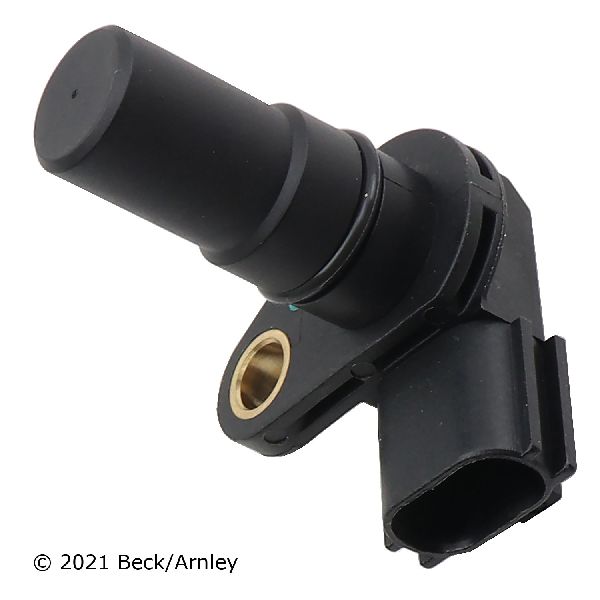
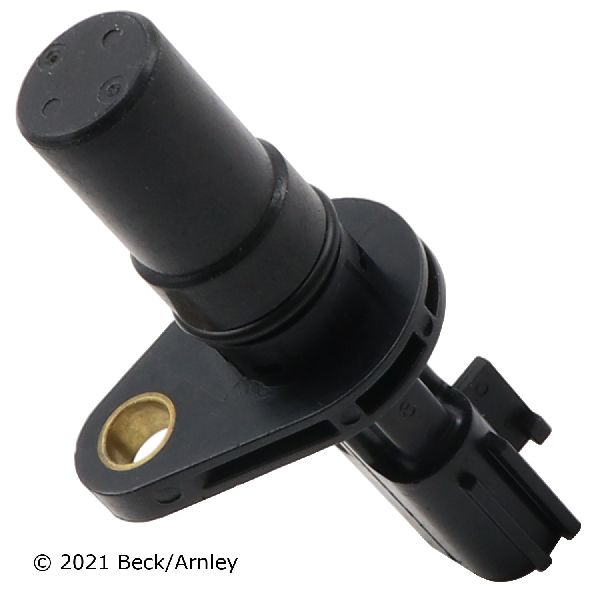
- Transmission Fluid Pressure Sensor
(OEM #68018555AA (Verify by VIN))— This sensor is a common failure point and directly responsible for the signal that triggers code P0846. The Jatco JF011E valve body in the Patriot uses two of these sensors.
Trusted brands: Mopar, NTK, Standard Motor Products (SMP), Rostra
OEM price range: $100-$180
Aftermarket price range: $40-$90 - CVT Fluid
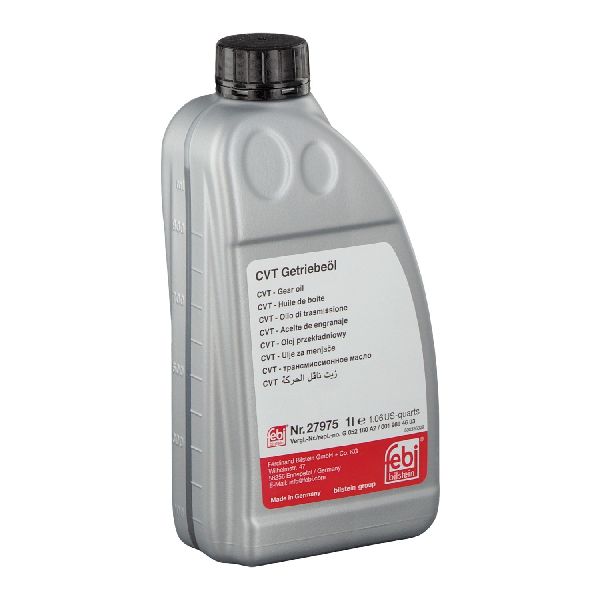
(OEM #Mopar CVTF+4 (Part # 68004942AB))— The Jatco CVT is highly sensitive to fluid type and condition. Using the correct, fresh fluid is critical for proper hydraulic pressure.
Trusted brands: Mopar, Idemitsu (NS-2), ENEOS ECO CVT, Valvoline CVT
OEM price range: $25-$40 per quart
Aftermarket price range: $15-$25 per quart - Transmission Pan Filter
(OEM #68018555AA)— This is the primary filter inside the transmission pan. It should be replaced during any fluid service to remove accumulated debris. Note that this part number is also used for filters in other Chrysler transmissions like the 62TE, so VIN verification is critical.
Trusted brands: Mopar, Wix, Fram
OEM price range: $50-$80
Aftermarket price range: $20-$40 - CVT Cooler Filter — This is a secondary, external paper cartridge filter for the transmission cooler circuit. It is often overlooked but is critical for trapping fine debris that can damage the valve body and sensors. It should be replaced with every fluid change.
Trusted brands: Mopar, Wix, ATP
OEM price range: $20-$35
Aftermarket price range: $10-$20
Related Codes That Often Appear With This One
- P0868 — This code indicates 'Transmission Fluid Pressure Low'. It often appears with P0846 because a failing pump, low fluid, or major leak will cause both a general loss of pressure (P0868) and an out-of-range sensor reading (P0846).
- P0746 — This code points to a 'Pressure Control Solenoid 'A' Performance/Stuck Off' issue. It can be set alongside P0846 if the root cause is a faulty valve body or contaminated fluid affecting multiple components.
- P0777 — This code indicates 'Pressure Control Solenoid 'B' Stuck On'. This is a very common companion code, as the issue causing the P0846 pressure reading problem (like a stuck valve or debris) often directly affects the solenoid's mechanical operation.
Technical Service Bulletins (TSBs) & Recalls
- TSB 21-013-08: This TSB is frequently mentioned in relation to Chrysler transmission issues of the era, often involving a TCM software update as a potential first step for various solenoid and pressure-related codes. While not directly for P0846, it shows a history of software fixes for related transmission problems.
- Chrysler Extended Warranty on Subframes: While not a TSB, Chrysler extended the warranty to 10 years in Salt Belt states for front and rear crossmember (subframe) corrosion, a major issue on this platform.
Platform-Specific Known Issues
- Owner Experience 1: On a 2012 Patriot, the vehicle would lurch from a stop and make a loud whining noise on the highway. A user on Reddit suggested the first step for these symptoms on a CVT is always a fluid and filter change before considering more expensive repairs.
- Owner Experience 2: A user on a Jeep forum with a 2011 JKU (Wrangler, but similar code logic) experienced P0846 after a solenoid replacement. The set condition was noted as the pressure switch being open or closed at the wrong time for three successive key starts, triggering limp mode.
- Owner Experience 3: A 2011 Patriot owner at 107,000 miles experienced jerky shifting which culminated in total CVT failure. The replacement cost was quoted at $4,800, highlighting the importance of addressing early symptoms.
- DIY Repair Note: Several DIY videos on YouTube show the full process of changing the fluid and both filters. The most difficult part is often accessing the secondary cooler filter, which is located under the battery tray and requires removing the airbox and battery.
Mechanic-Grade Diagnostic Values
- Secondary Pressure Sensor 'B' Voltage (Scan Tool PID) — expected: Around 0.7 volts when idling in gear, not moving.. Failure: A constant 0V or 5V, or readings that are erratic and do not smoothly increase with load.
- Secondary Pressure Sensor 'B' Voltage Under Load (Scan Tool PID) — expected: Should jump over 3.0 volts during a stall test or just before coming to a complete stop.. Failure: Voltage fails to reach over 3.0V under high pressure commands, indicating a sensor, pump, or regulation issue.
- Secondary Pressure (Scan Tool PID) — expected: Should peak at 550 psi or higher during a stall test.. Failure: Failure to achieve specified pressure points to a weak pump, sticking flow control valve, or major internal leak.
- TCC Control Solenoid Resistance — expected: 3 to 9 ohms.. Failure: Resistance outside this range indicates a faulty solenoid coil.
- Transmission Control Output Circuit Short to Ground — expected: Resistance above 5.0 Ohms between the circuit and ground.. Failure: Resistance below 5.0 Ohms indicates a short to ground in the wiring harness.
Scan Tool Commands That Help
- Chrysler WiTech or equivalent: Transmission Actuator Test — This function can be used to command the TCM to activate specific output circuits, like the power supply to the solenoid/pressure switch assembly, to verify wiring integrity with a test light.
- Chrysler WiTech or equivalent: Erase Transmission DTCs / Reset Adaptations — After replacing a component like a sensor or valve body, the codes must be cleared. While the JF011E in this application doesn't typically require a complex relearn procedure, clearing the codes and performing a road test allows the TCM to adapt to the new components.
Wiring & Ground Locations

- Transmission Case Connector — The main electrical connector on the outside of the CVT transmission case.. This is the primary connection point for all sensors and solenoids. For Dodge/Jeep applications, Pin 6 is the ground path for the pressure control solenoids. The secondary pressure sensor signals are also routed through this connector.
- G102 — Top of the transmission.. This is a major ground point for multiple engine and transmission components. A corroded or loose connection here can cause erratic sensor readings and control module behavior.
- G305 — Located in the driver's side kick panel area.. This is an interior ground point. Since the TCM is located under the driver's side dash, this ground is critical for its proper operation.
- Transmission Control Module (TCM) — Located under the driver's side dash, behind the lower kick panel and knee bolster, mounted to the firewall area.. This is the module that receives the signal from the pressure sensor. Knowing its location is necessary for testing wiring continuity between the module and the sensor connector.
- Engine Bay Ground — A primary ground terminal point by the battery on the driver's inner fender wall.. This is a common point of corrosion on Jeep Patriots. A poor connection here can cause numerous, seemingly unrelated electrical issues, including intermittent sensor faults.
Model Year Variations Within This Range
- 2007-2013: For these model years, the Jatco CVT was the only automatic transmission available.
- 2014-2017: A conventional 6-speed automatic transmission (PowerTech 6F24) became the standard automatic. The CVT was only available as an option on models equipped with the Freedom Drive II off-road package. Therefore, a P0846 code on a 2014+ Patriot must first be identified as a CVT-equipped model before proceeding with JF011E-specific diagnostics.
- All (2007-2017): All Chrysler applications of the JF011E (Jeep Patriot, Compass, Dodge Caliber) use a valve body with two pressure sensors ('A' and 'B'). Some Nissan applications of the same transmission family eventually omitted the primary pressure sensor. It's crucial to ensure any replacement valve body is the two-sensor version.
Diagnostic Flowchart
Other Known Issues on This Vehicle
Issues unrelated to this code that are worth knowing about as an owner of this generation:
- Front and Rear Subframe Corrosion 🔴 High — Very common in Salt Belt regions, can lead to structural failure. An extended warranty was issued for this. (Ref: 10-year extended warranty in some regions.)
- Water Leaks into Cabin 🟠 Medium — Widespread issue reported across many model years (2008-2016), often from the sunroof drains or dome light, leading to wet carpets and potential electrical problems.
- Throttle Body Failure 🔴 High — A very common failure causing the vehicle to enter limp mode with the 'Electronic Throttle Control' (red lightning bolt) light. Symptoms can mimic transmission issues.
- Premature Alternator Failure 🟠 Medium — Commonly reported to fail, causing a whining noise and eventual no-start condition.
- Suspension Component Wear 🟠 Medium — Owners report frequent replacement of control arms, ball joints, and sway bar links, often exacerbated by subframe rust issues.
Used vs. New Parts: Buying Guide for This Vehicle
When a used part is the smart pick: A used part is generally not recommended for the key components in this repair due to the high failure rate and wear-related nature of the problems. A used sensor or complete transmission carries a high risk of having the same or other underlying issues.
Donor-vehicle mileage cap: roughly under 60000 miles for the part to have meaningful remaining life.
What to inspect on the donor part:
- For a complete transmission: Ask for maintenance records, specifically proof of regular CVT fluid changes.
- Check the color and smell of the fluid in the donor unit if possible. Dark, burnt-smelling fluid is a major red flag.
- Inspect the main electrical connector for corrosion or damage.
OEM-only on this vehicle (don't cheap out):
- CVT Fluid: While some aftermarket fluids are compatible (like Nissan NS-2), using the specified Mopar CVTF+4 is the safest choice to avoid chemical compatibility issues in a sensitive CVT.
- Transmission Control Module (TCM): Used modules are risky and new ones require programming by a dealer or qualified shop, making OEM the only viable path.
Aftermarket brands forum-validated for this vehicle:
- Sonnax (For valve body repair kits and individual components)
- Rostra (For replacement sensors and solenoids)
- NTK (For replacement sensors)
Brands owners have reported issues with on this vehicle:
- Unbranded, no-name sensors from online marketplaces are frequently cited as being dead-on-arrival or failing shortly after installation. It is better to pay more for a recognized brand.
Real Owner Stories
Aggregated from forums and TSBs cited above. Mileages and costs reflect what owners reported in those sources.
2012 Jeep Patriot
Symptoms: Vehicle would lurch from a stop and make a loud whining noise on the highway.
What fixed it: A fluid and filter change was suggested as the first step to address the symptoms before considering more expensive repairs.
Source hint: Owner Experience 1 from Reddit, cited in article context
2011 Jeep Patriot — 107000 miles
Symptoms: Experienced jerky shifting which culminated in total CVT failure.
What fixed it: The issue resulted in a total CVT failure, requiring a complete transmission replacement.
Cost: $4800-$4800
Source hint: Owner Experience 3 cited in article context
Related OBD-II Codes
Frequently Asked Questions
Could a software update fix the P0846 code on my Jeep Patriot?
I'm changing the CVT fluid on my Patriot to fix P0846. Is there more than one filter to replace?
What specific transmission fluid should I use for my Jeep Patriot's CVT?
If the pressure sensor is bad, should I replace any other parts at the same time?
I have a Jeep Compass with the same symptoms. Does this P0846 information apply to my vehicle?
How do I check the transmission fluid level on my Patriot? I can't find a dipstick.
Helpful Videos
We Have This Part in Stock


The information in this article is provided for general reference and educational purposes only. Vehicle specifications, procedures, and part compatibility can vary by production date, trim level, and region. Always consult your vehicle's factory service manual and verify part numbers before purchasing or performing repairs. Safety-critical components such as airbags, seat belts, and braking systems should be installed by a qualified professional.
- Jeep Patriot:
- 🎬 Helpful Videos
- 🛍️ Shop This Part
- What's Unique About the 2007-2017 Jeep Patriot
- Symptoms You May Notice
- Most Likely Causes
- Rare But Worth Checking
- Diagnosis Steps
- Parts You'll Likely Need
- Related Codes That Often Appear With This One
- Technical Service Bulletins (TSBs) & Recalls
- Platform-Specific Known Issues
- Mechanic-Grade Diagnostic Values
- Scan Tool Commands That Help
- Wiring & Ground Locations
- Model Year Variations Within This Range
- Diagnostic Flowchart
- Other Known Issues on This Vehicle
- Used vs. New Parts: Buying Guide for This Vehicle
- Real Owner Stories
- 2012 Jeep Patriot
- 2011 Jeep Patriot — 107000 miles
- Related OBD-II Codes
- Frequently Asked Questions
- 🎟️ Get 5% Off