

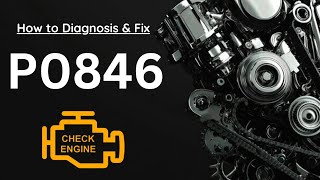
P0846 on 2007-2017 Jeep Compass: CVT Pressure Sensor 'B' Causes and Fixes
On a 2007-2017 Jeep Compass with the CVT transmission, P0846 usually points to a problem with the secondary transmission fluid pressure sensor, low or dirty fluid, or a failing valve body. This is a serious code that can put the vehicle in limp mode, and repair often requires dropping the transmission pan.
- Code P0846 on a 2007-2017 Jeep Compass with a CVT is a serious issue that requires immediate attention.
- The most important first step is to check the CVT fluid level and condition, as CVTs are very sensitive to fluid quality.
- This is not a simple DIY fix. Due to the complexity of the CVT and the location of the sensor on the valve body, professional diagnosis and repair are strongly recommended.
- The root cause is often more than just a bad sensor; it can be a failing valve body, which is a common issue with the Jatco CVT in this vehicle.
- Do not ignore symptoms like hesitation or whining, as this can lead to a complete and very expensive transmission failure.
What's Unique About the 2007-2017 Jeep Compass

The first-generation (2007-2017) Jeep Compass was commonly equipped with a Jatco JF011E Continuously Variable Transmission (CVT), which has a well-documented reputation for developing issues. Unlike a simple sensor fault on other vehicles, code P0846 on this specific CVT can often be a symptom of more significant problems, such as a failing valve body, internal leaks, or the start of a more serious transmission failure. The pressure sensors on this transmission are located on the valve body inside the transmission pan, making their replacement more involved than a simple external sensor swap.
Generation note: The 2007-2017 model years cover the entire first generation (MK) and the first year of the second generation (MP). This code and its associated issues are primarily relevant to the first-generation models equipped with the Jatco JF011E CVT. The second-generation 2017 Compass uses different transmissions (like the 6F24 or 948TE) which have different failure modes.
Symptoms You May Notice
- Check Engine Light is illuminated
- Transmission enters 'limp mode,' limiting engine RPM and vehicle speed
- Harsh or delayed engagement when shifting from Park to Drive or Reverse
- Hesitation, shuddering, or slipping during acceleration
- Whining or grinding noises from the transmission area
- Reduced fuel economy
- Engine revving higher than usual for a given speed
- Vehicle may feel stuck in one gear
- Replacing the pressure sensor without first checking the CVT fluid level and condition.
- Assuming the entire transmission has failed when the issue could be a less expensive valve body or fluid problem.
- Replacing the valve body when the root cause is a simple wiring issue at the external connector.
Most Likely Causes

- Low, incorrect, or degraded CVT fluid 🔴 High Probability CVTs are extremely sensitive to fluid level and quality. The JF011E can overheat, which degrades the fluid and causes pressure control problems. Lack of regular maintenance is a primary contributor.
How to confirm: Check the CVT fluid level and condition. 🎬 Watch: How to check, drain, and fill your CVT fluid. This requires a specific procedure as many are 'sealed' and lack a traditional dipstick. The fluid should be clear and not smell burnt. Dark or contaminated fluid indicates a problem.
Typical fix: Perform a drain and fill with the correct Mopar CVTF+4 or an equivalent fluid meeting NS-2 specifications. A full flush is sometimes necessary but can be risky on high-mileage transmissions.
Est. part cost: $80-$150 - Faulty Transmission Fluid Pressure Sensor ('B') 🟡 Medium Probability The sensor is located inside the transmission on the valve body, exposed to heat and potentially contaminated fluid, which can lead to electronic failure. These sensors are a known failure point on the JF011E.
How to confirm: A technician can monitor live data from the sensor with a scan tool. If the voltage is stuck, erratic, or doesn't change with RPM, the sensor is likely bad. This requires ruling out wiring issues first. The sensors can be tested with a multimeter for correct resistance.
Typical fix: Replace the pressure sensor. 🎬 See this guide on fixing the pressure sensor circuit code. This requires removing the transmission oil pan and valve body to access it. The sensors are often replaced as a pair (primary and secondary).
Est. part cost: $50-$150 - Faulty Transmission Valve Body 🟡 Medium Probability The Jatco JF011E is known for issues with sticking solenoids or worn bores within the valve body, which directly impacts pressure regulation. Debris from normal wear can clog the small passages and solenoids.
How to confirm: This is typically diagnosed after fluid and sensor issues are ruled out. Finding significant metallic debris in the transmission pan is a strong indicator of internal wear related to the valve body or other components. A technician may also perform pressure tests.
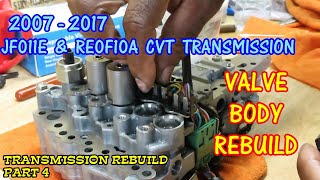
Typical fix: Replacement of the entire valve body assembly, which often includes new solenoids and pressure sensors. Sometimes they can be rebuilt by specialists with kits from companies like Sonnax. 🎬 Watch: A professional walkthrough of a CVT valve body rebuild.
Est. part cost: $400-$900 - Wiring or Connector Issues ⚪ Low Probability The wiring harness to the transmission is exposed to road debris and heat, which can cause corrosion or damage over time. The main connector on the transmission case is a common place for corrosion to develop.
How to confirm: Visually inspect the wiring harness and connectors leading to the transmission for any signs of corrosion, damage, or loose connections. Perform continuity and voltage tests with a multimeter from the TCM to the transmission connector.
Typical fix: Repair the damaged section of the wiring harness or clean/replace the connector. This can involve soldering new wires or replacing pins.
Est. part cost: $10-$100
Rare But Worth Checking
- Failing Transmission Control Module (TCM): This is rare and should only be considered after all other possibilities (fluid, sensor, wiring, valve body) have been exhaustively checked. A faulty TCM will usually trigger other communication or sensor codes as well.
- Internal Mechanical Failure: In severe cases, this code can be a symptom of a failing oil pump, worn pulleys, or a damaged belt inside the CVT. A significant amount of metal shavings in the pan points towards this, and a transmission rebuild or replacement would be necessary.
Diagnosis Steps
- Retrieve the code with an OBD-II scanner and check for any other related transmission codes. Document and clear them.
- Check the transmission fluid level and condition. This is the most critical first step. Note any burnt smell or metallic debris. The fluid check procedure on the JF011E is specific and must be done at a certain temperature.
- If fluid is low or degraded, perform a drain and fill with Mopar CVTF+4 or an equivalent NS-2 fluid. Clear codes and test drive to see if P0846 returns.
- Visually inspect the main transmission wiring harness and connector for any visible damage, corrosion, or loose pins.
- Use an advanced scan tool to monitor the live data stream for the Transmission Fluid Pressure Sensor 'B'. Compare its voltage readings to the manufacturer's specifications at different RPMs. The voltage should change smoothly with engine speed.
- If the sensor reading is erratic, stuck at 0V or 5V, and the wiring is confirmed to be good, the sensor is likely faulty.
- If the sensor and fluid are good, the issue is likely within the valve body (e.g., a stuck solenoid). This is confirmed by dropping the pan and inspecting for debris.
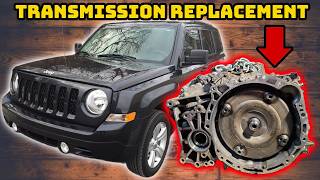
- If significant metal debris is found in the pan, a more serious internal failure is likely, and a transmission replacement may be required.
Parts You'll Likely Need

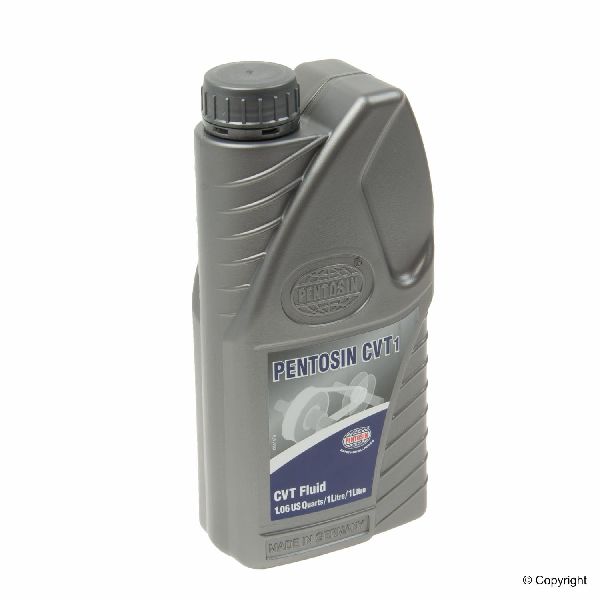
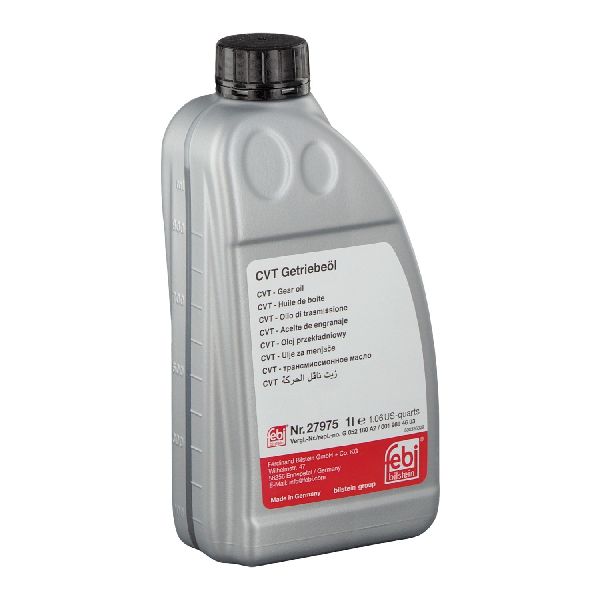
- CVT Fluid
(OEM #Mopar CVTF+4)— The CVT is highly sensitive to fluid type and condition. Using the correct, fresh fluid is the first and most important step in addressing pressure-related codes.
Trusted brands: Mopar, Idemitsu NS-2, Valvoline CVT
OEM price range: $25-$35 per quart
Aftermarket price range: $15-$25 per quart - Transmission Valve Body with Pressure Sensors
(OEM #68070622AA)— The pressure sensors are mounted on the valve body. If the sensor or valve body itself is faulty, the entire assembly is often replaced to ensure reliability. Many aftermarket kits include the valve body, solenoids, and sensors.
Trusted brands: Mopar, Rostra, Sonnax (rebuild kits), Mad Hornets
OEM price range: $700-$1200
Aftermarket price range: $400-$900 - Transmission Fluid Pressure Sensors (Pair)
(OEM #33446-JF011 (often sold as a set))— If diagnosis confirms only the sensor has failed, it can be replaced separately from the valve body, though it still requires removing the pan. They are often sold and replaced in pairs (primary and secondary).
Trusted brands: Genuine Nissan/Jatco, Aftermarket
OEM price range: $100-$200
Aftermarket price range: $50-$150
Related Codes That Often Appear With This One
- P0741 — Torque Converter Clutch Circuit Performance or Stuck Off, indicating related hydraulic pressure issues.
- P0776 — Pressure Control Solenoid 'B' Performance or Stuck Off, pointing directly to a problem in the same hydraulic circuit.
- P0841 — Transmission Fluid Pressure Sensor/Switch 'A' Circuit Range/Performance, indicating a problem with the primary pressure sensor, which often fails along with sensor 'B'.
- P0871 — Transmission Fluid Pressure Sensor/Switch 'C' Circuit Range/Performance, another pressure rationality code that can appear with P0846 on some vehicle applications.
Platform-Specific Known Issues
- The Jatco JF011E CVT used in these vehicles is known for a higher-than-average rate of issues, including overheating, valve body failure, and premature wear of internal components.
- Owners report multiple transmission replacements, sometimes within a few years, indicating the fragility of the unit.
- A whining noise that changes with engine RPM is a very common symptom of impending failure in these CVTs.
Mechanic-Grade Diagnostic Values

- Secondary Pressure Sensor Signal Voltage — expected: 0.5 Volts (at 0 PSI) to 4.5 Volts (at 870 PSI). Voltage should increase as pressure increases.. Failure: Voltage is stuck at 0V or 5V, or does not change logically with engine RPM and load.
- Pressure Control Solenoid (A or B) Resistance — expected: 3.0 - 7.0 Ohms. Failure: Resistance is outside of this range, indicating a faulty solenoid coil.
- Lock-Up Select Solenoid Resistance — expected: 17.0 - 38.0 Ohms. Failure: Resistance is outside of this range.
- CVT Fluid Temperature Sensor Resistance — expected: Approximately 6.5 kOhms at 20°C (68°F) or 0.9 kOhms at 80°C (176°F).. Failure: Resistance readings are drastically different at known temperatures.
- TCM Reference Voltage to Sensor — expected: Typically 5 Volts DC with key on, engine off.. Failure: No voltage or incorrect voltage suggests a problem with the TCM or wiring, not the sensor.
Scan Tool Commands That Help
- Professional Scan Tool (e.g., WiTech, Autel, Snap-on): TCM Relearn/Calibration — After replacing the transmission, valve body, or TCM, a relearn procedure is often required to calibrate the new components and clear learned values. This may also be listed as a 'fluid reset' or 'sensor coding' function.
Wiring & Ground Locations
- Transmission Control Module (TCM) — Inside the vehicle, on the driver's side, located up behind the kick panel near the brake pedal assembly.. The TCM is the computer that receives the signal from the pressure sensor. All circuit testing will eventually lead back to the TCM connector to verify wiring integrity.
- Ground Point G305 — Located in the left kick panel area.. A poor ground at this location can cause a variety of electrical issues for components in this area, potentially including the TCM, leading to erratic sensor readings.
- Transmission Case Connector - Terminal 6 — The main electrical connector on the outside of the CVT case.. For Dodge/Jeep applications, terminal 6 of the case connector serves as the ground path for testing the resistance of the Lockup Control, Secondary Pressure Control, and Pressure Control Solenoids.
- Circuit T47 — This is the circuit identifier for the 2/4 Pressure Signal wire running between the transmission and the PCM/TCM.. Service manuals refer to this specific circuit for performing open/short tests when diagnosing pressure switch rationality codes like P0846.
Real Owner Repair Stories
- AliExpress User Experience Review (2013 Nissan Altima (uses same JF011E CVT), 142,000+ miles) — Worsening shift shocks, harsh shifting, and occasional limp mode activation, especially during highway merges. Codes P0776/P0777 were present, which are related to pressure control.
❌ Tried (didn't work) The owner intentionally skipped fluid flushes and TCM resets, suspecting a mechanical/hydraulic fault in the valve body.
✅ What actually fixed it The entire valve body assembly was replaced with a new aftermarket unit. This immediately resolved the harsh shifting and limp mode issues, restoring smooth operation.
Model Year Variations Within This Range
- 2007-2017: The JF011E valve body was produced in two main versions: one with a single pressure sensor and one with two pressure sensors. All Chrysler/Jeep applications, including the Compass, use the two-sensor version. It is critical to ensure any replacement valve body is the two-sensor variant.
Diagnostic Flowchart
Other Known Issues on This Vehicle
Issues unrelated to this code that are worth knowing about as an owner of this generation:
- Front and Rear Subframe Rust/Corrosion 🔴 High — Very common on vehicles in the salt belt, can become structurally unsafe after 8-12 years. (Ref: Chrysler extended the warranty on subframes for some vehicles in certain states (e.g., W08), but it was not a full recall.)
- Water Leaks into Cabin 🟠 Medium — Commonly caused by clogged sunroof drains, leading to water dripping from the dome light or A-pillars.
- Electronic Throttle Body Failure 🟠 Medium — Can occur around 60,000-100,000 miles, causing the vehicle to enter limp mode with the electronic throttle control (lightning bolt) light illuminating.
- Totally Integrated Power Module (TIPM) Failure 🔴 High — Common on earlier models (2007-2012), causing a wide range of bizarre electrical issues like no-start conditions, fuel pump staying on, or lights acting erratically.
- Lower Control Arm and Tie Rod Wear 🟠 Medium — Bushings and ball joints wear out prematurely, often before 60,000 miles, leading to clunking noises, poor alignment, and uneven tire wear.
Used vs. New Parts: Buying Guide for This Vehicle
When a used part is the smart pick: For this specific repair, a used valve body from a junkyard is NOT recommended. The failure is typically caused by internal wear and sticking valves, and a used part is highly likely to have the same or similar issues.
What to inspect on the donor part:
- Not applicable, as used valve bodies are not a reliable fix.
OEM-only on this vehicle (don't cheap out):
- CVT Fluid (Mopar CVTF+4 or NS-2 equivalent is critical)
Aftermarket brands forum-validated for this vehicle:
- Street Smart Transmission (Remanufactured Valve Bodies)
- Sunbelt Valve Body Builders (Remanufactured Valve Bodies)
- Sonnax (Valve body rebuild kits and individual components)
- Rostra (Valve body assemblies)
Brands owners have reported issues with on this vehicle:
- Unknown, unbranded valve bodies from online marketplaces without a warranty or testing verification should be avoided due to the high likelihood of pre-existing wear.
Real Owner Stories
Aggregated from forums and TSBs cited above. Mileages and costs reflect what owners reported in those sources.
2012 Jeep Compass
Symptoms: Owner reported needing three transmission replacements, indicating catastrophic and repeated failures of the CVT unit.
What fixed it: The vehicle required multiple complete transmission replacements.
Source hint: Car Talk community thread titled '2012 Jeep Compass - Are transmission issues common?'
2012 Jeep Compass
Symptoms: Vehicle had a hesitation problem during acceleration.
What fixed it: The forum post focused on diagnosis, noting that while no active codes were present, stored event data showed transmission codes like P0777, pointing towards an internal transmission fault.
Source hint: ScannerDanner forum titled '2012 Jeep Compass - hesitation problem, P0777 found in Event Data'
Related OBD-II Codes
Frequently Asked Questions
My 2014 Jeep Compass is making a whining noise that gets louder as I accelerate. Is this related to the P0846 code?
What is the correct transmission fluid to use for my Jeep Compass to fix a P0846 code?
I was told I need a whole new transmission for my Compass because of this code. Is that common?
Can I just replace the pressure sensor, or do I need to replace the entire valve body?
My 2016 Jeep Patriot has code P0846. Does this article apply to my vehicle?
Is it safe to just do a transmission flush on my high-mileage Compass to try and clear the P0846 code?
Helpful Videos
Used OEM Parts in Stock

New Aftermarket Parts Available

The information in this article is provided for general reference and educational purposes only. Vehicle specifications, procedures, and part compatibility can vary by production date, trim level, and region. Always consult your vehicle's factory service manual and verify part numbers before purchasing or performing repairs. Safety-critical components such as airbags, seat belts, and braking systems should be installed by a qualified professional.
- Jeep Compass:
- 🎬 Helpful Videos
- 🛍️ Shop This Part
- What's Unique About the 2007-2017 Jeep Compass
- Symptoms You May Notice
- Most Likely Causes
- Rare But Worth Checking
- Diagnosis Steps
- Parts You'll Likely Need
- Related Codes That Often Appear With This One
- Platform-Specific Known Issues
- Mechanic-Grade Diagnostic Values
- Scan Tool Commands That Help
- Wiring & Ground Locations
- Real Owner Repair Stories
- Model Year Variations Within This Range
- Diagnostic Flowchart
- Other Known Issues on This Vehicle
- Used vs. New Parts: Buying Guide for This Vehicle
- Real Owner Stories
- 2012 Jeep Compass
- 2012 Jeep Compass
- Related OBD-II Codes
- Frequently Asked Questions
- 🎟️ Get 5% Off