

P0841 on 2007-2017 Jeep Patriot: Transmission Pressure Sensor Fault Causes and Fixes
On a 2007-2017 Jeep Patriot, code P0841 most often points to low or degraded transmission fluid, or a faulty transmission fluid pressure sensor. Checking the fluid level and condition is the first step, but replacing the sensor requires removing the transmission pan. On models with the Jatco CVT, this is a known issue that can lead to transmission failure if ignored. Expect a shop repair to cost between $250 and $600.
- P0841 on a Jeep Patriot is a serious transmission code that should be addressed promptly.
- The most likely cause is an issue with the transmission fluid (low level or poor condition). This should always be the first check.
- The code can also be caused by a failed pressure sensor, which is located inside the transmission and requires significant labor to replace.
- It is critical to know whether your Patriot has the CVT or the 6-speed automatic transmission, as the parts and fluids are different.
- Driving with this code can lead to irreversible transmission damage.
What's Unique About the 2007-2017 Jeep Patriot
The 2007-2017 Jeep Patriot used two different automatic transmissions, which changes the context of this code. Early models (approx. 2007-2013) primarily used a Jatco JF011E CVT, which is notoriously sensitive to fluid quality, level, and overheating. Later models (approx. 2014-2017) offered a more conventional Powertech 6F24 6-speed automatic as an alternative. While the code's meaning is the same for both, the specific part numbers and diagnostic nuances differ. On either transmission, the pressure sensors are located internally on the valve body, making replacement a labor-intensive job that requires removing the transmission pan.
Generation note: While the Jeep Patriot is a single generation (MK), this year range includes two different automatic transmissions. Models from 2007-2013 are typically equipped with a Jatco JF011E CVT, while 2014-2017 models may have either the CVT or a 6-speed automatic (6F24). The diagnostic process is similar, but the parts are not interchangeable. The Jatco CVT is particularly prone to issues that can trigger this code.
Symptoms You May Notice
- Check Engine Light is on
- Transmission warning light is on
- Harsh, erratic, or delayed gear shifting
- Vehicle enters 'limp mode' (stuck in a single gear, won't accelerate past 40 mph)
- Transmission slipping or feeling like it has no power
- Decreased fuel economy
- Whining or clunking noises from the transmission
- Transmission overheating warning light
- Replacing the pressure sensor without first checking the fluid level, condition, and filter.
- Condemning the entire transmission when the problem is simply a corroded external connector or a faulty sensor.
- Replacing the transmission when a TCM software update or re-learn procedure could resolve the issue.
Most Likely Causes
- Low or Dirty Transmission Fluid 🔴 High Probability Both the CVT and 6-speed automatic are sensitive to fluid level and condition. These transmissions do not have a simple dipstick, so fluid level checks are often neglected. The Jatco CVT is especially known for overheating, which degrades the fluid quickly.
How to confirm: The fluid level must be checked via a specific procedure involving a scan tool to monitor temperature and removing a check/fill plug. The fluid should be reddish-pink (for ATF+4 in the 6-speed) or a specific amber/green (for CVT fluid) and not smell burnt. Dirty fluid can clog passages and the filter.
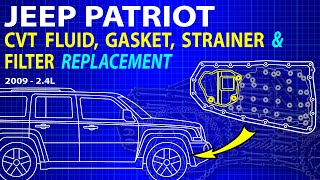
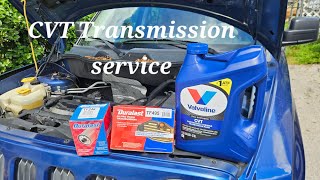
Typical fix: Perform a transmission fluid drain-and-fill or a full fluid exchange. Use only 🎬 See this step-by-step guide for a CVT fluid and filter service. the manufacturer-specified fluid (e.g., Mopar CVTF+4 for the CVT, Mopar ATF+4 for the 6-speed). Replacing the filter(s) is also recommended. 🎬 Watch: An in-depth look at changing both internal transmission filters.
Est. part cost: $60-$150 - Faulty Transmission Fluid Pressure Sensor 🟡 Medium Probability The sensor is an electronic component located inside the hot transmission, making it susceptible to failure from heat cycles and fluid contamination over time.
How to confirm: After confirming the fluid is correct, a technician can use a scan tool to monitor the sensor's voltage readings. If the readings are erratic, stuck at 0V or 5V, or do not correspond to actual pressure changes, the sensor is likely faulty. This can be verified by testing the circuit with a multimeter.
Typical fix: Replace the faulty pressure sensor. This requires draining the fluid, removing the transmission pan, and accessing the valve body where the sensor is located. The sensors for the CVT are often sold as a pair.
Est. part cost: $50-$200 - Damaged Wiring or Corroded Connector ⚪ Low Probability The transmission wiring harness is exposed to road debris, moisture, and road salt, which can cause corrosion or physical damage over time. Water leaks from clogged sunroof drains or the cowl area can also drip onto electrical components.
How to confirm: Visually inspect the wiring harness and main connector going to the transmission. Look for green corrosion, pushed-out pins, or frayed/broken wires. A multimeter can be used to check for continuity and proper voltage at the sensor connector.
Typical fix: Clean the connector terminals with an electrical contact cleaner or repair/replace the damaged section of the wiring harness.
Est. part cost: $10-$300
Rare But Worth Checking
- Failing Transmission Control Module (TCM): This is uncommon, but possible if all other causes have been ruled out. A faulty TCM can misinterpret sensor signals or fail to send proper voltage.
- Internal Valve Body Failure: A stuck valve, a dislodged check ball, or internal leak within the valve body can cause pressure regulation problems that trigger this code. This usually requires specialized transmission repair.
- Major Internal Transmission Failure: In worst-case scenarios, a failing oil pump, worn CVT belt/pulleys, or a failing clutch pack can cause a loss of pressure, setting this code along with others. This is often accompanied by significant noise and drivability problems and is a known issue on the Jatco CVT.
Diagnosis Steps
- Scan the vehicle for all stored trouble codes. Note if P0841 appears with other codes 🎬 Watch: How to diagnose and fix the P0841 pressure sensor code. like P0700, P0868, P0842, or P0843.
- Check for any relevant Technical Service Bulletins (TSBs). Some shift quality issues can be resolved with a TCM software update.
- Check the transmission fluid level and condition. This is the most common cause. Note that the Patriot has no dipstick, so this requires a specific procedure at a certain temperature.
- If the fluid is low, top it off with the correct type and re-test. If it is dirty or burnt, perform a fluid and filter change.
- Visually inspect the transmission's main electrical connector and wiring harness for any signs of corrosion, moisture, or damage. Pay close attention to the harness section exposed under the vehicle.
- Using an advanced scan tool, monitor the live data for the 'Transmission Fluid Pressure Sensor A' while driving. Observe if the voltage is stuck, erratic, or unresponsive to gear changes.
- If the sensor signal is suspect, perform electrical tests on the sensor's circuit at the transmission connector using a multimeter to check for correct reference voltage (usually 5V or 12V), ground, and signal integrity.
- If the wiring and fluid are good but the sensor signal is faulty, the sensor itself is the likely culprit. Replacement is necessary.
- If the sensor and wiring are confirmed to be good, the issue may be internal to the transmission (valve body, internal filter, oil pump, or other mechanical fault), which requires professional diagnosis.
Parts You'll Likely Need
- Transmission Fluid Pressure Sensor/Switch
(OEM #For Jatco CVT (JF011E), often sold as a kit of two sensors, see Mopar 68004942AA or aftermarket equivalents like 33417N. For the 6F24, the part is typically part of a solenoid/switch block.)— This sensor is the primary component identified by the code and is a common failure point due to heat and contamination.
Trusted brands: Mopar, NTK, Standard Motor Products, Rostra
OEM price range: $80-$150
Aftermarket price range: $40-$90 - Transmission Fluid
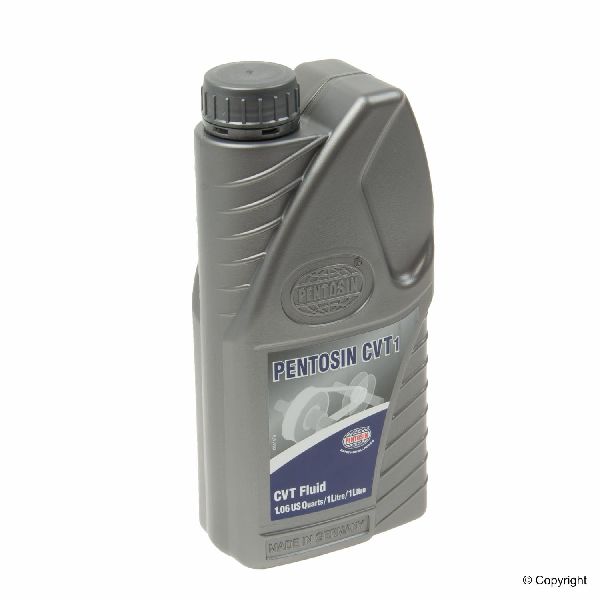
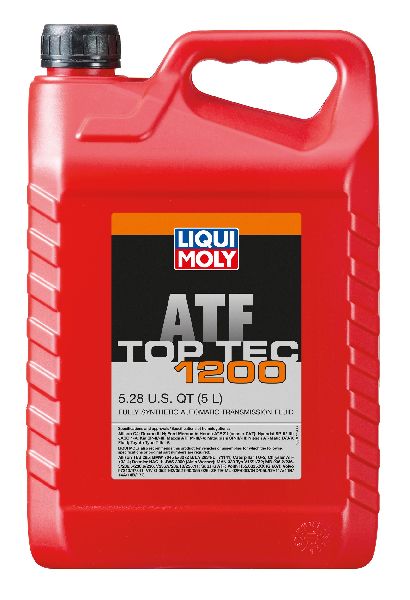
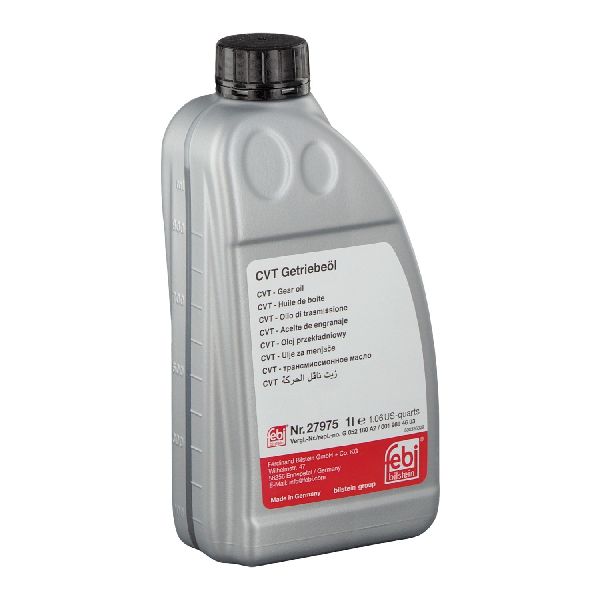
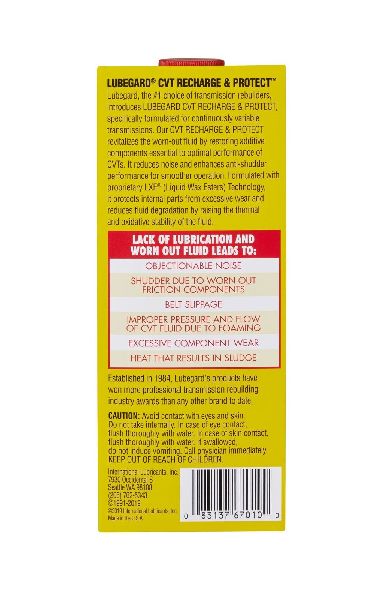
(OEM #Mopar CVTF+4 (for CVT models), Mopar ATF+4 (for 6-speed automatic models))— Low or incorrect fluid is a primary cause. A fluid change is required when replacing the internal sensor.
Trusted brands: Mopar CVTF+4, Mopar ATF+4, Valvoline CVT, Idemitsu CVTF
OEM price range: $20-$30 per quart
Aftermarket price range: $15-$25 per quart - Transmission Pan Gasket
Related Codes That Often Appear With This One
- P0868 — This code means 'Transmission Fluid Pressure Low'. It often appears with P0841 when the root cause is low fluid level, a clogged filter, or a failing transmission oil pump.
- P0700 — This is a generic code indicating the Transmission Control Module (TCM) has stored a fault. It acts as a 'check engine light' for the transmission and will almost always be present with P0841.
- P0842 — This code indicates 'Transmission Fluid Pressure Sensor/Switch 'A' Circuit Low', suggesting the sensor signal voltage is below the expected range. It points more specifically to an electrical issue or very low pressure.
- P0843 — This code indicates 'Transmission Fluid Pressure Sensor/Switch 'A' Circuit High', suggesting the sensor signal voltage is above the expected range, often pointing to a short circuit or a faulty sensor.
Technical Service Bulletins (TSBs) & Recalls
- While no TSB is a direct fix for P0841, several are related to shift quality and software updates. For example, TSB 21-013-12 addresses shift improvements via a PCM software update for some 6-speed models. Always check for the latest software updates for the TCM, as logic errors can sometimes trigger performance codes.
- A Subaru TSB for the same Jatco CVT (16-102-16) provides a detailed diagnostic flowchart for P0841, emphasizing checking mechanical pressure against sensor readings, which is a valid diagnostic strategy for the Patriot as well.
Platform-Specific Known Issues
- On Jatco CVT-equipped models, P0841 is often a precursor to more serious issues like CVT belt/pulley wear or oil pump failure, especially if accompanied by a whining noise.
- A user on
jeepliberty.orgwith a similar transmission reported that codes P0841, P0734, and P0876 were all caused by an internal transmission oil filter that had come loose and was rolling around in the pan, disrupting fluid flow. - Owners on Reddit and other forums frequently report that the 'CVT death whine' and loss of power (limp mode) associated with this code can sometimes be temporarily fixed with a fluid and filter change, but often indicates a more serious underlying problem.
Mechanic-Grade Diagnostic Values
- Transmission Fluid Pressure Sensor (TFPS) Signal Voltage — expected: 0.5V (low pressure) to 4.5V (high pressure). The voltage should change smoothly as gears shift or engine load changes.. Failure: Voltage is stuck at 0V, 5V, or is erratic and does not correspond to pressure changes. Any monitored voltage outside 0.35V to 4.75V for more than a fraction of a second can set a fault.
- TFPS Reference Voltage (at harness connector) — expected: 5V or 12V with key on, engine off.. Failure: No voltage or significantly lower voltage indicates a problem with the TCM or the wiring harness, not the sensor itself.
- TFPS Ground Circuit Resistance (at harness connector) — expected: < 1 ohm to chassis ground.. Failure: Resistance greater than 5 ohms indicates a poor ground connection, which can cause erratic sensor readings.
- Jatco JF011E Secondary Pressure Sensor Voltage to Pressure Conversion — expected: The sensor signal ranges from 0.5 volts (0 psi) to 4.5 volts (870 psi).. Failure: A scan tool showing voltage that doesn't align with this range during operation points to a sensor or hydraulic issue.
Hidden / Shadow Codes Worth Checking
- P167A: 'Calibration Mismatch'. This code can appear after a transmission or TCM has been replaced with a used unit, indicating that the module needs to be initialized to the vehicle's VIN and configuration. (see via A professional-level scan tool (like Autel or Launch) is required. It will be stored in the TCM.)
Scan Tool Commands That Help
- Chrysler wiTECH, Autel, Launch X431: TCM Initialization or CVT Controller Re-initialization — This function is required after replacing the transmission or the Transmission Control Module (TCM), especially with a used component. It programs the module to the vehicle's specific configuration to resolve calibration mismatch codes like P167A.
- Chrysler wiTECH, Autel, Launch X431: Quick Learn — This procedure resets the transmission's adaptive memory and forces it to relearn shift points and clutch volume indexes. It is recommended after replacing major transmission components, changing the fluid, or even after disconnecting the battery to resolve harsh or delayed shifting complaints.
Wiring & Ground Locations
- CVT Main Solenoid/Pressure Switch Connector — On the Jatco JF011E CVT, this is a 22-pin connector on the valve body, accessible after removing the transmission pan.. Pin 18 (Dark Green/Yellow wire) is the Primary Pressure Sensor Signal. Pin 19 (Dark Green/Tan wire) is the Sensor Ground. Pin 5 (Pink/Light Blue or Pink wire) is the 5 Volt Supply. Testing at these specific pins is crucial for diagnosing an electrical fault vs. a failed sensor.
- 6F24 Transmission Connector — On the 6-speed 6F24 automatic, the pressure switches are internal and communicate through the main harness connector on the transmission case.. The pressure switch signal for this transmission is integrated into the valve body/TCM communication. A wiring diagram is essential to trace the correct circuit (e.g., T41 circuit for range sensor issues) back to the TCM if an external wiring fault is suspected.
Real Owner Repair Stories
- CarBuzz Forum User (Jeep Patriot with CVT, year not specified) — Slipping and RPM spikes at operating temperature (100°F ambient).
❌ Tried (didn't work) A single drain-and-fill of the CVT fluid did not resolve the issue.
✅ What actually fixed it The owner performed two more partial drain-and-fills (3 quarts each time) using Valvoline CVT fluid. After the third fluid exchange, the slipping and RPM spike issues were resolved even in high temperatures. This suggests the original fluid was severely degraded or contaminated.
Model Year Variations Within This Range
- 2010-2017 (Jatco CVT): On Jatco JF011E CVTs starting in the 2010 model year, the primary pressure switch was eliminated from the valve body. If installing a used or remanufactured valve body, it is critical to use one from the correct year range. Installing a 2010+ valve body into an earlier model will cause a fault code because the TCM expects a signal from the missing switch.
Diagnostic Flowchart
Other Known Issues on This Vehicle
Issues unrelated to this code that are worth knowing about as an owner of this generation:
- Front and Rear Subframe Corrosion 🔴 High — Very common on vehicles in the salt belt, often becoming severe after 8-10 years. Can lead to structural failure. (Ref: Chrysler issued an extended warranty (X69) for 10 years/unlimited miles, but it has expired for most vehicles.)
- CVT Overheating and Premature Failure 🔴 High — Common on 2007-2013 models with the Jatco CVT, can occur at any mileage but is more frequent over 80,000 miles. Symptoms include whining, shuddering, and loss of power.
- Water Leaks into Cabin 🟠 Medium — Frequently reported issue where clogged sunroof drains or failed body seams allow water to leak into the cabin, often dripping from the dome light and potentially causing electrical problems.
- Wireless Control Module (WCM) Failure 🟠 Medium — A known issue where the WCM fails, leading to a no-start condition where the engine will not crank. The security light on the dash may flash.
Used vs. New Parts: Buying Guide for This Vehicle
When a used part is the smart pick: For a complete transmission replacement, a low-mileage used unit from a reputable salvage yard can be a cost-effective alternative to a rebuild, especially for the 6F24 automatic. However, for the Jatco CVT, the high failure rate makes a used unit risky unless its history is well-documented.
Donor-vehicle mileage cap: roughly under 80000 miles for the part to have meaningful remaining life.
What to inspect on the donor part:
- Check the color and smell of the fluid at the cooler lines; it should not be dark brown or burnt-smelling.
- Ask for the VIN of the donor vehicle to check its service history if possible.
- Inspect the main electrical connector for any signs of corrosion, bent pins, or harness damage.
- Ensure the donor vehicle was not involved in a severe front-end collision that could have damaged the transmission case or cooler.
OEM-only on this vehicle (don't cheap out):
- Transmission Control Module (TCM): While a used one can be adapted, the process can be complex. A new OEM module ensures compatibility and the latest software.
- Valve Body (Jatco CVT): Due to known issues and model-year variations, a new or professionally remanufactured OEM valve body is the safest bet to avoid repeat failures.
Aftermarket brands forum-validated for this vehicle:
- NTK, Standard Motor Products, Rostra (for sensors)
- Valvoline, Idemitsu (for CVT fluid as an alternative to Mopar)
Brands owners have reported issues with on this vehicle:
- Unbranded, no-name sensors and solenoids from online marketplaces are frequently reported to be dead-on-arrival or fail prematurely.
Real Owner Stories
Aggregated from forums and TSBs cited above. Mileages and costs reflect what owners reported in those sources.
2012 Jeep Patriot with CVT — ~95000 miles
Symptoms: Owner described the classic P0841 symptoms of a 'CVT death whine' and the vehicle going into limp mode, losing power.
What fixed it: The community discussion noted that a fluid and filter change could be a temporary fix, but these symptoms often indicate a more serious underlying problem requiring significant repair or replacement of the CVT.
Source hint: Reddit r/JeepPatriot thread titled 'cvt_is_failing_what_would_you_do/'
Jeep with similar transmission to Patriot
Symptoms: Vehicle stored multiple transmission codes: P0734, P0841, and P0876.
What fixed it: The owner discovered that an internal transmission oil filter had come loose and was rolling around in the pan, which disrupted fluid flow. Securing the filter resolved all the codes.
Source hint: jeepkj.com thread titled 'transmission-issues-p0734-p0841-p0876'
Related OBD-II Codes
Frequently Asked Questions
My 2013 Jeep Patriot is stuck in 'limp mode'. Is this related to code P0841?
I have a P0841 code and hear a whining noise from my CVT Patriot. What does this mean?
How do I check the transmission fluid on my Jeep Patriot? I can't find a dipstick.
Is there a software update or TSB that can fix the P0841 code on my 6-speed Patriot?
What kind of transmission fluid does my 2015 Jeep Patriot take?
My Patriot has codes P0841, P0734, and P0876 all at once. Are they related?
Helpful Videos
We Have This Part in Stock

The information in this article is provided for general reference and educational purposes only. Vehicle specifications, procedures, and part compatibility can vary by production date, trim level, and region. Always consult your vehicle's factory service manual and verify part numbers before purchasing or performing repairs. Safety-critical components such as airbags, seat belts, and braking systems should be installed by a qualified professional.
- Jeep Patriot:
- 🎬 Helpful Videos
- 🛍️ Shop This Part
- What's Unique About the 2007-2017 Jeep Patriot
- Symptoms You May Notice
- Most Likely Causes
- Rare But Worth Checking
- Diagnosis Steps
- Parts You'll Likely Need
- Related Codes That Often Appear With This One
- Technical Service Bulletins (TSBs) & Recalls
- Platform-Specific Known Issues
- Mechanic-Grade Diagnostic Values
- Hidden / Shadow Codes Worth Checking
- Scan Tool Commands That Help
- Wiring & Ground Locations
- Real Owner Repair Stories
- Model Year Variations Within This Range
- Diagnostic Flowchart
- Other Known Issues on This Vehicle
- Used vs. New Parts: Buying Guide for This Vehicle
- Real Owner Stories
- 2012 Jeep Patriot with CVT — ~95000 miles
- Jeep with similar transmission to Patriot
- Related OBD-II Codes
- Frequently Asked Questions
- 🎟️ Get 5% Off