

P0776 on 2008-2012 Chevrolet Malibu: Pressure Control Solenoid 'B'/'2' Failure Causes and Fixes
On a 2008-2012 Malibu with a 6-speed automatic, P0776 is a severe code often caused by a broken internal '3-5-R' wave plate. This failure sends metal debris through the transmission, destroying the solenoid. The most reliable fix is a complete transmission replacement or rebuild, costing between $3,500 and $5,000. Simply replacing the solenoid will not work.
- P0776 on a 2008-2012 Malibu with a 6-speed auto is a critical code that should be addressed immediately.
- The most likely cause is not just a bad sensor, but a major internal mechanical failure (broken 3-5-R wave plate).
- A key diagnostic step is to drop the transmission pan and check for metal debris. This will determine if a simple part replacement is possible or if a full rebuild/replacement is necessary.
- Do not simply replace the solenoid/TEHCM without checking for debris, as the new part will likely fail again quickly.
- Due to the complexity and common root cause, the most reliable and often only repair offered by shops is a complete transmission replacement.
What's Unique About the 2008-2012 Chevrolet Malibu
The 7th generation Malibu equipped with the 6-speed 6T40 or 6T45 transmission is known for a specific, catastrophic internal failure that directly leads to code P0776. A component called the 3-5-R (3rd, 5th, and Reverse) clutch wave plate is prone to breaking. When it fractures, metal fragments travel throughout the transmission, contaminating the fluid, clogging the valve body, and causing the pressure control solenoids to fail. This means P0776 is often not just a simple solenoid issue, but a symptom of a much larger mechanical failure requiring a full transmission rebuild or replacement. GM acknowledged this widespread issue with Technical Service Bulletin PI0780A and a Special Coverage program (14404B) for some model years. Manufacturer TSB Bulletin #PI0780A specifically notes that this condition can result in a slip or no reverse, no 3rd gear, or no forward movement at all when P0776 is set.
Symptoms You May Notice
- Harsh, jerky, or slamming shifts, especially 2-3 and 4-5 upshifts.
- Inability to shift into higher gears (stuck in 1st or 2nd).
- Complete loss of Reverse, 3rd, and 5th gears.
- Delayed or failed engagement when shifting from Park to Drive or Reverse.
- Transmission slipping.
- Illuminated Check Engine Light.
- Vehicle enters 'limp mode' with limited functionality.
- Flashing transmission gear selector indicator.
- Replacing only the pressure control solenoid or TEHCM without inspecting the transmission pan for metal debris. If the 3-5-R wave plate has failed, the debris will quickly destroy the new electronic components, leading to a repeat failure within a short time.
Most Likely Causes
- Internal Transmission Failure (Broken 3-5-R Wave Plate) 🔴 High Probability The 6T40/6T45 transmission has a well-documented design weakness with the 3-5-R clutch wave plate, which is prone to fracturing. GM issued TSB PI0780A and Special Coverage 14404B specifically for this issue. The original wave plate design was updated to improve durability. TSB PI0780A notes that early pistons had notches that were later removed, and recommends replacing the piston along with the wave plate.
How to confirm: A technician will drop the transmission oil pan and inspect for metallic debris. A significant amount of metal shavings or chunks is conclusive evidence of this failure.
Typical fix: The transmission must be completely removed, disassembled, and rebuilt with updated parts (new 3-5-R wave plate and piston), or replaced with a remanufactured unit. Simply replacing the solenoid will not solve the problem as debris will cause the new part to fail quickly.
Est. part cost: $2000-$3000 for a remanufactured transmission. A rebuild kit with an updated wave plate is much cheaper ($50-$150) but labor is extensive. - Failed Control Solenoid / TEHCM Assembly 🟡 Medium Probability The solenoids are integrated into the Transmission Electro-Hydraulic Control Module (TEHCM), which lives in the harsh environment of hot transmission fluid. Failure can occur from electrical faults or, more commonly, from contamination by debris from a failing wave plate.
How to confirm: If no metal debris is found in the pan, a technician can use a bi-directional scan tool to command the solenoid and check its response. Electrical tests on the wiring and solenoid circuit can also be performed.
Typical fix: Replace the TEHCM assembly. This requires removing the transmission's side cover to access the valve body. The new TEHCM must be programmed to the vehicle's VIN.
Est. part cost: $400-$600 for a TEHCM, plus programming costs. - Low or Severely Contaminated Transmission Fluid ⚪ Low Probability
How to confirm: Check the transmission fluid level and condition. The fluid should be at the correct level and not appear burnt or full of metallic particles. Note: GM TSB 16-NA-092 warns that fluid in these transmissions can appear dark under normal conditions.
Typical fix: Perform a transmission fluid and filter change using the correct DEXRON-VI fluid. This is highly unlikely to fix the code if internal damage has already occurred but is a necessary first step if the fluid is low.
Est. part cost: $100-$200 for fluid and filter.
Rare But Worth Checking
- Cracked 1-2-3-4 Clutch Apply Piston:
Diagnosis Steps
- Check and record all stored DTCs. Note the presence of P0700, which is expected.
- Check the transmission fluid level and condition via the fill plug (no dipstick). Note that on these models, dark fluid alone is not a definitive sign of failure.
- The most critical step: Raise the vehicle, drain the fluid, and remove the transmission oil pan.
- Carefully inspect the bottom of the pan and the fluid for metal shavings or chunks. Any significant metal debris strongly indicates a broken 3-5-R wave plate.
- If significant debris is found, the transmission requires a rebuild or replacement. No further diagnosis is needed.
- If the pan is clean, the issue may be isolated to the TEHCM or wiring. Inspect the external wiring harness and connectors for damage.
- Using a professional scan tool (like a GM GDS2), check live data and attempt to command the Pressure Control Solenoid 2 (B) on and off to check for a response.
- If the solenoid is unresponsive and no debris was found, the TEHCM is the likely faulty component and needs replacement and programming.
Parts You'll Likely Need
- Remanufactured 6-Speed Automatic Transmission (6T40/6T45)
(OEM #19331884)— This is the most common and reliable fix due to the high probability of a broken 3-5-R wave plate causing the P0776 code. A quality remanufactured unit will have updated components to prevent repeat failure.
Trusted brands: ACDelco, Jasper, Certified Transmission
OEM price range: $2800-$3500
Aftermarket price range: $2000-$2800 - 3-5-Reverse Clutch Wave Plate
(OEM #24254103 (updated design))— The specific part that fails. This is only used in a transmission rebuild, not a replacement. It is critical to use the updated part.
Trusted brands: ACDelco, Sonnax
OEM price range: $20-$40
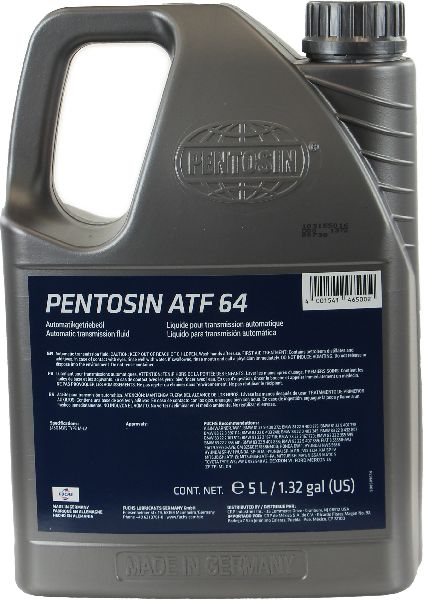
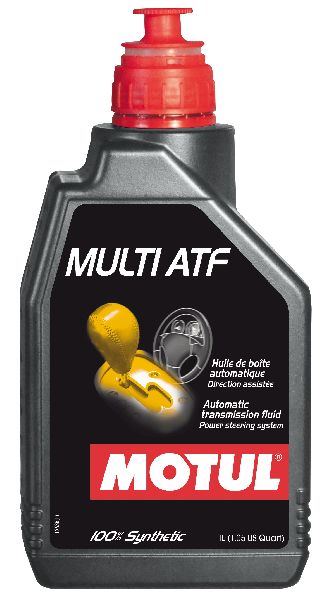
Aftermarket price range: $15-$30 - Automatic Transmission Fluid (DEXRON-VI)
(OEM #19418470 (ACDelco))— Required when replacing the transmission or servicing the fluid. Approximately 7-9 quarts are needed for an overhaul.
Trusted brands: ACDelco, Valvoline, Castrol
OEM price range: $10-$15 per quart
Aftermarket price range: $8-$12 per quart
Related Codes That Often Appear With This One
- P0700 — P0700 is a generic code indicating the Transmission Control Module (TCM) has detected a fault and has requested the Check Engine Light to be turned on. It will almost always be present alongside a specific transmission code like P0776.
- P0777, P2714, P2723 — These are other pressure control solenoid codes. TSB 09-07-30-012F notes that any of these codes can be set as a result of the 3-5-R wave plate breaking and sending debris through the system.
Technical Service Bulletins (TSBs) & Recalls
- PI0780A: Directly addresses P0776 (among other symptoms) being caused by a broken 3-5-R wave plate. It recommends installing a new design plate and piston any time the transmission is disassembled. This bulletin provides repair information to correct customer concerns of slip, no reverse, or no 3rd gear.
- 14404B (Special Coverage): Acknowledges the fractured wave plate issue in 2008-2009 Malibus (and others), resulting in loss of 3rd, 5th, and Reverse. It extended warranty coverage for this specific repair.
- 09-07-30-012F: Notes that P0776, along with other solenoid codes, can be a direct result of the 3-5-R wave plate failure.
Platform-Specific Known Issues
- A known high-failure item in the 6T40/6T45 transmission is the 3-5-R clutch wave plate, which can fracture and send debris throughout the transmission, leading to various solenoid and valve body failures, including code P0776.
- GM issued a Special Coverage Adjustment (14404B) for some 2008-2009 models, extending the warranty on this specific failure to 10 years or 120,000 miles. While this has expired for all vehicles, it serves as an official acknowledgement of the defect.
Mechanic-Grade Diagnostic Values
- Pressure Control Solenoid (PCS) Resistance — expected: 3-5 Ohms. Failure: A reading outside this range, or an open/short circuit, indicates a failed solenoid coil. This test must be done with the solenoid disconnected from the TEHCM.
- Shift Solenoid Resistance — expected: 16-20 Ohms. Failure: A reading outside this range indicates a failed shift solenoid. Note that this is different from the pressure control solenoids.
- TEHCM Main Connector - Power — expected: 12V+ (Battery Voltage). Failure: Low or no voltage indicates a problem with the vehicle's power supply to the transmission, not necessarily the TEHCM itself.
- TEHCM Main Connector - Ground — expected: Less than 1 Ohm to chassis ground. Failure: High resistance indicates a poor ground connection, which can cause erratic TEHCM behavior and set false codes.
Scan Tool Commands That Help
- GM GDS2 / Tech2 or equivalent professional scan tool: Solenoid Cleaning Procedure — If P0776 is present but no metal is found in the transmission pan, a scan tool can be used to command the TCM to cycle all solenoids while the system is pressurized. This automated process can sometimes dislodge minor debris from a solenoid, restoring its function. If the code returns after this procedure, a mechanical or electrical fault is more likely.
- GM GDS2 / Tech2 or equivalent professional scan tool: Solenoid Valve State Test — To isolate a faulty solenoid when the pan is clean. A technician can command a specific solenoid (like PCS 2) ON and OFF while monitoring system pressure or using a special test plate (DT-48616) to see if the solenoid physically responds to the command. Failure to change state confirms a bad solenoid or TEHCM.
Wiring & Ground Locations
- TEHCM Main Connector (X1) — The main 14-pin connector on the outside of the transmission case, where the vehicle harness connects to the TEHCM.. This is the primary point for testing power and ground to the entire transmission control system. Pin 1 is Battery Power (+), and Pin 2 is Ground (-). A poor connection at either of these pins can cause numerous transmission codes, including P0776.
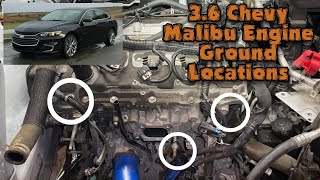
- Main Engine/Transmission Ground Strap — A large ground strap connects the engine/transmission assembly to the vehicle's chassis. On the 3.6L V6, a primary ground point is located on the front left side of the engine near the starter. Additional grounds are bolted to the engine block.. A corroded or loose main ground strap can cause a voltage drop to the entire TEHCM, leading to erratic solenoid operation and seemingly random transmission fault codes.
Real Owner Repair Stories
- AR15.com forum user (2009 Saturn Outlook (uses same 6T75 transmission with the same wave plate issue)) — No symptoms present, owner was performing preventative maintenance before handing the car down to his son.
✅ What actually fixed it The owner preemptively replaced the 3-5-R wave plates, TEHCM pressure switch seals, and engine/transmission mounts to prevent the common failure from occurring. The user noted that performing the job before failure is key, as waiting for it to break often results in a full rebuild being necessary. - NHTSA ODI #11057914 — An owner reported using a personal diagnostic tool to find codes P0776 and P0700, which indicated a major malfunction of the transmission and a solenoid problem.
- NHTSA ODI #10723311 — A driver reported that the vehicle gave false check engine light codes and never initially showed there was an internal transmission problem, despite codes P0776 and PI0780 being present.
OEM Part Supersession History
Unknown (early design prone to failure)→24254103— The original 3-5-R wave plate was prone to fracturing. The updated part (24254103) is made of more durable materials and has a revised design to prevent this failure.
Heads up: When replacing the wave plate, it is critical to also check the 3-5-R piston height. Early style pistons (~1.105" tall) must be upgraded to the updated piston (~1.132" tall) to ensure proper clutch pack clearance with the new wave plate.
Model Year Variations Within This Range
- 2008-2011 (Gen 1) vs. 2012 (Gen 2): Around the 2012 model year, GM introduced the 'Gen 2' version of the 6T40 transmission. This revision included significant changes to the valve body, solenoids, TEHCM, and internal friction materials. Most importantly for reliability, wave plates were removed from some clutch packs in the Gen 2 design, making them less prone to the specific failure that causes P0776 in earlier models.
Diagnostic Flowchart
Other Known Issues on This Vehicle
Issues unrelated to this code that are worth knowing about as an owner of this generation:
- Electric Power Steering (EPS) Failure 🔴 High — Very common. Can occur suddenly, resulting in loss of power assist. A recall was issued for some 2008-2009 models for a faulty torque sensor. (Ref: GM Recall N140114, various TSBs.)
- 2.4L Ecotec Timing Chain Tensioner Failure 🔴 High — Common, especially on vehicles with extended oil change intervals. Typically presents as a rattling noise on startup around 80,000-120,000 miles. If ignored, can lead to catastrophic engine failure. (Ref: Multiple TSBs exist.)
- Coolant Leaks (Water Pump & Intake Manifold Gasket) 🟠 Medium — Frequent. The 2.4L engine is prone to leaks from the water pump weep hole and failing intake manifold gaskets, which can cause overheating if not addressed.
- Cracked Exhaust Manifold 🟡 Low — Common on the 2.4L engine, causing a loud ticking or tractor-like exhaust noise.
- Door Lock Actuator Failure 🟡 Low — Very common. Actuators fail, preventing doors from locking or unlocking with the key fob or interior switch.
- HVAC Blower Motor Resistor Failure 🟡 Low — Frequent issue where the fan will only work on the highest setting or not at all.
Used vs. New Parts: Buying Guide for This Vehicle
When a used part is the smart pick: A used transmission from a junkyard is a high-risk gamble for this specific problem. Given the known design flaw, a used unit from a 2008-2011 donor vehicle likely has the same defective wave plate and could fail at any moment. A used part only makes sense if it's from a very low-mileage, late-model (2012+) donor where the Gen 2 transmission was used, but compatibility must be verified.
Donor-vehicle mileage cap: roughly under 60000 miles for the part to have meaningful remaining life.
What to inspect on the donor part:
- Verify the donor vehicle's model year to ensure it's a later Gen 2 transmission if possible.
- Ask for a video of the donor car running and driving to check for shifting issues.
- Insist the seller drain the fluid and show you the pan magnet; any metal shavings are a red flag.
- Check the color and smell of the fluid. Bright red fluid is a good sign; dark, burnt-smelling fluid indicates abuse or internal damage.
OEM-only on this vehicle (don't cheap out):
- 3-5-Reverse Clutch Wave Plate (ACDelco PN 24254103). Do not use a generic or old-stock part; ensure it is the updated design.
- Transmission Electro-Hydraulic Control Module (TEHCM). While aftermarket units exist, OEM ACDelco units are generally more reliable and have better compatibility for programming.
Aftermarket brands forum-validated for this vehicle:
- Sonnax: Offers high-quality rebuild kits, including an improved 3-5-R drum saver kit (144555K) that replaces the failure-prone wave plate with a more robust design.
- Jasper: A well-known remanufacturer that advertises their 6T40/45E units are built with an updated 3-5-R piston and that valve bodies are vacuum-tested and reamed to restore hydraulic integrity.
Brands owners have reported issues with on this vehicle:
- Unbranded or generic 'rebuild kits' from online marketplaces may contain inferior quality seals, clutches, and the old-style wave plate.
- Some forum users express caution with large-scale remanufacturers like Jasper, suggesting that quality can be inconsistent and prefer finding a trusted local, independent transmission shop.
Real Owner Stories
Aggregated from forums and TSBs cited above. Mileages and costs reflect what owners reported in those sources.
2011 Chevrolet Malibu — 100000 miles
Symptoms: Loss of reverse and being stuck in first gear, with codes P0776 & P0700 present.
What fixed it: The owner was discussing the likely causes, with the primary suspects being a failed TEHCM or a more severe internal failure like the wave plate.
Source hint: Car Talk Community - '2011 Chevy Malibu Code P0776 & P0700' (community.cartalk.com)
2011 Chevrolet Malibu
Symptoms: Vehicle presented with code P0776.
What fixed it: The owner was advised by multiple shops that the transmission needed to be replaced and could not be rebuilt.
Cost: $3950-$3950
Source hint: 2CarPros - 'Car Coded P0776 and I've Been Told by the Mechanic...' (2carpros.com)
Vauxhall Astra with 6T40 Gen 1 (European equivalent)
Symptoms: Experienced hard shifts when warm, followed by the Check Engine Light with codes P0776 and P0843, and a complete loss of 3rd, 5th, and Reverse gears.
What fixed it: Discussion among technicians concluded the fractured wave plate was the likely culprit for the symptoms and codes.
Source hint: BAT Auto Technical - '6T40 Transmission issues.' (batauto.com)
2011 Chevrolet Malibu — 84000 miles
Symptoms: Diagnostic code P0776 (Pressure Solenoid 2 Stuck Off) was present.
What fixed it: Upon failure, technicians found metal in the transmission and advised a full replacement. The repair bill totaled $3946.
Source hint: NHTSA ODI #11045010
Related OBD-II Codes
Frequently Asked Questions
Is there a recall for the P0776 transmission problem on my 2008-2012 Malibu?
My mechanic found metal shavings in the transmission pan. What does that mean for my Malibu?
Can I just replace the solenoid or TEHCM to fix code P0776?
What exactly is the '3-5-R wave plate' and why is it such a problem on this car?
My transmission fluid looks very dark. Is that a definitive sign of failure?
If the transmission pan is clean with no metal, what is the likely cause of P0776?
Helpful Videos
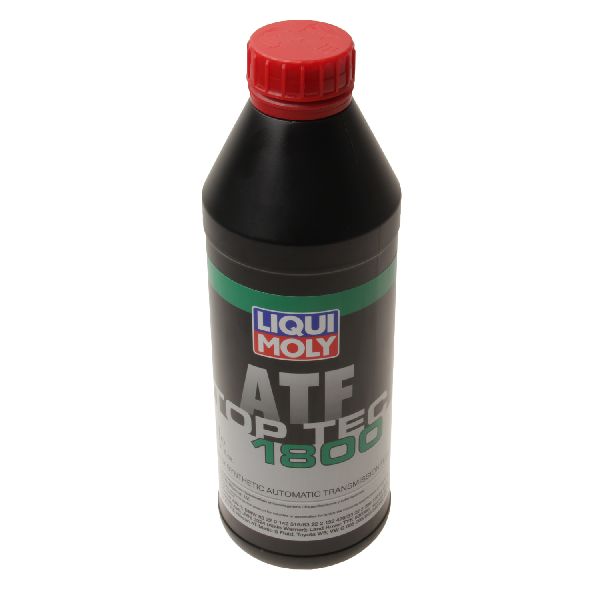
We Have This Part in Stock

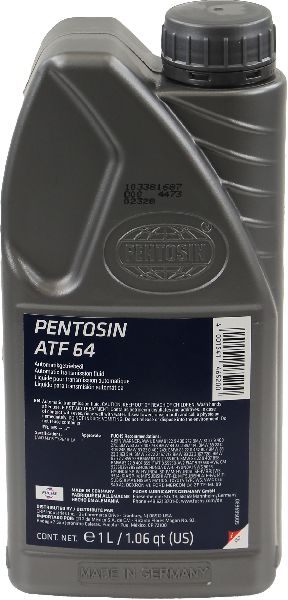
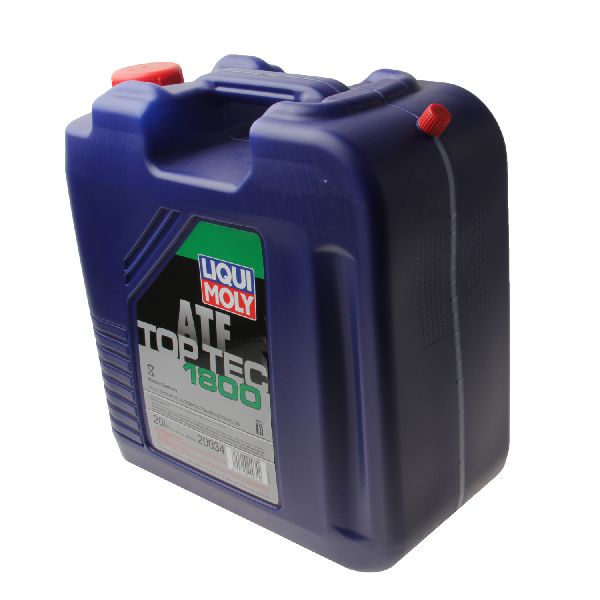

The information in this article is provided for general reference and educational purposes only. Vehicle specifications, procedures, and part compatibility can vary by production date, trim level, and region. Always consult your vehicle's factory service manual and verify part numbers before purchasing or performing repairs. Safety-critical components such as airbags, seat belts, and braking systems should be installed by a qualified professional.
- Chevrolet Malibu:
- 🎬 Helpful Videos
- 🛍️ Shop This Part
- What's Unique About the 2008-2012 Chevrolet Malibu
- Symptoms You May Notice
- Most Likely Causes
- Rare But Worth Checking
- Diagnosis Steps
- Parts You'll Likely Need
- Related Codes That Often Appear With This One
- Technical Service Bulletins (TSBs) & Recalls
- Platform-Specific Known Issues
- Mechanic-Grade Diagnostic Values
- Scan Tool Commands That Help
- Wiring & Ground Locations
- Real Owner Repair Stories
- OEM Part Supersession History
- Model Year Variations Within This Range
- Diagnostic Flowchart
- Other Known Issues on This Vehicle
- Used vs. New Parts: Buying Guide for This Vehicle
- Real Owner Stories
- 2011 Chevrolet Malibu — 100000 miles
- 2011 Chevrolet Malibu
- Vauxhall Astra with 6T40 Gen 1 (European equivalent)
- 2011 Chevrolet Malibu — 84000 miles
- Related OBD-II Codes
- Frequently Asked Questions
- 🎟️ Get 5% Off