

P0771 on 2011-2019 Hyundai Sonata: Shift Solenoid 'E' Causes and Fixes
On a 2011-2019 Sonata, P0771 is almost always caused by a failed internal transmission wiring harness and/or the Shift Solenoid 'E' itself. This is a known issue addressed by Hyundai TSBs. Expect a professional repair cost of $600-$1200, as the transmission's valve body must be removed to access the parts.
- P0771 on a 2011-2019 Sonata indicates a serious transmission problem that should be addressed immediately.
- The most likely cause is a known failure of the internal transmission wiring harness, which should be replaced along with the specific shift solenoid.
- This is not a DIY-friendly repair; it requires removing the transmission valve body and should be handled by a professional.
- Do not let a shop replace the entire transmission for this code without first attempting the TSB-recommended internal component repair.
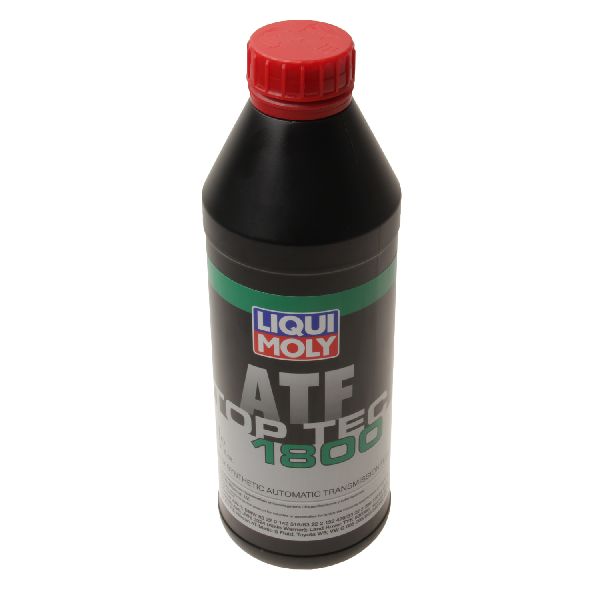
- Always use Hyundai-specific SP-IV or SP4-M transmission fluid when refilling.
What's Unique About the 2011-2019 Hyundai Sonata
The 6-speed automatic transmission used in both the YF (2011-2014) and LF (2015-2019) Sonata generations is well-documented for a specific failure pattern. The internal wiring harness, which houses the solenoid and sensor connections, is prone to failure. The wire insulation and plastic connectors become brittle from long-term exposure to hot transmission fluid, leading to electrical faults. Hyundai has issued Technical Service Bulletins (TSBs), such as 22-AT-005H, that instruct technicians to replace both the faulty solenoid and this internal harness to ensure a lasting repair.
Generation note: This guide covers the YF (2011-2014) and LF (2015-2019) generations of the Hyundai Sonata. Both generations use a 6-speed automatic transmission (A6MF family) and are known to suffer from the same internal wiring harness and solenoid failures that cause this code.
Symptoms You May Notice
- Check Engine Light is illuminated
- Transmission is stuck in one gear (fail-safe or 'limp' mode, often 3rd gear)
- Harsh, erratic, or delayed gear shifts
- Inability to shift into certain gears
- Slipping or flaring RPM between shifts
- Reduced fuel economy
- Vehicle may not move when a gear is selected
- Transmission overheating warning light may illuminate
- Replacing only the shift solenoid without also replacing the internal wiring harness. The harness is a frequent point of failure and leaving the old one in place can lead to the problem returning.
- Replacing the entire transmission assembly. Hyundai TSBs specifically advise against this, as the fault is almost always the much cheaper internal harness and/or solenoid.
Most Likely Causes
- Failed Internal Transmission Wiring Harness 🔴 High Probability The harness is located inside the transmission, where constant exposure to hot fluid makes the wiring insulation and plastic connectors brittle over time, causing cracks and electrical faults. This is a widely documented failure on this platform.
How to confirm: A technician will confirm this after ruling out external wiring issues. Given the high failure rate documented in Hyundai TSBs, this is often diagnosed with high confidence based on the code and symptoms alone.
Typical fix: Replace the internal valve body wiring harness. This should be done at the same time as the solenoid replacement.
Est. part cost: $70-$150 - Failed Shift Solenoid 'E' 🔴 High Probability The solenoid can fail electrically (open or shorted coil) or become mechanically stuck from debris or wear. Hyundai TSB 22-AT-005H specifically calls for its replacement for related codes.
How to confirm: A technician can test the solenoid's resistance with a multimeter or attempt to actuate it with a scan tool. However, due to the labor involved, it's typically replaced along with the harness regardless.
Typical fix: Replace Shift Solenoid 'E'. This part is located inside the transmission on the valve body.
Est. part cost: $50-$110 - Low or Dirty Transmission Fluid 🟡 Medium Probability These transmissions do not have a traditional dipstick, making it difficult for owners to check the fluid level or condition. Old, contaminated fluid can cause solenoids to stick or hydraulic passages to clog.
How to confirm: A technician must lift the vehicle and check the fluid level and condition via the fill and drain plugs. Dark, burnt-smelling fluid indicates a problem.
Typical fix: Perform a transmission fluid and filter change using the correct Hyundai-specific fluid (SP-IV / SP4-M).
Est. part cost: $100-$250
Rare But Worth Checking
- Faulty Transmission Control Module (TCM) / Powertrain Control Module (PCM): This is very uncommon. The TCM/PCM should only be considered a potential cause after the harness, solenoid, and fluid have all been confirmed to be in good condition.
Diagnosis Steps
- Scan the vehicle's computer for all stored trouble codes and freeze frame data.
- Check the transmission fluid level and condition. This must be done by a professional as there is no dipstick. The fluid should be 🎬 See how to change the transmission fluid red and not smell burnt.
- Inspect the external transmission wiring harness and connectors for any visible damage, corrosion, or loose pins.
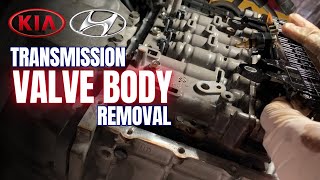
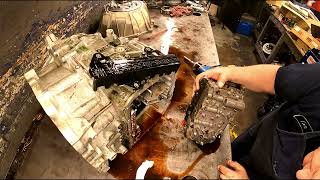
- If external wiring is okay, the next step is internal inspection. This involves draining the fluid, removing the transmission pan, and removing the valve body. 🎬 Watch this step-by-step valve body replacement walkthrough
- Once the valve body is removed, visually inspect the internal wiring harness for brittle plastic, cracked wires, or burnt connectors. This is the most likely culprit.
- Test the resistance of Shift Solenoid 'E' and compare it to the manufacturer's specifications. A reading of infinite resistance (open) or near-zero (short) indicates a failed solenoid.
- Based on Hyundai's TSBs and common failure patterns, the standard repair is to replace both the Shift Solenoid 'E' and the internal valve body wiring harness.
- Reassemble the transmission with a new pan gasket and refill with the correct specification fluid (Hyundai SP-IV or SP4-M).
- Clear all trouble codes and perform a test drive to verify the repair and allow the transmission to relearn its shift points.
Parts You'll Likely Need
- Internal Transmission Wiring Harness
(OEM #46307-3B650)— This is the most common point of failure for this code on this vehicle due to heat degradation. Hyundai TSBs recommend its replacement. This part number supersedes older versions 46307-3B610 and 46307-3B620.
Trusted brands: Hyundai (Genuine OE)
OEM price range: $70-$150
Aftermarket price range: $50-$100 - Automatic Transmission Shift Solenoid 'E'
(OEM #46313-3B075)— The solenoid itself can fail electrically or mechanically. It is replaced along with the harness as part of the TSB-recommended procedure. This specific solenoid is often designated as the 2-6 Brake solenoid in parts catalogs.
Trusted brands: Hyundai (Genuine OE), Standard Motor Products
OEM price range: $70-$120
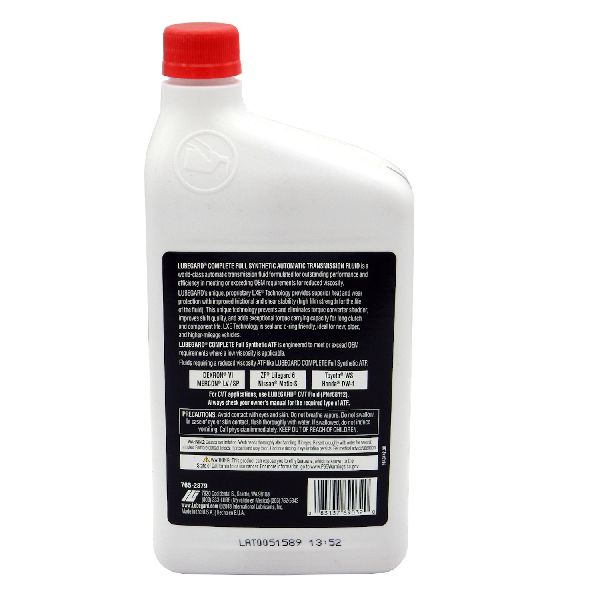
Aftermarket price range: $50-$90 - Automatic Transmission Fluid (SP-IV / SP4-M) — The fluid must be drained to perform the repair and must be replaced with the correct type to prevent damage.
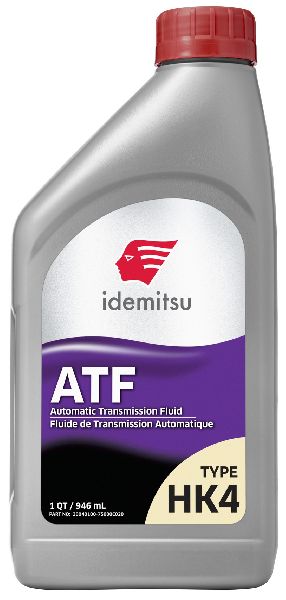
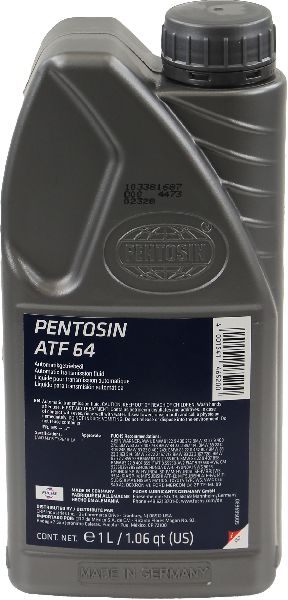
Trusted brands: Hyundai (Genuine OE), Idemitsu, Pentosin
OEM price range: $15-$25 per quart
Aftermarket price range: $10-$18 per quart
Related Codes That Often Appear With This One
- P0773 — P0773 is the Hyundai-specific DTC for 'Shift Solenoid E Electrical'. P0771 is a performance code, while P0773 points to an electrical circuit fault. They often appear together as they relate to the same component.
- P0741 — This code relates to the Torque Converter Clutch solenoid. Since the internal wiring harness serves multiple solenoids, a failing harness can cause multiple solenoid-related codes to appear simultaneously. TSB 22-AT-005H also covers this code.
- P0705, P0706, P0707, P0708 — These codes relate to the inhibitor switch (range sensor). While a separate component, a failing internal harness can sometimes cause voltage issues that trigger other codes. TSB 17-AT-005 covers these codes for the Sonata.
Technical Service Bulletins (TSBs) & Recalls
- TSB 22-AT-005H: Supersedes 20-AT-005H-1. Outlines procedure to replace related solenoid and valve body harness for various DTCs, including P0741.
- TSB 17-AT-005: Addresses diagnosis for inhibitor switch (range sensor) DTCs P0705-P0708.
- TSB 17-AT-004: Addresses rough idle issues related to Neutral Control, which involves solenoid replacement.
Platform-Specific Known Issues
- Hyundai has issued multiple Technical Service Bulletins (including TSB 22-AT-005H) for various solenoid and sensor codes on this transmission, all pointing to the internal harness and components as the root cause.
Mechanic-Grade Diagnostic Values
- Shift Solenoid 'E' (and other on/off solenoids) resistance — expected: 10-11 Ohms. Failure: Infinite resistance (open circuit) or near-zero resistance (short circuit).
- Variable Force Solenoids (VFS) resistance — expected: 5.0 - 5.6 Ohms. Failure: Reading outside of the specified range.
Scan Tool Commands That Help
- Hyundai GDS (Global Diagnostic System): Resetting Auto T/A Values — After replacing the transmission, valve body, solenoids, or reprogramming the PCM/TCM. This function erases the old adaptive shift data.
- Hyundai GDS (Global Diagnostic System): AT Adaptation Mode / Relearn Adaptive Values — After resetting the adaptive values, this procedure must be performed. It involves a specific drive cycle of accelerations and decelerations to allow the TCM to learn the new components' characteristics for optimal shift quality.
- Hyundai GDS (Global Diagnostic System): Active Test (Solenoid Actuation) — To forcibly command a specific solenoid ON or OFF while monitoring the transmission's response. This helps confirm if the solenoid is mechanically stuck or if the electrical circuit is intact.
Wiring & Ground Locations
- Transmission Pass-Through Connector — On the exterior of the transmission case, where the internal harness connects to the main vehicle harness.. This is the primary location for testing solenoid resistance and voltage from the TCM without removing the transmission pan. A wiring diagram or pinout chart for the A6MF transmission is needed to identify the specific pins for Shift Solenoid 'E'. TSB 22-AT-005H advises checking this connector for damage or pins not fully inserted.
OEM Part Supersession History
46313-3B072→46313-3B075— Part revision and improvement by the manufacturer.
Heads up: While 46313-3B075 is the correct replacement, always verify fitment with the vehicle's VIN.
Model Year Variations Within This Range
- 2011-2019: The 2011-2019 Sonata uses transmissions from the A6MF family. The specific version can be A6MF1 or A6MF2 depending on the engine and model year. The A6MF1 is typically for 2.0L/2.4L engines with up to 170 lb-ft of torque, while the A6MF2 is for 2.4L engines with up to 210 lb-ft. While the core failure of the harness and solenoids is common to both, there can be minor differences in internal components or valve body revisions. However, for P0771, the diagnostic and repair procedure is functionally identical.
Diagnostic Flowchart
Other Known Issues on This Vehicle
Issues unrelated to this code that are worth knowing about as an owner of this generation:
- Theta II Engine Failure (Rod Bearing Failure) 🔴 High — Extremely common on 2011-2019 models with the 2.0L and 2.4L GDI engines. Can occur at any mileage, but often seen between 60k-120k miles. (Ref: Multiple recalls (e.g., NHTSA Recall 15V568000) and a major class-action settlement extending the engine warranty for many owners.)
- Excessive Oil Consumption 🟠 Medium — Widespread issue, particularly in GDI engines. Owners report needing to add a quart of oil every 1,000-2,000 miles. (Ref: Multiple TSBs issued, including 21-EM-003H and 23-EM-008H, which outline oil consumption testing and engine cleaning procedures.)
- Steering Coupler Failure 🟡 Low — Very common on 2011-2015 models. Results in an audible 'clicking' or 'clunking' noise from the steering column when turning the wheel. (Ref: TSB #17-ST-002 was issued, and the warranty was extended for this specific part (P/N 56315-2K000-FFF).)
- Paint Peeling (White Paint) 🟡 Low — Affects many white-painted Hyundai vehicles from this era. Large sheets of paint can delaminate from the vehicle body, particularly on the roof and hood. (Ref: No specific recall, but numerous owner complaints and some reports of goodwill repairs from Hyundai on a case-by-case basis.)
Used vs. New Parts: Buying Guide for This Vehicle
When a used part is the smart pick: For this specific repair, purchasing used internal transmission components like solenoids or a wiring harness is strongly discouraged. The failure mode is directly related to degradation from heat and age. A used part from a salvage yard will have similar age and heat exposure and is highly likely to fail soon after installation, forcing you to pay for the significant labor cost a second time.
What to inspect on the donor part:
- Not applicable, as used parts are not recommended for this repair.
OEM-only on this vehicle (don't cheap out):
- Internal Transmission Wiring Harness (P/N 46307-3B650)
- Automatic Transmission Shift Solenoid (P/N 46313-3B075)
Aftermarket brands forum-validated for this vehicle:
- For solenoids, Standard Motor Products is a reputable aftermarket alternative if OEM is unavailable, but Genuine Hyundai (OE) parts are the safest choice given the high labor cost of the repair.
Brands owners have reported issues with on this vehicle:
- Avoid unbranded, no-name solenoids and harnesses from online marketplaces. The risk of premature failure is extremely high and not worth the small initial cost savings.
Real Owner Stories
Aggregated from forums and TSBs cited above. Mileages and costs reflect what owners reported in those sources.
2012 Hyundai Sonata
Symptoms: The owner reported getting code P0771 and the vehicle entering 'limp mode.'
What fixed it: Replacing the valve body harness.
Source hint: Hyundai-Forums: 2012 Sonata Transmission Problem P0771
2011-2019 Hyundai Sonata
Symptoms: Code P0741 (a related code covered by the same TSB as P0771) triggered a discussion regarding warranty coverage.
What fixed it: Replacement of the internal harness and components as specified in TSB 22-AT-005H.
Source hint: Reddit r/Hyundai: Experience with TSB 22-AT-005H
Related OBD-II Codes
Frequently Asked Questions
Does TSB 22-AT-005H apply to my Hyundai Sonata's P0771 code?
Is the P0771 repair covered under my Hyundai warranty?
Can I check the transmission fluid myself to see if it's causing the P0771 code?
What specific transmission fluid should be used for a 2011-2019 Sonata?
Why is the internal wiring harness failing on my Sonata?
Are there other major issues I should be aware of on my 2011-2019 Sonata while fixing the transmission?
Helpful Videos

Used OEM Parts in Stock


New Aftermarket Parts Available


The information in this article is provided for general reference and educational purposes only. Vehicle specifications, procedures, and part compatibility can vary by production date, trim level, and region. Always consult your vehicle's factory service manual and verify part numbers before purchasing or performing repairs. Safety-critical components such as airbags, seat belts, and braking systems should be installed by a qualified professional.
- Hyundai Sonata:
- 🎬 Helpful Videos
- 🛍️ Shop This Part
- What's Unique About the 2011-2019 Hyundai Sonata
- Symptoms You May Notice
- Most Likely Causes
- Rare But Worth Checking
- Diagnosis Steps
- Parts You'll Likely Need
- Related Codes That Often Appear With This One
- Technical Service Bulletins (TSBs) & Recalls
- Platform-Specific Known Issues
- Mechanic-Grade Diagnostic Values
- Scan Tool Commands That Help
- Wiring & Ground Locations
- OEM Part Supersession History
- Model Year Variations Within This Range
- Diagnostic Flowchart
- Other Known Issues on This Vehicle
- Used vs. New Parts: Buying Guide for This Vehicle
- Real Owner Stories
- 2012 Hyundai Sonata
- 2011-2019 Hyundai Sonata
- Related OBD-II Codes
- Frequently Asked Questions
- 🎟️ Get 5% Off