

P0767 on 2018-2023 Lincoln Navigator: Shift Solenoid 'D' Stuck On Causes and Fixes
On a 2018-2023 Lincoln Navigator, code P0767 almost always indicates a problem with the transmission's main control valve body. This is a known issue with the Ford 10R80 10-speed transmission, caused by sticking valves or other internal hydraulic leaks. The problem is documented in multiple Technical Service Bulletins (TSBs) and is the subject of class-action lawsuits. The fix requires replacing or overhauling the entire valve body assembly, a complex job best left to a professional.
- P0767 on your Navigator is a serious code that points directly to a known problem with the 10R80 transmission's main control valve body.
- Symptoms include harsh shifting, delayed gear engagement, and the Check Engine Light.
- Do not ignore this code. While you can drive the vehicle, you risk causing more severe and expensive damage to the transmission.
- The correct repair, as outlined by Lincoln/Ford, is to replace the entire main control valve body assembly, not just a single solenoid.
- This is not a DIY-friendly repair. It should be performed by a qualified technician who is familiar with the 10R80 transmission.
What's Unique About the 2018-2023 Lincoln NAVIGATOR
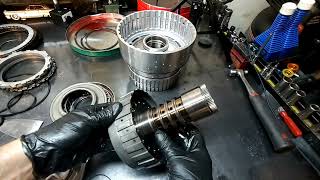
The 2018-2023 Lincoln Navigator uses the Ford 10R80 10-speed automatic transmission, co-developed with GM. This advanced transmission is known for shifting issues that can trigger a host of solenoid-related codes, including P0767. Ford and Lincoln have released numerous Technical Service Bulletins (TSBs) that point to problems within the main control valve body, specifically sticking spool valves or issues with the CDF clutch cylinder sleeve 🎬 See a teardown of the common CDF drum failure. causing hydraulic leaks. These bulletins often recommend a complete overhaul or replacement of the valve body to resolve the harsh and delayed shifting complaints associated with this code.
Diagnostic Flowchart
Tap your situation to follow the diagnostic path that matches what you're seeing on this vehicle.
Symptoms You May Notice
- Check Engine Light is illuminated.
- Harsh, jerky, or delayed shifting, sometimes feeling like being rear-ended.
- Noticeable 'clunk' or 'lurch' when shifting, especially at low speeds or on the 3-5 upshift.
- Delayed engagement when shifting from Park into Drive or Reverse.
- Transmission gets stuck in a single gear, often called "limp mode".
- Vehicle may hesitate or slip out of gear during acceleration.
- A wrench icon or 'Shift System Fault' message may appear on the dashboard.
- Replacing only the individual shift solenoid 'D' instead of the entire valve body assembly. The solenoids are integrated and the failure is typically in the valve body casting or other components.
- Performing a transmission fluid flush without addressing the root mechanical or electrical issue in the valve body. A flush will not fix sticking valves.
- Assuming the entire transmission needs to be rebuilt or replaced without first diagnosing the more common and less expensive valve body failure. However, in some cases with excessive debris, a full rebuild or replacement is necessary.
Most Likely Causes
- Faulty Transmission Main Control Valve Body 🔴 High Probability This is a well-documented failure point on the 10R80 transmission. TSBs like 24-2176 and 23-2250 cite sticking valves in the main control or hydraulic leaks from the CDF clutch cylinder sleeve as the primary cause for solenoid performance codes. The solenoids are integrated into this assembly, making individual replacement impractical.
How to confirm: A technician will follow the diagnostic procedures outlined in the relevant TSBs. This usually involves confirming P0767 is present, often alongside other solenoid codes, and then proceeding with a valve body overhaul or replacement. In some cases, a pressure/vacuum test is performed to confirm leaks.
Typical fix: Replace the entire main control valve body assembly with the updated OEM part. Some TSBs detail an overhaul procedure, which involves replacing specific internal components like the valve body separator plate. The fix always includes new fluid, a new gasket, and performing the transmission adaptive learning drive cycle.
Est. part cost: $700-$1100 for the valve body assembly. - Low or Contaminated Transmission Fluid 🟡 Medium Probability While not a design flaw, leaks can develop, and low fluid levels will starve the hydraulic system, preventing solenoids and clutches from operating correctly. However, this is more often a symptom of a larger issue than the root cause itself.
How to confirm: Check the transmission fluid level and condition per the owner's manual. The fluid should be at the correct level and have a bright red color. Dark, burnt-smelling fluid or fluid with excessive metal particles indicates a more severe internal problem, likely requiring more than just a fluid change. A leak inspection may cost between $61 and $90.
Typical fix: If the fluid is low, top it off with Motorcraft MERCON ULV (Ford Spec WSS-M2C949-A) and check for leaks. If the fluid is dirty, a fluid and filter change may provide temporary relief but will not resolve a mechanically stuck valve in the valve body.
Est. part cost: $150-$300 for fluid and a filter. A standard drain and fill requires about 6 quarts, while the total system capacity is around 13 quarts. - Internal Transmission Wiring or Connector Fault ⚪ Low Probability
How to confirm: Inspect the main transmission wiring harness connector for corrosion, moisture, or damage. A technician can also perform electrical tests (resistance, voltage) on the solenoid 'D' circuit from the connector to check for shorts or open circuits.
Typical fix: Repair the damaged wiring or clean/replace the faulty connector.
Est. part cost: $50-$200
Rare But Worth Checking
- Powertrain Control Module (PCM) Failure: A faulty driver circuit within the PCM can mimic a stuck solenoid. This is very uncommon and should only be considered after all other possibilities, especially the valve body, have been definitively ruled out by following the TSB procedures.
Diagnosis Steps
- Verify the code with a professional OBD-II scanner that can read transmission-specific codes.
- Check the transmission fluid level and condition. Ensure it is clean, at the proper level, and is the correct type (Motorcraft MERCON ULV).
- Inspect the transmission's external wiring harness and connectors for any signs of damage, corrosion, or loose connections.
- Consult the latest Technical Service Bulletins (TSBs). For this code, TSBs 24-2176, 23-2250, and 22-2428 are highly relevant.
- Follow the TSB diagnostic procedure precisely. If other solenoid or clutch performance codes are present, the TSB will likely direct the technician to overhaul or replace the main control valve body.
- If the TSB points to a potential CDF clutch cylinder sleeve issue, a technician may need to perform a pressure/vacuum test to confirm the internal leak.
- If the valve body is not the issue, perform electrical tests on the solenoid 'D' circuit to check for shorts or opens.
- As a final step, consider the possibility of a PCM fault, though this is rare.
Parts You'll Likely Need
- Automatic Transmission Main Control Valve Body
(OEM #JL3Z-7A100-C)— This is the most common failure part for code P0767 on this vehicle, as identified in numerous TSBs. It contains the shift solenoids and control valves that stick and cause the fault. This part number supersedes earlier versions like JL3Z-7A100-A.
Trusted brands: Motorcraft (OEM)
OEM price range: $700-$1100 (plus a refundable core charge)
Aftermarket price range: $600-$900 - Automatic Transmission Fluid
(OEM #XT-12-QULV)— The transmission fluid must be drained to replace the valve body and refilled with approximately 6-8 quarts of new fluid.
Trusted brands: Motorcraft MERCON ULV
OEM price range: $15-$25 per quart
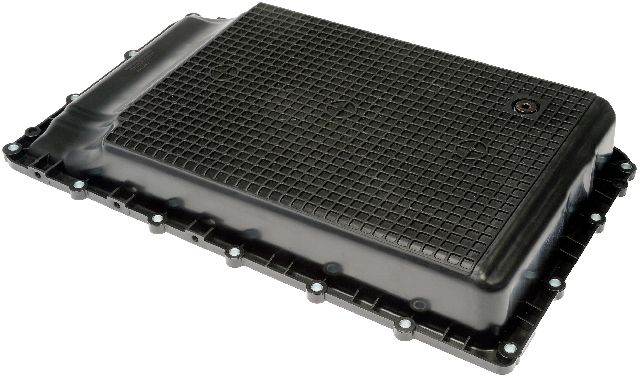
Aftermarket price range: $10-$20 per quart - Transmission Oil Pan Gasket
(OEM #HL3Z-7A191-B)— The oil pan must be removed to access the valve body, and the gasket is a one-time-use part that should be replaced to prevent leaks.
Trusted brands: Motorcraft (OEM), Fel-Pro
OEM price range: $25-$40
Aftermarket price range: $15-$30
Related Codes That Often Appear With This One
- P0751, P0756, P0761, P0766, P0771, P2700-P2708 — These are all codes related to the performance of other shift solenoids and clutches within the same 10R80 transmission. The TSBs issued by Ford/Lincoln group these codes together as they all point towards a common failure of the main control valve body or related internal hydraulic circuits.
Technical Service Bulletins (TSBs) & Recalls
- TSB 24-2176: The latest TSB which supersedes earlier versions, adding more vehicle years and refining the service procedure for harsh/delayed shifts and a group of DTCs including P0767.
- TSB 23-2250: Superseded 22-2428, identifying causes like sticking valves in the main control and axial movement of the CDF clutch cylinder sleeve.
- TSB 22-2428: An earlier bulletin grouping P0767 with other codes caused by issues in the main control valve body, instructing technicians to overhaul the unit.
Platform-Specific Known Issues
- The 10R80 10-speed transmission used in the 2018-2023 Navigator is the subject of multiple TSBs and several class-action lawsuits concerning harsh and erratic shifting behavior. The symptoms described by owners—lurching, clunking, and delayed shifts—are directly related to the family of codes that includes P0767.
- TSB 23-2250 and the newer TSB 24-2176 specifically identify sticking valves in the main control and/or axial movement of the CDF clutch cylinder sleeve as primary causes, recommending specific service procedures to correct the condition.
Mechanic-Grade Diagnostic Values
- Shift Solenoid Type & Operation — expected: The six shift solenoids (A-F) are Casting-Integrated Direct-Acting Solenoids (CIDAS). They are mechanical actuators where applied current is directly proportional to the force exerted on a valve. Zero current equals zero hydraulic pressure.. Failure: A 'Stuck On' code like P0767 indicates the PCM detects the solenoid is energized when it should be off. This is typically a hydraulic or mechanical issue within the valve body, or a fault in the PCM driver, not a simple electrical failure of the solenoid coil itself.
- Related Solenoid Current (TCC/LPC) — expected: While not specific to shift solenoid D, the TCC and LPC solenoids operate between approximately 50 mA (low) and 850 mA (high). This indicates the system uses variable current control, which can be monitored with a capable scan tool.. Failure: Current readings that are maxed out, at zero, or do not respond to commands from the scan tool would indicate a problem in the circuit or the solenoid.
Scan Tool Commands That Help
- Ford IDS, FORScan: Transmission Characterization / Solenoid Strategy Programming — This is MANDATORY after replacing the transmission or the main control valve body. The 13-digit solenoid strategy number from the new part must be programmed into the PCM/TCM. Failure to do so will cause erratic shifting and other drivability problems.
- Ford IDS, FORScan: Clear Transmission Adaptive Tables — Used after a repair to reset the transmission's learned shift parameters. This must be followed by the Adaptive Learning Drive Cycle for the transmission to properly relearn clutch fill times and shift points.
- Ford IDS, FORScan: Adaptive Learning Drive Cycle — After clearing the adaptive tables or programming a new valve body, a specific drive cycle must be performed. It involves a series of light-throttle accelerations through the gears and specific shifting sequences from a stop to allow the TCM to relearn hydraulic parameters.
Wiring & Ground Locations
- Connector C175T (at PCM) — This is one of the main connectors at the Powertrain Control Module (PCM). The Transmission Control Module (TCM) for this application is a separate module located on the passenger side frame rail, under a cover.. Pin 10 of connector C175T is the control circuit for Shift Solenoid 'D' (SSD). Electrical testing for opens, shorts, or unwanted voltage on this pin can be performed here to diagnose issues between the PCM/TCM and the transmission.
Real Owner Repair Stories
- Reddit user on r/f150 (2018 Ford F-150 EcoBoost with 10R80 transmission, 145,000 miles) — Crazy shift problems, including floating between gears then slamming into another, and attempting to shift into 1st gear at 80 mph.
❌ Tried (didn't work) Transmission relearn procedure., Replacement of the main control valve body.
✅ What actually fixed it The user found TSB 22-2428 which pointed to the actual root cause: a failed CDF drum. The internal sleeve had moved, causing a Teflon ring seal to fail and leading to severe hydraulic leaks and erratic behavior. The ultimate fix is replacing the CDF drum itself.
OEM Part Supersession History
JL3Z-7A100-A→JL3Z-7A100-C— Updated main control valve body assembly to address sticking valves and other internal issues.
Heads up: The new part requires the 13-digit solenoid strategy to be programmed into the vehicle's computer.Unknown (original design)→JL3Z-7H351-B— This is the updated CDF Clutch Cylinder/Hub. The new design features a machined 'dam' or wall that physically prevents the internal sleeve from migrating or 'walking', which was the cause of a major hydraulic leak that triggers solenoid performance codes.
Heads up: This is the recommended replacement part to permanently fix the CDF drum sleeve failure.
Model Year Variations Within This Range
- 2018-2022: TSB 22-2428 and subsequent bulletins note that vehicles built on or before August 15, 2022, are particularly susceptible to the CDF clutch cylinder sleeve issue. This implies a potential manufacturing process or part change around this date.
Helpful Videos
Used OEM Parts in Stock


New Aftermarket Parts Available


The information in this article is provided for general reference and educational purposes only. Vehicle specifications, procedures, and part compatibility can vary by production date, trim level, and region. Always consult your vehicle's factory service manual and verify part numbers before purchasing or performing repairs. Safety-critical components such as airbags, seat belts, and braking systems should be installed by a qualified professional.
- Lincoln NAVIGATOR:
- 🎬 Helpful Videos
- 🛍️ Shop This Part
- What's Unique About the 2018-2023 Lincoln NAVIGATOR
- Diagnostic Flowchart
- Symptoms You May Notice
- Most Likely Causes
- Rare But Worth Checking
- Diagnosis Steps
- Parts You'll Likely Need
- Related Codes That Often Appear With This One
- Technical Service Bulletins (TSBs) & Recalls
- Platform-Specific Known Issues
- Mechanic-Grade Diagnostic Values
- Scan Tool Commands That Help
- Wiring & Ground Locations
- Real Owner Repair Stories
- OEM Part Supersession History
- Model Year Variations Within This Range
- 🎟️ Get 5% Off