

P0767 on 2011-2015 Honda Civic: Shift Solenoid 'D' Stuck On Causes and Fixes
This code almost always points to a problem with the automatic transmission on 2011-2013 Civics (and some 2014s) with the 5-speed automatic. The most likely cause is low/dirty transmission fluid or a failed Shift Solenoid 'D'. A single solenoid replacement is a common, DIY-friendly fix costing around $40-$100 for the part. The correct solenoid is identified by its yellow electrical connector.
- This code applies ONLY to 2011-2013 Civics and some 2014 trims with a 5-speed automatic transmission, NOT the more common CVT found in 2014-2015 models.
- Before buying parts, check your transmission fluid. Low, dirty, or non-Honda fluid is a major cause of this issue. A fluid change might fix it.
- The most common repair is replacing the single Shift Solenoid 'D', which is located on the outside of the transmission and is a feasible DIY job for those with mechanical experience.
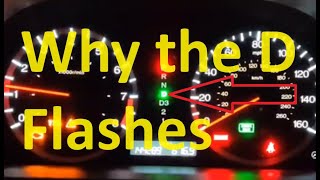
- A flashing 'D' light on the dash is the classic Honda symptom for this problem.
- Do not ignore this code. Driving with a faulty solenoid can quickly lead to much more expensive, and potentially catastrophic, transmission damage.
What's Unique About the 2011-2015 Honda Civic
The 2011-2015 year range is tricky because it covers two different automatic transmissions. This P0767 code specifically applies to models with the traditional 5-speed automatic, which includes the 2011 (8th Gen), 2012, and 2013 (9th Gen) models. Most 2014 and 2015 Civics switched to a Continuously Variable Transmission (CVT), which does not have a 'Shift Solenoid D' and will not set this code. Therefore, if you have a 2014-2015 model, verify you have the 5-speed automatic (found in some trims like the Natural Gas model) before proceeding.
Generation note: Yes, this range covers the end of the 8th generation (2011) and the bulk of the 9th generation (2012-2015). The key difference is the transmission. The P0767 code applies to the 5-speed automatic transmission used in 2011, 2012, and 2013 models. Most 2014-2015 models use a CVT, which will not throw this specific code.
Symptoms You May Notice
- Flashing green 'D' (Drive) indicator light on the dashboard 🎬 Watch: What a blinking D or flashing drive light means
- Check Engine Light is on
- Harsh, jarring, or delayed gear shifts
- Transmission gets stuck in one gear (limp mode)
- Transmission slipping (engine RPMs rise without an increase in speed)
- Decreased fuel economy
- Replacing the entire transmission when only a simple fluid change or a single, externally-accessible solenoid is needed.
- Replacing the wrong solenoid. The 5-speed automatic has several solenoids; ensure you are diagnosing and replacing the correct one. Online part catalogs are often confusing. For example, a user on a Civic forum replaced the wrong part based on a mechanic's advice and created new error codes.
Most Likely Causes
- Low or Dirty Automatic Transmission Fluid (ATF) 🔴 High Probability Over time, transmission fluid breaks down and can become contaminated with clutch material. This debris can clog the tiny passages and screens in the shift solenoids, causing them to stick.
How to confirm: Check the transmission fluid dipstick (yellow loop on this model). The engine should be off and warm. The fluid should be at the correct level, pinkish-red in color, and not smell burnt. Use only Honda ATF-DW1 fluid.
Typical fix: Perform a transmission fluid drain and fill. It's often recommended to do this 3 times (a '3x drain and fill') to replace most of the old fluid. 🎬 See this no-mess DIY guide for a transmission drain and fill Replace with genuine Honda ATF-DW1.
Est. part cost: $40-$80 - Failed Shift Solenoid 'D' 🔴 High Probability The solenoid is an electro-mechanical part that can fail after many cycles. It can fail electrically (internal short) or mechanically (valve gets stuck).
How to confirm: After confirming fluid is good, test the solenoid. A service manual indicates the resistance for Shift Solenoid D should be between 13.8-17.1 Ohms. It can also be removed and tested by applying 12V power to see if it makes a 'click'. A professional scan tool can also command the solenoid on and off.
Typical fix: Replace the faulty shift solenoid. On this Civic, the solenoids are located externally on the front of the transmission case under a cover. Critically, Shift Solenoid D is identified by its yellow electrical connector.
Est. part cost: $40-$100 - Clogged Solenoid Strainer 🟡 Medium Probability Each solenoid has a very small mesh screen (strainer) to protect it from debris. These screens can become clogged, starving the solenoid of fluid pressure and causing it to malfunction.
How to confirm: The solenoid must be removed to visually inspect the screen. If it's full of metallic debris, it signals a more severe internal transmission problem.
Typical fix: The solenoid can be removed and the screen cleaned with brake cleaner. If the screen is clean but the solenoid tests bad electrically, replace the entire solenoid.
Est. part cost: $5-$10 for brake cleaner
Rare But Worth Checking
- Wiring Harness or Connector Issue: A short in the wiring can keep the solenoid energized constantly. Check the wiring leading to the transmission for any signs of damage, corrosion, or loose connections before replacing expensive parts.
- Faulty Powertrain Control Module (PCM): In very rare cases, the module that controls the transmission can fail and send a constant signal to the solenoid. This should be the last thing to consider after all other possibilities are exhausted.
Diagnosis Steps
- Scan the vehicle for codes to confirm P0767 is the only code present. Note any other transmission-related codes.
- Check the level and condition of the automatic transmission fluid (ATF). The engine should be warm and off. The fluid should be between the marks on the dipstick and be reddish, not brown or black. It should not smell burnt.
- If the fluid is low or dirty, perform a drain and fill (or a 3x drain and fill) using only Honda ATF-DW1 fluid. 🎬 Watch: Step-by-step walkthrough of a 2013 Civic transmission fluid change Clear the code and test drive to see if it returns.
- If the fluid is full and clean, locate the shift solenoid assembly on the front of the transmission. You will need to remove the driver-side splash shield and a black metal cover held on by several 10mm bolts.
- Inspect the wiring and connector for Shift Solenoid D, which is specifically identifiable by its yellow electrical connector. Check for any visible damage or corrosion.
- With a professional scan tool, perform an active test to command the solenoid on and off. You should hear an audible click. If there is no click, the solenoid is likely faulty.
- To test manually, disconnect the connector and use a multimeter to measure the resistance between the solenoid's terminal and body ground. The specification is 13.8-17.1 Ohms. A reading outside this range indicates a faulty solenoid.
- You can also remove the solenoid and test it by carefully applying 12V power to its terminals to see if the internal valve actuates with a 'click'.
- While the solenoid is removed, inspect its small filter screen for clogs or metallic debris. Clean it if necessary. If significant metal is found, the transmission has severe internal wear.
- If the solenoid is confirmed to be faulty, replace it with a new one, ensuring the O-rings are new and properly lubricated with ATF.
- After repair, clear the code and perform a test drive, allowing the transmission to shift through all gears to verify the fix.
Parts You'll Likely Need
- Automatic Transmission Shift Solenoid D
(OEM #28015-R90-308)— This is the component directly identified by the trouble code. However, a specific part number for only Solenoid 'D' is not clearly identifiable in public catalogs and is often confused with other solenoids (e.g., 28260-R90-004, which is typically Solenoid 'B'). The most reliable identification method is its location in the solenoid pack and its yellow electrical connector. The OEM part number appears to be for a set.
Trusted brands: Honda (OEM), Standard Motor Products (Intermotor), WVE
OEM price range: $80-$150
Aftermarket price range: $40-$100 - Honda ATF-DW1 Automatic Transmission Fluid
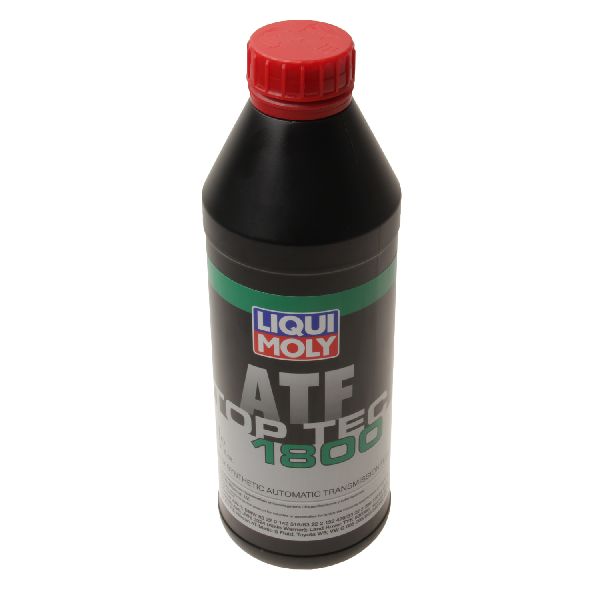
(OEM #08200-9008)— Low, old, or incorrect fluid is a primary cause of this code. A fluid change is a required first step and may solve the problem on its own. Only use genuine Honda fluid.
Trusted brands: Honda
OEM price range: $10-$15 per quart
Technical Service Bulletins (TSBs) & Recalls
- TSB 16-088: Details the diagnosis and repair for a common VTC actuator rattle on cold starts.
- TSB 14-034: Describes a warranty extension for premature paint failure on specific colors.
- TSB 15-065: Corresponds to NHTSA recall 15V-574 for a CVT drive pulley shaft issue.
Mechanic-Grade Diagnostic Values
- Shift Solenoid 'D' Resistance — expected: 13.8 - 17.1 Ohms. Failure: A reading outside of this range (e.g., 0 Ohms or infinite resistance) indicates a failed solenoid coil.
- Shift Solenoid 'D' Manual Activation — expected: An audible 'click' when 12V is applied directly to the solenoid's terminals.. Failure: No clicking sound indicates the solenoid's internal valve is mechanically stuck or the coil is completely dead.
Scan Tool Commands That Help
- Honda Diagnostic System (HDS): Shift Solenoid Valve D Test (in Miscellaneous Test Menu) — This is a primary diagnostic step after checking fluid. The HDS commands the solenoid on and off to check for mechanical operation. The technician should listen for a 'clicking' sound from the transmission case. If no click is heard, it points directly to a failed solenoid or a wiring issue.
Wiring & Ground Locations
- G101 — Bolted to the thermostat housing on the engine block.. G101 is a critical power and logic ground for the ECU/PCM. While not directly for the solenoid, a poor connection here can cause a host of erratic electronic behaviors and fault codes, including incorrect sensor readings that could indirectly affect transmission operation. It's a known trouble spot on Hondas and should be checked for corrosion and tightness if multiple, seemingly unrelated electrical issues are present.
- Transmission Case Ground — A ground strap running from the transmission housing to the chassis, often near the battery.. This is the primary ground path for the transmission assembly and its components, including the solenoids. A loose or corroded transmission ground can cause intermittent or failed solenoid operation, leading to fault codes like P0767.
OEM Part Supersession History
ATF-Z1→ATF-DW1 (08200-9008)— DW-1 is a lower viscosity, synthetic blend fluid that offers better performance, especially in cold weather, and improved wear protection compared to the older conventional ATF-Z1.
Heads up: Honda states that DW-1 is fully backward compatible with transmissions that originally specified Z1. However, mixing the two fluids will diminish the performance advantages of DW-1. It is recommended to perform multiple drain-and-fills to replace as much of the old fluid as possible.
Model Year Variations Within This Range
- 2011 vs 2012-2013: The 2011 model is the final year of the 8th generation Civic, while 2012-2013 are the first years of the 9th generation. However, for non-Si models with the 5-speed automatic, the 1.8L engine and the transmission are virtually identical with no significant changes affecting the P0767 code. The primary differences were in body styling and interior features.
Diagnostic Flowchart
Other Known Issues on This Vehicle
Issues unrelated to this code that are worth knowing about as an owner of this generation:
- VTC Actuator Rattle on Cold Start 🟠 Medium — Very common. A loud, grinding or rattling noise for ~2 seconds immediately after a cold start. Can occur intermittently. (Ref: Honda TSB 16-088. The TSB provides a procedure to replace the defective VTC actuator.)
- Premature Paint Peeling, Clouding, or Cracking 🟠 Medium — Widespread issue, particularly on specific dark colors. The clear coat fails, leading to a cloudy or peeling appearance on the hood, roof, and trunk. (Ref: Honda TSB 14-034 extended the paint warranty to 7 years with no mileage limit for 2006-2013 Civics. Affected colors include B-92P Nighthawk Black, B-529P Fiji Blue, NH-701M Galaxy Gray, NH-731P Crystal Black, and others.)
- CVT Drive Pulley Shaft Failure 🔴 High — Affects 2014-2015 Civic models equipped with the CVT. The issue could cause a loss of acceleration or the front wheels to lock up. (Ref: NHTSA Recall 15V-574 (Honda TSB 15-065). Honda recalled ~143,000 vehicles to update the CVT software, which applied excessive hydraulic pressure to the drive pulley shaft.)
Used vs. New Parts: Buying Guide for This Vehicle
When a used part is the smart pick: A used OEM shift solenoid from a junkyard is a very reasonable and cost-effective option for this repair, especially given the high cost of a new OEM part and the questionable reliability of some cheap aftermarket alternatives.
Donor-vehicle mileage cap: roughly under 120000 miles for the part to have meaningful remaining life.
What to inspect on the donor part:
- Source the part from a vehicle that was clearly in a rear-end collision, suggesting the engine and transmission were running fine at the time of the accident.
- Inspect the electrical connector on the solenoid for any cracks, breaks, or corrosion before purchasing.
- If possible, remove the solenoid from the donor transmission yourself. Inspect the small mesh screen; it should be free of any significant metallic debris. A clogged or debris-filled screen indicates the donor transmission had internal problems.
- If you have a multimeter and a 12V power source (like a portable jump pack), test the solenoid's resistance (should be 13.8-17.1 Ohms) and listen for a 'click' on activation before buying.
OEM-only on this vehicle (don't cheap out):
- Automatic Transmission Fluid (ATF). Honda automatic transmissions are notoriously picky about fluid. Using non-OEM fluid is a common cause of shifting problems. Stick exclusively with Honda ATF-DW1.
Aftermarket brands forum-validated for this vehicle:
- Standard Motor Products (SMP)
- Aisin (often the OEM supplier for Honda parts)
Brands owners have reported issues with on this vehicle:
- Unbranded, exceptionally cheap solenoids from online marketplaces should be avoided, as their long-term reliability is a major concern among forum users.
Real Owner Stories
Aggregated from forums and TSBs cited above. Mileages and costs reflect what owners reported in those sources.
2012 Honda Civic Coupe
Symptoms: Owner experienced additional error codes after attempting a repair.
What fixed it: The issue was a misdiagnosis; the owner had replaced the wrong solenoid due to confusing part numbers. The experience highlights the importance of correctly identifying Shift Solenoid 'D' by its yellow connector.
Source hint: 9thgencivic.com thread titled 'urgent-2012-honda-civic-coupe-solenoid-help-identificatiion.198393/'
2011-2015 Honda Civic
Symptoms: The owner was experiencing the common blinking 'D' (Drive) light on the dashboard.
What fixed it: The problem was resolved by cleaning and replacing the faulty shift solenoids.
Source hint: YouTube video from 'Fabolousg4ever' demonstrating solenoid cleaning and replacement
Related OBD-II Codes
Frequently Asked Questions
How do I correctly identify Shift Solenoid 'D' on my 2011-2015 Civic to fix code P0767?
What is the correct transmission fluid for my Honda Civic, and how often should I change it for this issue?
My 2014 Civic has a CVT. Is the P0767 code related to the CVT recall?
What resistance reading should I get when testing Shift Solenoid 'D' with a multimeter?
I hear a loud rattle for a second when I start my car cold. Is this connected to my transmission problem?
The paint on my Civic's roof is peeling. Was there a recall for this?
Helpful Videos

We Have This Part in Stock


The information in this article is provided for general reference and educational purposes only. Vehicle specifications, procedures, and part compatibility can vary by production date, trim level, and region. Always consult your vehicle's factory service manual and verify part numbers before purchasing or performing repairs. Safety-critical components such as airbags, seat belts, and braking systems should be installed by a qualified professional.
- Honda Civic:
- 🎬 Helpful Videos
- 🛍️ Shop This Part
- What's Unique About the 2011-2015 Honda Civic
- Symptoms You May Notice
- Most Likely Causes
- Rare But Worth Checking
- Diagnosis Steps
- Parts You'll Likely Need
- Technical Service Bulletins (TSBs) & Recalls
- Mechanic-Grade Diagnostic Values
- Scan Tool Commands That Help
- Wiring & Ground Locations
- OEM Part Supersession History
- Model Year Variations Within This Range
- Diagnostic Flowchart
- Other Known Issues on This Vehicle
- Used vs. New Parts: Buying Guide for This Vehicle
- Real Owner Stories
- 2012 Honda Civic Coupe
- 2011-2015 Honda Civic
- Related OBD-II Codes
- Frequently Asked Questions
- 🎟️ Get 5% Off