

P0761 on 2004-2013 Toyota Corolla: Shift Solenoid 'C' Failure Causes and Fixes
P0761 on a 2004-2013 Corolla typically indicates a problem with Shift Solenoid 'C' inside the automatic transmission. The most common fix is to replace the faulty solenoid, which is a moderately difficult DIY job requiring removal of the transmission pan. Always check transmission fluid level and condition first, as low or dirty fluid is a frequent and simpler cause.
- P0761 means Shift Solenoid 'C' is not working correctly, leading to shifting problems.
- Always start by checking the transmission fluid. Low, old, or dirty fluid is a very common cause.
- The most probable faulty part is the solenoid itself, which is located inside the transmission oil pan on the valve body.
- This job is DIY-possible for those comfortable with draining fluids and working in tight spaces, but carries the risk of further transmission damage if done incorrectly.
- Ensure you buy the correct solenoid and use the correct fluid (Type T-IV or WS) for your specific Corolla year and transmission model.
What's Unique About the 2004-2013 Toyota Corolla

The 2004-2013 Toyota Corolla is a reliable vehicle, and this code doesn't point to a widespread design flaw but rather a common failure point for aging automatic transmissions. The key difference within this year range is the transmission model: the 9th generation (2004-2008) uses an A245E/A246E 4-speed automatic, while the 10th generation (2009-2013) uses a U341E 4-speed. While the root causes of P0761 are the same for both, the specific solenoid part numbers and their exact location on the valve body will differ slightly between these two transmissions. It is crucial to identify the correct transmission before ordering parts.
Generation note: This range covers two Corolla generations: - 9th Generation (2004-2008): Equipped with the A245E or A246E 4-speed automatic transmission. - 10th Generation (2009-2013): Equipped with the U341E 4-speed automatic transmission. The diagnostic and repair process is nearly identical, but you must use the correct replacement solenoid for your specific transmission model.
Symptoms You May Notice
- Check Engine Light is on
- Harsh, erratic, or delayed gear shifts.
- Transmission fails to shift into or out of a specific gear, often getting stuck.
- Vehicle enters 'limp mode' (stuck in a single gear, often 2nd or 3rd).
- Reduced fuel economy.
- Transmission slipping or a noticeable loss of power.
- Engine stalls.
- Transmission overheats.
- Replacing the shift solenoid without first checking the transmission fluid level and condition. A simple fluid and filter change can sometimes resolve the issue if it's caused by contamination.
- Assuming the solenoid is bad when the actual problem is a damaged wire or corroded connector in the external harness.
- Replacing the wrong solenoid. The solenoids look similar and are grouped on the valve body; a service manual is essential to correctly identify Solenoid 'C'.
Most Likely Causes

- Low or Dirty Transmission Fluid 🔴 High Probability Over time, fluid breaks down and can become contaminated with clutch material. Neglecting fluid changes accelerates this process, and leaks can develop on high-mileage vehicles.
How to confirm: Check the transmission fluid dipstick (if equipped) for level and color. The fluid should be bright red and clear, not dark brown, black, or smelling burnt. Note: Some later models may not have a dipstick and require a more involved check at the fill plug. If the fluid is very low or dirty, this is the most likely starting point.
Typical fix: Perform a transmission fluid drain-and-fill or a full fluid and filter change. 🎬 Watch: Step-by-step guide for a Corolla transmission filter service. If the fluid is very dirty or contains metal debris, this may be a temporary fix, as the solenoid or valve body could already be clogged or damaged.
Est. part cost: $50-$100 - Faulty Shift Solenoid 'C' 🔴 High Probability Solenoids are electro-mechanical parts that wear out over time and with high mileage. They can fail electrically (coil burns out) or mechanically (valve gets stuck from debris).
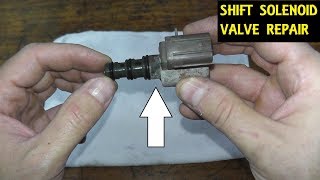
How to confirm: After removing the transmission pan, locate the solenoid on the valve body. Test its internal resistance with a multimeter; it should be within the manufacturer's specified ohm range (typically 11-15 ohms for these solenoids). You can also apply a 12V power source to the solenoid to listen for an audible 'click', indicating it is actuating. 🎬 See how to test and replace shift solenoid valves. No click means it's mechanically stuck.
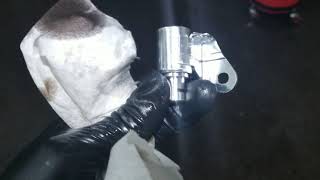
Typical fix: Replace the faulty shift solenoid. Solenoids are located on the valve body and are accessible after dropping the transmission pan. This is a common and successful repair for the P0761 code.
Est. part cost: $60-$150 - Damaged Wiring or Connectors 🟡 Medium Probability The wiring harness leading to the transmission is exposed to heat, moisture, and road debris, which can cause corrosion or damage over many years. Rodents are also known to chew on these wires.
How to confirm: Visually inspect the external wiring harness and connector at the transmission case for any signs of corrosion, damage, or loose pins. Check for continuity on the solenoid circuit wires between the TCM and the transmission connector. Also inspect the internal harness once the pan is removed.
Typical fix: Repair the damaged section of wiring or clean/replace the corroded connector.
Est. part cost: $10-$50 - Clogged or Faulty Transmission Valve Body ⚪ Low Probability Sludge and debris from old transmission fluid can clog the fine passages within the valve body, restricting fluid flow even if the solenoid is functional.
How to confirm: This is typically diagnosed after replacing the solenoid and confirming the wiring is good, but the problem persists. Inspection requires removing the valve body, which is a complex task. Sometimes a transmission flush can clear blockages.
Typical fix: The valve body can sometimes be cleaned by a specialist, but replacement is often more reliable.
Est. part cost: $300-$700
Rare But Worth Checking
- Failing Transmission Control Module (TCM): This is very uncommon. A faulty TCM will almost always trigger other transmission-related codes or exhibit more widespread erratic behavior, not just P0761 in isolation.
Diagnosis Steps

- Check the level and condition of the automatic transmission fluid. If it is low, top it off. If it is dark, burnt, or contains metal shavings, a fluid and filter change is the first step.
- Inspect the main electrical connector at the transmission for corrosion, moisture, or damaged pins.
- Inspect the wiring harness leading to the transmission for any visible signs of damage, such as chafing or melting.
- If fluid and wiring are okay, the next step is to gain access to the solenoids by draining the fluid and removing the transmission oil pan.
- Visually inspect the magnets in the bottom of the pan. A small amount of fine, gray metallic dust is normal. Large metal chunks indicate a serious internal mechanical failure that requires a transmission rebuild or replacement.
- Identify Shift Solenoid 'C' on the valve body using a service manual diagram for your specific transmission (A245E/A246E or U341E).
- Disconnect the solenoid and measure its resistance using a multimeter. Compare the reading to the factory specification (typically 11-15 Ohms). An open circuit (infinite resistance) or short circuit (zero resistance) indicates a failed solenoid.
- If resistance is within spec, you can carefully apply 12V power and a ground to the solenoid's pins to check if it makes a distinct clicking sound. No click means it's mechanically stuck.
- If the solenoid tests good, the issue may lie within the valve body's hydraulic passages, the internal wiring harness, or, rarely, the TCM itself.
Parts You'll Likely Need

- Automatic Transmission Shift Solenoid 'C'
(OEM #A245E/A246E (9th Gen): 35250-12030. U341E (10th Gen): 35230-52021 (replaces 35230-52020).)— This is the most likely component to have failed electrically or mechanically. Part number 35250-12030 is for the A245E/A246E transmission. Part number 35230-52021 is for the U341E transmission. Always verify with VIN.
Trusted brands: Aisin (OEM), Rostra, Beck/Arnley, Duralast
OEM price range: $150-$220
Aftermarket price range: $60-$120 - Automatic Transmission Filter and Pan Gasket Kit
(OEM #A245E/A246E Kit: 35330-12030 (Filter). U341E Kit: 35330-0W021 (Filter), 35168-52020 (Gasket).)— This is required for any repair that involves removing the transmission pan, such as replacing a solenoid. It's critical to replace the filter and gasket to ensure a clean system and prevent leaks.
Trusted brands: Toyota (OEM), Wix, ATP
OEM price range: $40-$60
Aftermarket price range: $20-$40 - Automatic Transmission Fluid
(OEM #9th Gen (A245E/A246E): Toyota Type T-IV. 10th Gen (U341E): Toyota Type WS (World Standard).)— The correct fluid type is essential for transmission health. Using the wrong fluid can cause shifting problems and damage. The A245E/A246E uses T-IV fluid, while the later U341E requires WS fluid. A drain and fill requires approximately 4 quarts.
Trusted brands: Toyota (OEM), Idemitsu, Valvoline MaxLife (check for compatibility)
OEM price range: $10-$15 per quart
Aftermarket price range: $7-$12 per quart
Mechanic-Grade Diagnostic Values
- Shift Solenoid Resistance (A245E/A246E Transmission) — expected: 11 - 15 Ohms. A more precise factory spec is 12 Ohms.. Failure: A reading of 0 Ohms (short circuit) or infinite/OL (open circuit) indicates a failed solenoid coil.
- Shift Solenoid Resistance (U341E Transmission) — expected: 11 - 15 Ohms.. Failure: A reading outside of the specified range, especially 0 Ohms or infinite/OL, points to a faulty solenoid.
- Solenoid Power Supply at Transmission Connector — expected: 11.8 - 12.5 V with Key On, Engine Off.. Failure: No voltage or low voltage suggests a wiring issue between the TCM and the transmission, or a problem with the TCM power supply.
Scan Tool Commands That Help
- Toyota Techstream: Active Test: Control the Shift Position — This is a critical diagnostic step after checking fluid and basic wiring. It allows the technician to command the TCM to activate specific solenoids and force gear changes while the vehicle is driven at low speed (<31 mph). By comparing the commanded gear on the scanner with the actual gear the transmission engages, you can determine if the fault is with the solenoid/valve body (fails to shift as commanded) or elsewhere in the system.
Wiring & Ground Locations

- Main Engine/Transmission Ground — A large ground cable runs from the battery's negative terminal directly to a bolt on the top of the transmission case, often near the oil fill cap.. A corroded or loose main transmission ground can cause a host of erratic electronic issues, including incorrect sensor readings and faulty solenoid operation. The TCM and its solenoids rely on a stable ground path to function correctly.
- Chassis Ground Junction (Driver's Side) — Located behind the driver's side kick panel, near the driver's left foot. Multiple ground wires are crimped into a single junction that bolts to the chassis.. This junction is a known weak point on this Corolla platform. Corrosion or overheating at this point can cause an intermittent or high-resistance ground for various control modules, potentially including the TCM, leading to unpredictable codes like P0761.
Real Owner Repair Stories
- CorollaForum user 'bryant3301' (2005 Toyota Corolla with ~200k miles) — Car would not go into gear after the transmission warmed up. Was throwing a code for solenoid B (P0756, similar issue to P0761).
❌ Tried (didn't work) The initial fluid was extremely dirty ('looked original').
✅ What actually fixed it The user replaced all three shift solenoids with used OEM Denso parts from a low-mileage 2007 Corolla. This immediately fixed the problem and the transmission worked 'like new'. However, the exact same problem returned two weeks later. This story illustrates that while a solenoid replacement can be the correct fix, its failure can be a symptom of a larger issue like fluid contamination or overheating that destroys the replacement part. The final resolution was not posted, but the temporary nature of the fix is a critical data point.
OEM Part Supersession History
35250-12060→35250-12030— Standard part revision by the manufacturer.
Heads up: The new part number is a direct replacement for the old one for the A245E/A246E transmission.35230-52020→35230-52021— Standard part revision by the manufacturer.
Heads up: The new part number is a direct replacement for the old one for the U341E transmission.
Model Year Variations Within This Range
- 2009-2013: Wiring diagrams and some electronic component locations can vary depending on the vehicle's manufacturing plant. Manuals specify differences between 'NUMMI Made' and 'TMC Made' vehicles. This is critical when tracing wires for the TCM or transmission harness.
Diagnostic Flowchart
Other Known Issues on This Vehicle
Issues unrelated to this code that are worth knowing about as an owner of this generation:
- Excessive Oil Consumption (1ZZ-FE Engine) 🔴 High — Common on 2004-2008 models with the 1ZZ-FE engine, particularly before a mid-generation piston design update. Can start around 60,000-100,000 miles. (Ref: A previous TSB (EG048-07) existed but is likely expired. The issue is well-documented in owner forums.)
- Water Pump Failure 🟠 Medium — A known weak spot on the 10th generation (2009-2013). Failure typically occurs between 60,000 and 100,000 miles, signaled by a whining noise or pink coolant leak from the passenger side of the engine.
- Starter Motor Failure 🟡 Low — Reported in both generations, causing a no-crank condition, often just a single click is heard. More common at higher mileage (over 100,000 miles).
- Clunking/Popping from Steering 🟡 Low — Some 10th generation (2009-2013) models can develop a clunking noise at low speeds due to a faulty intermediate steering shaft. (Ref: A previous service bulletin may have addressed this.)
- Harsh Shifting at High Mileage 🟠 Medium — Aside from specific solenoid codes, the automatic transmissions in the 9th generation (2004-2008) can develop general harsh shifting or hesitation as they age, often due to fluid breakdown or wear.
Used vs. New Parts: Buying Guide for This Vehicle
When a used part is the smart pick: For the shift solenoid itself, a used OEM part (e.g., Aisin, Denso) from a documented low-mileage donor vehicle can be a cost-effective option and is often more reliable than a cheap, no-name aftermarket part. If the entire valve body is suspect due to widespread contamination, a low-mileage used assembly can also be a viable alternative to a costly new one.
Donor-vehicle mileage cap: roughly under 80000 miles for the part to have meaningful remaining life.
What to inspect on the donor part:
- Verify the donor vehicle's mileage. Avoid parts from vehicles with over 100,000 miles if possible.
- Ask for the VIN of the donor car to confirm the transmission model (A245E vs. U341E) is a match.
- Inspect the electrical connector pins on the solenoid or valve body for any corrosion or damage.
- If buying a whole valve body, ask if the pan was dropped. Look for photos of the fluid condition or pan magnets if available; avoid any with excessive sludge or metal chunks.
OEM-only on this vehicle (don't cheap out):
- Transmission Pan Gasket
- Transmission Filter
Aftermarket brands forum-validated for this vehicle:
- Solenoids: Rostra (noted as an OEM supplier for some brands), Aisin (OEM for Toyota).
Brands owners have reported issues with on this vehicle:
- Unbranded, 'white-box' solenoids from online marketplaces should be avoided, as their coil windings and internal seals may not meet OEM temperature and durability standards, leading to premature failure.
Related OBD-II Codes
Frequently Asked Questions
My 2007 Corolla is shifting harshly. Is this a known problem apart from a specific code like P0761?
What is the very first thing I should check on my Corolla if I get a P0761 code?
What resistance reading should I look for when testing Shift Solenoid 'C' on my Corolla's transmission?
I have a 2010 Corolla and heard about water pump failures. Could that be related to my P0761 transmission code?
Where is Shift Solenoid 'C' located if I need to replace it on my Corolla?
I own a 2008 Pontiac Vibe with this code. Does this Toyota Corolla article apply to my car?
What are the most probable causes for P0761 on a high-mileage Corolla?
Helpful Videos

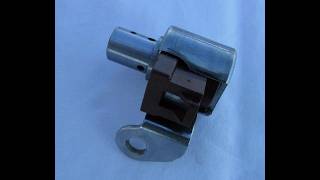
We Have This Part in Stock
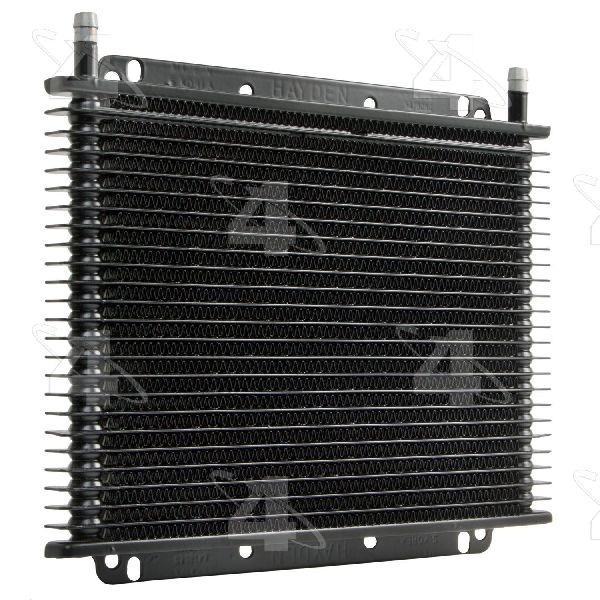
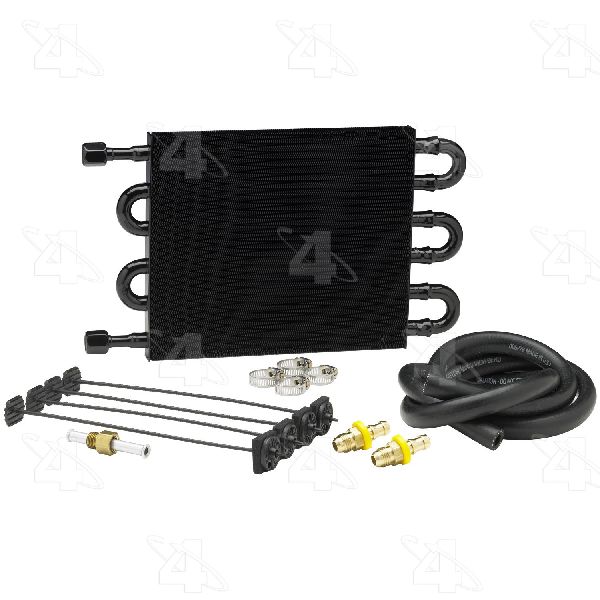

The information in this article is provided for general reference and educational purposes only. Vehicle specifications, procedures, and part compatibility can vary by production date, trim level, and region. Always consult your vehicle's factory service manual and verify part numbers before purchasing or performing repairs. Safety-critical components such as airbags, seat belts, and braking systems should be installed by a qualified professional.
- Toyota Corolla:
- 🎬 Helpful Videos
- 🛍️ Shop This Part
- What's Unique About the 2004-2013 Toyota Corolla
- Symptoms You May Notice
- Most Likely Causes
- Rare But Worth Checking
- Diagnosis Steps
- Parts You'll Likely Need
- Mechanic-Grade Diagnostic Values
- Scan Tool Commands That Help
- Wiring & Ground Locations
- Real Owner Repair Stories
- OEM Part Supersession History
- Model Year Variations Within This Range
- Diagnostic Flowchart
- Other Known Issues on This Vehicle
- Used vs. New Parts: Buying Guide for This Vehicle
- Related OBD-II Codes
- Frequently Asked Questions
- 🎟️ Get 5% Off