

P0740 on 2014-2021 Dodge Charger: TCC Solenoid & Torque Converter Guide
P0740 on a 2014-2021 Dodge Charger indicates a problem with the torque converter clutch (TCC) circuit. The most likely causes are a failed TCC solenoid, a failing torque converter, or a faulty valve body (especially in ZF 8-speeds). For the older 5-speed NAG1 transmission, torque converter shudder leading to failure is a known issue, sometimes addressed by TSBs. For the newer 8-speeds, diagnosis is critical to differentiate between a bad solenoid, a bad converter, or the entire valve body.
- P0740 on a Dodge Charger means the torque converter clutch is not working correctly.
- While a bad TCC solenoid can be the cause, a Dodge TSB strongly suggests the torque converter itself has likely failed if the solenoid is good. [⭐]
- Do not ignore this code. Continued driving can cause severe transmission damage from overheating.
- Diagnosis is critical to avoid wasting money on replacing the wrong part. Have a professional test the solenoid circuit before condemning the torque converter.
- This is not a simple DIY fix; professional service is highly recommended due to the complexity of the transmission work involved.
What's Unique About the 2014-2021 Dodge CHARGER
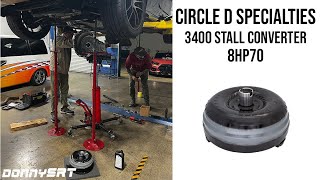
For the Dodge Charger, the diagnostic path for P0740 depends heavily on the transmission. Models with the 5-speed NAG1 (W5A580) often suffer from torque converter shudder that eventually leads to clutch failure and the P0740 code. TSBs like 21-013-13 address shudder issues, often culminating in torque converter replacement. For the later ZF 8-speed transmissions (845RE/8HP70), while the code still points to the TCC circuit, the solenoids are integrated into the valve body (mechatronics unit). Forum discussions reveal that while a single solenoid can fail, it is common for technicians to recommend replacing the entire valve body assembly or suspect the torque converter itself if fluid is contaminated with clutch material. The key distinction is that a simple solenoid swap is often not the final answer; the root cause is frequently a mechanical failure of the converter clutch itself, a fact supported by manufacturer TSBs.
Diagnostic Flowchart
Tap your situation to follow the diagnostic path that matches what you're seeing on this vehicle.
Generation note: The 2014-2021 Dodge Charger is part of the LD generation. Early 2014 models could still have the Mercedes-based 5-speed NAG1/W5A580 automatic. From the 2015 model year facelift and onward, the ZF 8-speed automatic (845RE for V6, 8HP70 for 5.7L V8) became standard. While the P0740 code's meaning is consistent, the physical parts and diagnostic values differ significantly. The NAG1 has a more accessible TCC solenoid on its valve body conductor plate, whereas the ZF 8-speed solenoids are an integral part of the complex mechatronic unit.
Symptoms You May Notice
- Check Engine Light is on
- Poor fuel economy due to lack of TCC lockup
- Engine RPMs are higher than usual at highway speeds (feels like it's not shifting into the final gear)
- Vehicle shudders or vibrates, especially under light acceleration at cruising speeds (40-60 mph)
- Engine may stall when coming to a stop if the TCC is stuck engaged
- Harsh, delayed, or erratic shifting
- Transmission overheating or a burning smell from the fluid
- Replacing only the TCC solenoid when the torque converter is the actual point of failure. The code returns because the mechanical slip from the worn converter clutch is still present, a scenario confirmed by multiple technicians.
- Attributing the code to a simple fluid issue. While a fluid change might temporarily improve symptoms by clearing debris, it doesn't fix the underlying mechanical wear in the torque converter that is contaminating the fluid in the first place.
Most Likely Causes
- Failed Torque Converter 🔴 High Probability The internal clutch lining of the torque converter wears out, especially in the NAG1 5-speed, causing excessive slip and shudder that triggers the code. This failure contaminates the fluid with debris, which can damage other components. A manufacturer TSB for related transmissions explicitly states that if the TCC solenoid tests okay, the torque converter is the likely failure point.
How to confirm: After verifying the TCC solenoid and circuit are good, the diagnosis points to the torque converter. A professional can use a scan tool to monitor 'TCC Slip Speed'; if it's over 100 RPM when commanded to lock, the converter has failed mechanically. Dark, metallic, or burnt-smelling fluid is another strong indicator.
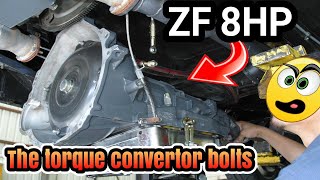
Typical fix: Replace the torque converter and perform a full transmission fluid flush to remove contaminants. This requires removing the transmission. 🎬 Watch: How to access torque converter bolts on the ZF 8HP
Est. part cost: $400-$900 - Failed Torque Converter Clutch (TCC) Solenoid 🟡 Medium Probability The solenoid is an electronic component submerged in hot transmission fluid that can fail electrically (open/short) or mechanically (stuck). On ZF 8-speeds, the solenoids are part of the mechatronic unit (valve body) and are a known failure point.
How to confirm: Use a high-end scan tool to command the solenoid on/off while listening for a click. Test the solenoid's resistance with a multimeter. For the NAG1, the TCC solenoid resistance should be 2.0-4.0 ohms. For the ZF 8-speed, VFS solenoids are around 5.5 ohms. The solenoid is located on the valve body inside the transmission pan.
Typical fix: Replace the TCC solenoid. For the NAG1, this may involve replacing the entire conductor plate. For the ZF 8-speed, the solenoid may be replaced individually or as part of the entire valve body/mechatronic assembly.
Est. part cost: $150-$600 (depending on whether it's a single solenoid or full valve body) - Low or Contaminated Transmission Fluid 🟡 Medium Probability Low fluid causes pressure issues, preventing proper hydraulic control of the TCC. Contaminated fluid (often from a failing converter) can clog the fine passages in the valve body and solenoid, causing it to stick or respond slowly.
How to confirm: Check the transmission fluid level and condition. This must be done at a specific temperature and may require a special dipstick tool, as these transmissions do not have a user-serviceable dipstick. The fluid should be bright red (or the color of the specified fluid) and not smell burnt.
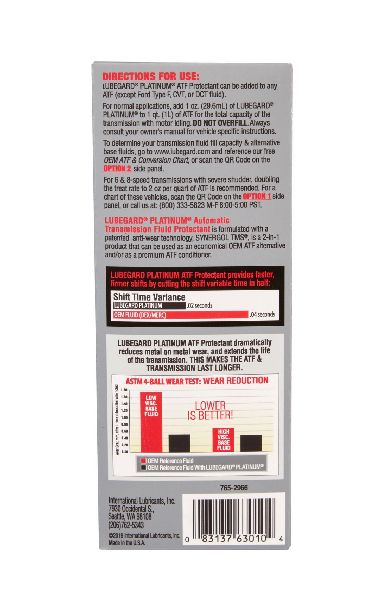
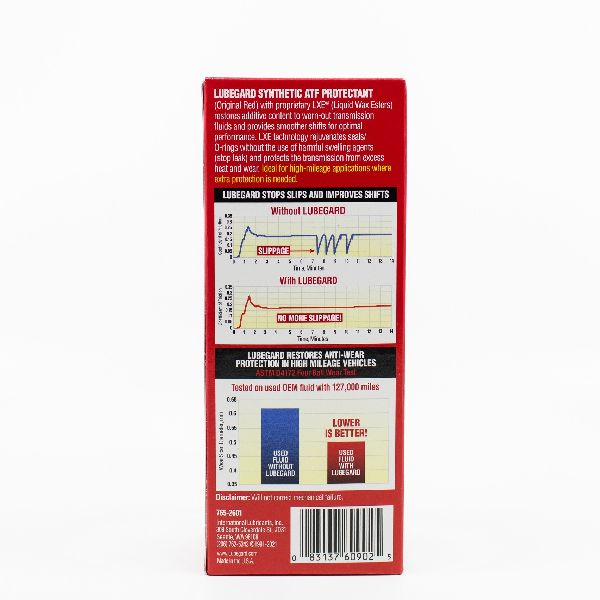
Typical fix: Perform a transmission fluid drain and fill, or a complete fluid exchange, using the correct Mopar-specified fluid (ATF+4 for NAG1, Mopar 8&9 Speed ATF/ZF Lifeguard 8 for the 8-speed).
Est. part cost: $150-$400 - Wiring or Connector Issue ⚪ Low Probability
How to confirm: Visually inspect the main transmission wiring harness connector for damage, corrosion, or fluid intrusion from a leaking connector sleeve (a common issue on the NAG1). Check for continuity and shorts in the TCC solenoid circuit (identified as circuit T75 in service manuals) between the transmission connector and the TCM.
Typical fix: Repair the damaged wiring or replace the transmission connector sleeve and clean the contacts.
Est. part cost: $30-$150
Rare But Worth Checking
- Faulty Transmission Control Module (TCM) or Powertrain Control Module (PCM): This is very rare. The module's internal driver for the TCC circuit can fail, but all other possibilities (wiring, solenoid, converter) should be exhaustively ruled out before condemning the expensive computer.
- Cracked Flexplate: While uncommon, a cracked flexplate can cause symptoms similar to a bad torque converter, including strange noises and vibrations. It should be inspected any time the transmission is removed for torque converter replacement.
Diagnosis Steps
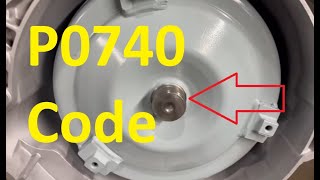
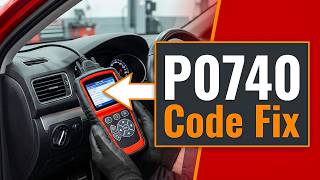
- Read the code using an OBD-II scanner to confirm P0740 is present and note any other codes. 🎬 Watch: A complete overview of P0740 causes and fixes
- Check the transmission fluid level and condition using the correct procedure for the sealed transmission. Note the color and smell. Dark, burnt fluid with metallic particles points towards converter or clutch pack failure.
- Use an advanced scan tool to monitor live data. Drive the vehicle and watch PIDs for 'Engine RPM', 'Turbine/Input Speed RPM', and 'TCC Slip Speed'. At a steady cruise (over 45 MPH), the slip speed should drop to near zero when the TCC is commanded to lock. If slip remains high (>100 RPM), the converter clutch is failing mechanically.
- Command the TCC solenoid on and off with the scan tool while parked. Listen for an audible click from the transmission pan area. No click suggests a bad solenoid or wiring issue.
- If the solenoid does not respond or the circuit shows a fault, inspect the main transmission wiring harness and connector for damage, corrosion, or fluid wicking up the harness.
- If wiring is intact, drop the transmission pan to access the valve body. Test the TCC solenoid's resistance with a multimeter. For the NAG1 transmission, check between the T75 and T78 circuits; the reading should be 2.0-4.0 ohms. For the ZF 8-speed, expect approximately 5.5 ohms.
- If the solenoid and wiring test good but TCC slip is confirmed via scan tool data, the torque converter has failed internally and must be replaced, as advised by manufacturer TSBs.
Parts You'll Likely Need
- Torque Converter
(OEM #e.g., Mopar 68269032AA (V8/8HP70), 52108325AA (V8/NAG1))— The most common root cause, especially when shuddering symptoms are present. The internal clutch wears out, causing slip.
Trusted brands: Mopar, ZF, LuK, Transtar
OEM price range: $600-$1200
Aftermarket price range: $400-$700 - TCC Solenoid / Conductor Plate
(OEM #52108314AB (NAG1 TCC Solenoid), 52108308AC (NAG1 Conductor Plate))— The solenoid can fail electrically or mechanically. On NAG1 transmissions, it's often replaced as part of the conductor plate assembly which is a known failure point.
Trusted brands: Mopar, Bosch, Dorman
OEM price range: $150-$300
Aftermarket price range: $80-$200 - Transmission Fluid
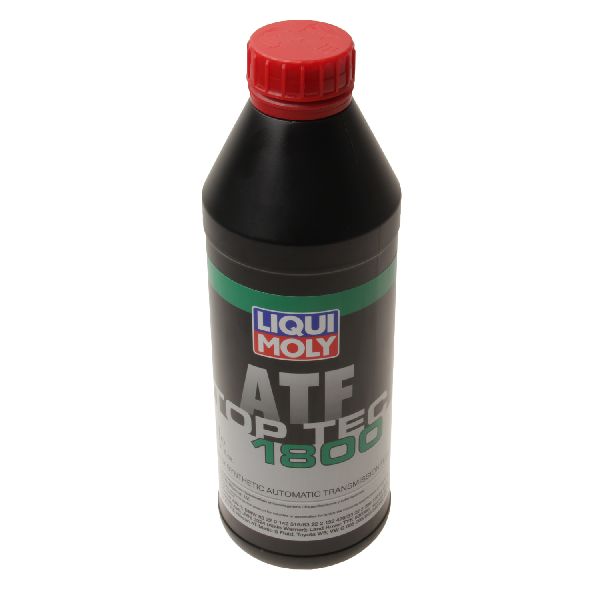
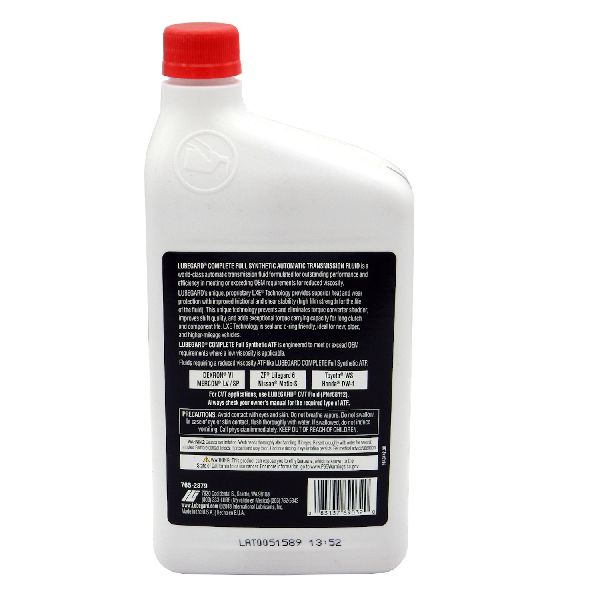
(OEM #Mopar ATF+4 (NAG1), Mopar 8&9 Speed ATF (ZF 8-Speed))— Required for any internal transmission service. Using the correct fluid is critical for proper operation.
Trusted brands: Mopar, ZF Lifeguard, Valvoline, Castrol
OEM price range: $20-$30 per quart
Aftermarket price range: $10-$20 per quart
Related Codes That Often Appear With This One
- P0741 — This code indicates 'Torque Converter Clutch Circuit Performance or Stuck Off,' which points more directly to a mechanical or hydraulic issue (like a stuck solenoid or failed clutch) rather than just an electrical fault.
- P2787 — This code for 'Clutch Temperature Too High' can accompany P0740, as the constant slipping of the torque converter clutch generates excessive heat.
- P1745 — A manufacturer-specific code often indicating 'Transmission System Pressure Too High' or a large clutch volume index (CVI), pointing to internal hydraulic issues or wear.
Technical Service Bulletins (TSBs) & Recalls
- Chrysler TSB 21-013-13: Addresses subjective shift quality issues and adaptation learning procedures for transmissions like the NAG1, which can be related to the conditions that cause P0740.
- Chrysler TSB 21-009-08: Specifically discusses torque converter clutch (TCC) shudder on NAG1-equipped vehicles, a direct precursor to the failure that can set a P0740 code.
Platform-Specific Known Issues
- NAG1 Torque Converter Shudder and Failure: On the 5-speed NAG1 transmission, a common owner complaint is a shudder or vibration between 40-60 mph under light throttle. This is the TCC attempting to lock but slipping. Over time, this wears out the converter clutch completely, leading to a P0740 code. TSB 21-009-08 and 21-013-13 were released for similar models to address this shudder, often recommending a torque converter replacement.
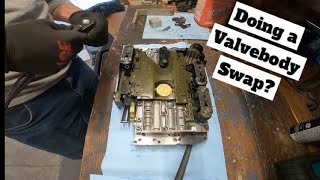
- ZF 8-Speed Mechatronic (Valve Body) Issues: For the 8-speed transmissions, the TCC solenoid is part of the mechatronic assembly. While a single solenoid can be the cause, forum discussions often point to issues with the entire valve body or contamination from a failing torque converter that requires replacing both components for a permanent fix.
Mechanic-Grade Diagnostic Values
- TCC Solenoid Resistance (NAG1 / W5A580) — expected: 2.0 - 4.0 Ohms. Failure: A reading outside this range, or infinite (open) / zero (short) resistance.
- TCC Solenoid Resistance (ZF 8HP70) — expected: ~5.5 Ohms. Failure: A reading significantly different from 5.5 Ohms.
- Scan Tool TCC Slip Speed (Full Lock / FEMCC) — expected: 0 RPM (±20 RPM). Failure: Sustained slip greater than 100 RPM for ~10 seconds while lockup is commanded.
- Scan Tool TCC Solenoid Duty Cycle (Partial Lock / PEMCC) — expected: < 85%. Failure: Duty cycle commanded above 85% for an extended period, indicating the TCM is compensating for excessive slip.
Scan Tool Commands That Help
- wiTECH, Autel, or other professional scan tools: Quick Learn — This function must be performed after replacing the valve body, solenoid pack, or entire transmission to allow the TCM to relearn clutch fill volumes and shift timing. Failure to do so can cause harsh shifting or persistent codes.
- wiTECH, Autel, or other professional scan tools: TCM/PCM Reset (Clear Adaptive Memory) — Used to clear the learned driving habits and shift patterns from the transmission's memory. This can sometimes resolve erratic shifting behavior after a battery disconnect or if driving habits have changed significantly.
- Any scan tool with bi-directional controls: TCC Solenoid Actuation Test — Used during initial diagnosis with the engine off to command the solenoid on and off. The technician should listen for an audible 'click' from the transmission pan, which confirms the solenoid is mechanically actuating and the wiring to it is functional.
Wiring & Ground Locations
- (T75) TCC Solenoid Control Circuit — This wire runs from the Transmission Control Module (TCM) C2 harness connector to the main transmission case connector, and internally to the TCC solenoid on the valve body.. This is the specific circuit that the TCM uses to ground-side control (modulate) the TCC solenoid. An open or short-to-ground on this wire will directly cause a P0740 or related electrical code like P0743.
- (T78) Solenoid Supply Circuit — This wire provides power from the TCM to the solenoid pack within the transmission.. This is the power feed for the TCC solenoid. Resistance checks are performed between this circuit and the T75 control circuit to verify the health of the solenoid's coil.
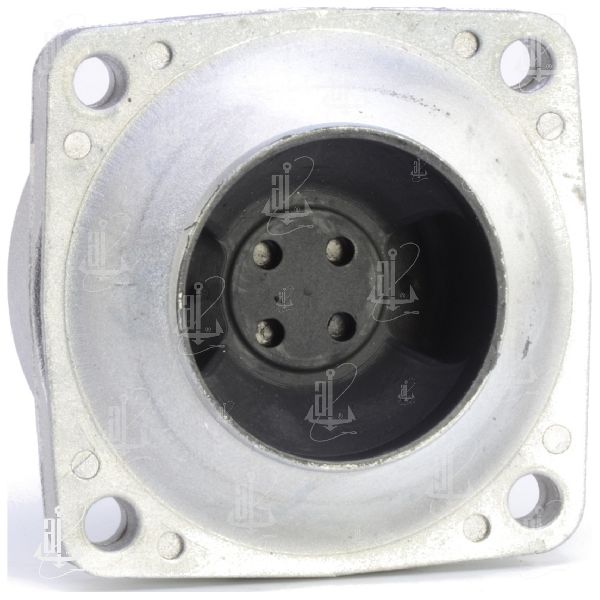
- Transmission Case Connector (13-pin) — On the NAG1 transmission, this round connector is located on the passenger side of the transmission case, near the front.. The O-rings on this connector's sleeve are a very common failure point, allowing transmission fluid to leak and wick up into the main wiring harness, causing shorts and communication errors for all transmission functions, including the TCC.
Real Owner Repair Stories
- YouTube channel 'Online Mechanic Tips' (Dodge/Chrysler with 62TE transmission (similar logic to Charger)) — Persistent P0740 code, shuddering.
❌ Tried (didn't work) Replacing the TCC solenoid, Replacing the entire valve body assembly
✅ What actually fixed it Replacing the torque converter. The technician stated that in 100% of his P0740 repairs on these transmissions, the root cause was a mechanically worn-out torque converter clutch, not the solenoid. - DodgeForum.com user (2008 Dodge Charger SXT, 130k miles) — Sudden loss of power, hard jerk when shifting into any gear, car would not rev past idle in gear. Code P0743 (TCC Solenoid Circuit Electrical) was present.
❌ Tried (didn't work) Initial speculation about simple wiring repair.
✅ What actually fixed it The consensus was that the TCC solenoid coil was internally shorted or failed. The fix required dropping the transmission pan to replace the solenoid on the valve body.
"I Checked Everything" — The Actual Cause
- The diagnostic equivalent for P0740 is when all electrical tests for the TCC solenoid and its wiring pass, yet the code persists. In these cases, the root cause is almost always a mechanical failure within the torque converter itself. The computer sets the electrical circuit code (P0740) because it cannot differentiate between a circuit that isn't working and a clutch that isn't holding. It only sees that its command to lock the converter resulted in excessive slip, which is logged as a circuit/performance fault. The provided NHTSA TSB confirms this diagnostic logic.
OEM Part Supersession History
52108308AB→52108308AC— Revision and update to the component.
Heads up: These parts are for the NAG1 (W5A580) 5-speed transmission's conductor plate and are not compatible with the ZF 8-speed.
Model Year Variations Within This Range
- 2014: 2014 was a transition year. While most V8 models retained the 5-speed NAG1, many V6 models were equipped with the new ZF 8-speed (845RE). It is critical to visually identify the transmission or check the build sheet before ordering parts.
- 2015-2021: Beginning with the 2015 model year facelift, the ZF 8-speed (845RE for V6, 8HP70 for V8) became the standard automatic transmission across the Charger lineup. Diagnosis on these models focuses on the integrated mechatronic unit rather than a separate conductor plate.
Helpful Videos


Used OEM Parts in Stock


New Aftermarket Parts Available

The information in this article is provided for general reference and educational purposes only. Vehicle specifications, procedures, and part compatibility can vary by production date, trim level, and region. Always consult your vehicle's factory service manual and verify part numbers before purchasing or performing repairs. Safety-critical components such as airbags, seat belts, and braking systems should be installed by a qualified professional.
- Dodge CHARGER:
- 🎬 Helpful Videos
- 🛍️ Shop This Part
- What's Unique About the 2014-2021 Dodge CHARGER
- Diagnostic Flowchart
- Symptoms You May Notice
- Most Likely Causes
- Rare But Worth Checking
- Diagnosis Steps
- Parts You'll Likely Need
- Related Codes That Often Appear With This One
- Technical Service Bulletins (TSBs) & Recalls
- Platform-Specific Known Issues
- Mechanic-Grade Diagnostic Values
- Scan Tool Commands That Help
- Wiring & Ground Locations
- Real Owner Repair Stories
- "I Checked Everything" — The Actual Cause
- OEM Part Supersession History
- Model Year Variations Within This Range
- 🎟️ Get 5% Off