

P0736 on 2014-2019 GMC Sierra 1500: Reverse Incorrect Ratio Causes and Fixes
P0736 on a 2014-2019 Sierra means the transmission has failed to engage reverse properly. While low fluid is a possibility, this code often points to serious internal issues with the 6L80 or 8L90 transmission, like a failed clutch pack, a cracked 3-5-Reverse drum, or a worn valve body. This is not a simple DIY fix and requires professional diagnosis, often leading to transmission removal and repair.
- P0736 means your truck's reverse gear is slipping or not engaging at all.
- Always check the transmission fluid level and condition first; it's the simplest possible cause.
- On the 2014-2019 Sierra, this code often indicates a serious internal mechanical failure, not just a bad sensor.
- Do not continue to drive the vehicle extensively. You risk turning a component repair into a full, expensive transmission replacement.
- This is a job for a professional transmission shop. Do not attempt to DIY internal transmission repairs unless you are an expert.
What's Unique About the 2014-2019 Gmc SIERRA 1500
The 2014-2019 Sierra 1500 uses the 6L80 and later the 8L90 automatic transmissions. For these specific units, a P0736 code is rarely a simple sensor or solenoid issue. It frequently points to known mechanical weak points within the transmission. For the 6L80, a cracked 3-5-Reverse clutch drum is a well-documented failure. For both the 6L80 and 8L90, significant wear in the valve body, particularly the pressure regulator circuit, can cause erratic line pressure leading to clutch failure and this code. These issues require extensive internal repairs.
Diagnostic Flowchart
Tap your situation to follow the diagnostic path that matches what you're seeing on this vehicle.
Generation note: The 2014-2019 year range covers the third generation (K2XX) of the GMC Sierra 1500. The 2019 model year was a crossover, with both the third-gen "Limited" and new fourth-gen (T1XX) being sold. Both generations in this timeframe can be equipped with 6-speed (6L80) or 8-speed (8L90) transmissions, and the causes for P0736 are largely consistent for these transmission models, though specific failure points like the 3-5-R drum are more specific to the 6L80.
🎬 Watch: Common 6L80 problems causing reverse gear failureSymptoms You May Notice
- No reverse gear or delayed engagement.
- Check Engine Light illuminated.
- Vehicle will not move when in Reverse.
- Harsh shifting or clunking noise when selecting Reverse.
- Transmission slipping in reverse.
- Increased fuel consumption.
- Replacing only the shift solenoids. While a solenoid can fail, the P0736 code on these trucks is more often caused by a deeper mechanical or hydraulic issue (cracked drum, worn valve body) that a new solenoid will not fix.
Most Likely Causes
- Low or Contaminated Transmission Fluid 🟡 Medium Probability These transmissions do not have a traditional dipstick, making fluid level checks less frequent. Leaks or extended service intervals can lead to low or degraded fluid, causing pressure issues and clutch slippage.
How to confirm: Check the transmission fluid level and condition via the check/fill plug on the side of the transmission case. This must be done with the vehicle level and the transmission fluid at a specific temperature (typically 100-122°F). The fluid should be at the correct level, pink/red in color (DEXRON VI), and not smell burnt.
Typical fix: Top off or perform a full fluid and filter change with the correct specification fluid (e.g., DEXRON VI).
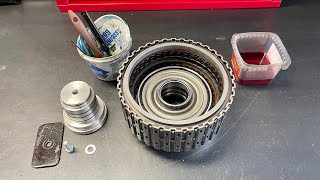
Est. part cost: $50-$150 - Cracked 3-5-Reverse Clutch Drum 🔴 High Probability The factory welds on the 3-5-R drum in the 6L80 transmission are a known weak point that can crack, leading to a major loss of hydraulic pressure specifically for those clutches. This is a well-documented failure mode that causes severe slippage or a no-move condition in reverse, 3rd, and 5th gears.
How to confirm: This requires transmission disassembly to visually inspect the drum for cracks at the base of the splined hub. Debris in the pan is also an indicator. An air test on the bench may reveal the leak, but hairline cracks may only open under specific temperatures.
Typical fix: The transmission must be removed and disassembled to replace the drum with an updated OEM or aftermarket heavy-duty version. The 3-5-R clutches are typically replaced at the same time.
Est. part cost: $150-$300 for the part, plus extensive labor - Worn or Sticking Valve Body Components 🔴 High Probability The 6L80 and 8L90 transmissions are known for wear in the valve body bores, especially the pressure regulator (PR) valve, which can cause erratic or high line pressure. This can lead to hydraulic pressure losses to the reverse clutch circuit or even cause mechanical damage like cracked drums.
How to confirm: A transmission specialist will perform line pressure tests. In some cases, the valve body must be removed for inspection and testing of individual bores and valves. Sonnax makes specialized tools for this.
Typical fix: Replacement of the entire Transmission Electro-Hydraulic Control Module (TEHCM), which includes the valve body and solenoids. Alternatively, a specialist may rebuild the valve body using oversized valves and reamed bores from kits like the Sonnax Zip Kit (6L45-6L90-ZIP).
Est. part cost: $400-$1200 for a TEHCM assembly. - Worn Low and Reverse Clutch Pack 🟡 Medium Probability High mileage, heavy towing, or sustained high line pressure from valve body issues can lead to the friction material on the internal clutch plates wearing out.
How to confirm: Confirmed by finding excessive clutch material (looks like black mud) in the transmission pan and by internal inspection after disassembly.
Typical fix: A complete transmission rebuild is typically required to replace the worn clutches, steels, seals, and gaskets.
Est. part cost: $500-$1000 for a rebuild kit
Rare But Worth Checking
- Transmission Control Module (TCM) Failure: While less common than mechanical failures, a faulty TCM can cause this code. On these trucks, the TCM is integrated into the TEHCM inside the transmission pan, so it's often replaced with the valve body. TSB PIP4379N explicitly states that replacing the TCM alone is not likely to correct the issue.
- Failed Input/Output Speed Sensor: A faulty speed sensor can provide incorrect data to the TCM, leading it to miscalculate the gear ratio and set a P0736 code. However, this is less common than the major mechanical failures listed above for this specific platform.
Diagnosis Steps
- Verify the code with a professional OBD-II scanner capable of reading transmission data.
- Check the transmission fluid level and condition. This must be done with the vehicle level and at operating temperature (100-122°F). Note any burnt smell or dark color.
- Use the scanner to monitor live data for Transmission Input Speed Sensor (ISS) and Output Speed Sensor (OSS). A large discrepancy when reverse is commanded confirms slippage.
- Inspect the transmission pan for excessive metal debris or clutch material, which indicates internal mechanical wear.
- If fluid is clean and full, a transmission professional should perform line pressure tests to check for hydraulic issues. High or erratic pressure can point to a faulty valve body/TEHCM.
- Scan for any accompanying TSBs or software updates for the TCM. TSB PIP4379N is directly related to this condition.
- If pressure tests indicate an internal leak or a major mechanical failure is suspected, prepare for transmission removal and disassembly to inspect the 3-5-R drum, valve body, and reverse clutch pack.
Parts You'll Likely Need
- Transmission Valve Body / TEHCM
(OEM #24287422 (ACDelco GM Genuine))— The valve body is a known failure point in 6L80/8L90 transmissions, causing pressure loss or spikes that lead to the P0736 code. The TEHCM is an integrated unit containing the valve body, solenoids, and TCM.
Trusted brands: ACDelco, Sonnax (for rebuild components)
OEM price range: $600-$1200
Aftermarket price range: $400-$800 - 3-5-Reverse Clutch Drum — The factory welds on the 6L80 drum are prone to cracking, causing a catastrophic loss of pressure to the reverse clutches. This is a very common cause for P0736 on 6L80-equipped trucks.
Trusted brands: ACDelco, Sonnax
OEM price range: $150-$250
Aftermarket price range: $100-$200 - Transmission Rebuild Kit — If internal clutches are burnt or there is widespread wear, a full rebuild kit including clutches, steels, seals, and gaskets is necessary.
Trusted brands: ACDelco, Alto, Transtar
OEM price range: $600-$1000
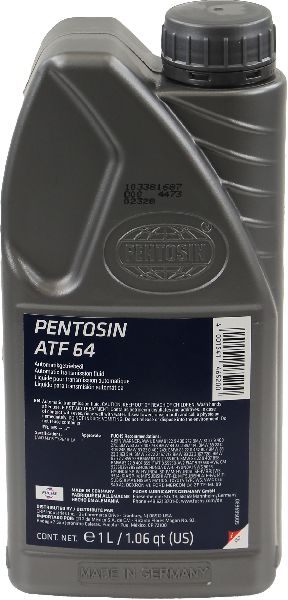
Aftermarket price range: $400-$700 - Transmission Fluid and Filter Kit — This is the first step in diagnosis and required for any major repair. Use only the specified fluid (DEXRON VI).
Trusted brands: ACDelco
OEM price range: $100-$150
Related Codes That Often Appear With This One
- P0700 — This is a general fault code from the TCM. It's an informational code that simply states the TCM has stored a specific fault, like P0736, and has requested the Check Engine Light to be turned on.
- P0731-P0735 — These codes indicate incorrect gear ratios in forward gears. If seen with P0736, it strongly suggests a widespread hydraulic or mechanical failure affecting multiple clutch packs, not just reverse.
- P0776 — This code for 'Pressure Control Solenoid 'B' Performance or Stuck Off' is often associated with issues in the 3-5-Reverse circuit and can be a direct result of a cracked 3-5-R drum or related valve body problems.
Technical Service Bulletins (TSBs) & Recalls
- Bulletin #PIP4379N: This Preliminary Information bulletin from GM addresses conditions of delayed or no engagement into drive or reverse, specifically listing P0736 as a related DTC. It covers a wide range of GM trucks, including the 2014-2019 Sierra. Crucially, it notes that simply replacing the TCM is not likely to correct the concern, pointing towards a mechanical or hydraulic fault.
- Bulletin #18-NA-355 / 19-NA-121: These bulletins relate to a known issue with the original factory-fill transmission fluid in 8L90 transmissions, which could cause torque converter shudder. While not a direct cause of P0736, fluid health is critical, and these TSBs led to the development of an updated Mobil 1 Synthetic LV ATF HP fluid. Ensuring the correct, updated fluid is in the transmission is a key maintenance point.
Platform-Specific Known Issues
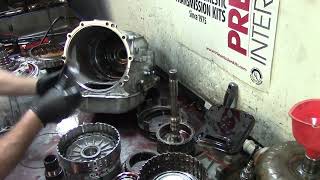
- Real-World Repair: Cracked 3-5-R Drum: A video from 'Nick's Transmissions' on a 2008 model with a 6L80 documented a severe slip and neutral condition in Reverse, 3rd, and 5th gears. The root cause was confirmed to be cracked welds at the base of the 3-5-Reverse clutch drum, causing a major hydraulic leak. The fix required transmission removal to replace the drum with an updated part and rebuild the associated clutch pack.
- Forum Experience: No Reverse at 100k Miles: A user on gm-trucks.com with a 2014 Sierra reported losing reverse gear and getting code P0736. A transmission shop diagnosed the issue as a failed 3-5-R clutch housing (drum). The repair involved a transmission rebuild which cost the owner approximately $3,800.
Mechanic-Grade Diagnostic Values
- 6L80 Shift Solenoid (On/Off type) Resistance — expected: 20-40 Ohms. Failure: A reading outside this range indicates a failed solenoid coil, requiring TEHCM replacement.
- 6L80 Pressure Control Solenoid (PWM type) Resistance — expected: 3.5-6.0 Ohms. Failure: A reading outside this range points to a faulty solenoid, requiring TEHCM replacement. Some sources give a wider 3-8 Ohm range, but 5-6 Ohms is typical for a healthy unit.
- 6L80 Line Pressure at Idle (in Drive) — expected: 70-100 PSI. Failure: Significantly low pressure can indicate a failing pump or major internal leak. Consistently high pressure (e.g., >250 PSI) strongly suggests a stuck pressure regulator valve in the valve body/TEHCM.
Scan Tool Commands That Help
- GM GDS2/Tech2: Solenoid Valve Test / Output Controls — This allows a technician to command individual shift and pressure control solenoids on and off with the engine running to isolate a specific hydraulic circuit or sticking solenoid. It helps verify if the TCM can control the solenoids electrically.
- GM GDS2/Tech2: Reset Transmission Adapts / Fast Learn — This procedure is mandatory after replacing the TEHCM, valve body, or rebuilding the transmission. It erases old learned clutch-apply pressure values and forces the TCM to perform a relearn process to ensure smooth shifts and prevent premature clutch wear.
- GM GDS2/Tech2: Solenoid Cleaning Procedure — As a preliminary step, this automated function rapidly cycles all solenoids to try and dislodge minor debris. If the code returns after cleaning, it points towards a more significant mechanical or electrical failure rather than simple contamination.
Wiring & Ground Locations
- G110 / G111 — On the rear of the driver's side cylinder head or on the engine block near the transmission bellhousing.. These are primary grounds for the engine and transmission control modules. A loose or corroded ground at this location can cause erratic sensor readings, incorrect solenoid operation, and a host of transmission codes, including P0736.
- X183 (or similar) — The main 16-pin round electrical connector on the passenger side of the transmission case.. This is the sole communication and power link to the internal TEHCM. Any corrosion, moisture intrusion, or bent pins in this connector will directly impact the TCM's ability to control shifts and monitor speeds, potentially causing a P0736 code.
Real Owner Repair Stories
- gm-trucks.com forum user report (2015 GMC Sierra 5.3L with 6L80) — No reverse, P0736 code stored. Forward gears worked fine.
❌ Tried (didn't work) Replaced the entire TEHCM (valve body, solenoids, TCM) assembly and performed a fluid/filter change.
✅ What actually fixed it After the new TEHCM did not solve the problem, the transmission was removed. A teardown revealed a hairline crack in the 3-5-Reverse clutch drum weld. Replacing the drum and rebuilding the clutch pack resolved the issue. - YouTube video by a transmission technician (Chevrolet Tahoe with 6L80E (mechanically identical to Sierra)) — Shuddering, no reverse, and P0736/P0776 codes.
❌ Tried (didn't work) Initial thought was a bad torque converter or simple solenoid failure.
✅ What actually fixed it Transmission disassembly showed the 3-5-Reverse drum was cracked, confirmed with a low-pressure air test that showed fluid bubbling from the weld. The 4-5-6 clutches were also found to be burnt as a result of the slipping. A full rebuild including a new drum, clutches, and a reamed pressure regulator valve in the valve body was required.
OEM Part Supersession History
Various (e.g., 24256861, 24264420)→Various (e.g., 24287422, 24291304)— GM has updated the TEHCM multiple times to address internal pressure switch failures, improve solenoid design, and update circuit board logic.
Heads up: TEHCMs are NOT interchangeable between years or models without correct programming. Installing a used TEHCM from another vehicle will result in a no-start or immediate limp mode because it is locked to the original VIN. A new TEHCM must be programmed to the vehicle's VIN using GM's SPS software (or equivalent J2534 tool) before the engine is started to prevent damage and ensure function.
Model Year Variations Within This Range
- 2014-2019 (6L80 equipped): The signature failure of a cracked 3-5-Reverse clutch drum is a known issue specific to the 6L80 transmission.
- 2015-2019 (8L90 equipped): Trucks with the 8L90 transmission will not have the 3-5-R drum failure. While they can still log P0736 from worn clutches or valve body issues, they have their own unique failure points, such as issues with the stator shaft support assembly or torque converter problems that can cause similar symptoms.
Helpful Videos
Used OEM Parts in Stock


New Aftermarket Parts Available




The information in this article is provided for general reference and educational purposes only. Vehicle specifications, procedures, and part compatibility can vary by production date, trim level, and region. Always consult your vehicle's factory service manual and verify part numbers before purchasing or performing repairs. Safety-critical components such as airbags, seat belts, and braking systems should be installed by a qualified professional.
- Gmc SIERRA 1500:
- 🎬 Helpful Videos
- 🛍️ Shop This Part
- What's Unique About the 2014-2019 Gmc SIERRA 1500
- Diagnostic Flowchart
- Symptoms You May Notice
- Most Likely Causes
- Rare But Worth Checking
- Diagnosis Steps
- Parts You'll Likely Need
- Related Codes That Often Appear With This One
- Technical Service Bulletins (TSBs) & Recalls
- Platform-Specific Known Issues
- Mechanic-Grade Diagnostic Values
- Scan Tool Commands That Help
- Wiring & Ground Locations
- Real Owner Repair Stories
- OEM Part Supersession History
- Model Year Variations Within This Range
- 🎟️ Get 5% Off