

P0734 on 2012-2017 Hyundai Accent: 4th Gear Incorrect Ratio Causes and Fixes
P0734 on a 2012-2017 Accent indicates the transmission is slipping in 4th gear. The most common and cheapest potential fix is low or degraded transmission fluid. Start by checking the fluid level and condition using the correct SP-IV fluid. If that doesn't solve it, the issue could be a faulty shift solenoid, a failing speed sensor, or more serious internal transmission problems like a worn valve body.
- P0734 on your Accent means the transmission is slipping in 4th gear.
- Your first and most important diagnostic step is to check the transmission fluid level and condition. This is the most common and least expensive fix.
- Do not ignore this code. Driving with a slipping transmission can quickly lead to catastrophic failure, requiring a complete replacement.
- If a fluid change doesn't resolve the issue, the problem is likely a faulty shift solenoid, a worn valve body, or internal damage, which requires professional diagnosis.
- A Hyundai TSB exists for this exact problem, indicating it's a known issue on this platform.
What's Unique About the 2012-2017 Hyundai Accent
The 2012-2017 Hyundai Accent (RB generation) is equipped with a 6-speed automatic transmission, model A6GF1. These transmissions are known to be sensitive to fluid condition and can develop issues related to bore wear within the valve body, even at lower mileages. A comprehensive technical service bulletin, TSB 24-AT-002H, covers a wide range of Hyundai models including the 2012-17 Accent for various incorrect gear ratio codes (P0731-P0736), acknowledging that clutch slip is the underlying issue and providing a diagnostic procedure that may end in transmission replacement. Aftermarket valve body repair kits from brands like Sonnax and TransGo specifically mention correcting issues that cause P0734 by addressing wear in the reducing valve bores common to this transmission family.
Symptoms You May Notice
- Check Engine Light is on
- Transmission slipping, flaring, or failing to engage 4th gear
- Harsh or delayed shifting
- Vehicle enters "limp mode" (stuck in 3rd gear)
- Engine RPMs are higher than usual at highway speeds
- Reduced fuel economy
- Poor acceleration
- Clicking sound from the transmission area, especially when letting off the gas.
- Replacing the entire transmission immediately without first checking the fluid level and condition, testing the shift solenoids, or checking the speed sensors. A simple fluid service or sensor replacement is a much cheaper repair and a common solution.
Most Likely Causes
- Low or Degraded Transmission Fluid 🔴 High Probability The A6GF1 transmission is sensitive to fluid level and quality. Over time, fluid breaks down and can't provide the necessary hydraulic pressure for proper clutch engagement, leading to slippage. Use of non-specified fluid can also cause shift quality issues.
How to confirm: Check the transmission fluid level and condition. The fluid should be at the correct level, bright red, and not smell burnt. Dark brown or black fluid indicates it's old and degraded. Note: This model does not have a traditional dipstick. The fluid level must be checked via a fill/check plug on the side of the transmission case when the vehicle is level and the fluid temperature is between 122-140°F (50-60°C).
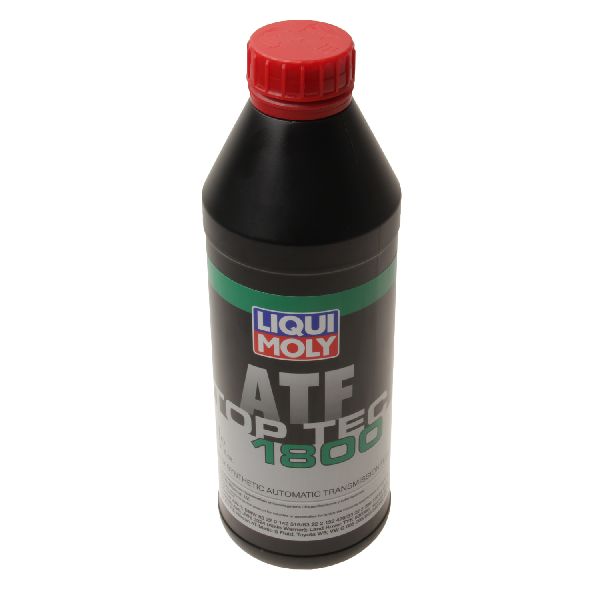
Typical fix: Perform a transmission fluid drain-and-fill or a full fluid exchange using Hyundai-specific SP-IV fluid. A simple drain-and-fill will replace about half the fluid.
Est. part cost: $70-$150 for 5-6 quarts of genuine fluid. - Faulty Shift Solenoid 🟡 Medium Probability Solenoids are electro-hydraulic valves that control fluid flow to engage gears. They can fail electrically or become clogged with debris from old fluid, preventing proper operation and causing specific gear engagement failures.
How to confirm: A professional can test the solenoid's resistance with a multimeter or use an advanced scan tool to command the solenoid on and off to check its response. This requires accessing the valve body by removing the transmission pan.
Typical fix: Replace the faulty shift solenoid. This is typically done by removing the transmission pan and sometimes the valve body.
Est. part cost: $60-$150 - Worn Valve Body 🟡 Medium Probability The valve body in the A6GF1 transmission is known to be susceptible to bore wear, particularly the reducing valve bores. This wear causes hydraulic pressure loss to the solenoids and clutch packs, leading to erratic shifting and gear ratio codes like P0734. This wear can occur in as few as 40,000 miles.
How to confirm: This is diagnosed after ruling out fluid and solenoid issues. It may require a hydraulic pressure test at specific ports or removal and inspection of the valve body by a transmission specialist.
Typical fix: The valve body may be repaired using oversized valve kits (e.g., from Sonnax or TransGo) or replaced entirely with a new or remanufactured unit.
Est. part cost: $300-$900 - Internal Mechanical Failure ⚪ Low Probability While less common, internal wear of clutch packs, seals, or other mechanical components like a worn overdrive hub bearing can cause slippage. The NHTSA-cited TSB for incorrect gear ratios acknowledges that transmission replacement is a possible outcome if other diagnostics fail. An owner complaint for a different Hyundai model with a P0734 code also noted that the final repair was a transaxle replacement.
How to confirm: This is a diagnosis of exclusion. If fluid, solenoids, and the valve body are confirmed to be good, the issue is internal. A significant amount of metal shavings or clutch material in the transmission pan is a strong indicator.
Typical fix: The transmission will need to be rebuilt or replaced with a new or remanufactured unit.
Est. part cost: $2500-$4500
Rare But Worth Checking
- Faulty Transmission Fluid Temperature (TFT) Sensor: An erratic TFT sensor can provide incorrect data to the TCM, causing it to command incorrect shift pressures, which can lead to slippage and codes like P0734. Some owners report the issue only appears once the car reaches operating temperature, pointing towards a heat-related sensor failure. If you also have codes like P0711, P0712, or P0713, this becomes a more likely cause.
- Faulty Input or Output Speed Sensor: If the TCM receives incorrect speed data from either the input or output sensor, it may falsely calculate a gear ratio error and set a P0734 code. This is often accompanied by specific codes for the failing sensor (e.g., P0717 for input sensor, P0722 for output sensor). Replacing these sensors is a relatively inexpensive first step if sensor-specific codes are present.
- Damaged Wiring Harness or Faulty TCM: Corrosion or damage to the wiring between the TCM and the transmission can disrupt signals to solenoids or from sensors. The internal transmission wiring harness on the A6 family of transmissions has been known to fail. A faulty Transmission Control Module (TCM) is rare but possible, and should only be considered after all other possibilities are exhausted.
Diagnosis Steps
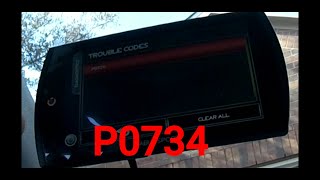
- Check and record any stored fault codes with an OBD-II scanner. Note any other codes besides P0734.
- Inspect the transmission fluid level and condition. This is the most critical first step. The vehicle must be level and the fluid temperature between 122-140°F (50-60°C) to get an accurate reading from the check plug.
- If the fluid is low, top it off with Hyundai SP-IV ATF, clear the codes, and test drive. If the fluid is dirty or burnt, perform a fluid and filter change using the correct fluid.
- If the problem persists, use a professional scan tool to monitor live data, including input/output speed sensor readings, transmission fluid temperature, and solenoid command status to check for inconsistencies.
- Inspect the transmission's external wiring harness and connectors for any signs of damage, corrosion, or loose connections.
- If speed sensor codes (P0717, P0722) are present, test and replace the corresponding sensors. They are externally mounted and relatively easy to replace.
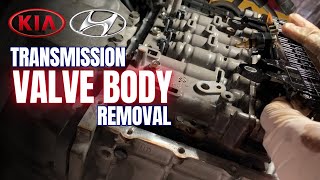
- If solenoid-related codes are present, or if live data suggests a solenoid issue, access the valve body by removing the transmission pan. Test the resistance of the shift solenoids 🎬 Watch how to clean and test Hyundai 6-speed solenoids. and compare the readings to the manufacturer's specifications.
- If solenoids test good, the issue may be with the valve body itself (e.g., sticking valves, bore wear) or a more serious internal mechanical failure. A line pressure test can help differentiate.
- If all other possibilities are exhausted, the transmission may need to be removed for inspection and rebuild or replacement, as suggested by TSB 24-AT-002H.
Parts You'll Likely Need
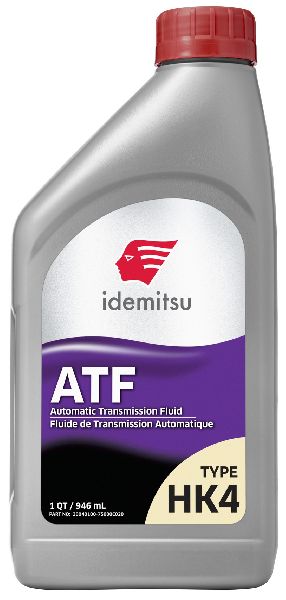
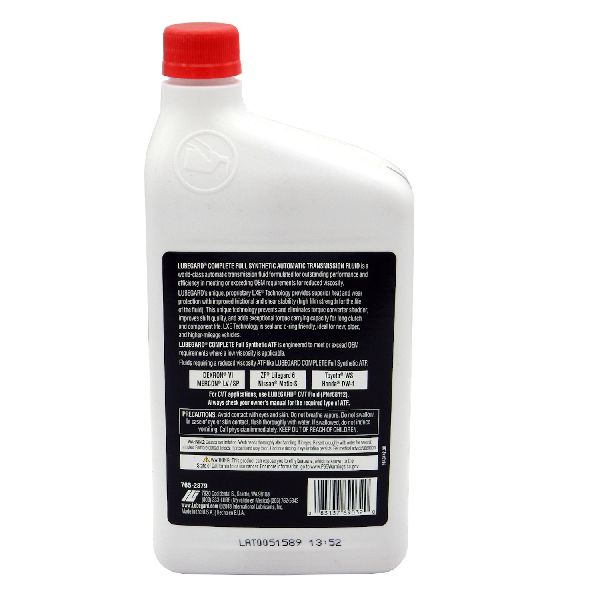
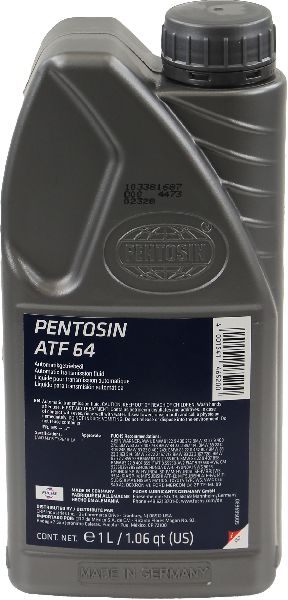
- Automatic Transmission Fluid
(OEM #00232-19045 (or superseded by 00232-19057))— Low, dirty, or incorrect fluid is the most common cause of this code. - Input/Output Speed Sensor — A faulty speed sensor can send incorrect data to the TCM, causing a false gear ratio error.
- Shift Solenoid Kit — One or more solenoids may be failing electrically or mechanically, preventing proper gear engagement.
- Valve Body — Wear in the valve body bores is a known issue that causes hydraulic pressure loss and shift problems.
- Remanufactured Transmission — In cases of severe internal damage, a complete replacement is the only viable repair.
Related Codes That Often Appear With This One
- P0731, P0732, P0733, P0735 — These are incorrect gear ratio codes for 1st, 2nd, 3rd, and 5th gears, respectively. The presence of multiple gear ratio codes strongly suggests a systemic problem like low fluid, a clogged filter, or a failing valve body, rather than a single component failure. TSB 24-AT-002H covers all of these codes together. Aftermarket valve body repair kits also list these codes as being resolved by their kits.
- P0741 — This code indicates a problem with the Torque Converter Clutch (TCC) circuit. Issues within the valve body that cause P0734 can also affect the TCC circuit. Valve body repair kits often address P0741 simultaneously.
- P0711, P0712, P0713 — These codes relate to the Transmission Fluid Temperature (TFT) sensor. A faulty TFT sensor can cause the TCM to apply incorrect line pressure, leading to shifting problems and gear ratio codes.
- P0717, P0722 — These codes point directly to a fault with the input or output speed sensors. If the TCM can't get a reliable speed reading, it can't verify the gear ratio, potentially triggering P0734 as a secondary code.
Technical Service Bulletins (TSBs) & Recalls
- 24-AT-002H: Provides a diagnostic procedure for various incorrect ratio DTCs (including P0734) on the 2012-2017 Accent, which may result in transmission replacement.
Platform-Specific Known Issues
- Hyundai issued Technical Service Bulletin 24-AT-002H, which covers the 2012-2017 Accent for incorrect gear ratio DTCs, including P0734. The TSB provides a diagnostic procedure that may ultimately lead to transmission replacement.
- The A6GF1 transmission family is known to have issues with valve body bore wear, which can cause a variety of shift quality problems and codes. Aftermarket solutions exist to repair these worn bores.
Mechanic-Grade Diagnostic Values
- Variable Force Solenoid (VFS) Resistance — expected: Approximately 5.1 to 5.3 Ohms. Failure: A reading significantly higher or lower than the expected range, or an open circuit (infinite resistance).
- On/Off Shift Solenoid Resistance — expected: Approximately 10 to 11 Ohms. Failure: A reading outside this range indicates a faulty solenoid coil.
- Reducing Valve Pressure (via pressure tap) — expected: RED 1: 73-75 psi max; RED 2: 79-81 psi max. Failure: Pressure readings below these maximums can indicate significant wear in the valve body bores.
Scan Tool Commands That Help
- Hyundai GDS (Global Diagnostic System): Resetting Auto Transmission Adaptive Values — This function should be used after replacing transmission components like the valve body or solenoids to force the TCM to relearn shift points and pressures. It can help resolve shift quality issues after a repair.
- Hyundai GDS (Global Diagnostic System): Actuation Test — Allows a technician to command individual solenoids on and off to verify their electrical operation and listen for an audible click from the solenoid, helping to diagnose a faulty solenoid without immediate removal.
- Hyundai GDS (Global Diagnostic System): Flight Record — This function records sensor data during a test drive, which is useful for capturing intermittent problems that don't occur in the shop. It can help correlate the P0734 fault with specific events like speed, temperature, or gear shift commands.
Wiring & Ground Locations
- Gf03 — At the left 'A' pillar, behind the kick panel.. This is a major body ground point. A poor connection here can cause a variety of electrical issues for modules located in the dash area, potentially including the BCM or instrument cluster which communicates with the TCM.
- E/R Fuse & Relay Box — On the left side of the engine compartment.. This box contains the main fuses and relays for the engine and transmission control systems, including the ECU 1 fuse (30A) and the main power for the control modules. Corrosion or a poor connection here can interrupt power to the TCM.
- Transmission Pass-Through Connector — On the transmission case, where the main vehicle harness connects to the internal transmission harness.. This is the single point of failure for all electrical signals going to the solenoids and sensors inside the transmission. Checking for corrosion or pushed-out pins at this connector is a critical step before condemning internal components.
Real Owner Repair Stories
- YouTube user 'jamiejones_thecarman' (2002 Hyundai Accent 1.6L (Note: Older generation, but demonstrates a relevant failure pattern)) — P0734 code, car stuck in 3rd gear (limp mode), not shifting into overdrive, slipping.
❌ Tried (didn't work) The owner was preparing to replace the entire transmission.
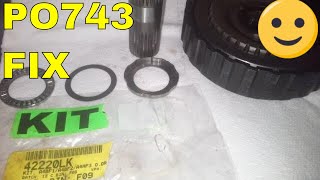
✅ What actually fixed it The problem was identified as a worn-out overdrive hub bearing. A kit was used to replace the bearing, a shim, and a cup, which resolved the slipping and the P0734 code without requiring a full transmission replacement. - YouTube user 'That TCG' (Vehicle not specified, but repair is for P0734.) — Check Engine Light with code P0734, Gear 4 Incorrect Ratio.
❌ Tried (didn't work) Clearing the code would result in it returning.
✅ What actually fixed it Replacing both the input and output speed sensors on the transmission fixed the problem. The owner noted this was a successful and inexpensive repair.
Diagnostic Flowchart
Other Known Issues on This Vehicle
Issues unrelated to this code that are worth knowing about as an owner of this generation:
- Engine Stalling / Failure 🔴 High — The 2012 model year, in particular, has a high number of NHTSA complaints related to engine issues, including stalling while driving and premature failure before 80,000 miles.
- Premature Brake Wear / Noisy Brakes 🟠 Medium — A common owner complaint is warped rotors and rapid wear of brake pads, leading to pulsation and noise. This is the second most common complaint category on NHTSA for this generation.
- ABS Module Fire Risk 🔴 High — Affects certain models within this generation. An internal leak in the ABS module can cause an electrical short, posing a fire risk even when the car is parked. (Ref: NHTSA Recall No. 20V-520)
- Excessive Oil Consumption 🟠 Medium — The 1.6L GDI engine can be prone to burning oil, which can lead to low oil levels between changes and potentially cause damage to other components like the catalytic converter if not monitored.
- Failing Crankshaft Position Sensor 🟠 Medium — Some owners have experienced stalling when the car is idling, which was traced back to a faulty crankshaft position sensor. This may or may not trigger a Check Engine Light initially.
Used vs. New Parts: Buying Guide for This Vehicle
When a used part is the smart pick: For external components like input/output speed sensors, a used part from a low-mileage donor vehicle is a reasonable and cost-effective option. Complete used transmissions can be an option if the donor vehicle's history is known and mileage is low, but it carries significant risk due to the prevalence of valve body wear issues.
Donor-vehicle mileage cap: roughly under 80000 miles for the part to have meaningful remaining life.
What to inspect on the donor part:
- Check the fluid color and smell from the donor transmission if possible. Bright red fluid without a burnt smell is a good sign.
- Ask for a vehicle history report (VIN) of the donor car to check for reported accidents or maintenance issues.
- Inspect the external case for any cracks, damage, or signs of heavy leaking around seals and the pan gasket.
OEM-only on this vehicle (don't cheap out):
- Transmission Control Module (TCM): Aftermarket or used TCMs may have software incompatibilities. It's best to use a new OEM part or send the original for professional repair.
- Internal Wiring Harness: Given the known failure rate and labor to install, using a new OEM harness is the most reliable choice to avoid repeat repairs.
Aftermarket brands forum-validated for this vehicle:
- Sonnax: For valve body repair kits, specifically oversized valves and reaming tools to correct bore wear.
- TransGo: For shift kits and valve body repair kits that address common shift complaints and codes like P0734.
- Dorman: Offers replacement transmission oil pans, sometimes with the benefit of an added drain plug for easier future service.
Brands owners have reported issues with on this vehicle:
- Unbranded, generic solenoid packs from online marketplaces can have high failure rates and inconsistent quality control. It is often better to test original solenoids and replace only the specific one that has failed with a reputable brand or OEM part.
Real Owner Stories
Aggregated from forums and TSBs cited above. Mileages and costs reflect what owners reported in those sources.
2012 Hyundai Accent 1.6L
Symptoms: Transmission was slipping and the car was worth keeping but had potential transmission issues.
What fixed it: The diagnostic procedure in TSB 24-AT-002H may lead to transmission replacement for incorrect gear ratio codes.
Source hint: Reddit r/Hyundai thread titled 'Accent 2012 worth keeping/'
2012-2017 Hyundai Accent 1.6L — ~40000 miles
Symptoms: Erratic shifting and gear ratio codes like P0734 due to hydraulic pressure loss.
What fixed it: Repairing the valve body using oversized valve kits from Sonnax or TransGo to address bore wear.
Source hint: Article context regarding A6GF1 valve body bore wear
Related OBD-II Codes
Frequently Asked Questions
Is there a Technical Service Bulletin for the P0734 code on my 2012-2017 Hyundai Accent?
How do I check the transmission fluid on my 2014 Accent since there is no dipstick?
What type of transmission fluid should I use for my 2012-2017 Accent to avoid shifting issues?
My Accent is stuck in 3rd gear and won't shift into 4th. Is this a common symptom?
Can a worn valve body cause the P0734 code even if my fluid is clean?
Helpful Videos

Used OEM Parts in Stock

New Aftermarket Parts Available


The information in this article is provided for general reference and educational purposes only. Vehicle specifications, procedures, and part compatibility can vary by production date, trim level, and region. Always consult your vehicle's factory service manual and verify part numbers before purchasing or performing repairs. Safety-critical components such as airbags, seat belts, and braking systems should be installed by a qualified professional.
- Hyundai Accent:
- 🎬 Helpful Videos
- 🛍️ Shop This Part
- What's Unique About the 2012-2017 Hyundai Accent
- Symptoms You May Notice
- Most Likely Causes
- Rare But Worth Checking
- Diagnosis Steps
- Parts You'll Likely Need
- Related Codes That Often Appear With This One
- Technical Service Bulletins (TSBs) & Recalls
- Platform-Specific Known Issues
- Mechanic-Grade Diagnostic Values
- Scan Tool Commands That Help
- Wiring & Ground Locations
- Real Owner Repair Stories
- Diagnostic Flowchart
- Other Known Issues on This Vehicle
- Used vs. New Parts: Buying Guide for This Vehicle
- Real Owner Stories
- 2012 Hyundai Accent 1.6L
- 2012-2017 Hyundai Accent 1.6L — ~40000 miles
- Related OBD-II Codes
- Frequently Asked Questions
- 🎟️ Get 5% Off