

P0733 on 2000-2010 Ford F-150: Gear 3 Incorrect Ratio Causes and Fixes
On a 2000-2010 Ford F-150, code P0733 means the transmission is slipping in 3rd gear. The most likely cause is low or burnt transmission fluid. If a fluid and filter change doesn't fix it, suspect a failing shift solenoid or internal clutch failure, which requires professional repair.
- P0733 means your F-150's transmission is slipping in 3rd gear.
- Always start by checking the transmission fluid level and condition. This is the most common and cheapest potential fix.
- Do not drive the truck extensively with this code. The slipping generates heat that can cause catastrophic transmission failure.
- If a fluid change doesn't solve the issue, the next likely culprits are a bad shift solenoid or worn internal clutches, which require professional service.
What's Unique About the 2000-2010 Ford F-150
The 2000-2010 F-150 spans two distinct transmission families. Models from 2000-2008 primarily use the 4-speed 4R70W/4R75E, where P0733 often points to low fluid, a bad shift solenoid 'B', or wear on the direct clutch pack or 2-4 band. For the 4R70W/E family, issues like a torn valve body separator plate gasket or a worn 2-3 accumulator bore in the valve body are also known causes. The 2009-2010 models use the more modern 6-speed 6R80, which is based on a ZF design. In the 6R80, causes can also include issues with the integrated mechatronic unit (valve body and TCM) or the molded lead frame which houses the speed sensors. For both transmission types, starting with a fluid check is critical before assuming a major internal failure.
Generation note: This range covers three F-150 generations and two main transmission types: - 10th Gen (2000-2003): Primarily used the 4R70W 4-speed automatic. - 11th Gen (2004-2008): Used the updated 4R75W/4R75E 4-speed automatic. - 12th Gen (2009-2010): Introduced the 6R80 6-speed automatic. Causes are similar conceptually but involve different specific parts between the 4-speed and 6-speed transmissions. For example, the shift solenoids and valve bodies are not interchangeable. The 4R70W/E models after 2001 are more prone to separator plate cross-leaks due to the removal of a stiffener plate. 🎬 Watch: Fixing low power and shifting issues on 4-speed models. The 6R80 saw significant internal updates in 2009, including changes to the turbine shaft, valve body, and spacer plate.
Symptoms You May Notice
- Check Engine Light is on
- Flashing Overdrive (O/D) light on the gear selector (for 4-speed models)
- Wrench light may illuminate on the dashboard (for 6-speed models).
- Engine RPM flares up (revs high) during the shift from 2nd to 3rd gear
- Delayed or harsh engagement into 3rd gear
- Vehicle feels like it loses power or hesitates when shifting into 3rd
- Transmission may enter "limp mode," getting stuck in a single gear (often 2nd or 3rd) to prevent further damage.
- Replacing the entire transmission when only a fluid and filter change or a new shift solenoid was needed.
- Replacing the speed sensors when the problem is mechanical (slipping clutches), as the sensors are accurately reporting the slip.
- Condemning the transmission for a P0733 on a 6R80 without first investigating a potential lead frame failure, which is a less costly repair than a full rebuild.
Most Likely Causes
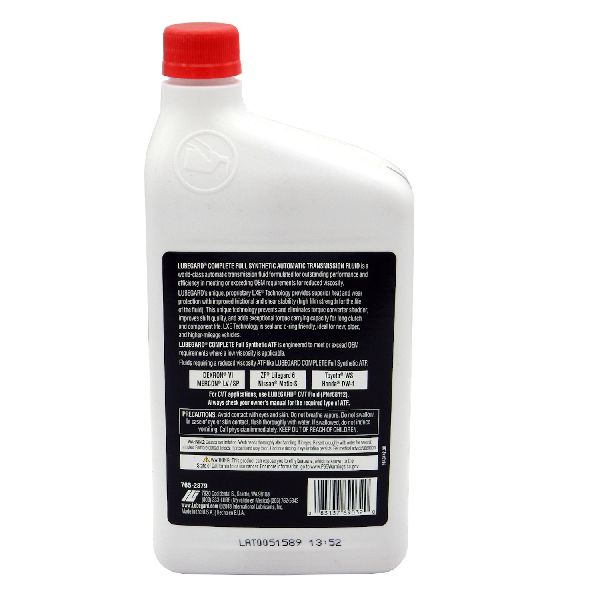
- Low or Degraded Transmission Fluid 🔴 High Probability Fluid level can drop due to minor leaks over time from pan gaskets, seals, or cooler lines. Fluid also breaks down with high mileage and heat, losing its hydraulic properties. The 4R70W/4R75E transmissions require MERCON V fluid, while the 6R80 uses MERCON LV. Using the wrong fluid can cause shifting problems.
How to confirm: For 4R70W/4R75E, check the dipstick with the engine running 🎬 Watch: How to check your transmission fluid level correctly. and transmission warm. The fluid should be at the correct level, bright red, and not smell burnt. For the 6R80, there is no dipstick; the level must be checked via a fill plug on the side of the transmission case, which is a more involved process. 🎬 See this walkthrough for checking fluid on the 6R80 transmission.
Typical fix: Perform a transmission fluid and filter change using the correct Motorcraft fluid type. If the fluid was very low, the source of the leak must be found and repaired.
Est. part cost: $70-$180 - Failing Shift Solenoid 🟡 Medium Probability The electronic solenoids that control hydraulic pressure for shifts can wear out or fail electrically over many cycles. Manufacturer service bulletins such as TSB 26-2046 and TSB 25-2018 note that P0733 can be stored in the PCM or TCM alongside various solenoid-specific codes.
How to confirm: A diagnostic scan tool can sometimes detect solenoid-specific circuit codes. A technician can also test the solenoid's resistance or command it on/off with a bidirectional scanner. This part is located inside the transmission oil pan and requires draining the fluid to access.
Typical fix: Replace the faulty shift solenoid. For 4R70W/4R75E transmissions, this is often the dual-pack shift solenoid (controlling gears 1-2 and 2-3). For the 6R80, solenoids are typically replaced as a complete pack or as part of the mechatronic/lead frame assembly.
Est. part cost: $50-$300 - Worn Internal Clutch Pack or Band 🟡 Medium Probability This is a common failure on higher-mileage transmissions. In the 4R70W/4R75E, the friction material on the direct clutch (which engages 3rd gear) wears out and can no longer hold pressure. A worn intermediate band can also cause this issue. TSB 24-2254 indicates that ratio codes like P0733 may be due to axial movement of the CDF clutch cylinder.
How to confirm: This is often a diagnosis of exclusion. If fluid and solenoids are good, but the slip persists, internal failure is likely. A transmission pressure test can confirm a hydraulic leak in the 3rd gear circuit. Dark, burnt fluid with clutch material in the pan is a strong indicator.
Typical fix: The transmission must be removed and rebuilt to replace the worn clutch packs, seals, and any other damaged components. Often, a remanufactured transmission is installed for a quicker turnaround.
Est. part cost: $1800-$4000
Rare But Worth Checking
- Clogged Transmission Filter: A filter clogged with debris can starve the transmission of fluid pressure, causing slipping. This is often a symptom of a larger internal failure where clutch material has contaminated the system.
- Faulty Valve Body: The valve body directs hydraulic fluid. A crack, warp, or stuck valve can cause pressure loss to the 3rd gear clutch pack. On 4R70W/E transmissions, the pressure regulator (PR) valve bore can wear, causing low line pressure. On 6R80 models, the entire mechatronic unit may be at fault. TSB 25-2302 lists P0733 as a code that may be stored in the PCM or TCM due to internal control issues.
- Faulty Molded Lead Frame (6R80): On 2009-2010 models with the 6R80, the lead frame, which contains the OSS and TSS sensors and connects to the solenoids, can develop cracks in its internal connections. This can cause erratic signals, leading to incorrect ratio codes. Ford issued TSBs for this issue on later model years.
- Faulty Output Shaft Speed (OSS) or Turbine Shaft Speed (TSS) Sensor: While less common than a mechanical slip, a failing speed sensor can send incorrect data to the PCM, leading to a miscalculation of the gear ratio. This would typically be accompanied by other speed sensor-specific codes (like P0720 or P0722).
Diagnosis Steps
- Check the transmission fluid level and condition. Note any burnt smell or dark color. For 4R70W/E, use the dipstick. For 6R80, use the fill plug procedure.
- Use an OBD-II scanner to check for any other pending or stored transmission codes, paying close attention to solenoid or speed sensor codes.
- If fluid is low, top it off with the correct type (MERCON V for 4R70W/E, MERCON LV for 6R80), clear the codes, and test drive to see if the problem returns. If it does, look for leaks.
- If the fluid is old or burnt, perform a transmission fluid and filter change.
- If the problem persists, use an advanced scan tool to monitor the Turbine Speed Sensor (TSS) and Output Speed Sensor (OSS) data while driving. Observe for a spike in TSS RPM with little change in OSS RPM during the 2-3 shift, which visually confirms the slip.
- Test the operation and resistance of the shift solenoids. This requires dropping the transmission pan for access.
- For 6R80 models, inspect the lead frame connector for fluid intrusion and consider testing the lead frame itself if speed sensor codes are also present.
- If solenoids and wiring are confirmed to be good, perform a transmission line pressure test to check for internal hydraulic leaks in the 3rd gear circuit.
- If pressure tests fail for the 3rd gear circuit, this confirms an internal mechanical failure (e.g., worn direct clutch) requiring a transmission rebuild or replacement.
Parts You'll Likely Need
- Transmission Fluid and Filter Kit
(OEM #Motorcraft FT-105 (Filter, 4R70W/4R75E), Motorcraft XT-5-QMC (MERCON V Fluid), Motorcraft XT-10-QLVC (MERCON LV Fluid, 6R80))— This is the first and most common fix. Old, burnt, or low fluid is the leading cause of slipping.
Trusted brands: Motorcraft
OEM price range: $80-$180
Aftermarket price range: $50-$100 - Shift Solenoid Pack
(OEM #F8AZ-7G484-AA (Dual Shift Solenoid, 4R70W/E '98-'08))— The solenoid controlling the 2-3 shift can fail, preventing proper gear engagement. It's a common electronic failure point.
Trusted brands: Motorcraft, Rostra, Bosch
OEM price range: $80-$160
Aftermarket price range: $50-$90
Related Codes That Often Appear With This One
- P0731 — Incorrect Gear Ratio in 1st gear. Seeing multiple ratio codes often points to a systemic issue like low fluid, a failing torque converter, or a major internal hydraulic leak.
- P0732 — Incorrect Gear Ratio in 2nd gear. When seen with P0733, it strongly suggests a widespread hydraulic issue or major internal wear affecting multiple clutch packs.
- P1728 — A Ford-specific code for 'Transmission Slip Error,' which is a more general confirmation of the slipping condition detected by P0733.
- P0720 / P0722 — Output Speed Sensor circuit codes. If seen with P0733, this could point to a faulty sensor or a wiring issue, particularly on 6R80 transmissions with lead frame problems.
Technical Service Bulletins (TSBs) & Recalls
- While no specific TSB for P0733 on this exact year range was found, related TSBs for the 6R80 transmission on slightly later models (e.g., TSB 14-0027, TSB 13-6-8) address lead frame failures causing speed sensor codes and erratic shifting, which are relevant to diagnosing P0733 on 2009-2010 models.
- Manufacturer service bulletins TSB 26-2046, TSB 25-2018, and TSB 25-2302 explicitly list P0733 as a diagnostic trouble code that may be stored in the powertrain control module (PCM) or transmission control module (TCM) due to various internal transmission faults.
Platform-Specific Known Issues
- For the 4R70W/4R75E, wear in the direct clutch servo bore within the transmission case can cause a hydraulic leak that leads to P0733. This requires specialized tools to repair, even if the transmission is not fully removed.
- On 6R80 transmissions from 2009-2010, the early mechatronic units and lead frames were known to have higher failure rates. A common symptom is harsh shifting or getting stuck in gear when hot, which can be related to P0733.
Mechanic-Grade Diagnostic Values
- 4R75W Dual Shift Solenoid Resistance — expected: Pin 1 to 2: ~49-51 Ohms. Pin 2 to 3: ~24-26 Ohms. Pin 1 to 3: ~24-26 Ohms.. Failure: Readings significantly outside these ranges indicate a failed solenoid coil.
- 4R75W TCC Solenoid Resistance — expected: ~13.5 Ohms. Failure: A reading far from this value suggests a faulty TCC solenoid.
- 6R80 Shift Solenoid E (SSE) Resistance (On/Off type) — expected: ~10.5 Ohms for units built before Nov 4, 2010. ~18 Ohms for units built after Nov 3, 2010.. Failure: An incorrect resistance value for the build date indicates a faulty or mismatched solenoid.
- 6R80 Line Pressure (General) — expected: The 6R80 valve body inherently limits pressure to the intermediate clutch (used for 2nd and 6th gear) to approximately 116 PSI.. Failure: While not directly for 3rd gear, this value provides context for the transmission's hydraulic limits. A pressure test showing significantly low pressure in the 3rd gear circuit would point to an internal leak.
Scan Tool Commands That Help
- Ford IDS / FORScan: Clear Transmission Adaptive Tables — This should be performed after replacing major transmission components like the valve body, solenoids, or a full rebuild. It forces the PCM/TCM to relearn shift pressures and timing from a baseline, which is critical for proper shift quality after a repair.
- Ford IDS / FORScan: Solenoid Body Strategy Reprogramming — When replacing the valve body or mechatronic/lead frame assembly on a 6R80, the new unit will have a specific 13-digit solenoid strategy ID. This ID must be programmed into the PCM to ensure the control module uses the correct calibration for the new solenoids. Failure to do so will result in harsh or incorrect shifting.
Wiring & Ground Locations
- C175T (4R70W/4R75E) / C1575 (6R80) — This is the main 16-pin (4R70W/E) or 15-pin (6R80) electrical harness connector on the passenger side of the transmission case.. This is the primary point for testing electrical continuity and resistance of all internal transmission components (solenoids, sensors) from outside the transmission. A pinout diagram for this connector is essential for diagnosing electrical faults without dropping the pan.
- Bulkhead Connector Sleeve (6R80) — This is the plastic sleeve that the main harness connector (C1575) plugs into, which passes through the transmission case to the lead frame.. This sleeve is a common leak point. Fluid leaking from this sleeve can wick up into the harness, causing corrosion and intermittent electrical issues. Ford issued a TSB (11-3-25) for this problem. A visual inspection for fluid here is a key diagnostic step.
- PCM Ground — Key grounds for the PCM are typically located on the firewall in the engine bay and on the inner fender aprons.. A poor ground connection to the Powertrain Control Module (PCM) can cause erratic sensor readings and incorrect command signals to the transmission solenoids, potentially leading to incorrect ratio codes.
Real Owner Repair Stories
- Ford F150 Forum thread (2009 F-150 5.4L with 6R80, 180k miles) — Went into limp mode (wrench light) with codes P0741 (TCC) and P0735 (5th gear incorrect ratio).
❌ Tried (didn't work) The owner inspected the valve body and fluid, which appeared clean with no metal shavings.
✅ What actually fixed it The owner tested the solenoids, found one or two that did not meet resistance specifications, replaced them and a pump seal, and the transmission worked correctly afterward for about $150 in parts. - NHTSA ODI #11151751 — An owner reported that the PCM sets code P0733 when it detects a greater difference between the rotational speed of the input RPM sensor and the transmission output RPM sensor than expected.
OEM Part Supersession History
AL3Z-7G276-A, AL3Z-7G276-B→AL3Z-7G276-D— Updated design for the molded lead frame in the 6R80 transmission to address common failures of the integrated speed sensors and electrical connection integrity.
Heads up: When replacing the lead frame, the solenoid body strategy ID must be reprogrammed into the PCM for the transmission to function correctly.
Model Year Variations Within This Range
- 2001-2008 (4R70W/4R75E): Beginning in 2001, a two-bolt stiffener plate under the 2-3 accumulator was removed. This change makes these later models more susceptible to separator plate flexing and cross-leaks between the forward and direct clutch circuits, which can manifest as shifting issues.
- 2009 (6R80): The 2009 model year 6R80 saw several internal design changes compared to the earlier 6R60/75. The turbine shaft was made larger with three sealing rings instead of two, the D1 regulator valve spring was removed from the valve body, and the spacer plate design was changed. These parts are not interchangeable with earlier or later designs.
- 2010 (6R80): For the 6R80, a change was made to the Shift Solenoid E (SSE) on units built after November 3, 2010. The resistance changed from ~10.5 ohms to ~18 ohms. The solenoids are not interchangeable.
Diagnostic Flowchart
Other Known Issues on This Vehicle
Issues unrelated to this code that are worth knowing about as an owner of this generation:
- Ford 5.4L 3V Triton Cam Phaser Failure 🔴 High — Extremely common on 2004-2010 models with the 5.4L 3V engine, often starting after 80,000 miles. Causes a diesel-like ticking/knocking noise at idle. (Ref: Multiple TSBs exist. This is a well-documented design flaw.)
- Fuel Pump Driver Module (FPDM) Corrosion 🔴 High — Very common on 2004-2008 models. The module is mounted directly to the steel frame above the spare tire, causing the aluminum housing to corrode and fail, resulting in a no-start or stalling condition. (Ref: No recall, but updated parts include spacers to prevent direct contact with the frame.)
- Integrated Wheel End (IWE) 4x4 Actuator Failure 🟠 Medium — Common across 4x4 models. A faulty IWE solenoid or vacuum leaks cause the front hubs to partially engage, creating a grinding noise while driving in 2WD that often disappears in 4WD. (Ref: Ford released an updated solenoid with a rain shield to prevent water intrusion, a common cause of failure.)
- Spark Plug Breakage (5.4L 3V Engine) 🔴 High — A notorious issue on 2004-2008 5.4L 3V engines. The two-piece spark plug design can cause the lower portion to seize in the cylinder head and break off during removal, requiring a special extraction tool. (Ref: Ford issued TSB 08-7-6 with a specific removal procedure to minimize breakage.)
- Cracked Exhaust Manifolds 🟠 Medium — Common on V8 models, particularly the 5.4L. Manifolds can develop cracks that cause an exhaust leak, resulting in a ticking noise that is most noticeable on a cold start and may quiet down as the engine warms up.
Used vs. New Parts: Buying Guide for This Vehicle
When a used part is the smart pick: A complete used transmission from a low-mileage, verified running and driving donor vehicle can be a cost-effective alternative to a rebuild, especially for the 4R70W/4R75E. It is a gamble, but can pay off if the donor vehicle's history is known.
Donor-vehicle mileage cap: roughly under 80000 miles for the part to have meaningful remaining life.
What to inspect on the donor part:
- Check the fluid from the donor transmission. It should be bright red and not smell burnt.
- Ask for a video of the donor vehicle running and driving, if possible.
- Inspect the transmission case for cracks or heavy corrosion.
- Check the electrical connector pins for damage or corrosion.
OEM-only on this vehicle (don't cheap out):
- Molded Lead Frame (6R80): While some aftermarket options exist, the OEM Ford part (latest revision) is highly recommended due to the complexity and high failure rate of this component.
- Valve Body Separator Plate: Due to precise calibration and bonded gaskets, using an OEM or a reputable transmission-specific aftermarket brand like Sonnax is critical.
Aftermarket brands forum-validated for this vehicle:
- Sonnax: For valve body repair kits, oversized valves, and accumulator repair solutions.
- Rostra: For replacement shift solenoids.
- Exedy: For performance/heavy-duty clutch rebuild kits.
Brands owners have reported issues with on this vehicle:
- Unbranded, no-name electronic parts like solenoids or lead frames from online marketplaces. These often have high failure rates and incorrect calibrations.
Related OBD-II Codes
Frequently Asked Questions
My F-150 is a 2009 with the 6-speed transmission. Are there any specific known issues that could cause a P0733 code?
What type of transmission fluid should I use for my 2000-2010 F-150?
I can't find the transmission dipstick on my F-150. How do I check the fluid level?
My mechanic suspects a worn 'direct clutch' is causing the P0733 code. Is this a common problem on these trucks?
Besides the Check Engine Light, what other warning lights might come on with a P0733 code?
My truck has code P0733, but reverse still works. What does that suggest?
Helpful Videos
Used OEM Parts in Stock

New Aftermarket Parts Available

The information in this article is provided for general reference and educational purposes only. Vehicle specifications, procedures, and part compatibility can vary by production date, trim level, and region. Always consult your vehicle's factory service manual and verify part numbers before purchasing or performing repairs. Safety-critical components such as airbags, seat belts, and braking systems should be installed by a qualified professional.
- Ford F-150:
- 🎬 Helpful Videos
- 🛍️ Shop This Part
- What's Unique About the 2000-2010 Ford F-150
- Symptoms You May Notice
- Most Likely Causes
- Rare But Worth Checking
- Diagnosis Steps
- Parts You'll Likely Need
- Related Codes That Often Appear With This One
- Technical Service Bulletins (TSBs) & Recalls
- Platform-Specific Known Issues
- Mechanic-Grade Diagnostic Values
- Scan Tool Commands That Help
- Wiring & Ground Locations
- Real Owner Repair Stories
- OEM Part Supersession History
- Model Year Variations Within This Range
- Diagnostic Flowchart
- Other Known Issues on This Vehicle
- Used vs. New Parts: Buying Guide for This Vehicle
- Related OBD-II Codes
- Frequently Asked Questions
- 🎟️ Get 5% Off