

P0730 on 2008-2009 Pontiac G8: Incorrect Gear Ratio Causes and Fixes
On a 2008-2009 Pontiac G8, code P0730 indicates a transmission gear ratio error, meaning the transmission is slipping. For V8 models with the 6L80 transmission, this is very often caused by a failing torque converter that contaminates the transmission with debris, usually requiring a full rebuild or replacement. For all models, checking for low or burnt transmission fluid is the first step.
- P0730 means your G8's transmission is slipping and requires immediate attention.
- For V8 models, the most likely cause is a failed torque converter, which usually requires a full transmission rebuild or replacement.
- The first and most important diagnostic step is to check the transmission fluid for level, color, smell, and especially for metallic debris.
- Do not continue to drive the vehicle, as this can cause catastrophic and expensive damage.
- Due to the complexity and common failure patterns, this repair should be handled by a professional transmission specialist.
What's Unique About the 2008-2009 Pontiac G8
The Pontiac G8 was equipped with two different automatic transmissions: a 5L40-E for the V6 model and a 6L80 for the V8 models (GT/GXP). On the V8 models, the 6L80 transmission has a well-documented history of torque converter failures. The lock-up clutch within the stock torque converter is a known weak point that can wear out and send metallic debris throughout the entire transmission, leading to a cascade of failures including a clogged valve body, damaged oil pump, and burnt clutches (especially the 3-5-R clutch pack), which ultimately triggers the P0730 code.
Symptoms You May Notice
- Check Engine Light is on
- Transmission slipping between gears
- Harsh or delayed shifting
- Vehicle may enter "limp mode," stuck in one gear
- Noticeable loss of acceleration
- Higher than normal engine RPM at a steady speed
- A shuddering or vibration feeling, especially during light acceleration (common with torque converter failure)
- Decreased fuel economy
- Grinding or "coffee grounds" like material found in the transmission pan
- Replacing only the torque converter without rebuilding or flushing the rest of the transmission when metal debris is present.
- Replacing individual shift solenoids when the root cause is widespread contamination from a failed torque converter.
- Mistaking a severe transmission slip for an engine misfire problem.
Most Likely Causes
- Failing Torque Converter (V8 Models with 6L80 Transmission) 🔴 High Probability The original equipment (OEM) torque converter in the 6L80 transmission has a clutch that is prone to premature wear and failure, where the friction material delaminates and flakes off. This failure releases metal shavings and debris into the transmission fluid, a problem noted in multiple GM TSBs.
How to confirm: The most definitive sign is finding significant metallic debris or a "glitter" appearance in the transmission fluid and pan. A professional can also perform a torque converter stall speed test. The presence of code P0741 is also a strong indicator.
Typical fix: This failure almost always requires a complete transmission rebuild or replacement, along with a new, often upgraded (billet), torque converter. Simply replacing the converter is not enough, as the debris will have damaged other internal components like the pump, TEHCM, and 3-5-R clutch pack.
Est. part cost: $1500-$4000 - Low or Burnt Transmission Fluid 🟡 Medium Probability
How to confirm: Check the transmission fluid level and condition via the dipstick (if equipped) or service plug. The fluid should be at the correct level, pink/red in color, and not have a burnt smell. Low fluid reduces hydraulic pressure needed for clutch engagement.
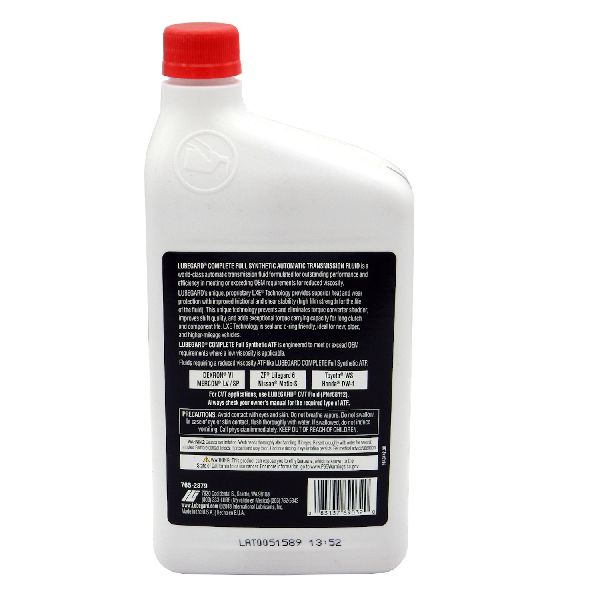
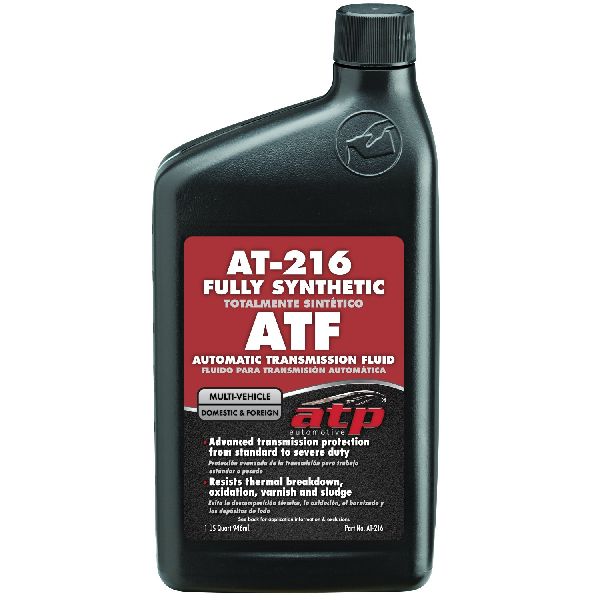
Typical fix: If the fluid is low, top it off with DEXRON-VI and inspect for leaks. If it's dark, burnt, or contains debris, a fluid and filter change is a starting point, but it often indicates a more serious internal problem has already begun.
Est. part cost: $50-$200 - Failed Shift Solenoid or Valve Body (TEHCM) 🟡 Medium Probability Debris from a failing torque converter can clog and damage the solenoids and intricate passages within the valve body and the integrated Transmission Electro-Hydraulic Control Module (TEHCM). This prevents correct hydraulic pressure from being routed to engage gears.
How to confirm: A professional scan tool can command individual solenoids to check for response. Inspecting the valve body for scoring and clogged passages is necessary if fluid contamination is found. Specific solenoid performance codes may also be present.
Typical fix: Replacement of the specific faulty solenoid or the entire valve body/TEHCM assembly. The transmission pan must be removed for access. This is often done as part of a full rebuild if contamination is the cause.
Est. part cost: $300-$1200 - Worn Internal Clutch Packs ⚪ Low Probability On the 6L80, the 3-5-R clutch pack is particularly susceptible to damage from the debris shed by a failing torque converter. General wear over high mileage can also cause this.
How to confirm: This is typically diagnosed by a transmission specialist through pressure tests and inspection after disassembly. Burnt, dark fluid is a strong indicator of clutch material failure.
Typical fix: Requires a complete transmission rebuild to replace the worn clutch plates and seals.
Est. part cost: $1000-$2500 (as part of a rebuild)
Rare But Worth Checking
- Faulty Input/Output Speed Sensors: While less common than other causes, a failing speed sensor can send incorrect data to the TCM, causing it to miscalculate the gear ratio and trigger the code.
- Cracked 1-2-3-4 / 3-5-R Clutch Housing (6L80): GM TSB 09-07-30-004J notes that a fracture in the clutch housing can cause pressure loss, leading to slips, delayed engagement, and setting codes like P0776, which can be related to a P0730 condition.
Diagnosis Steps
- Check the transmission fluid level and condition. Look for a low level, burnt smell, or a metallic 'glitter' in the fluid. This is the most critical first step.
- Use an advanced scan tool to read the freeze frame data and see when the code was set. Check for other related transmission codes, especially P0741.
- If fluid is clean and at the correct level, perform a road test while monitoring live data from the input and output speed sensors to confirm the slip.
- If fluid is contaminated with metal, drop the transmission pan for inspection. Significant debris confirms a catastrophic internal failure, likely originating from the torque converter.
- If no major debris is found, a transmission specialist may perform hydraulic pressure tests to isolate the issue to a specific clutch circuit, solenoid, or the valve body.
- Test the torque converter stall speed to check for excessive slippage.
Parts You'll Likely Need
- Remanufactured Transmission Assembly
(OEM #19328917 (May vary by specific application, verify with VIN))— For V8 models with a failed torque converter, contamination makes a full replacement the most reliable and often most cost-effective long-term solution.
Trusted brands: ACDelco, Monster Transmission, Jasper, Quantum Gear
OEM price range: $3000-$4500
Aftermarket price range: $2500-$4000 - Upgraded Torque Converter — The OEM torque converter is a known failure point on the 6L80. An upgraded unit with a billet front cover is highly recommended during any transmission work to prevent a repeat failure.
Trusted brands: Circle D, Yank, Precision Industries
OEM price range: $400-$600
Aftermarket price range: $500-$1200 - Transmission Filter and Gasket Kit
(OEM #ACDelco TF913 (GM #24236933))— This is required for any job that involves dropping the transmission pan, such as a fluid change or valve body replacement.
Trusted brands: ACDelco, ATP, Wix
OEM price range: $40-$70
Aftermarket price range: $25-$50
Related Codes That Often Appear With This One
- P0741 — This code indicates 'Torque Converter Clutch Circuit Performance or Stuck Off.' It frequently appears alongside P0730 on 6L80-equipped vehicles, pointing directly to the torque converter as the likely culprit.
- P0731-P0736 — These codes specify an incorrect ratio in a particular gear (e.g., P0731 for 1st gear). P0730 is a general code, while these are more specific, but they all point to a slipping condition.
- P0776 — This code for 'Clutch Pressure Control (PC) Solenoid 2 Stuck Off' can be triggered by internal housing cracks or debris, which are also root causes for P0730.
Technical Service Bulletins (TSBs) & Recalls
- GM TSB 09-07-30-012E: Addresses torque converter clutch shudder on 6L80 transmissions, which is a precursor to failure.
- GM TSB 08-07-30-021H: Addresses loss of high-speed GMLAN communications which can be caused by backed-out terminals in the main transmission connector, leading to various shifting issues and codes.
Platform-Specific Known Issues
- On V8 models with the 6L80 transmission, the failure of the torque converter clutch is the most common cause of P0730. This failure contaminates the fluid with metal particles, which then destroys the pump, valve body (TEHCM), and clutches, necessitating a full rebuild.
- A user on g8board.com described their 2009 G8 GT throwing a P0730 code, which was ultimately diagnosed as a failed torque converter requiring a full transmission rebuild. This is a common story on owner forums.
- The V6 models use a 5L40-E transmission, which is generally more reliable but can still suffer from solenoid failures or worn internal components that can trigger a P0730, though it is far less common than the 6L80 torque converter issue.
Mechanic-Grade Diagnostic Values
- 6L80 Pressure Control Solenoid (PCS) and TCC Solenoid Resistance — expected: 3.0 - 5.5 ohms at 70°F (21°C).. Failure: A reading outside this range indicates a faulty solenoid coil.
- 6L80 Shift Solenoid (On/Off type) Resistance — expected: 20 - 40 ohms.. Failure: A reading outside this range indicates a failed solenoid.
- 6L80 Line Pressure at Idle (in Park/Neutral) — expected: Approximately 45-80 psi.. Failure: Significantly lower pressure indicates a weak pump, internal leak, or valve body issue.
- 6L80 Line Pressure at Wide Open Throttle (WOT) Stall — expected: Upwards of 300 psi.. Failure: Failure to reach high pressure under load confirms a major hydraulic issue.
Scan Tool Commands That Help
- Tech2 / GDS2: Solenoid Valve State Control — To command individual shift and pressure control solenoids on and off to check for response. This helps isolate a specific faulty solenoid without disassembly.
- Tech2 / GDS2: Transmission Cleaning Procedure — If a solenoid performance code is present due to suspected debris, this function cycles all solenoids rapidly in an attempt to flush contaminants before replacing the TEHCM.
- Tech2 / GDS2: Transmission Fluid Life Reset — After performing a fluid service, this resets the fluid life monitor in the TCM.
- Tech2 / GDS2: Transmission Adaptive Pressure (TAP) Reset — After replacing the transmission, TEHCM, or torque converter, this function erases the learned shift pressure values, forcing the TCM to relearn them with the new components for optimal shift quality.
Wiring & Ground Locations
- G111 (for 6.0L V8) — On the right side of the engine block, near the front.. This is a primary engine component ground. A poor connection here can cause erratic sensor readings and communication issues between the ECM and TCM, potentially leading to incorrect diagnostic codes.
- G108 (for 3.6L V6) — Located on the right rear of the engine block.. Serves as a critical ground point for the engine control system on V6 models. A loose or corroded ground here can affect TCM communication and sensor data.
- Transmission 16-Way Electrical Connector (X1) — The main harness connector on the passenger side of the transmission case.. GM TSB 08-07-30-021H identifies that terminals for the High-Speed GMLAN communication bus can back out of this connector, causing a loss of communication with the TCM, leading to no-shift conditions, default to 2nd gear, and multiple U-codes along with P0730.
Real Owner Repair Stories
- g8board.com forum user (2009 Pontiac G8 GT (V8)) — Transmission started slipping, then went into limp mode with CEL. Codes P0730 and P0741 were present.
❌ Tried (didn't work) The owner did not attempt DIY repairs and took it to a transmission shop.
✅ What actually fixed it The transmission shop diagnosed a failed torque converter that had sent metal throughout the transmission. The final repair was a complete transmission rebuild with a new, upgraded aftermarket torque converter. The owner reported the car drove perfectly after the rebuild.
OEM Part Supersession History
Various, e.g., 24239647, 24249178→Later PNs like 24256939, 24275873, etc.— GM made several revisions to the 6L80 TEHCM to address common failures, particularly with internal pressure switches and solenoid performance under heat.
Heads up: TEHCMs are year- and model-specific due to hardware and software differences. Installing the wrong TEHCM can result in a no-start condition or immediate limp mode. The module must be programmed to the vehicle's VIN using a J2534 device after installation.
Diagnostic Flowchart
Other Known Issues on This Vehicle
Issues unrelated to this code that are worth knowing about as an owner of this generation:
- Front Radius Rod Bushing Failure 🔴 High — Extremely common, often failing before 60,000 miles. Causes clunking noises from the front suspension, poor braking stability, and wandering steering. (Ref: Multiple TSBs were issued for front-end noises, but no formal recall. Owners often upgrade to aftermarket polyurethane bushings.)
- AFM Lifter Failure (V8 GT Models) 🔴 High — A well-documented problem on the L76 engine where the Active Fuel Management (AFM) lifters can collapse or get stuck, causing a misfire (often P0300), ticking noise, and potential camshaft damage. (Ref: GM TSB PIP4568S addresses this issue, noting misfires on cylinders 1, 4, 6, or 7. The fix often involves replacing all lifters and sometimes the camshaft.)
- Timing Chain Stretch (V6 Models) 🔴 High — The 3.6L LY7 V6 is notorious for premature timing chain stretching, typically occurring between 70,000 and 120,000 miles. It triggers codes like P0008, P0009, P0016, etc. (Ref: GM TSB #12-06-01-009F discusses updated timing chain kits. GM also offered a special coverage adjustment (#11340C) extending the warranty for this specific issue.)
- Ignition Key Can Be Bumped Out of 'Run' 🔴 High — The design of the flip key allows the driver's knee to potentially bump it, turning the engine off while driving. (Ref: Recall 14V540000 was issued to address this safety concern.)
- Sagging Headliner 🟡 Low — Common on cars in warmer climates. The foam backing of the headliner material deteriorates, causing the fabric to detach and sag.
Used vs. New Parts: Buying Guide for This Vehicle
When a used part is the smart pick: For this specific failure (P0730 on a 6L80), a used transmission assembly is an extremely high-risk purchase and is generally not recommended. The likelihood of the donor transmission having the same torque converter issue or being contaminated with debris is very high. A used part only makes sense for external components like brackets, sensors, or the case itself if damaged.
Donor-vehicle mileage cap: roughly under 50000 miles for the part to have meaningful remaining life.
What to inspect on the donor part:
- Check the main 16-pin electrical connector for bent or corroded pins.
- Inspect the input shaft splines for any signs of damage.
- Look into the front pump opening for the two drive lugs; if they are broken or missing, the pump is destroyed.
- If possible, drain the fluid. Any significant amount of metallic debris or a burnt smell is a red flag.
- Check the vent tube to ensure it is not clogged, which can cause pressure buildup and seal failure.
Aftermarket brands forum-validated for this vehicle:
- Torque Converters: Circle D Specialties, Yank, FTI. These brands are frequently recommended on enthusiast forums for their billet construction and improved lock-up clutches.
- Remanufactured TEHCMs: Sonnax is a well-regarded source for remanufactured TEHCMs that address original design flaws.
Brands owners have reported issues with on this vehicle:
- Unbranded, low-cost torque converters from online marketplaces often fail prematurely and may not have properly balanced components.
Real Owner Stories
Aggregated from forums and TSBs cited above. Mileages and costs reflect what owners reported in those sources.
2009 Pontiac G8 GT
Symptoms: The vehicle threw a P0730 code.
What fixed it: The issue was diagnosed as a failed torque converter which required a full transmission rebuild.
Source hint: g8board.com user story mentioned in vehicle_specific_issues
Pontiac G8 GT
Symptoms: Owner experienced a P0730 code and related symptoms.
What fixed it: The diagnosis was a failed torque converter that necessitated a full transmission rebuild.
Source hint: g8board.com thread titled 'Transmission went out... P0730'
Related OBD-II Codes
Frequently Asked Questions
My 2009 G8 GT has a P0730 code. Is this a common problem for the V8 models?
I found metal 'glitter' in my transmission fluid. Can I just replace the torque converter to fix P0730?
What is a TEHCM and how does it relate to the P0730 code on my G8?
My mechanic also found code P0741. What does that mean?
I have a V6 G8. Should I be worried about this P0730 issue?
Does GM TSB 09-07-30-012E mean there is a recall for this problem?
We Have This Part in Stock



The information in this article is provided for general reference and educational purposes only. Vehicle specifications, procedures, and part compatibility can vary by production date, trim level, and region. Always consult your vehicle's factory service manual and verify part numbers before purchasing or performing repairs. Safety-critical components such as airbags, seat belts, and braking systems should be installed by a qualified professional.
- Pontiac G8:
- 🛍️ Shop This Part
- What's Unique About the 2008-2009 Pontiac G8
- Symptoms You May Notice
- Most Likely Causes
- Rare But Worth Checking
- Diagnosis Steps
- Parts You'll Likely Need
- Related Codes That Often Appear With This One
- Technical Service Bulletins (TSBs) & Recalls
- Platform-Specific Known Issues
- Mechanic-Grade Diagnostic Values
- Scan Tool Commands That Help
- Wiring & Ground Locations
- Real Owner Repair Stories
- OEM Part Supersession History
- Diagnostic Flowchart
- Other Known Issues on This Vehicle
- Used vs. New Parts: Buying Guide for This Vehicle
- Real Owner Stories
- 2009 Pontiac G8 GT
- Pontiac G8 GT
- Related OBD-II Codes
- Frequently Asked Questions
- 🎟️ Get 5% Off