

P0706 on 2012-2014 Audi A6: Transmission Range Sensor Fault Causes and Fixes
On a 2012-2014 Audi A6, code P0706 typically points to a failure of the internal transmission range sensor, which is part of the Transmission Control Module (TCM) or mechatronics unit. The most common fix is sending the TCM for repair or replacement, which can cost between $800 and $2,500+ at a qualified shop. This is a well-documented issue on both the S-Tronic (DSG) and Multitronic (CVT) transmissions used in this platform.
- P0706 on a 2012-2014 A6 is not a simple external sensor issue; it points to a known problem inside the transmission's mechatronics unit.
- The most common and cost-effective fix is to have the Transmission Control Module (TCM) removed and rebuilt by a specialist.
- According to an Audi TSB, changing the transmission fluid and filter is a valid first step before attempting a more expensive TCM replacement.
- This is not a DIY-friendly repair. It requires specialized tools, knowledge of Audi transmissions, and careful handling of electronic components.
What's Unique About the 2012-2014 Audi A6

The 2012-2014 Audi A6 (C7 generation) often uses a Multitronic (CVT) or S-Tronic (DSG/DL501) transmission where the range sensor is not a simple, external bolt-on part. Instead, it's integrated into the complex mechatronics unit (the transmission's control center). Audi has issued multiple TSBs for this exact issue, noting a "reaction between the TCM" can cause the fault and even recommending an ATF flush before replacing the module, suggesting fluid contamination can be a contributing factor. [A971550 2034863-, A371664 20348634] This makes the diagnosis and repair a specialized task, unlike on many other vehicles where the sensor is external and easily accessible. The failure mode can also differ; Multitronic (CVT) models are prone to cracked positioner magnets, while S-Tronic (DSG) models more commonly suffer from a failure of the sensor circuit board within the mechatronics unit.
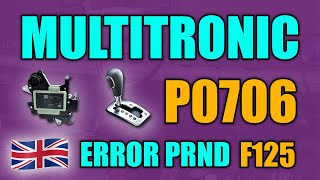
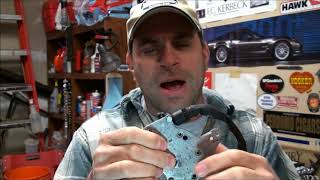
🎬 See why these internal range sensors fail and how they work.Diagnostic Flowchart

Tap your situation to follow the diagnostic path that matches what you're seeing on this vehicle.
Symptoms You May Notice

- "Gearbox malfunction: you can continue driving" message on the instrument cluster.
- Flashing PRNDS (gear selector) indicator lights on the dashboard.
- Vehicle enters 'limp mode,' often stuck in a single gear or feeling like it's in neutral.
- Harsh or delayed engagement when shifting from Park to Drive or Reverse, sometimes with a loud clunk.
- Car may not start, as the computer cannot confirm it is in Park or Neutral.
- Inability to select gears or shifter is stuck in Park.
- Reverse lights may not work.
- Sudden loss of acceleration as the transmission disengages.
- Cruise control may be disabled.
- Replacing the entire transmission. While the fault is internal, it's often confined to the serviceable mechatronics unit, which is much less expensive than a full transmission replacement.
- Replacing the TCM without inspecting the positioner magnets on Multitronic models. A user on the MHH Auto forum reported the P0706 error remained after a TCM replacement, highlighting the need to check other components.
Most Likely Causes

- Internal Failure of the Transmission Control Module (TCM) / Mechatronics Unit 🔴 High Probability As noted in TSB A971550 2034863-, there can be a 'reaction' within the TCM. The range sensor (F125) is integrated into the TCM's circuit board, and failures of this board are a well-documented issue on these transmissions. On S-Tronic (DL501) models, the sensor and wiring harness assembly on the mechatronics unit is a known failure point. For Multitronic models, the fault is often within the TCU itself.
How to confirm: A professional scan tool (like VCDS or ODIS) is needed to read transmission-specific codes and live data. If sensor values for the F125 sensor are missing, illogical, or do not change when moving the shifter, the TCM is the likely culprit.
Typical fix: The TCM/mechatronics unit must be removed from the transmission and sent to a specialist for rebuilding, or replaced with a new/remanufactured unit. For the S-Tronic DL501, a specific repair kit containing the circuit boards and solenoids is available.
Est. part cost: $200-$500 for a rebuild service, $1500-$4000+ for a new unit. A user on Reddit reported being quoted $3,800 for a mechatronic unit replacement including labor at an independent shop. - Contaminated or Degraded Transmission Fluid 🟡 Medium Probability Audi TSB A371664 20348634 specifically advises flushing the Automatic Transmission Fluid (ATF) before replacing the TCM to resolve a P0706 code, indicating that fluid quality can be a direct cause. [A371664 20348634] Debris in the fluid can interfere with the sensitive electronics and sensors within the mechatronics unit.
How to confirm: Check the service history to see when the fluid was last changed (recommended every 40,000 miles for S-Tronic). A visual inspection of the fluid for darkness, metallic debris, or a burnt smell can also indicate a problem.
Typical fix: Perform a complete transmission fluid and filter change using the correct OEM-spec fluid.
Est. part cost: $150-$300 for fluid and filter. - Cracked or Damaged Positioner Magnets (Multitronic CVT) ⚪ Low Probability On the Multitronic VL381 transmission, the Hall effect sensors in the TCM read magnets on a plate to determine gear position. These magnets can develop micro-cracks or chip, leading to an implausible signal, especially when the transmission warms up and the crack expands.
How to confirm: This requires internal inspection of the transmission with the mechatronics unit removed. The magnets must be cleaned (ideally with brake cleaner) and carefully inspected with a light and mirror for cracks or chips.
Typical fix: Replacement of the magnet plate inside the transmission. This should always be checked when the TCM is removed for repair to avoid a repeat failure.
Est. part cost: $100-$200
Rare But Worth Checking
- Wiring Harness or Connector Issues: While less common than internal failure, water intrusion or damage to the main transmission connector or the wiring leading to the TCM can cause this code. A mechanic in one video found corroded wires and a broken wire in the harness leading to the TCM causing P0706 and P1750 codes on an older A6.
Diagnosis Steps
- Scan the Transmission Control Module (TCM) with an Audi-specific scan tool like VCDS or ODIS to confirm P0706 and any other related codes.
- Check transmission fluid level and condition. If the fluid is old, dark, or contaminated, a fluid and filter change should be performed as recommended by TSB A371664 20348634.
- Using the scan tool, monitor the live data for the transmission range sensor (F125) while moving the shifter through all positions (P, R, N, D). If the readings are illogical, absent, or do not change, it points to an internal issue.
- Inspect the main electrical connector at the transmission for any signs of corrosion, moisture, or damaged pins.
- For Multitronic (CVT) models: If the mechatronics unit is removed, it is critical to inspect the internal positioner magnets for cracks or chips before replacing the TCM.
- If the above steps do not resolve the issue, the vehicle needs to be taken to a specialist. They will remove the transmission pan to access and test/replace the mechatronics unit and internal components.
Parts You'll Likely Need

- Transmission Control Module (TCM) Rebuild Service — This is the most common and cost-effective solution. The internal circuit board containing the range sensor fails and can be repaired by a specialist.
Trusted brands: Module Masters, ACTRONICS, ECU Doctor
OEM price range: N/A
Aftermarket price range: $200-$600 - Mechatronics Unit / Transmission Control Module
(OEM #4G0927158AM (example for 2016 A6, verify by VIN))— If the original TCM is not repairable, a complete new or remanufactured unit is required. This is the control center for the transmission. A new unit will require programming by a dealer or specialist.
Trusted brands: Audi Genuine
OEM price range: $2000-$5400+
Aftermarket price range: $1000-$2500 - Mechatronics Repair Kit (for S-Tronic DL501)
(OEM #0B5398048D / 0B5398009F (verify by VIN))— For the 7-speed S-Tronic (DL501) transmission, Audi provides a repair kit that includes the two sensor/wiring circuit boards that are the common failure point. This is a less expensive option than replacing the entire mechatronics unit.
Trusted brands: Audi Genuine, BorgWarner
OEM price range: $400-$600
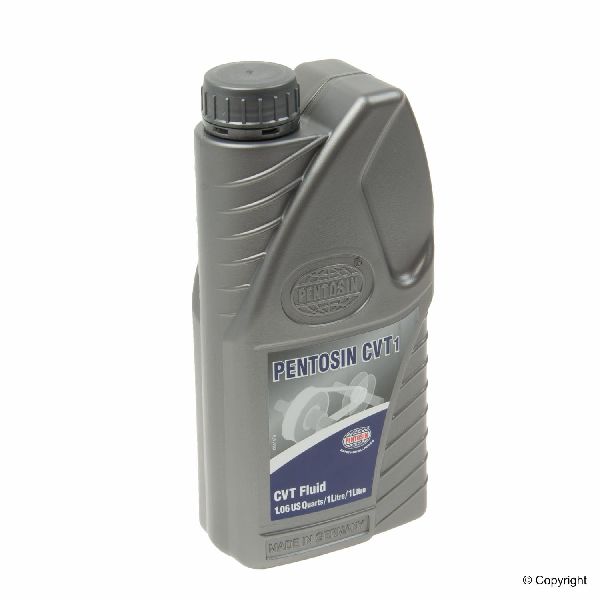
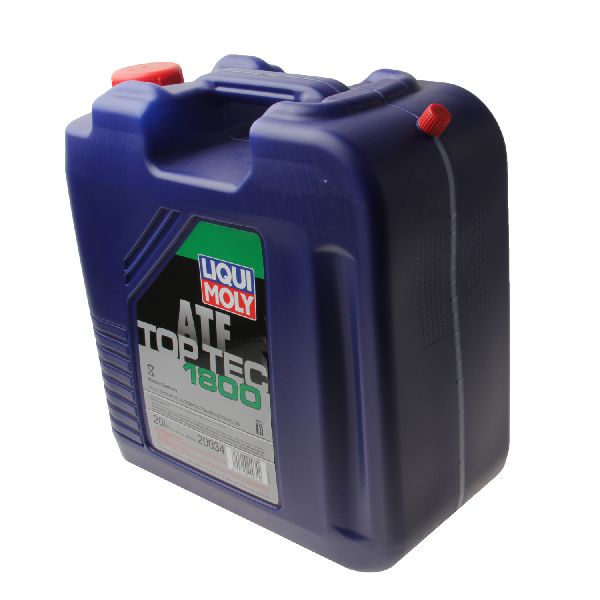
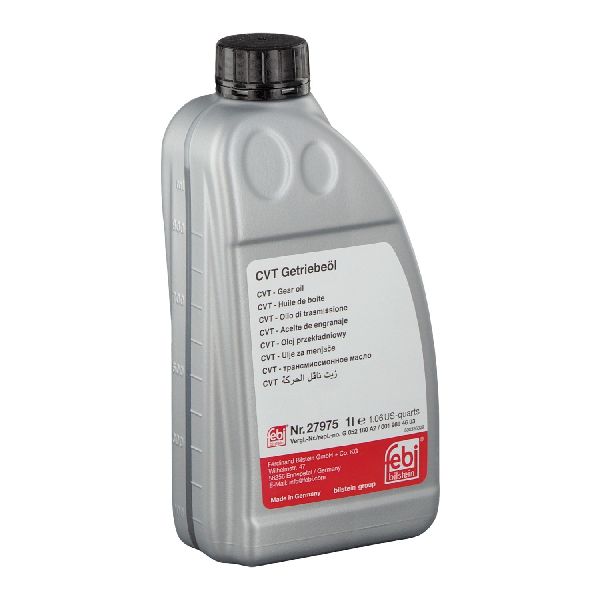
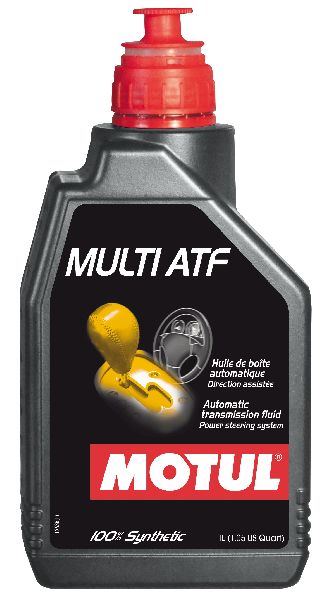
Aftermarket price range: $200-$400 - Automatic Transmission Fluid (CVT or S-Tronic)
(OEM #G052529A2 (S-Tronic example))— Required for any repair involving the mechatronics unit. TSB A371664 20348634 also recommends flushing the fluid as a potential fix.
Trusted brands: Audi Genuine, Febi Bilstein, Liqui Moly
OEM price range: $25-$40 per liter
Aftermarket price range: $15-$25 per liter
Related Codes That Often Appear With This One
- P1750 / 18158 (TCM Power Supply Voltage Low): This can occur alongside P0706 if there is a wiring issue, such as corrosion or a broken wire, affecting the power supply to the transmission control module.
Technical Service Bulletins (TSBs) & Recalls
- A971550 2034863-: Notes customer may report gearbox warning message and DTC P0706 (driving mode sensor, implausible signal) is stored due to a reaction in the TCM.
- A371664 20348634: Describes flushing ATF before replacing the TCM to resolve an issue that causes DTC P0706.
- 37131020348631: Connects DTC P0706 to a 'Gearbox malfunction message in cluster'.
- 37131820348632: Also connects DTC P0706 to a 'Gearbox malfunction message in cluster'.
Platform-Specific Known Issues
- TSB A971550 2034863- explicitly mentions that a 'reaction between the TCM' can cause DTC P0706, pointing to a known internal design or material issue.
- TSB A371664 20348634 recommends flushing the transmission fluid before replacing the TCM, indicating that fluid contamination is a known trigger for this code on this platform.
- On Multitronic (CVT) models, the magnets inside the gearbox that the range sensor reads can crack or chip, causing this fault code. This should be inspected whenever the TCM is removed.
- On S-Tronic (DSG/DL501) models, the failure is typically the printed circuit board/sensor module within the mechatronics unit, which can be replaced with a dedicated repair kit (e.g., part #0B5398048D) without replacing the entire expensive mechatronics assembly.
Mechanic-Grade Diagnostic Values
- Resistance of Clutch Oil Pressure Solenoids (N435, N439) in DL501 S-Tronic — expected: Approx. 15-16 Ohms at 25°C.. Failure: A reading significantly higher (open circuit) or lower (short) than the specification indicates a faulty solenoid.
- Resistance of Gear Actuator Solenoids (N433, N434) in DL501 S-Tronic — expected: Approx. 5 Ohms at 25°C.. Failure: A reading significantly outside this range points to a failure in the solenoid winding.
- Live data from Transmission Range Sensor (F125) in VCDS — expected: The scan tool should show a clear, logical change in position (P -> R -> N -> D) as the gear selector is moved.. Failure: If the displayed gear position does not change, jumps erratically, or shows 'implausible', it confirms a fault in the sensor circuit.
Hidden / Shadow Codes Worth Checking
- 17090 / 001798: This is the VAG-specific manufacturer code that corresponds to the generic OBD-II code P0706, indicating 'Transmission Range Sensor (F125): Implausible Signal'. (see via This code is visible using Audi-specific scan tools like VCDS (VAG-COM) or ODIS, and provides a more direct confirmation of the fault within the VAG ecosystem.)
Scan Tool Commands That Help
- VCDS (VAG-COM) or ODIS: Basic Settings - Group 060 and 061 — This procedure is mandatory after replacing the mechatronics unit or its internal components (like the repair kit). It performs a calibration of the transmission tolerances and synchronization points. The procedure requires specific prerequisites, such as transmission fluid temperature between 30-100°C, engine at idle, and the brake pedal held down.
- VCDS (VAG-COM) or ODIS: Check Measuring Value Block (MVB) 002 — During diagnosis, this MVB group should be monitored to check the plausibility of the four Hall sensors that make up the F125 range sensor. This allows a technician to see the raw data from the sensors to confirm if they are sending an implausible signal.
- VCDS (VAG-COM) or ODIS: Clutch Adaptation / Kiss Point Adaptation — After performing basic settings, a clutch adaptation drive may be necessary to ensure smooth engagement. This involves driving the vehicle in a specific manner to allow the TCM to learn the clutch engagement points.
Wiring & Ground Locations
- Main Transmission Connector (16-pin) — On the side of the transmission housing, where the main vehicle harness connects to the mechatronics unit.. This is the primary electrical interface for the entire mechatronics unit, including the F125 range sensor. Corrosion from water intrusion, damaged pins, or broken wires at this connector can cause P0706 and other transmission codes. Technicians have noted that the wire colors in the vehicle harness may not perfectly match available wiring diagrams, requiring careful pin-to-pin verification.
- Earth Point 386 — Described in wiring diagrams as 'Earth connection 21, in main wiring harness'. The exact physical location can vary but is part of the main vehicle harness loom.. A poor ground connection for the transmission control module or its sensors can cause implausible signals and erratic behavior, leading to codes like P0706. Verifying the integrity of the main harness grounds is a critical diagnostic step.
Real Owner Repair Stories
- YouTube video by 'TTC Automotive' (2004 Audi A6 (older C5 generation, but demonstrates a relevant diagnostic pattern)) — Car in failsafe/limp mode, PRNDS indicator fully illuminated on dash after shifting out of Park.
❌ Tried (didn't work) Cleaning the transmission connector and harness. This fixed code P1750 (TCM Power Supply Voltage Low) which was caused by a broken wire, but the P0706 code immediately returned upon shifting.
✅ What actually fixed it The P0706 code was only resolved after replacing the external transmission range sensor (MLP switch). This story highlights that multiple faults can exist at once (wiring and a failed component) and that fixing one may not resolve all symptoms. - AudiForums.com user (Audi A6 with Multitronic (CVT)) — PRNDS lights flashing, code P0706 present.
❌ Tried (didn't work) Changing the transmission fluid did not resolve the issue. The transmission later began slipping in reverse.
✅ What actually fixed it The user was quoted nearly $2,000 for a TCM rebuild, which was the proposed final fix. The user ultimately decided to sell the car rather than perform the expensive repair, illustrating the high cost associated with this failure.
OEM Part Supersession History
0B5398009F (and others)→0B5398048D— The S-Tronic (DL501) mechatronic repair kit has gone through several revisions. The latest known part number, 0B5398048D, is a comprehensive kit that includes the two printed circuit boards (PCBs) with integrated sensors and wiring, which are the most common failure points for P0706 in this transmission.
Heads up: While older kit numbers may exist, it is critical to use the latest revision (or a high-quality aftermarket equivalent) to ensure durability, as earlier versions may be prone to the same failures. Always verify the correct part number for the specific vehicle VIN.
Helpful Videos
Used OEM Parts in Stock


New Aftermarket Parts Available


The information in this article is provided for general reference and educational purposes only. Vehicle specifications, procedures, and part compatibility can vary by production date, trim level, and region. Always consult your vehicle's factory service manual and verify part numbers before purchasing or performing repairs. Safety-critical components such as airbags, seat belts, and braking systems should be installed by a qualified professional.
- Audi A6:
- 🎬 Helpful Videos
- 🛍️ Shop This Part
- What's Unique About the 2012-2014 Audi A6
- Diagnostic Flowchart
- Symptoms You May Notice
- Most Likely Causes
- Rare But Worth Checking
- Diagnosis Steps
- Parts You'll Likely Need
- Related Codes That Often Appear With This One
- Technical Service Bulletins (TSBs) & Recalls
- Platform-Specific Known Issues
- Mechanic-Grade Diagnostic Values
- Hidden / Shadow Codes Worth Checking
- Scan Tool Commands That Help
- Wiring & Ground Locations
- Real Owner Repair Stories
- OEM Part Supersession History
- 🎟️ Get 5% Off