

P0700 on 2013-2019 Ford Escape: Understanding the Transmission Control System Malfunction
P0700 on a 2013-2019 Ford Escape is an informational code indicating a separate, more specific fault has been stored in the Transmission Control Module (TCM). The most common underlying causes are related to the 6F35 transmission, including a faulty TCM, torque converter shudder, or failed shift solenoids. Diagnosis requires a scanner capable of reading transmission codes.
- P0700 is a messenger code; you must scan the Transmission Control Module (TCM) to find the real problem.
- The 6F35 transmission in the 2013-2019 Escape is known for issues, especially with the TCM, torque converter, and shift solenoids.
- Symptoms often include harsh shifting, shuddering during acceleration, and delayed gear engagement.
- Due to the complexity and need for special tools, diagnosis and repair are best left to a professional mechanic.
- Check for any specific transmission codes (P07xx, U0xxx) before buying any parts.
What's Unique About the 2013-2019 Ford Escape

The 2013-2019 Ford Escape primarily uses the 6F35 automatic transmission, which is known for several common issues that can trigger a P0700 code. These transmissions are prone to problems like torque converter shudder, premature solenoid failure, and, most notably, failure of the Transmission Control Module (TCM) itself. A class-action lawsuit has been filed concerning the reliability of the 6F35 transmission in Ford Escape and Fusion models, highlighting widespread owner complaints about shuddering, hesitation, and premature failure.
Symptoms You May Notice
- Check Engine Light is on
- Harsh, erratic, or delayed shifting
- Vehicle shudders or jerks during acceleration, especially between 35-45 mph.
- Transmission slipping between gears.
- Inability to accelerate or delayed response from a stop.
- Getting stuck in one gear (limp mode).
- A whining or clunking noise from the transmission.
- Reduced fuel economy.
- Grinding feeling through the gas pedal during shudder events.
- Engine stalling when shifting or stopping.
- Replacing only the Engine Control Module (ECM) without addressing the underlying transmission codes.
- Clearing the P0700 code without scanning the TCM for the specific fault codes, leading to the problem returning.
- Assuming the transmission is failing and needs a full rebuild when the issue is a less expensive component like a single solenoid or the TCM itself.
Most Likely Causes


- Faulty Transmission Control Module (TCM) 🔴 High Probability The TCM on the 6F35 transmission is often mounted directly to the transmission or is part of the valve body assembly, exposing it to significant heat and vibration which can lead to internal electrical failures over time. Unlike some GM applications of the sister 6T40 transmission, the 6F35's TCM is external.
How to confirm: After ruling out other causes, a diagnostic scan tool may show a loss of communication with the TCM (e.g., code U0100 or U0101) or a professional may test the module directly. Inability to communicate with the TCM via a scan tool is a strong indicator of failure. Check fuse F38 in the main engine fuse box.
Typical fix: Replace the Transmission Control Module. This often requires programming the new module's solenoid strategy to the specific vehicle using a tool like FORScan or Ford's IDS.
Est. part cost: $70-$590 - Failing Torque Converter or Torque Converter Clutch (TCC) Solenoid 🟡 Medium Probability The 6F35 transmission is known for torque converter issues, including clutch shudder and bearing wear, which can contaminate the fluid and cause other components to fail. This is a very common failure mode for this transmission.
How to confirm: A common symptom is a shudder or vibration at speeds between 35-45 mph. A technician can monitor torque converter lock-up and slip speed with a diagnostic scanner to confirm excessive slip. If the shudder goes away when flooring the accelerator, it strongly points to TCC shudder.
Typical fix: In minor cases, a transmission fluid flush and an anti-shudder additive may help temporarily, though some owners report this makes the issue worse. In most cases, the torque converter needs to be replaced.
Est. part cost: $200-$600 - Failed Internal Shift Solenoid 🟡 Medium Probability Solenoids within the 6F35 transmission can wear prematurely or fail due to contaminated fluid, leading to specific shifting problems. Shift solenoid 'B' is a known common failure point causing delayed 2-3 shifts or delayed reverse engagement.
How to confirm: A scan of the TCM will reveal specific solenoid-related trouble codes (e.g., P0746, P075x). The faulty solenoid can be tested for proper electrical resistance using a multimeter. The solenoids are located on the valve body, accessible after removing the side pan.
Typical fix: Replace the faulty shift solenoid. This is typically done by removing the transmission oil pan and valve body cover. After replacement, the transmission's adaptive learning tables should be cleared.
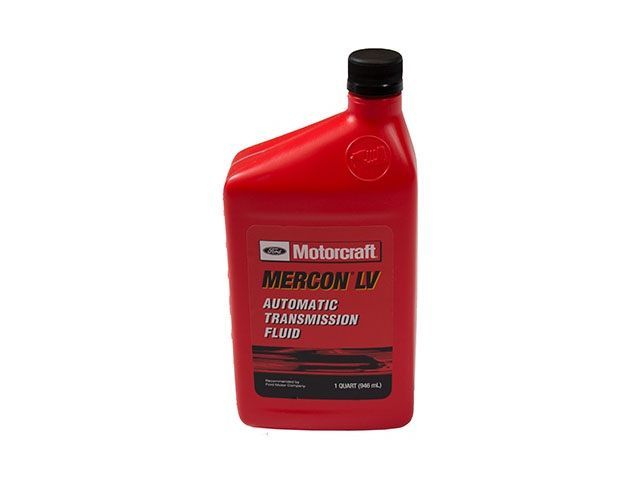
Est. part cost: $50-$150 per solenoid - Low or Degraded Transmission Fluid ⚪ Low Probability The 6F35 transmission fluid (Mercon LV) can break down quickly, and the transmission is sensitive to the fluid level. Leaks can also occur, such as from the left side halfshaft seal as noted in TSB 16-0043, which is caused by a worn transmission case bushing.
How to confirm: Check the transmission fluid level and condition. The fluid should be bright red and not have a burnt smell or contain metal particles. Note that these vehicles do not have a dipstick, requiring a technician to check the level via a check/fill plug on the side of the transmission.
Typical fix: Perform a transmission fluid drain-and-fill or a full fluid flush. Repair any leaks found. If TSB 16-0043 applies, the case bushing and seal must be replaced.
Est. part cost: $100-$300 for a fluid service
Rare But Worth Checking
- Damaged Wiring Harness: Wiring to the transmission can be damaged by road debris, improper repairs, or corrosion, leading to communication errors or sensor faults. This should be inspected if communication codes are present.
- Failed Valve Body: Contaminated fluid can cause wear or sticking in the intricate passages of the valve body, leading to multiple shifting issues and solenoid codes. Sometimes the entire valve body assembly with solenoids is replaced.
Diagnosis Steps
- Connect an advanced OBD-II scanner capable of reading manufacturer-specific codes from the Transmission Control Module (TCM).
- Record all codes stored in both the ECM (Engine Control Module) and the TCM. The P0700 in the ECM will be accompanied by more specific codes in the TCM.
- Analyze the specific TCM codes. These will point to the actual fault (e.g., a specific solenoid, sensor, or circuit).
- Check the transmission fluid level and condition via the check/fill plug on the side of the transmission. Fluid should be at the correct level, bright red, and free of debris or a burnt smell.
- Inspect the transmission wiring harness and connectors for any visible damage, corrosion, or loose connections.
- Follow the specific diagnostic procedure for the codes found in the TCM. This may involve testing the resistance of solenoids, checking sensor voltages, or monitoring live data like torque converter slip speed during a test drive.
- If communication with the TCM is not possible (often accompanied by a U0101 code), verify power and ground to the TCM. Check fuse F38 in the engine bay fuse box. If power and ground are good, the TCM itself has likely failed.
- If a leak is present on the driver's side, inspect for the worn halfshaft seal and case bushing issue described in TSB 16-0043.
Parts You'll Likely Need
- Transmission Control Module (TCM) — This is a very common failure point for the 6F35 transmission in this vehicle, leading to a wide range of shifting problems and communication codes.
Trusted brands: Motorcraft
OEM price range: $400-$800
Aftermarket price range: $200-$500 - Torque Converter — A frequent cause of shuddering and eventual transmission damage if not addressed.
Trusted brands: Motorcraft
OEM price range: $400-$700
Aftermarket price range: $200-$400 - Shift Solenoid — Individual solenoids can fail, causing specific, repeatable shifting issues. Replacing the faulty solenoid is much cheaper than a full transmission rebuild.
Trusted brands: Motorcraft, Bosch
OEM price range: $80-$150
Aftermarket price range: $40-$90
Related Codes That Often Appear With This One
- U0100 — Indicates a 'Lost Communication With ECM/PCM,' which often points to a failed TCM that is no longer communicating on the vehicle's network.
- U0101 — Indicates 'Lost Communication with TCM.' This is a very common partner to P0700 when the TCM itself has failed.
- P07XX — Any other code in the P0700-P0799 range (e.g., P0746, P0751) indicates a specific fault within the transmission, such as a pressure control solenoid or sensor issue. These are the 'real' codes that P0700 is pointing to.
Technical Service Bulletins (TSBs) & Recalls
- TSB 16-0043: Addresses a fluid leak from the left-hand (LH) transmission halfshaft seal due to a worn transmission case bushing on vehicles built on or before 10/14/2013.
- TSB 20-2100 / 19-2139: Pertains to 1.5L EcoBoost engines exhibiting coolant intrusion into the cylinders, causing misfires and low coolant. This is a separate major issue but could be relevant if driveability problems are present.
- Customer Satisfaction Program 21N12: Extends warranty coverage for the 1.5L EcoBoost short block replacement due to coolant intrusion.
Platform-Specific Known Issues
- A class-action lawsuit was filed against Ford for the 6F35 transmission used in 2009-2021 Escapes, alleging the company knew of defects causing shuddering, jerking, delayed acceleration, and premature failure.
- Owners on forums frequently report transmission failures occurring shortly after the powertrain warranty expires.
- Some owners report that a fluid change can temporarily alleviate shudder, while others find it makes the issue worse.
Mechanic-Grade Diagnostic Values
- Resistance of Shift Solenoids A, B, C, D, TCC, and Line Pressure Control (LPC) — expected: 4.00 - 5.89 Ohms at 68-86°F (20-30°C). The resistance increases with temperature.. Failure: A reading outside the specified range for the measured temperature indicates a faulty solenoid coil.
- Resistance of Shift Solenoid E (On/Off type) — expected: 19.05 - 27.95 Ohms at 68-86°F (20-30°C). This solenoid has a much higher resistance than the others.. Failure: A reading outside the specified range for the measured temperature indicates a faulty solenoid coil.
- Transmission-to-engine bell housing bolt torque — expected: 48 Nm (35 lb-ft). Failure: Improper torque can lead to misalignment or stress on the transmission case. A loose ground connection often attached here can cause various electrical faults.
Scan Tool Commands That Help

- FORScan: Clear Transmission Adaptive Tables — This service procedure should be performed after any transmission repair, fluid change, or component replacement to reset the learned shift pressures and ensure smooth operation. It can sometimes resolve minor shifting complaints.
- FORScan / Ford IDS: Transmission Characterization Update / Solenoid Body Strategy Programming — This is mandatory when replacing the transmission or the valve body/solenoid body assembly. The 13-digit strategy number and 7-digit ID from the sticker on the new part must be programmed into the PCM/TCM for the transmission to shift correctly.
- FORScan: TCM Programming (Module Initialization) — When a new or used TCM is installed, it must be programmed to the vehicle's VIN and configuration. This function initializes the module, allowing it to communicate on the network and control the transmission.
Wiring & Ground Locations

- TCM Fuse F38 — In the main engine fuse box, located on the right side of the engine bay when facing the engine. It's in the row of fuses closest to the windshield.. This fuse supplies power to the Transmission Control Module (TCM). If this fuse is blown, the TCM will be inactive, causing a P0700 and a U0101 (Lost Communication with TCM) code.
- Main Transmission Ground — A key ground point with an eyelet connector is often secured by one of the transmission-to-engine bell housing bolts.. A loose or corroded ground at this location can cause intermittent communication issues, erratic sensor readings, and unpredictable transmission behavior, which can trigger a P0700 code.
- Engine Block Ground — On the 2.5L engine, a primary negative ground cable from the battery attaches to the engine block near the oil filter.. While not directly for the transmission, a poor main engine ground can cause voltage instability across all electronic modules, including the TCM, leading to various and seemingly unrelated fault codes.
Real Owner Repair Stories
- YouTube user comment/video (2013 Ford Escape with 6F35) — Harsh reverse engagement ('bang'), but worked okay otherwise. Seemed to have issues adapting after an overhaul.
❌ Tried (didn't work) A complete transmission overhaul was performed to fix a torn forward piston, but the harsh shift issue appeared afterward.
✅ What actually fixed it The vehicle had a used transmission installed at some point, and the solenoid strategy numbers stored in the PCM did not match the tag on the transmission's valve body. Using Ford's software and a J2534 pass-through device, the technician updated the calibration file in the PCM to match the solenoid body that was physically in the car. This resolved the harsh shifting and adaptation problems.
Model Year Variations Within This Range
- 2013-2019 vs 2009-2012: The 2013+ models use the 'Generation 2' 6F35. The valve bodies and solenoid controls are different and not interchangeable with the 'Generation 1' (2009-2012) units. The fluid check and fill procedure also changed starting in 2013.
- Post-Oct 2013: Ford TSB 378464 notes that Escapes built before Oct 14, 2013, were prone to leaks from the left-side axle seal due to a wearing case bushing. Later models received an improved bushing to address this leak point.
Diagnostic Flowchart
Other Known Issues on This Vehicle
Issues unrelated to this code that are worth knowing about as an owner of this generation:
- 1.5L EcoBoost Coolant Intrusion 🔴 High — Common in 2017-2019 models with the 1.5L EcoBoost. Can occur without warning and leads to engine failure. (Ref: TSB 20-2100, Customer Satisfaction Program 21N12)
- 1.6L EcoBoost Engine Overheating/Fires 🔴 High — More prevalent in 2013-2014 models, leading to multiple recalls for fire risk due to overheating and coolant/oil leaks. (Ref: Recall 13S12)
- Faulty Door Latches 🟠 Medium — Widespread on 2013-2015 models. A latch component can break, preventing the door from closing securely or causing it to open while driving. (Ref: Recall 16S30)
- Power Steering Failure 🔴 High — Primarily affects 2013-2014 models, where the power steering system can fail suddenly, resulting in a loss of steering assist. (Ref: Recall for specific VINs)
- Subframe Corrosion 🔴 High — While a major recall (14S02) affected earlier 2001-2004 models, similar corrosion issues on the front and rear subframes have been reported by owners of the 3rd generation in salt-belt states, potentially leading to control arm separation.
Used vs. New Parts: Buying Guide for This Vehicle
When a used part is the smart pick: A complete used transmission from a low-mileage donor vehicle can be a cost-effective option, especially if the failure is a major internal mechanical part like a broken band or planetary gear set. However, it is critical to get the solenoid body ID numbers from the donor unit.
Donor-vehicle mileage cap: roughly under 80000 miles for the part to have meaningful remaining life.
What to inspect on the donor part:
- Verify the donor vehicle's mileage.
- Obtain the 13-digit Solenoid Body Strategy and 7-digit Solenoid ID numbers from the tag on the donor transmission case. You WILL need these to program the PCM.
- Check the fluid condition from the donor if possible. Dark, burnt-smelling fluid is a major red flag.
- Inspect the main electrical connector for damage or signs of fluid leakage.
OEM-only on this vehicle (don't cheap out):
- Transmission Control Module (TCM) - While aftermarket remanufactured units exist, they can be hit-or-miss. A new OEM Motorcraft part or a properly programmed unit from a reputable specialist is the safest bet to avoid programming headaches.
Aftermarket brands forum-validated for this vehicle:
- Fel-Pro (gaskets)
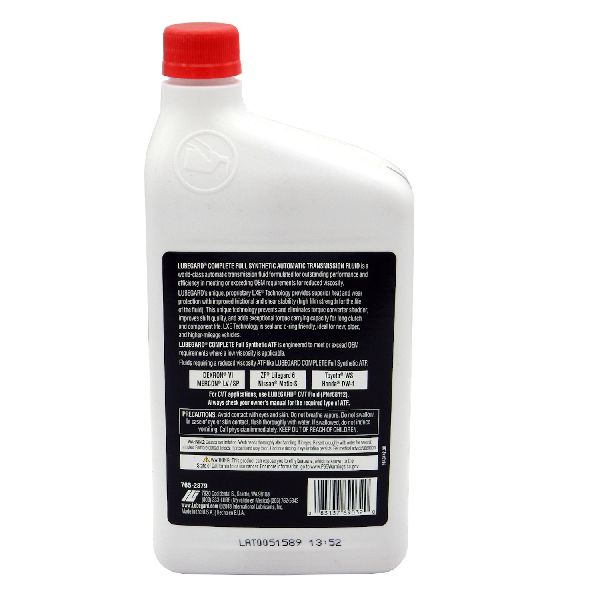
- LubeGard (Shudder Fixx additive for minor TCC shudder)
Brands owners have reported issues with on this vehicle:
- Unbranded, no-name electrical components and solenoids from online marketplaces are a significant risk and often fail quickly or are dead on arrival.
Real Owner Stories
Aggregated from forums and TSBs cited above. Mileages and costs reflect what owners reported in those sources.
2010 Ford Escape
Symptoms: The transmission was slipping, banging into gear, and experiencing failures at low mileage.
What fixed it: The source mentions numerous reliability complaints and failures, though specific successful repairs for these symptoms often involve full rebuilds.
Source hint: BlueOvalForums.com thread titled '2010 Escape 6F35 Transmission'
Ford Escape with 6F35 transmission
Symptoms: Shuddering issues and worsening symptoms after a fluid change attempt.
What fixed it: The owner experienced torque converter failure requiring a rebuild.
Source hint: BobIsTheOilGuy.com thread titled 'Ford Escape w/6F35 transmission issues'
Ford Escape
Symptoms: A solenoid failed just after the powertrain warranty expired.
What fixed it: The dealer recommended a full transmission replacement.
Cost: $4200-$4200
Source hint: FordTruckEnthusiasts.com thread titled '6f35 transmission help'
Related OBD-II Codes
Frequently Asked Questions
My 2013 Ford Escape has a transmission leak on the driver's side; is there a known issue for this?
Can I check the transmission fluid level myself on my 2014 Escape?
I'm seeing a P0700 code on my Ford Escape; does this tell me exactly what is broken?
Is there a specific fuse I should check if my scanner can't communicate with the transmission?
Will a fluid flush fix the shuddering I feel between 35-45 mph?
Is the 6F35 transmission in my Escape part of any legal action?
Helpful Videos


Used OEM Parts in Stock


New Aftermarket Parts Available


The information in this article is provided for general reference and educational purposes only. Vehicle specifications, procedures, and part compatibility can vary by production date, trim level, and region. Always consult your vehicle's factory service manual and verify part numbers before purchasing or performing repairs. Safety-critical components such as airbags, seat belts, and braking systems should be installed by a qualified professional.
- Ford Escape:
- 🎬 Helpful Videos
- 🛍️ Shop This Part
- What's Unique About the 2013-2019 Ford Escape
- Symptoms You May Notice
- Most Likely Causes
- Rare But Worth Checking
- Diagnosis Steps
- Parts You'll Likely Need
- Related Codes That Often Appear With This One
- Technical Service Bulletins (TSBs) & Recalls
- Platform-Specific Known Issues
- Mechanic-Grade Diagnostic Values
- Scan Tool Commands That Help
- Wiring & Ground Locations
- Real Owner Repair Stories
- Model Year Variations Within This Range
- Diagnostic Flowchart
- Other Known Issues on This Vehicle
- Used vs. New Parts: Buying Guide for This Vehicle
- Real Owner Stories
- 2010 Ford Escape
- Ford Escape with 6F35 transmission
- Ford Escape
- Related OBD-II Codes
- Frequently Asked Questions
- 🎟️ Get 5% Off