

P0700 on 2004-2008 Chrysler Pacifica 3.5L: Transmission Control System Malfunction Guide
P0700 means the transmission control module (TCM) has detected a fault and requested the check engine light. On this Pacifica, the most common underlying causes are failed input/output speed sensors or a faulty transmission solenoid pack. A proper diagnosis requires a scanner capable of reading codes from the TCM. In some cases, a failing alternator creating electrical noise can mimic a bad speed sensor, making diagnosis tricky.
- P0700 is a general alert from the transmission; you MUST use a capable scanner to retrieve the specific codes from the Transmission Control Module (TCM) to know the real problem.
- For the 3.5L Pacifica, the most likely culprits are the input/output speed sensors or the transmission solenoid pack.
- Before replacing speed sensors for a P0720 code, have the alternator tested for AC ripple voltage, a known issue on this vehicle that can cause identical symptoms.
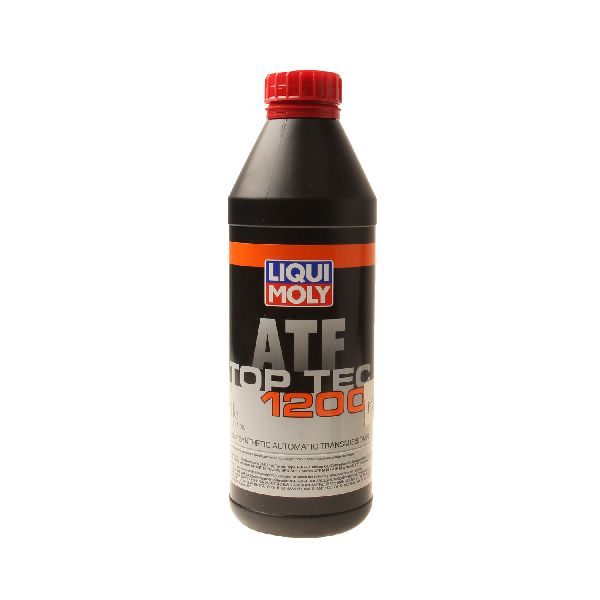
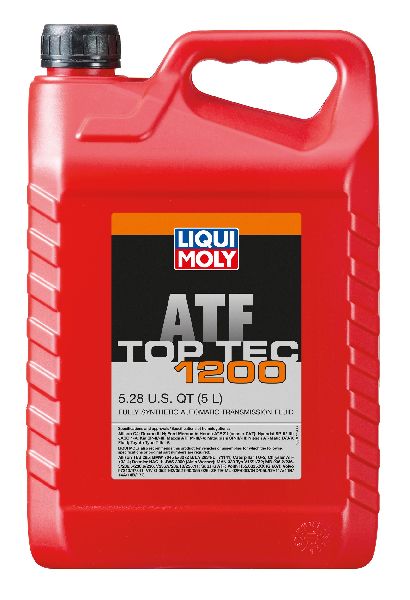
- Always start diagnosis by checking the transmission fluid level and condition. Use only Mopar ATF+4 or a certified equivalent fluid.
- Due to the risk of sudden shifting issues or stalling, it is unsafe to drive the vehicle long-term with an active P0700 code.
What's Unique About the 2004-2008 Chrysler Pacifica
The 2004-2008 Pacifica with the 3.5L V6 engine uses the 4-speed 41TE (also known as A604) or 41AE (AWD version) automatic transmission. This transmission family has a well-documented history of specific common failures. Owners frequently report issues with the externally-mounted input and output speed sensors and the transmission solenoid pack. These parts are known weak points and are often the root cause when a P0700 code appears, sometimes leading to the vehicle entering 'limp mode,' where it gets stuck in second gear to prevent further damage. A unique and often misdiagnosed issue on this platform is a failing alternator producing AC ripple voltage, which interferes with the speed sensors and causes identical symptoms. Another critical but often overlooked cause is corrosion at ground point G103 on the driver's side frame rail, which can cause a host of electrical issues mimicking component failure.
Symptoms You May Notice
- Check Engine Light is on.
- Transmission is stuck in one gear (typically 2nd gear, known as 'limp mode').
- Harsh, erratic, or delayed gear shifting.
- Clunking sound when shifting from Park into Reverse or Drive.
- Inaccurate or non-functional speedometer.
- Speedometer needle jumps to 10-25 MPH while the vehicle is stopped with the brake applied.
- Vehicle hesitates or stalls.
- Reduced fuel economy.
- Replacing the transmission speed sensors when the actual cause is a failing alternator producing electrical interference.
- Assuming a major internal transmission failure requiring a rebuild before diagnosing specific codes related to sensors or the solenoid pack.
- Replacing the solenoid pack when the issue is a sticky valve in the valve body, as noted in TSB 21-008-04.
Most Likely Causes
- Failed Input or Output Speed Sensor 🔴 High Probability These sensors are a widely-known failure point on the 41TE transmission, leading to incorrect data being sent to the TCM. They are exposed to heat and vibration, causing them to fail over time.
How to confirm: Use a scanner to check for specific codes like P0715 (Input Speed Sensor) or P0720 (Output Speed Sensor). The output sensor's failure often causes an erratic or dead speedometer. Before replacing, rule out alternator ripple and bad grounds.
Typical fix: Replace the faulty sensor(s). They are located on the outside of the transmission case. It is often recommended to replace both at the same time. The Mopar OEM part number for the Input Speed Sensor is 4800878 and for the Output Speed Sensor is 4800879.
Est. part cost: $20-$60 per sensor - Faulty Transmission Solenoid Pack 🔴 High Probability The solenoid pack, which controls fluid flow for gear changes, is arguably the most common major failure item on the 41TE/A604 transmission due to being submerged in hot fluid and constant electrical cycling.
How to confirm: Scan the TCM for solenoid-specific codes (e.g., P0750, P0755, P0760, P0765) or P1776. A technician can also perform electrical tests on the solenoid pack. Individual solenoids should have a resistance of around 1.5 - 2.5 ohms.
Typical fix: Replace the transmission solenoid pack. This part is mounted to the front of the transmission and is accessible after removing the lower splash shield and transmission pan. The OEM part number is 5140429AA, which supersedes 5015646AB, 4504570AC, and 5015646AC.
Est. part cost: $150-$400 - Failing Alternator 🟡 Medium Probability A known issue on this platform is a failing alternator producing excessive AC voltage ('ripple'), which creates electrical noise that interferes with the transmission speed sensors, perfectly mimicking their failure.
How to confirm: This can cause P0720 and an erratic speedometer, especially when electrical loads like headlights or A/C are turned on. A shop can test the alternator for AC ripple voltage with a multimeter set to AC volts. A reading above 0.5V (500 millivolts) AC with the engine running is a clear indicator of a bad diode in the alternator. One owner confirmed the issue by disconnecting the alternator field wire; the transmission and speedometer then worked perfectly.
Typical fix: Replace the alternator. Using a quality OEM or remanufactured unit is recommended, as some aftermarket alternators can be faulty out of the box.
Est. part cost: $150-$300 - Low or Degraded Transmission Fluid 🟡 Medium Probability Incorrect fluid levels can cause pressure issues, leading to shifting problems and overheating. The 41TE is sensitive to fluid type and condition.
How to confirm: Check the transmission fluid dipstick for level and condition with the engine warm and running in Neutral. The fluid should be bright red, not brown or black, and not smell burnt. Chrysler TSB 21-010-06 (later superseded by 21-014-07) specifies that only ATF+4 fluid should be used.
Typical fix: Top off or perform a fluid and filter change with Mopar ATF+4 or an equivalent certified fluid. Do not overfill. A pan drop and filter change will require approximately 4-5 quarts.
Est. part cost: $40-$100 for fluid and filter
Rare But Worth Checking
- Faulty Transmission Control Module (TCM): While less common than sensors or solenoids, the TCM itself can fail. NHTSA ODI #10662298 describes a case where a vehicle's check engine light returned codes P0700 and P0740, which the owner's research indicated pointed to a faulty TCM. A low battery voltage can also sometimes trigger false TCM codes like P0700 and P0562.
- Damaged Wiring Harness or Connectors: Corrosion or damage to the wires leading to the transmission sensors or solenoid pack can interrupt signals and trigger a P0700 code. This is especially relevant given the vehicle's age. Check for bad grounds, which are a known issue on Pacificas, specifically G103 located on the driver's side frame rail behind the headlight.
- Sticky Solenoid Switch Valve in Valve Body: Chrysler TSB 21-008-04 discusses code P1776, which is often seen with P0700. This TSB notes that the cause can be a sticky solenoid switch valve in the valve body itself, not the solenoid pack. This may require valve body inspection or replacement.
Diagnosis Steps
- Check the transmission fluid level and condition. With the engine warm and running, cycle through the gears, then place the transmission in Neutral (N) to check the dipstick. Fluid must be bright red and at the correct level.
- Use an OBD-II scanner capable of communicating with the TCM to read the specific transmission fault codes. The P0700 code is only a general indicator.
- Analyze the specific codes found in the TCM. For example, a P0720 points to the output speed sensor, while a P0755 points to a shift solenoid. NHTSA ODI #11257253 notes a diagnostic return of P0700, P0732, and P0720, where the engine would jerk when coming to a stop at a red light with the brake applied.
- If speed sensor codes (P0715, P0720) are present, test the alternator for excessive AC ripple voltage before replacing the sensors. Set a multimeter to AC Volts and check the output at the main alternator terminal; it should not exceed 0.5V AC.
- Based on the codes, inspect the relevant component's wiring and connectors for damage, corrosion, or loose connections. Pay special attention to main ground straps, particularly ground G103 on the driver's side frame rail.
- If a sensor or solenoid is implicated, test the component's circuit for proper voltage and resistance according to the service manual before replacing the part.
- If P1776 is present, consult TSB 21-008-04 and check the shifter cable adjustment before suspecting the valve body or solenoid pack.
- If no other codes are present and all components/wiring test good, the TCM itself may be faulty, though this is rare.
Parts You'll Likely Need
- Transmission Output Speed Sensor
(OEM #4800879)— A very common failure point on the 41TE transmission that directly causes erratic shifting, limp mode, and speedometer issues, often triggering code P0720 alongside P0700.
Trusted brands: Mopar, NGK/NTK, Standard Motor Products
OEM price range: $40-$60
Aftermarket price range: $15-$35 - Transmission Input Speed Sensor
(OEM #4800878)— Similar to the output sensor, this is a frequent failure item on the 41TE transmission that can cause limp mode and erratic shifting, often setting code P0715.
Trusted brands: Mopar, NGK/NTK, Standard Motor Products
OEM price range: $40-$60
Aftermarket price range: $15-$35 - Transmission Solenoid Pack
(OEM #5140429AA)— The most common major component failure on the 41TE/A604. A faulty pack directly causes incorrect shifting, limp mode, and various solenoid-specific DTCs.
Trusted brands: Mopar, Rostra, Sonnax
OEM price range: $250-$400
Aftermarket price range: $150-$250
Related Codes That Often Appear With This One
- P0720 — This code specifically indicates a fault in the Output Speed Sensor circuit, a very common failure on this vehicle and a direct symptom of alternator ripple.
- P0715 — This code points to a fault in the Input Speed Sensor circuit, another common issue.
- P0750 - P0765 — This range of codes points to faults within the shift solenoid circuits, indicating a likely problem with the solenoid pack.
- P1776 — This Chrysler-specific code indicates the Solenoid Switch Valve is latched in the Low/Reverse position. TSB 21-008-04 links this to either a misadjusted shifter cable or a sticky valve in the valve body.
- P0562 — This code indicates System Voltage Low. It can appear alongside P0700 if a failing battery or alternator is the root cause of the electrical issues affecting the transmission.
- P0340 — Camshaft Position Sensor A Circuit. NHTSA ODI #11252363 reports an instance where P0700 appeared alongside P0340, P2066, and P0461, with the vehicle acting as if it had no fuel.
Technical Service Bulletins (TSBs) & Recalls
- Discusses DTC P1776 (Solenoid Switch Valve Latched in LR). It advises checking shifter cable adjustment if the TRS code is 'TR2' or inspecting the valve body for debris if the TRS code is 'OD', noting the issue is in the valve body, not the solenoid pack. Relevant for Pacifica 3.5L with 41TE.
- Specifies the use of ATF+4 (Type MS9602) as the factory fill and required service fluid for most Chrysler automatic transmissions, including the 41TE in the Pacifica. It confirms that ATF+4 is backward compatible for older fluids but must be used in vehicles originally filled with it.
Platform-Specific Known Issues
- The initial production years of the Pacifica were noted for transmission and electrical issues, making this code a common complaint.
- A failing alternator causing AC ripple voltage is a known issue that can mimic the symptoms of a bad speed sensor, leading to misdiagnosis.
Mechanic-Grade Diagnostic Values
- Solenoid coil resistance in 41TE solenoid pack — expected: 1.5 - 2.5 Ohms. Failure: A reading outside this range, or an open/short circuit, indicates a faulty solenoid coil.
- Internal resistor resistance in 41TE solenoid pack — expected: 270 - 330 Ohms. Failure: A reading outside this range indicates a failure in the pressure switch feedback circuit within the solenoid pack.
- Alternator AC Ripple Voltage — expected: Less than 0.5V AC (500mV AC). Failure: A reading above 0.5V AC indicates a failing diode in the alternator, which can create electrical noise that interferes with transmission sensors.
- Solenoid circuit current draw — expected: 6.5 - 7.5 Amps. Failure: Current flow that is too high or too low points to a problem in the circuit or the PCM driver, not necessarily the solenoid itself.
Scan Tool Commands That Help
- DRB III or equivalent (StarSCAN, wiTECH): Quick Learn Procedure — This must be performed any time the TCM, solenoid pack, or transmission is replaced, or if the battery has been disconnected for an extended period. It resets adaptive values and allows the TCM to relearn clutch volume indexes (CVIs) for smooth shifting. Failure to perform this can result in harsh shifts and potential damage.
- DRB III or equivalent: Solenoid/Relay Actuation Test — To individually command each shift solenoid on and off to verify its mechanical and electrical operation without having to remove the solenoid pack. This helps isolate a specific faulty solenoid when a code like P0750 is present.
- DRB III or equivalent: View CVI (Clutch Volume Index) Values — To assess the health of the internal clutches. CVI represents the volume of fluid needed to apply a clutch. High values indicate worn clutches. This data helps a technician determine if the issue is electrical or an internal mechanical failure.
Wiring & Ground Locations
- G103 — At the left front of the engine compartment, on the frame rail, often behind or near the driver's side headlight assembly.. This is a major ground point for multiple systems, including the Integrated Power Module (IPM)/fuse box. Corrosion at this point is a well-documented cause of widespread, intermittent electrical problems on the Pacifica, including symptoms that mimic transmission failure (limp mode, no communication, etc.). A bad G103 ground can cause the TCM to lose power or receive erratic signals.
- Solenoid Pack Connector (8-pin) — On the front of the transmission, accessible from below the vehicle.. This is the primary connection for all electronic control of the transmission. Pin 4 is the 12V power supply from the EATX relay. Pins 5, 6, 7, and 8 are the control grounds for the solenoids, switched by the TCM. Pins 1, 2, and 3 are for the pressure switches. Testing for voltage and resistance at these pins is a key diagnostic step.
- G101 — Lower left side of the engine.. This serves as a ground for the Powertrain Control Module (PCM). A poor connection here can affect the PCM's ability to communicate correctly with the TCM, potentially leading to a P0700 code.
Real Owner Repair Stories
- Chrysler Forum user (2005 Chrysler Pacifica) — While driving, lost headlights, wipers, heat/AC, radio. Dash lit up, tachometer was erratic. Car ran but was stuck in Park after shutting down.
❌ Tried (didn't work) Initially replaced a broken negative battery terminal clamp, which fixed the issue temporarily.
✅ What actually fixed it The problem returned the next day. The ultimate cause was a corroded G103 ground connection on the driver's side frame rail. The wires had corroded inside the ring terminal, causing a poor connection even though it looked attached. - DodgeForum.com user (1995 Dodge Stratus (with A604/41TE)) — Only has first gear, no reverse or higher gears. Shifts to neutral at the 1-2 shift point. Requires ignition cycle to get first gear back. Limp mode behavior.
❌ Tried (didn't work) Checked and swapped TCM relay and fuse., Checked input sensor, solenoid, and TCM connectors., Checked grounds with a multimeter (showed 0.7 ohms)., Tested all solenoids in the pack (all showed 2.5 ohms).
✅ What actually fixed it The final diagnosis was a broken sun gear shell inside the transmission. The gear had broken free from the shell where it was welded, causing a mechanical failure that the electronics could not overcome. - NHTSA ODI #10726467 — An owner reported experiencing simultaneous codes P0700, P0420, and P0456. This eventually required a full transmission rebuild, along with replacing the catalytic converter and fuel pump.
OEM Part Supersession History
04799662AB→04799662 (no suffix)— The 'AB' version of the internal cooler return filter was found to allow transmission fluid to drain back out of the torque converter when the vehicle was parked for an extended time.
Heads up: Using the old 'AB' filter can cause a delayed engagement into Drive or Reverse after starting the engine, which can be mistaken for a more serious transmission problem. This was documented in TSB 21-015-05.
Model Year Variations Within This Range
- 2008 and later: The transmission speed sensors changed around the 2008 model year. Pre-2008 models typically use a larger, screw-in style sensor requiring a 1-inch socket for removal. Models from 2008 onward often use a smaller sensor held in by a single 8mm bolt. It is crucial to verify the correct part for the specific model year.
Diagnostic Flowchart
Real Owner Stories
Aggregated from forums and TSBs cited above. Mileages and costs reflect what owners reported in those sources.
Chrysler Pacifica 3.5L
Symptoms: Vehicle threw P0700 and P0720 codes with an erratic speedometer. Replacing the speed sensor did not resolve the issue.
What fixed it: Diagnosed and replaced a failing alternator that was producing AC ripple voltage. The owner confirmed the issue by disconnecting the alternator field wire, after which the transmission and speedometer worked perfectly.
Source hint: chryslerforum.com thread titled 'Pacifica P0700, P0720 - tricky issue resolved'
2006 Chrysler Pacifica
Symptoms: Experienced a 'nightmare' scenario with codes P0700 and P0562 (Low System Voltage) appearing after other work was performed on the vehicle.
What fixed it: Charged a weak battery. The low voltage was triggering spurious transmission codes.
Source hint: chryslerforum.com thread titled '06 pacifica nightmare!! Help p0700 and p0562'
Related OBD-II Codes
Frequently Asked Questions
Does TSB 21-008-04 apply to my Pacifica if I have a P0700 code?
Why does my speedometer jump to 10-25 MPH while I am stopped at a red light?
What transmission fluid should I use when servicing my 2004-2008 Pacifica 3.5L?
I replaced the input and output speed sensors but still have P0700 and P0720. What's next?
What are the OEM part numbers for the transmission speed sensors on the 41TE?
Can a weak battery cause a P0700 code on my Pacifica?
We Have This Part in Stock


The information in this article is provided for general reference and educational purposes only. Vehicle specifications, procedures, and part compatibility can vary by production date, trim level, and region. Always consult your vehicle's factory service manual and verify part numbers before purchasing or performing repairs. Safety-critical components such as airbags, seat belts, and braking systems should be installed by a qualified professional.
- Chrysler Pacifica:
- 🛍️ Shop This Part
- What's Unique About the 2004-2008 Chrysler Pacifica
- Symptoms You May Notice
- Most Likely Causes
- Rare But Worth Checking
- Diagnosis Steps
- Parts You'll Likely Need
- Related Codes That Often Appear With This One
- Technical Service Bulletins (TSBs) & Recalls
- Platform-Specific Known Issues
- Mechanic-Grade Diagnostic Values
- Scan Tool Commands That Help
- Wiring & Ground Locations
- Real Owner Repair Stories
- OEM Part Supersession History
- Model Year Variations Within This Range
- Diagnostic Flowchart
- Real Owner Stories
- Chrysler Pacifica 3.5L
- 2006 Chrysler Pacifica
- Related OBD-II Codes
- Frequently Asked Questions
- 🎟️ Get 5% Off