

P0602 on 2005-2017 Jeep Cherokee: Control Module Programming Error Causes and Fixes
P0602 on a Jeep Cherokee most often means a control module's software is corrupt, frequently caused by a weak battery or failed programming attempt. On 2014+ (KL) models, this code often points specifically to the Transmission Control Module (TCM) due to issues with the 9-speed automatic. The most common fix is to address any voltage issues and have a professional re-flash the module; if that fails, the module (PCM or TCM) must be replaced and programmed.
- P0602 is a serious code indicating a software problem in a key vehicle computer; do not continue to drive.
- Before suspecting an expensive module failure, always test the battery and charging system first, as low voltage is the most common trigger.
- The fix is not a simple DIY part swap. The module must be professionally reprogrammed with vehicle-specific software. If you replace the module, the new one will also require programming.
- This code can be set by either the main engine computer (PCM) or the transmission computer (TCM), leading to both engine and shifting problems.
What's Unique About the 2005-2017 Jeep Cherokee
On many modern Jeeps, the various electronic modules are sensitive to voltage fluctuations. A weak or dying battery is a very common trigger for P0602, as voltage drops during engine cranking can corrupt a module's memory, making it 'forget' its programming. For the 2014-2017 Jeep Cherokee (KL), the Transmission Control Module (TCM) for the 9-speed ZF automatic transmission is a specific, well-documented point of failure for this code, often leading to limp mode and harsh shifting. Numerous software updates, TSBs, and recalls have been released to address these transmission issues.
Generation note: The requested year range of 2005-2017 is ambiguous and covers two distinct vehicles. The modern Jeep Cherokee (KL) was introduced in 2014. The Jeep Grand Cherokee (WK and WK2 generations) covers the entire 2005-2017 span. This guide has been enriched to address both, but P0602 is particularly common on the 2014+ Cherokee (KL) due to specific issues with its 9-speed Transmission Control Module (TCM). For the Grand Cherokee, the causes are more general but still frequently linked to battery voltage and PCM/TCM programming.
Symptoms You May Notice
- Check Engine Light is on
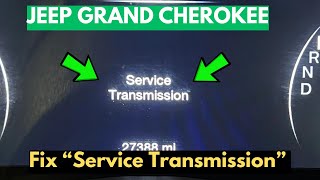
- "Service Transmission" warning light may appear on the dash.
- Vehicle will not start or is very hard to start.
- Engine stalls intermittently or immediately after starting. 🎬 Watch: A breakdown of P0602 causes and potential solutions.
- Transmission shifts harshly, gets stuck in one gear (limp mode), or won't shift at all.
- Reduced engine performance and poor acceleration.
- Instrument cluster may light up all gear selector positions (PRNDL) simultaneously. 🎬 See how to fix the 'Service Transmission' warning on Jeeps.
- Replacing fuel injectors or spark plugs to fix a no-start or misfire condition without first checking for module-related codes.
- Replacing the entire transmission for a shifting issue when the root cause is a software error in the TCM or a bad battery.
- Condemning the PCM or TCM without first thoroughly testing the battery and charging system under load and checking all main power and ground connections.
Most Likely Causes
- Low Battery Voltage or Faulty Charging System 🔴 High Probability Control modules in Jeeps are sensitive to voltage. A voltage drop during an engine start or a failed software update can easily corrupt the module's memory. This is a widely reported first-check for many electrical issues on these platforms.
How to confirm: Test the battery with a multimeter; it should read above 12.4 volts when the vehicle is off. Have the battery and alternator tested under load at an auto parts store. Many owners report that a battery that seems 'good enough' to start the car can still be too weak to maintain stable voltage for the modules.
Typical fix: Recharge or replace the weak battery. If the alternator is faulty, it must be replaced to ensure stable voltage. Ensure battery terminals and ground connections are clean and tight.
Est. part cost: $150-$350 - Failed or Interrupted Module Programming 🟡 Medium Probability This often occurs after a module has been replaced with a new or used unit that was not programmed with the vehicle's specific Vehicle Identification Number (VIN) and configuration data. It can also happen if a software update via wiTECH is interrupted by voltage drop or tool failure.
How to confirm: This is diagnosed with a factory-level scan tool by checking if the VIN in the module's memory matches the vehicle. If the VIN is blank, mismatched, or shows generic software, it's unprogrammed.
Typical fix: The module must be re-flashed with the correct OEM software by a dealership or a qualified shop with the proper tools and a stable power supply.
Est. part cost: $0 (if only labor) - $250 - Defective Powertrain or Transmission Control Module (PCM/TCM) 🟡 Medium Probability For the 2014+ Cherokee (KL), the TCM for the 9-speed transmission is a known weak point. For Grand Cherokees, the PCM can also fail internally. This is often the final diagnosis after all other possibilities are exhausted.
How to confirm: This is a process of elimination. If the battery and wiring are good and the module will not accept a re-flash or fails a memory integrity test on a professional scan tool, the module itself is condemned.
Typical fix: The faulty module must be replaced with a new or remanufactured unit, which must then be programmed to the vehicle.
Est. part cost: $500-$1200 - Wiring Harness or Connector Issues ⚪ Low Probability
How to confirm: Visually inspect the wiring harness and connectors going to the PCM and TCM for damage, corrosion, or loose pins. A mechanic may perform a "wiggle test" on the harness while monitoring the scan tool to see if communication drops. Poor ground connections are a common source of electrical gremlins on Jeeps.
Typical fix: Repair the damaged section of wiring or clean/replace the corroded connector. Ensure all ground straps are clean and tight.
Est. part cost: $20-$300
Rare But Worth Checking
- Aftermarket Performance Tuner: If you have installed an aftermarket engine or transmission tune, it may have corrupted the factory software or be recognized by the PCM as an error. Removing the tune and flashing the module back to stock may resolve the issue.
Diagnosis Steps
- Check Battery and Charging System: This is the most critical first step. Ensure the battery voltage is stable and above 12.4V at rest and that the alternator maintains 13.2-14.5V when running. A weak battery is the most common cause of this code.
- Perform a Full Vehicle Scan: Use an advanced OBD-II scanner to check for any other codes, especially communication (U-series) codes and any codes stored in the TCM.
- Check for Relevant TSBs: Use the vehicle's VIN to check for any Technical Service Bulletins related to PCM or TCM software updates. TSBs like 21-034-14 address shift quality and module programming for the 9-speed transmission.
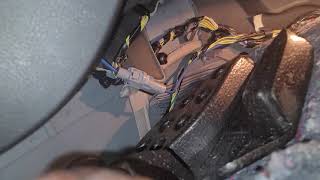
- Inspect Wiring and Connectors: Visually check the wiring harness and connectors to the PCM and TCM. Pay close attention to the main transmission harness connector for corrosion or fluid contamination. Ensure all power and ground connections are clean and tight.
- Attempt to Re-flash the Module: This step requires a professional. A technician will use a factory-level tool (like wiTECH) with a stable power supply connected to the vehicle to try and reprogram the affected module with the latest, VIN-matched software.
- Test the Module: If the re-flash is successful, the codes are cleared and the vehicle is test-driven. If the re-flash fails or the code returns immediately, the module is likely faulty.
- Replace and Program the Module: If the module is confirmed to be bad, it must be replaced. The new module will then need to be programmed to the vehicle's VIN and specific configuration. For transmissions, a 'Quick Learn' or adaptation procedure is often required after replacement.
Parts You'll Likely Need
- Transmission Control Module (TCM)
(OEM #68225514AB, 5150822AE, 56029585AM, 68249614AA (Examples for 2014-2020 KL, verify with VIN))— Especially on the 2014+ Cherokee (KL) with the 9-speed transmission, the TCM is a common failure point that can cause P0602 and severe shifting issues.
Trusted brands: Mopar
OEM price range: $400-$800
Aftermarket price range: $300-$600 (Remanufactured) - Powertrain Control Module (PCM) — If the module's internal hardware has failed, it cannot be repaired and must be replaced. This is the final step after ruling out software, voltage, and TCM-specific issues.
Trusted brands: Mopar, Cardone, Standard Motor Products
OEM price range: $700-$1200
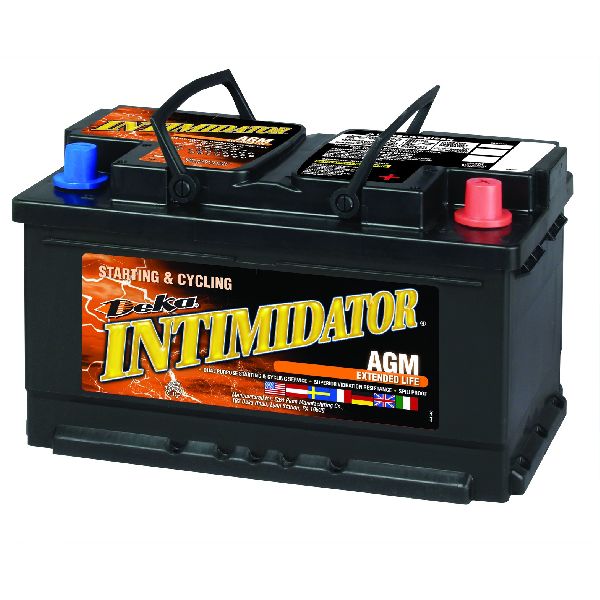
Aftermarket price range: $400-$800 - Battery — A weak or failing battery is a primary cause of module memory corruption and should be the first part tested and replaced if found to be faulty.
Related Codes That Often Appear With This One
- U0100 — This code means 'Lost Communication With ECM/PCM'. It often appears with P0602 because the internal programming error can prevent the module from communicating on the vehicle's network.
- U0101 — This code means 'Lost Communication with TCM'. If the P0602 error is within the Transmission Control Module, it will likely set this code as well.
- P0601 — This code means 'Internal Control Module Memory Check Sum Error'. It is a very similar code that also points directly to a fatal internal error within the control module.
- U0402 — This code means 'Invalid Data Received From TCM'. This can be set alongside P0602 if the TCM's internal error is causing it to send nonsensical data over the CAN bus network.
Technical Service Bulletins (TSBs) & Recalls
- TSB 21-013-16 REV. A: Titled '948TE 9 Speed Transmission Quick Learn Procedure', this bulletin is critical for the 2015+ Jeep Cherokee (KL) and its platform mates. It outlines the required procedure for teaching the TCM the transmission's characteristics after a repair, replacement, or software flash. It explicitly states the PCM and TCM must be at the latest software level.
- TSB Bulletin #9100156: While issued for a different model within the same manufacturer, this bulletin notes that a "Control Module Programming Error/Not Programmed" (P0602-00) can be set in the Central ADAS Decision Module (CADM) following the replacement of components like the windshield Long Range Front Camera.
Platform-Specific Known Issues
- Safety Recall U87 (NHTSA 18V-524) was issued for some 2018-2019 Jeep Cherokees for a faulty voltage regulator chip inside the PCM, which could cause stalling or a no-start condition. While this recall is for a slightly newer model year, it highlights a known failure point for PCMs on this platform.
- 2014-2016 Jeep Cherokee (KL): These early model years with the ZF 9-speed transmission were particularly prone to harsh shifting, limp mode, and TCM-related faults. Numerous TSBs, such as 21-015-16 and 21-013-16, were released to update TCM software and improve shift logic and reliability. Owners on forums like Reddit frequently discuss these issues, with some finding resolution through software updates and others requiring TCM replacement.
Mechanic-Grade Diagnostic Values
- Vehicle Voltage During Module Flashing — expected: Must be stable between 13.2 and 13.5 volts.. Failure: Voltage dropping below 13.2V or climbing above 13.5V can interrupt and corrupt the programming process, causing a P0602 code.
- CAN Bus Termination Resistance — expected: Approximately 2.0 Ω when measured with an ohmmeter at a termination resistor.. Failure: A reading significantly different from 2.0 Ω (e.g., open loop or short) indicates a problem on the data bus that can cause communication errors and trigger codes like P0602 or U0402.
Hidden / Shadow Codes Worth Checking
- U0402 - Invalid Data Received From TCM: This is a critical companion code, especially on 2014+ KL Cherokees. It indicates the PCM is receiving nonsensical data from the TCM, often due to the same software/firmware issues that cause P0602. (see via A full-system OBD-II scanner capable of reading codes from all vehicle modules, not just a basic engine code reader.)
- P161B, P167A: These are manufacturer-specific codes that can be stored along with P0602, also indicating a module programming or internal fault issue. Their presence reinforces the diagnosis of a control module problem. (see via A professional, dealer-level scan tool like wiTECH or equivalent that can read manufacturer-specific powertrain codes.)
Scan Tool Commands That Help
- wiTECH (or equivalent J2534 tool): ECU Flash / Update Controller — This is the primary function used to reprogram the PCM or TCM with updated manufacturer software to fix bugs or resolve a P0602 error after an interruption.
- wiTECH (or equivalent): PROXI Configuration Alignment — This routine must be performed after reprogramming a module to ensure all vehicle modules recognize the newly flashed component and its configuration. Failure to do so can cause communication errors.
- wiTECH (or equivalent): VIN Verification — This is a mandatory step after replacing or reprogramming a PCM/TCM to write the vehicle's VIN into the module's memory. A mismatch will prevent the vehicle from starting and may set a P0602 code.
- Autel/Launch (Advanced Scanners): Transmission Quick Learn — After replacing a TCM or even disconnecting the battery, this procedure resets the transmission's adaptive shift points. It is required to resolve harsh or erratic shifting as the new module learns clutch volume indexes.
Wiring & Ground Locations
- G102 & G103 (Grand Cherokee, est. 2005-2010 WK) — On the passenger side of the engine block, behind the front motor mount. These grounds service the PCM and various transmission sensors.. A poor connection at these specific ground points can cause intermittent PCM or transmission communication issues, potentially leading to programming-related fault codes.
- G108 (Grand Cherokee, est. 2005-2010 WK) — On the passenger side inner fender, towards the back of the power distribution block.. This ground point specifically serves the Transmission Control Module (TCM), Body Control Module (BCM), and various relays. Corrosion or looseness here can directly impact TCM power and stability.
- TCM Location (Cherokee KL, 2014+) — Typically located in the engine compartment, mounted on the side of the transmission housing or on the firewall.. Knowing the physical location is necessary for visually inspecting the module's connectors and wiring harness for damage, corrosion, or loose connections, which are potential causes of P0602.
- PCM Connector C2 (Grand Cherokee WK2, 2011+) — One of the main connectors on the Powertrain Control Module.. Technicians may need to test for power and ground directly at the PCM connector pins. A diagnostic procedure involves using a pinout box to safely check for voltage and continuity without damaging the terminals.
Real Owner Repair Stories
- Go-Parts analysis of forum data (Vehicle not specified, but symptoms are relevant to Jeep platforms with CAN bus architecture) — Check engine light on, reverse lights stuck on, transmission system warning, codes U0402 (Invalid Data from TCM) and U0101 (Lost Communication with TCM) were present.
❌ Tried (didn't work) The common recommendation from online forums was to replace the Transmission Control Module (TCM).
✅ What actually fixed it The root cause was a faulty Body Control Module (BCM), which also housed the fuse box. Replacing the BCM resolved all symptoms and cleared the communication codes.
"I Checked Everything" — The Actual Cause
- In one documented case involving codes U0402 and U0101 (which frequently accompany P0602), standard diagnosis pointed towards a bad Transmission Control Module (TCM). After further troubleshooting, the actual cause was discovered to be a faulty Body Control Module (BCM). The BCM was causing network instability that made it appear as if the TCM was failing.
When the Usual Fixes Don't Work
- While P0602 is defined as a control module programming error, it's critical to not immediately condemn the module itself. In a documented repair story involving related communication codes, the final fix was replacing the Body Control Module (BCM), not the PCM or TCM. This demonstrates that network instability caused by an entirely different module can manifest as what appears to be an internal programming fault in another. This underscores the importance of a full-system diagnosis and ruling out network-wide issues before replacing the most obvious, and often most expensive, component.
Model Year Variations Within This Range
- 2014-2015 (Cherokee KL): These were the first model years to use the ZF 9-speed automatic transmission and were the subject of numerous TSBs, software updates, and recalls for harsh shifting, unexpected shifts to neutral, and other drivability complaints that can be associated with TCM software issues. The launch was reportedly delayed to fix calibration problems.
- 2014-2017 (Cherokee KL with two-speed PTU): A recall (FCA #W47) was issued for vehicles built between April 2014 and October 2016 to update transmission software. The fault could cause a loss of propulsion, and the update was designed to engage rear-wheel-drive and automatically apply the parking brake if the failure occurred.
- 2014-2015 (Grand Cherokee WK2): These models were part of a major recall (NHTSA 16V-240) for the electronic 'monostable' gear shifter, which could lead to rollaway incidents. While not a direct cause of P0602, it highlights the significant electronic control and software dependency of the powertrain in this generation.
Diagnostic Flowchart
Used vs. New Parts: Buying Guide for This Vehicle
When a used part is the smart pick: A used PCM or TCM from a salvage yard can be a cost-effective option, but ONLY if you have a confirmed method to reprogram it. The module is useless without being flashed with your vehicle's specific VIN and configuration data.
Donor-vehicle mileage cap: roughly under 150000 miles for the part to have meaningful remaining life.
What to inspect on the donor part:
- Verify the part number matches your original module exactly.
- Inspect the donor vehicle for signs of flood or fire damage.
- Check the module's connectors for any bent, corroded, or pushed-out pins.
- If possible, get the VIN of the donor vehicle to aid in sourcing the correct base software file.
OEM-only on this vehicle (don't cheap out):
- Powertrain Control Module (PCM)
- Transmission Control Module (TCM)
Aftermarket brands forum-validated for this vehicle:
- Cardone (Remanufactured)
- Standard Motor Products (Remanufactured)
Brands owners have reported issues with on this vehicle:
- Unknown or no-name brands from online marketplaces without a warranty or programming support. The risk of receiving an incompatible or non-programmable module is very high.
Real Owner Stories
Aggregated from forums and TSBs cited above. Mileages and costs reflect what owners reported in those sources.
2015 Jeep Cherokee KL
Symptoms: Owner described an intermittent 'Service Transmission' light and the vehicle going into limp mode, suspecting an electrical or TCM issue.
What fixed it: A commenter with a similar issue on a Jeep Commander reported a successful fix by cleaning the transmission harness plug.
Source hint: Reddit r/Jeep - '2015 Jeep Cherokee KL limp transmission issues, any recommendations?'
2015 Jeep Grand Cherokee 3.6L
Symptoms: The vehicle would enter limp mode and get stuck in 3rd gear, accompanied by multiple communication error codes, specifically when the engine RPMs dropped to idle.
What fixed it: The source describes the symptoms of a module communication issue but does not state the final repair.
Source hint: Reddit r/MechanicAdvice - 'Jeep Grand Cherokee 2015 3.6 PCM TCM Issue'
Related OBD-II Codes
Frequently Asked Questions
My 2015 Cherokee is shifting harshly and just went into limp mode. Is this a known P0602-related issue?
Should I replace the PCM immediately if I get a P0602 code on my Jeep?
What is TSB 21-013-16 REV. A and does it apply to my 2016 Cherokee?
I heard about a recall for a bad PCM on the Cherokee. Does Safety Recall U87 apply to my 2017 model?
Can a simple bad ground connection cause a serious code like P0602 on my Grand Cherokee?
My mechanic says the TCM needs to be re-flashed. What does that involve?
Helpful Videos

![What is P0602 Engine Code [Quick Guide]](https://img.youtube.com/vi/KyZWMjG87xo/mqdefault.jpg)


Used OEM Parts in Stock


New Aftermarket Parts Available


The information in this article is provided for general reference and educational purposes only. Vehicle specifications, procedures, and part compatibility can vary by production date, trim level, and region. Always consult your vehicle's factory service manual and verify part numbers before purchasing or performing repairs. Safety-critical components such as airbags, seat belts, and braking systems should be installed by a qualified professional.
- Jeep Cherokee:
- 🎬 Helpful Videos
- 🛍️ Shop This Part
- What's Unique About the 2005-2017 Jeep Cherokee
- Symptoms You May Notice
- Most Likely Causes
- Rare But Worth Checking
- Diagnosis Steps
- Parts You'll Likely Need
- Related Codes That Often Appear With This One
- Technical Service Bulletins (TSBs) & Recalls
- Platform-Specific Known Issues
- Mechanic-Grade Diagnostic Values
- Hidden / Shadow Codes Worth Checking
- Scan Tool Commands That Help
- Wiring & Ground Locations
- Real Owner Repair Stories
- "I Checked Everything" — The Actual Cause
- When the Usual Fixes Don't Work
- Model Year Variations Within This Range
- Diagnostic Flowchart
- Used vs. New Parts: Buying Guide for This Vehicle
- Real Owner Stories
- 2015 Jeep Cherokee KL
- 2015 Jeep Grand Cherokee 3.6L
- Related OBD-II Codes
- Frequently Asked Questions
- 🎟️ Get 5% Off