

P0521 on 2013-2020 Hyundai Santa Fe 3.3L V6: Engine Oil Pressure Sensor Fixes
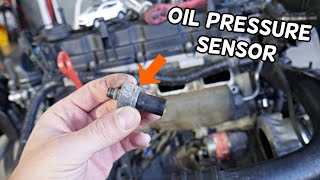
Code P0521 on a Hyundai Santa Fe 3.3L V6 usually points to a faulty engine oil pressure sensor. Before embarking on the difficult sensor replacement, it is critical to first check the oil level and condition, and ensure a genuine Hyundai/Kia oil filter is installed, as these engines are sensitive to aftermarket filters. Replacing the sensor is a significant, labor-intensive job that requires removing the upper and lower intake manifolds.
- P0521 indicates a problem with the oil pressure sensor's signal, not always a true low oil pressure condition.
- Before attempting any major repair, check the oil level/condition and ensure a genuine Hyundai oil filter is installed.
- The most important diagnostic step is to verify actual oil pressure with a mechanical gauge to rule out serious engine problems.
- Replacing the sensor is a difficult, multi-hour job due to its location under the intake manifold and is best left to a professional.
- Do not continue driving if the oil warning light is on or the engine is making noise, as this could lead to severe engine damage.
What's Unique About the 2013-2020 Hyundai Santa Fe
On the Hyundai/Kia 3.3L GDI V6 engine (G6DH), the oil pressure sensor is notoriously difficult to access. It is located deep in the engine valley, underneath the entire upper and lower intake manifold assembly. This makes what would be a simple sensor swap on many other engines a multi-hour job requiring significant disassembly, including the fuel rails and high-pressure fuel lines. Because of this, proper diagnosis is critical to avoid performing a difficult repair only to find the problem was something simpler, like an incorrect oil filter or low oil level.
Generation note: The specified year range covers two generations of the Santa Fe. The 3.3L V6 engine was available in the third-generation Santa Fe (DM, 2013-2018) and the long-wheelbase Santa Fe XL (NC, 2013-2019). The fourth-generation standard wheelbase Santa Fe (2019-2020) did not offer this engine. The information is primarily applicable to the third-gen and XL models with the 3.3L V6 (engine code G6DH).
Symptoms You May Notice
- Check Engine Light is on
- Oil pressure warning light may be on or flickering
- Engine may run rough or make unusual noises (ticking, knocking)
- Engine may stall
- In some cases, there may be no noticeable symptoms other than the Check Engine Light
- Oil pressure gauge reading abnormally high or low
- Replacing the oil pump without first verifying actual oil pressure with a mechanical gauge.
- Replacing the Engine Control Module (ECM) when the issue is a simple wiring fault or a bad sensor.
- Performing the laborious sensor replacement without first trying the simple fix of an oil change with an OEM filter.
Most Likely Causes
- Faulty Engine Oil Pressure Sensor (Switch) 🔴 High Probability The sensor is located in a high-heat area under the intake manifold and is a very common failure point. The sensor can fail internally or develop leaks. Kia/Hyundai issued a warranty extension for the oil pressure switch on some models to 15 years/150,000 miles, indicating a known issue. While this specific TSB may not cover all Santa Fe models, it highlights the frequency of the problem.
How to confirm: After confirming correct oil level, condition, and actual pressure with a mechanical gauge, the sensor is the most likely culprit. If the mechanical gauge shows normal pressure but the code persists, the sensor or its wiring is bad.
Typical fix: Replace the oil pressure sensor. This requires removing the upper and lower intake manifolds for access. A 24mm deep socket is needed.
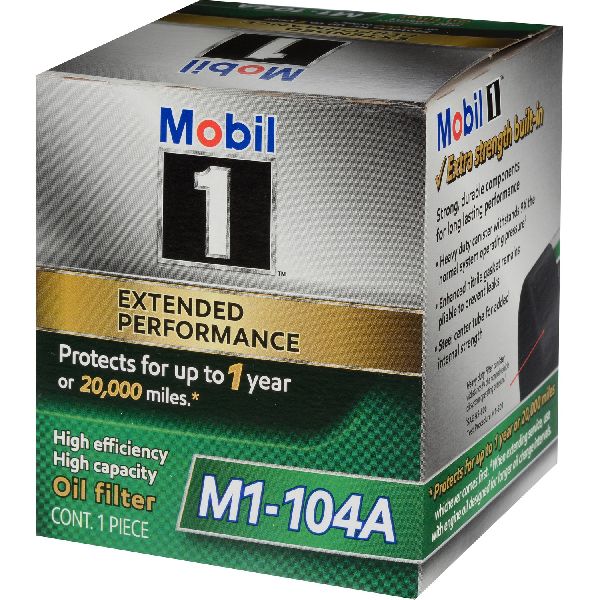
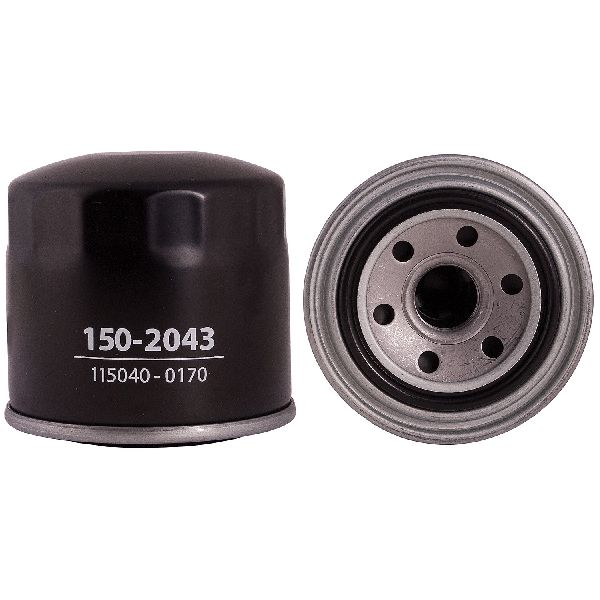
Est. part cost: $50-$100 - Incorrect or Low-Quality Oil Filter 🟡 Medium Probability Hyundai/Kia engines are known to be sensitive to oil filters. Non-OEM filters may have incorrect bypass valve specifications or poor filtration media, leading to erratic pressure readings and triggering codes like P0521.
How to confirm: Check if the installed oil filter is a genuine Hyundai/Kia part. If it is an aftermarket filter, especially a budget one, this is a likely cause.
Typical fix: Replace the oil filter with a genuine Hyundai OEM filter (Part # 26320-3CAA0) and perform an oil change with the correct viscosity oil (typically 5W-30).
Est. part cost: $10-$20 - Low or Dirty Engine Oil 🟡 Medium Probability
How to confirm: Check the oil level on the dipstick. Check the oil's condition; if it is very dark, thick (sludge), or past its change interval, it can clog passages and affect sensor readings. These engines can consume oil, so regular checks are important.
Typical fix: Perform an oil and filter change using the manufacturer-specified oil viscosity and a genuine OEM filter.
Est. part cost: $40-$80 - Wiring or Connector Issues ⚪ Low Probability The sensor wiring is located under the intake manifold and can be susceptible to heat damage, oil contamination, or rodent damage over time. The connector itself can become loose or corroded.
How to confirm: Visually inspect the sensor's electrical connector and wiring harness for damage, corrosion, or loose connections once the intake manifold is removed. The harness has a secondary connection point on the intake manifold that should also be checked.
Typical fix: Repair the damaged wiring or replace the connector pigtail.
Est. part cost: $15-$40
Rare But Worth Checking
- Failing Oil Pump or Internal Engine Wear: This is the worst-case scenario. If a mechanical gauge confirms that the oil pressure is actually low, it points to a serious mechanical problem like a worn oil pump or worn engine bearings. This could be related to oil sludging or other internal wear. Hyundai has extended the engine warranty for some of these vehicles due to potential bearing failure. This would often be accompanied by code P0524 (Engine Oil Pressure Too Low).
Diagnosis Steps
- Check the engine oil level and condition. Top off or change the oil if necessary.
- Verify that a genuine OEM oil filter is being used. If an aftermarket filter is installed, replace it with a genuine Hyundai filter (26320-3CAA0) and fresh, correct-viscosity oil. Clear codes and test drive to see if the problem is resolved.
- If the oil light is on and/or the engine is making noise, stop immediately. Do not run the engine.
- Connect a scan tool to verify the P0521 code and check for any other related codes.
- The most critical step: Connect a mechanical oil pressure gauge to measure the actual engine oil pressure. This requires accessing the sensor port under the intake manifold.
- Compare the mechanical gauge readings to the manufacturer's specifications. For the 3.3L GDI, expected pressure is approximately 35-45 PSI at idle and can rise to over 100 PSI at higher RPM. If pressure is within spec, the problem is electrical (sensor, wiring). If pressure is low, the problem is mechanical (oil pump, sludge, engine wear).
- If pressure is confirmed to be good, the next step is to replace the oil pressure sensor. This involves removing the engine cover, intake air ducting, throttle body, and the upper and lower intake manifolds.
- While the intake is off, inspect the sensor's wiring harness and connector for any signs of damage, oil saturation, or corrosion.
- Replace the oil pressure sensor (OEM Part # 94750-3M000) using a 24mm deep socket.
- Replace all necessary gaskets: upper intake plenum gaskets and lower intake manifold gaskets are required. It is also wise to replace the throttle body gasket.
- Reassemble all components, paying special attention to torque specifications for the intake manifold and fuel lines. Clear the trouble codes and perform a test drive to ensure the code does not return.
Parts You'll Likely Need
- Engine Oil Pressure Sensor (Switch)
(OEM #94750-3M000)— This is the most common cause of a P0521 code when oil level and filter type are correct.
Trusted brands: Hyundai/Kia Genuine
OEM price range: $60-$90
Aftermarket price range: $30-$50 - Upper and Lower Intake Manifold Gasket Set
(OEM #Upper (Plenum): 29215-3CBA0, Lower: 28411-3CGA1 (Bank 1) & 28421-3CGA1 (Bank 2))— These are single-use gaskets that must be replaced when removing the intake manifold to access the oil pressure sensor.
Trusted brands: Hyundai/Kia Genuine, Fel-Pro, Mahle
OEM price range: $50-$80
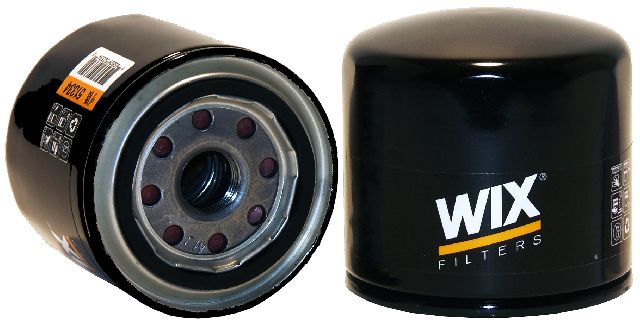
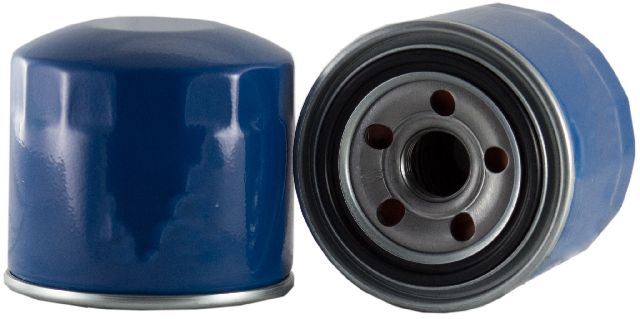
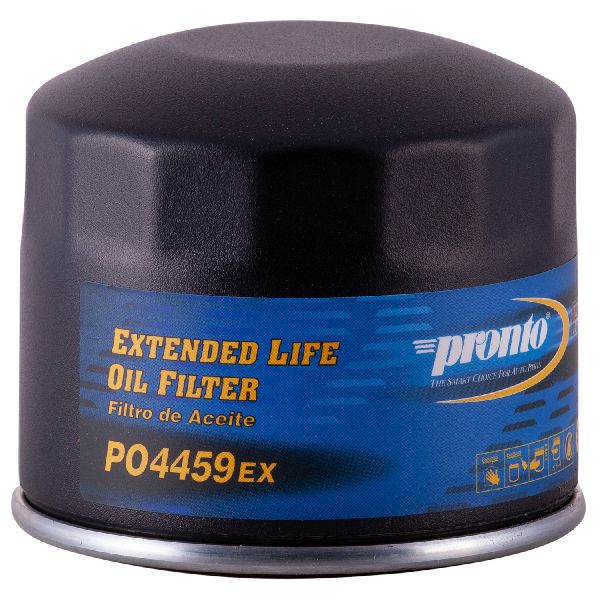
Aftermarket price range: $30-$60 - Engine Oil Filter
(OEM #26320-3CAA0)— Using a non-OEM filter is a known cause of oil pressure issues on these engines.
Trusted brands: Hyundai/Kia Genuine
OEM price range: $10-$20
Aftermarket price range: $5-$15
Related Codes That Often Appear With This One
- P0520 — This code indicates a general malfunction in the oil pressure sensor circuit.
- P0522 — This code indicates the sensor circuit voltage is too low, which can occur with a failing sensor or wiring short.
- P0523 — This code indicates the sensor circuit voltage is too high, which can occur with a failing sensor or wiring open.
- P0524 — If the oil pressure is genuinely low, this code may appear alongside P0521, indicating a serious mechanical issue that requires immediate attention.
Technical Service Bulletins (TSBs) & Recalls
- TSB 24-EM-003H: Not directly for P0521, but extends the engine warranty to 15 years/150,000 miles for 2013-2019 Santa Fe 3.3L models for certain engine failures, which is relevant if low oil pressure is confirmed mechanically.
- TSB 23-EM-007H: Adds the 2017 Santa Fe 3.3L to a combustion chamber cleaning procedure, relevant to overall engine health and GDI maintenance.
- While not a formal TSB for the Santa Fe, a known warranty extension for the oil pressure switch to 15 years/150,000 miles on platform-mate Kia models with the same engine confirms this is a recognized failure point by the manufacturer.
Platform-Specific Known Issues
- The location of the oil pressure sensor on the 3.3L V6 requires complete removal of the upper and lower intake manifolds, making replacement a 3-5 hour labor-intensive job.
Mechanic-Grade Diagnostic Values
- Mechanical Oil Pressure at Idle — expected: ~14 PSI (1.0 kg/cm2, 98 kPa). Failure: Significantly lower pressure indicates a mechanical issue (pump, wear, sludge).
- Mechanical Oil Pressure at 3,000 RPM — expected: 50 PSI or more (3.5 kg/cm2, 343 kPa). Failure: Pressure that does not rise with RPM points to a failing oil pump or significant internal engine wear.
- Oil Pressure Sensor Signal Voltage (KOEO - Key On, Engine Off) — expected: Approximately 0.5V. Failure: Voltage significantly higher or lower than 0.5V with the engine off points to a faulty sensor or a wiring issue.
- Oil Pressure Sensor Reference Voltage — expected: 5.0V. Failure: No voltage or low voltage on the reference wire indicates a wiring problem or an issue with the ECM's 5V reference circuit.
Wiring & Ground Locations
- Oil Pressure Sensor Connector — Deep in the engine valley, below the lower intake manifold, threaded into the engine block.. This is the primary connection point. It is exposed to extreme heat and potential oil contamination, making it a common point of failure for the P0521 code.
- Secondary Harness Connector — Mounted on the side of the intake manifold.. The oil pressure sensor's single wire runs from the sensor to this secondary connector before joining the main engine harness. A loose connection or broken wire at this more accessible point can mimic a failed sensor.
Real Owner Repair Stories
- Hyundai Forums user (2014 Hyundai Santa Fe Limited 3.3L) — Check engine light on with code P0521.
❌ Tried (didn't work) Initial diagnosis by a non-dealer shop suggested an oil sludge issue requiring engine replacement.
✅ What actually fixed it A second opinion at a different shop correctly diagnosed a faulty oil pressure sensor. The sensor was replaced, which involved removing the intake manifold, and this resolved the P0521 code.
OEM Part Supersession History
94750-37000, 94750-37100→94750-3M000 (for this application)— Part consolidation and potential design updates for reliability.
Heads up: Using older part numbers like 94750-37100 may result in incorrect pressure readings as they may be designed for different engine families or older MPI systems. Always verify the part number with the vehicle's VIN.
Model Year Variations Within This Range
- 2013-2019: The 3.3L V6 was standard on the long-wheelbase Santa Fe XL for its entire run (2013-2019). It was an option on the standard 3rd generation Santa Fe (DM) from 2013-2018. The redesigned 4th generation Santa Fe (TM, 2019-2020) did not offer the 3.3L V6, using only 4-cylinder engines. Therefore, a 2019 or 2020 "Santa Fe" with a P0521 code would be a Santa Fe XL model.
Diagnostic Flowchart
Other Known Issues on This Vehicle
Issues unrelated to this code that are worth knowing about as an owner of this generation:
- Engine Bearing Failure / Seizure 🔴 High — Frequent enough to trigger a warranty extension (TSB 24-EM-003H) to 15 years/150,000 miles. Can occur at various mileages. (Ref: TSB 24-EM-003H)
- Intake Valve Carbon Buildup 🟠 Medium — Common to all Gasoline Direct Injection (GDI) engines. Buildup can become significant after 50,000-80,000 miles, potentially causing rough idle, hesitation, and reduced performance. (Ref: TSB 23-EM-007H (related cleaning procedure))
- Oil Consumption 🟠 Medium — Many owners report moderate to high oil consumption between changes, which can lead to low oil levels if not monitored. This is a common issue with many Hyundai/Kia engines of this era.
- Crankshaft Position Sensor Failure 🟠 Medium — A common failure part on the 3rd generation Santa Fe that can cause random stalling or a no-start condition.
- Knock Sensor Failure / Logic Update 🟡 Low — The knock sensor itself can fail, or require a software update (related to TSBs for other engines) to better detect abnormal engine noises. A faulty sensor can trigger a P0326 code. (Ref: Related TSBs exist for other Hyundai engines (e.g., 21-01-023H-4))
Used vs. New Parts: Buying Guide for This Vehicle
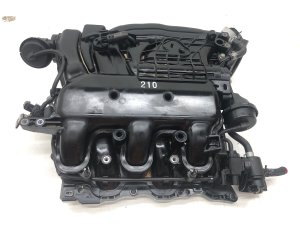
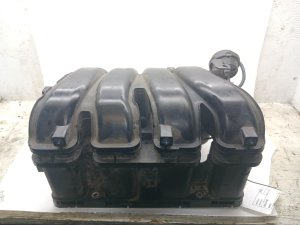
When a used part is the smart pick: Due to the extremely high labor cost (3-5 hours) to access the oil pressure sensor, using a used sensor is not recommended. The risk of a premature failure of the used part outweighs the small cost savings. A used intake manifold assembly could be a cost-effective option if the original was damaged during removal, but this is rare.
Donor-vehicle mileage cap: roughly under 50000 miles for the part to have meaningful remaining life.
What to inspect on the donor part:
- For a used intake manifold, check for cracks, especially around bolt holes.
- Ensure all threaded inserts are intact and not stripped.
- Verify the donor vehicle was not in a front-end collision that could have stressed the plastic manifold.
OEM-only on this vehicle (don't cheap out):
- Engine Oil Pressure Sensor: Given the high labor cost to replace, using a genuine Hyundai/Kia part (94750-3M000) is critical to ensure longevity and correct performance.
- Engine Oil Filter: These engines are highly sensitive to filter specifications. Only use the genuine Hyundai OEM filter (26320-3CAA0) to avoid inducing oil pressure problems.
Aftermarket brands forum-validated for this vehicle:
- For gaskets, Fel-Pro and Mahle are generally considered reliable alternatives to OEM.
Brands owners have reported issues with on this vehicle:
- Avoid unbranded, 'white-box' oil pressure sensors and oil filters from online marketplaces. The failure rate is high, and the potential for causing this labor-intensive repair to be repeated makes them a poor value.
Real Owner Stories
Aggregated from forums and TSBs cited above. Mileages and costs reflect what owners reported in those sources.
2016 Kia Sorento 3.3L V6
Symptoms: Oil pressure sensor was leaking and triggering codes.
What fixed it: Replacement of the oil pressure switch, which required removing the intake manifolds.
Cost: $1080-$1080
Source hint: Reddit r/MechanicAdvice
2016 Kia Sorento 3.3L V6
Symptoms: Leaking oil pressure switch; the process required extensive disassembly of the intake system.
What fixed it: Replacement of the oil pressure switch; the owner noted a 15yr/150k mile warranty extension for the part on Kia models.
Source hint: YouTube - Automotive Insight
2013-2020 Hyundai Santa Fe 3.3L V6
Symptoms: P0521 code present; engine oil was dirty and a non-OEM filter was installed.
What fixed it: Changing the oil to full synthetic and replacing the aftermarket filter with a new filter.
Source hint: Reddit r/HyundaiSantaFe
2013-2020 Hyundai Santa Fe 3.3L V6
Symptoms: Check Engine Light with P0521; oil pressure readings were erratic.
What fixed it: Switching from an aftermarket oil filter to a genuine OEM oil filter.
Source hint: hyundai-forums.com
Related OBD-II Codes
Frequently Asked Questions
Does TSB 24-EM-003H apply to my 2013-2019 Santa Fe 3.3L if I have a P0521 code?
Is there a specific oil filter I should use to avoid P0521 on my Santa Fe?
Can I replace the oil pressure sensor myself on the 3.3L V6?
Is the oil pressure switch covered under a warranty extension like it is for Kia models?
What part number do I need for the replacement oil pressure sensor?
What are the torque specifications and additional parts needed for this repair?
Helpful Videos

Used OEM Parts in Stock


New Aftermarket Parts Available


The information in this article is provided for general reference and educational purposes only. Vehicle specifications, procedures, and part compatibility can vary by production date, trim level, and region. Always consult your vehicle's factory service manual and verify part numbers before purchasing or performing repairs. Safety-critical components such as airbags, seat belts, and braking systems should be installed by a qualified professional.
- Hyundai Santa Fe:
- 🎬 Helpful Videos
- 🛍️ Shop This Part
- What's Unique About the 2013-2020 Hyundai Santa Fe
- Symptoms You May Notice
- Most Likely Causes
- Rare But Worth Checking
- Diagnosis Steps
- Parts You'll Likely Need
- Related Codes That Often Appear With This One
- Technical Service Bulletins (TSBs) & Recalls
- Platform-Specific Known Issues
- Mechanic-Grade Diagnostic Values
- Wiring & Ground Locations
- Real Owner Repair Stories
- OEM Part Supersession History
- Model Year Variations Within This Range
- Diagnostic Flowchart
- Other Known Issues on This Vehicle
- Used vs. New Parts: Buying Guide for This Vehicle
- Real Owner Stories
- 2016 Kia Sorento 3.3L V6
- 2016 Kia Sorento 3.3L V6
- 2013-2020 Hyundai Santa Fe 3.3L V6
- 2013-2020 Hyundai Santa Fe 3.3L V6
- Related OBD-II Codes
- Frequently Asked Questions
- 🎟️ Get 5% Off