

P0521 on 2009-2010 Hummer H3T: Oil Pressure Sensor Causes and Fixes
For the Hummer H3T, code P0521 most often means the engine oil pressure sensor has failed. On the 3.7L I5, it's an easy fix. On the 5.3L V8, the sensor is hard to reach and a small filter screen underneath it should also be replaced. Always check your oil level and use the correct ACDelco oil filter first, as aftermarket filters are a known cause of this code.
- P0521 on a Hummer H3T is a serious code that should be addressed immediately to avoid engine damage.
- The most likely cause is a faulty oil pressure sensor, but you must first check the oil level and ensure the correct ACDelco oil filter is being used.
- The repair procedure is drastically different depending on if you have the 3.7L I5 (easy) or the 5.3L V8 (very difficult).
- For the 5.3L V8, it is critical to also replace the small filter screen under the sensor.
- Before attempting expensive repairs like an oil pump replacement, always verify the true engine oil pressure with a mechanical gauge.
What's Unique About the 2009-2010 Hummer H3T
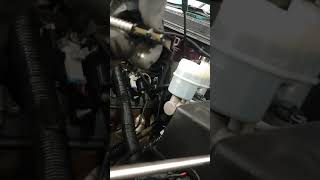
The Hummer H3T used two very different engines, and the approach to fixing P0521 varies significantly between them. For the 3.7L I5, the sensor is easy to access on the passenger side of the engine block, just above the oil filter, making it a simple DIY job. 🎬 Watch: This quick walkthrough shows the 3.7L sensor location and replacement. For the 5.3L V8 'Alpha' models, the sensor is notoriously difficult to replace, located at the back of the engine behind the intake manifold, against the firewall. Furthermore, the V8 has a small, replaceable filter screen under the sensor that is a common failure point, often getting clogged with sludge and causing false low-pressure readings. This screen must be replaced whenever the sensor is serviced on the V8.
Symptoms You May Notice
- Check Engine Light illuminated
- Oil pressure warning light on or flickering
- Oil pressure gauge reading abnormally low, zero, or high (e.g., stuck at 80-130 PSI)
- Engine running rough or making ticking/knocking noises
- Engine stalling
- On V8 models, the Active Fuel Management (AFM) system may not activate
- Replacing the oil pump before verifying actual oil pressure with a mechanical gauge. A faulty sensor or clogged screen is far more common and cheaper to fix.
- Ignoring the small filter screen under the sensor on the 5.3L V8, leading to the new sensor reading incorrectly and the code returning.
- Replacing the instrument cluster or ECM before thoroughly diagnosing the sensor, wiring, and filter screen.
Most Likely Causes
- Faulty Engine Oil Pressure Sensor 🔴 High Probability The sensor operates in a high-heat environment and is a very common failure point on many GM vehicles of this era. The sensor's internal diaphragm can fail or leak oil through the body into the electrical connector, causing erratic readings or a short circuit.
How to confirm: Check the sensor's electrical connector for oil; if oil is present, the sensor is bad. With a scan tool, observe the oil pressure reading with the engine running. If the reading is stuck, erratic, or reads high pressure with the engine off, the sensor is faulty. The definitive test is to compare the sensor's reading to a mechanical oil pressure gauge.
Typical fix: Replace the engine oil pressure sensor. It is highly recommended to use a genuine ACDelco part to avoid repeat failures.
Est. part cost: $40-$65 - Clogged Oil Pressure Sensor Filter Screen (5.3L V8 Only) 🔴 High Probability This small, cone-shaped screen is located in the oil passage directly beneath the pressure sensor. It is notorious for becoming clogged with engine sludge and debris, which restricts oil flow to the sensor and causes a false low-pressure reading and a P0521 code.
How to confirm: This is typically diagnosed and serviced during the replacement of the oil pressure sensor. When the old sensor is removed, the clogged screen will be visible in the threaded bore. It can be carefully extracted with a pick or a small screw. 🎬 See how to safely extract the V8 filter screen without damage.
Typical fix: Remove the old screen and install a new one. This should always be done when replacing the sensor on the 5.3L V8 to prevent a recurring code.
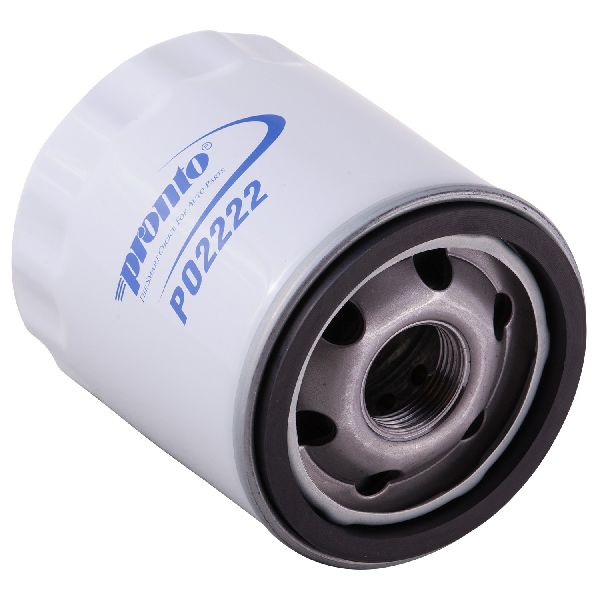
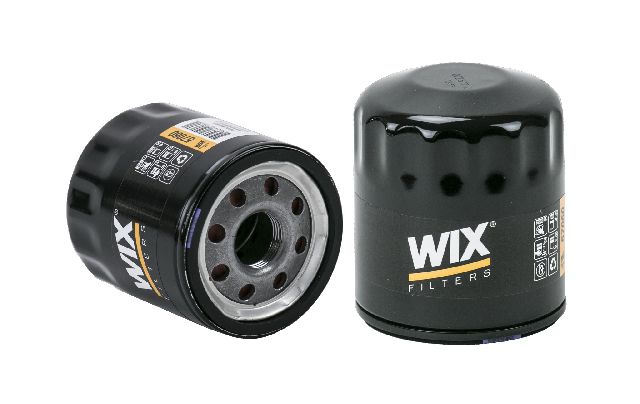
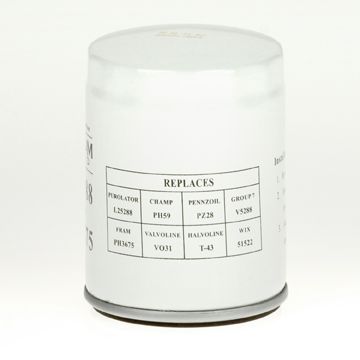
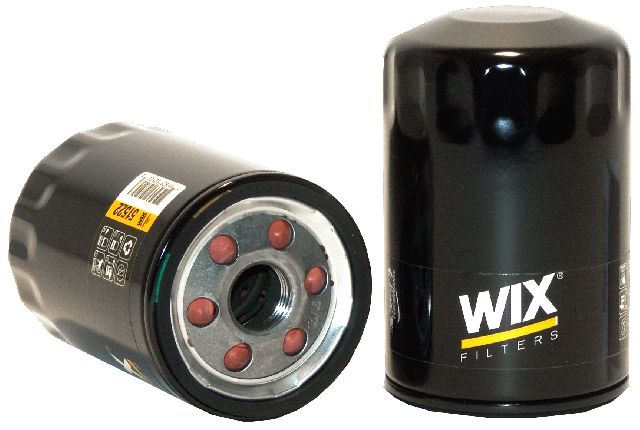
Est. part cost: $5-$15 - Incorrect or Low-Quality Oil Filter 🟡 Medium Probability GM has issued technical service bulletins for similar engines stating that using non-ACDelco oil filters can cause oil pressure issues and trigger code P0521. The flow characteristics and internal bypass valve pressure ratings of some aftermarket filters may not match the OE specifications (ACDelco PF48E), leading to incorrect pressure readings.
How to confirm: Inspect the currently installed oil filter. If it is not a genuine ACDelco PF48E or an equivalent high-quality filter like the UPF48R, it should be considered a primary suspect.
Typical fix: Replace the oil and filter, using the correct ACDelco filter specified for your engine. Many owners on forums have fixed the code with this step alone.
Est. part cost: $10-$15 - Low or Incorrect Viscosity Engine Oil 🟡 Medium Probability
How to confirm: Check the engine oil level on the dipstick. If the level is low, top it off. Review service records or ask the owner what type of oil was used. Using oil that is too thin or too thick for the manufacturer's specification can lead to out-of-range pressure readings.
Typical fix: Perform an oil change with the manufacturer-recommended oil viscosity and grade (typically 5W-30).
Est. part cost: $40-$80
Rare But Worth Checking
- Failing Oil Pump / Sticking Pressure Relief Valve: If a new sensor and screen (on V8) don't resolve the code and a mechanical gauge confirms low pressure, the oil pump may be failing. On the 5.3L V8, a sticking pressure relief valve in the oil pan is a known issue that can cause intermittent or consistently low oil pressure. TSB 10-06-01-008E also discusses issues with the AFM pressure relief valve spraying oil and causing consumption issues, which relates to the overall health of the lubrication system.
- Worn Internal Engine Components: In high-mileage engines, worn camshaft or crankshaft bearings can cause a genuine loss of oil pressure. Another common issue on high-mileage GM V8s is a hardened oil pump pickup tube O-ring, which allows air to be sucked into the system, causing aeration and low pressure. This is a worst-case scenario that would require significant engine repair.
- Damaged Wiring or Connector: The wiring harness to the sensor can become damaged from heat or abrasion, causing a short or open circuit. On the 3.7L, the wiring is near the oil filter and can be damaged during oil changes. Visually inspect the wiring leading to the sensor for any signs of damage and check for broken wires inside the insulation near the connector.
Diagnosis Steps
- Check the engine oil level and condition. Top off or change if necessary, ensuring the correct 5W-30 viscosity is used.
- Verify that a quality ACDelco PF48E oil filter is installed. If not, replace it as a primary diagnostic step.
- Connect an OBD-II scanner and check for any other related trouble codes (P0520, P0522, P0523).
- Observe the oil pressure reading on the scan tool with the key on, engine off (should be 0 PSI) and then while running. Note if it is stuck high, erratic, or seems incorrect for the engine RPM.
- Inspect the oil pressure sensor's electrical connector for oil saturation, corrosion, or damage. If oil is inside the connector, the sensor is faulty.
- Crucial Step: Connect a mechanical oil pressure gauge to the engine. On the 3.7L, this is done at the sensor port. On the 5.3L, it's easier to use an adapter at the oil filter housing. Compare the mechanical reading to the scanner's reading. If mechanical pressure is good and the scanner reading is bad, the sensor/wiring is faulty. If both are low, you have a mechanical engine problem (e.g., oil pump).
- If the sensor is deemed faulty, replace it. For 5.3L V8 models, it is mandatory to also replace the small filter screen (PN 12585328) located underneath the sensor.
- After repairs, clear the trouble codes with a scan tool and perform a test drive to ensure the issue is resolved.
Parts You'll Likely Need
- Engine Oil Pressure Sensor / Switch
(OEM #12673134)— This is the most common component to fail and directly cause the P0521 code. This part number supersedes older versions like 12616646 and 12621234.
Trusted brands: ACDelco (GM Genuine)
OEM price range: $45-$65
Aftermarket price range: $25-$50 - Oil Pressure Sensor Filter Screen (For 5.3L V8)
(OEM #12585328)— On the 5.3L V8 engine, this screen is a known failure point that gets clogged with sludge, causing a false pressure reading. It should always be replaced with the sensor.
Trusted brands: ACDelco (GM Genuine), Dorman
OEM price range: $8-$15
Aftermarket price range: $5-$10 - Engine Oil Filter
(OEM #PF48E)— GM has issued service bulletins for related engines indicating that non-OE filters can cause this code. Using a genuine ACDelco filter is a critical diagnostic step.
Related Codes That Often Appear With This One
- P0520 — P0520 indicates a general fault in the oil pressure sensor circuit, while P0521 points specifically to a performance/range issue. They often appear together as they relate to the same component and its signal integrity.
- P0522 — This code indicates the sensor circuit voltage is too low. It can be triggered alongside P0521 if the sensor fails by shorting internally or if oil pressure is genuinely and critically low.
- P0523 — This code indicates the sensor circuit voltage is too high. This often happens if the sensor fails and sends a maxed-out signal (e.g., pegged at 130 PSI), which the ECM flags as a performance problem, triggering P0521.
Technical Service Bulletins (TSBs) & Recalls
- TSB #PIP4158G / #20-NA-161: Addresses a sticking oil pump pressure relief valve causing low oil pressure and P0521 on V8 engines.
- TSB #PIP5276E: Mentions that using an incorrect (non-ACDelco) oil filter can trigger a P0521 code.
- TSB #PIP4786C: Notes that a low oil pressure warning message on the dash is a key symptom related to this diagnostic tree.
Platform-Specific Known Issues
- 3.7L I5: The sensor is relatively easy to access on the passenger side of the engine block, just above the oil filter housing. The repair can often be done in under an hour by removing the passenger front wheel for better access.
- 5.3L V8: The sensor is located behind the intake manifold against the firewall, requiring significant labor to access. Mechanics often lay across the top of the engine to reach it. It is done by feel as it is nearly impossible to see. A special, specific oil pressure sensor socket is almost a requirement for this job. Always replace the filter screen (PN 12585328) at the same time.
Mechanic-Grade Diagnostic Values
- Minimum Engine Oil Pressure (Hot) — expected: Greater than 24 PSI @ 1000 RPM (for 5.3L V8); Greater than 12 PSI @ 1200 RPM (for 3.7L I5).. Failure: Pressure confirmed below minimums with a mechanical gauge indicates a mechanical engine problem, not a sensor fault.
- Sensor 5-Volt Reference (Key On, Engine Off) — expected: 5.0 Volts on the 5V reference circuit wire at the sensor connector.. Failure: Low or no voltage points to a wiring issue or a fault in the Engine Control Module (ECM).
- Sensor Signal Voltage (Engine Running) — expected: Varies with pressure, typically between 1.0V and 4.0V.. Failure: Voltage that is stuck low (e.g., <0.1V), high (e.g., >4.4V), or does not change with engine RPM indicates a faulty sensor or wiring short/open.
Wiring & Ground Locations
- G102 — On the lower left side of the engine block, rearward of G103.. This is a primary engine block ground. A poor connection here can cause erratic behavior from various engine sensors, including the oil pressure sensor, by creating an unstable ground reference.
- G103 / G104 — G103 is on the lower left side of the engine block; G104 is on the left side of the engine block, in front of the starter.. These grounds are part of the engine harness grounding scheme. The ECM and its sensors rely on these points for a clean ground path. Corrosion or looseness can introduce voltage offsets and trigger performance codes like P0521.
- Oil Pressure Sensor Connector — 3-pin connector on the sensor body.. This is the primary point of failure for wiring issues. Check for oil saturation from a leaking sensor, corrosion on the pins, or wires broken inside the insulation right at the connector due to heat and vibration.
Real Owner Repair Stories
- Reddit user in r/ChevyTrucks (Chevy truck with 5.3L V8, 152k miles (engine is highly similar to H3T Alpha)) — Persistent P0521 code after replacing the oil pressure sensor once.
❌ Tried (didn't work) Replacing the oil pressure sensor with a part from a local auto parts store.
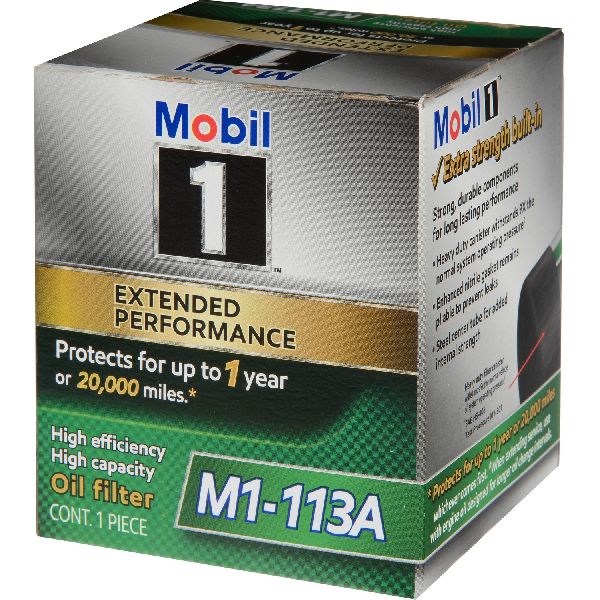
✅ What actually fixed it The issue was resolved by replacing the aftermarket sensor with a genuine OEM sensor. Another user in the same thread fixed the identical issue by switching to a high-quality Mobil 1 (M1-113A) oil filter, after confirming oil levels were correct.
OEM Part Supersession History
12596951, 12621234→12673134— GM Genuine parts are periodically updated to improve reliability and address common failure modes. The newer part number represents the latest revision for this sensor.
Heads up: While older part numbers may still be found, it is critical to use the latest revision (12673134) to ensure the most durable repair and avoid repeat failures.
Diagnostic Flowchart
Used vs. New Parts: Buying Guide for This Vehicle
When a used part is the smart pick: For this specific repair, using used parts is not recommended under any circumstances.
What to inspect on the donor part:
- Not applicable. Do not use a used sensor.
OEM-only on this vehicle (don't cheap out):
- Engine Oil Pressure Sensor / Switch
- Oil Pressure Sensor Filter Screen
Aftermarket brands forum-validated for this vehicle:
- While ACDelco (GM Original Equipment) is strongly preferred, Standard Motor Products (SMP) is generally considered a reliable premium aftermarket alternative if an OEM part is unavailable.
Brands owners have reported issues with on this vehicle:
- Avoid generic, unbranded, or 'white-box' sensors from online marketplaces and economy auto parts stores. Forum discussions frequently report that these parts fail quickly or are inaccurate out of the box, leading to the code returning.
Real Owner Stories
Aggregated from forums and TSBs cited above. Mileages and costs reflect what owners reported in those sources.
2009 Hummer H3T
Symptoms: The P0521 code kept coming back even after replacing the oil pressure sensor.
What fixed it: The issue was resolved by switching to a genuine ACDelco oil filter.
Source hint: Reddit r/ChevyTrucks thread titled 'need help p0521 keeps coming up replaced the oil'
Related OBD-II Codes
Frequently Asked Questions
I have the 5.3L V8 in my H3T. Is there anything special I need to know when replacing the oil pressure sensor for a P0521 code?
Can using the wrong oil filter really cause a P0521 code on my Hummer H3T?
How can I tell if the P0521 code is from a bad sensor or a more serious mechanical engine problem?
My oil pressure gauge is stuck at a very high reading, like 130 PSI, even when the engine is off. Is this related to P0521?
Where is the oil pressure sensor located on the 3.7L I5 engine?
I'm buying a new oil pressure sensor. Does the brand matter?
My H3T has the 5.3L V8 and the Active Fuel Management (AFM) system doesn't seem to be working. Could this be caused by the P0521 code?
Helpful Videos
We Have This Part in Stock

The information in this article is provided for general reference and educational purposes only. Vehicle specifications, procedures, and part compatibility can vary by production date, trim level, and region. Always consult your vehicle's factory service manual and verify part numbers before purchasing or performing repairs. Safety-critical components such as airbags, seat belts, and braking systems should be installed by a qualified professional.
- Hummer H3T:
- 🎬 Helpful Videos
- 🛍️ Shop This Part
- What's Unique About the 2009-2010 Hummer H3T
- Symptoms You May Notice
- Most Likely Causes
- Rare But Worth Checking
- Diagnosis Steps
- Parts You'll Likely Need
- Related Codes That Often Appear With This One
- Technical Service Bulletins (TSBs) & Recalls
- Platform-Specific Known Issues
- Mechanic-Grade Diagnostic Values
- Wiring & Ground Locations
- Real Owner Repair Stories
- OEM Part Supersession History
- Diagnostic Flowchart
- Used vs. New Parts: Buying Guide for This Vehicle
- Real Owner Stories
- 2009 Hummer H3T
- Related OBD-II Codes
- Frequently Asked Questions
- 🎟️ Get 5% Off