

P0521 on 2015-2023 Ford Mustang 5.0L: Oil Pressure Sensor Causes and Fixes
On a 2015-2023 Mustang with the 5.0L V8, code P0521 is most often caused by a faulty engine oil pressure sensor that leaks oil into its own electrical connector. The fix is to replace the sensor with a genuine Motorcraft part and clean or replace the connector pigtail. Expect to pay $60-$90 for an OEM sensor.
- P0521 on your Mustang almost always points to a faulty oil pressure sensor, not a major engine failure.
- The most important diagnostic step is to unplug the sensor and check for oil inside the electrical connector. If oil is present, the sensor is bad.
- It is critical to use a genuine Ford/Motorcraft replacement sensor (part GN1Z-9D290-D). Aftermarket sensors are known to be unreliable for this application and may not fix the code.
- Do not drive the vehicle until the issue is resolved to avoid the risk of severe engine damage in the rare case of a true low oil pressure event.
What's Unique About the 2015-2023 Ford Mustang
The 5.0L Coyote V8 in the S550 Mustang is highly dependent on accurate oil pressure data. The most common failure is the oil pressure sensor itself developing an internal leak, contaminating its own electrical connector with oil. This specific failure mode is well-documented by owners and is even noted in TSB SSM 46526 for the same engine in the F-150, which cites 'liquid contamination' as the cause. The Gen 3 Coyote (2018+) is particularly sensitive and requires the factory sensor to function correctly, as aftermarket units may not work properly and can continue to cause codes.
Generation note: This range covers the entire S550 Mustang generation, which includes two versions of the 5.0L Coyote engine: the Gen 2 (2015-2017) and the Gen 3 (2018-2023). While the P0521 code applies to both, the Gen 3 engine is known to be less tolerant of non-OEM sensors. Additionally, the Gen 3 engine uses a variable oil pressure control solenoid, so seeing pressure fluctuate with RPM on the gauge is normal.
Symptoms You May Notice
- Check Engine Light is on
- Oil pressure warning light is on, or a "Low Oil Pressure" message appears on the dash
- Oil pressure gauge reading is erratic, stuck at zero, or abnormally high/low (pegged at 100 PSI is a common symptom 🎬 See this walkthrough on fixing erratic gauge readings and codes. reported by owners).
- Engine may run rough or make unusual ticking/knocking noises (if true low pressure exists)
- Replacing the sensor with a cheap aftermarket part. Many owners report that the P0521 code returned shortly after, and was only resolved by installing a genuine OEM Ford/Motorcraft sensor.
Most Likely Causes
- Faulty Engine Oil Pressure Sensor 🔴 High Probability The sensor is known to fail by leaking oil through its body and into the electrical connector, causing a bad signal. This is the most frequent cause for this code on the 5.0L Coyote engine, as confirmed by owner forums and TSB SSM 46526 for the F-150.
How to confirm: Visually inspect the oil pressure sensor's electrical connector. If oil is present inside the connector, the sensor has failed and must be replaced.
Typical fix: Replace the engine oil pressure sensor. It is highly recommended to use a genuine Motorcraft part, as aftermarket sensors have been reported to fail or not resolve the code.
Est. part cost: $60-$90 - Contaminated or Damaged Wiring Connector 🟡 Medium Probability This is a direct result of the primary cause. When the sensor leaks oil into the connector, it can degrade the pins and wires, requiring the connector pigtail to be replaced along with the sensor. In some cases, overtightened zip ties on the harness near the sensor have caused wires to melt together, also leading to a P0521 code.
How to confirm: Inspect the connector for oil saturation, corrosion on the pins, or brittle wires after unplugging it from the sensor. Also inspect the nearby harness for any signs of physical damage or overtightening.
Typical fix: Clean the connector thoroughly with electrical contact cleaner. If heavily contaminated or damaged, splice in a new connector pigtail. 🎬 Watch: How to diagnose the sensor and repair damaged wiring. Ensure wiring is routed correctly and not under stress.
Est. part cost: $15-$30 - Incorrect Oil Level or Viscosity ⚪ Low Probability
How to confirm: Check the engine oil level using the dipstick and verify its condition. Ensure the correct viscosity oil (as specified by Ford) was used during the last oil change.
Typical fix: Top off or change the engine oil and replace the oil filter with a quality part (e.g., Motorcraft).
Est. part cost: $50-$100
Rare But Worth Checking
- Failing Oil Pump: While rare, if the sensor and wiring are good but a mechanical gauge confirms low oil pressure, the oil pump could be at fault. This is a major repair.
- Clogged Oil Passages or Pickup Tube: Engine sludge from poor maintenance can block oil flow, causing a genuine low-pressure situation. This would typically be accompanied by other severe symptoms.
Diagnosis Steps
- Check Engine Oil: Before any other steps, verify the engine oil is at the correct level and its condition is good. Low or sludgy oil can cause pressure issues.
- Locate and Inspect the Sensor: The oil pressure sensor is on the driver's side of the engine, near the oil filter housing and alternator. You will likely need to remove the engine airbox for access. 🎬 Watch: A quick guide to locating and replacing the sensor.
- Check for Leaks: Unplug the electrical connector from the sensor. Carefully inspect for any engine oil inside the connector. The presence of oil is a definitive sign the sensor has failed internally and must be replaced.
- Inspect the Connector: If oil is present, thoroughly inspect the wiring connector pigtail for corrosion or damage. Clean it with electrical contact cleaner. If it's saturated or brittle, it should be replaced. Check the harness for any tight zip ties or physical damage.
- Replace the Sensor: If the sensor is leaking or suspected to be faulty, replace it. Use a 15/16" deep socket. It is strongly recommended to use a genuine Motorcraft sensor. If the leak was from the threads, clean the threads and apply Motorcraft Thread Sealant with PTFE per TSB 17-2271.
- Verify Actual Oil Pressure (If Necessary): If the sensor and wiring appear perfect and you've already tried a new OEM sensor, the next step is to verify the actual engine oil pressure with a mechanical gauge. This will confirm if you have a sensor/electrical issue or a more serious internal engine problem. This step may be best left to a professional.
- Clear Codes: After repairs, clear the DTC with an OBD-II scanner and perform a test drive to ensure the code does not return.
Parts You'll Likely Need
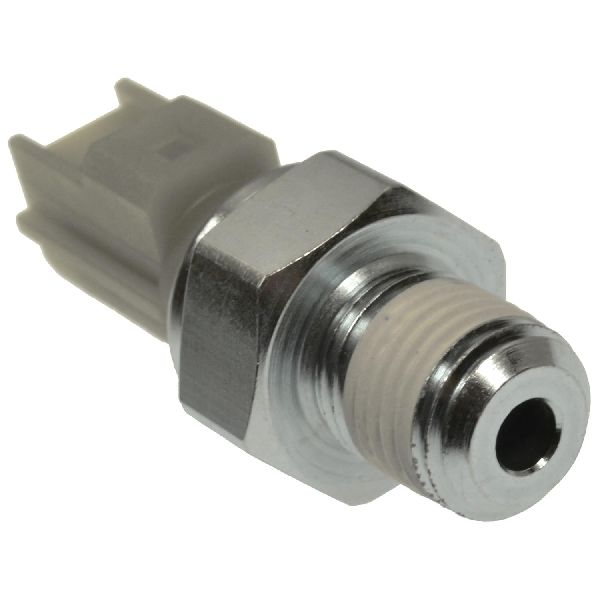
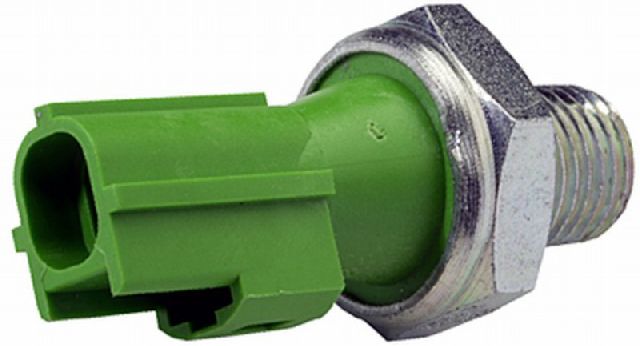
- Engine Oil Pressure Sensor (Sender Assembly)
(OEM #GN1Z-9D290-D)— This is the most common failure point for code P0521. It fails by leaking oil internally into the electrical connector. This part number supersedes previous versions GN1Z-9D290-A, GN1Z-9D290-B, and GN1Z-9D290-C.
Trusted brands: Motorcraft
OEM price range: $60-$90
Aftermarket price range: $25-$50 - Oil Pressure Sensor Connector Pigtail — If the original connector is saturated with oil or damaged from heat/stress, it must be replaced to ensure a good connection to the new sensor.
Trusted brands: Dorman, Motorcraft
OEM price range: $20-$40
Aftermarket price range: $15-$30
Technical Service Bulletins (TSBs) & Recalls
- TSB 17-2271: Addresses oil leaks from the Engine Oil Pressure (EOP) sensor threads on 2015-2017 models. The fix is to remove, clean, and reseal the sensor threads.
- SSM 46526 (F-150 5.0L): While for the F-150, this TSB is highly relevant as it cites P0521 on the same engine family being caused by liquid contamination inside the sensor, confirming the common failure mode.
Platform-Specific Known Issues
- TSB 17-2271: Leak from Sensor Threads: This TSB was issued for 2015-2017 Mustangs (including 5.0L) for oil leaks specifically from the sensor's threads, not an internal failure. The recommended fix is to remove, clean, and reinstall the sensor with Motorcraft Thread Sealant with PTFE, not necessarily replace the sensor.
- Owner Experience: Melted Wires from Zip Tie: A user on Mustang6G.com reported a P0521 code caused by a zip tie on the wiring loom near the sensor being pulled too tight. This caused two wires to melt together, creating a short. The fix was to separate and insulate the wires and replace the zip tie with a looser wire loom.
Mechanic-Grade Diagnostic Values
- Engine Oil Pressure Sensor (EOP) Signal Voltage — expected: Approximately 0.5V at low pressure (idle) to 4.5V at high pressure.. Failure: Voltage that is stuck, does not change with RPM, or is outside this range.
- Engine Oil Pressure (Rule of Thumb) — expected: Approximately 10 PSI for every 1000 RPM. At warm idle, pressure should be around 15-20 PSI.. Failure: Pressure that significantly deviates from this rule, either much lower or erratically higher, can indicate a sensor or mechanical issue.
Wiring & Ground Locations
- Connector C1657 (EOP Sensor Connector) — On the driver's side of the engine block, near the oil filter housing.. This is the 3-pin connector that plugs into the sensor. It is the primary point of failure due to oil contamination from the sensor leaking internally. Inspecting for oil inside this connector is the #1 diagnostic step.
- C1657 Pin 1 (Signal) — Pin 1 on the EOP sensor connector. The wire is typically Grey with a Violet stripe (GY-VT).. This wire carries the variable voltage signal back to the PCM. A short or open on this wire will directly cause P0521. On Gen 2 Performance Pack cars, this wire often runs to Pin 57 of the PCM connector.
- C1657 Pin 2 (5V Reference) — Pin 2 on the EOP sensor connector. The wire is typically Yellow with a Grey stripe (YE-GY).. This wire supplies the 5-volt reference power from the PCM to the sensor. Loss of this voltage will cause the sensor to stop working and trigger a code.
- C1657 Pin 3 (Signal Return) — Pin 3 on the EOP sensor connector. The wire is typically Green with a Violet stripe (GN-VT).. This is the sensor's ground, which returns to the PCM. A poor connection here can cause erratic readings. This is a dedicated sensor ground, not a chassis ground.
When the Usual Fixes Don't Work
- In one documented case, an owner of a 2018 Mustang GT experienced a persistent P0521 code. Following common advice, they first replaced the oil pressure sensor, but the code returned. They then replaced the sensor's electrical connector pigtail, but the code still came back immediately after the repair. This indicates that while the sensor and its connector are the most common culprits, the fault can sometimes exist further up in the wiring harness or, in rare cases, be an issue with the PCM itself.
OEM Part Supersession History
GN1Z-9D290-A, GN1Z-9D290-B, GN1Z-9D290-C→GN1Z-9D290-D— Standard part evolution for improved reliability and to address the common internal leak failure mode.
Heads up: While older revisions may fit, the latest -D revision is the recommended service part for all applications.
Model Year Variations Within This Range
- 2018-2023 (Gen 3 Coyote): These engines feature a variable displacement oil pump with an oil control solenoid. The PCM actively commands low pressure mode (e.g., below 3,500 RPM) to save energy and high pressure mode at higher RPM. This results in oil pressure readings that intentionally fluctuate, which is normal operation and different from the more linear response of the 2015-2017 engines.
- 2015-2017 (Gen 2 Coyote): Base and non-Performance Pack models were equipped with a simple on/off oil pressure *switch* (Part 6U5Z-9278-D), not a full-range sensor. Performance Pack models came standard with the full-range oil pressure *sensor* (CM5Z-9278-A). Therefore, code P0521 primarily applies to Performance Pack cars in this year range.
- 2018-2023 (Gen 3 Coyote): All Gen 3 models, regardless of trim, use a full-range oil pressure sensor. The sensor port uses straight threads with an O-ring seal, and the thread size is M12x1.5.
Diagnostic Flowchart
Other Known Issues on This Vehicle
Issues unrelated to this code that are worth knowing about as an owner of this generation:
- Gen 3 "BBQ Tick" or "Typewriter Tick" 🟡 Low — Very common on 2018+ Gen 3 Coyote engines. It's an intermittent, light ticking noise from the lower part of the engine at idle, often compared to a BBQ igniter. Ford has issued a TSB stating the noise is a normal characteristic and no repairs should be attempted. (Ref: TSB exists, but it advises no repair action.)
- 10R80 Automatic Transmission Harsh Shifting 🟠 Medium — Common complaint on 2018+ Mustangs with the 10-speed automatic. Owners report harsh/clunky upshifts and downshifts, delayed engagement, and erratic behavior. Fixes range from software updates (PCM/TCM reflash) to mechanical repairs like valve body replacement. (Ref: Multiple TSBs exist for software updates.)
- Clogged A/C Evaporator Drain Tube 🟠 Medium — A known issue on S550 models where the A/C drain tube can become clogged or was improperly installed, causing water to back up and leak onto the passenger side floorboard. TSB 20-2170 addresses this for some model years. (Ref: TSB 20-2170)
- Warped Valve Cover Gasket Leak 🟡 Low — Affects 2015-2017 models, where the valve covers can warp due to heat and cause an oil leak. TSB 19-2309 was issued to address this by adding extra fasteners to the valve covers. (Ref: TSB 19-2309)
Used vs. New Parts: Buying Guide for This Vehicle
When a used part is the smart pick: Not recommended for this repair. The oil pressure sensor is a known high-failure electronic component with a relatively low cost when purchased new. The risk of a used sensor failing shortly after installation is very high.
What to inspect on the donor part:
- If buying a used wiring harness, inspect thoroughly for any signs of heat damage, previous repairs (splices), or brittle insulation, especially around the oil pressure sensor connector.
OEM-only on this vehicle (don't cheap out):
- Engine Oil Pressure Sensor: Owner and technician reports overwhelmingly confirm that aftermarket sensors for this application have an extremely high failure rate, often being dead-on-arrival or failing within a short period. Using a genuine Motorcraft sensor (GN1Z-9D290-D) is critical for a lasting repair.
Brands owners have reported issues with on this vehicle:
- All non-Motorcraft brands for the oil pressure sensor itself. While pigtail connectors from brands like Dorman are generally acceptable, the sensor should be OEM.
Real Owner Stories
Aggregated from forums and TSBs cited above. Mileages and costs reflect what owners reported in those sources.
2018 Mustang GT 5.0L
Symptoms: Error code P0521 appeared following a routine oil change.
What fixed it: The sensor was replaced with a Ford factory authorized (Motorcraft) oil pressure sensor.
Source hint: YouTube comment from 'What Would Dad Do?'
2018 Mustang GT Premium 5.0L
Symptoms: Low oil pressure warning light and P0521 code.
What fixed it: In addition to replacing the sensor, a zip tie on the wiring loom that was pulled too tight had caused two wires to melt together. The wires were separated and insulated, and the zip tie was replaced with a looser loom.
Source hint: Mustang6G.com thread by user 'Kandfbailey'
2015-2023 Mustang 5.0L
Symptoms: Digital oil pressure gauge was pegged at 100 PSI.
What fixed it: Replacement of the oil pressure sensor due to internal failure/signal error.
Source hint: Mustang6G.com thread titled 'p0521'
Related OBD-II Codes
Frequently Asked Questions
My 2016 Mustang GT has an oil leak near the sensor but no code; does TSB 17-2271 apply?
Why is my digital oil pressure gauge pegged at 100 PSI on my Mustang 5.0L?
Can I use an aftermarket sensor to fix the P0521 code on my Coyote V8?
Is the P0521 issue on my Mustang related to the 'BBQ Tick' noise?
Does the F-150 5.0L suffer from the same P0521 issues as the Mustang?
Where is the oil pressure sensor located on the 2015-2023 Mustang 5.0L?
Helpful Videos
Used OEM Parts in Stock
New Aftermarket Parts Available


The information in this article is provided for general reference and educational purposes only. Vehicle specifications, procedures, and part compatibility can vary by production date, trim level, and region. Always consult your vehicle's factory service manual and verify part numbers before purchasing or performing repairs. Safety-critical components such as airbags, seat belts, and braking systems should be installed by a qualified professional.
- Ford Mustang:
- 🎬 Helpful Videos
- 🛍️ Shop This Part
- What's Unique About the 2015-2023 Ford Mustang
- Symptoms You May Notice
- Most Likely Causes
- Rare But Worth Checking
- Diagnosis Steps
- Parts You'll Likely Need
- Technical Service Bulletins (TSBs) & Recalls
- Platform-Specific Known Issues
- Mechanic-Grade Diagnostic Values
- Wiring & Ground Locations
- When the Usual Fixes Don't Work
- OEM Part Supersession History
- Model Year Variations Within This Range
- Diagnostic Flowchart
- Other Known Issues on This Vehicle
- Used vs. New Parts: Buying Guide for This Vehicle
- Real Owner Stories
- 2018 Mustang GT 5.0L
- 2018 Mustang GT Premium 5.0L
- 2015-2023 Mustang 5.0L
- Related OBD-II Codes
- Frequently Asked Questions
- 🎟️ Get 5% Off