

P0521 on 2013-2020 Chevrolet Silverado 1500: Oil Pressure Sensor Causes and Fixes
On 2013-2020 Silverados, code P0521 is most often caused by a failed oil pressure sensor (sending unit) and its small, easily clogged filter screen. The sensor is a cheap part (~$25-$60), but its location at the back of the engine, behind the intake manifold and tucked under the cowl, makes replacement a significant labor-intensive job that can take 2-4 hours.
- P0521 on a 2013-2020 Silverado almost always points to the oil pressure sensor and its filter screen.
- Always replace the small filter screen when you replace the sensor; it's a primary cause of the code.
- The repair is mechanically simple but difficult due to the sensor's location. A special socket and swivel extensions are essential for DIY.
- Before attempting any repair, check your oil level. Low or dirty oil can trigger this code.
- Do not ignore this code. While it's often just a bad sensor, it *can* indicate a true low oil pressure condition that will destroy your engine.
What's Unique About the 2013-2020 Chevrolet SILVERADO 1500

The 2013-2020 Silverado range spans three truck generations (GMT900, K2XX, T1XX), but the V8 engines used throughout this period are known for P0521 issues. The most frequent culprit is the oil pressure sensor and its associated filter screen, which sits in a difficult-to-access location at the back of the engine block, behind the intake manifold and tucked under the firewall/cowl. This screen is prone to clogging with sludge, which starves the sensor of an accurate pressure reading. This design makes a simple, inexpensive part a significant labor challenge to replace, with some shops removing the entire intake manifold for access.
Diagnostic Flowchart

Tap your situation to follow the diagnostic path that matches what you're seeing on this vehicle.
Generation note: The 2013-2020 range covers the end of the 2nd Gen (GMT900, 2007-2013), all of the 3rd Gen (K2XX, 2014-2019), and the start of the 4th Gen (T1XX, 2019-present). While the engine architectures (4.3L V6, 5.3L V8, 6.2L V8) are similar, the most common cause (oil pressure sensor and screen) is prevalent across all these generations. Later TSBs (20-NA-161) for 2019+ models also point to a sticking oil pressure relief valve in the oil pump as a potential cause, requiring more involved diagnosis.
Symptoms You May Notice
- Check Engine Light is on
- Oil pressure warning light is on
- Oil pressure gauge reads zero, unusually high (pegged at 80+ PSI), or fluctuates wildly.
- "Low Oil Pressure - Stop Engine" message on the driver information center (DIC). [1, PIP5276G]
- Engine runs rough or makes unusual noises (ticking, knocking) if actual oil pressure is low.
- Engine may stall in some cases. 🎬 Watch: Learn more about bad oil pressure sensor symptoms.
- Replacing the entire engine. One forum user on ChevroletForum.com reported a dealer recommended engine replacement for P0521 when the actual issue was likely the sensor or a related component.
- Replacing the oil pump without first diagnosing the sensor and screen. The sensor and screen are far more common failure points and much cheaper to replace.
- Replacing the instrument cluster. While a faulty gauge stepper motor can cause incorrect readings, unplugging the sensor should make the gauge read zero. If it does, the cluster is likely not the problem.
Most Likely Causes
- Faulty Oil Pressure Sensor (Sending Unit) 🔴 High Probability The sensor is a very common failure point. Its location at the back of the engine exposes it to high heat, which can cause it to fail electronically or develop internal leaks that contaminate the connector pins.
How to confirm: After verifying the oil level and condition, this is the most likely cause. A technician can test the sensor's 3-wire circuit (5V reference, signal, and ground) to confirm failure, but many DIYers and shops proceed with replacement due to the high failure rate.
Typical fix: Replace the oil pressure sensor. Due to its difficult location, this is a 2-4 hour job. A special 1-1/16" or 27mm deep socket with a swivel and extensions is required.
Est. part cost: $25-$60 - Clogged Oil Pressure Sensor Filter Screen 🔴 High Probability A small mesh filter (GM Part #12585328) sits in the oil passage directly beneath the sensor. It is designed to protect the sensor but is highly susceptible to clogging with engine sludge and debris, especially if oil changes are neglected or on engines with Active Fuel Management (AFM) which can contribute to sludge buildup.
How to confirm: The screen can only be inspected upon removal of the oil pressure sensor. If the screen is clogged, it will prevent oil from reaching the sensor, causing a false low reading and triggering the P0521 code. A clogged screen will often cause pressure to read normal at startup and then slowly fall to zero at idle.
Typical fix: Remove the old screen (often requiring a pick or threading a coarse screw into it) and replace it with a new one. This should always be done when replacing the oil pressure sensor.
Est. part cost: $5-$15 - Low Engine Oil Level or Incorrect Oil/Filter 🟡 Medium Probability Some of these engines can consume oil between changes. Using oil of the wrong viscosity or a non-approved, low-quality oil filter can also affect pressure readings. Some owners on forums report that switching to a high-quality filter like an AC Delco or Mobil 1 resolved their issue.
How to confirm: Check the oil level via the dipstick. Verify the correct oil type (e.g., 5W-30 Dexos approved) and filter are being used per the owner's manual. TSB #PIP5276G specifically mentions checking oil filter type. 🎬 Watch: A helpful guide to fixing the P0521 code.
Typical fix: Top off or change the engine oil and replace the filter with a high-quality OEM-spec filter (e.g., ACDelco PF48E or PF63, depending on the year).
Est. part cost: $40-$80 - Wiring or Connector Issue ⚪ Low Probability The sensor's connector and wiring are in a high-heat area at the back of the engine, making them susceptible to becoming brittle, corroded, or damaged. Oil can also leak through a failed sensor and contaminate the connector pins.
How to confirm: Visually inspect the connector and wiring harness leading to the oil pressure sensor for any signs of damage, corrosion, oil saturation, or loose connections. Wiggle the connector with the engine running to see if the gauge reading changes.
Typical fix: Repair the damaged wiring or replace the pigtail connector.
Est. part cost: $15-$30
Rare But Worth Checking
- Sticking Oil Pressure Relief Valve: More common on later models (2019+), as noted in TSB 20-NA-161. The valve inside the oil pump can stick, causing pressure regulation issues. This is a more involved repair requiring oil pump inspection and possible replacement.
- Worn Engine Bearings or Failing Oil Pump: In high-mileage engines or those with poor maintenance history, actual low oil pressure can be the cause. This is a severe issue. A mechanic must confirm this with a manual pressure gauge test at the oil filter housing. If pressure is low at the pump but the sensor reads incorrectly, the issue is likely not internal engine wear.
- Casting Flaw in Oil Filter Housing: TSB #PIP5294 mentions a rare issue where a casting flash can block an oil passage in the oil pan/filter housing area, requiring oil pan replacement. [PIP5294]
- Valve Lifter Oil Manifold (VLOM) Failure: On engines with Active Fuel Management (AFM), the VLOM assembly directs oil pressure to the lifters. A failure or leak in this component, which is located under the intake manifold, can cause a loss of oil pressure to the top end of the engine, potentially triggering a P0521 code.
Diagnosis Steps
- Check the engine oil level and condition. If low, top it off. If dirty, perform an oil and filter change with OEM-spec products. Clear the code and see if it returns.
- If the oil level is correct, use an OBD-II scanner to observe the live oil pressure data. Note if it is erratic, pegged high/low, or slowly drops at idle.
- Inspect the oil pressure sensor connector and wiring at the back of the engine for any visible damage, corrosion, or oil saturation. The sensor is located behind the intake manifold, against the firewall.
- If the wiring appears okay, the next logical step is to replace the oil pressure sensor and the filter screen underneath it. This is the most common fix and is often done without further diagnosis due to the high probability of success.
- To remove the sensor, a 1-1/16" or 27mm oil pressure switch socket is needed, often with a universal swivel joint and extensions. The old screen can be removed with a pick or by threading a small, coarse bolt into it.
- If the code persists after replacing the sensor and screen, perform a manual oil pressure test. Connect a mechanical gauge to the engine (an adapter at the oil filter housing is common) to verify the actual oil pressure against factory specifications.
- If the manual pressure test shows low pressure, the issue is more severe and could be the oil pump, pickup tube O-ring, VLOM, or worn engine bearings, requiring more in-depth engine work.
Parts You'll Likely Need
- Engine Oil Pressure Sensor
(OEM #12673134 (supersedes 12621234, 12596951))— This is the most common failure point for code P0521 on these trucks. It is recommended to use a genuine GM/ACDelco part to avoid premature failure.
Trusted brands: ACDelco
Related Codes That Often Appear With This One
- P06DD — This code relates to the dual-stage oil pump being stuck in the low-pressure state. TSB #PIP5294 links it with P0521, suggesting a related oil circulation problem.
- P0522 — This code indicates 'Engine Oil Pressure Sensor/Switch Circuit Low Voltage,' pointing more specifically to an electrical fault or a sensor that has failed to a low reading.
- P0523 — This code indicates 'Engine Oil Pressure Sensor/Switch Circuit High Voltage,' often seen when the gauge is pegged at maximum pressure.
Technical Service Bulletins (TSBs) & Recalls
- PIP5294: Mentions checking the oil pan for a cast-over passage if P0521 is present. [PIP5294]
- PIP4786C: Links P0521 directly to low oil pressure messages and advises following standard diagnostic procedures. [PIP4786C]
- PIP5276G: Connects P0521 with the Service Engine Soon lamp and Low Oil Pressure message, referencing a previous bulletin for a potential fix. [PIP5276G]
- 20-NA-161 / 24-NA-173: Information for technicians that a sticking oil pressure relief valve in the oil pump can be a cause for P0521 on later model years.
Platform-Specific Known Issues
- TSB #PIP5276G: Addresses P0521 or low oil pressure messages, particularly after an oil change. It instructs technicians to verify correct oil filter usage and check for leaks in the left rocker cover baffle, which can affect oil circulation.
- TSB #20-NA-161: For 2019+ models, this bulletin points to a sticking oil pressure relief valve inside the oil pump as a cause for P0521. Diagnosis involves checking main bearings and potentially replacing the oil pump.
- TSB #PIP5294: Notes a rare casting flaw in the oil filter housing that can block a passage, causing P0521 or P06DD. The fix is to replace the oil pan assembly. [PIP5294]
Mechanic-Grade Diagnostic Values
- Engine Oil Pressure Sensor (EOP) 5V Reference Circuit — expected: 4.8-5.2 V between the 5V reference circuit terminal and ground with ignition ON.. Failure: Voltage outside this range indicates a short to voltage, short to ground, or an issue with the ECM.
- Engine Oil Pressure Sensor (EOP) Low Reference Circuit — expected: Less than 1.0 ohm between the low reference circuit terminal and ground with ignition OFF.. Failure: Resistance greater than 1.0 ohm indicates an open or high resistance in the ground circuit.
- Scan Tool Oil Pressure Reading (Key On, Engine Off) — expected: Less than 8 kPa (1.2 psi).. Failure: A reading higher than this with the engine off points to a faulty sensor or a short in the signal circuit.
- Scan Tool Oil Pressure Reading (Engine Running) — expected: Between 41-448 kPa (6-65 psi).. Failure: Readings outside this range, or that don't correlate with engine RPM, trigger the diagnostic.
- Minimum Mechanical Oil Pressure (Hot Idle) — expected: Approx. 22-24 PSI at 1,000 RPM, depending on specific engine RPO.. Failure: Pressure significantly below this specification when tested with a mechanical gauge indicates a true low-pressure condition (e.g., worn bearings, failing pump).
- DTC P0521 Set Condition — expected: The ECM sets the code when the measured oil pressure is 47 kPa (6.8 psi) lower or 50 kPa (7.3 psi) higher than the expected pressure for more than 4 seconds.. Failure: This specific deviation threshold is what triggers the fault code.
Scan Tool Commands That Help
- GDS2 / Tech2: Engine Oil Pressure Sensor Parameter — This is the primary live data PID to monitor when diagnosing P0521. It allows the technician to see the exact pressure value the ECM is receiving from the sensor in real-time to check for erratic, pegged, or out-of-range readings.
Wiring & Ground Locations
- G103 — On the front of the right side (passenger side) cylinder head.. This is a primary ground location for the Engine Control Module (ECM). A poor connection at G103 can cause erratic behavior and incorrect readings from various engine sensors, including the oil pressure sensor, as it can disrupt the sensor's low reference circuit which is provided by the ECM.
- Oil Pressure Sensor Connector — At the top rear of the engine block, behind the intake manifold, against the firewall.. The 3-pin connector (5V reference, signal, low reference/ground) is in a high-heat area and is prone to becoming brittle. Oil leaking through a failed sensor can also contaminate the pins, causing poor connections and incorrect signals.
Real Owner Repair Stories
- Reddit user in r/ChevyTrucks (Chevrolet Truck (year not specified)) — Persistent P0521 code.
❌ Tried (didn't work) Replacing the oil pressure sensor with an aftermarket part from a local auto parts store.
✅ What actually fixed it Replacing the sensor a second time with a genuine OEM sensor resolved the issue. - Reddit user in r/ChevyTrucks (Chevrolet Truck (year not specified)) — Recurring P0521 code, especially when oil level was not perfectly full.
❌ Tried (didn't work) Multiple sensor replacements.
✅ What actually fixed it Switching to a Mobil 1 M1-113A oil filter. The user reported the code rarely appeared after changing the filter brand and ensuring the oil was topped off. - ChevroletForum.com user (2013 Silverado 1500 LTZ, 5.3L, 93k miles) — P0521 code, engine runs fine.
❌ Tried (didn't work) A dealer performed a manual pressure test and found a 10 PSI difference between the top and bottom of the engine.
✅ What actually fixed it The dealer recommended a full engine replacement, which is noted as a common misdiagnosis. The actual fix was not reported by the owner, but the scenario highlights the risk of extreme misdiagnosis. - Reddit user in r/Trucks (2015 Silverado 5.3L, 66k miles) — Engine whine, ticking noise, then P0521 with oil pressure gauge pegged at zero.
❌ Tried (didn't work) Initial assumption was a collapsed lifter.
✅ What actually fixed it The issue was diagnosed as a failed oil pump, which ultimately required a complete engine replacement. This represents a worst-case scenario where P0521 indicates a catastrophic mechanical failure.
When the Usual Fixes Don't Work
- While the oil pressure sensor and its screen are the most common culprits for P0521, numerous owners have reported that replacing these parts did not fix the issue. In several documented cases, the problem persisted until a non-OEM sensor was swapped for a genuine ACDelco part. In other instances, the root cause was found to be the oil filter itself, with a switch to a different, high-quality brand like Mobil 1 resolving the code. These stories serve as a strong counterpoint to the idea that replacing the sensor is a guaranteed fix, emphasizing the need to use high-quality OEM parts and consider all components in the oil circulation system.
OEM Part Supersession History
12596951, 12621234→12673134— GM regularly updates service parts to integrate new materials and technologies for improved reliability and performance.
Heads up: Using aftermarket sensors is a common cause of repeat failures; many owner reports confirm that using the genuine GM/ACDelco part (12673134) is critical for a lasting repair.
Model Year Variations Within This Range
- 2014: A service update (Bulletin #13314) was issued for some 2014 models with the 5.3L L83 or 4.3L LV3 engines due to oil pumps that may have been damaged during engine assembly, leading to low oil pressure codes. This required proactive replacement of the oil pump on affected vehicles in dealer inventory.
- 2019-2020 (and newer): TSB 20-NA-161 highlights a condition where a sticking oil pressure relief valve within the oil pump assembly can cause DTC P0521. This appears to be a more prevalent issue on the later T1XX generation trucks compared to the earlier K2XX models.
Helpful Videos

Used OEM Parts in Stock


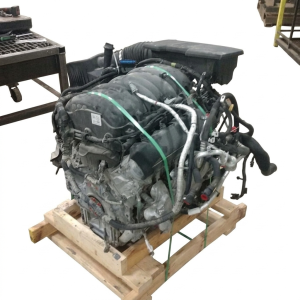

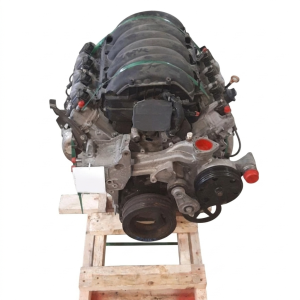
New Aftermarket Parts Available

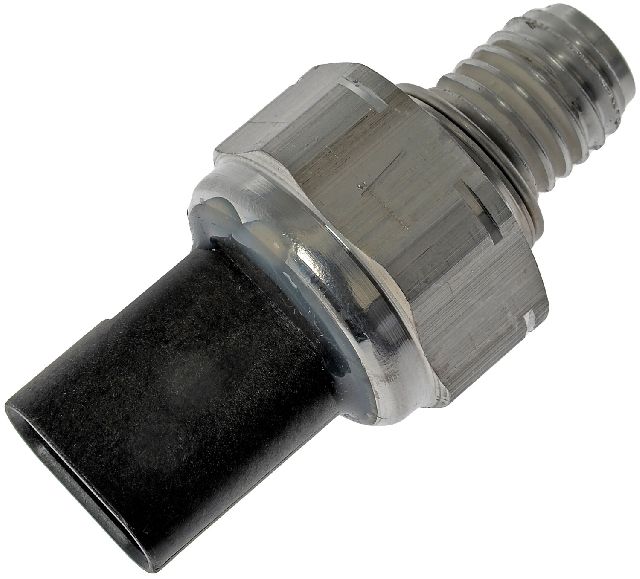
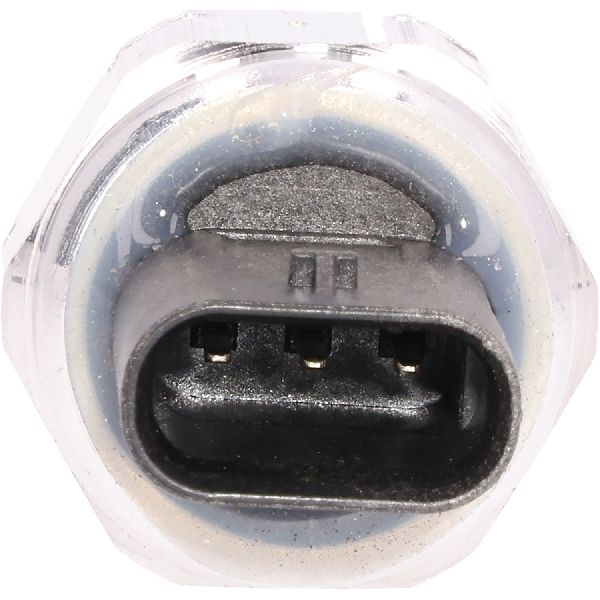

The information in this article is provided for general reference and educational purposes only. Vehicle specifications, procedures, and part compatibility can vary by production date, trim level, and region. Always consult your vehicle's factory service manual and verify part numbers before purchasing or performing repairs. Safety-critical components such as airbags, seat belts, and braking systems should be installed by a qualified professional.
- Chevrolet SILVERADO 1500:
- 🎬 Helpful Videos
- 🛍️ Shop This Part
- What's Unique About the 2013-2020 Chevrolet SILVERADO 1500
- Diagnostic Flowchart
- Symptoms You May Notice
- Most Likely Causes
- Rare But Worth Checking
- Diagnosis Steps
- Parts You'll Likely Need
- Related Codes That Often Appear With This One
- Technical Service Bulletins (TSBs) & Recalls
- Platform-Specific Known Issues
- Mechanic-Grade Diagnostic Values
- Scan Tool Commands That Help
- Wiring & Ground Locations
- Real Owner Repair Stories
- When the Usual Fixes Don't Work
- OEM Part Supersession History
- Model Year Variations Within This Range
- 🎟️ Get 5% Off