

P0521 on 2011-2016 Chevrolet Cruze 1.4L: Engine Oil Pressure Sensor Causes and Fixes
On a 2011-2016 Cruze with the 1.4L Turbo engine, code P0521 is most often caused by a failed engine oil pressure sensor. Replacing the sensor is a common and affordable fix, with the part costing between $25 and $60. However, you must verify the actual oil pressure with a mechanical gauge before replacing parts to rule out a serious internal engine problem. A failed PCV system leading to low oil levels is also a very common indirect cause on this specific engine.
- Do not drive your vehicle with code P0521 active, as it could signal a true low oil pressure condition that can destroy the engine.
- The most probable cause is a faulty engine oil pressure sensor, which is an affordable part and a manageable DIY replacement for those with some experience.
- Before buying any parts, you MUST check the oil level and verify the engine's true oil pressure with a mechanical gauge. This single step differentiates a simple sensor fix from a major engine repair.
- When replacing the sensor, also replace the small filter screen underneath it and use a quality ACDelco replacement part (OEM #12673134) to prevent repeat failures.
What's Unique About the 2011-2016 Chevrolet Cruze
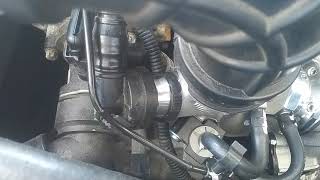
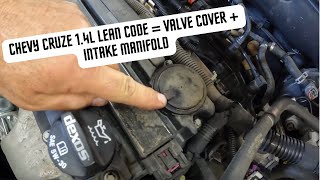
The 1.4L Turbo (LUV) engine in the first-generation Cruze is known for a few specific issues that can trigger P0521. Besides a common failure rate for the oil pressure sensor itself, this engine has a notoriously problematic PCV system. 🎬 Watch: Understanding 1.4L PCV issues and diagnosis A failed check valve in the intake manifold or a ruptured diaphragm in the valve cover can lead to excessive oil consumption. If the oil level drops too low, it will trigger P0521. Additionally, a GM TechLink article noted that in very cold climates, ice or sludge forming in the PCV system can lead to abnormal crankcase pressure, which in turn can cause oil pressure-related codes. Therefore, diagnosis on this specific engine must include checking the PCV system and oil level, not just the sensor.
Generation note: The 2011-2016 year range covers two generations. The first generation (J300) ran from 2011 to 2015. In 2016, the all-new second generation (J400) was introduced. However, GM also sold the leftover first-generation model as the 'Cruze Limited' in 2016. This guide primarily applies to the first-generation models (2011-2015 and 2016 Cruze Limited) equipped with the 1.4L LUV engine.
Symptoms You May Notice
- Check Engine Light illuminated
- Oil pressure warning light on the dashboard
- Oil pressure gauge reading abnormally high or low (if equipped)
- Engine running rough or making unusual noises (in cases of actual low oil pressure)
- Oil smell in the cabin or visible smoke from the engine bay due to leaks caused by PCV pressure issues.
- Replacing the oil pump before verifying actual oil pressure with a mechanical gauge. The sensor and low oil level are far more common failure points.
- Assuming the engine is failing without first checking the oil level, condition, and confirming the sensor's functionality.
- Replacing the valve cover gasket for an oil leak without addressing the underlying PCV system failure that caused the leak, leading to a repeat failure.
- Mistaking a leaking oil filler cap O-ring for a leaking valve cover gasket, as the dripping oil can look similar.
Most Likely Causes
- Faulty Engine Oil Pressure Sensor 🔴 High Probability The sensor is a common failure item on many GM vehicles of this era, including the Cruze. They can fail internally, causing erratic readings, or leak oil through the sensor body and into the electrical connector, which is a definitive sign of failure.
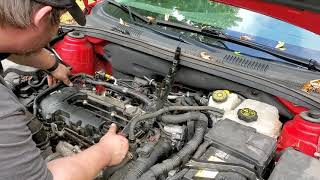
How to confirm: After confirming oil level is correct, the definitive test is to compare the sensor's reading on a scan tool to a reading from a mechanical oil pressure gauge. 🎬 See how to diagnose a failed oil pressure sender If the mechanical gauge shows good pressure but the scan tool reading is erratic or incorrect, the sensor is bad. Visually inspect the sensor's electrical connector for oil contamination.
Typical fix: Replace the engine oil pressure sensor. It is also best practice to replace the small filter screen located in the port underneath the sensor, as it can become clogged with sludge and cause a repeat failure.
Est. part cost: $25-$60 - Low Engine Oil Level (Often due to PCV System Failure) 🔴 High Probability The 1.4L turbo engine is infamous for PCV system failures that lead to high oil consumption. A check valve inside the intake manifold fails, and/or a diaphragm in the valve cover ruptures, pressurizing the crankcase and forcing oil past seals and into the combustion chamber. This oil loss, if not monitored, will cause the oil level to drop and trigger P0521.
How to confirm: Check the oil level using the dipstick. To check for a bad valve cover diaphragm, with the engine running, try to remove the oil fill cap. If there is strong suction holding it down, the diaphragm has likely failed. A failed intake check valve is harder to see but is the root cause.
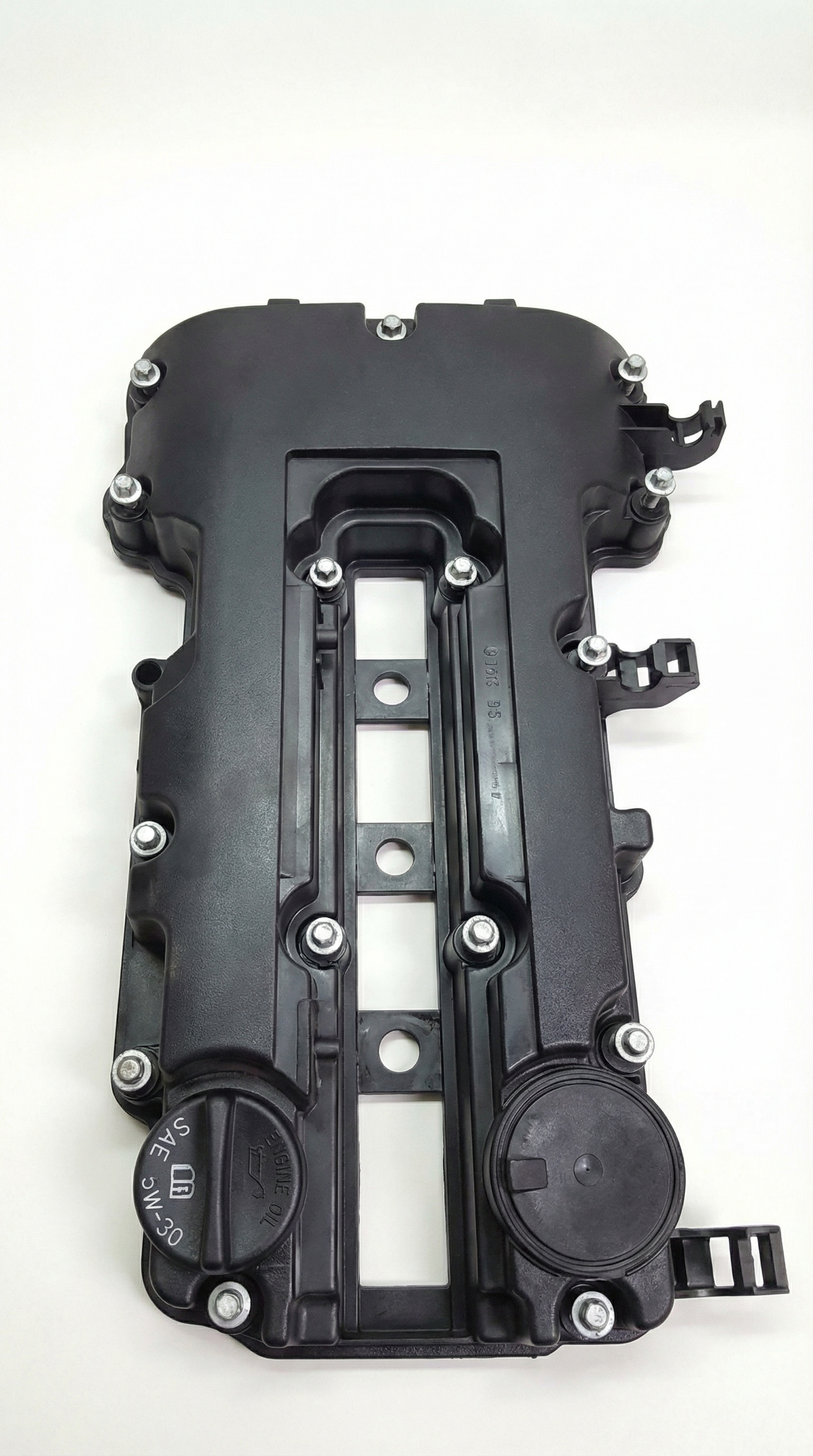
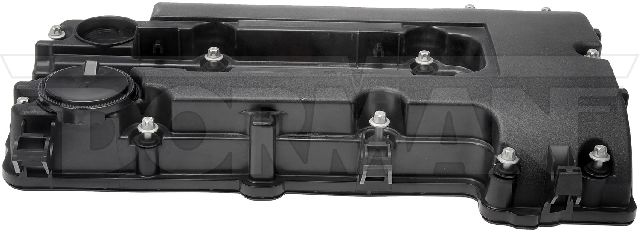
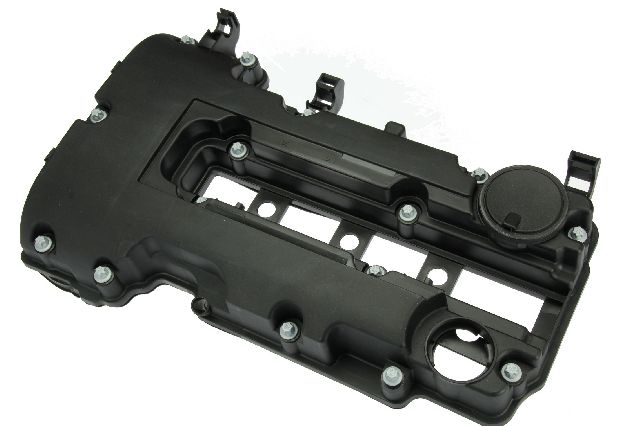
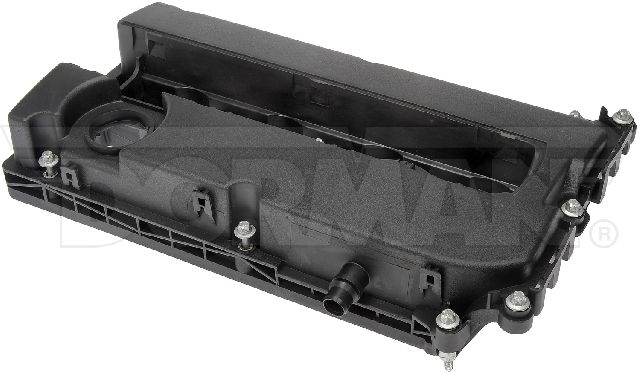
Typical fix: Top up or change the engine oil with the manufacturer-specified grade (ACDelco dexos1 Full Synthetic 5W-30 is recommended). The long-term fix requires addressing the PCV system, which involves replacing the valve cover 🎬 Watch: Step-by-step valve cover and PCV replacement guide (with integrated diaphragm) and either replacing the intake manifold or installing an aftermarket PCV fix kit from a source like CruzeKits.com.
Est. part cost: $40-$80 for an oil change. $100-$250 for a new valve cover and/or PCV fix kit. - Incorrect or Clogged Oil Filter ⚪ Low Probability Using a low-quality or incorrect model of oil filter can restrict flow and trigger pressure codes. The 1.4L engine's variable pressure oiling system can be sensitive to filter design. Some owners report that using anything other than the OEM ACDelco filter can cause issues.
How to confirm: Inspect the installed oil filter to ensure it is a quality, recommended part (such as ACDelco PF48X or the correct cartridge filter for the specific housing). If the filter is old or of poor quality, it could be clogged.
Typical fix: Replace the oil filter with a high-quality OEM or equivalent part.
Est. part cost: $10-$20 - Icing or Sludge in PCV System ⚪ Low Probability A GM TechLink article specifically mentions that on the 1.4L LUV engine, ice can form in the crankcase ventilation system in very cold weather, leading to pressure imbalances that can trigger P0521. Sludge from infrequent oil changes can cause similar blockages in oil passages or the sensor screen.
How to confirm: Inspect the PCV valve, hoses, and intake manifold ports for milky-white sludge (indicating moisture/ice) or thick, black deposits.
Typical fix: Thaw and clean the PCV components and intake passages. In cases of heavy sludge, more intensive engine cleaning may be required. Switching to high-quality synthetic oil and maintaining regular change intervals can prevent recurrence.
Est. part cost: $5-$50 (for cleaners and potentially a new PCV valve)
Rare But Worth Checking
- Failing Oil Pump: If a mechanical gauge confirms that oil pressure is genuinely low and the engine oil/filter are correct, the oil pump may be failing. GM has issued bulletins for other engines regarding sticking oil pressure relief valves in the pump that can cause P0521. This is a much more serious and labor-intensive repair.
- Worn Internal Engine Components: In high-mileage engines, worn crankshaft bearings can cause a true loss of oil pressure. This is a worst-case scenario that typically requires a complete engine rebuild or replacement.
Diagnosis Steps
- Check Engine Oil: Verify the oil level is correct and the oil is not overly dirty or diluted. Top up or change if necessary. This is a critical first step on this engine due to common oil consumption issues.
- Check for PCV Failure: With the engine idling, try to remove the oil filler cap. If it is held on by strong vacuum, the valve cover diaphragm has likely ruptured, indicating a larger PCV system problem that is likely causing oil consumption.
- Inspect for Leaks: Visually inspect the area around the oil pressure sensor for any signs of oil leakage. A leaking sensor is a failed sensor. Also check the valve cover and oil filler cap area for leaks.
- Check Wiring: Inspect the electrical connector and wiring going to the oil pressure sensor for any signs of damage, corrosion, or oil contamination. The sensor is located on the engine block, near the oil filter housing.
- Scan Tool Data: Use a scan tool to observe the live oil pressure reading. Note if the reading is stuck at a specific value, or if it behaves erratically as engine RPM changes.
- Crucial Step - Mechanical Gauge Test: Disconnect the oil pressure sensor and connect a mechanical oil pressure gauge to the port. Start the engine and measure the actual oil pressure. Compare this to the manufacturer's specifications (e.g., minimum 22 psi @ hot idle).
- Analyze Gauge Results: If the mechanical pressure is good and stable, the problem is in the sensor circuit. Proceed to the next step. If mechanical pressure is low, the problem is internal to the engine (e.g., oil pump, bearings) and requires major mechanical diagnosis.
- Replace Sensor and Screen: If mechanical pressure was confirmed to be good, replace the engine oil pressure sensor and the small filter screen in the port underneath it.
Parts You'll Likely Need
- Engine Oil Pressure Sensor
(OEM #12673134 (supersedes older numbers))— This sensor is the most common failure point that directly causes the P0521 code when actual oil pressure is normal.
Trusted brands: ACDelco (OEM), Delphi, NTK
OEM price range: $45-$70
Aftermarket price range: $25-$50 - Valve Cover (with integrated PCV Diaphragm)
(OEM #25198874 (Dorman 264-968 is a popular aftermarket alternative))— Often fails, causing high oil consumption that leads to low oil levels and P0521. The PCV diaphragm is not serviced separately.
Trusted brands: ACDelco (OEM), Dorman
OEM price range: $150-$200
Aftermarket price range: $80-$130
Related Codes That Often Appear With This One
- P0171 — This code for 'System Too Lean' is very common with the PCV system failure on the 1.4L engine. A ruptured valve cover diaphragm or failed intake check valve creates a massive vacuum leak, which the ECM detects as a lean condition.
- P0520 — This code indicates a general fault in the 'Engine Oil Pressure Sensor/Switch Circuit'. It can appear alongside P0521 if there is an electrical issue like a wiring problem or a completely failed sensor.
- P0522 — This code points to the 'Engine Oil Pressure Sensor/Switch Circuit Low Voltage'. It can be triggered by the same faults as P0521, such as a short in the wiring or an internally shorted sensor.
- P0523 — This code means 'Engine Oil Pressure Sensor/Switch Circuit High Voltage'. It often appears when a sensor fails and sends an erratically high signal, or if there is an open in the sensor's ground circuit.
Technical Service Bulletins (TSBs) & Recalls
- GM TechLink Article (No Number) - Mentions icing in the PCV system in cold weather on 1.4L LUV engines can cause P0521.
- GM Bulletin 14371B - Special coverage for leaking water pumps on 2011-2014 Cruze 1.4L engines, a separate but common issue.
- GM Bulletin 20-NA-161 - Discusses P0521 caused by a sticking oil pressure relief valve in the oil pump on other GM engines, a potential rare cause for the Cruze.
- TSB Bulletin #PIP4786C - Provides information regarding vehicles that may display a "Low Oil Pressure" message and store DTC P0521 in the Engine Control Module. It advises technicians to follow published service information and check for low oil pressure using a scan tool.
Platform-Specific Known Issues
- A known issue on the 1.4L LUV engine involves the PCV system. In cold weather, moisture can freeze and create ice blockages, leading to crankcase pressure problems that can manifest as oil pressure codes like P0521.
Mechanic-Grade Diagnostic Values
- Mechanical Oil Pressure (Hot Engine) — expected: At least 22-29 PSI (160-200 kPa) at idle. Should rise to 49-94 PSI (340-650 kPa) between 3000-4000 RPM.. Failure: Pressure significantly below these minimums points to a mechanical issue like a bad oil pump, clogged pickup tube, or worn bearings.
- Oil Pressure Sensor Signal Voltage (at sensor connector, engine running) — expected: Varies with pressure. Approximately 1.3V at hot idle. Normal range is 0.5V (low pressure) to 4.5V (high pressure).. Failure: Voltage is stuck, erratic, or does not correspond to the mechanical gauge reading. The ECM may set P0521 if voltage is <0.1V or >4.4V for more than 10 seconds.
- 5-Volt Reference Circuit Voltage (at sensor connector, key on, engine off) — expected: 4.8V to 5.2V.. Failure: Voltage outside this range indicates a wiring problem between the sensor and the ECM, or an internal ECM fault.
- Low Reference (Ground) Circuit Resistance (at sensor connector) — expected: Less than 10 Ω between the low reference circuit terminal and a known good ground.. Failure: Resistance higher than 10 Ω indicates a poor ground connection, likely at ground point G114, or a break in the wire.
Wiring & Ground Locations
- Engine Oil Pressure Sensor Connector — On the engine block, near the oil filter housing, often located behind the A/C compressor. It is a 3-pin connector.. This is the direct connection point for the sensor. It is prone to heat damage and oil contamination from a leaking sensor, which can cause a poor connection and trigger P0521.
- G114 — On the left rear of the engine for the 1.4L engine.. This is a primary engine control ground point. A loose or corroded connection here can cause erratic voltage and signal readings from multiple sensors, including the oil pressure sensor, leading to false codes.
Real Owner Repair Stories
- Reddit user in r/ChevyTrucks (Chevrolet Truck (similar GM engine design principles)) — Recurring P0521 code even after replacing the oil pressure sensor.
❌ Tried (didn't work) Replacing the oil pressure sensor (switch) multiple times., Removing the filter screen under the sensor.
✅ What actually fixed it The problem was resolved by switching to a specific, high-quality oil filter (Mobil 1 M1-113A). The implication is that lower-quality or incorrect spec filters were causing pressure fluctuations that the sensor was detecting. - CruzeKits.com Founder (Buick Encore (same 1.4L LUV engine)) — Oil leaks from camshaft position actuator solenoid seals shortly after a new (Dorman brand) valve cover was installed.
❌ Tried (didn't work) Replacing the valve cover to fix a PCV issue.
✅ What actually fixed it The underlying cause was the missing intake manifold check valve, which was not diagnosed when the valve cover was replaced. The excessive crankcase pressure from the missing check valve caused the new seals to leak. The final fix was installing an external PCV fix kit to bypass the internal manifold check valve. This highlights the need to diagnose the entire PCV system, not just one component.
OEM Part Supersession History
12559780, 12562230, 12569323, 12573107, 12614969, 12616646→12677836 (ACDelco D1846A)— Part consolidation and design updates by GM over many years.
Heads up: This is the correct 3-pin variable pressure sensor for the 1.4L Turbo. Do not confuse it with the 1-pin oil pressure switch (like GM 55581588) used on other engines like the 1.8L, which serves a different function.
Model Year Variations Within This Range
- 2016 (Gen 2) vs 2011-2016 (Gen 1): The 2016 model year is a transition. The 'Cruze Limited' is a leftover Gen 1 with the 1.4L LUV engine. The all-new 2016 Cruze uses the next-generation 1.4L LE2 engine, which has a different engine control module (E80 vs E78) and other design changes. This guide applies to the LUV engine only.
Diagnostic Flowchart
Other Known Issues on This Vehicle
Issues unrelated to this code that are worth knowing about as an owner of this generation:
- PCV System Failure 🔴 High — Extremely common, often occurs between 60,000 and 120,000 miles. Affects the intake manifold check valve and valve cover diaphragm. (Ref: GM offered some warranty extensions, but it's a well-known design flaw.)
- Coolant Leaks 🔴 High — Very common. The plastic water pump, thermostat housing, and coolant outlet are all prone to cracking and leaking. (Ref: TSB 14371B extended warranty coverage for the water pump to 10 years/150,000 miles.)
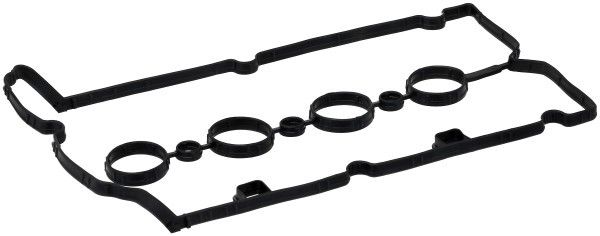
- Valve Cover & Gasket Oil Leaks 🟠 Medium — Common, often a symptom of excessive crankcase pressure from a failed PCV system. The gasket hardens and leaks.
- Turbocharger Failure 🟠 Medium — Can occur at higher mileage (over 100,000 miles), often due to oiling issues or wear. Symptoms include loss of boost and smoke.
- Transmission Problems 🟠 Medium — Complaints of hard shifting, rattling, and occasional failure have been reported by owners. (Ref: Recall 16V502000 for defective replacement park lock levers.)
Used vs. New Parts: Buying Guide for This Vehicle
When a used part is the smart pick: For this repair, used parts are generally not recommended. A used valve cover or intake manifold from a low-mileage donor could be considered if thoroughly inspected for cracks and warping, but the integrated PCV components are known failure points regardless of age.
Donor-vehicle mileage cap: roughly under 50000 miles for the part to have meaningful remaining life.
What to inspect on the donor part:
- For a valve cover, ensure there are no cracks, especially around bolt holes.
- For an intake manifold, check that the internal PCV check valve nipple is still present and intact (a small orange flap visible inside the port). If it's missing, the part is already faulty.
- Check all plastic hose connections for brittleness or cracks.
OEM-only on this vehicle (don't cheap out):
- Engine Oil Pressure Sensor: Numerous owner reviews report premature failure, leaking, and incorrect readings from aftermarket sensors, particularly Dorman brand. It is strongly recommended to use a genuine GM/ACDelco sensor (Part No. 12677836 / D1846A) to avoid repeat repairs.
- Valve Cover (Camshaft Cover): While aftermarket valve covers are available, many owners and specialists report issues with their integrated PCV diaphragms failing quickly. An OEM valve cover is the more reliable choice.
Aftermarket brands forum-validated for this vehicle:
- CruzeKits.com: For addressing the root cause of PCV failure (the intake manifold check valve), their external fix kit is highly regarded in owner forums as a durable, long-term solution that is superior to replacing with another failure-prone OEM intake manifold.
Brands owners have reported issues with on this vehicle:
- Dorman Oil Pressure Sensor (926-041): Multiple owner reviews report this sensor failing within months, leaking oil through the electrical connector, or providing erratic readings right out of the box.
Real Owner Stories
Aggregated from forums and TSBs cited above. Mileages and costs reflect what owners reported in those sources.
2011-2016 Chevrolet Cruze 1.4L Turbo
Symptoms: Oil pressure gauge reading abnormally high or low; scan tool showed erratic readings while a mechanical gauge showed good pressure.
What fixed it: Replacement of the engine oil pressure sensor and the small filter screen located in the port underneath the sensor.
Source hint: chevroletforum.com thread titled 'p0521-oil-pressure-actually-good-109040/'
2011-2016 Chevrolet Cruze 1.4L Turbo
Symptoms: Check Engine Light illuminated, oil smell in the cabin, and strong suction holding the oil fill cap down while the engine was running.
What fixed it: Replacing the valve cover (with integrated diaphragm) and addressing the intake manifold check valve failure.
Source hint: Reddit r/cruze
Related OBD-II Codes
Frequently Asked Questions
Is there a TSB for the P0521 code on my 2014 Cruze 1.4L regarding cold weather issues?
My Cruze is also leaking coolant; is this related to the oil pressure code?
Can a bad valve cover cause an oil pressure sensor code on the 1.4L Turbo?
What specific oil and filter should I use for my 2011-2016 Cruze to avoid P0521?
Is there a permanent fix for the PCV issues that lead to this code?
Should I just replace the sensor, or is there something else I need to swap?
Helpful Videos
Used OEM Parts in Stock
New Aftermarket Parts Available


The information in this article is provided for general reference and educational purposes only. Vehicle specifications, procedures, and part compatibility can vary by production date, trim level, and region. Always consult your vehicle's factory service manual and verify part numbers before purchasing or performing repairs. Safety-critical components such as airbags, seat belts, and braking systems should be installed by a qualified professional.
- Chevrolet Cruze:
- 🎬 Helpful Videos
- 🛍️ Shop This Part
- What's Unique About the 2011-2016 Chevrolet Cruze
- Symptoms You May Notice
- Most Likely Causes
- Rare But Worth Checking
- Diagnosis Steps
- Parts You'll Likely Need
- Related Codes That Often Appear With This One
- Technical Service Bulletins (TSBs) & Recalls
- Platform-Specific Known Issues
- Mechanic-Grade Diagnostic Values
- Wiring & Ground Locations
- Real Owner Repair Stories
- OEM Part Supersession History
- Model Year Variations Within This Range
- Diagnostic Flowchart
- Other Known Issues on This Vehicle
- Used vs. New Parts: Buying Guide for This Vehicle
- Real Owner Stories
- 2011-2016 Chevrolet Cruze 1.4L Turbo
- 2011-2016 Chevrolet Cruze 1.4L Turbo
- Related OBD-II Codes
- Frequently Asked Questions
- 🎟️ Get 5% Off