

P0521 on 2007-2013 Chevrolet Corvette: Oil Pressure Sensor Causes and Fixes
On a 2007-2013 (C6) Corvette, code P0521 is almost always a failed oil pressure sensor. The part is inexpensive (~$40-$70), but its location behind the intake manifold makes replacement a 3-4 hour labor-intensive job. Always verify actual oil pressure with a mechanical gauge first, as the code only indicates an illogical sensor reading, not necessarily low pressure.
- Do not drive the car with code P0521 until you have verified the actual engine oil pressure with a mechanical gauge.
- On the C6 Corvette, this code almost always means the oil pressure sensor has failed.
- The repair is difficult due to the sensor's location under the intake manifold, making it a labor-intensive job.
- When replacing the sensor, you must also replace the intake manifold gaskets and the small filter screen under the sensor.
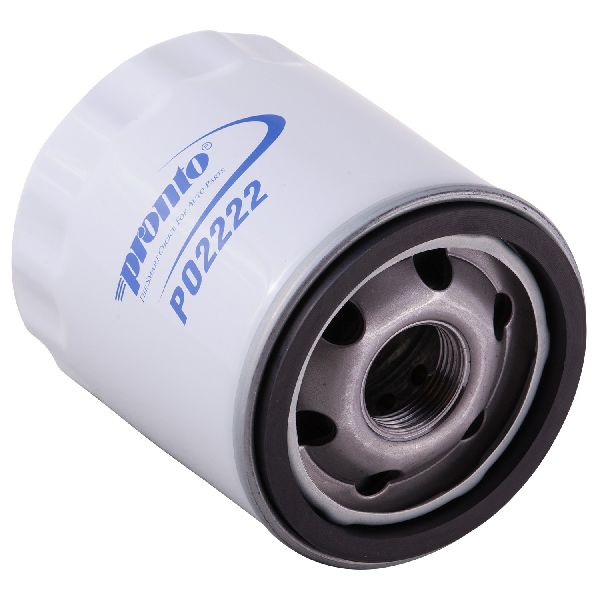
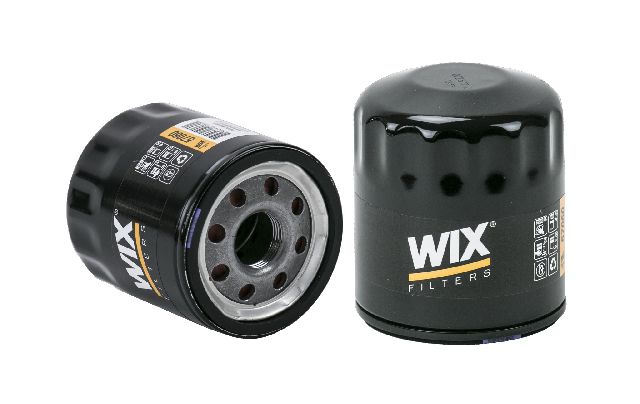
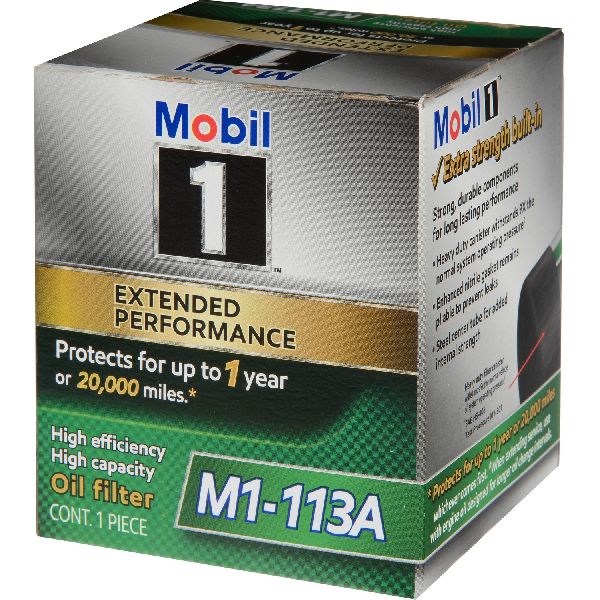
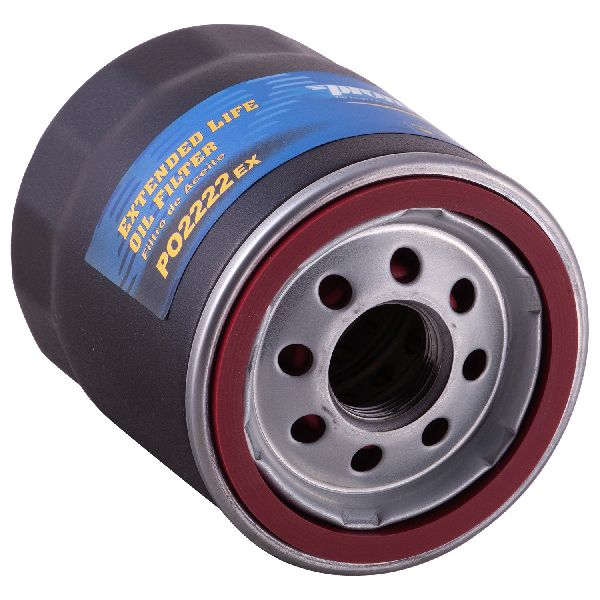
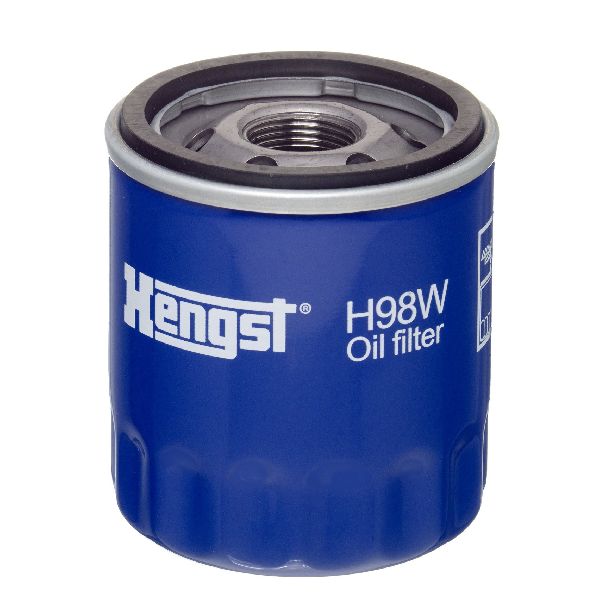
- Use a high-quality, OEM-specified oil filter like the ACDelco PF48E or UPF48R to prevent oil pressure reading issues.
What's Unique About the 2007-2013 Chevrolet Corvette
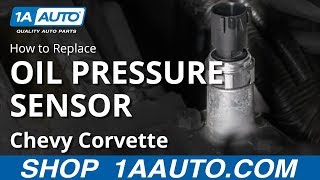
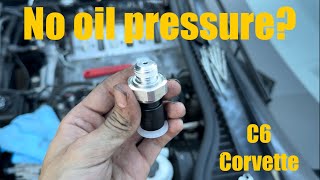
For the C6 Corvette and its LS-family of V8 engines (LS2, LS3, LS7), the P0521 code is an exceptionally common and well-documented issue. The platform's unique challenge is the notorious location of the oil pressure sensor. It is buried at the very back of the engine block, tucked under the intake manifold against the firewall. This design turns what would be a 15-minute sensor swap on many other vehicles into a multi-hour job that requires removing the entire intake manifold. 🎬 Watch: Step-by-step guide to replacing the sensor and intake manifold. Some owners have resorted to cutting an access hole in the cowl under the wipers 🎬 Watch: Two DIY methods to fix the P0521 code quickly. to avoid this, though intake removal is the standard procedure.
Symptoms You May Notice
- Check Engine Light is on
- Oil pressure gauge reads zero, is pegged at maximum, or fluctuates erratically
- "Low Oil Pressure" or "No Oil Pressure" warning message on the instrument cluster
- In rare cases of actual low pressure, engine ticking, knocking, or valvetrain noise
- With a scan tool, clearing the code may cause the gauge to temporarily return to a normal reading before faulting again.
- Replacing the oil pump before verifying actual oil pressure with a mechanical gauge.
- Replacing the instrument cluster due to the faulty gauge reading, when the issue is the sensor sending bad data.
- Assuming a new sensor is good. Faulty new sensors straight out of the box have been reported by owners.
Most Likely Causes
- Faulty Engine Oil Pressure Sensor (Sending Unit) 🔴 High Probability The OEM sensor is a known high-failure item on this platform. Its location subjects it to significant heat cycles, and oil can leak into the sensor's electrical connector, causing erratic readings.
How to confirm: After confirming good oil pressure with a mechanical gauge, the sensor is the default culprit. A key diagnostic check is to observe the sensor reading with the engine off; if it shows any pressure (e.g., 60 PSI), it is definitively faulty. The sensor's signal can be monitored with an advanced scan tool to check for dropouts or illogical readings.
Typical fix: Replace the oil pressure sensor. This requires removing the intake manifold for access.
Est. part cost: $40-$70 - Clogged Oil Pressure Sensor Filter Screen 🟡 Medium Probability A small, thimble-sized filter screen sits in the oil passage directly beneath the sensor. It can become clogged with sludge or debris (especially from a failing AFM lifter on applicable engines), restricting oil flow to the sensor and causing false readings.
How to confirm: The screen can only be inspected upon removal of the oil pressure sensor. It is often difficult to remove from the bore and can be brittle.
Typical fix: Replace the filter screen whenever replacing the oil pressure sensor. It is an inexpensive part that should be changed as a rule during the job. In some cases, it can be cleaned with brake cleaner and compressed air if not damaged.
Est. part cost: $5-$15 - Incorrect or Failed Oil Filter ⚪ Low Probability GM has issued multiple technical service bulletins (TSBs) indicating that certain oil filters can cause oil pressure issues and trigger P0521, particularly after an oil change or in cold weather. The internal bypass valve or 'E-core' design of some filters, like the PF48E, has been implicated. Manufacturer TSB Bulletin #PIP5276E notes that a low oil pressure indication may occur specifically after an oil change, and technicians should replace the oil filter using a PF48e type filter.
How to confirm: Check the part number of the installed oil filter. If it is not the recommended ACDelco filter or a high-quality equivalent, it could be the cause. The issue may appear immediately after an oil change.
Typical fix: Change the engine oil and replace the filter with a new, OEM-specified ACDelco PF48E or the upgraded, more robust UPF48R filter, which is recommended by TSBs if the P0521 code persists.
Est. part cost: $10-$20 - Low or Dirty Engine Oil ⚪ Low Probability
How to confirm: Check the oil level on the dipstick and inspect the oil's condition. TSB Bulletin #PIP5276E advises technicians to inspect the engine for any oil leaks and repair them if needed when diagnosing this code. Oil that is very low, has the wrong viscosity, or has turned to sludge can cause pressure fluctuations.
Typical fix: Perform an oil and filter change using the correct viscosity oil (typically 5W-30 Mobil 1) and a quality filter.
Est. part cost: $50-$100
Rare But Worth Checking
- Wiring Harness or Connector Damage: The sensor connector is brittle and can be damaged during service. Oil can contaminate the connector, and corrosion on the terminals can cause a bad signal. A forum user reported solving a persistent P0521 by addressing corrosion in a different electrical connector on the driver's side head.
- Failing Oil Pump or Worn Engine Bearings: This is the worst-case scenario. If a mechanical gauge confirms genuinely low oil pressure (below GM specs of 6psi/1000rpm, 18psi/2000rpm), the issue is internal to the engine and requires major repair. This could be a failing oil pump, a stuck pressure relief valve, or excessive clearance in engine bearings.
Diagnosis Steps
- Check the engine oil level and condition. Top off or change if necessary.
- CRITICAL: Connect a mechanical oil pressure gauge to the engine. This is the only way to know if the engine has a true oil pressure problem or just a sensor problem. The test port is typically where the sensor itself is located. TSB Bulletin #PIP4786C emphasizes following published service information diagnosis when a scan tool indicates low oil pressure.
- Start the engine and compare the reading on the mechanical gauge to the vehicle's dashboard gauge and a scan tool's data.
- If mechanical pressure is good (e.g., above 20-25 PSI at hot idle) but the dash gauge is erratic/incorrect, the problem is in the sensor circuit. Proceed to the next step.
- If mechanical pressure is low (e.g., below 20 PSI at hot idle and not rising with RPM), STOP. The engine has a serious mechanical problem (e.g., oil pump, worn bearings). Do not run the engine further.
- Inspect the oil pressure sensor connector (at the back of the intake manifold) for damage, corrosion, oil contamination, or loose connection.
- If the wiring looks good and mechanical pressure is confirmed to be normal, the oil pressure sensor has failed. Replace the oil pressure sensor and the small filter screen beneath it.
- During replacement, also replace the intake manifold gaskets 🎬 See this walkthrough for replacing the sensor on an LS3 engine. as they are a one-time-use part. Be careful to not drop anything into the intake ports.
Parts You'll Likely Need
- Engine Oil Pressure Sensor
(OEM #12677836)— This is the most common failure point for code P0521 on this vehicle. The original part number (12616646) has been superseded by 12673134 and then 12677836. Using a genuine ACDelco part is strongly recommended.
Trusted brands: ACDelco, Delphi, Bosch
OEM price range: $50-$80
Aftermarket price range: $30-$60 - Intake Manifold Gasket Set
(OEM #19207929)— The intake manifold must be removed to access the sensor. These gaskets are one-time use and must be replaced to prevent vacuum leaks.
Trusted brands: Fel-Pro, ACDelco, Mahle
OEM price range: $60-$90
Aftermarket price range: $30-$50 - Oil Pressure Sensor Filter Screen
(OEM #12585328)— This small filter under the sensor is prone to clogging with sludge and should always be replaced at the same time as the sensor.
Trusted brands: ACDelco, Dorman
OEM price range: $10-$15
Aftermarket price range: $5-$10 - Engine Oil Filter
(OEM #PF48E / UPF48R)— GM TSBs specifically call out the importance of using the correct oil filter. A faulty or incorrect filter can cause this code. The UPF48R is a heavy-duty alternative also recommended if P0521 persists.
Trusted brands: ACDelco
OEM price range: $10-$20
Aftermarket price range: $8-$15
Technical Service Bulletins (TSBs) & Recalls
- SB-10059078-4342 / PIP5276 (multiple revisions F, G): A series of bulletins addressing P0521 caused by certain oil filters (PF48E), particularly after oil changes or in cold weather. Later revisions suggest using the UPF48R filter if the code persists. TSB Bulletin #PIP5276G specifically mentions that dealers may need to determine if previous bulletins regarding this issue were completed.
- PIP4786C: General bulletin about diagnosing low oil pressure messages and code P0521. It specifically advises inspecting the 'Valve Lifter Oil Filter' (the screen under the sensor) for debris or sludge before replacing any parts. This bulletin provides information to technicians about vehicles that may have a "Low Oil Pressure" message on the instrument panel.
- TSB Bulletin #PIP5276E: This record notes that a Service Engine Soon lamp or low oil pressure indication may occur after an oil change. It recommends changing the oil and replacing the filter with a PF48e type.
Platform-Specific Known Issues
- Labor-Intensive Sensor Location: The primary issue is the labor-intensive replacement of the oil pressure sensor due to its location under the intake manifold against the firewall.
Mechanic-Grade Diagnostic Values
- Oil Pressure Sensor Connector - 5V Reference — expected: 5 Volts on the Gray wire (Pin B) with key on, engine off.. Failure: No voltage or significantly lower voltage indicates a problem with the ECM or the 5V reference circuit, which is shared by other sensors.
- Oil Pressure Sensor Connector - Low Reference (Ground) — expected: 0 Volts / Good continuity to ground on the Black wire (Pin A).. Failure: Voltage present or high resistance to ground indicates a bad ground connection, which can cause erratic readings.
- Oil Pressure Sensor Connector - Signal Wire — expected: Variable voltage on the Tan/White wire (Pin C). Voltage changes with engine oil pressure.. Failure: Voltage that is stuck, does not change with RPM, or is nonsensical (e.g., 5V with engine off) points to a faulty sensor or a short in the signal wire.
- GM Minimum Hot Oil Pressure Specification — expected: At least 6 PSI at 1,000 RPM, 18 PSI at 2,000 RPM, and 24 PSI at 4,000 RPM.. Failure: Readings below these minimums on a mechanical gauge indicate a serious mechanical issue like a failing oil pump or worn bearings.
Scan Tool Commands That Help
- Tech2 / GDS2: Live Data Monitoring - Engine Oil Pressure — Use this to observe the exact pressure value the ECM is seeing from the sensor. This is critical for comparing against a mechanical gauge reading to determine if the fault is with the sensor/circuit or a true mechanical pressure issue.
Wiring & Ground Locations
- Oil Pressure Sensor Connector — At the rear of the engine, top of the block, underneath the intake manifold against the firewall.. This 3-pin connector is the direct interface to the sensor. It's prone to becoming brittle from heat, oil contamination, and having its locking tab broken during service. A poor connection here is a primary cause of P0521. The pigtail connector is ACDelco P/N PT2319.
- G106 (Engine Block Ground) — On the right side (passenger side) of the engine block, typically above the starter motor.. This is a critical ground point for the PCM and several engine sensors. A loose or corroded G106 can cause a host of electrical issues, including incorrect sensor readings and communication problems on the CAN bus, potentially affecting the oil pressure sensor's low reference circuit.
- G105 (Engine Block Ground) — On the left side (driver's side) of the engine block, in a location mirroring G106, between cylinders 5 and 7.. Similar to G106, this is a primary engine ground. While G106 is more directly tied to the PCM, ensuring all major block grounds are clean and tight is a best practice when diagnosing any electrical fault on an LS engine.
- Sensor Connector Pinout (at sensor) — On the sensor connector itself.. For testing, the pins are typically: Pin A = Low Reference (Ground, Black wire), Pin B = 5V Reference (Gray wire), Pin C = Signal (Tan/White wire). This allows a technician to test for power, ground, and signal directly at the sensor.
Real Owner Repair Stories
- CorvetteForum user 'Dave01GT' (C7 Corvette (similar LS engine architecture)) — P0521 code with gauge showing high pressure (60 PSI). Clearing the code would temporarily restore a normal reading before faulting again.
❌ Tried (didn't work) Replacing the oil pressure sensor
✅ What actually fixed it The final solution was cleaning corrosion from a different electrical connector located on the driver's side head, which was interfering with the sensor circuit. - CorvetteForum user '5 Liter Eater' (C6 Corvette) — Intermittent zero oil pressure for ~10 seconds on startup, then low idle pressure (~15 PSI), but normal pressure at higher RPM. Confirmed with a mechanical gauge.
❌ Tried (didn't work) Initial diagnosis pointed towards sensor, but mechanical gauge confirmed a real pressure issue.
✅ What actually fixed it The oil pressure relief valve in the oil pump was found to be stuck open, causing pressure to bleed off at low RPM. Replacing the oil pump resolved the issue. - Reddit user 'Client_After' (Dodge Hemi (different vehicle, but highlights a common issue)) — Persistent P0521 code after initial repair.
❌ Tried (didn't work) Replacing the oil pressure sensor with a generic part from a local auto parts store.
✅ What actually fixed it Replacing the new aftermarket sensor with a genuine OEM Mopar sensor resolved the issue, indicating the vehicle's computer was sensitive to the specific electronic characteristics of the OEM part.
When the Usual Fixes Don't Work
- While the vast majority of P0521 codes on the C6 Corvette are caused by the sensor, filter screen, or connector, a small but significant number of cases are resolved only after addressing issues deeper in the system. One forum user chased an intermittent low-pressure reading that was confirmed by a mechanical gauge; the final fix was replacing the oil pump due to a sticking internal pressure relief valve. Another owner fixed a persistent P0521, that even a new sensor didn't solve, by finding and cleaning corrosion in a completely separate harness connector on the driver's side cylinder head, demonstrating that a fault in the shared 5V reference or ground circuit can manifest as a P0521 code.
OEM Part Supersession History
12616646→12673134, then 12677836— Standard part evolution for improved reliability and manufacturing.
Heads up: All parts are physically and electrically interchangeable. The latest part number, 12677836, is the recommended replacement.12677836 (Aluminum Body)→N/A - Aftermarket Alternative— Some owners and mechanics prefer aftermarket sensors with brass bodies over the aluminum OEM design, believing them to be more durable against heat and vibration.
Heads up: While some aftermarket brass sensors work, fitment is not guaranteed. For example, some brass sensors use NPT threads instead of the OEM M16 straight threads, requiring an adapter. It's crucial to verify compatibility for the specific LS2/LS3 engine.
Model Year Variations Within This Range
- 2007-2013: The underlying cause and repair procedure for P0521 are highly consistent across all V8 engines (LS2, LS3, LS7) used in the 2007-2013 Corvette. There are no significant model-year variations within this range that change the diagnostic approach.
Diagnostic Flowchart
Used vs. New Parts: Buying Guide for This Vehicle
When a used part is the smart pick: For this specific repair, using used parts is strongly discouraged. The primary failure components (sensor, gaskets) are wear items that should always be replaced with new parts.
What to inspect on the donor part:
- Not applicable as used parts are not recommended.
OEM-only on this vehicle (don't cheap out):
- Engine Oil Pressure Sensor: Given the high failure rate and critical nature of this part, using a genuine ACDelco sensor (P/N 12677836) is the safest choice. Some owners report repeat failures with store-brand aftermarket sensors.
- Intake Manifold Gaskets: These are one-time-use seals. Reusing old gaskets or using low-quality aftermarket ones can lead to vacuum leaks, causing a host of different engine performance issues.
Aftermarket brands forum-validated for this vehicle:
- Fel-Pro (for Intake Manifold Gaskets): A widely trusted brand for engine gaskets.
- ACDelco UPF48R (for Oil Filter): This is a GM-approved, heavy-duty upgrade over the standard PF48E and is often recommended to resolve persistent oil pressure codes.
Brands owners have reported issues with on this vehicle:
- Generic/Store-Brand Oil Pressure Sensors: Multiple owner accounts describe scenarios where a new, non-OEM sensor was faulty out of the box or failed shortly after installation, leading to a repeat of the same P0521 code and wasted labor.
Real Owner Stories
Aggregated from forums and TSBs cited above. Mileages and costs reflect what owners reported in those sources.
Corvette C6
Symptoms: Implied Check Engine Light / P0521 from context of oil pressure sensor replacement.
What fixed it: Replaced oil pressure sensor.
Cost: $200
Source hint: CorvetteForum - Oil pressure sensor replacement bid
2007-2013 Chevrolet Corvette
Symptoms: Check Engine Light with code P0521, requiring oil pressure sensor replacement.
What fixed it: Replaced the oil pressure sensor.
Cost: $250-$350
Source hint: CorvetteForum.com - Repair Cost Discussion
2008-2009 Pontiac G8 GT
Symptoms: Check Engine Light with code P0521.
What fixed it: Replaced the oil pressure sensor and the filter screen beneath it, then verified correct pressure with a mechanical gauge.
Source hint: LS1Tech.com
2007-2013 Chevrolet Corvette
Symptoms: Desire for easier future sensor replacement and the ability to add a mechanical verification gauge.
What fixed it: Installed a custom-made sensor relocation kit from off-the-shelf fittings.
Source hint: CorvetteForum.com - DIY Relocation Kit
Related OBD-II Codes
Frequently Asked Questions
Is it safe to drive my Corvette if it has a P0521 code and the oil pressure gauge is acting erratically?
Why is the repair for the oil pressure sensor so expensive on my C6 Corvette?
I just had an oil change and now my Corvette has a P0521 code. What's the most likely cause?
My mechanic is replacing the oil pressure sensor. Is there anything else they should do at the same time?
What does TSB PIP4786C say about the P0521 code on my Corvette?
My oil pressure gauge reads 60 PSI even with the engine off. What does this mean?
Helpful Videos
![How to Fix P0521 Engine Code in 4 Minutes [2 DIY Methods / Only $6.87]](https://img.youtube.com/vi/W9EL9QHCDMo/mqdefault.jpg)
We Have This Part in Stock


The information in this article is provided for general reference and educational purposes only. Vehicle specifications, procedures, and part compatibility can vary by production date, trim level, and region. Always consult your vehicle's factory service manual and verify part numbers before purchasing or performing repairs. Safety-critical components such as airbags, seat belts, and braking systems should be installed by a qualified professional.
- Chevrolet Corvette:
- 🎬 Helpful Videos
- 🛍️ Shop This Part
- What's Unique About the 2007-2013 Chevrolet Corvette
- Symptoms You May Notice
- Most Likely Causes
- Rare But Worth Checking
- Diagnosis Steps
- Parts You'll Likely Need
- Technical Service Bulletins (TSBs) & Recalls
- Platform-Specific Known Issues
- Mechanic-Grade Diagnostic Values
- Scan Tool Commands That Help
- Wiring & Ground Locations
- Real Owner Repair Stories
- When the Usual Fixes Don't Work
- OEM Part Supersession History
- Model Year Variations Within This Range
- Diagnostic Flowchart
- Used vs. New Parts: Buying Guide for This Vehicle
- Real Owner Stories
- Corvette C6
- 2007-2013 Chevrolet Corvette
- 2008-2009 Pontiac G8 GT
- 2007-2013 Chevrolet Corvette
- Related OBD-II Codes
- Frequently Asked Questions
- 🎟️ Get 5% Off