

P0520 on 2007-2014 GMC Yukon 5.3L: Engine Oil Pressure Sensor Circuit Causes and Fixes
On a 2007-2014 GMC Yukon with the 5.3L V8, code P0520 almost always points to a failed oil pressure sensor and its small, clogged filter screen. Both are located in a difficult-to-access spot at the back of the engine against the firewall. The sensor and screen are known failure points, often due to sludge buildup exacerbated by the Active Fuel Management (AFM) system. Expect to pay $40-$70 for OEM parts and 1.5-3 hours of labor due to the location.
- P0520 on your Yukon is almost certainly an issue with the oil pressure sensor's electrical circuit, not a catastrophic engine failure.
- The most common fix is to replace both the oil pressure sensor (ACDelco 12673134) and the filter screen underneath it (ACDelco 12585328).
- This is a difficult DIY job due to the sensor's location at the back of the engine. Be prepared with special tools like a 1-1/16" oil pressure sensor socket, a swivel, and multiple extensions.
- Before replacing any parts, it is wise to verify the engine's actual oil pressure with a mechanical gauge to rule out any real mechanical problems.
What's Unique About the 2007-2014 GMC Yukon
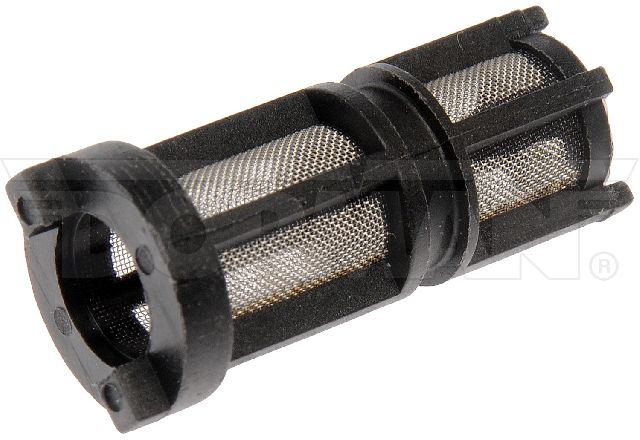
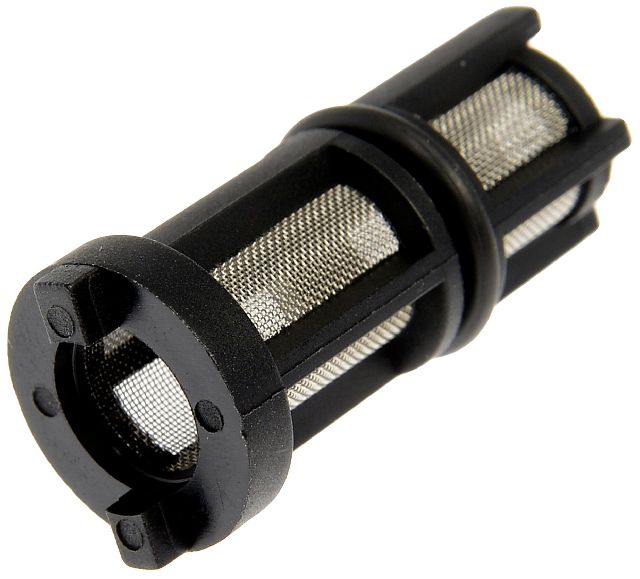
On these GM 5.3L V8 engines (and their platform mates), the P0520 code is an extremely common and well-documented issue. The primary cause is the oil pressure sensor itself, which is notoriously prone to failure. It is located in a very difficult-to-reach spot at the back of the engine against the firewall, making replacement a challenging job. Compounding the problem is a small, thimble-sized filter screen (GM Part #12585328) directly underneath the sensor that is designed to protect it. This screen frequently clogs with engine sludge, a common issue in engines with Active Fuel Management (AFM), which can lead to oil starvation at the sensor, causing false readings and eventual sensor failure. It is critical to replace this screen along with the sensor.
Symptoms You May Notice
- Check Engine Light is on
- Oil pressure gauge reads zero, erratically, or is maxed out
- Low oil pressure warning light is illuminated on the dashboard
- In some cases, the message center may display "Oil Pressure Low - Stop Engine& 🎬 Watch: A real-world fix for the low oil pressure warning.quot;
- Engine may enter a reduced power or "limp mode"
- Replacing the oil pump. People may panic and assume the worst, but a P0520 code is almost always a sensor circuit issue, not a mechanical pressure failure.
- Replacing only the sensor but not the small filter screen underneath it. A clogged screen will cause the new sensor to read incorrectly and the code to return.
- Assuming an aftermarket sensor will work reliably. Many forum threads detail stories where a cheap aftermarket sensor was faulty out of the box or failed quickly, leading to a repeat diagnosis, only to be solved by using a genuine OEM part.
Most Likely Causes
- Faulty Engine Oil Pressure Sensor (Sending Unit) 🔴 High Probability The sensor is located in a high-heat area at the back of the engine, leading to a high failure rate. It's a very common failure part on this platform, with many owner and mechanic testimonials confirming this.
How to confirm: After confirming good oil pressure with a mechanical gauge, if the vehicle's gauge still reads incorrectly, the sensor is bad. Test the sensor's circuit for proper 5V reference, ground, and signal voltage. A failed sensor may show an open circuit or incorrect resistance.
Typical fix: Replace the oil pressure sensor. Due to the high failure rate of aftermarket parts, an OEM ACDelco sensor is strongly recommended by forum users and mechanics.
Est. part cost: $35-$60 - Clogged Oil Pressure Sensor Filter Screen 🔴 High Probability These engines feature a small screen under the sensor that is notorious for getting clogged with engine sludge and debris. This is often attributed to the Active Fuel Management (AFM) system and extended oil change intervals, which can contribute to sludge formation.
How to confirm: The screen is located in the port underneath the sensor. Upon removing the sensor, the screen can be inspected for blockage. It is often difficult to see without a borescope or mirror. It is typically removed with a pick or by threading a coarse-threaded screw into it to pull it out.
Typical fix: Remove and replace the filter screen (Part #12585328). This should always be done when replacing the oil pressure sensor to prevent a repeat failure. GM TSB PIP4786C specifically advises inspecting this filter for sludge.
Est. part cost: $5-$15 - Damaged Wiring or Electrical Connector 🟡 Medium Probability The wiring harness and connector are in a high-heat area and can become brittle, cracked, or contaminated with oil over time, leading to a poor connection. The locking tab on the connector is notoriously fragile and often breaks during removal.
How to confirm: Visually inspect the connector and wiring for signs of damage, corrosion, or oil saturation. Wiggle the connector while observing the oil pressure reading on a scan tool to check for intermittent connections. Check for the presence of the rubber O-ring seal inside the connector; if it's missing or stuck on the old sensor, it can cause a poor connection.
Typical fix: Clean the connector terminals. If the connector or pigtail is damaged (e.g., broken locking tab), it will need to be replaced. The ACDelco PT2770 is a commonly used pigtail replacement.
Est. part cost: $15-$40
Rare But Worth Checking
- Failing Oil Pump or Internal Engine Wear: While P0520 is typically an electrical code, it can sometimes be triggered alongside other codes (like P0521) if there is a genuine, severe oil pressure issue. This is a worst-case scenario and must be ruled out with a mechanical gauge test first. AFM lifter failure, a known issue on these engines, can also lead to debris that causes oiling problems.
- Faulty Powertrain Control Module (PCM): This is extremely rare. The PCM would only be suspected after all other possibilities, including the sensor, screen, and wiring, have been thoroughly tested and ruled out.
Diagnosis Steps
- Verify the engine oil level and condition. Ensure the correct viscosity oil (usually 5W-30) is being used.
- Connect an OBD-II scanner and confirm the P0520 code is present. Note any other codes.
- CRITICAL STEP: Connect a mechanical oil pressure gauge to the engine. Start the engine and verify the actual oil pressure against manufacturer specifications (typically at least 25-30 PSI at operating temperature and normal RPMs). If pressure is good, proceed. If pressure is low, you have a serious mechanical issue that needs to be addressed first.
- Assuming mechanical pressure is good, the fault lies in the sensor circuit. Turn the ignition on (engine off). Access the sensor connector at the rear of the engine.
- Using a multimeter, check for a 5-volt reference on one wire and a good ground on another. The third wire is the signal wire.
- If voltage and ground are correct, the sensor and its filter are the most likely culprits.
- Remove the plastic engine cover. Disconnect the electrical connector from the sensor; be careful as the locking tab is fragile.
- Remove the oil pressure sensor. This is difficult due to its location. A special oil pressure sensor socket (1-1/16 inch or 27mm) with a combination of extensions and a swivel/universal joint is required. 🎬 Watch: This secret tool makes reaching the sensor much easier.
- Inspect the port for the small filter screen. It will likely be clogged. Carefully remove the old screen, often by threading a coarse screw into it and pulling it out. 🎬 See the best way to remove a stuck filter screen. Be careful not to drop debris into the engine.
- Install the new filter screen (Part #12585328) and the new oil pressure sensor. Torque to specification (around 15-22 ft-lbs).
- Reconnect the electrical connector, ensuring it clicks into place. Clear the codes with a scanner, and start the engine. Verify the oil pressure gauge on the dashboard now reads correctly and the Check Engine Light stays off.
Parts You'll Likely Need
- Engine Oil Pressure Sensor
(OEM #12673134 (Supersedes older numbers like 12621234))— This is the most common failure point for this code on this specific vehicle. The original sensor fails frequently due to heat and internal wear.
Trusted brands: ACDelco (GM Genuine)
OEM price range: $35-$60
Aftermarket price range: $20-$45 - Engine Oil Pressure Sensor Filter Screen
(OEM #12585328)— This screen is located under the sensor and is notorious for clogging with sludge, which causes the sensor to read incorrectly. It must be replaced with the sensor.
Trusted brands: ACDelco (GM Genuine), Dorman
OEM price range: $5-$15
Aftermarket price range: $5-$10 - Oil Pressure Sensor Connector Pigtail
(OEM #ACDelco PT2770)— The original connector often becomes brittle from heat cycles and the locking tab breaks upon removal, necessitating a replacement.
Trusted brands: ACDelco
OEM price range: $25-$40
Aftermarket price range: $15-$30
Related Codes That Often Appear With This One
- P0521 — P0521 indicates the sensor's performance is out of range, not just an electrical fault. It's often a precursor or companion to P0520, as a failing sensor can send both irrational (P0521) and electrically faulted (P0520) signals. TSB PIP4786C directly addresses P0521 and points to the clogged filter screen.
- P0522 — This code indicates the sensor circuit voltage is specifically too low. It points more directly to a short or internal sensor failure, which is a type of circuit malfunction that falls under the P0520 umbrella.
- P0300-P0308 — If the clogged screen or oil pressure issue is related to sludge from a failing Active Fuel Management (AFM) lifter, you may also see misfire codes for the affected cylinders.
Technical Service Bulletins (TSBs) & Recalls
- TSB PIP4786C: While for the related P0521/P0522 codes, this TSB is highly relevant as it instructs technicians to inspect the 'Valve Lifter Oil Filter' (the screen under the sensor) for sludge before replacing other parts, confirming it's a known issue that can cause a low reading at the sensor.
Platform-Specific Known Issues
- The location of the sensor at the rear of the engine block, tucked under the intake manifold and against the firewall, makes this a particularly difficult part to access and replace. Many DIYers and even professionals find it frustrating.
- The use of non-OEM or incorrect specification oil filters has been linked to oil pressure reading issues in GM TSBs for the related P0521 code, highlighting the system's sensitivity.
- Sludge buildup from Active Fuel Management (AFM) system operation is a significant contributing factor to the filter screen clogging, which is the root cause for many P0520 faults on this platform.
Mechanic-Grade Diagnostic Values
- Mechanical Oil Pressure (Engine at Operating Temp) — expected: 25-30 PSI at idle, 45-70 PSI at 2,500 RPM.. Failure: Pressure significantly below these values indicates a mechanical engine issue, not a sensor circuit fault.
- Sensor Signal Voltage (Key-On, Engine-Running) — expected: Varies with RPM, typically from ~0.5V at idle up to ~4.5V at higher RPM.. Failure: A static voltage (e.g., stuck at 0V or 5V) or a reading below 0.5V at idle indicates a failed sensor or circuit fault.
- Sensor Connector Voltages (Key-On, Engine-Off, Connector Unplugged) — expected: 5-volt reference on the Gray wire (Pin 41), and near 0 volts on the Tan ground wire (Pin 52).. Failure: Missing 5V reference or a bad ground points to a wiring or PCM issue, not a faulty sensor.
Scan Tool Commands That Help
- Tech 2 / GDS2: View 'Engine Oil Pressure' Parameter — Used to monitor the oil pressure value being reported by the sensor to the ECM in real-time. This helps confirm if the gauge reading matches the data the ECM is seeing, as recommended in TSB PIP4786C.
- Tech 2 / GDS2: Cylinder Deactivation (AFM) Valve Lifter Oil Manifold Diagnosis and Testing — This is a guided diagnostic routine in the service software used when an AFM lifter issue is suspected as the root cause of oil pressure problems or related misfire codes.
Wiring & Ground Locations
- Engine Oil Pressure (EOP) Sensor Connector — Top rear of the engine, behind the intake manifold, against the firewall.. This 3-pin connector is the direct interface for the sensor. The wires (Pin 50 Signal, Pin 41 5V Ref, Pin 52 Ground on a 2009 model) and the connector itself are prone to heat damage, oil contamination, and broken locking tabs, causing the P0520 code.
- G103 — On the front of the right-side (passenger) cylinder head.. This is a primary engine ground. A poor connection here can cause various sensor reading issues and electrical noise, potentially affecting the oil pressure sensor's reference voltage or signal integrity.
- G102 / G104 / G110 — On studs at the rear of the cylinder heads (G102 left rear, G104/G110 passenger side rear).. These are critical engine-to-chassis grounds. A loose or corroded ground strap in this area can cause erratic sensor behavior and incorrect gauge readings, which could be misdiagnosed as a sensor failure.
Real Owner Repair Stories
- YouTube channel 'jonwillfixit' (2007 GMC Yukon 5.3L) — Low oil pressure light would come on at idle after the engine warmed up. Gauge showed pressure dropping to around 5 PSI.
❌ Tried (didn't work) Initially cleaning the original sensor screen provided a temporary improvement, but the low-pressure light returned.
✅ What actually fixed it The final fix was a combination of cleaning the sensor screen AND replacing the existing oil filter with a proper, new oil filter. The oil pressure increased by at least 10 PSI and the warning light did not return. - Reddit user BrettBerger3 (2013 Chevy Tahoe, 159k miles) — Recurring P0521 code that would return 1000-1500 miles after every oil change.
❌ Tried (didn't work) Replacing the oil pressure sensor multiple times., The previous owner had already removed the sensor filter screen entirely.
✅ What actually fixed it Switching to a specific high-quality aftermarket oil filter (Mobil 1 M1-113A) and ensuring the oil level was correct. The code did not return after 5,000 miles. - YouTube channel 'JaboTheMechanic' (2007-2014 Chevrolet Tahoe) — Oil pressure gauge reading zero, 'Low Oil Pressure' message, and codes P0523 and P0521 stored.
✅ What actually fixed it Replaced the oil pressure sensor and the underlying screen without removing the intake manifold. After clearing the codes, the oil pressure gauge immediately began working correctly.
"I Checked Everything" — The Actual Cause
- A common scenario for this code is when electrical tests on the sensor and wiring all pass, yet the code returns. The cause is often a mechanically clogged oil pressure sensor screen, which restricts oil flow to the sensor, causing an inaccurate reading that the PCM interprets as a fault.
- Another pattern is a recurring code P0520 or P0521 shortly after an oil change. This has been traced to using an incorrect or low-quality aftermarket oil filter, which can cause oil pressure fluctuations that trigger the code even with a perfectly good sensor and circuit.
OEM Part Supersession History
12596951, 12621234→12673134— Standard part evolution for improved reliability and manufacturing consistency.
Model Year Variations Within This Range
- 2007-2014: There are no significant variations for this specific P0520 issue within the 2007-2014 (GMT900) model year range. The 5.3L engines used (LY5, LMG, LC9) all share the same design with the problematic oil pressure sensor and screen located at the rear of the engine block.
Diagnostic Flowchart
Other Known Issues on This Vehicle
Issues unrelated to this code that are worth knowing about as an owner of this generation:
- Active Fuel Management (AFM) Lifter Failure 🔴 High — Common, especially on vehicles over 75,000 miles. Can be exacerbated by oil condition. Symptoms include ticking/tapping noises, misfires (P0300 codes), and sometimes catastrophic engine damage. (Ref: Multiple TSBs exist addressing symptoms, but no single recall for the root cause.)
- Cracked Dashboard 🟡 Low — Extremely common across the entire GMT900 platform. Cracks typically appear on the driver's side near the airbag or over the instrument cluster. (Ref: No recall, but was a subject of a class-action lawsuit. GM has been inconsistent in covering it under warranty.)
- Excessive Oil Consumption 🟠 Medium — Common issue, often linked to the AFM system and PCV design. GM issued TSBs and updated parts (like a shielded valve cover) to address oil being sucked into the intake. (Ref: TSB #19-NA-036 and others address oil consumption diagnosis and repair procedures.)
- Throttle Body Failure / Reduced Engine Power 🟠 Medium — Fairly common, leading to a 'Service Stabilitrak' and 'Reduced Engine Power' message on the dash, with codes like P2135. Often requires cleaning or replacing the throttle body and/or connector.
- Cracked or Broken Interior/Exterior Door Handles 🟡 Low — Very common. The chrome on interior handles can peel and become sharp, and the plastic exterior handles can break from their mounting points.
Used vs. New Parts: Buying Guide for This Vehicle
When a used part is the smart pick: For this specific repair, sourcing used parts is generally not recommended. The only exception might be the electrical connector pigtail (ACDelco PT2770) if a donor vehicle's harness is in excellent, non-brittle condition.
Donor-vehicle mileage cap: roughly under 80000 miles for the part to have meaningful remaining life.
What to inspect on the donor part:
- For a pigtail connector: check for a flexible, intact locking tab.
- Inspect wiring for any signs of cracking, brittleness, or previous repairs.
- Ensure connector terminals are clean and free of corrosion or oil residue.
OEM-only on this vehicle (don't cheap out):
- Engine Oil Pressure Sensor: Due to the high failure rate and critical function, using a new OEM ACDelco sensor (12673134) is strongly advised by mechanics and forum users to avoid premature failure and repeat labor.
- Engine Oil Pressure Sensor Filter Screen: This part (12585328) is inexpensive and should always be replaced with a new OEM part to ensure clean oil flow to the new sensor.
Aftermarket brands forum-validated for this vehicle:
- Oil Filter: While ACDelco PF48E is the recommended standard, some owners have reported success resolving recurring P0521 codes with high-quality filters like the Mobil 1 M1-113A.
Brands owners have reported issues with on this vehicle:
- Cheap, unbranded oil pressure sensors from online marketplaces are frequently reported as being faulty out of the box or failing within a few months.
Real Owner Stories
Aggregated from forums and TSBs cited above. Mileages and costs reflect what owners reported in those sources.
2007-2013 GMC Sierra 1500 5.3L V8
Symptoms: Owner reported a P0520 trouble code.
What fixed it: The user confirmed the clogged filter screen under the sensor was the culprit and fixed the issue by replacing it along with the sensor.
Source hint: gm-trucks.com: A user in the '1999-2013 Silverado & Sierra 1500' section details their successful P0520 fix...
2007-2014 GMC Yukon/Chevrolet Tahoe 5.3L V8
Symptoms: Owners on the forum reported experiencing the P0520 code.
What fixed it: The consensus on the forum for a successful repair is to replace both the oil pressure sensor and the filter screen underneath it, using OEM parts.
Source hint: tahoeyukonforum.com: Numerous threads discuss P0520...
Chevrolet Silverado 5.3L V8
Symptoms: The creator was replacing the oil pressure sensor, implying symptoms of a P0520 code such as a Check Engine Light and incorrect gauge readings.
What fixed it: The creator initially missed replacing the filter screen under the sensor and later emphasized that cleaning or replacing this screen was a critical step for a complete repair.
Source hint: YouTube - 'Chevy Silverado 5.3L OIL PRESSURE SENSOR REPLACEMENT' by NoNonsenseKnowHow
Related OBD-II Codes
Frequently Asked Questions
I'm replacing the oil pressure sensor on my Yukon. Is there anything else I should replace at the same time?
Is it okay to use an aftermarket oil pressure sensor on my 5.3L Yukon?
Why is my 2011 Yukon so prone to this P0520 code?
The plastic connector for my oil pressure sensor broke when I tried to remove it. What's the replacement part?
I have a P0520 code, but my oil level is full. Could it still be a serious mechanical problem?
I'm having a hard time reaching the sensor on my Yukon. Is there a trick to it?
Does GM have a TSB for the P0520 code on these trucks?
Helpful Videos
We Have This Part in Stock

The information in this article is provided for general reference and educational purposes only. Vehicle specifications, procedures, and part compatibility can vary by production date, trim level, and region. Always consult your vehicle's factory service manual and verify part numbers before purchasing or performing repairs. Safety-critical components such as airbags, seat belts, and braking systems should be installed by a qualified professional.
- GMC Yukon:
- 🎬 Helpful Videos
- 🛍️ Shop This Part
- What's Unique About the 2007-2014 GMC Yukon
- Symptoms You May Notice
- Most Likely Causes
- Rare But Worth Checking
- Diagnosis Steps
- Parts You'll Likely Need
- Related Codes That Often Appear With This One
- Technical Service Bulletins (TSBs) & Recalls
- Platform-Specific Known Issues
- Mechanic-Grade Diagnostic Values
- Scan Tool Commands That Help
- Wiring & Ground Locations
- Real Owner Repair Stories
- "I Checked Everything" — The Actual Cause
- OEM Part Supersession History
- Model Year Variations Within This Range
- Diagnostic Flowchart
- Other Known Issues on This Vehicle
- Used vs. New Parts: Buying Guide for This Vehicle
- Real Owner Stories
- 2007-2013 GMC Sierra 1500 5.3L V8
- 2007-2014 GMC Yukon/Chevrolet Tahoe 5.3L V8
- Chevrolet Silverado 5.3L V8
- Related OBD-II Codes
- Frequently Asked Questions
- 🎟️ Get 5% Off