

P0520 on 2013-2022 Buick Encore 1.4L Turbo: Engine Oil Pressure Sensor Circuit Causes and Fixes
On a 2013-2022 Buick Encore with the 1.4L engine, code P0520 is most often caused by a failed engine oil pressure sensor. The sensor itself is inexpensive, but first, you must check your oil level and verify the actual oil pressure with a mechanical gauge to rule out a serious mechanical issue. High oil consumption due to PCV system failures is a very common indirect cause on this platform.
- Do not drive your vehicle. A P0520 code could be masking a true low oil pressure condition that can destroy your engine.
- Your first step is to check the engine oil level. Low oil, often caused by PCV issues on this engine, is a common problem.
- Before replacing any parts, you or your mechanic MUST verify the actual oil pressure with a mechanical gauge to rule out a major mechanical failure.
- The most likely fix is a faulty oil pressure sensor, but the difficulty of the repair can range from easy to difficult depending on its location on your specific vehicle.
- When replacing the sensor, always use a quality part (like ACDelco) and replace the small filter screen underneath it.
What's Unique About the 2013-2022 Buick Encore
The 1.4L Turbo engine used in the Encore and its siblings (Chevy Cruze, Sonic, Trax) is well-known for a few specific issues that can lead to this code. While the P0520 code is electrical, it can be indirectly caused by a failed PCV system within the valve cover, which leads to high oil consumption. If the oil level drops too low, it can trigger oil pressure warnings. Additionally, a separate PCV check valve inside the intake manifold can become dislodged, causing excessive crankcase pressure that can lead to oil leaks and consumption, further contributing to low oil level conditions. Therefore, checking the oil level is a critical first step, as high oil consumption is a known quirk of this engine.
Symptoms You May Notice
- Check Engine Light is on
- Low Oil Pressure warning light on the dashboard, may be flashing
- Oil pressure gauge (if equipped) reads zero, maximum, or fluctuates erratically
- Engine may enter a reduced power or "limp mode"
- In cases of actual low pressure, you may hear engine ticking, knocking, or rattling noises
- Message on Driver Information Center (DIC) saying "STOP ENGINE" or "LOW OIL PRESSURE"
- Replacing the oil pressure sensor without first verifying the actual oil pressure with a mechanical gauge. This could lead to catastrophic engine failure if the real problem is a failing oil pump or a clogged passage.
- Replacing the oil pump. P0520 is an electrical circuit code. A failing oil pump would typically cause actual low oil pressure, which must be confirmed with a gauge, and may set performance codes like P06DD.
Most Likely Causes
- Failed Engine Oil Pressure Sensor 🔴 High Probability The sensor is exposed to extreme heat and vibration, and they are a common failure point across many GM vehicles of this era. They can fail electrically or develop internal leaks that contaminate the connector with oil, which is a definitive sign of failure.
How to confirm: After verifying the actual oil pressure is good with a mechanical gauge, inspect the sensor's electrical connector. If oil is present inside the connector, the sensor has failed and is leaking. If the connector is clean but the scan tool reading is erratic or incorrect while wiggling the harness, the sensor is the prime suspect.
Typical fix: Replace the engine oil pressure sensor. It is highly recommended to also replace the small filter screen that sits in the port underneath the sensor, as it can get clogged with sludge.
Est. part cost: $25-$70 - Damaged Wiring or Connector 🟡 Medium Probability The wiring harness is located in a hot, oily environment. The plastic connector can become brittle and break, and wires can get damaged or saturated with oil from a leaking sensor. The sensor is located on the back of the engine, making harness inspection difficult without some disassembly.
How to confirm: Visually inspect the wiring and connector for cracks, corrosion, or oil saturation. A user on Reddit with a P0520 code found no spark after replacing the sensor, indicating a potential wiring circuit issue that was overlooked. Wiggle the connector while the engine is running (if safe to do so) and watch the oil pressure reading on a scan tool for changes.
Typical fix: If the connector is full of oil, clean it with electrical contact cleaner. If the connector or wiring is damaged, replace the pigtail connector.
Est. part cost: $20-$45 - Low Engine Oil Level 🟡 Medium Probability The 1.4L LUV engine is infamous for high oil consumption due to PCV system issues in the valve cover and/or intake manifold. An owner may not realize the oil level is critically low, which will cause the oil pump to suck air and trigger pressure codes.
How to confirm: Check the engine oil level with the dipstick. If it is low, top it off and see if the warning light goes out. Investigate the reason for the oil loss (e.g., PCV system failure, turbo seals, oil cooler leaks).
Typical fix: Perform an oil change using the correct specification oil (dexos1 Full Synthetic 5W-30) and filter. Address the root cause of the oil consumption, which often requires replacing the valve cover assembly 🎬 Watch: Step-by-step valve cover replacement guide and inspecting the intake manifold check valve.
Est. part cost: $40-$80 for an oil change
Rare But Worth Checking
- Clogged Oil Pressure Sensor Screen: A small filter screen is located in the block, under the sensor. If it becomes clogged with sludge from infrequent oil changes or engine wear, it can restrict oil flow to the sensor, causing a false reading. It should be replaced whenever the sensor is replaced.
- Debris in Oil Filter Housing Check Valve: Per GM TSB PI0909, it's possible for tabs from an old oil filter cartridge to break off and get stuck in the oil filter housing drain check valve. This holds the valve open, allowing oil to drain back to the pan at idle, causing a legitimate low-pressure condition and warning light.
- Faulty Engine Control Module (ECM): This is very rare. The ECM should only be considered after all other possibilities, including the full wiring harness, have been exhaustively checked.
Diagnosis Steps
- Check the engine oil level and condition. If low, top up with full synthetic 5W-30 dexos1 oil and re-evaluate. Note any signs of high oil consumption.
- Connect a scan tool and read the fault codes. Note any other codes present, especially P0521 or P0171.
- Observe the live data for the Engine Oil Pressure sensor. Does the reading seem logical? Does it change with engine RPM? A reading of 0 or an impossibly high number points to a circuit or sensor fault.
- CRITICAL STEP: Turn off the engine. Locate the oil pressure sensor on the rear of the engine block, which may require removing the intake manifold for access. Disconnect it and connect a mechanical oil pressure gauge to the port.
- Start the engine and measure the actual oil pressure. Compare this to the manufacturer's specifications (typically >22 PSI at hot idle). If pressure is good, the problem is in the sensor circuit. If pressure is low, you have a serious mechanical issue (e.g., oil pump, worn bearings, or a clogged passage per TSB PI0909) that needs immediate attention.
- If mechanical pressure is good, inspect the sensor's electrical connector and wiring for damage, corrosion, or oil contamination from a leaking sensor.
- If the wiring is good, the most likely cause is a faulty oil pressure sensor. 🎬 Watch: Fixing the low oil pressure warning Replace the sensor and the filter screen below it.
- Clear the codes and test drive the vehicle to ensure the fault does not return.
Parts You'll Likely Need
- Engine Oil Pressure Sensor/Switch
(OEM #12673134 (supersedes 55581588, 93190643, 96802844))— This is the most common failure point for the P0520 code. They fail electrically or leak oil through the connector.
Trusted brands: ACDelco (GM Original Equipment), Delphi, NTK
OEM price range: $30-$50
Aftermarket price range: $15-$35 - Engine Oil Pressure Sensor Connector Pigtail
(OEM #13395384)— Often required if the original connector is brittle, broken, or contaminated with oil from a leaking sensor. The locking tab frequently breaks during removal.
Trusted brands: ACDelco, Dorman
OEM price range: $30-$45
Aftermarket price range: $15-$30 - Engine Oil Pressure Sensor Filter Screen
(OEM #12634343)— This small filter sits below the sensor and can become clogged with sludge, causing false readings. It is best practice to replace it with the sensor.
Trusted brands: ACDelco
OEM price range: $5-$15
Aftermarket price range: $3-$10
Related Codes That Often Appear With This One
- P0521 — P0521 indicates an 'Engine Oil Pressure Sensor/Switch Range/Performance' issue. They are very closely related, with P0520 pointing to a circuit fault (e.g., open, short) and P0521 to an illogical reading. They often appear together when the sensor has failed.
- P0171 — P0171 (System Too Lean) is a hallmark code for a failed PCV diaphragm in the valve cover on the 1.4L engine. This PCV failure also causes high oil consumption, which can lead to a low oil level and trigger P0520.
Technical Service Bulletins (TSBs) & Recalls
- PI0909: Diagnostic Tips for Low Oil Pressure Light On at Idle. Warns that broken tabs from an oil filter can get stuck in the oil filter housing drain check valve, causing a true low pressure condition at idle.
- PIP5197: Possible Oil Consumption, Oil Leaks, Blue Smoke From The Exhaust. Details diagnostic procedures for the PCV system, including checking the non-return valve in the intake manifold which is a common cause of oil consumption.
Platform-Specific Known Issues
- Difficult Sensor Location: The location of the oil pressure sensor on the 1.4L engine is on the back of the engine block, near the firewall. On some vehicles sharing this platform, like the Chevy Cruze, it is notoriously difficult to access, often requiring the removal of the intake manifold. This significantly increases the labor time and complexity of what would otherwise be a simple sensor replacement.
Mechanic-Grade Diagnostic Values
- Engine Oil Pressure (Mechanical Gauge, Hot Engine Idle) — expected: 150 kPa (22 psi) minimum. Failure: Pressure significantly below this indicates a mechanical issue (oil pump, bearings, clogged pickup).
- Engine Oil Pressure (Mechanical Gauge, 3000-3500 RPM) — expected: 380 - 650 kPa (55 - 94 psi). Failure: Pressure that fails to rise with RPM or stays below this range indicates a mechanical fault.
- Oil Pressure Sensor Signal Voltage (KOEO or Low Pressure) — expected: ~0.5V. Failure: Voltage significantly different, or 0V, indicates a circuit or sensor fault.
- Oil Pressure Sensor Signal Voltage (High Pressure) — expected: Up to ~4.5V. Failure: Voltage that is stuck low, stuck at 5V, or does not increase with engine RPM points to a sensor or circuit issue.
Wiring & Ground Locations
- Oil Pressure Sensor Connector — On the oil pressure sensor, which is located on the rear of the engine block, often requiring intake manifold removal for access.. This 3-pin connector is a common failure point. It can become contaminated with oil from a leaking sensor, or the plastic locking tab can become brittle and break, leading to a poor connection and intermittent circuit faults.
- G103 / G105 — Typically located on the left side of the engine compartment, on the cowl or behind cooling fan relays.. These are primary engine compartment grounds. G105 provides a ground path for the PCM and various engine sensors. A corroded or loose ground at this location can cause a floating reference voltage, leading to incorrect readings from the oil pressure sensor and triggering a P0520.
- Cylinder Head Ground — Ring terminals attached to the rear of the passenger side cylinder head.. This is a critical grounding point for the main engine wiring harness and the ECM. A poor connection here can cause a wide range of sensor and module communication errors, including the P0520 circuit code.
"I Checked Everything" — The Actual Cause
- A common diagnostic pattern for this system (P0520/P0521) is confirming good oil pressure with a mechanical gauge, yet the code persists after replacing the sensor. In one documented case for the closely related P0521 code, the final fix was to replace the small filter screen located in the port underneath the sensor. The screen was partially obstructed with sludge, which was not enough to cause a true low-pressure condition but was sufficient to cause an incorrect reading at the new sensor itself.
OEM Part Supersession History
12596951, 12621234, 55581588, 93190643, 96802844→12673134— Consolidation of part numbers and potential design revisions for improved reliability.
Model Year Variations Within This Range
- 2017-2022: For the 2017 model year facelift, Buick introduced an optional, more powerful 1.4L engine (RPO code LE2) on higher trims. This engine features direct injection and start/stop technology, unlike the standard port-injected LUJ/LUV engine. While both engines use a similar oil pressure sensing system, technicians should be aware of which engine they are working on as some components and specifications may differ.
Diagnostic Flowchart
Other Known Issues on This Vehicle
Issues unrelated to this code that are worth knowing about as an owner of this generation:
- PCV System Failure (Valve Cover & Intake Manifold) 🔴 High — Very common, often occurs between 50,000-100,000 miles. A torn diaphragm in the valve cover or a missing check valve in the intake manifold causes a vacuum leak (P0171), high oil consumption, and a hissing noise. (Ref: PIP5197)
- Coolant Leaks (Water Pump & Thermostat Housing) 🔴 High — Extremely common. The plastic thermostat housing often cracks, and the water pump seal fails, typically between 60,000-100,000 miles, leading to coolant loss and overheating. (Ref: 14371B (applies to Cruze/Sonic but same pump))
- Turbocharger Failure 🔴 High — Common failure, often starting around 80,000 miles. Symptoms include loss of power (P0299 underboost code), burning oil smell, and coolant/oil leaks from the turbo lines. (Ref: N232395330 (Special Coverage for 2017-2018 models))
- Oil Cooler / Filter Housing Leaks 🟠 Medium — The seals between the oil cooler and the engine block degrade over time, causing significant oil leaks. This is a frequent issue as the vehicle ages.
Used vs. New Parts: Buying Guide for This Vehicle
When a used part is the smart pick: A used wiring connector pigtail from a junkyard is a smart choice if the original is broken or damaged during sensor removal. The sensor itself should always be purchased new.
Donor-vehicle mileage cap: roughly under 100000 miles for the part to have meaningful remaining life.
What to inspect on the donor part:
- For a wiring pigtail, ensure the plastic is not brittle or cracked.
- Check that the locking tab is intact and functional.
- Inspect the wire insulation for at least a few inches to ensure it's not cracked or oil-saturated.
OEM-only on this vehicle (don't cheap out):
- Engine Oil Pressure Sensor
Aftermarket brands forum-validated for this vehicle:
- Delphi
- NTK
Brands owners have reported issues with on this vehicle:
- No-name or unbranded sensors from online marketplaces are a significant risk. There are documented cases of aftermarket sensors on GM vehicles failing within weeks of installation, while the OEM ACDelco part provides a lasting fix.
Real Owner Stories
Aggregated from forums and TSBs cited above. Mileages and costs reflect what owners reported in those sources.
2016 Buick Encore 1.4L Turbo
Symptoms: Valve cover failed due to PCV failure, followed by a massive oil leak just days after a repair.
What fixed it: The intake manifold check valve was identified as the root cause that led to the valve cover failure.
Source hint: Reddit - r/MechanicAdvice - '2016 Buick encore Valve cover failed/PVC valve'
2013-2022 Buick Encore 1.4L Turbo — ~75000 miles
Symptoms: P0520 code present; owner replaced the oil pressure sensor but the vehicle then suffered a 'no spark' condition and would not start.
What fixed it: Investigation of the entire electrical circuit/wiring harness rather than just the sensor component.
Source hint: Reddit - r/MechanicAdvice - 'Buick p0520 code. Replaced oil pressure sensor but not getting spark'
Related OBD-II Codes
Frequently Asked Questions
I have a 2016 Buick Encore with a P0520 code and a hissing noise. Could this be related to the PCV system?
Is there a specific TSB for the 'Low Oil Pressure' light appearing at idle on my Encore?
Where is the oil pressure sensor located on the 1.4L Turbo engine, and is it easy to replace?
My scan tool shows an erratic reading for oil pressure, but the engine sounds fine. What should I check first?
Should I replace anything else when I change the oil pressure sensor?
What type of oil should I use to prevent these issues in my 1.4L Turbo Encore?
Helpful Videos
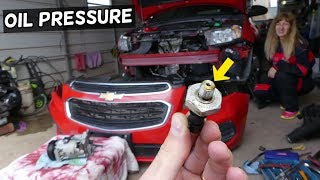
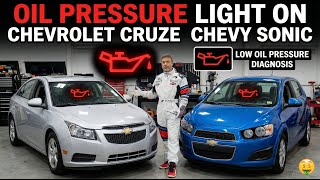
We Have This Part in Stock
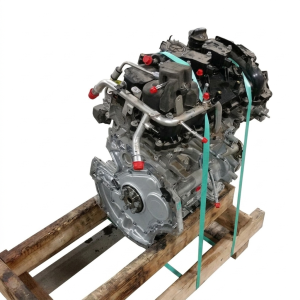

The information in this article is provided for general reference and educational purposes only. Vehicle specifications, procedures, and part compatibility can vary by production date, trim level, and region. Always consult your vehicle's factory service manual and verify part numbers before purchasing or performing repairs. Safety-critical components such as airbags, seat belts, and braking systems should be installed by a qualified professional.
- Buick Encore:
- 🎬 Helpful Videos
- 🛍️ Shop This Part
- What's Unique About the 2013-2022 Buick Encore
- Symptoms You May Notice
- Most Likely Causes
- Rare But Worth Checking
- Diagnosis Steps
- Parts You'll Likely Need
- Related Codes That Often Appear With This One
- Technical Service Bulletins (TSBs) & Recalls
- Platform-Specific Known Issues
- Mechanic-Grade Diagnostic Values
- Wiring & Ground Locations
- "I Checked Everything" — The Actual Cause
- OEM Part Supersession History
- Model Year Variations Within This Range
- Diagnostic Flowchart
- Other Known Issues on This Vehicle
- Used vs. New Parts: Buying Guide for This Vehicle
- Real Owner Stories
- 2016 Buick Encore 1.4L Turbo
- 2013-2022 Buick Encore 1.4L Turbo — ~75000 miles
- Related OBD-II Codes
- Frequently Asked Questions
- 🎟️ Get 5% Off