

P0507 on 2016-2019 Chevrolet Cruze: High Idle Causes and Fixes
For a 2016-2019 Chevy Cruze with a 1.4L Turbo engine, code P0507 is almost always caused by a failed PCV system, specifically a torn diaphragm in the valve cover. This creates a large vacuum leak, causing the idle to be higher than expected. The most common fix is replacing the entire valve cover assembly, and it is critical to also inspect the check valve in the intake manifold, which is often the root cause of the failure.
- P0507 on a 2016-2019 Cruze 1.4L Turbo is a strong indicator of a failed PCV system.
- The most common symptom is a loud hissing sound from the top of the engine at idle.
- The primary fix is replacing the valve cover assembly, as the faulty PCV diaphragm is integrated into it.
- To prevent a repeat failure, you MUST inspect the check valve inside the intake manifold. If it's missing or damaged, the intake manifold must also be replaced.
- This issue is extremely common for this engine, and is often accompanied by codes P0171, P1101, and P0106.
What's Unique About the 2016-2019 Chevrolet Cruze

The 1.4L Turbo (LE2) engine used in the second-generation Cruze has a well-documented weakness in its Positive Crankcase Ventilation (PCV) system. The PCV pressure regulator diaphragm is integrated into the valve cover and is prone to tearing. This creates a significant, unmetered vacuum leak, which is the most common reason for a P0507 code on this specific vehicle. Another related failure point is a check valve inside the intake manifold that can become dislodged or fail. When it fails, it allows pressurized air from the turbo to enter the crankcase, which then ruptures the PCV diaphragm.
Generation note: The 2016 model year was a split year. The 'Cruze Limited' was a carryover of the first generation (using the LUV engine), while the redesigned 'Cruze' was the start of the second generation (2016-2019) with the LE2 engine. This guide primarily focuses on the second-generation Cruze with the 1.4L Turbo (LE2) engine. However, the PCV-related issues are prevalent and functionally identical across both Gen 1 (LUJ/LUV) and Gen 2 (LE2) 1.4L Turbo engines, affecting platform mates like the Sonic, Trax, and Buick Encore.
Symptoms You May Notice
- Check Engine Light is on
- Engine idle speed is noticeably high (e.g., 1000-1500 RPM in Park)
- Rough or unstable idle
- Loud hissing or whistling sound coming from the engine bay, specifically the top of the valve cover.
- Engine may hesitate or stall when coming to a stop
- Increased braking effort may be required to hold the vehicle at a stop
- Oil consumption or blue smoke from the exhaust.
- Harsh gear engagement on automatic transmissions.
- Replacing only the throttle body without checking the PCV system.
- Replacing oxygen sensors or the MAF sensor, which are unlikely to be the root cause of a P0507 code on its own.
- Replacing only the valve cover without inspecting the intake manifold check valve. If the check valve has failed, the new valve cover diaphragm will soon rupture as well.
Most Likely Causes

- Failed PCV Regulator Diaphragm (in Valve Cover) 🔴 High Probability The diaphragm material is known to fail and tear over time due to heat and pressure fluctuations, creating a large internal vacuum leak. This is a very common failure on the 1.4L Turbo engine, acknowledged by GM through Special Coverage programs.
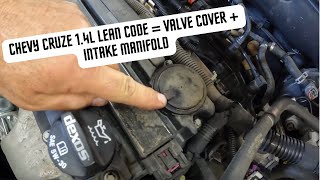
How to confirm: With the engine running, listen for a distinct hissing sound from the top of the valve cover. The sound is often loudest near a small, circular cap which houses the diaphragm. Try to place your finger over the small vent hole on this PCV regulator cap; if the hissing stops and you feel strong suction, the diaphragm is torn. The engine's idle may also change or stumble when you do this.
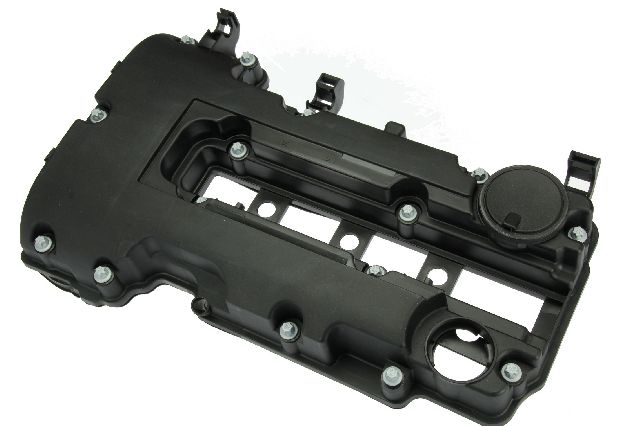
Typical fix: Replace the entire valve cover assembly. The PCV regulator is integrated and not sold separately by GM. Aftermarket part Dorman 264-969 is a common replacement.
Est. part cost: $80-$200 - Failed PCV Check Valve (in Intake Manifold) 🟡 Medium Probability A small, orange, cone-shaped check valve inside the intake manifold can become dislodged, break, or fail. When this happens, positive boost pressure from the turbo enters the crankcase and ruptures the weaker PCV diaphragm in the valve cover, causing the P0507 code. This is often the root cause of the valve cover failure.
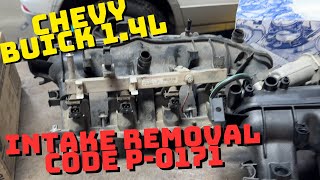
How to confirm: After removing the throttle body, inspect the intake manifold inlet port. A small orange, cone-shaped check valve should be visible and seated firmly. If it is missing or loose, the intake manifold must be replaced. 🎬 Watch: Step-by-step guide to replacing the intake manifold. A long cotton swab can be used to check for its presence if it's hard to see.
Typical fix: Replace the intake manifold assembly. This is often done at the same time as the valve cover, as a failed check valve is a root cause of the diaphragm failure. An alternative for DIYers is an aftermarket PCV fix kit (e.g., from CruzeKits.com) that bypasses the internal check valve with an external, serviceable one.
Est. part cost: $150-$300 - Dirty or Faulty Throttle Body ⚪ Low Probability Carbon buildup can prevent the throttle plate from closing completely, allowing excess air to enter and causing a high idle. While possible, it is far less common than the PCV system failures on this engine.
How to confirm: Remove the intake air duct and visually inspect the throttle body bore and plate for heavy carbon deposits.
Typical fix: Clean the throttle body thoroughly with a dedicated throttle body cleaner and a soft brush. In rare cases, the electronic throttle body may need to be replaced.
Est. part cost: $5-$15 (cleaner), $150-$250 (replacement)
Rare But Worth Checking
- Other Vacuum Leaks: While the PCV system is the most likely culprit, other vacuum leaks from cracked hoses, a faulty brake booster, or a leaking EVAP purge valve can also cause a high idle. A smoke test is the best way to find these less common leaks.
Diagnosis Steps

- Verify the code with an OBD-II scanner. Note any other codes present, especially P0171, P1101, or P0106.
- With the engine running at idle, listen for a loud hissing or whistling sound from the engine bay.
- Focus on the top of the engine. Locate the round PCV regulator cap on the valve cover. If a loud hissing is coming from it, proceed to the next step.
- Carefully place your finger over the small vent hole on the PCV cap. If there is strong suction and the engine idle changes or stumbles, the diaphragm is torn. The valve cover must be replaced.
- If the PCV diaphragm is confirmed bad, it is highly recommended to also inspect the intake manifold check valve to ensure it hasn't also failed, which would cause the new valve cover to fail prematurely.
- To inspect the intake check valve, remove the throttle body and look inside the intake manifold opening for a small, orange, cone-shaped valve. If it is missing, damaged, or loose, the intake manifold must be replaced.
- If the PCV system appears intact and is not the source of a leak, perform a smoke test to check for other vacuum leaks from hoses, gaskets, or the brake booster.
- As an alternative to replacing the intake manifold, consider installing an aftermarket PCV fix kit which reroutes the system to use an external, more durable check valve. 🎬 Watch: How to install the CruzeKits V3 bypass kit.
Parts You'll Likely Need

- Valve Cover Assembly
(OEM #55573746 (Note: GM part numbers can be superseded, verify with VIN. This is for the LUV engine but is commonly cross-referenced))— This is the most common failure. The PCV diaphragm inside tears, causing a massive vacuum leak. The diaphragm is not sold separately from the valve cover.
Trusted brands: ACDelco, Dorman (Part # 264-969)
OEM price range: $120-$180
Aftermarket price range: $80-$130 - Intake Manifold
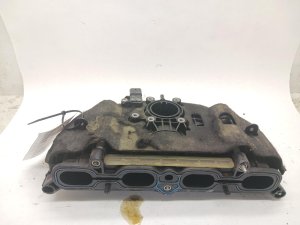
(OEM #55573842 (Note: GM part numbers can be superseded, verify with VIN. ACDelco 25200936 is also a relevant number))— Often the root cause of the valve cover failure. The internal check valve fails, pressurizing the crankcase and rupturing the PCV diaphragm. If this valve is missing, the manifold must be replaced to prevent repeat failure of the valve cover.
Trusted brands: ACDelco
OEM price range: $200-$300
Aftermarket price range: $150-$220
Related Codes That Often Appear With This One
- P0171 — System Too Lean. The same unmetered air from the vacuum leak that causes the high idle also creates a lean air/fuel mixture. This code is explicitly mentioned in GM's TSBs regarding this issue.
- P1101 — Intake Airflow System Performance. This code is often triggered by the ECM detecting a discrepancy between the MAF sensor reading and the throttle position, which is a direct result of the vacuum leak.
- P0106 — Manifold Absolute Pressure (MAP) Sensor Performance. The vacuum leak causes MAP sensor readings that are inconsistent with what the ECM expects based on engine RPM and throttle position.
- P0299 — Turbocharger Underboost. This can sometimes accompany the PCV failure, as the system's integrity is compromised.
Technical Service Bulletins (TSBs) & Recalls
- PIP5197 (and its revisions like PIP5197G): Preliminary information on oil consumption, leaks, and fuel trim codes (P0171, P0507, etc.) related to the intake manifold non-return valve and PCV diaphragm failure. It details the diagnostic procedure of checking for the missing check valve and testing crankcase pressure.
- N202299080: Special Coverage program related to PCV system failures.
Platform-Specific Known Issues
- GM has issued several Special Coverage programs and TSBs related to the PCV system on 1.4L Turbo engines, acknowledging the high failure rate. For example, Special Coverage N202299080 extends the warranty for this issue on earlier models. While the 2016-2019 range may not be explicitly covered under older programs, the failure pattern is identical.
- Aftermarket companies have developed kits (e.g., from CruzeKits.com) to bypass the faulty factory PCV design, which is a popular option in the enthusiast community for a more permanent fix. These kits replace the failure-prone internal check valve with an external, serviceable one.
Mechanic-Grade Diagnostic Values
- Crankcase Pressure (Vacuum) — expected: -11 to -18 inches of H2O at hot idle.. Failure: Pressure below -30 inches of H2O indicates a significant vacuum leak, potentially from a torn PCV diaphragm or a porosity issue in the cylinder head's PCV port. Pressure between -10 and 0 inches of H2O can indicate a cylinder leakage or crankcase pressure problem, such as from a broken piston ring land.
- P0507 Trigger Threshold — expected: Desired Idle RPM vs. Actual Idle RPM. Failure: The P0507 code sets when the actual engine RPM exceeds the desired (commanded) RPM by 100 RPM or more for a specified period.
Scan Tool Commands That Help
- GDS2 / Tech2: Idle Relearn / Throttle Relearn — This function should be used after cleaning or replacing the electronic throttle body. It resets the learned idle and throttle position values within the ECM. While the system can self-learn over time, performing this reset ensures immediate proper idle control and drivability.
- Manual Procedure (No Scan Tool): Throttle Relearn Procedure — If a scan tool is unavailable after throttle body service, a manual relearn can be attempted. Typically, this involves turning the ignition ON (engine off) for 3 minutes, turning it OFF for 1 minute, then starting the engine and letting it idle for 3 minutes. Some variations exist, but this allows the ECM to recalibrate the closed throttle position.
Wiring & Ground Locations
- G103 / G107 (Varies by source/year) — Located on the cowl at the left rear of the engine compartment, often near or above the brake booster.. This is a major ground point for the Body Control Module (BCM), Instrument Panel Cluster (IPC), and the Data Link Connector (DLC). While not a direct cause of P0507, a poor ground here can cause erratic communication issues and phantom codes, complicating diagnosis. A clean, secure connection is critical for overall system stability.
- ECM Harness Connectors — The three main wiring harness connectors that plug into the Engine Control Module (ECM).. Moisture or corrosion on the pins of the ECM connectors can cause a wide range of intermittent engine management issues, including problems that could mimic a vacuum leak. Forum users have reported that cleaning these connectors with a quick-drying electronics cleaner has resolved complex, hard-to-diagnose drivability problems.
Real Owner Repair Stories
- Reddit user on r/cruze (2014 Chevrolet Cruze 1.4L) — P0420 (Catalyst System Efficiency), P0171 (System Too Lean), squealing from crankcase seal, rough idle, and lean fuel trims.
❌ Tried (didn't work) Replacing the valve cover twice.
✅ What actually fixed it The user concluded that despite the orange check valve being visible in the intake manifold, it had likely failed internally. The final fix was replacing the entire intake manifold assembly. Another user in the same thread confirmed their Dorman-branded intake manifold had been working fine.
Documented NHTSA Reports
- An owner of a related GM model reported in NHTSA ODI #11721239 that P0507 appeared alongside P0505, P1101, and P0700, noting that the vehicle required shifting between park and drive to engage, and eventually stopped moving forward while on an incline.
- NHTSA ODI #10593542 describes a scenario where P0507 occurred in conjunction with a P1810 code, resulting in the loss of reverse gear and the traction control system being disabled.
OEM Part Supersession History
55573168, 25299449, 55577314→55581014 (and others)— These are various OEM part numbers for the intake manifold used on the 2016-2019 Cruze 1.4L engine. The multiple numbers reflect revisions and supplier changes over the production run. Aftermarket replacements often list compatibility with all these numbers.25198874, 25198498→55573746— These are part numbers associated with the valve cover assembly or its PCV components for the 1.4L engine family. Due to the high failure rate, part numbers have been updated over time. Always verify the latest correct part number with a VIN.
Model Year Variations Within This Range
- 2016-2017 vs 2018-2019: The 2018 and 2019 model year 1.4L LE2 engines received updated pistons compared to the 2016 and 2017 models. This was likely to address issues related to piston durability seen in the earlier years of the Gen 2 Cruze. While not a direct cause of P0507, it's a notable internal engine change within the specified vehicle range.
Diagnostic Flowchart
Other Known Issues on This Vehicle
Issues unrelated to this code that are worth knowing about as an owner of this generation:
- Cracked Pistons 🔴 High — Common on 2016-2017 models, particularly cylinder 1. Less frequent on 2018-2019 models which received updated pistons. Often occurs at low mileage (30k-70k miles). (Ref: GM TSBs PIP5490 and 18-NA-171 address this issue, which can cause misfires (P0300, P0301) and a 'Service Stabilitrak' message.)
- Water Pump and/or Thermostat Housing Coolant Leaks 🟠 Medium — A very common failure point. Leaks can occur from the pump itself or the various plastic hose connections and housings. GM extended the warranty on water pumps for some models due to the high failure rate. (Ref: GM issued a warranty extension for water pumps on some 1.4L engines to 10 years/150,000 miles.)
- Transmission Shudder or Failure (Automatic) 🟠 Medium — Some owners report harsh shifting, slipping, or complete failure. A recall was issued for missing bolts on the start/stop accumulator which could cause a fluid leak. (Ref: Recall for missing start/stop transmission accumulator bolts affects 194,105 units.)
- Oil Leaks from Various Gaskets 🟡 Low — Often related to the excessive crankcase pressure caused by the faulty PCV system, but can also occur independently from the oil cooler lines, oil pan, and valve cover gasket.
Used vs. New Parts: Buying Guide for This Vehicle
When a used part is the smart pick: For this specific P0507 repair, sourcing a used valve cover or intake manifold from a junkyard is NOT recommended. These parts have a notoriously high failure rate due to design flaws (brittle diaphragm, dislodged check valve). A used part is highly likely to have the same problem or fail very soon after installation.
Donor-vehicle mileage cap: roughly under 10000 miles for the part to have meaningful remaining life.
What to inspect on the donor part:
- For a valve cover, there are no reliable external cues. The failure is the internal diaphragm which cannot be inspected.
- For an intake manifold, you could theoretically inspect the check valve's presence, but its sealing quality cannot be verified, and the part is labor-intensive to install and remove.
Aftermarket brands forum-validated for this vehicle:
- ACDelco (OEM): The standard replacement, though it still uses the original failure-prone design.
- CruzeKits.com (PCV Fix Kit): A well-regarded solution in the enthusiast community that bypasses the faulty intake manifold check valve with a more robust, external one. Often used as a permanent fix.
Brands owners have reported issues with on this vehicle:
- Dorman: While Dorman parts are widely available and often cheaper, some owner and mechanic reports suggest their valve covers and intake manifolds for this application may fail at a higher rate than OEM parts. Specific complaints include the valve cover gasket channel warping and leaking oil, and the 'improved' intake check valve design still failing.
Real Owner Stories
Aggregated from forums and TSBs cited above. Mileages and costs reflect what owners reported in those sources.
2017 Chevrolet Cruze 1.4L Turbo — 12000 miles
Symptoms: The vehicle experienced a misfire (P0301 code) which was ultimately diagnosed as a more severe engine issue.
What fixed it: Diagnosis revealed a cracked piston, a known issue for the LE2 engine in 2016-2017 models.
Source hint: Reddit r/cruze thread titled '2017 Cruze 1.4L Turbo 12k miles cracked piston'
2016-2019 Chevrolet Cruze 1.4L
Symptoms: High idle, P0507, P0171, and P1101 codes appearing together.
What fixed it: Replacement of the valve cover diaphragm and/or the intake manifold check valve, or installation of an aftermarket PCV fix kit.
Source hint: Reddit r/Cruze
Related OBD-II Codes
Frequently Asked Questions
Is there a special warranty for the PCV issues causing P0507 on my Chevrolet Cruze?
Can I just replace the PCV valve on my 2017 Cruze 1.4L Turbo?
Why does my Cruze hiss from the top of the engine when the P0507 code is active?
Does TSB PIP5197 apply to the P0507 code on my vehicle?
Is there a permanent fix for the intake manifold check valve failure?
Could a dirty throttle body be causing my high idle instead of the PCV system?
Helpful Videos
Used OEM Parts in Stock
New Aftermarket Parts Available



The information in this article is provided for general reference and educational purposes only. Vehicle specifications, procedures, and part compatibility can vary by production date, trim level, and region. Always consult your vehicle's factory service manual and verify part numbers before purchasing or performing repairs. Safety-critical components such as airbags, seat belts, and braking systems should be installed by a qualified professional.
- Chevrolet Cruze:
- 🎬 Helpful Videos
- 🛍️ Shop This Part
- What's Unique About the 2016-2019 Chevrolet Cruze
- Symptoms You May Notice
- Most Likely Causes
- Rare But Worth Checking
- Diagnosis Steps
- Parts You'll Likely Need
- Related Codes That Often Appear With This One
- Technical Service Bulletins (TSBs) & Recalls
- Platform-Specific Known Issues
- Mechanic-Grade Diagnostic Values
- Scan Tool Commands That Help
- Wiring & Ground Locations
- Real Owner Repair Stories
- Documented NHTSA Reports
- OEM Part Supersession History
- Model Year Variations Within This Range
- Diagnostic Flowchart
- Other Known Issues on This Vehicle
- Used vs. New Parts: Buying Guide for This Vehicle
- Real Owner Stories
- 2017 Chevrolet Cruze 1.4L Turbo — 12000 miles
- 2016-2019 Chevrolet Cruze 1.4L
- Related OBD-II Codes
- Frequently Asked Questions
- 🎟️ Get 5% Off