

P0496 on 2020-2024 Ford Explorer 3.0L: EVAP High Purge Flow Causes and Fixes
On 2020-2024 Ford Explorers, code P0496 is frequently caused by a faulty wiring connection at connector C1198, not a bad purge valve. Before replacing parts, inspect the wiring harness on the driver's side frame rail as advised by Ford's technical service bulletins. If wiring is good, the next most likely cause is a purge valve stuck open.
- P0496 means fuel vapor is flowing when it shouldn't be.
- On this specific Explorer, the cause is very often a wiring issue at connector C1198 on the driver's side frame rail, not a bad part.
- Always inspect the C1198 wiring before spending money on a new purge valve, as per Ford's own service bulletins.
- Symptoms can include a check engine light, rough idle, and difficulty starting after getting gas.
- The issue will cause an emissions test failure and could harm other components if ignored long-term.
What's Unique About the 2020-2024 Ford Explorer
For this generation of Ford Explorer, P0496 is often not a simple part failure. Ford has issued multiple Technical Service Bulletins (TSBs) pointing to a specific wiring harness connector (C1198) as a common culprit, causing multiple EVAP-related codes, including P0496. [SSM 51247, SSM 50348] Another TSB specifically warns that canister purge valves are often replaced unnecessarily when the root cause is elsewhere, as returned parts frequently test as fully functional. [SSM 50306] This issue is also shared with its platform-mate, the Lincoln Aviator.
Symptoms You May Notice
- Check Engine Light is on
- Slightly rough or unstable idle
- Difficulty starting the engine, especially after refueling.
- Hesitation during acceleration [ODI #11675126]
- Longer than normal engine cranking time before starting.
- Replacing the canister purge valve without checking wiring first. TSB SSM 50306 explicitly warns that Ford has tested many returned purge valves and found them to be fully functional, indicating misdiagnosis is common. [SSM 50306]
Most Likely Causes
- Damaged Wiring or Poor Connection at Connector C1198 🔴 High Probability Ford TSBs SSM 51247 and SSM 50348 specifically identify this connector as a weak point. It is located on the driver's side lower frame area, underneath the brake lines near the electric brake booster (EBB), where it may be susceptible to moisture, corrosion, and physical damage. [SSM 51247]
How to confirm: Visually inspect connector C1198 and its associated wiring harness for any signs of corrosion (green or white residue), damage, or loose pins. Test for proper voltage and continuity at the connector pins related to the EVAP system, specifically the voltage reference (VREF) wires.
Typical fix: Repairing the damaged section of the wiring harness or cleaning/securing the connector pins. In severe cases, a connector pigtail replacement is needed. The Motorcraft pigtail kit for this type of repair is part number WPT1198.
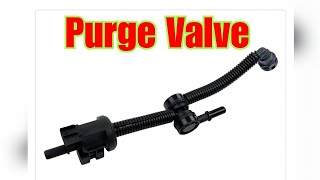
Est. part cost: $25-$60 - Faulty Canister Purge Valve/Solenoid 🟡 Medium Probability The purge valve can get stuck open due to carbon buildup or mechanical failure, allowing un-commanded vapor flow. This is a common failure on many modern vehicles and a frequent DIY fix reported by owners on forums.
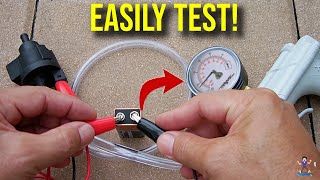
How to confirm: With the engine off, disconnect the purge valve. Attempt to blow through it; if air passes, it is stuck open and has failed. A more definitive test involves using a smoke machine on the disconnected valve to see if smoke passes through when it is commanded closed.
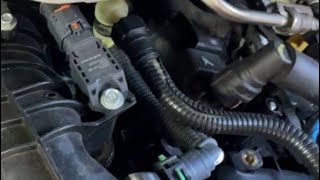
Typical fix: Replacement of the canister purge valve assembly. This is located at the back of the engine near the firewall and can be difficult to access. Some owners find it easier to unbolt a nearby bracket with four 13mm bolts to gain better access to the rear connections.
Est. part cost: $50-$95
Rare But Worth Checking
- Faulty Fuel Tank Pressure (FTP) Sensor: The FTP sensor tells the computer the pressure within the EVAP system. If it sends an incorrect reading, the computer might falsely believe there is flow when there isn't. This is less common than a wiring or valve issue.
- Leaking or Clogged EVAP Canister: The charcoal canister can become saturated with fuel or physically damaged, leading to various EVAP codes. This is usually a result of consistently overfilling the fuel tank.
Diagnosis Steps
- Read the codes: Use an OBD-II scanner to confirm P0496 and note any other codes present, such as P0451, P0455, P0456, or P04F0, which strengthen the case for a wiring issue.
- Inspect the gas cap: Ensure it is tight and the seal is not cracked or worn. While less common on modern Fords, it's a quick and easy check.
- Locate and inspect connector C1198: Following TSB guidance, find the connector on the driver's side lower frame rail near the brake lines. Carefully inspect the wiring and connector for any visible damage, corrosion, or loose pins. [SSM 51247]
- Test the Canister Purge Valve: If the wiring appears intact, test the purge valve. Disconnect it and use a vacuum pump to see if it holds vacuum when de-energized. A simpler method is to try blowing through the valve; if air passes, it has failed and is stuck open.
- Perform a smoke test: If the valve and wiring seem okay, a smoke test can be performed on the EVAP system. This involves feeding low-pressure smoke into the system to find any hard-to-see leaks in hoses or the charcoal canister.
- Test the Fuel Tank Pressure (FTP) sensor: This requires an advanced scan tool to monitor the sensor's readings to ensure they are within the expected range. A normal reading with the system vented (Key On, Engine Off) should be around 2.6-2.65 volts.
Parts You'll Likely Need
- Vapor Canister Purge Valve/Solenoid
(OEM #9U5Z-9F945-C)— This valve is the most common mechanical failure point for this code, often getting stuck open. However, it is frequently misdiagnosed when a wiring issue is the true cause. [SSM 50306, 7]
Trusted brands: Motorcraft, Dorman, Standard Motor Products (SMP)
OEM price range: $55-$95
Aftermarket price range: $40-$70 - Wiring Connector Repair Kit / Pigtail
(OEM #WPT1198)— If the fault is at connector C1198 as indicated by Ford TSBs, repairing the wiring or replacing the connector itself is the correct fix. This kit includes the connector, wires, and splices. [SSM 51247, 11, 20]
Trusted brands: Motorcraft
OEM price range: $25-$50
Aftermarket price range: $15-$30
Related Codes That Often Appear With This One
- P0451 — EVAP System Pressure Sensor/Switch Range/Performance. This code often appears with P0496 because both can be triggered by the same wiring fault at connector C1198. [SSM 51247]
- P0455 — EVAP System Leak Detected (large leak). A wiring issue can cause multiple EVAP system components to report errors simultaneously. [SSM 50306]
- P0456 — EVAP System Leak Detected (very small leak). Similar to P0455, this can be triggered by the same electrical fault or a failing purge valve. [SSM 50306, 6]
- P04F0 — EVAP System High Pressure Purge Line Performance. This is another code specifically mentioned in the TSBs related to the C1198 connector issue. [SSM 51247, SSM 50306]
Technical Service Bulletins (TSBs) & Recalls
- SSM 51247: Points to a wiring harness connection at connector C1198 as a potential cause for P0496 and other EVAP DTCs.
- SSM 50348: Also identifies connector C1198 as a likely source of the problem and advises inspection before component replacement.
- SSM 50306: Warns that returned EVAP canister purge valves often test as fully functional, suggesting misdiagnosis is common and other causes should be investigated first.
Platform-Specific Known Issues
- A known issue documented in Ford TSBs SSM 51247 and SSM 50348 involves a poor wiring harness connection at connector C1198, located on the driver's side lower frame. This can cause P0496 and other EVAP codes. Technicians are advised to inspect this connector before replacing any components. [SSM 51247, SSM 50348]
- The purge valve itself is located in a difficult-to-reach position at the rear of the engine bay, against the firewall. DIY replacement often requires removing a bracket held by four 13mm bolts to gain adequate access to the rear connections.
Mechanic-Grade Diagnostic Values
- Fuel Tank Pressure (FTP) Sensor Voltage — expected: Approximately 2.6 to 2.65 Volts with Key On, Engine Off (system vented to atmosphere).. Failure: A significant deviation from this voltage at rest can indicate a sensor or wiring issue. If the voltage drops immediately upon starting the engine (with purge valve commanded closed), it indicates an unwanted vacuum, likely from a stuck-open purge valve.
- Fuel Tank Pressure (FTP) Live Data (with faulty purge valve) — expected: Near 0 Pascals (Pa) with purge valve commanded closed.. Failure: On a 2020 Ford Escape with a stuck-open purge valve, the FTP sensor read approximately -1100 Pa at idle, indicating a strong, un-commanded vacuum being pulled on the fuel tank.
Hidden / Shadow Codes Worth Checking
- P0496:00-EC: This is not a separate code, but extended data from a professional scan tool. The ':00' is a failure type sub-code, and 'EC' indicates the status, such as 'pending DTC'. This provides more context than a basic code reader. (see via Ford IDS (Integrated Diagnostic System) or equivalent professional-grade scan tool.)
Scan Tool Commands That Help
- Ford IDS (Integrated Diagnostic System): Powertrain > DataLogger > Vapor Management Valve & Canister Vent Valve Control — This bidirectional control is used to manually command the purge valve and vent valve open or closed. A technician can command the entire system sealed (purge closed, vent closed) and watch the FTP sensor data to see if it holds pressure. They can also command the purge valve closed while the engine is running to see if it stops pulling a vacuum, directly testing its operation.
Real Owner Repair Stories
- Explorer ST Forum user 'John B' (2020+ Ford Explorer ST, mileage not specified) — Check Engine Light with code P0496, hard starting/long crank after refueling.
❌ Tried (didn't work) Not specified, user went straight to replacing the part.
✅ What actually fixed it Replacing the vapor canister purge valve. The user provided a critical tip for DIY repair: removing a bracket held by four bolts is necessary to gain enough access to the rear connections of the valve. - YouTube - 'Ford Explorer ST P0456, P0496 - Fixed with Purge Valve' (2020 Ford Explorer ST) — Intermittent Check Engine Light with codes P0456 (small leak) and P0496 (high purge flow).
❌ Tried (didn't work) Standard EVAP system smoke tests, which showed no leaks in the system.
✅ What actually fixed it The technician removed the purge valve and tested it independently with a smoke machine. Smoke was observed escaping from the valve even when it was commanded closed, proving it was leaking internally. Replacing the purge valve resolved the codes.
"I Checked Everything" — The Actual Cause
- In one documented case for a 2020 Explorer ST, the vehicle passed multiple standard EVAP system smoke tests without any leaks being found, yet codes P0456 and P0496 kept returning. The root cause was discovered only after the technician isolated the purge valve from the system and tested it directly with a smoke machine. The valve was leaking internally when commanded closed, a fault that a system-wide test did not reveal. The fix was to replace the faulty purge valve.
OEM Part Supersession History
7U5Z-9F945-D, 7U5Z-9F945-E→9U5Z-9F945-C— Standard part revision and consolidation by the manufacturer.
Diagnostic Flowchart
Other Known Issues on This Vehicle
Issues unrelated to this code that are worth knowing about as an owner of this generation:
- Rear Axle Bolt Fracture 🔴 High — Common enough to trigger multiple recalls (NHTSA #22V255, Ford #23S55) affecting 2020-2022 models. Can occur during acceleration. (Ref: Recall 23S55)
- 360-Degree Camera Failure (Blue/Black Screen) 🟠 Medium — Widespread issue on 2020-2023 models, leading to a loss of rear-view or 360-degree camera image. (Ref: Recall 23S23)
- 10R60 Transmission Harsh/Delayed Shifting 🟠 Medium — Affects many 2020-2023 models. Symptoms include harsh downshifts (especially 7-6), delayed engagement into reverse, or erratic shifting behavior. (Ref: TSB 20-2305, TSB 23-2176, TSB 22-2428)
- Cam Phaser Rattle on Cold Start 🟠 Medium — Some owners of the 3.0L EcoBoost report a brief rattle or ticking noise on cold starts, a known issue on other EcoBoost engines that can indicate VCT unit wear. (Ref: TSB 23-2143 (for 3.5L, but symptom is similar))
- Exhaust System Leaks 🟡 Low — Some 2020 models experienced leaks from the catalytic converter downpipe or midpipe flex sections. (Ref: Customer Satisfaction Program 20N10)
Used vs. New Parts: Buying Guide for This Vehicle
When a used part is the smart pick: For this repair, using used parts is generally not recommended. The primary failure points are an electronic solenoid (purge valve) and a wiring connector, both of which are best replaced with new parts to ensure longevity.
Donor-vehicle mileage cap: roughly under 40000 miles for the part to have meaningful remaining life.
What to inspect on the donor part:
- If considering a used purge valve, source it from a vehicle with the lowest possible mileage.
- Visually inspect the plastic housing for any cracks or heat damage.
- Ensure all connector pins and hose ports are clean and free of debris or corrosion.
OEM-only on this vehicle (don't cheap out):
- Wiring Connector Pigtail (WPT-1198): Always use a new OEM Motorcraft pigtail. A used connector may have the same corrosion or wire fatigue issues you are trying to fix.
Aftermarket brands forum-validated for this vehicle:
- Motorcraft (OEM)
- Standard Motor Products (SMP)
- Dorman
Brands owners have reported issues with on this vehicle:
- No-name, unbranded parts from online marketplaces should be avoided, as their internal valve calibration and durability may not meet OEM specifications, potentially causing the code to return.
Real Owner Stories
Aggregated from forums and TSBs cited above. Mileages and costs reflect what owners reported in those sources.
Ford Explorer ST — 67000 miles
Symptoms: Check engine light with code P0496, smelly exhaust, gunk buildup on exhaust tips, and slow starts.
What fixed it: The owner was investigating the purge valve as a fix based on forum advice regarding the four-bolt bracket removal technique.
Source hint: Explorer ST Forum - 'I've got a Check Engine Light'
2021 Ford Explorer ST 3.0L EcoBoost
Symptoms: Difficulty reaching the rear connectors of the purge valve during replacement.
What fixed it: Replacement of the canister purge valve solenoid by removing nearby bolts to gain better access to the rear of the engine bay.
Source hint: YouTube - 'P0496 / P0456: Purge Valve Solenoid Replacement - 2021 Ford Explorer ST'
Ford Explorer ST
Symptoms: P0496 code present; needed to access rear connections on the heating line bracket.
What fixed it: Replaced the purge valve in about 35 minutes after removing four 13mm bolts on the bracket to reach the rear connections.
Source hint: Explorer ST Forum - 'EVAP code'
Related OBD-II Codes
Frequently Asked Questions
Does Ford have a TSB for P0496 on the 2020-2024 Explorer?
Where is connector C1198 located on my Explorer 3.0L?
Why does my Explorer have trouble starting only after I get gas?
Is the purge valve easy to replace on the 3.0L EcoBoost engine?
What part do I need if the wiring at connector C1198 is corroded?
Could my P0496 code be a misdiagnosis?
Helpful Videos
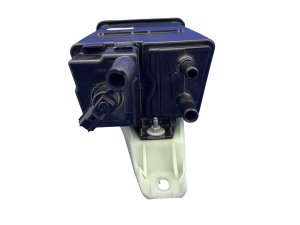
Used OEM Parts in Stock
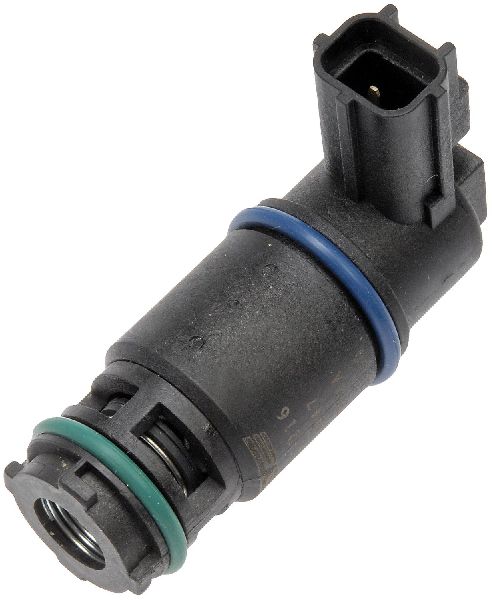
New Aftermarket Parts Available

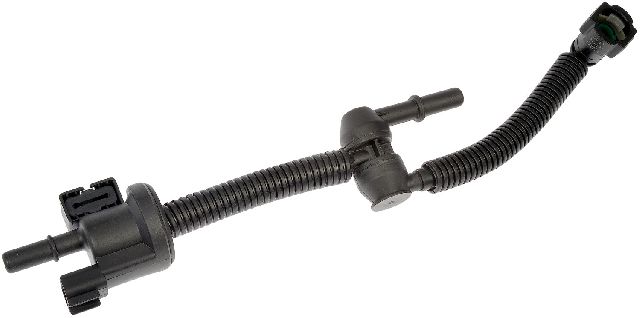

The information in this article is provided for general reference and educational purposes only. Vehicle specifications, procedures, and part compatibility can vary by production date, trim level, and region. Always consult your vehicle's factory service manual and verify part numbers before purchasing or performing repairs. Safety-critical components such as airbags, seat belts, and braking systems should be installed by a qualified professional.
- Ford Explorer:
- 🎬 Helpful Videos
- 🛍️ Shop This Part
- What's Unique About the 2020-2024 Ford Explorer
- Symptoms You May Notice
- Most Likely Causes
- Rare But Worth Checking
- Diagnosis Steps
- Parts You'll Likely Need
- Related Codes That Often Appear With This One
- Technical Service Bulletins (TSBs) & Recalls
- Platform-Specific Known Issues
- Mechanic-Grade Diagnostic Values
- Hidden / Shadow Codes Worth Checking
- Scan Tool Commands That Help
- Real Owner Repair Stories
- "I Checked Everything" — The Actual Cause
- OEM Part Supersession History
- Diagnostic Flowchart
- Other Known Issues on This Vehicle
- Used vs. New Parts: Buying Guide for This Vehicle
- Real Owner Stories
- Ford Explorer ST — 67000 miles
- 2021 Ford Explorer ST 3.0L EcoBoost
- Ford Explorer ST
- Related OBD-II Codes
- Frequently Asked Questions
- 🎟️ Get 5% Off