

P0480 on 2017-2019 Ford Escape 2.0L: Cooling Fan Circuit Malfunction Causes and Fixes
On a 2017-2019 Ford Escape, code P0480 is most often caused by a blown F34 fuse due to a failing cooling fan assembly, which includes an integrated control module. Replacing the entire fan assembly is the common fix. An alternative cause, cited in TSB 48895, is a chafed wiring harness. The OEM fan assembly costs around $570-$610, with aftermarket options from $150-$250.
- For a 2017-2019 Ford Escape with a 2.0L engine, P0480 is almost always linked to a blown fuse, specifically F34.
- The blown fuse is usually caused by a failing cooling fan assembly that is drawing too much electrical current.
- Diagnosis should start by checking fuse F34. If it's blown, test for a short by disconnecting the fan before replacing the fuse again.
- Do not drive the vehicle for extended periods in slow traffic or hot weather with this code, as engine overheating can cause severe damage.
- Replacing the entire cooling fan assembly is the most common and reliable fix.
What's Unique About the 2017-2019 Ford Escape
For this specific generation of Ford Escape with the 1.5L and 2.0L EcoBoost engines, there is a well-documented issue outlined in multiple Ford Technical Service Bulletins (TSBs). The core problem is often a blown F34 fuse in the under-hood fuse box. This single fuse powers multiple components, and a failure in any one of them can cause it to blow, triggering P0480 along with a host of other potential codes. The most common failure is the cooling fan assembly itself, but TSB 48895 also points to a specific wiring harness (part number 12C508 for the 2.0L) that can chafe and short out, also blowing the fuse.
Symptoms You May Notice
- Check Engine Light is on.
- Engine overheating, especially at idle or in slow traffic.
- A/C system blows warm or does not work correctly.
- Cooling fan does not turn on when the engine is hot or when the A/C is activated.
- Cooling fan runs continuously, even when the engine is off (indicates a stuck relay or module fault).
- "AWD Fault" or traction control warning light may illuminate, as the circuit is shared.
- Replacing only the fuse without finding the underlying short. The fuse is a symptom; a shorted component or wire is the cause.
- Replacing the coolant temperature sensor. While a faulty sensor can prevent the fan from turning on, it's less likely to cause the specific 'control circuit malfunction' of P0480 on this vehicle compared to the fuse/fan/wiring issue.
Most Likely Causes
- Blown Fuse F34 🔴 High Probability As cited in Ford TSBs #SSM 48895, #SSM 47575, and #SSM 47086, this fuse is a known weak point in the shared electrical circuit for several components, including the cooling fan. It is the first component to check.
How to confirm: Visually inspect fuse F34 in the under-hood fuse box. If it is blown, this confirms the immediate issue, but the underlying short circuit must still be found.
Typical fix: Replace the fuse. If it blows again, the component causing the short (likely the fan assembly or a chafed wire) must be replaced.
Est. part cost: $1-$5 - Faulty Cooling Fan Assembly 🔴 High Probability The electric motor or the integrated fan control module can fail, drawing excessive current and blowing fuse F34. This is the most common root cause of the blown fuse.
How to confirm: Disconnect the cooling fan electrical connector and replace the F34 fuse. If the new fuse does not blow when the engine is started, the fan assembly is faulty. You can also test for power and ground at the fan connector; if present, but the fan doesn't run, the assembly is bad.
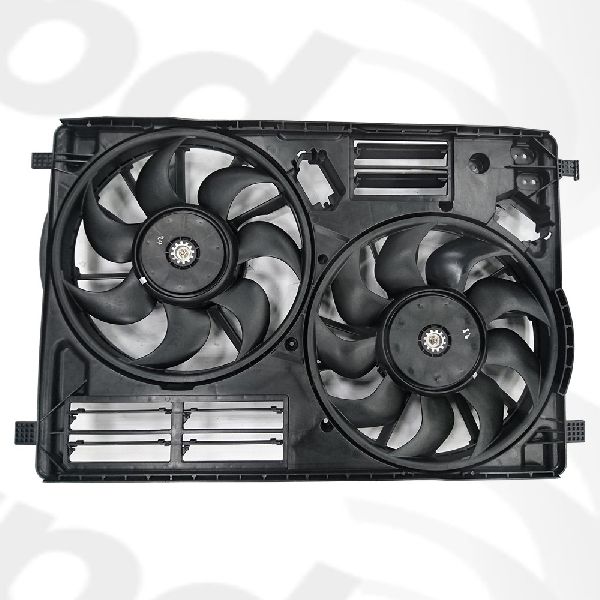
Typical fix: Replace the entire cooling fan assembly (motor, shroud, and module).
Est. part cost: $150-$250 - Damaged/Chafed Wiring Harness 🟡 Medium Probability TSB #SSM 48895 specifically calls out that the 12C508 wiring harness on 2.0L models can have improperly installed retainers, leading to chafing against the vehicle body or other components, causing a short that blows fuse F34.
How to confirm: Visually inspect the wiring harness (part number 12C508 for 2.0L) running from the battery junction box (BJB) to the PCM for any signs of rubbing, melting, corrosion, or physical damage.
Typical fix: Repair the damaged section of the wiring harness and properly secure it with retainers to prevent future chafing.
Est. part cost: $5-$50 - Faulty Cooling Fan Relay ⚪ Low Probability Relays are electromechanical switches that can wear out over time, getting stuck open or closed. While less common than the fan assembly or wiring, it's a possible failure point.
How to confirm: Locate the cooling fan relays in the under-hood fuse box (may include R1, R5, R6). Swap a suspect relay with an identical one from a non-critical circuit (like the horn) to see if the fan starts working.
Typical fix: Replace the faulty relay.
Est. part cost: $10-$30
Rare But Worth Checking
- Faulty Powertrain Control Module (PCM): This is very uncommon. The PCM's internal driver for the fan circuit can fail, but all other potential causes should be ruled out first before condemning the PCM.
Diagnosis Steps
- Read the trouble codes with an OBD-II scanner to confirm P0480 and note any other codes present.
- Inspect fuse F34 (a 10A fuse) in the under-hood fuse box. This is the most critical first step for this vehicle.
- If fuse F34 is blown, disconnect the main electrical connector to the cooling fan assembly.
- Replace fuse F34 and start the engine. If the fuse does not blow again, the cooling fan assembly is confirmed to be the fault.
- If the fuse blows again even with the fan disconnected, inspect the 12C508 wiring harness for chafing, per TSB 48895.
- If the fuse was not blown, proceed to check the cooling fan relays (R1, R5, R6). Swap the fan relay(s) with a known good relay of the same type.
- If relays are good, use a multimeter to check for battery voltage and a good ground at the cooling fan connector when the fan should be active (e.g., A/C turned on max).
- If voltage and ground are present but the fan doesn't run, the fan assembly is faulty.
- If voltage or ground is missing, inspect the wiring harness between the fuse box, relays, and fan for opens or shorts.
- If all wiring, fuses, and relays are good, the final, though rare, possibility is a fault in the PCM.
Parts You'll Likely Need
- Engine Cooling Fan Assembly
(OEM #EJ7Z-8C607-B (superseded by EJ7Z-8C607-H))— This is the most frequent root cause for blowing fuse F34 and triggering code P0480 on this vehicle. The assembly includes the fan motor, shroud, and control module. The original part number has been superseded multiple times.
Trusted brands: Motorcraft, Dorman, TYC, KarParts360
OEM price range: $570-$610
Aftermarket price range: $150-$250 - Cooling Fan Relay — A stuck or failed relay can interrupt the control circuit, causing the code. It's an inexpensive and easy part to replace during diagnosis.
Trusted brands: Motorcraft, Standard Motor Products
OEM price range: $20-$40
Aftermarket price range: $10-$30 - Fuse — Fuse F34 is often the first component to fail as a result of a short circuit in the fan assembly or related wiring.
OEM price range: $1-$5
Aftermarket price range: $1-$5
Related Codes That Often Appear With This One
- P0481 — This code is for 'Fan 2 Control Circuit Malfunction'. Since both fans are often controlled by related circuits, a shared power or ground issue (like fuse F34) can trigger both codes.
- P0034, P023A, P0245, P0645, P06A0, P06DB, P188D, P2602, P2681 — According to Ford TSBs SSM 48895, 47575, and 47086, these codes can appear with P0480 because they all share the same power supply circuit through fuse F34. A short in any of these components' circuits can blow the fuse and cause multiple codes.
Technical Service Bulletins (TSBs) & Recalls
- SSM 48895: Addresses an open F34 fuse and multiple DTCs, including P0480, on 2017-2019 models. Uniquely points to a chafing wiring harness as a possible cause besides the fan assembly.
- SSM 47575: Similar to the above, addressing an open F34 fuse and related DTCs on 2017 models with 1.5L or 2.0L engines.
- SSM 47086: Notes the same F34 fuse issue and DTCs for 2017-2018 models with 1.5L or 2.0L engines built on or before Jan 24, 2018.
Platform-Specific Known Issues
- Ford Technical Service Bulletins (TSBs) #SSM 48895, #SSM 47575, and #SSM 47086 all point to an issue on 1.5L and 2.0L engines where fuse F34 in the under-hood fuse box may open (blow). This will cause the Malfunction Indicator Lamp (MIL) to illuminate and can store DTC P0480, among many others.
- TSB #SSM 48895 provides an additional potential cause: a chafed wiring harness (12C508 on 2.0L models) due to improperly installed retainers, which can ground out and blow fuse F34.
Mechanic-Grade Diagnostic Values
- Voltage at cooling fan connector (power and ground wires) — expected: Battery voltage (approx. 12V) should be present at all times between the two large power and ground wires.. Failure: If voltage is not present, check the main power fuse and wiring from the battery junction box.
- Voltage on cooling fan connector (signal wire) — expected: A 12-volt, duty-cycled square wave signal from the PCM when the fan is commanded on. This signal is best observed with an oscilloscope. The fan module itself supplies the 12V, and the PCM pulls it to ground to create the signal.. Failure: Absence of a square wave signal when the fan is commanded on (via scan tool or by turning on A/C) points to a wiring issue between the PCM and fan, or a faulty PCM driver.
Scan Tool Commands That Help
- Ford IDS (Integrated Diagnostic Software): Fan Speed Desired Percentage / Active Command Fan Speed — This bidirectional control allows a technician to command the fan on at various speeds (e.g., in 10% increments) to verify if the PCM, wiring, and fan module are responding correctly. If the fan does not operate when commanded, but power and ground are good, it confirms a failure in the fan assembly or signal wire.
Wiring & Ground Locations
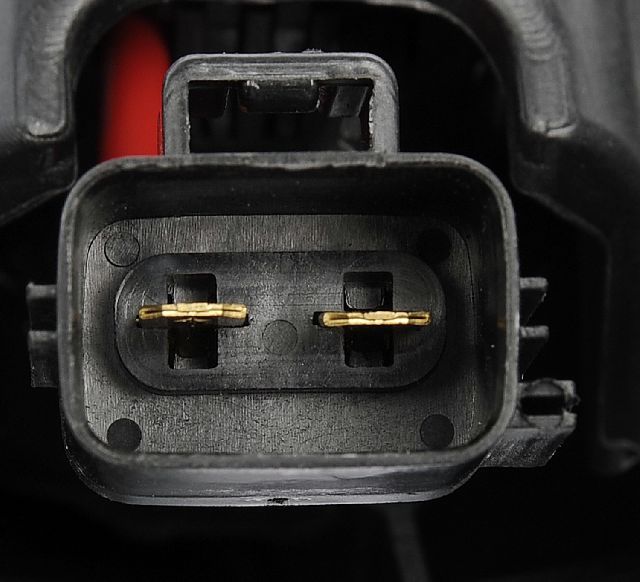
- Cooling Fan Connector — On the cooling fan assembly, accessible from the top of the engine bay after removing the air filter box.. This 3-wire connector is the primary test point. It has two large wires for power and ground, and a smaller wire for the PCM control signal. Testing for power, ground, and signal here is the most direct way to diagnose the fan circuit.
- G108 — On the left rear of the engine or on the power steering wiring harness near the left rear corner of the engine compartment.. This is a potential ground point for the cooling fan circuit. A corroded or loose ground at this location would create high resistance, preventing the fan from operating correctly and potentially setting a P0480 code.
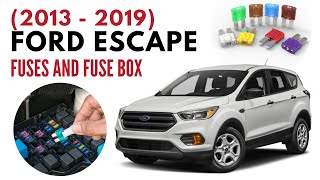
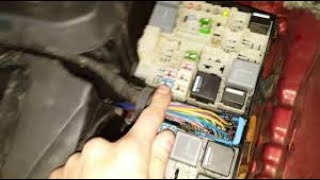
- Fuse F34 — In the under-hood fuse box (Battery Junction Box), located in the right corner of the engine bay when facing the engine.. This 10A fuse is the specific one mentioned in Ford TSBs that blows due to shorts in the fan assembly or related wiring, directly causing P0480 and other codes.
Real Owner Repair Stories
- fordescape.org forum (2017 Ford Escape SE 2.0L) — Check Engine Light with P0480 and multiple other codes (P0034, P023A, P0245, P0645, P06A0, P06DB, P2602, P2681).
❌ Tried (didn't work) Replacing the F34 fuse, which blew again immediately.
✅ What actually fixed it The root cause was a shorted cooling fan assembly. Replacing the entire cooling fan assembly and the blown F34 fuse resolved all the trouble codes.
OEM Part Supersession History
EJ7Z-8C607-B→EJ7Z-8C607-D, then EJ7Z-8C607-H— Part revision by the manufacturer, likely to improve reliability and address the failure mode causing the short circuit.
Heads up: The newest part number, EJ7Z-8C607-H, is the recommended replacement for all previous versions for the 2.0L engine.
Diagnostic Flowchart
Other Known Issues on This Vehicle
Issues unrelated to this code that are worth knowing about as an owner of this generation:
- Engine Coolant Intrusion into Cylinders 🔴 High — A well-documented and widespread issue for this engine generation. It's caused by a design flaw in the engine block that allows coolant to leak into the cylinders, leading to misfires, rough running, white smoke, and eventual engine failure. (Ref: TSB 19-2346 (superseded by others like 22-2229) confirms the issue and prescribes a long block engine replacement as the only fix.)
- Transmission Faults (6F35) 🟠 Medium — The 6F35 automatic transmission paired with this engine is known for issues like hard shifts, slipping, and sometimes premature failure. While not as catastrophic as the coolant issue, it is a common complaint.
- Water Intrusion into Battery Junction Box (BJB) 🟠 Medium — Some vehicles may experience water getting into the under-hood fuse box (BJB), leading to a wide range of bizarre electrical problems, including no-start conditions or components staying on and draining the battery. (Ref: A TSB exists for similar issues on other Ford models, indicating a known potential failure pattern related to BJB cover sealing.)
Used vs. New Parts: Buying Guide for This Vehicle
When a used part is the smart pick: Given the high cost of a new OEM fan assembly (over $500), a used part from a low-mileage donor vehicle can be a cost-effective option, especially for a DIY repair. However, this is only advisable if the used part comes with a warranty, as the failure is a known common issue.
Donor-vehicle mileage cap: roughly under 60000 miles for the part to have meaningful remaining life.
What to inspect on the donor part:
- Check for a warranty from the salvage yard (typically 30-90 days).
- Inspect the electrical connector for any signs of melting, corrosion, or damaged pins.
- Manually spin the fan blades to ensure they move freely without grinding or excessive resistance.
- Verify the part number on the used assembly matches the latest superseded OEM number (EJ7Z-8C607-H) if possible.
Aftermarket brands forum-validated for this vehicle:
- Dorman
- TYC
Brands owners have reported issues with on this vehicle:
- No specific brands are consistently reported as problematic, but ultra-low-cost, unbranded parts from online marketplaces carry a higher risk of premature failure.
Real Owner Stories
Aggregated from forums and TSBs cited above. Mileages and costs reflect what owners reported in those sources.
2017 Ford Escape SE 2.0L
Symptoms: The owner experienced a P0480 code along with multiple other error codes. The initial discovery was a blown F34 fuse.
What fixed it: After replacing the F34 fuse and having it blow again, the root cause was identified as a shorted cooling fan assembly. Replacing the entire fan assembly and the fuse resolved the issue.
Source hint: fordescape.org - "2017 Escape SE 2.0L - P0480 and a bunch of other codes"
2018 Ford Escape
Symptoms: The cooling fan was running constantly, even when not required for engine cooling.
What fixed it: The owner was advised to check and replace the cooling fan relays (specifically R1, R5, R6, R12, or R15) as a stuck relay was the suspected cause.
Source hint: reddit.com/r/fordescape
2017-2019 Ford Escape 2.0L
Symptoms: Illuminated MIL with DTC P0480 and an open F34 fuse in the battery junction box.
What fixed it: Inspection of the 12C508 wiring harness revealed improperly installed retainers, which allowed the harness to chafe against the vehicle body and short out.
Source hint: NHTSA / CarComplaints.com quoting Ford TSB/SSM 48895
Related OBD-II Codes
Frequently Asked Questions
My 2018 Escape is showing P0480 and the AWD Fault light is on; are these related?
Which fuse should I check first for a P0480 code on my 2.0L EcoBoost Escape?
Does TSB #SSM 48895 apply to my 2019 Ford Escape 2.0L?
Can a bad relay cause my cooling fan to run even when the engine is off?
Is the Lincoln MKC 2.0L subject to the same P0480 issues as the Escape?
Helpful Videos
Used OEM Parts in Stock
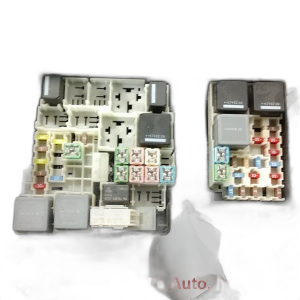


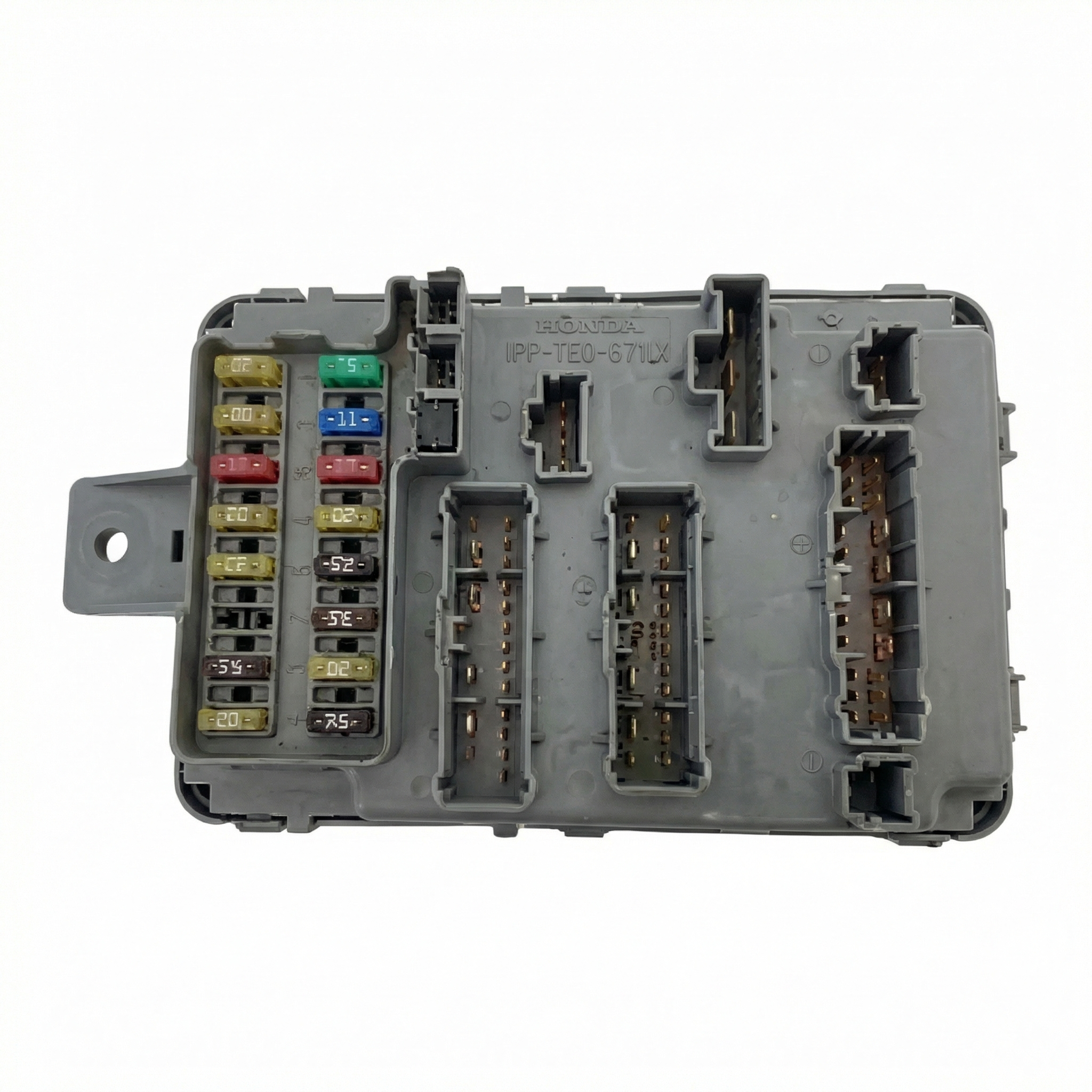

New Aftermarket Parts Available
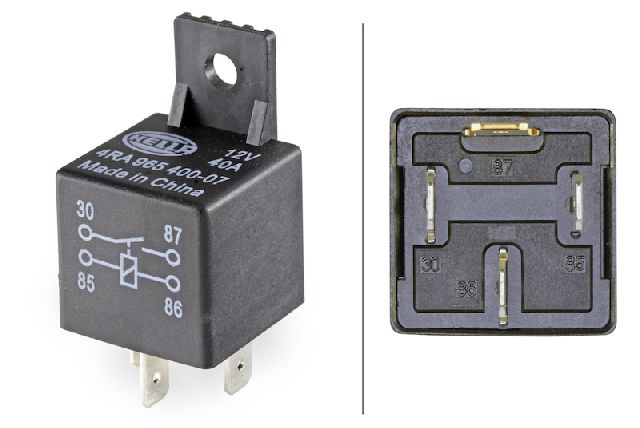

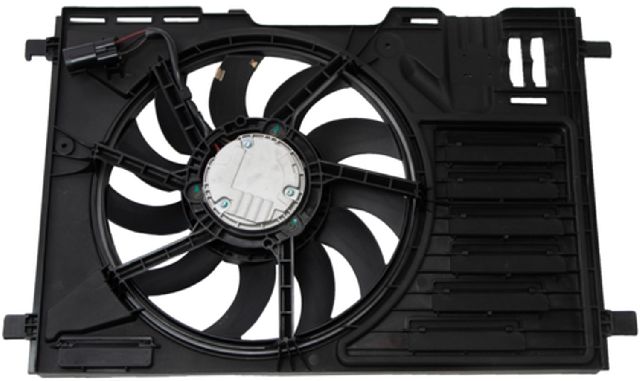

The information in this article is provided for general reference and educational purposes only. Vehicle specifications, procedures, and part compatibility can vary by production date, trim level, and region. Always consult your vehicle's factory service manual and verify part numbers before purchasing or performing repairs. Safety-critical components such as airbags, seat belts, and braking systems should be installed by a qualified professional.
- Ford Escape:
- 🎬 Helpful Videos
- 🛍️ Shop This Part
- What's Unique About the 2017-2019 Ford Escape
- Symptoms You May Notice
- Most Likely Causes
- Rare But Worth Checking
- Diagnosis Steps
- Parts You'll Likely Need
- Related Codes That Often Appear With This One
- Technical Service Bulletins (TSBs) & Recalls
- Platform-Specific Known Issues
- Mechanic-Grade Diagnostic Values
- Scan Tool Commands That Help
- Wiring & Ground Locations
- Real Owner Repair Stories
- OEM Part Supersession History
- Diagnostic Flowchart
- Other Known Issues on This Vehicle
- Used vs. New Parts: Buying Guide for This Vehicle
- Real Owner Stories
- 2017 Ford Escape SE 2.0L
- 2018 Ford Escape
- 2017-2019 Ford Escape 2.0L
- Related OBD-II Codes
- Frequently Asked Questions
- 🎟️ Get 5% Off