

P0462 on 2004-2014 Audi A6: Fuel Level Sensor Circuit Low Causes and Fixes
On a 2004-2014 Audi A6, code P0462 almost always means a failed fuel level sensor (sending unit) inside the fuel tank. This will cause an inaccurate or empty fuel gauge. The sensor is often part of the fuel pump assembly, and replacement by a professional is recommended due to the fire risk of working with fuel system components.
- P0462 on an Audi A6 points directly to a problem in the fuel level sensing circuit, usually the primary sensor ('G') on the passenger side.
- The most common symptom is a fuel gauge that is stuck on empty or reads inaccurately.
- For the C6 generation (2004-2011), a known issue is corrosion on the internal wiring connectors inside the fuel tank, for which Audi has a specific TSB and repair kit.
- Due to the saddle-shaped tank on Quattro models, there are two sensors; proper diagnosis is key to avoid replacing the wrong part.
- Repair requires accessing the fuel tank and is best left to professionals due to the fire hazard.
What's Unique About the 2004-2014 Audi A6
The Audi A6, particularly Quattro models, uses a saddle-shaped fuel tank that straddles the driveshaft. This design requires two separate fuel level sensors to get an accurate reading across the entire tank. P0462 specifically refers to a fault with the primary sensor, often designated as 'Sensor 1' or 'G' by Audi, which is typically located on the passenger side as part of the main fuel pump assembly. The secondary sensor is 'Sensor 2' or 'G169'. A failure of one of these sensors is a known issue on the C6 and C7 generation A6s, leading to the common symptom of the fuel gauge dropping to empty suddenly.
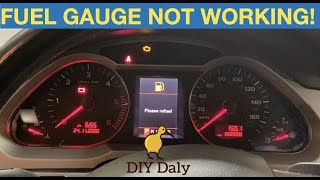
🎬 Watch: This video shows how to fix a dead fuel gauge.Generation note: This guide covers two generations of the Audi A6: the C6 (2004-2011) and the early C7 (2011-2014). While the P0462 code (and its VCDS equivalent 00771) has the same meaning for both, the specific part numbers for the fuel level sensors and their location within the fuel pump assembly may differ. Access to the fuel pump/sensors is typically under the rear seat for both generations. A TSB for C6 models points to fretting corrosion on the internal connector pins as a specific cause.
Symptoms You May Notice
- Check Engine Light is on
- Fuel gauge reads empty or is highly inaccurate.
- Fuel gauge fluctuates wildly.
- Low fuel warning light stays on, even with a full tank.
- The calculated 'distance to empty' on the trip computer is incorrect or shows '---'.
- Car may stall if you run out of fuel unexpectedly.
- Replacing the fuel pump when only the sending unit has failed. While they are often in the same assembly, sometimes the sensor can be replaced separately. However, given the labor involved, replacing the entire assembly is often done as a preventative measure.
- Replacing the wrong sending unit. Since Quattro models have two sensors, it's crucial to diagnose which one ('G' or 'G169') has failed. P0462/00771 typically points to the primary 'G' sensor on the passenger side.
Most Likely Causes
- Failed Fuel Level Sensor (Sending Unit) 🔴 High Probability The variable resistor contacts on the sensor wear out over time, causing an internal short or open circuit. This is a common failure on many vehicles, including the A6. On these models, the primary sensor ('G') is often integrated into the fuel pump, while the secondary sensor ('G169') is a separate unit.
How to confirm: Use a scan tool (like VCDS) to monitor live data for 'Fuel Level Sensor 1'. If the reading is stuck at a very low value regardless of the actual fuel level, the sensor has likely failed. A technician can also test the sensor's resistance directly with a multimeter; an open circuit (infinite resistance) or a short (near zero ohms) indicates a failed sensor.
Typical fix: Replace the faulty fuel level sensor. For P0462, this is usually the 'G' sensor, which often requires replacing the entire fuel pump module it's housed in. The secondary 'G169' sensor can be replaced separately.
Est. part cost: $150-$450 - Wiring Harness or Connector Issue 🟡 Medium Probability Audi issued Technical Service Bulletin (TSB) 2020884/4 for C6 models, noting that vibrations can cause fretting corrosion on the internal 2-pin connectors for the fuel senders inside the tank. This creates high resistance or an open circuit, triggering the fault. The external connector on top of the fuel tank access panel can also suffer from corrosion or damage.
How to confirm: Visually inspect the connector on top of the fuel tank access panel for corrosion, bent pins, or loose wires. If the external connector is fine, the internal wiring is the next suspect per the TSB. A 'pin drag' test can check the tension of the connector terminals.
Typical fix: For external connector issues, cleaning the contacts or replacing the connector pigtail may work. For the internal issue described in the TSB, Audi provides a repair kit (Part No. 4F0 298 200 B) that involves splicing in new, more secure wiring inside the tank.
Est. part cost: $20-$100 for a connector kit.
Rare But Worth Checking
- Faulty Instrument Cluster: While rare, the instrument cluster itself can fail, preventing it from correctly displaying the fuel level information sent by the ECM. This is usually accompanied by other gauge or display problems and is a less likely cause if P0462 is the only code present.
- Faulty Engine Control Module (ECM) or Body Control Module (BCM): An internal fault in the control module that processes the fuel level signal is a very unlikely cause but remains a possibility if the sensor and wiring have been proven to be good.
- Stuck Fuel Level Float Arm: The float arm can become physically stuck in the down position due to debris in the tank or if the arm gets bent during a previous repair. This is less common than electrical failure but can happen, especially in vehicles that have been sitting for a long time.
Diagnosis Steps
- Verify the P0462 code is present using an OBD-II scanner. If using VCDS, check for code 00771.
- Use the scanner to view live data from the fuel level sensors. Note the reading for Sensor 1 (G) and Sensor 2 (G169). A reading near zero for Sensor 1 that doesn't change when fuel is added points to the issue.
- Gain access to the fuel pump/sender unit covers under the rear seat cushion. The primary pump/sender ('G') is on the right (passenger) side.
- Inspect the external electrical connector on top of the fuel tank for any signs of corrosion, moisture, or damage. Wiggling the connector while monitoring live data can sometimes reveal an intermittent connection.
- If the external connector is good, disconnect the battery. Disconnect the connector and use a multimeter to test the resistance of the sensor pins leading into the tank. An open circuit (infinite ohms) or a short (near zero ohms) indicates a failed sensor.
- If the sensor resistance seems plausible, the issue may be the internal wiring as described in TSB 2020884/4. This requires removing the fuel pump assembly to inspect the internal connectors for fretting corrosion.
- If the sensor and internal wiring test good, check the signal wire between the tank connector and the instrument cluster/ECM for a short to ground or an open circuit.
- If all wiring and sensors are confirmed good, the issue may lie with the instrument cluster or the ECM, which requires more advanced diagnostics.
Parts You'll Likely Need
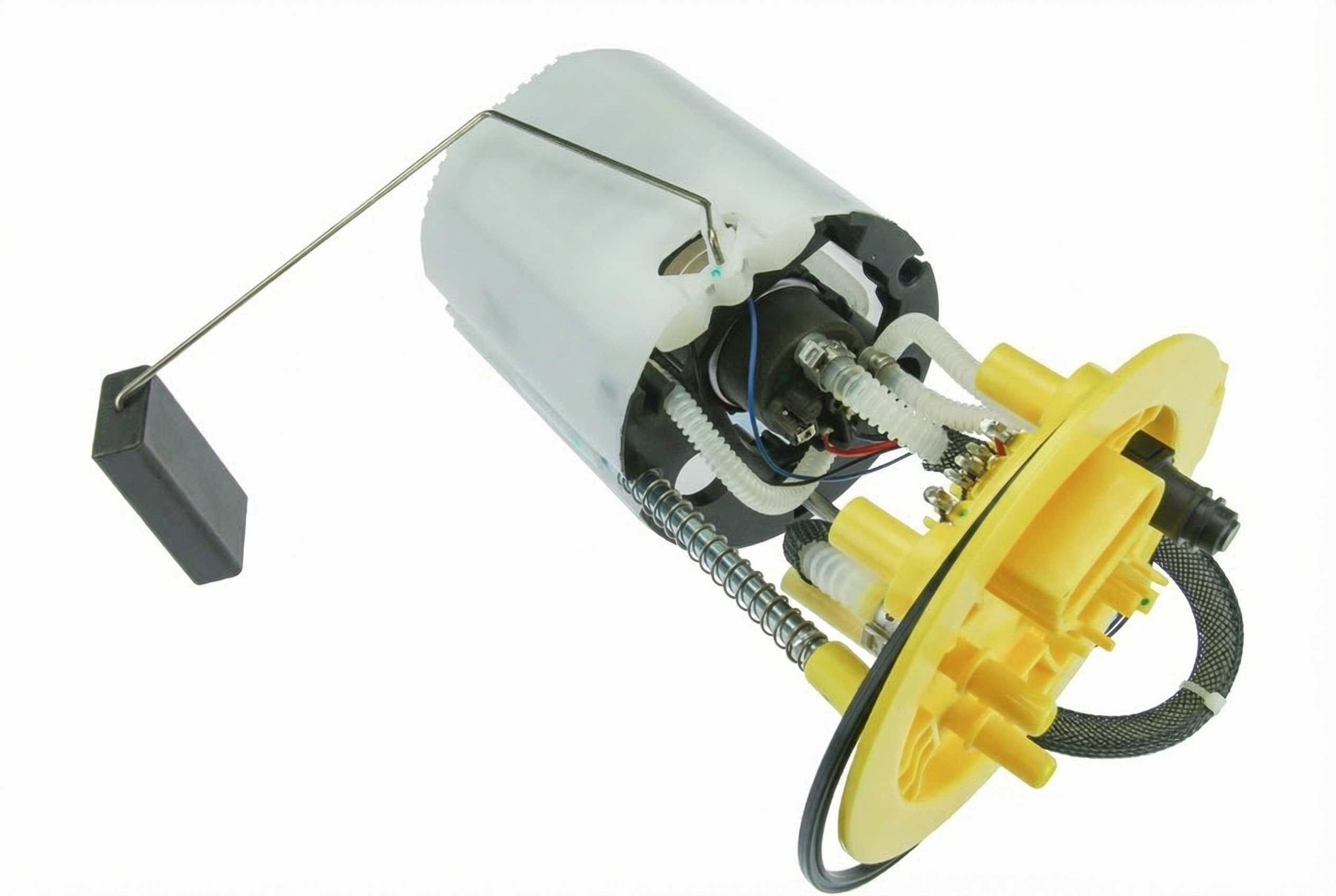
- Fuel Pump Assembly with Sending Unit
(OEM #4F0919087 series (C6), 4G0919051 series (C7))— On many A6 models, the primary fuel level sensor ('G') is integrated into the main fuel pump assembly. Replacing the entire unit is the most common fix and also replaces the fuel pump as a preventative measure.
Trusted brands: Bosch, VDO, OEM Audi
OEM price range: $400-$600
Aftermarket price range: $250-$450 - Fuel Level Sending Unit (Secondary)
(OEM #8K0919673A (C6/C7 G169 sensor))— If code P2067/00438 is present, or if diagnosis points to the secondary sensor ('G169') on the driver's side, this part is needed. It is typically sold separately from the main fuel pump.
Trusted brands: VDO, Topran, OEM Audi
OEM price range: $150-$250
Aftermarket price range: $80-$150 - Fuel Sender Internal Wiring Repair Kit
(OEM #4F0298200B)— This is the official Audi fix for the known TSB issue of fretting corrosion on the internal sender connectors for the C6 generation. It includes new wires and connectors to be spliced inside the tank.
Trusted brands: OEM Audi
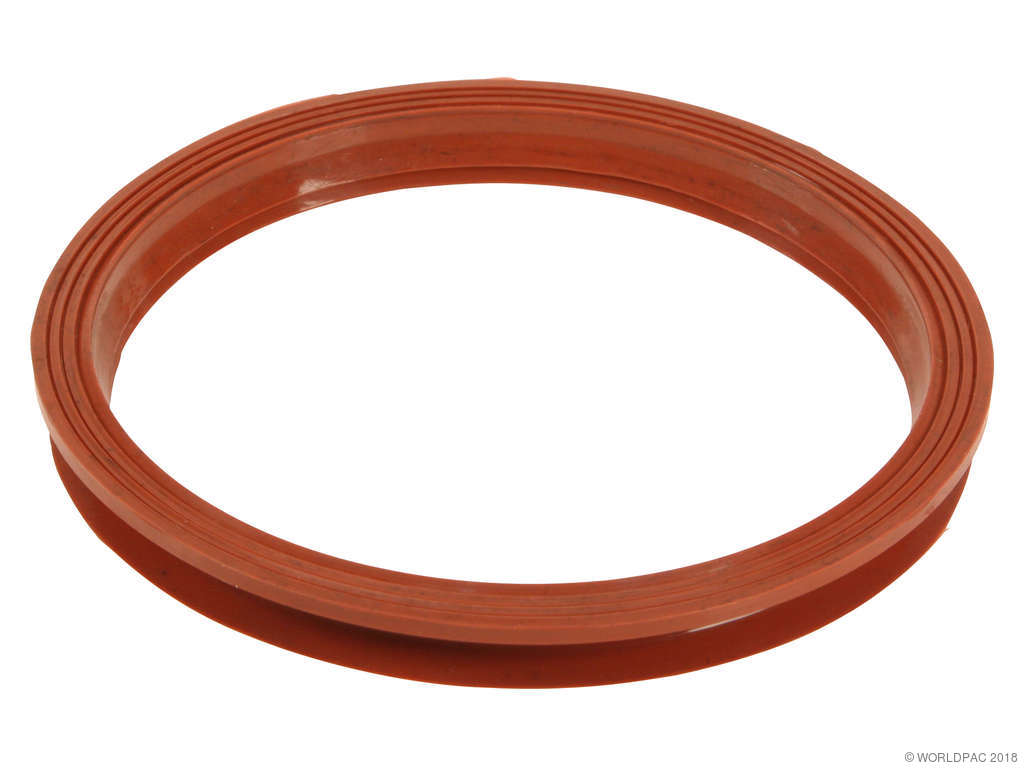
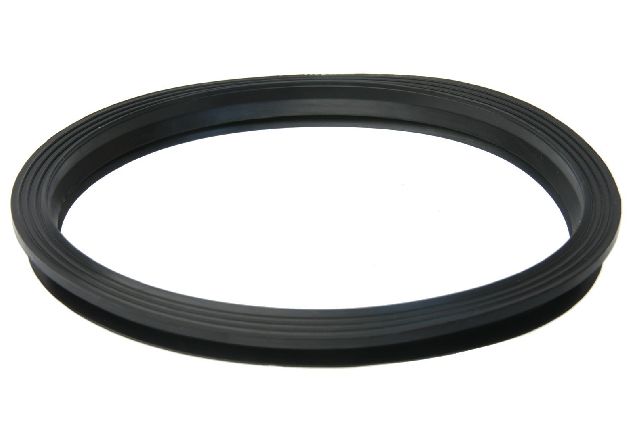
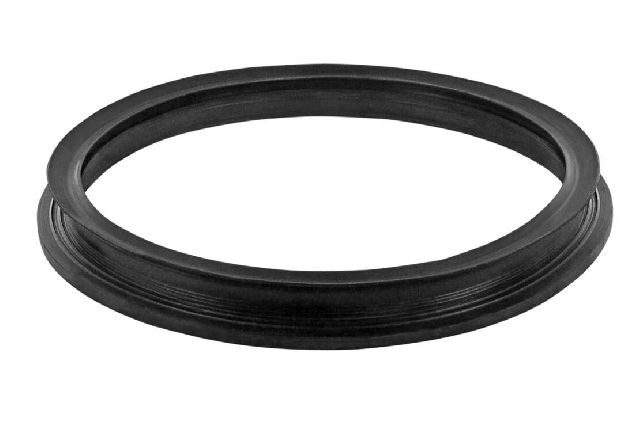
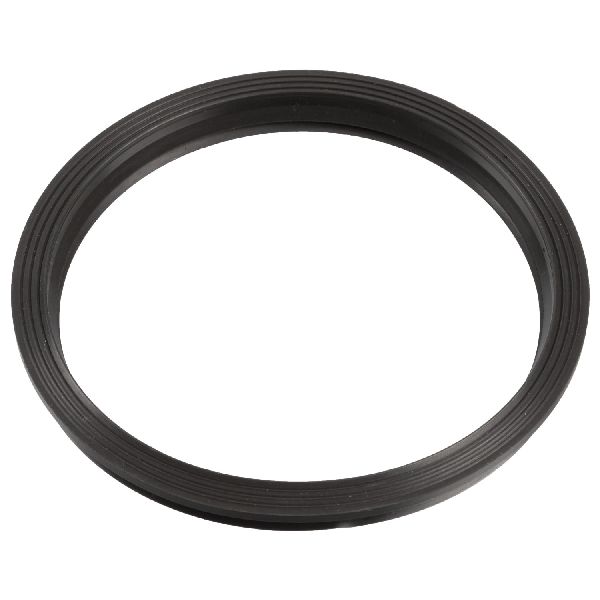
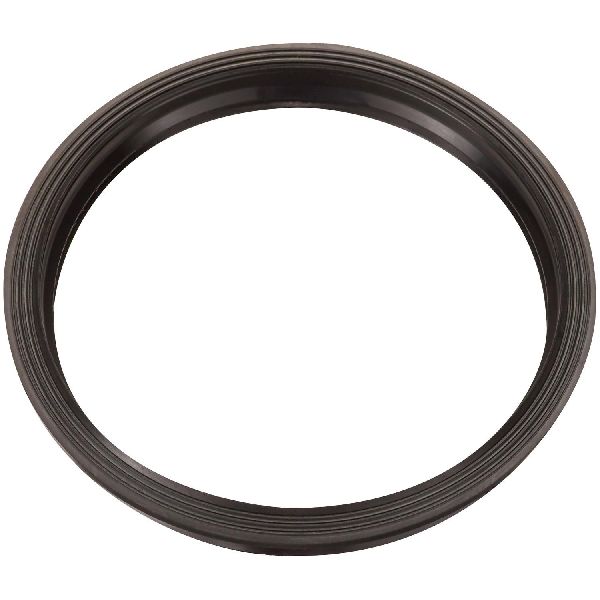
OEM price range: $50-$80 - Fuel Tank Seal / Gasket
(OEM #4F0919133B)— The large rubber seal for the fuel pump/sender access port should always be replaced whenever the unit is removed to prevent fuel leaks and fumes.
Trusted brands: OEM Audi, Elring
OEM price range: $20-$40
Aftermarket price range: $10-$20
Related Codes That Often Appear With This One
- 00438 (VCDS) / P2067 (OBD-II): Fuel Level Sensor 'B' (G169) Circuit Malfunction. If both codes are present, it could indicate a shared wiring or ground problem affecting both sensors.
Technical Service Bulletins (TSBs) & Recalls
- TSB 2020884/4
Platform-Specific Known Issues
- A recall (NHTSA Campaign 20DN) was issued for later model A6s (2019-2021) where the fuel level sender could get physically stuck, causing an incorrect reading. While this recall does not cover the 2004-2014 range, it highlights the platform's sensitivity to fuel sender issues.
- TSB 2020884/4 specifically addresses the C6 generation, where vibrations cause fretting corrosion on the internal 2-pin connectors for the fuel senders, leading to sporadic or static failure of the fuel gauge. The fix involves a special wiring repair kit.
Mechanic-Grade Diagnostic Values
- Fuel Level Sender (G or G169) Resistance — expected: 50 Ohms (Full) to 1004 Ohms (Empty) - based on service literature. A real-world measurement showed ~52 to ~195 Ohms, indicating values can vary.. Failure: A reading of near-zero Ohms (short) or infinite Ohms / OL (open circuit) across the sensor's range indicates failure.
- Ground Wire Voltage Drop at T5a Connector, Pin 3 — expected: Less than 0.4 volts. Failure: Voltage drop greater than 0.4 volts indicates high resistance in the ground circuit, which can cause erratic readings. This check is specifically recommended when both sensor fault codes (00771 and 00438) are present.
- VCDS Live Data - Low Pressure Fuel Pump Duty Cycle at Idle — expected: Significantly less than 80-90%.. Failure: A very high duty cycle (e.g., 87%) at idle could indicate a weak in-tank fuel pump or a significant fuel leak, though this is not a direct test for the level sender.
Hidden / Shadow Codes Worth Checking
- 00771: This is the VAG-specific fault code for 'Fuel Level Sensor (G)'. It is the direct equivalent of the generic OBD-II code P0462 and points to an open or short circuit in the primary sensor. (see via VCDS (VAG-COM) or other advanced VAG-specific scan tools.)
- 00438: This is the VAG-specific fault code for 'Fuel Level Sensor 2 (G169)'. It is the equivalent of P2067 and points to a fault with the secondary sensor on the driver's side of Quattro models. (see via VCDS (VAG-COM) or other advanced VAG-specific scan tools.)
Scan Tool Commands That Help
- VCDS (VAG-COM): [17 - Instruments] -> [03 - Output Tests] -> Select 'Analog Indicators' — Use this to verify the physical fuel gauge in the instrument cluster is working. The test will command a full sweep of all needles. If the fuel gauge sweeps correctly, the gauge itself is good, and the fault is in the sensor or wiring.
- VCDS (VAG-COM): [17 - Instruments] -> [10 - Adaptation] -> Channel for 'Tank Characteristics' or 'Offset for tank calibration' — This function is used to calibrate or 'tweak' the fuel gauge reading after replacing a sensor or if the reading is slightly off. It allows for fine-tuning the displayed level by a small offset, typically in liters. This is not a fix for a completely failed sensor but can correct inaccuracies.
Wiring & Ground Locations
- J17 (Fuel Pump Relay) — On C6 models, this relay is located in the engine plenum chamber electronics box, on the left (driver's) side, underneath the Engine Control Unit (ECU).. While not a direct cause of a 'circuit low' code, a faulty relay can cause a no-start condition that might be misdiagnosed as part of a larger fuel system failure.
- Fuel Pump Fuse (C6) — The primary fuel pump fuse is located in the fuse carrier at the left-hand end of the dashboard. It is typically Fuse #1 in the brown fuse holder. Locations can vary by model year.. Loss of power to the pump assembly would cause a no-start, but is unlikely to cause a P0462 code, which is specific to the sensor's signal circuit, not the pump's power circuit.
- T5a Connector, Pin 3 (Ground) — This is a 5-pin connector for the body harness side of the fuel pump assembly. Pin 3 is the ground wire for the sensors.. As per TSB 2020884/4, a poor ground connection at this pin can cause faults for both fuel level sensors. A voltage drop test should be performed here if both P0462 and P2067 (00771 and 00438) are present.
- J519 (Onboard Supply Control Unit) — Located in the driver's side of the cabin, typically behind the lower dash panel.. This module processes many inputs, including the fuel level signal, before it is displayed on the instrument cluster. A fault in this module, while rare, could theoretically cause this code.
Real Owner Repair Stories
- YouTube user 'DIY Daily' (2007 Audi A6 3.0 TDI) — Fuel gauge pegged on empty, VCDS code 771 (open circuit).
❌ Tried (didn't work) Initial visual inspection of the connector showed no obvious corrosion.
✅ What actually fixed it Wiggling the wires on the external electrical connector on top of the passenger-side fuel sender unit caused the gauge to start working again. The user identified this as a common issue and noted that a repair pigtail/loom is available to permanently fix the bad connection. - Audi Owners Club (UK) forum user (2005 Audi A6 3.0 TDI Quattro) — Fuel gauge reads zero, VCDS code 00771 - Open or Short to Plus.
❌ Tried (didn't work) The user initially replaced only the driver's side sender (G169), which did not fix the problem.
✅ What actually fixed it The fault was with the passenger side sender (G). Another user in the thread confirmed the final fix was replacing both sender units to be certain, which resolved the issue.
OEM Part Supersession History
4G0-919-051-C→4G0-919-051-K— Standard part revision by the manufacturer for improvements or supplier changes.
Model Year Variations Within This Range
- 2004-2014 (FWD vs. Quattro): Front-wheel-drive (FWD) models typically have a 70L fuel tank with a single fuel level sensor. Quattro (AWD) models have a larger 80L saddle-style tank that requires two fuel level sensors (G and G169) to accurately measure fuel across both lobes of the tank. This is a critical diagnostic difference.
- 2005-2008 (C6 Generation): TSB 2020884/4 for fretting corrosion on internal sender connectors specifically applies to these model years. A production fix was implemented during the 2008 model year, making later C6 models less susceptible to this specific wiring failure inside the tank.
- C6 Generation (pre-2007 vs 2007+): The location of the fuel pump relay in the engine bay fuse/relay box can differ between early and late C6 models, requiring reference to the correct wiring diagram for the specific vehicle year.
Diagnostic Flowchart
Other Known Issues on This Vehicle
Issues unrelated to this code that are worth knowing about as an owner of this generation:
- Carbon Buildup on Intake Valves (FSI/TFSI Engines) 🔴 High — Common on all direct-injection engines (3.2 FSI, 3.0T TFSI) every 40,000-60,000 miles. Causes misfires, rough idle, and power loss.
- Timing Chain Tensioner Wear (3.2 FSI & 3.0T) 🔴 High — A startup rattle is the first sign. Failure is catastrophic. More common on C6 3.2 FSI and higher-mileage C7 3.0T engines. The rear engine location makes replacement extremely labor-intensive.
- Water Pump & Thermostat Failure (3.0T) 🟠 Medium — Plastic housings for the water pump and thermostat are prone to cracking, causing coolant leaks. Very common issue, especially on 2010-2012 models before an updated part was introduced. (Ref: Multiple TSBs exist, including 19 23 45 2070349/2 for later models with a similar issue.)
- PCV Valve Failure (3.0T) 🟠 Medium — Failure of the Positive Crankcase Ventilation (PCV) valve can cause high oil consumption, rough idle, and vacuum leaks.
- MMI Infotainment System Glitches/Failure 🟡 Low — Systems can freeze, screens can fail to retract, and modules can fail, especially if exposed to moisture (e.g., from a leaking washer fluid line in the trunk).
- Excessive Oil Consumption (2.0T & early 3.0T) 🟠 Medium — Early C7 models with the 2.0T engine were known for piston ring issues causing high oil consumption. Some 3.0T engines also consume more oil than expected. (Ref: Class action lawsuits and warranty extensions were issued for some 2.0T engines.)
Used vs. New Parts: Buying Guide for This Vehicle
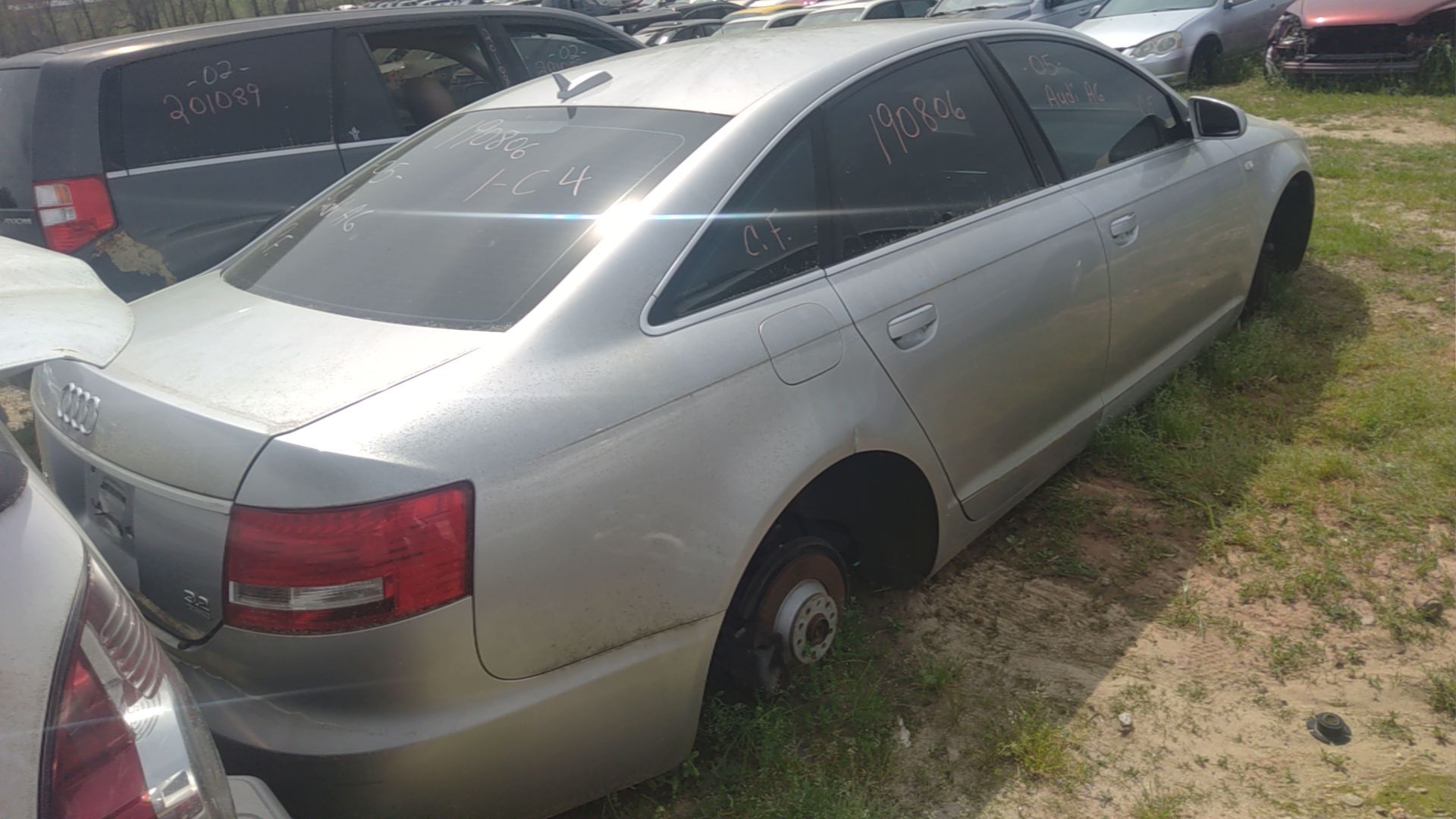
When a used part is the smart pick: A complete, used OEM fuel pump assembly from a low-mileage donor car can be a cost-effective and reliable alternative to a new, non-OEM aftermarket unit. Given the high cost of a new OEM assembly, a tested, used part from a reputable salvage yard is a viable option, especially if it's the entire pump and sender module.
Donor-vehicle mileage cap: roughly under 80000 miles for the part to have meaningful remaining life.
What to inspect on the donor part:
- Verify the part number matches your original unit exactly, especially considering the C6/C7 and FWD/Quattro differences.
- Inspect the electrical connector pins for any signs of corrosion, melting, or damage.
- Check the plastic housing for cracks or signs of previous damage.
- If possible, ask the seller to test the resistance of the sender unit. It should read within a valid range and not be open or shorted.
- Avoid parts from vehicles that have been sitting for years with old fuel, as this can damage the sender's resistor card.
OEM-only on this vehicle (don't cheap out):
- Fuel Tank Seal/Gasket: This is a critical, low-cost part that should always be replaced with a new one to prevent dangerous fuel leaks and vapor smells.
- Internal Wiring Repair Kit (4F0298200B): This is a specific TSB fix and should only be sourced as a new OEM part to ensure the connection is secure.
Aftermarket brands forum-validated for this vehicle:
- VDO (often the original OEM supplier)
- Bosch
Brands owners have reported issues with on this vehicle:
- Unbranded, 'white-box' fuel pump assemblies from online marketplaces are a significant gamble. Failure rates can be high, and the labor to replace the part a second time negates any initial savings.
Real Owner Stories
Aggregated from forums and TSBs cited above. Mileages and costs reflect what owners reported in those sources.
2007 A6
Symptoms: A fuel gauge fault with code 00771 in VCDS. Wiggling the wires on top of the sender unit temporarily restored function.
What fixed it: The issue was traced to the wiring/connector plug on top of the sender unit. The problem was resolved by installing a repair pigtail for the connector.
Source hint: DIY Daily on YouTube: A video for a 2007 A6 with a fuel gauge fault (code 00771 in VCDS)
C6 Audi A6
Symptoms: Sporadic or static failure of the fuel gauge due to vibrations causing high resistance or an open circuit.
What fixed it: The issue was resolved by installing a special wiring repair kit (Part No. 4F0 298 200 B) inside the fuel tank to fix fretting corrosion on the internal 2-pin connectors.
Source hint: TSB 2020884/4
Audi A6 (C6)
Symptoms: An inaccurate fuel gauge accompanied by fault code P0462 or the VCDS equivalent, 00771.
What fixed it: After using a scan tool to confirm which of the two sending units had failed, the owner replaced the faulty fuel level sensor. For a 'G' sensor fault, this involved replacing the entire fuel pump assembly on the passenger side.
Source hint: AudiWorld & Audizine: Numerous owner threads corroborate that P0462/00771 is most often solved by replacing one of the two fuel level sending units.
Related OBD-II Codes
Frequently Asked Questions
My fuel gauge is acting up on my C6 Audi A6. Is there a known TSB for this?
The dealer mentioned a wiring repair kit for my P0462 code. What part is that?
My VCDS scanner shows code 00771 instead of P0462. Is this the same thing on my Audi?
I have a P0462 code. Which of the two fuel level sensors do I need to replace?
Do I have to replace the whole fuel pump to fix the P0462 code on my A6?
Why does my Audi A6 have two fuel level sensors?
I have a 2013 Audi A7 with a fuel gauge problem. Is it the same issue as the A6?
Helpful Videos
Used OEM Parts in Stock



New Aftermarket Parts Available

The information in this article is provided for general reference and educational purposes only. Vehicle specifications, procedures, and part compatibility can vary by production date, trim level, and region. Always consult your vehicle's factory service manual and verify part numbers before purchasing or performing repairs. Safety-critical components such as airbags, seat belts, and braking systems should be installed by a qualified professional.
- Audi A6:
- 🎬 Helpful Videos
- 🛍️ Shop This Part
- What's Unique About the 2004-2014 Audi A6
- Symptoms You May Notice
- Most Likely Causes
- Rare But Worth Checking
- Diagnosis Steps
- Parts You'll Likely Need
- Related Codes That Often Appear With This One
- Technical Service Bulletins (TSBs) & Recalls
- Platform-Specific Known Issues
- Mechanic-Grade Diagnostic Values
- Hidden / Shadow Codes Worth Checking
- Scan Tool Commands That Help
- Wiring & Ground Locations
- Real Owner Repair Stories
- OEM Part Supersession History
- Model Year Variations Within This Range
- Diagnostic Flowchart
- Other Known Issues on This Vehicle
- Used vs. New Parts: Buying Guide for This Vehicle
- Real Owner Stories
- 2007 A6
- C6 Audi A6
- Audi A6 (C6)
- Related OBD-II Codes
- Frequently Asked Questions
- 🎟️ Get 5% Off