

P0460 on 2003-2014 Chevrolet Silverado: Fuel Gauge Problems, Causes, and Fixes
On a 2003-2014 Silverado, P0460 is almost always a bad fuel level sensor in the gas tank or, on 2003-2007 models, a failed stepper motor in the instrument cluster. If other gauges are also erratic, suspect the cluster first. Replacing the fuel pump module costs ~$150-$400 in parts and is a 3-5 hour job that can be done by lifting the bed instead of dropping the tank.
- For a 2003-2007 Silverado, check ALL your gauges first. If others are also acting up, your problem is likely the instrument cluster, not the fuel pump.
- For all years, the most common cause is a failed fuel level sensor, which is part of the fuel pump module inside the gas tank.
- You can continue to drive, but you must track your mileage manually to avoid running out of fuel.
- Repair is labor-intensive, requiring either lifting the truck bed or dropping the fuel tank. On high-mileage trucks, it's wise to replace the entire fuel pump module while you're in there.
What's Unique About the 2003-2014 Chevrolet Silverado
For the Silverado, especially the 2003-2007 GMT800 generation, this code presents a classic diagnostic challenge: is the problem in the tank or in the dash? These trucks are notorious for failures in both the fuel level sending unit (due to worn contacts) and the stepper motors inside the instrument cluster that physically move the gauge needles. A key diagnostic clue is to observe the other gauges; if the speedometer, tachometer, or oil pressure gauges are also acting erratically, the instrument cluster is the likely culprit, not the fuel sensor itself. The later GMT900 generation (2007.5-2014) is less prone to the cluster-wide failure but still commonly suffers from sending unit failure due to sulfur in fuel causing corrosion on the sensor's contacts.
Generation note: This range covers two Silverado generations, and the primary cause can differ: - GMT800 (2003-2007 Classic): Highly prone to both fuel level sensor failure in the tank and instrument cluster stepper motor failure. If multiple gauges are faulty, the cluster is the prime suspect. This was so common that GM had a "Special Coverage Adjustment" program (now expired) for the clusters. - GMT900 (2007.5-2014): While cluster issues can occur, a faulty fuel level sensor (sending unit) in the tank is the more common cause for this specific code. The sensor design was improved, but it is still susceptible to failure from corrosion and wear. A corroded ground wire on the driver's side frame rail is also a known issue on these models that can mimic fuel pump or sensor failure.
Symptoms You May Notice
- Check Engine Light is on
- Fuel gauge is inaccurate, erratic, or stuck on Full or Empty.
- Fuel gauge needle fluctuates wildly while driving or idling.
- Low fuel warning light comes on at the wrong time or not at all.
- Other gauges (speedometer, tachometer, oil pressure) may also be erratic (primarily on 2003-2007 models).
- Replacing the entire fuel pump module when the actual fault is a bad stepper motor in the instrument cluster (especially on 2003-2007 models).
- Replacing the Powertrain Control Module (PCM). PCM failure is extremely rare for this issue.
Most Likely Causes

- Faulty Fuel Level Sensor (Sending Unit) 🔴 High Probability The contacts on the variable resistor, which the float arm sweeps across, wear out or become corroded. Sulfur in gasoline was a major contributor to corrosion on the silver-based contacts used in earlier models, creating dead spots or open circuits. Later designs switched to gold-filled contacts to improve resistance.
How to confirm: With a scan tool, observe the fuel level sensor voltage/percentage. If it's erratic or doesn't change when you add fuel, the sensor is likely bad. You can also test the sensor's resistance with a multimeter at the tank connector; it should change smoothly as the float arm is moved. An open circuit (infinite resistance) indicates a bad sensor.
Typical fix: Replace the fuel level sensor. It is located inside the fuel tank and is usually part of the complete fuel pump module. On a high-mileage truck, it's best practice to replace the entire module. Many owners find it easier to lift or tilt the truck bed for access rather than dropping the fuel tank. 🎬 Watch: How to swap a fuel pump using the tipped bed method.
Est. part cost: $40-$100 for sensor only; $150-$400 for complete fuel pump module. - Failed Instrument Cluster Stepper Motor(s) 🔴 High Probability This is a well-known defect on 2003-2007 (GMT800) GM trucks. The small electric motors (brand Switec or Juken, model XC5.168) that drive the needles for all gauges are prone to failure, causing them to stick, jump, or read incorrectly. GM acknowledged the issue via TSBs and a Special Coverage Adjustment program (#07187), though it has since expired.
How to confirm: Check if other gauges on the instrument panel are also behaving erratically. A common symptom is the speedometer or oil pressure gauge also being stuck or inaccurate. A scan tool may show a correct fuel level reading from the PCM, even if the gauge is wrong, confirming the issue is in the cluster.
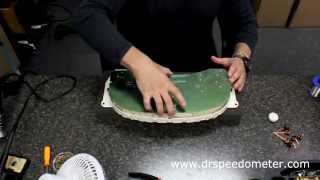
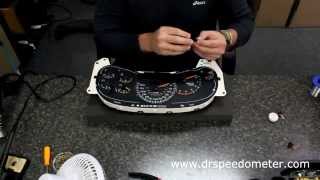
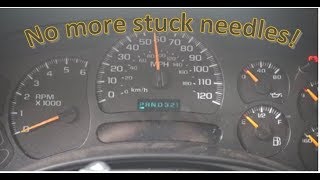
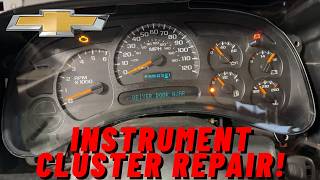
Typical fix: The instrument cluster must be removed. You can either replace the faulty stepper motor(s) yourself (requires soldering skills) or send the entire cluster to a specialized repair service that will typically replace all motors with the updated X27.168 version. 🎬 Watch: How to fix the instrument cluster on GM trucks.
Est. part cost: $10-$20 for a single stepper motor; $100-$250 for a professional cluster repair service. - Damaged Wiring or Corroded Connector 🟡 Medium Probability The wiring harness to the fuel tank is exposed to road debris, moisture, and salt. The main connector on top of the fuel pump module is a common spot for corrosion, leading to a poor or intermittent signal. A critical failure point on GMT800/900 trucks is the main fuel pump ground wire, which attaches to the driver's side frame rail and is highly susceptible to rust.
How to confirm: Visually inspect the wiring harness running to the fuel tank for any obvious damage. Unplug the connector at the fuel pump module and check for green or white corrosion on the pins. Specifically locate and inspect the fuel pump ground on the frame near the driver's side wheel well for rust. Perform a wiggle test on the harness while monitoring the fuel level data on a scan tool.
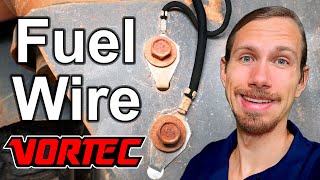
Typical fix: Clean the connector pins with electrical contact cleaner or replace the connector pigtail if corrosion is severe. For a corroded frame ground, remove the bolt, grind the frame and the wire's eyelet to bare metal, apply dielectric grease, and re-secure. 🎬 See how to fix bad fuel pump ground wires. Repair any broken or chafed wires.
Est. part cost: $5-$30
Rare But Worth Checking
- Stuck Fuel Level Float Arm: Less common than electrical failure, but the physical float arm can get caught on something inside the tank or the tank itself could be dented, preventing it from moving freely. This is usually found during the replacement of the sending unit.
Diagnosis Steps

- Scan for codes. Confirm P0460 is the primary code. Note any other related codes like P0461, P0462, or P0463, which point more strongly to the sensor/wiring.
- Check all gauges. Observe the speedometer, tachometer, and other gauges during startup and driving. If any others are also erratic, the instrument cluster is the most likely cause (especially on 2003-2007 models).
- Analyze scan tool data. View the live data for 'Fuel Level Sensor' or 'Fuel Tank Level'. If the reading is stable and seems plausible (e.g., 45%) but the gauge on the dash is wrong (e.g., shows Empty), the problem is the instrument cluster. If the scan tool data is erratic, stuck, or clearly incorrect, the problem is likely the sensor or wiring.
- Inspect wiring. Visually inspect the wiring harness leading to the fuel tank. Pay close attention to the large connector on top of the fuel pump module for signs of corrosion or damage. Crucially, locate and thoroughly inspect the fuel pump ground connection on the driver's side frame rail for rust and corrosion.
- Test the sensor circuit. If wiring looks good, use a multimeter to test the resistance of the sending unit at the tank connector. The resistance should change smoothly as the fuel level changes (which can be simulated by rocking the vehicle). An open circuit (infinite resistance) or a reading that doesn't change indicates a bad sensor.
- Isolate the problem. Based on the steps above, determine if the fault lies with the sending unit in the tank or the instrument cluster in the dash before ordering parts. A common mistake is replacing the fuel pump when the cluster is the real issue.
Parts You'll Likely Need
- Fuel Pump Module Assembly
(OEM #ACDelco MU1613 (Common for 1999-2003))— This is the most common fix. It includes the fuel level sensor, fuel pump, and housing. Replacing the whole assembly is recommended on high-mileage trucks to prevent a future fuel pump failure, as the labor is identical.
Trusted brands: ACDelco, Delphi, Spectra Premium
OEM price range: $250-$400
Aftermarket price range: $150-$250 - Instrument Cluster Stepper Motor
(OEM #X27.168 (Updated version))— For 2003-2007 models, this is a very common point of failure that causes the fuel gauge (and others) to read incorrectly. Replacing all motors at once is recommended.
Trusted brands: Switec, Juken
OEM price range: N/A (sold as cluster)
Aftermarket price range: $5-$10 per motor - Fuel Level Sensor Kit
(OEM #ACDelco SK1128, Dorman 911-024 (Varies by year/tank))— If you are on a budget and have confirmed the fuel pump is healthy, you can replace only the sensor and float arm assembly that attaches to the fuel pump module.
Trusted brands: ACDelco, Delphi, Dorman
OEM price range: $70-$120
Aftermarket price range: $40-$80
Related Codes That Often Appear With This One
- P0461 - Fuel Level Sensor 'A' Circuit Range/Performance
- P0462 - Fuel Level Sensor 'A' Circuit Low Input
- P0463 - Fuel Level Sensor 'A' Circuit High Input
Technical Service Bulletins (TSBs) & Recalls
- 07-08-49-020P: A general bulletin about instrument panel cluster (IPC) odometer programming, relevant when replacing the entire cluster.
- Special Coverage Adjustment 07187: An expired GM program that covered the cost of repairing faulty instrument panel clusters (including the fuel gauge) on certain 2003-2006 models for up to 7 years or 70,000-80,000 miles.
Platform-Specific Known Issues
- Instrument Cluster Stepper Motor Failure (GMT800): A widespread and well-documented issue on 2003-2007 (GMT800) models is the failure of stepper motors in the instrument cluster, affecting all gauges. This is a primary cause of incorrect fuel gauge readings and can lead to a misdiagnosis of the fuel sending unit. GM issued TSBs and a Special Policy Adjustment #07187 for this, but the coverage period has expired.
- Repair Method: Lifting the Bed vs. Dropping the Tank: To access the fuel pump module, many owners and mechanics prefer to unbolt and lift the truck bed rather than dropping the fuel tank. This avoids dealing with a heavy, awkward tank (especially when it's not empty) and provides clear, open access to the top of the module, its connector, and the lock ring.
Mechanic-Grade Diagnostic Values
- Fuel Level Sensor Resistance (GMT800, approx. 2003-2007) — expected: Approximately 40 Ohms at Empty and 250 Ohms at Full.. Failure: An open circuit (infinite resistance), a short (near zero ohms), or values that do not change smoothly when the float is moved.
- Fuel Level Sensor Resistance (GMT900, approx. 2007.5-2014) — expected: Approximately 38-41 Ohms at Full and 251 Ohms at Empty. Note the reversal from some earlier GM models.. Failure: A user with a faulty sensor reported a reading of 337 Ohms at empty, indicating the resistor had failed out of its specified range.
- Fuel Level Sensor Circuit Wires (at pump connector) — expected: The signal is carried on a Purple wire and a Black/White stripe wire on many GMT800 models. On some harnesses, the wires may be Purple and Orange.. Failure: Testing should be done on these specific wires. Incorrectly probing other wires (like the gray and black power/ground for the pump motor) will not yield correct sensor readings.
Scan Tool Commands That Help
- GM Tech2 / GDS2 or equivalent bidirectional scanner: Instrument Panel Cluster (IPC) Gauge Sweep Test or Output Control — This is a critical step to differentiate a bad cluster from a bad sending unit. The command orders all gauges to sweep from min to max. If the fuel gauge fails to sweep correctly while others do, the stepper motor for that gauge is bad. If the scan tool shows a valid fuel level percentage from the PCM but the gauge is inaccurate, this also points to the cluster.
Wiring & Ground Locations

- Fuel Pump Ground (G-number varies) — On the outside of the driver's side frame rail, typically below the driver's door or front part of the bed. It is a black wire with an eyelet terminal bolted directly to the frame.. This is a notoriously common failure point. Corrosion builds up between the eyelet and the frame, creating high resistance. This can cause the entire fuel pump module, including the level sensor, to operate erratically or not at all, directly causing a P0460 and mimicking a failed sending unit.
- Fuel Pump Module Connector (C435) — On top of the fuel pump module, accessible after lifting the bed or dropping the tank.. This is the primary connection point for the fuel level sensor signal (Purple and Black/White or Orange wires). It is exposed to the elements and can corrode, causing an intermittent or lost signal. A wiggle test here while monitoring scan data can confirm a bad connection.
- Fuel Filler Neck Ground Strap — A braided metal strap connecting the metal fuel filler neck to the truck's chassis or bed.. While primarily for static electricity dissipation during refueling, a missing or broken strap can sometimes contribute to erratic electrical issues in the fuel system, though it's not a primary cause of P0460. It's an easy visual check.
Real Owner Repair Stories
- YouTube user 'Silverado fuelpump ground repair' (Chevrolet Silverado (GMT800/900 body style)) — Truck would not start or run correctly due to the fuel pump not running. This was caused by a bad ground, which would also affect the fuel level sensor reading.
❌ Tried (didn't work) Initially suspecting the fuel pump itself.
✅ What actually fixed it The original fuel pump ground wire eyelet, bolted to the frame, was severely rusted. The owner cut off the old eyelet, soldered on a new, longer wire, and ran it to a clean ground point in the engine compartment near the alternator to ensure a solid connection. - GM-Trucks.com forum user (2008 Silverado 1500 5.3L Flex Fuel) — Fuel gauge was inaccurate for years, progressively getting worse. It would show 1/2 tank when it was actually empty.
❌ Tried (didn't work) The owner purchased a new fuel level sensor and tested its resistance (38 full, 180 empty), then tested the existing sensor in the tank and found it had the same, correct resistance readings. This ruled out the sending unit itself.
✅ What actually fixed it The forum consensus, after the sending unit was ruled out, pointed to a failed stepper motor in the instrument cluster, a common issue even on the GMT900 platform, though less frequent than on the GMT800.
OEM Part Supersession History
Switec XC5.168 (or X15.168, X25.168)→Switec X27.168— The original XC5 series stepper motors used in 2003-2006 GM clusters were prone to internal failure. The X27.168 is an updated, more robust design that directly replaces the originals and is the standard for cluster repairs.ACDelco MU1613→GM 19369915 (This may be a newer packaging number for the same part)— Part numbers are often updated for inventory or minor revisions. The MU1613 is a widely recognized number for the GMT800 fuel pump module.
Heads up: Always verify fitment with VIN. The MU1613 itself fits a specific range of early GMT800 trucks. Later models use different modules. For example, a 2008 model uses a completely different part.
Model Year Variations Within This Range

- 2003-2007 (GMT800): These models use the 40 Ohm (Empty) to 250 Ohm (Full) fuel level sensor and are highly susceptible to the XC5.168 stepper motor failures in the cluster.
- 2007.5-2014 (GMT900): These models use a sensor that reads approximately 40 Ohms (Full) to 250 Ohms (Empty), the reverse of the earlier generation. While cluster failures can still happen, they are less common. A corroded frame ground is a more prominent issue to check on this generation.
- 2014+: Starting in 2014, some trucks use a dedicated Fuel Pump Control Module (FPCM) which controls the fuel pump. While this is outside the specified range, it's a key difference that begins at the end of this generation's run. A failing FPCM can mimic a bad fuel pump.
Diagnostic Flowchart
Other Known Issues on This Vehicle
Issues unrelated to this code that are worth knowing about as an owner of this generation:
- Rusted/Failed Brake Lines 🔴 High — Very common on trucks used in the rust belt. Lines running along the frame rail, particularly above the fuel tank, are prone to corrosion and failure, leading to a sudden loss of braking. (Ref: NHTSA Campaign ID: 04V045000 (Recall for 2004 models regarding ABS sensor corrosion, but not the lines themselves))
- Intermediate Steering Shaft (ISS) Noise 🟡 Low — Extremely common across GMT800 and GMT900 platforms. Owners report a clunking or popping noise from the steering column, especially at low speeds. The typical fix is to lubricate the shaft splines or replace the shaft with an updated design. (Ref: TSB 00-02-35-003N)
- 4WD Transfer Case Position Sensor Failure 🟠 Medium — Common issue where the sensor on the transfer case fails, causing the 'Service 4WD' message to appear and preventing the system from engaging. It's a relatively inexpensive and easy part to replace.
- HVAC Blend Door Actuator Failure 🟡 Low — A frequent annoyance where the small plastic gears in the actuators fail, causing a clicking noise from the dash and incorrect air temperature or distribution.
- Cracked Dashboard (GMT900) 🟡 Low — Very common on 2007-2014 models, especially in hot climates. The plastic dashboard develops a crack, typically on the driver's side near the instrument panel or over the passenger airbag.
Used vs. New Parts: Buying Guide for This Vehicle
When a used part is the smart pick: A used instrument cluster from a junkyard can be a cost-effective fix if the stepper motors are known-good. Given the high failure rate, it's a gamble unless you can see it tested. It's almost never a good idea to buy a used fuel pump module, as the labor to replace it is significant and its remaining lifespan is unknown.
Donor-vehicle mileage cap: roughly under 80000 miles for the part to have meaningful remaining life.
What to inspect on the donor part:
- For an instrument cluster, check that the plastic lens isn't cracked or deeply scratched.
- Ask the seller if they can verify the gauges worked before the vehicle was dismantled.
- For a fuel pump module, inspect the electrical connector for any signs of melting, charring, or heavy corrosion. If the connector is damaged, the pump likely experienced high resistance and should be avoided.
OEM-only on this vehicle (don't cheap out):
- Fuel Pump Module Assembly
Aftermarket brands forum-validated for this vehicle:
- ACDelco (OEM)
- Delphi (Often the OEM supplier)
- Spectra Premium (Well-regarded aftermarket for fuel pumps)
- Switec / Juken (For X27.168 stepper motors)
Brands owners have reported issues with on this vehicle:
- Unbranded, 'white-box' fuel pump assemblies from online marketplaces are frequently reported by owners to have very short lifespans, sometimes failing within months. The cost savings are not worth the risk of repeating the labor-intensive repair.
Real Owner Stories
Aggregated from forums and TSBs cited above. Mileages and costs reflect what owners reported in those sources.
2000-2007 Chevrolet Silverado (GMT800)
Symptoms: Fuel gauge just went to zero, even with a full tank.
What fixed it: Community discussion pointed to two primary causes: a failed fuel level sending unit in the tank or a faulty stepper motor in the gauge cluster. The recommended repair for the sending unit was to lift the bed for easier access.
Source hint: Reddit r/GMT800: Fuel gauge just went to zero, full tank
2000 Chevrolet Silverado
Symptoms: The fuel gauge jumps around constantly and is erratic.
What fixed it: The problem was identified as being caused by one of two common failures: either worn metal contacts on the fuel level sender inside the tank or the notoriously faulty stepper motors in the GMT800 instrument cluster.
Source hint: Reddit r/GMT800: Erratic Fuel Gauge
2003-2007 Chevrolet Silverado (GMT800)
Symptoms: The speedometer and other gauges on the instrument panel were failing or inaccurate.
What fixed it: The issue was confirmed to be the common failure of the instrument panel cluster (IPC) stepper motors, which affects all gauges, including the fuel gauge. The fix involves replacing the motors in the cluster.
Source hint: GM-Trucks.com: Speedometer Cluster Failure
Related OBD-II Codes
Frequently Asked Questions
My fuel gauge and speedometer are both acting weird on my 2005 Silverado. Is this a known problem?
To replace the fuel level sensor on my Silverado, is it better to drop the fuel tank or lift the truck bed?
My scan tool shows the correct fuel level, but the gauge on my dash is stuck on empty. What's the problem?
Is there an active recall or warranty for the faulty fuel gauge on my 2004 Chevy Silverado?
I'm checking the wiring for code P0460. Is there a specific weak spot on these trucks I should look at first?
Should I replace just the fuel level sensor or the whole fuel pump module for a P0460 code?
Helpful Videos

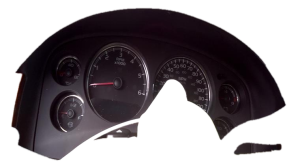
Used OEM Parts in Stock


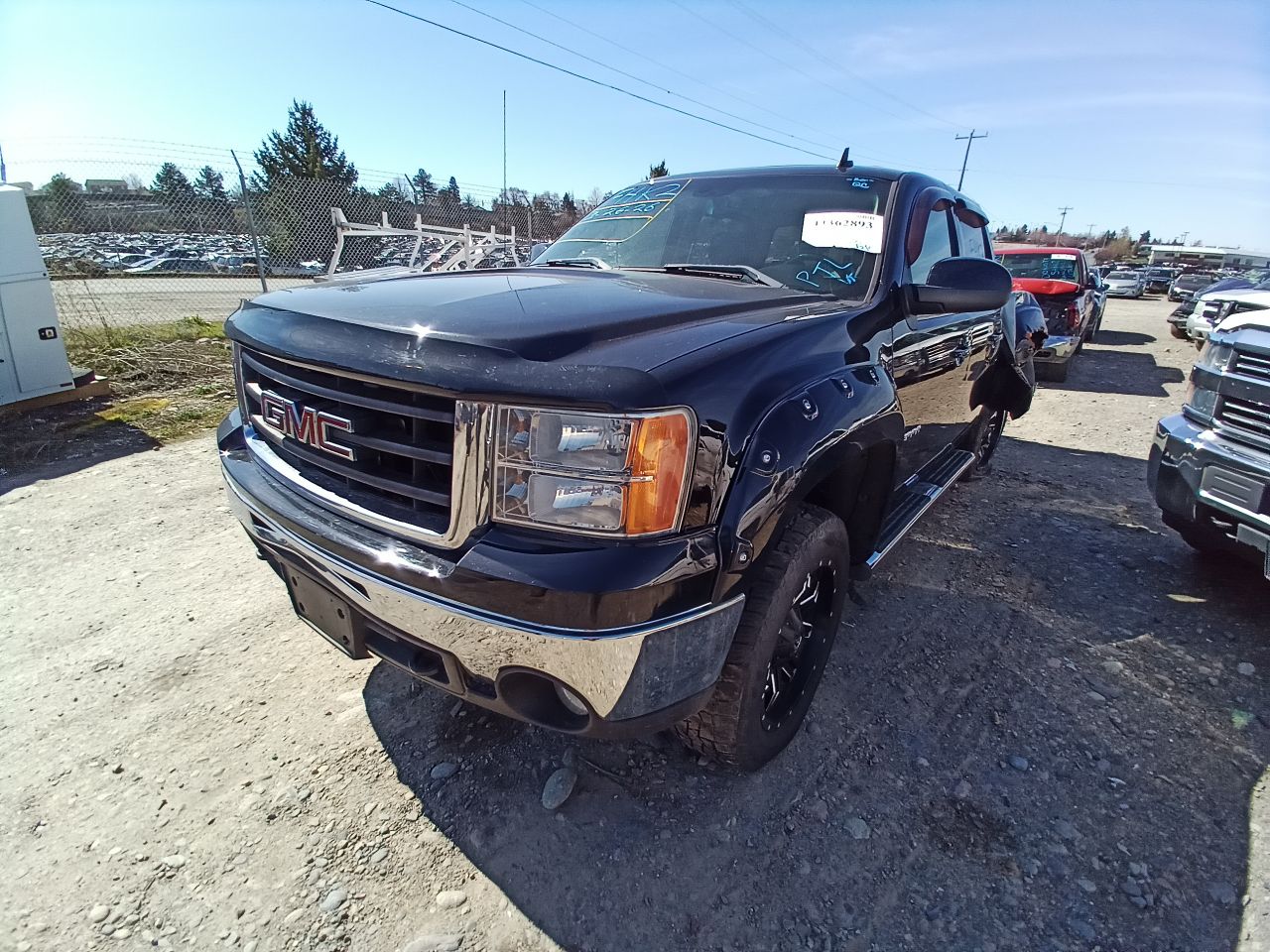
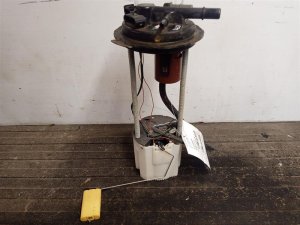

New Aftermarket Parts Available


The information in this article is provided for general reference and educational purposes only. Vehicle specifications, procedures, and part compatibility can vary by production date, trim level, and region. Always consult your vehicle's factory service manual and verify part numbers before purchasing or performing repairs. Safety-critical components such as airbags, seat belts, and braking systems should be installed by a qualified professional.
- Chevrolet Silverado:
- 🎬 Helpful Videos
- 🛍️ Shop This Part
- What's Unique About the 2003-2014 Chevrolet Silverado
- Symptoms You May Notice
- Most Likely Causes
- Rare But Worth Checking
- Diagnosis Steps
- Parts You'll Likely Need
- Related Codes That Often Appear With This One
- Technical Service Bulletins (TSBs) & Recalls
- Platform-Specific Known Issues
- Mechanic-Grade Diagnostic Values
- Scan Tool Commands That Help
- Wiring & Ground Locations
- Real Owner Repair Stories
- OEM Part Supersession History
- Model Year Variations Within This Range
- Diagnostic Flowchart
- Other Known Issues on This Vehicle
- Used vs. New Parts: Buying Guide for This Vehicle
- Real Owner Stories
- 2000-2007 Chevrolet Silverado (GMT800)
- 2000 Chevrolet Silverado
- 2003-2007 Chevrolet Silverado (GMT800)
- Related OBD-II Codes
- Frequently Asked Questions
- 🎟️ Get 5% Off