

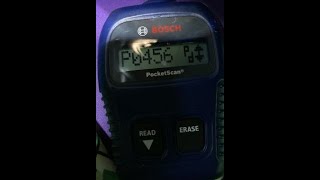
P0456 on 2010-2024 Toyota 4Runner: EVAP Small Leak Causes and Fixes
For a P0456 code on a 2010-2024 Toyota 4Runner, the most common and simple fix is to replace the gas cap with a genuine OEM part. If that doesn't work, suspect cracked vacuum hoses in the engine bay, especially the short rubber lines connected to the purge solenoid, before moving to more complex parts like the charcoal canister.
- Start with the simplest fix: check and, if necessary, replace the gas cap with an OEM part.
- If the gas cap isn't the issue, the next most likely culprit on an aging 4Runner is a small, cracked vacuum hose in the engine bay.
- Don't immediately buy an expensive charcoal canister unless you have an early 2010 model covered by the TSB or a smoke test has confirmed it's the source of the leak.
- This code will not leave you stranded, but it will cause you to fail an emissions test.
What's Unique About the 2010-2024 Toyota 4Runner

The 2010-2024 4Runner is the 5th Generation (N280 platform). For this code, two issues are particularly relevant. First, early 2010 models were subject to a Technical Service Bulletin (TSB-0155-10) for P0456 that required replacing the entire charcoal canister assembly due to an internal fault. Second, as these vehicles age, the rubber EVAP hoses in the hot engine bay become brittle and develop small cracks, which is a very common source for this specific leak code, as documented by owners and mechanics in forums and diagnostic videos. Additionally, manufacturer service bulletins for similar Toyota platforms, such as Bulletin #T-SB-0086-16, highlight that a "no click" or "no spring return" condition from the fuel cap can lead to P0456, sometimes caused by the fuel filler neck being out of position.
Symptoms You May Notice
- Check Engine Light is on
- A faint smell of gasoline, particularly after being parked (rare for a small leak)
- VSC TRAC and/or TRAC OFF lights may also illuminate on the dashboard. This is a common Toyota behavior to draw more attention to the Check Engine Light.
- In some cases, as noted in NHTSA ODI #11235367 regarding related Toyota systems, the vehicle may experience performance issues where it cannot exceed 40mph on city streets or highways.
- Replacing the charcoal canister when the actual problem is a simple cracked hose in the engine bay. Always perform a thorough visual inspection and smoke test before replacing expensive components.
- Using a cheap, non-OEM gas cap which fails to seal properly, causing the code to return and leading the owner to believe the problem is more complex.
- Replacing the gas cap without cleaning the filler neck sealing surface, leading to a persistent leak.
Most Likely Causes


- Loose or Worn-Out Gas Cap 🔴 High Probability The gas cap is a frequently used part and its rubber O-ring seal degrades over time. It's the most common failure point for any EVAP code across all vehicles.
How to confirm: Inspect the gas cap's rubber seal for cracks, stiffness, or damage. Ensure you tighten it until it clicks at least once (Toyota recommends 3 clicks) after refueling. If the cap feels loose or the seal is visibly worn, it's suspect. Also, clean the metal filler neck rim 🎬 See how to properly clean the filler neck and gas cap. where the cap seals, as dirt or corrosion can prevent a good seal.
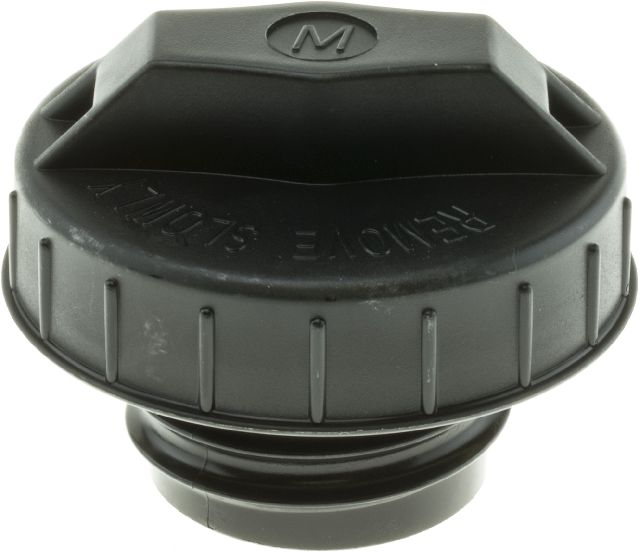
Typical fix: Replace the gas cap. It is highly recommended to use an OEM (Original Equipment Manufacturer) cap from Toyota (part #77300-06040) or a reputable brand like Denso. Aftermarket caps are notoriously problematic and often fail to seal correctly, causing the code to persist. One owner reported in NHTSA ODI #11586715 that even after replacing the cap multiple times, the P0456 error persisted, emphasizing the need for high-quality seals.
Est. part cost: $25-$50 - Cracked or Brittle EVAP Hoses in Engine Bay 🟡 Medium Probability The rubber hoses connected to the purge solenoid are exposed to significant engine heat. Over 10+ years, they become hard, brittle, and develop small cracks, especially at the connection points where they are stretched over a nipple.
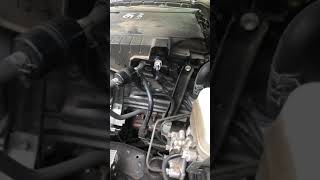
How to confirm: Visually inspect the small rubber hoses on and around the EVAP purge solenoid, which is located on top of the engine under the plastic cover. In a diagnostic video on a 2015 4Runner, a mechanic found the leak by smoke testing and identified visible cracks on the hose 🎬 Watch: A mechanic finds this exact leak using a smoke test. leading to and from the purge solenoid. Flexing the hoses gently may reveal hidden cracks.
Typical fix: Replace the cracked section of hose. This is often inexpensive vacuum tubing that can be purchased by the foot. Ensure clamps are secure on the new hose.
Est. part cost: $5-$20 - Faulty Charcoal Canister Assembly 🟡 Medium Probability A Technical Service Bulletin (T-SB-0155-10) was issued for early 2010 4Runners specifically for code P0456, identifying a faulty charcoal canister as the cause. The canister, located above the spare tire, is also susceptible to physical damage from road debris or internal failure on later models.
How to confirm: This is difficult to confirm without a professional diagnosis. A mechanic would use a scan tool to command the vent valve (which is part of the canister assembly) and perform a smoke test. If other components are ruled out and the TSB applies to your vehicle's VIN, the canister is the likely culprit.
Typical fix: Replace the entire charcoal canister assembly. The part number is 77740-35520 as per the TSB, which fits 2010-2023 models.
Est. part cost: $350-$500 - Faulty EVAP Purge Solenoid ⚪ Low Probability The purge solenoid (or vacuum switching valve, VSV) is an electronic valve that can fail over time, either by sticking open or closed, or by developing a leak in its body.
How to confirm: With a capable scan tool, a technician can command the valve to open and close to check its function. A simple DIY test is to remove the valve and try to blow through it; when de-energized (unplugged), it should be closed and not allow air to pass. If it leaks, it's faulty.
Typical fix: Replace the purge solenoid. It is located on top of the engine and is relatively easy to access. 🎬 Watch: Step-by-step guide to replacing the purge valve. The OEM part number is typically 25860-75230 for the 4.0L V6.
Est. part cost: $60-$120
Rare But Worth Checking
- Spider Webs in Vent Hose: While more common for causing vent blockage codes (like P0446), spiders are known to build nests in the EVAP vent hose outlet, which is typically a small box with a filter located near the charcoal canister. This can interfere with the vent valve's ability to seal the system properly during its self-test, potentially causing a small leak code.
- Leaking Fuel Tank Pressure Sensor: The sensor itself can develop a leak through its housing or seal, though this is uncommon. It usually fails electronically, but a physical leak is possible and would be revealed by a smoke test.
- Pinhole Leaks in Lines: As described in NHTSA ODI #10350227, a technician once identified a small pinhole in a gas return line as the source of a P0456 code, which may be attributed to external damage or environmental factors.
Diagnosis Steps

- Check the gas cap. Ensure it is tight (listen for 3+ clicks) and the seal is not cracked or worn. Clean the filler neck rim. If in doubt, replace it with an OEM part (Toyota #77300-06040).
- Clear the code with a scanner and drive for a few days to see if it returns. The EVAP monitor runs under specific conditions (typically 15-85% fuel level, after the vehicle has sat for several hours), so it may take time.
- If the code returns, remove the plastic engine cover and carefully inspect all small rubber vacuum hoses connected to the purge solenoid for cracks or brittleness. Pay close attention to the ends of the hoses.
- If no obvious leaks are found, the next step is a smoke test. A mechanic will inject pressurized, UV-dyed smoke into the EVAP system service port. The smoke will exit from the location of the leak, making it visible. A professional smoke test typically costs $100-$200.
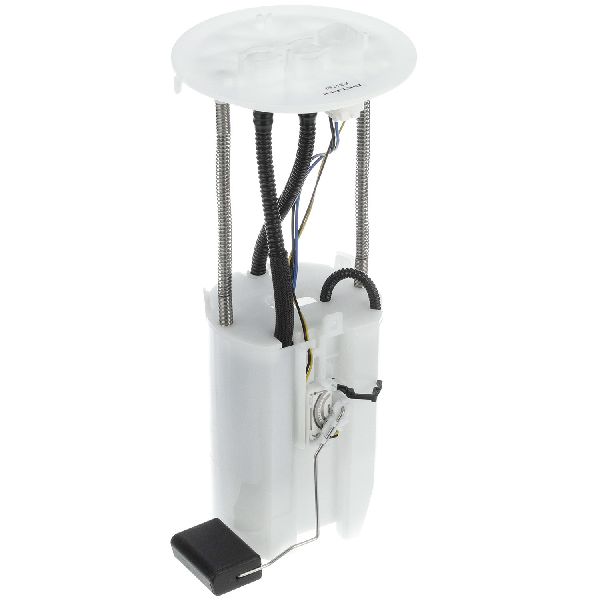
- Based on the smoke test, replace the leaking component. This could be a hose, the purge valve, the charcoal canister, or even the fuel pump gasket on top of the tank.
- If you have an early 2010 model, be aware of TSB T-SB-0155-10, which points directly to the charcoal canister (Toyota #77740-35520) as the likely fix.
Parts You'll Likely Need

- Fuel Tank Cap
(OEM #77300-06040)— This is the most frequent cause. The seal wears out over time, creating a small leak. Using an OEM cap is critical for a proper seal.
Trusted brands: Toyota (Genuine), Denso
OEM price range: $25-$40
Aftermarket price range: $15-$30 - Charcoal Canister Assembly
(OEM #77740-35520)— Identified in a TSB for early 2010 models as the definitive fix for P0456. It's a known failure point for this platform, though less common than the gas cap or hoses.
Trusted brands: Toyota (Genuine)
OEM price range: $350-$500
Aftermarket price range: $200-$350 - Vapor Canister Purge Solenoid / Valve
(OEM #25860-75230)— A common failure part in EVAP systems. It's located in the engine bay and can get stuck or develop leaks.
Trusted brands: Toyota (Genuine), Denso, Aisin
OEM price range: $80-$120
Aftermarket price range: $40-$80
Related Codes That Often Appear With This One
- P0441 — Incorrect Purge Flow. This can appear if the purge valve is stuck or if there's a leak affecting the system's flow dynamics.
- P0455 — EVAP System Leak Detected (Large Leak). Sometimes a small leak can worsen over time, or the system may intermittently report a small or large leak depending on conditions. A loose gas cap can trigger either code.
Technical Service Bulletins (TSBs) & Recalls
- T-SB-0155-10 (June 18, 2010): Addresses a MIL 'ON' with DTC P0456 for some 2010 model year 4Runners by replacing the charcoal canister.
- Bulletin #T-SB-0086-16 (July 28, 2016): Notes that a "no click" or "no spring return" condition from the fuel cap can lead to DTC P0456, sometimes requiring inspection of the fuel filler neck position.
Platform-Specific Known Issues
- Early 2010 models have a known issue with the charcoal canister causing this code, as documented in TSB T-SB-0155-10.
- The rubber EVAP hoses in the engine bay are prone to drying out and cracking from heat, which is a very common cause of this 'small leak' code on 4Runners over 5-7 years old.
Mechanic-Grade Diagnostic Values
- EVAP Canister Purge Valve (VSV) Resistance — expected: 30 to 38 ohms at 68°F (20°C). Failure: A reading significantly outside this range, or an open/short circuit, indicates a failed solenoid coil.
- EVAP Canister Vent Solenoid Resistance — expected: 48 to 65 ohms. Failure: A resistance reading outside this range points to a faulty vent solenoid coil.
- Fuel Tank Pressure (FTP) Sensor Voltage (Key On, Engine Off) — expected: ~1.3 to 1.7 Volts at atmospheric pressure. Failure: A voltage significantly outside this range with the system at rest (gas cap off) can indicate a faulty sensor. Note: This value is from 4th Gen data but is a useful baseline.
Hidden / Shadow Codes Worth Checking
- Mode $06 Data: Toyota vehicles don't typically use proprietary 'shadow codes' for EVAP, but instead rely on Mode $06 data. This allows a technician with an advanced scan tool to view the results of the ECM's last self-test for the EVAP system. It will show the measured pressure decay value versus the minimum and maximum thresholds. A value that is very close to the failure threshold can indicate an intermittent or borderline leak. (see via An advanced OBD-II scanner or professional software like Toyota Techstream that can access Mode $06 test results.)
Scan Tool Commands That Help
- Toyota Techstream: EVAP System Check (Utility) — This is the definitive factory method for diagnosing P0456. The automated test commands the vent and purge valves to seal the system, monitors the fuel tank pressure sensor, and provides a pass/fail result ('NG' for No Good, 'OK') for the small leak test. It's used to confirm a leak exists before starting a smoke test and to verify a repair is successful after replacing a part.
- Toyota Techstream (or capable bidirectional scanner): Active Test: Control the Vent Valve / VSV — This command allows a technician to manually close the canister vent valve. It is a required step before introducing smoke into the system for a smoke test, as it ensures the system is sealed at the rear.
Wiring & Ground Locations
- Purge Solenoid (VSV) Location — On top of the engine, under the plastic engine cover, typically on the driver's side of the intake manifold.. This is the location of the most commonly cracked EVAP hoses due to engine heat. The solenoid itself and its electrical connector are also located here.
- Charcoal Canister / Vent Valve Assembly Location — Under the rear of the vehicle, mounted to the frame above the spare tire.. This assembly contains the vent valve, and often the fuel tank pressure sensor. It's a common failure point, especially on early 2010 models per TSB-0155-10. Its location makes it susceptible to damage and corrosion, and its ground connection is critical for vent valve operation.
- Primary EVAP System Ground — While specific designators vary, a key ground point for the rear-mounted EVAP components (canister, vent valve) is typically located on the frame rail in the rear of the vehicle, near the canister assembly.. A corroded or loose frame ground can prevent the vent valve solenoid from activating correctly, making it impossible for the ECM to seal the system to run the leak test, which can sometimes manifest as a leak code.
Real Owner Repair Stories
- YouTube - Disciple Diagnostics (2015 Toyota 4Runner) — Check Engine Light with code P0456.
❌ Tried (didn't work) The technician went directly to advanced diagnostics, skipping throwing parts at the problem.
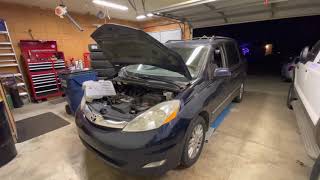
✅ What actually fixed it A smoke test revealed small cracks in the rubber EVAP hoses connected to the purge solenoid in the engine bay. The technician temporarily sealed the cracks with tape and re-ran the Techstream 'EVAP System Check,' which then passed, confirming the leaking hoses were the sole cause. The final repair was to replace the inexpensive sections of cracked rubber hose. - YouTube - Toyota P0456 Code Quick Fix (2007 Toyota Sienna (different model, but demonstrates a common Toyota failure pattern)) — P0456 with accompanying VSC light.
❌ Tried (didn't work) Owner advises checking hoses before replacing the gas cap or paying for dealer diagnosis.
✅ What actually fixed it The rubber hose connected to the purge valve in the engine bay had become brittle from heat and age, developing a large crack near the clamp. Replacing the small section of vacuum hose resolved the code. - NHTSA ODI #11419086 — An owner reported that a small leak in the evaporative emission control system resulted in a P0456 code, which required a professional inspection at a dealership to confirm the source.
"I Checked Everything" — The Actual Cause
- A common scenario where a smoke test might initially seem clean is a faulty vent valve that is part of the charcoal canister assembly. If the valve's internal seal is failing, it may not close properly during the self-test, creating a leak path. However, this internal leak might not show up as an obvious external plume of smoke, leading a technician to believe the system is sealed. The fix is replacing the charcoal canister assembly.
OEM Part Supersession History
77740-35520→77740-35520 (no supersession)— N/A
Heads up: The charcoal canister part number 77740-35520 has remained consistent for the 2010-2023 model years. This indicates no major design changes to this component throughout the 5th generation, and it is the correct replacement part for all years within this range.
Model Year Variations Within This Range
- 2010 (early production): These vehicles were subject to Technical Service Bulletin T-SB-0155-10. For a P0456 code on these specific VINs, the charcoal canister assembly was identified as the likely faulty component, even on a relatively new vehicle at the time.
Diagnostic Flowchart
Other Known Issues on This Vehicle
Issues unrelated to this code that are worth knowing about as an owner of this generation:
- Front Differential Needle Bearing Failure 🟠 Medium — Common, especially after installing a suspension lift. Onset can be anywhere from 30k to 100k+ miles. Symptoms include a cyclical growl or vibration between 30-55 mph that often disappears when 4WD is engaged. (Ref: A TSB exists, but the common fix is an aftermarket solid bushing from East Coast Gear Supply (ECGS) instead of another OEM needle bearing.)
- Seized Front Brake Caliper Pistons 🔴 High — Very common, particularly in regions with road salt. Pistons corrode and stick, causing brake drag, pulling to one side, a burning smell, and warped rotors. (Ref: No recall, but it's a widely documented issue. A mid-2015 part change occurred, but the fundamental design remained similar.)
- Melting or Sticky Dashboard 🟡 Low — Common on earlier 5th Gen models (approx. 2010-2014) exposed to high heat and sun. The dashboard material can become soft, sticky, and shiny. (Ref: Toyota had a warranty enhancement program (ZLD) for this, but it has since expired.)
- Prematurely Warped Front Brake Rotors 🟡 Low — Owners report brake pedal pulsation at relatively low mileage (e.g., 10k-20k miles) due to warped front rotors, sometimes caused by internal corrosion within the rotor's cooling fins.
- Frame and Rear Hatch Rust 🟠 Medium — While better than previous generations, frame rust can still be an issue in the salt belt. A more specific 5th Gen problem is rust forming on the rear liftgate, especially around the chrome trim piece and lower seam, due to trapped moisture.
Used vs. New Parts: Buying Guide for This Vehicle
When a used part is the smart pick: For the expensive Charcoal Canister Assembly (77740-35520), a used part from a reputable auto recycler can be a smart choice, potentially saving hundreds of dollars. This is most viable if the donor vehicle is a low-mileage, later-model 4Runner from a dry, salt-free climate.
Donor-vehicle mileage cap: roughly under 80000 miles for the part to have meaningful remaining life.
What to inspect on the donor part:
- Check for a VIN or sticker on the donor vehicle to confirm it's from a 2014+ model year to avoid potentially older, more failure-prone parts.
- Inspect the canister body for any physical cracks, signs of impact, or heavy rust on attached metal brackets.
- Ensure all plastic hose nipples are intact and not broken or brittle.
- If possible, get the part from a vehicle that was not in a severe rear-end collision.
OEM-only on this vehicle (don't cheap out):
- Gas Cap: Aftermarket gas caps are the #1 cause of a recurring P0456 after a gas cap replacement. The seals and pressure ratings are often incorrect. Always use a genuine Toyota or Denso-branded cap.
- EVAP Hoses: Never use old, used rubber hoses from a donor vehicle. They will be just as brittle and prone to cracking as the ones you are replacing. Buy new vacuum hose by the foot.
Aftermarket brands forum-validated for this vehicle:
- Denso (For purge solenoid and gas cap, as they are often the OEM supplier to Toyota)
- Aisin (Often an OEM supplier for various valves and solenoids)
Brands owners have reported issues with on this vehicle:
- Generic, unbranded, or 'white-box' gas caps from online marketplaces or discount parts stores.
- Cheap, complete charcoal canister assemblies that are a fraction of the OEM cost, as their internal construction and valve quality are highly suspect.
Real Owner Stories
Aggregated from forums and TSBs cited above. Mileages and costs reflect what owners reported in those sources.
2015 Toyota 4Runner
Symptoms: Check Engine Light on; a smoke test revealed leaks from brittle, cracked rubber hoses in the engine bay.
What fixed it: Replaced the cracked section of hose leading to and from the purge solenoid.
Source hint: YouTube - Disciple Diagnostics (Feb 9, 2025)
2011 Toyota 4Runner
Symptoms: P0456 and P0441 codes, Trac Off light, and Check Engine Light; a new gas cap did not resolve the issue.
What fixed it: Replacing the purge solenoid (VSV) in the engine bay.
Source hint: t4r.org - P0456, P0441, Trac Off, Check Engine thread by user 'jplock'
2010 Toyota 4Runner
Symptoms: MIL 'ON' with DTC P0456.
What fixed it: Replacement of the charcoal canister assembly (Part #77740-35520).
Source hint: T-SB-0155-10 (June 18, 2010)
Related OBD-II Codes
Frequently Asked Questions
Does TSB T-SB-0155-10 apply to my 2010 Toyota 4Runner?
Why are my VSC TRAC and TRAC OFF lights on along with the Check Engine Light?
Can I use an aftermarket gas cap to fix the P0456 code on my 4Runner?
Where is the charcoal canister located on the 2010-2024 4Runner?
How many clicks should I hear when tightening my gas cap?
Are there specific hoses I should check in the engine bay for this 'small leak' code?
Helpful Videos

We Have This Part in Stock


The information in this article is provided for general reference and educational purposes only. Vehicle specifications, procedures, and part compatibility can vary by production date, trim level, and region. Always consult your vehicle's factory service manual and verify part numbers before purchasing or performing repairs. Safety-critical components such as airbags, seat belts, and braking systems should be installed by a qualified professional.
- Toyota 4Runner:
- 🎬 Helpful Videos
- 🛍️ Shop This Part
- What's Unique About the 2010-2024 Toyota 4Runner
- Symptoms You May Notice
- Most Likely Causes
- Rare But Worth Checking
- Diagnosis Steps
- Parts You'll Likely Need
- Related Codes That Often Appear With This One
- Technical Service Bulletins (TSBs) & Recalls
- Platform-Specific Known Issues
- Mechanic-Grade Diagnostic Values
- Hidden / Shadow Codes Worth Checking
- Scan Tool Commands That Help
- Wiring & Ground Locations
- Real Owner Repair Stories
- "I Checked Everything" — The Actual Cause
- OEM Part Supersession History
- Model Year Variations Within This Range
- Diagnostic Flowchart
- Other Known Issues on This Vehicle
- Used vs. New Parts: Buying Guide for This Vehicle
- Real Owner Stories
- 2015 Toyota 4Runner
- 2011 Toyota 4Runner
- 2010 Toyota 4Runner
- Related OBD-II Codes
- Frequently Asked Questions
- 🎟️ Get 5% Off