

P0456 on 2012-2017 Subaru Impreza: EVAP Very Small Leak Causes and Fixes
For a 2012-2017 Subaru Impreza, P0456 almost always means you have a loose or worn-out gas cap. Check that it's tight and the seal is good. If that doesn't fix it, the next most likely causes are a rusted fuel filler neck or a cracked EVAP hose. A new OEM gas cap is about $25-$40. A smoke test is the best way to find the exact source of the leak before replacing more expensive parts.
- Always start with the simplest fix: check that your gas cap is tight and its seal is intact. An OEM replacement cap is a cheap and effective first step.
- If the gas cap isn't the issue, visually inspect the fuel filler neck for rust, especially if you live in an area where roads are salted in winter.
- Do not replace expensive parts like the purge solenoid or charcoal canister without first confirming the leak's location with a smoke test.
- The vehicle is safe to drive with this code, but it must be fixed to pass any state emissions test.
- If you have a 2012 model and a smoke test reveals no leaks, the problem may be the vehicle's software, which a dealer can update.
What's Unique About the 2012-2017 Subaru Impreza
The 2012-2017 Impreza spans two generations, and both have unique considerations for this code. For 2012 models, Subaru issued a technical service bulletin (TSB 11-126-12, which was later revised to 11-126-12R) for an ECU logic update, as the original programming could be overly sensitive and trigger the code even without a significant leak. For the 2017 model, which began a new generation, owners should be aware of a recall for the PCV valve (WUP-01), which, while not a direct cause of P0456, is a notable engine-related issue for that specific year where the valve could separate and cause a loss of power. Like many Subarus of this era, especially in salt-belt regions, the fuel filler neck is also a common point of failure due to rust, which can prevent the gas cap from sealing properly.
Generation note: This range covers the end of the fourth generation (2012-2016) and the beginning of the fifth generation (2017). A TSB for an ECU update specifically addresses false P0456 codes on some 2012 models. The 2017 model has a known PCV valve recall (WUP-01) that owners should be aware of. While the core EVAP components are similar, always verify part numbers for your specific model year as small changes can exist between generations. The 2017 model year marked a significant redesign, including interior and exterior changes, which can affect access to components.
Symptoms You May Notice
- Check Engine Light is on
- Cruise control is disabled
- A faint fuel smell near the gas cap area (less common)
- Vehicle will fail an emissions test
- Replacing the purge or vent valve without performing a smoke test. The gas cap and filler neck are much more common failure points, and a smoke test is the only way to confirm the exact leak location before buying more expensive parts.
- Immediately assuming a more complex part has failed when the gas cap was simply not tightened correctly after refueling.
Most Likely Causes
- Loose or Worn Gas Cap 🔴 High Probability This is the most common cause for any EVAP leak code on any vehicle. The rubber O-ring on the cap degrades over time, losing its ability to create a perfect seal.
How to confirm: Ensure the gas cap is tightened until it clicks at least once. Inspect the rubber seal on the cap for cracks, stiffness, or damage. If the seal is compromised, the cap needs replacement.
Typical fix: Tighten the cap. If the light returns or the seal is bad, replace the gas cap. It is highly recommended to use an OEM (Original Equipment Manufacturer) cap from Subaru, as aftermarket caps are known to cause sealing issues. Some owners report the code only appearing in cold weather, which can point to a seal that is hardening and failing to seal when temperatures drop.
Est. part cost: $25-$40 - Rusted Fuel Filler Neck 🟡 Medium Probability Subarus used in areas with road salt are susceptible to rust on the fuel filler neck. Debris and moisture get trapped behind the wheel well liner, causing corrosion that creates pinhole leaks or a rough, bubbling surface that the gas cap cannot seal against.
How to confirm: Open the fuel door and visually inspect the metal lip of the filler neck where the gas cap seal makes contact. Look for bubbling paint, flaking metal, or a rough, uneven surface. A smoke test will definitively show smoke escaping from this area if it's leaking.
Typical fix: If the rust is minor, you may be able to clean the sealing surface with a mild abrasive like a Scotch-Brite pad. If the neck is perforated or severely corroded, it must be replaced. This is a common enough issue that many aftermarket options are available.
Est. part cost: $100-$250 - Cracked or Disconnected EVAP Hoses 🟡 Medium Probability The rubber and plastic hoses in the EVAP system become brittle with age and exposure to heat cycles and the elements, leading to small cracks. Hoses around the charcoal canister (located near the rear of the vehicle) are particularly exposed to road debris.
How to confirm: Visually inspect all accessible EVAP lines, which are typically small-diameter plastic or rubber hoses running from the gas tank area, along the underbody, and to the purge solenoid in the engine bay. Pay close attention to connection points and bends. A smoke test is the most reliable way to find a small hose leak.
Typical fix: Replace the cracked section of the hose. Ensure connections are secure.
Est. part cost: $10-$50 - Faulty EVAP Purge Control Solenoid Valve ⚪ Low Probability This solenoid, typically located in the engine bay, can fail internally and get stuck slightly open, creating a permanent small leak path from the EVAP system to the intake manifold.
How to confirm: Remove the valve and try to blow through it. When not energized (unplugged), it should be completely closed and allow no air to pass. A simpler in-place test is to disconnect the hose leading from the canister to the purge valve, start the engine, and feel for any vacuum at the valve's inlet nipple with the electrical connector unplugged. If vacuum is present, the valve is stuck open.
Typical fix: Replace the purge control solenoid valve.
Est. part cost: $50-$120
Rare But Worth Checking
- Faulty EVAP Vent Valve: Located near the charcoal canister at the rear of the vehicle, this valve can get stuck or fail due to exposure to road debris and moisture, preventing the system from sealing during its self-test.
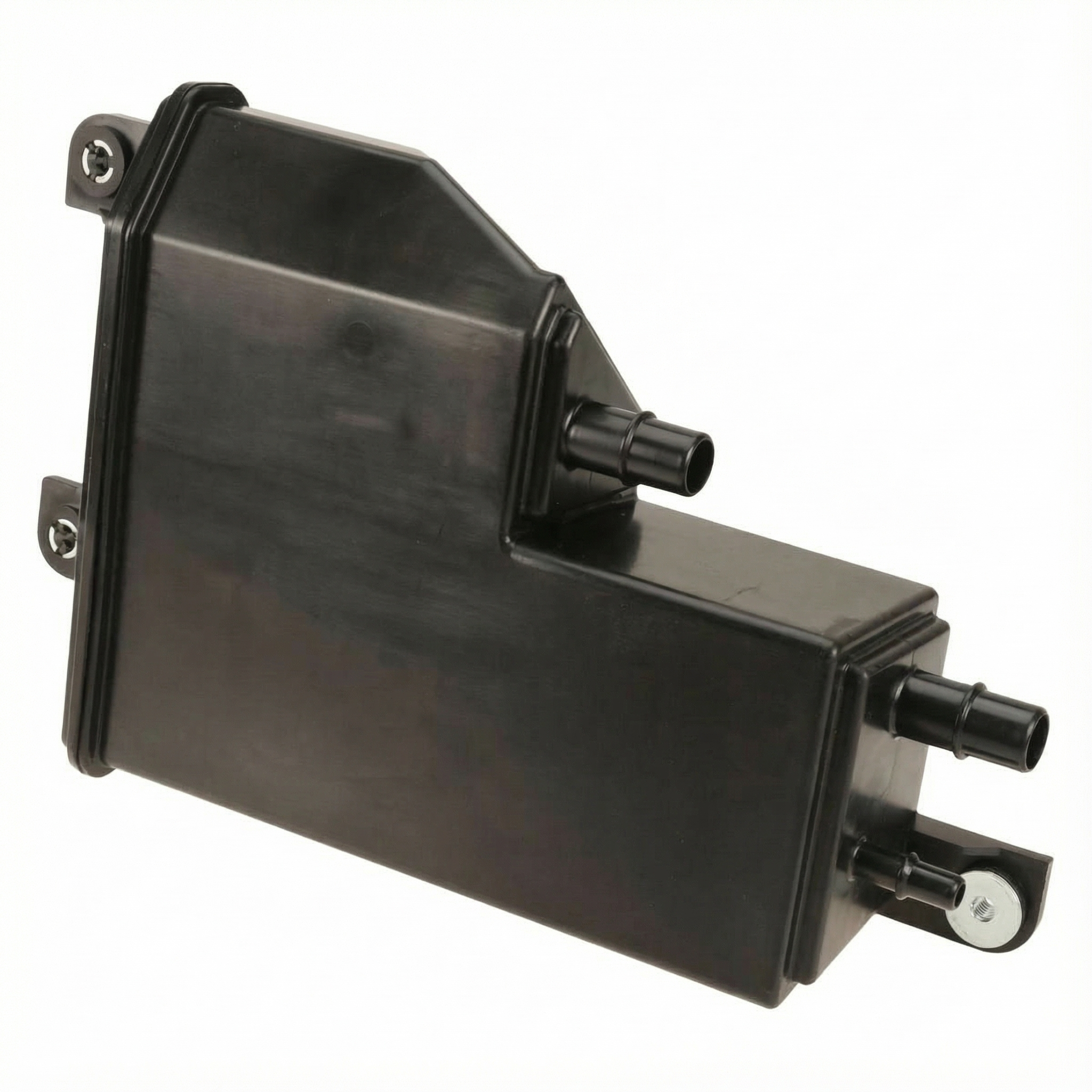
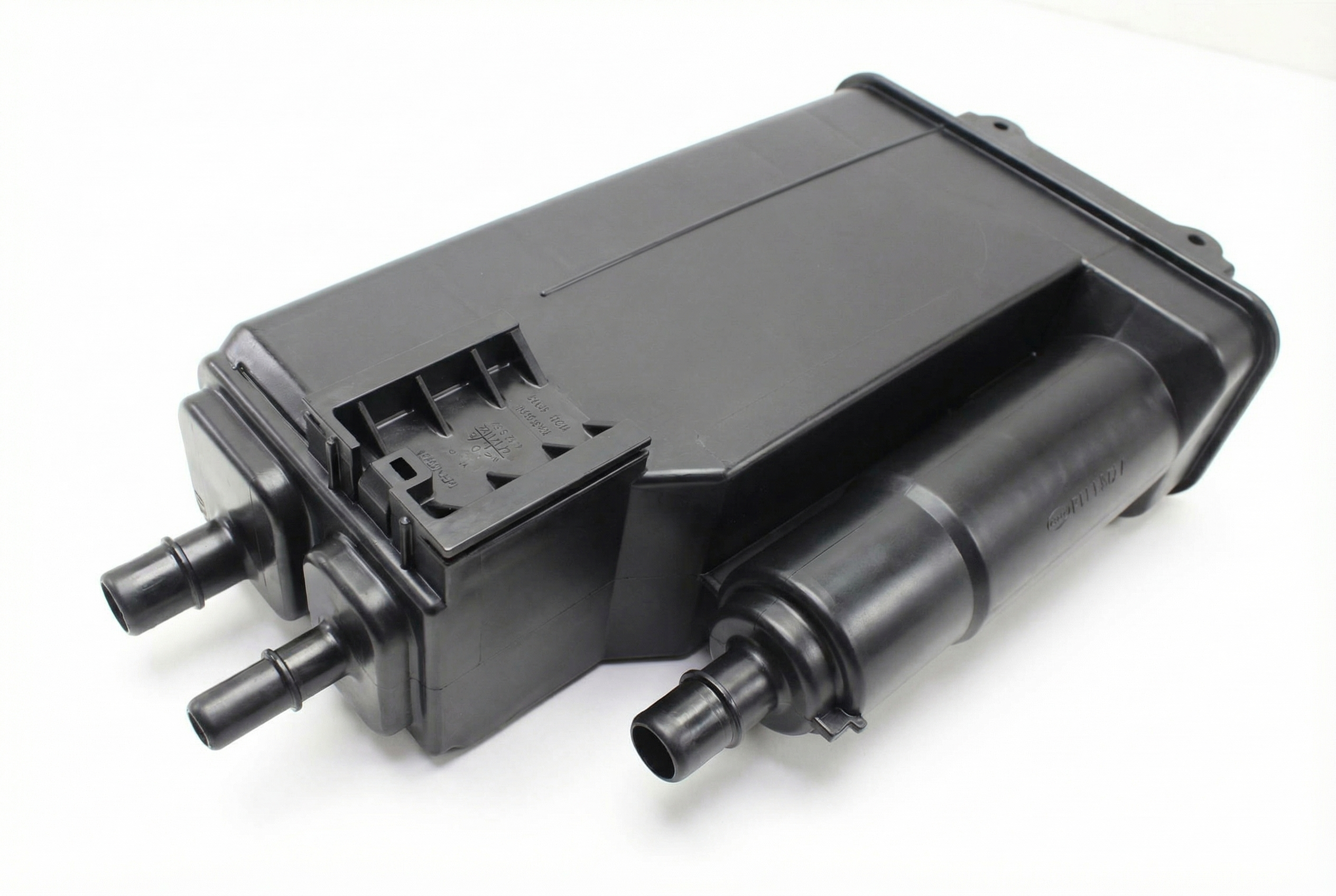
- Cracked Charcoal Canister: While more likely to cause a large leak (P0455), a small crack in the plastic body of the canister can occur, leading to a P0456 code.
- Overly Sensitive ECU Logic (2012 models): Subaru TSB 11-126-12R acknowledges that some 2012 models can set a P0456 code without a true leak. If all physical components are confirmed to be good via a smoke test, a dealership can 🎬 See why some leaks don't show up on smoke tests. apply an ECU update to fix the issue.
- Leaking Fuel Pump Gasket: The gasket that seals the fuel pump assembly to the top of the fuel tank can become pinched or fail, creating a small leak. This is sometimes seen after a fuel pump replacement if the gasket was not installed perfectly.
- Roll Over Valve: In some Subaru models, a technician may suggest replacing the roll over valve if they cannot be certain of the leak source, as noted in NHTSA ODI #10524491.
Diagnosis Steps
- Check the gas cap. Remove it, inspect the seal for damage, and retighten it until it clicks several times. Clear the code with a scanner and drive for a few days to see if the light returns.
- If the light comes back, consider replacing the gas cap with a new OEM part as a low-cost, high-probability fix. Aftermarket caps are a frequent source of problems.
- Perform a thorough visual inspection of the fuel filler neck for any signs of rust, corrosion, or damage that could prevent a good seal. Pay close attention to the top lip where the cap's o-ring sits.
- Inspect all visible EVAP hoses and lines under the hood and around the rear of the vehicle near the fuel tank. Look for any obvious cracks, splits, or loose connections. Manufacturer service bulletin #11-152-14 suggests that adding clamps to the canister purge control solenoid valve hose may be necessary to resolve P0456 on some Subaru models.
- If no visual faults are found, the most effective next step is to have a professional smoke test performed. This involves injecting harmless, visible smoke into the EVAP system. The leak will be revealed by where the smoke escapes. 🎬 Watch: How to use a smoke machine for leak detection. This typically costs around $100.
- Based on the smoke test results, replace the leaking component, which could be a hose, the filler neck, the charcoal canister, or a valve.
- If no leaks are found with a smoke test (especially on a 2012 model), consult a Subaru dealer about TSB 11-126-12R regarding an ECU software update.
Parts You'll Likely Need
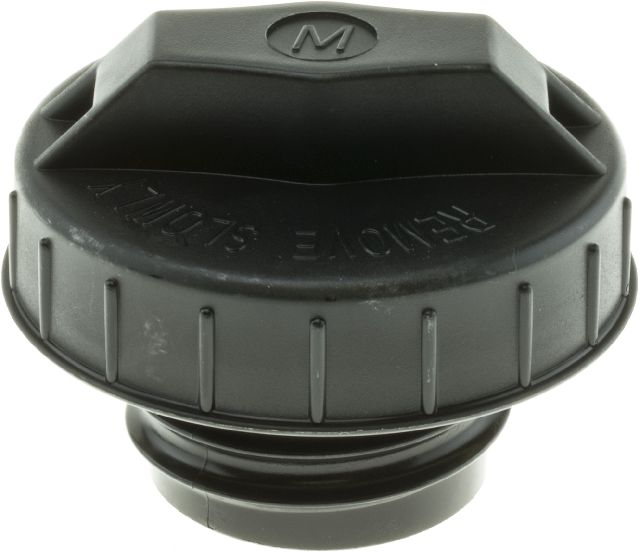
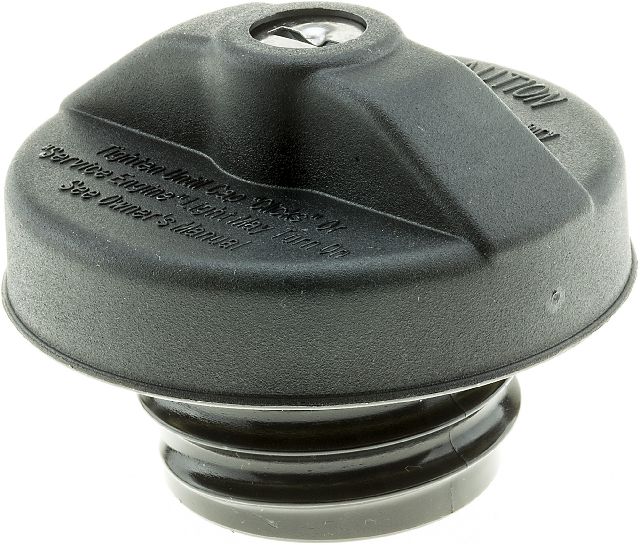
- Fuel Tank Cap
(OEM #42038VA010)— This is the most frequent cause of a P0456 code due to a worn seal or improper tightening. Using an OEM cap is critical for a proper seal.
Trusted brands: Subaru (OEM)
OEM price range: $25-$40
Aftermarket price range: $15-$30 - Fuel Filler Neck (Pipe)
(OEM #42066FJ001 (example, verify by VIN))— A very common failure point on Subarus in rust-prone regions. The neck corrodes, preventing the gas cap from sealing or creating its own pinhole leaks.
Trusted brands: Subaru (OEM), Spectra Premium
OEM price range: $150-$250
Aftermarket price range: $80-$150 - EVAP Purge Control Solenoid Valve
(OEM #16102AA490 (example, verify by VIN))— Can fail by getting stuck open, creating a constant small leak. It's a less common but known failure point.
Related Codes That Often Appear With This One
- P0457 — This code specifically means 'EVAP System Leak Detected (Fuel Cap Loose/Off)'. It often appears alongside P0456 if the gas cap is the root cause.
- P0442 — This code indicates a 'Small Leak Detected', which is slightly larger than the 'Very Small Leak' of P0456. They share the exact same set of potential causes, and which code triggers can depend on the exact size of the leak.
- P1449 — This is a Subaru-specific code for 'EVAP System Air Filter Clog'. Some owners have reported seeing this code along with P0456, indicating a more complex issue within the EVAP system, potentially involving the canister or vent valve filter.
Technical Service Bulletins (TSBs) & Recalls
- 11-126-12R (ECU logic update for false P0456 on 2012 models)
- WUP-01 (PCV Valve Recall for 2017-2018 models)
- 05-70-19R (Rear wheel bearing backing plate issue, related to a known platform problem)
- Bulletin #11-152-14 (DTC P0456 fix involving clamps added to the canister purge control solenoid valve hose)
- Bulletin #11-126-12 (Reprogramming file availability for DTC P0456)
Platform-Specific Known Issues
- TSB 11-126-12: For 2012 Impreza models, the ECU logic may be too sensitive. If no physical leak is found, a dealer reprogramming may be required to fix the code.
- Safety Recall WUP-01 (NHTSA 19V-744): Affects certain 2017 Impreza models for a potentially defective PCV valve. While not a direct cause of P0456, it's an important issue for owners of this model year to be aware of.
Mechanic-Grade Diagnostic Values
- EVAP Canister Purge Valve Coil Resistance — expected: 30 to 38 ohms. Failure: A reading of infinite (OL) indicates an open circuit, and a reading near zero ohms indicates a short circuit.
- EVAP Canister Vent Solenoid Resistance — expected: 48 to 65 ohms. Failure: A reading outside this range indicates a faulty solenoid.
Scan Tool Commands That Help
- Subaru Select Monitor: Evaporative System Leak Test — This is a dealer-level function that forces the EVAP system to run its self-test on command, which is useful for verifying a fix without waiting for the system's natural drive cycle monitor to complete. It can also be used to confirm the TSB issue on 2012 models.
- Subaru Select Monitor: On-Board System Test — Allows for testing of the Evaporative Leak Check Module and the broader evaporative system to verify component functionality.
- Generic OBD-II Scan Tool with Mode 6: Mode 6, Test ID $8x — Mode 6 data can show the results of the last non-continuous monitor test for the EVAP system. This can reveal if the system is failing the test, even if the Check Engine Light hasn't illuminated yet, and can provide specific test values that may point towards the size of the leak.
Wiring & Ground Locations
- Main Engine Ground — Bolts to the top starter bolt on the transmission bell housing.. A poor main engine ground can cause a host of bizarre electrical issues and incorrect sensor readings. The ECU itself relies on a solid ground path through the intake manifold, which is tied to the engine block. If this path is compromised, sensors may not report correctly, potentially leading to false trouble codes.
Real Owner Repair Stories
- Reddit user on r/subaru (Subaru Impreza, year not specified but within P0456 context) — P0456 code returned after replacing the gas cap.
❌ Tried (didn't work) Replacing the gas cap.
✅ What actually fixed it The user discovered the entire assembly that the gas cap screws into was also loose. Tightening this component, in addition to the gas cap, resolved the code. - Reddit user on r/subaru (2007 Impreza Hatch) — P0456 code, small EVAP leak.
❌ Tried (didn't work) Tightening the gas cap.
✅ What actually fixed it The user reported that a smoke test revealed the leak was from a pinched fuel pump hanger gasket. This is a non-obvious cause that would not be found by inspecting common EVAP components. - YouTube comment (Vehicle not specified, but in context of P0456 diagnosis) — P0456 code.
❌ Tried (didn't work) Replacing the gas cap., Replacing the purge valve.
✅ What actually fixed it After replacing multiple parts, the owner had a smoke test performed, which revealed the actual cause was a rusted fuel filler neck. - NHTSA ODI #10490077 — An owner reported that the gas cap seal failed after only two years and 40,000 miles, triggering code P0456 during 4 out of 5 fill-ups.
"I Checked Everything" — The Actual Cause
- On 2012 models, a clean smoke test is a strong indicator that the root cause is not a physical leak, but rather the overly sensitive ECU logic described in Subaru TSB 11-126-12R. In this case, the fix is a software update at a dealership, not a part replacement.
- A faulty fuel tank pressure (FTP) sensor can intermittently provide incorrect readings to the ECU, causing it to believe there is a leak when the system is actually sealed. The sensor itself won't leak smoke, so a smoke test would come back clean. Diagnosis would require monitoring the FTP sensor's voltage or pressure readings on a scan tool to check for erratic behavior.
OEM Part Supersession History
Unknown→16131AA060— Standard part evolution and potential design improvements.
Heads up: Part 16131AA060 is listed for 2012-2014 Impreza models with the 2.5L non-turbo engine (with California emissions) and also for hybrid models. It is critical to verify the correct purge valve part number by VIN, as multiple variations exist.
Model Year Variations Within This Range
- 2012-2016: These 4th generation models are specifically noted for the potential of a false P0456 code due to sensitive ECU logic, addressed by TSB 11-126-12R, particularly on 2012 models.
- 2017: The 2017 model year marks the beginning of the 5th generation. It features a completely redesigned chassis and interior. While the EVAP system principles are the same, component locations, access points, and specific part numbers may differ from the previous generation. For example, accessing components in the rear may be different due to changes in the rear subframe and body structure.
Diagnostic Flowchart
Other Known Issues on This Vehicle
Issues unrelated to this code that are worth knowing about as an owner of this generation:
- Excessive Oil Consumption 🔴 High — Very common on 2012-2014 models with the FB20 engine. Caused by faulty piston rings allowing oil to burn. A class-action lawsuit led to extended warranties (8 years/100k miles) and short block replacements for many owners. (Ref: TSB 02-157 series)
- CVT Transmission Failure 🔴 High — Common across 2012-2017 models. Symptoms include shuddering, stalling, hesitation, and whining noises. Subaru extended the CVT warranty to 10 years/100,000 miles for many vehicles due to widespread issues. (Ref: Warranty Extension Program)
- Premature Rear Wheel Bearing Failure 🟠 Medium — A howling or grinding noise from the rear of the vehicle at highway speeds is a common sign. Failure can occur at relatively low mileage (under 60,000 miles). (Ref: TSB 05-70-19R)
- A/C Compressor Clutch Failure 🟡 Low — Often presents as intermittent A/C that stops working when hot, or a grinding/squealing noise when the A/C is engaged. The clutch air gap can sometimes be adjusted by removing a shim, avoiding a full compressor replacement. (Ref: TSB 10-84-16 (for 2014-2016 models))
Used vs. New Parts: Buying Guide for This Vehicle
When a used part is the smart pick: A used fuel filler neck can be a good value if sourced from a vehicle in a dry, salt-free climate. A used charcoal canister assembly can also be a cost-effective replacement, provided it comes from a vehicle with no stored EVAP codes.
Donor-vehicle mileage cap: roughly under 100000 miles for the part to have meaningful remaining life.
What to inspect on the donor part:
- For a fuel filler neck, inspect for any signs of bubbling paint, flaking, or surface rust, especially on the sealing lip and along the pipe's seams.
- For a charcoal canister, ensure there are no visible cracks in the plastic housing and that all hose connection nipples are intact and not brittle.
- Check the donor vehicle's history for accidents near the rear of the car, which could have damaged EVAP components.
OEM-only on this vehicle (don't cheap out):
- Fuel Tank Cap - Aftermarket caps are notoriously problematic and a leading cause of misdiagnosis. The specific seal design and material are critical for passing the EVAP self-test.
Aftermarket brands forum-validated for this vehicle:
- Spectra Premium (for Fuel Filler Necks)
Brands owners have reported issues with on this vehicle:
- Generic, unbranded gas caps from online marketplaces are frequently reported to fail or not seal correctly.
Real Owner Stories
Aggregated from forums and TSBs cited above. Mileages and costs reflect what owners reported in those sources.
2013 Subaru Impreza 2.0L — 60000 miles
Symptoms: The check engine light, 'vehicle dynamics control' light, and the cruise control icon all came on at the same time. The cruise control icon blinks, and the other two lights stay illuminated. Cruise control is disabled and traction control cannot be turned off.
What fixed it: The owner used an OBD II machine to identify the code, though the specific component fix is not detailed in the snippet, it confirms the multi-light symptom pattern common on this platform.
Source hint: Reddit r/MechanicAdvice
Related OBD-II Codes
Frequently Asked Questions
My 2012 Impreza has a P0456 code but the mechanic can't find a physical leak. Is there a software fix?
Can I use an aftermarket gas cap from an auto parts store to fix this code?
Why does my P0456 code only seem to appear during the winter months?
I live in a state that uses road salt; could that be causing my EVAP leak?
Does the 2017 Impreza PCV valve recall (WUP-01) cause the P0456 code?
If I can't find a cracked hose, what is the most effective way to find the leak?
Helpful Videos
![How to Fix P0456 Engine Code in 3 Minutes [2 DIY Methods / Only $4.44]](https://img.youtube.com/vi/v_QDSjd1-Lw/mqdefault.jpg)
Used OEM Parts in Stock

New Aftermarket Parts Available


The information in this article is provided for general reference and educational purposes only. Vehicle specifications, procedures, and part compatibility can vary by production date, trim level, and region. Always consult your vehicle's factory service manual and verify part numbers before purchasing or performing repairs. Safety-critical components such as airbags, seat belts, and braking systems should be installed by a qualified professional.
- Subaru Impreza:
- 🎬 Helpful Videos
- 🛍️ Shop This Part
- What's Unique About the 2012-2017 Subaru Impreza
- Symptoms You May Notice
- Most Likely Causes
- Rare But Worth Checking
- Diagnosis Steps
- Parts You'll Likely Need
- Related Codes That Often Appear With This One
- Technical Service Bulletins (TSBs) & Recalls
- Platform-Specific Known Issues
- Mechanic-Grade Diagnostic Values
- Scan Tool Commands That Help
- Wiring & Ground Locations
- Real Owner Repair Stories
- "I Checked Everything" — The Actual Cause
- OEM Part Supersession History
- Model Year Variations Within This Range
- Diagnostic Flowchart
- Other Known Issues on This Vehicle
- Used vs. New Parts: Buying Guide for This Vehicle
- Real Owner Stories
- 2013 Subaru Impreza 2.0L — 60000 miles
- Related OBD-II Codes
- Frequently Asked Questions
- 🎟️ Get 5% Off