

P0456 on 2003-2010 Pontiac Vibe: EVAP Small Leak Causes and Fixes
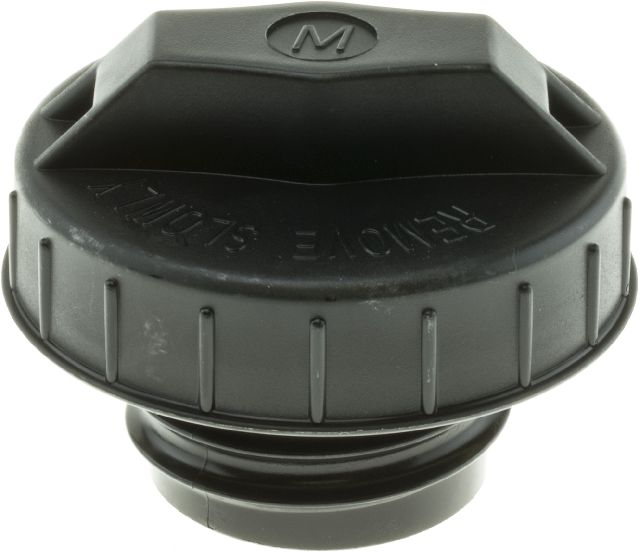
For a 2003-2010 Pontiac Vibe, code P0456 is most often caused by a loose or worn-out gas cap. Replacing the gas cap is an easy, sub-$30 fix and should be your first step. If that doesn't work, the issue is likely a cracked EVAP hose or a faulty purge valve. Always choose an OEM or high-quality aftermarket gas cap, as poorly made ones are a known cause of this code returning.
- Always start with the gas cap. It's the cheapest, easiest, and most likely fix for P0456.
- If a new gas cap doesn't solve the issue, visually inspect all the small rubber hoses connected to the EVAP system for cracks.
- Be aware of your model year. A 2005 or newer Vibe has a different, more complex canister assembly (with a Leak Detection Pump) than a 2003-2004 model.
- Do not replace expensive parts like the charcoal canister without confirming the leak location with a professional smoke test.
What's Unique About the 2003-2010 Pontiac Vibe
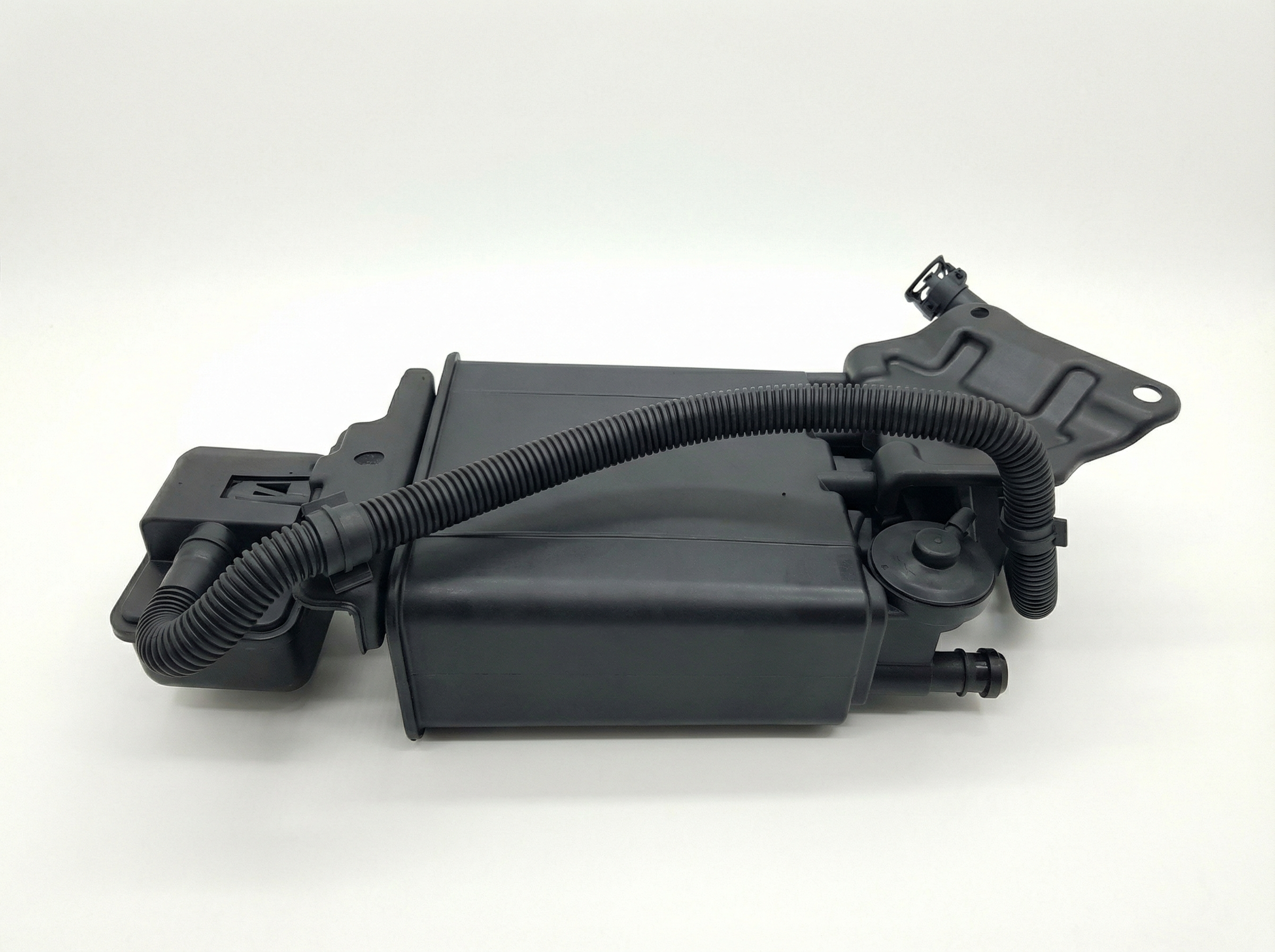
The Pontiac Vibe is a mechanical twin to the Toyota Matrix, built on the Toyota Corolla platform, meaning it uses a Toyota-designed EVAP system. A key difference exists within this year range: 2003-2004 models use a more traditional EVAP setup with separate components. Models from 2005-2010 use a more integrated system featuring a Leak Detection Pump (LDP) module attached to the charcoal canister, which combines the pump, pressure sensor, and vent valve into a single unit. This makes diagnosis slightly different depending on the model year, with the 2005+ system being more complex.
Generation note: This range covers two Vibe generations (2003-2008 and 2009-2010), but the more important split is the EVAP system design change. First-generation models from 2003-2004 have a separate vent valve and canister. First-generation (2005-2008) and all second-generation (2009-2010) models use a consolidated charcoal canister assembly with an integrated Leak Detection Pump (LDP). This distinction is crucial for diagnosis and part replacement.
Symptoms You May Notice
- Check Engine Light is on.
- A faint fuel smell near the rear of the car, especially after refueling (this is uncommon but possible).
- Failure to pass an emissions/smog inspection.
- No noticeable change in vehicle performance or drivability.
- Replacing the charcoal canister before performing a smoke test. The leak is often a much cheaper component like a hose or gas cap.
- Using a cheap, aftermarket gas cap which fails to seal properly, leading the owner to believe the gas cap was not the problem.
Most Likely Causes
- Loose, Worn, or Incorrect Gas Cap 🔴 High Probability The gas cap seal is a rubber O-ring that degrades over time with exposure to fuel and weather, preventing a proper seal. It's the most common failure point for any EVAP system. Many owner accounts on forums like GenVibe.com confirm this is the first and most successful fix.
How to confirm: Ensure the cap is tightened until it clicks multiple times. Inspect the rubber seal for cracks, stiffness, or damage. If it looks worn, it's best to replace it. An OEM cap (ACDelco) is strongly recommended as many forum users report that cheap aftermarket caps fail to seal properly and cause the code to return.
Typical fix: Replace the gas cap with a genuine OEM part.
Est. part cost: $15-$40 - Cracked or Disconnected EVAP Hoses 🟡 Medium Probability The rubber and plastic hoses become brittle with age and heat cycles, leading to small, hard-to-see cracks, especially at connection points to other components like the purge valve or canister.
How to confirm: Visually inspect all accessible EVAP hoses in the engine bay (near the purge valve) and under the car (near the charcoal canister). A common failure point is the small vacuum line running alongside the fuel filler neck. A smoke test is the definitive way to find a hard-to-see leak.
Typical fix: Replace the cracked section of hose. Small hose clamps can secure loose connections.
Est. part cost: $5-$25 - Faulty EVAP Purge Valve (Solenoid) 🟡 Medium Probability This solenoid, located in the engine bay, can get stuck partially open, creating a constant small leak path. It's a common failure item due to constant use.
How to confirm: The purge valve is located in the engine bay, mounted near the intake manifold. When the engine is off, the valve should be closed. You can remove it and try to blow through it; if any air passes, it's stuck open and needs replacement. You can also test for vacuum at the port while the engine is running; if there's suction at idle, the valve is faulty.
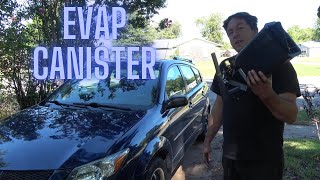
Typical fix: Replace the purge valve. This is 🎬 Watch: How to install a new purge valve on your Vibe. typically an easy, 15-minute repair with simple hand tools.
Est. part cost: $35-$90 - Faulty EVAP Canister or Leak Detection Pump (LDP) ⚪ Low Probability On 2005-2010 models, the canister assembly houses the LDP, which can fail mechanically or electrically. On 2003-2004 models, the separate vent valve (VSV) can get stuck open due to rust or debris. Cracks in the plastic body of the canister itself can also occur from road debris or age.
How to confirm: This is difficult to confirm without a smoke test or an advanced scan tool that can command the vent valve/LDP to operate. Often, a failure here is diagnosed after all other simpler causes have been ruled out. A group of codes including P2401, P2402, and P043F often points directly to a failed LDP assembly on 2005+ models. On 2003-2004 models, a user on GenVibe fixed a P0446 (a related code) by replacing a rusty, stuck-open VSV valve on the canister.
Typical fix: Replace the charcoal canister assembly (2005-2010) or the separate vent valve/canister (2003-2004).
Est. part cost: $150-$450 - Rusted or Damaged Fuel Filler Neck ⚪ Low Probability The metal pipe where you insert the gas pump nozzle can rust and pit over time, especially in regions that use road salt. This prevents the gas cap's gasket from creating a perfect seal, even with a new cap.
How to confirm: Visually inspect the metal rim of the filler neck where the gas cap seal makes contact. Look for heavy rust, pitting, or damage. A smoke test will show smoke escaping from around the gas cap area even with a new, good cap. A GenVibe forum user's mechanic diagnosed this exact issue via a smoke test on a 2004 Vibe. Cleaning the rim with a Scotch-Brite pad can sometimes help.
Typical fix: Replace the fuel filler neck.
Est. part cost: $100-$250
Rare But Worth Checking
- Faulty Fuel Tank Pressure Sensor:
- Improperly Sealed Fuel Pump Gasket:
Diagnosis Steps
- Check the Gas Cap: Remove the gas cap, inspect the seal for cracks or damage, and retighten it until it clicks at least three times. If the seal is visibly worn, replace it with an OEM part.
- Clear the Code and Drive: Use an OBD-II scanner to clear the trouble code. The EVAP system self-test often runs only after the vehicle has been off for several hours (e.g., overnight) with the fuel level between 1/4 and 3/4 full. Driving for a few days may be necessary to see if the light returns. The test may run about five hours after turning the engine off.
- Visual Inspection: If the code comes back, visually inspect all accessible EVAP hoses in the engine bay and around the charcoal canister (located near the fuel tank) for any obvious cracks, damage, or loose connections.
- Test the Purge Valve: Locate the purge valve in the engine bay. Disconnect it and test if it's stuck open by trying to blow through it. If air passes, it is faulty and needs replacement.
- Perform a Smoke Test: If the leak is not obvious, the most effective diagnostic step is to have a smoke test performed. A machine injects low-pressure, UV-dyed smoke into the EVAP system, and any leaks will be revealed by escaping smoke. This is the professional method for pinpointing the exact location of the leak, saving time and money. 🎬 See how a professional technician performs an EVAP leak test.
- Inspect Filler Neck: During the smoke test, pay close attention to the gas cap and filler neck area to rule out a leak from a rusted neck.
Parts You'll Likely Need
- Fuel Tank Cap
(OEM #88970258 (2003-2005), 88974427 (2006-2010))— This is the most frequent cause of a P0456 code due to the natural wear of its rubber seal. Using an OEM ACDelco cap is highly recommended.
Trusted brands: ACDelco (OEM), Stant, Gates
OEM price range: $25-$40
Aftermarket price range: $15-$25 - Vapor Canister Purge Valve / Solenoid
(OEM #88969154 (2003-2006 1.8L), 88975743 (2009-2010 2.4L))— This valve can get stuck open, creating a small, permanent leak path in the EVAP system. It's a common failure point.
Trusted brands: ACDelco (OEM), Denso, Standard Motor Products (SMP), Dorman
OEM price range: $70-$90
Aftermarket price range: $35-$60
Related Codes That Often Appear With This One
- P0441 — Often related to a faulty purge valve, which can also cause a small leak (P0456) if it's not sealing correctly.
- P0455 — Indicates a large EVAP leak. If you see both, it may point to an intermittent or borderline leak that the system struggles to classify, often a very bad gas cap seal or a component that has failed completely.
- P2401, P2402, P043F — On 2005 and newer models, these codes are specific to the electrical circuits of the Leak Detection Pump (LDP) and strongly indicate a failure of the canister assembly.
Technical Service Bulletins (TSBs) & Recalls
- While no specific Pontiac TSB for P0456 on the Vibe was found, Toyota issued TSB EG046-06 for the 2005-2006 Corolla and Matrix (the Vibe's twin) for a P0456 caused by a faulty charcoal canister assembly (LDP). This TSB directs technicians to replace the canister assembly if the code is present, corroborating it as a known issue on the platform.
Platform-Specific Known Issues
- Rust on Fuel Filler Neck Lip: Owners in rust-belt areas report that rust pitting on the very top lip of the fuel filler neck can prevent a good seal, even with a brand new gas cap. This was confirmed by a mechanic with a smoke test on a GenVibe forum. The fix is to either meticulously clean the surface or replace the entire filler neck.
- Stuck Vent Valve on 2003-2004 Models: For the earlier models with a separate canister and vent valve (also called a VSV - Vacuum Switching Valve), the valve itself can become corroded and stick open. One owner on GenVibe.com fixed their issue by replacing only this valve, which is available separately from the canister. They confirmed the old one was stuck open by attempting to blow through it.
Mechanic-Grade Diagnostic Values
- EVAP Canister Purge Solenoid Valve Resistance — expected: 30 - 36 Ohms at ~60°F (15.5°C). Failure: An open circuit (infinite resistance) or a reading far outside the expected range indicates a failed coil.
- Fuel Tank Pressure (FTP) Sensor Voltage (2005+ models, at LDP connector) — expected: Key On, Engine Off: ~3.3V. Should fluctuate between 0.5V and 4.5V during system operation.. Failure: Voltage stuck at 5V or 0V, or not changing during EVAP self-test, points to a sensor or wiring issue. A reading below 0.5V or above 4.5V can indicate a fault.
- 5V Reference at Leak Detection Pump (LDP) Connector (2005+ models) — expected: 5V DC between the reference wire (Pin 4 on the 10-pin connector) and a known good ground (Pin 2).. Failure: No voltage indicates a wiring problem between the ECM and the LDP.
Hidden / Shadow Codes Worth Checking
- Mode 6, Test ID $81, Component ID $01: On Toyota-based platforms, this monitor checks the EVAP system's ability to hold pressure during the .020" (small leak) test. A failing value here, even before a CEL is triggered, can indicate a borderline leak. (see via An advanced OBD-II scanner capable of displaying Mode 6 test results.)
Scan Tool Commands That Help
- Toyota Techstream / high-end bidirectional scanner: EVAP System Check (Cold Soak Bypass) — This function forces the EVAP monitor to run without waiting the typical 5+ hours for a cold soak. It allows a technician to verify a repair's effectiveness immediately by commanding the vent valve and pump to seal the system and run the leak test.
- Toyota Techstream / high-end bidirectional scanner: Manual EVAP Test Steps — Allows for individual component testing. A technician can command the Canister Vent (CV) valve closed to seal the system for a smoke test, or command the Purge VSV (Valve Set Vacuum) on/off to check its operation without the engine running.
Wiring & Ground Locations
- Leak Detection Pump (LDP) Connector (2005-2008) — A 10-pin connector on the Leak Detection Pump, which is attached to the charcoal canister assembly above the rear axle.. This is the central connection for the LDP, integrated pressure sensor, and vent valve. Pin 2 is ground, Pin 3 is the pressure sensor signal, and Pin 4 is the 5V reference. Testing voltage and continuity at these pins can isolate a faulty component from a wiring issue.
- EVAP System Ground — While specific ground point designators (e.g., Gxxx) for the EVAP system are not consistently documented, the main engine and body grounds are critical. On the 1ZZ-FE engine, a primary ground strap connects from the strut tower to the transmission. The LDP on 2005+ models is grounded via Pin 2 of its connector, which runs back to the ECM ground circuit.. A poor ground can cause erratic voltage readings from the pressure sensor or improper operation of the LDP motor, leading to false codes or failed self-tests.
Real Owner Repair Stories
- GenVibe forum user 'radioarno' (2005 Vibe Base, manual FWD) — P0453 (EVAP Pressure Sensor High Input), but diagnostic logic is relevant to P0456.
❌ Tried (didn't work) Tested purge solenoid (clicked with 9V battery)., Tested LDP motor by applying power directly to canister connector pins., Verified 5V and 12V power at the canister connector.
✅ What actually fixed it Found a damaged wiring harness located under the spare tire, near the left rear strut. The harness carrying power, ground, and signal wires to the canister assembly was sliced. The fix was to solder and heat-shrink the broken wires. - YouTube comment on a P0456 video (2007 Toyota Matrix (mechanically identical)) — P0456 code.
❌ Tried (didn't work) Replaced gas cap., Checked all EVAP hoses from front to back., Verified purge valve was working.
✅ What actually fixed it A smoke test revealed smoke coming from around the gas cap seal, even with a new cap. The cause was a rusted fuel filler neck, which prevented the new cap's gasket from sealing properly.
"I Checked Everything" — The Actual Cause
- A smoke test may show no leaks, but the code returns. This can happen if the fuel filler neck is rusted or pitted just enough to prevent a perfect seal with the gas cap gasket. The smoke may not be obvious from this location, or it may be misinterpreted as a bad cap, but the root cause is the neck surface itself.
OEM Part Supersession History
88970258→Discontinued by GM/ACDelco. Aftermarket equivalents (e.g., Stant, Gates) are the primary replacement.— End of life for the part.
Model Year Variations Within This Range
- 2005-2010: These models use a plastic fuel tank and an integrated Leak Detection Pump (LDP) module on the charcoal canister. The fuel tank pressure sensor is inside this LDP module and is not sold separately.
- 2003-2004: These models use a steel fuel tank and a more traditional EVAP system with a separate pressure sensor located on the fuel pump sending unit, accessible from under the rear seat. The canister vent valve is also a separate component.
Diagnostic Flowchart
Real Owner Stories
Aggregated from forums and TSBs cited above. Mileages and costs reflect what owners reported in those sources.
2005 Pontiac Vibe
Symptoms: Check Engine Light illuminated with code P0456.
What fixed it: Identified the gas cap as the primary issue and ensured the fuel level was kept between 1/4 and 3/4 tank so the EVAP self-test could run properly.
Source hint: genvibe.com: 'CEL and Code P0456 2005 Pontiac Vibe Help!'
Pontiac Vibe (2003-2004 generation)
Symptoms: Check Engine Light with an EVAP code. Discovered a torn gasket on the factory gas cap, but also had a secondary issue at the canister.
What fixed it: Replaced a rusty, stuck-open VSV (Vacuum Switching Valve) on the EVAP canister. The owner confirmed the old valve was stuck open by attempting to blow through it.
Source hint: genvibe.com: 'Help - EVAP canister replacement'
2004 Pontiac Vibe
Symptoms: Persistent EVAP leak code that wouldn't clear with a standard gas cap replacement.
What fixed it: A mechanic performed a smoke test and diagnosed a leak caused by a rusty fuel filler neck. Replacing the fuel filler neck resolved the issue.
Source hint: genvibe.com: 'Replace Fuel filler neck 04 vibe'
Related OBD-II Codes
Frequently Asked Questions
Does Toyota TSB EG046-06 apply to my Pontiac Vibe?
Why does the EVAP monitor take so long to run after I clear the P0456 code on my Vibe?
I replaced the gas cap on my Vibe but the P0456 code came back. What should I check next?
Is there a difference in the EVAP canister between the early and late first-generation Vibes?
Should I buy an aftermarket gas cap for my Pontiac Vibe?
How can I test the purge valve on my Vibe?
Helpful Videos
Used OEM Parts in Stock
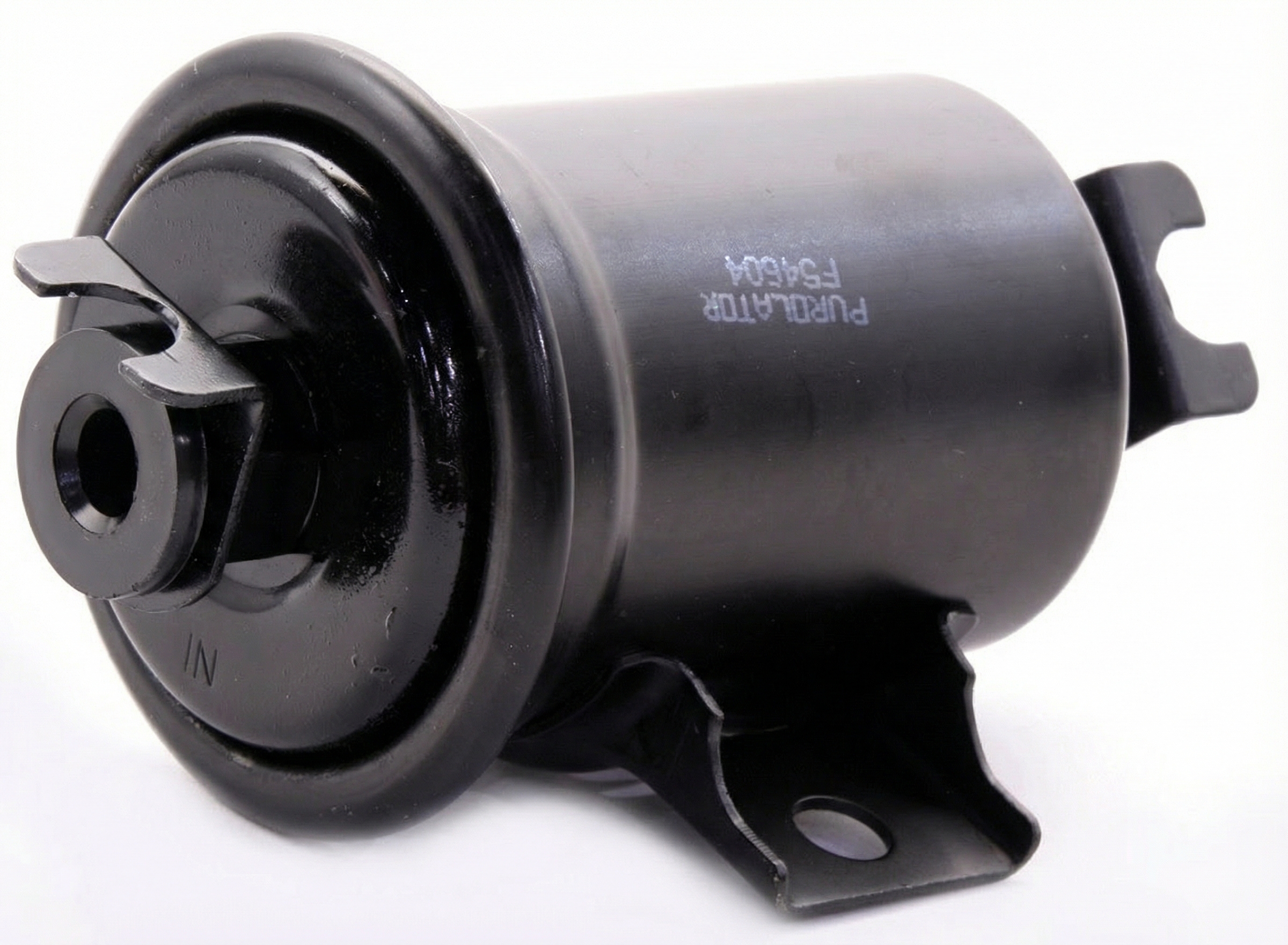
New Aftermarket Parts Available


The information in this article is provided for general reference and educational purposes only. Vehicle specifications, procedures, and part compatibility can vary by production date, trim level, and region. Always consult your vehicle's factory service manual and verify part numbers before purchasing or performing repairs. Safety-critical components such as airbags, seat belts, and braking systems should be installed by a qualified professional.
- Pontiac Vibe:
- 🎬 Helpful Videos
- 🛍️ Shop This Part
- What's Unique About the 2003-2010 Pontiac Vibe
- Symptoms You May Notice
- Most Likely Causes
- Rare But Worth Checking
- Diagnosis Steps
- Parts You'll Likely Need
- Related Codes That Often Appear With This One
- Technical Service Bulletins (TSBs) & Recalls
- Platform-Specific Known Issues
- Mechanic-Grade Diagnostic Values
- Hidden / Shadow Codes Worth Checking
- Scan Tool Commands That Help
- Wiring & Ground Locations
- Real Owner Repair Stories
- "I Checked Everything" — The Actual Cause
- OEM Part Supersession History
- Model Year Variations Within This Range
- Diagnostic Flowchart
- Real Owner Stories
- 2005 Pontiac Vibe
- Pontiac Vibe (2003-2004 generation)
- 2004 Pontiac Vibe
- Related OBD-II Codes
- Frequently Asked Questions
- 🎟️ Get 5% Off