

P0456 on 2008-2013 Mazda 6: Causes and Fixes for a Very Small EVAP Leak
For a 2008-2013 Mazda 6, code P0456 is most often caused by a loose or faulty gas cap. Before any repairs, tighten the cap until it clicks several times. If the light returns, a new OEM gas cap is the next logical step and costs around $25-$40. If that doesn't work, the purge solenoid valve is the next most likely culprit.
- Always check the gas cap first for code P0456. Tighten it until it clicks several times and clear the code.
- If the code returns, replace the gas cap with a genuine OEM part, as aftermarket caps are a known source of problems.
- This code does not affect how the car drives, but it will cause an emissions test failure.
- If a new OEM gas cap doesn't fix the issue, the next step is a smoke test to find the leak, which is likely a bad purge valve or a cracked hose.
What's Unique About the 2008-2013 Mazda 6
Across many Mazda models, including the Mazda 6, the P0456 code is so commonly linked to the gas cap that Mazda has issued multiple Technical Service Bulletins (TSBs) about it. The bulletins advise that owners often don't tighten the cap sufficiently, causing the system to flag a small leak. While other parts can fail, the gas cap is the primary suspect by a wide margin. A video of a 2009 Mazda 6 with a 2.5L engine specifically showed that an incorrect, though seemingly tight, aftermarket gas cap was the root cause of a P0456 code. Uniquely, 2009-2012 Mazda 6 models were recalled because Yellow Sac spiders were found to build webs in the EVAP canister vent line, causing a blockage that could lead to a cracked fuel tank.
Generation note: The 2008-2013 year range covers the second generation (GH; 2008-2012) and the first model year of the third generation (GJ; 2013). While the P0456 code's meaning and primary cause (gas cap) are the same for both, some EVAP components and their locations may differ. The second generation shares its platform with the Ford Fusion. Always verify part numbers for your specific model year.
Symptoms You May Notice
- Check Engine Light is on
- A faint fuel smell may be noticeable, though this is not always present.
- Replacing the purge valve or charcoal canister before checking the gas cap. The gas cap is the most frequent and cheapest fix and should always be the first step.
Most Likely Causes
- Loose, Worn, or Incorrect Gas Cap 🔴 High Probability Mazda TSB 01-002/18, which covers the 2003-2010 Mazda 6, identifies an improperly closed or faulty fuel cap as a primary cause for P0456. The rubber seal on the cap can also wear out over time, or an incorrect aftermarket cap may not seal properly, even if it clicks when tightened.
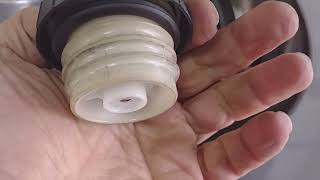
How to confirm: Remove the gas cap, inspect the rubber seal for cracks or damage, and clean any debris from the cap and filler neck area. Reinstall it, tightening until it clicks at least 2-3 times. Clear the code and drive for a few days to see if the light returns. A smoke test is the definitive method and will show smoke escaping from the filler neck if the cap is the issue. 🎬 Watch: See a smoke test confirm a faulty gas cap.
Typical fix: Replace the gas cap with a new, genuine OEM part. Aftermarket caps are a frequent source of EVAP leaks on this model.
Est. part cost: $25-$40 - Failed EVAP Purge Solenoid Valve 🟡 Medium Probability This valve controls the flow of fuel vapors to the engine. It can get stuck slightly open, creating a small leak that the system detects during its self-test. On the 2.5L engine in the Mazda 6, this valve is easily accessible in the engine bay and is a common failure point. A manufacturer service bulletin, TSB Bulletin #SA-030-18, notes that leakage detected from the catch tank unit at the purge valve can trigger this extremely low evaporative gas leakage code.
How to confirm: With the engine off, disconnect the hose from the purge valve that leads to the charcoal canister. Attempt to blow through the valve; it should be closed and allow no air to pass. If you can blow through it, it's stuck open and needs replacement.
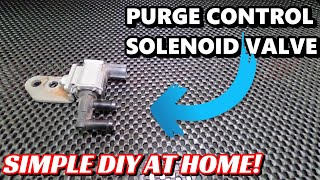
Typical fix: Replace the purge solenoid valve. The OEM part number for the 2009-2013 Mazda 6 2.5L is L518-18-741. 🎬 Watch: How to test and replace the purge solenoid valve.
Est. part cost: $50-$100 - Cracked or Disconnected EVAP Hose ⚪ Low Probability Rubber hoses can become brittle and crack over time due to age and heat cycles. While Mazda uses durable hoses, a small crack can still occur, especially around connection points or o-rings.
How to confirm: A visual inspection may reveal obvious cracks, but the best method is a professional smoke test. A machine fills the EVAP system with a harmless, visible smoke, and the leak will be visible where the smoke escapes.
Typical fix: Replace the cracked section of hose.
Est. part cost: $10-$50
Rare But Worth Checking
- Spider Nest in EVAP Vent Hose: Mazda issued a recall (NHTSA Campaign ID: 14V183000, and an earlier one 11V083000) for 2009-2012 Mazda 6 models with the 2.5L engine because Yellow Sac spiders can build webs in the EVAP canister vent line. This blockage can cause excessive negative pressure, cracking the fuel tank and creating a fire risk. The fix involves cleaning the line, reprogramming the PCM, and installing a spring-loaded valve to prevent spiders from entering. 🎬 Watch: Learn more about the yellow sac spider recall.
- Leaking Charcoal Canister: The plastic housing of the canister can develop hairline cracks over time, or the canister can become saturated with fuel if the tank is habitually overfilled. A smoke test is the best way to confirm a canister leak.
- Faulty Canister Vent Valve/Solenoid: This valve is normally open and closes to seal the system for pressure testing. If it fails to close completely, it can cause a P0456 code. It is typically located near the charcoal canister at the rear of the vehicle.
- Rusted Fuel Filler Neck: In regions where road salt is used, the metal fuel filler neck can corrode and develop small rust holes, creating a leak. This was identified by an owner on a forum after a smoke test revealed the issue when a new gas cap did not solve the problem.
Diagnosis Steps
- Read the code with an OBD-II scanner to confirm P0456 is present.
- Inspect the gas cap. Ensure it is tight by turning it until it clicks multiple times. Check the rubber O-ring for cracks or wear and clean the filler neck.
- Clear the code with the scanner and drive the vehicle for several days. The EVAP monitor runs under specific conditions, so it may take time for the light to return if the problem persists.
- If the light returns, replace the gas cap with a new OEM part. This is an inexpensive and highly probable fix.
- If the code comes back again, perform a visual inspection of all accessible EVAP hoses in the engine bay and under the vehicle, looking for obvious cracks or disconnections.
- Test the purge solenoid valve (Part No. L518-18-741) located in the engine bay. It should be closed with the power off.
- Check if your vehicle falls under the spider-related recall (2009-2012 models) by checking the VIN with a Mazda dealer or on the NHTSA website.
- If the leak is still not found, the most effective next step is to have a smoke test performed. This test will pressurize the system with smoke and quickly reveal the location of any small leaks from hoses, the charcoal canister, the filler neck, or other components.
Parts You'll Likely Need
- Fuel Tank Cap
(OEM #GN3E42250B or DR61-42-250B (Verify with VIN))— This is the most common cause of P0456 on this vehicle due to a worn seal or improper tightening, as confirmed by Mazda TSBs. Aftermarket caps are a known source of problems.
Trusted brands: Mazda (OEM)
OEM price range: $25-$40
Aftermarket price range: $10-$25 - EVAP Purge Solenoid Valve
(OEM #L518-18-741)— The second most likely part to fail. It can stick partially open, causing a constant small leak that the system detects.
Trusted brands: Mazda (OEM), Bosch, Standard Motor Products
OEM price range: $70-$120
Aftermarket price range: $40-$80
Related Codes That Often Appear With This One
- P0442 — This code indicates a 'small leak' detected, which is a slightly larger leak than P0456 ('very small leak'). They often share the same causes, and a leak may be borderline between the two thresholds.
- P0455 — This code indicates a 'gross leak' and is often seen if the gas cap is left off entirely or if a major hose has disconnected.
Technical Service Bulletins (TSBs) & Recalls
- TSB 01-002/18: This bulletin applies to the 2003-2010 Mazda 6 and provides a detailed flowchart for diagnosing EVAP leaks for codes P0441, P0442, P0455, and P0456. It helps technicians systematically determine the location of a leak.
- TSB 01-020/10: Referenced within other TSBs, this bulletin addresses issues with a loose fuel filler cap causing P0442, P0455, and P0456, and advises replacement with an improved part if necessary.
- TSB Bulletin #01-005-19-3548: This bulletin notes that vehicles may exhibit the check engine light with P0456 stored in the PCM, and suggests the concern is most likely the result of the customer not getting the fuel cap tightened correctly.
- TSB Bulletin #SA-030-18: This manufacturer bulletin addresses complaints of the check engine light being on with P0456, noting that the extremely low leakage may be caused by the catch tank unit at the purge valve.
Platform-Specific Known Issues
- Spider Infestation Recall: A recall (NHTSA #14V183000) was issued for 2010-2012 Mazda 6 models (and an earlier one for 2009-2010) because spiders could build webs in the EVAP canister vent line, causing a blockage and potential fuel tank damage.
- A recall (7414D) was issued for some 2014 Mazda 6 models because overfilling the fuel tank could cause fuel to enter and damage the charcoal canister, leading to EVAP leaks. While this recall is for a later model year, the principle of not overfilling the tank is relevant to preventing canister damage.
Mechanic-Grade Diagnostic Values
- EVAP Purge Solenoid Valve Coil Resistance — expected: 30 to 38 ohms (when engine is cool). Failure: A reading of infinite resistance (open circuit) or near-zero resistance (short circuit).
- EVAP Canister Vent Solenoid Resistance — expected: 48 to 65 ohms. Failure: A reading outside this range suggests a faulty solenoid coil.
- Fuel Tank Pressure (FTP) Sensor Voltage — expected: Approximately 2.5V - 2.6V with the gas cap off (system at atmospheric pressure).. Failure: Voltage stuck high (near 5V) or low (near 0V) regardless of pressure changes points to a faulty sensor or wiring issue.
- Purge Solenoid Connector Voltage — expected: One pin should have 12V (battery voltage) with Key On, Engine Off (KOEO).. Failure: Absence of 12V power indicates a wiring or fuse issue upstream of the solenoid.
Scan Tool Commands That Help
- FORScan / Mazda IDS: EVAP System Leak Test (On-Demand Self-Test) — This function allows a technician to command the PCM to run the EVAP leak test without having to wait for the natural drive cycle conditions to be met. It seals the system by closing the vent valve and activating the purge valve to create a vacuum, then monitors the FTP sensor to check for a pressure drop. This is extremely useful for verifying a fix is effective immediately after a repair.
Wiring & Ground Locations
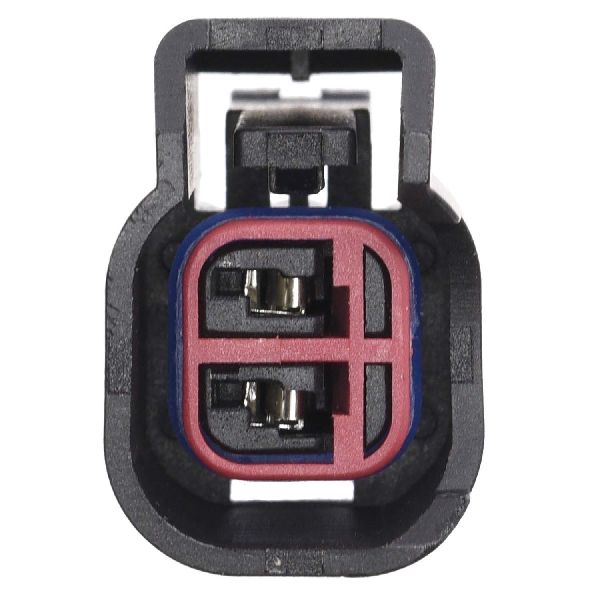
- Purge Solenoid Connector — In the engine bay, mounted near the intake manifold. It is a 2-wire connector.. A loose or corroded connector at the purge solenoid can prevent it from operating, causing it to remain stuck open or closed and leading to EVAP codes. Verifying power and ground at this connector is a key diagnostic step.
Real Owner Repair Stories
- Reddit user '187hp's friend' (Mazda vehicle (model not specified, but behavior is relevant)) — P0456 code
❌ Tried (didn't work) Gas cap replacement
✅ What actually fixed it The final cause was two small rust holes in the fuel filler neck, which were only discovered after a smoke test. The repair involved replacing the filler neck for over $300. - YouTube channel 'Cars and Service' (2009 Mazda 6 2.5L) — P0456 code
❌ Tried (didn't work) The owner had already replaced the gas cap, which led the mechanic to initially suspect other components.
✅ What actually fixed it A smoke test revealed that the 'new' aftermarket gas cap was the incorrect part for the vehicle. Despite clicking and feeling tight, it did not create a proper seal. Replacing it with the correct OEM cap resolved the code.
OEM Part Supersession History
GN3E-42-250, GN3E-42-250A→GN3E-42-250B— Part revision and improvement for better sealing.
Heads up: While older numbers are superseded, using the latest revision (GN3E-42-250B) is recommended for best performance on applicable models.GS3L-42-250, GS3L-42-250A→GS3L-42-250B— Part revision for improved fit and seal on specific models.
Heads up: This part number is listed for 2009-2013 Mazda 6 models and is a common replacement.
Model Year Variations Within This Range
- 2008: The first model year (2008) of the second generation (GH) may have slight differences in EVAP hose routing or component suppliers compared to the 2009-2012 facelifted models, though the primary components like the purge valve are functionally identical.
- 2013: The 2013 model year is the first year of the third generation (GJ). While it carries the same 2.5L engine, the EVAP system components and locations may differ significantly from the second generation (2008-2012). Part numbers should be verified specifically for this year.
Diagnostic Flowchart
Real Owner Stories
Aggregated from forums and TSBs cited above. Mileages and costs reflect what owners reported in those sources.
2009 Mazda 6 2.5L
Symptoms: Check Engine Light with code P0456 (small leak).
What fixed it: Replaced the incorrect aftermarket gas cap with the correct OEM one. A smoke test revealed a gap between the aftermarket cap and the filler neck, even though the cap clicked and felt tight.
Source hint: YouTube - Cars and Service, 'Mazda 6 Evap Code P0456 Evap small leak, Smoke test, fuel cap evap'
2009 Mazda 6 2.5L — 90000 miles
Symptoms: Check engine light with code P0456. Also observed other electrical issues and trouble starting, but the P0456 was a distinct code pulled.
What fixed it: The user did not report a final fix for the P0456 code in this thread, but faced diagnostic dead ends where mechanics incorrectly suggested transmission or catalytic converter issues.
Source hint: Reddit - r/MechanicAdvice, 'Throttle/Power/Electrical Issue - 2009 Mazda 6i'
Mazda 6
Symptoms: Check Engine Light, Airbag Light, and Traction Lights illuminated. Pulled Diagnostic Trouble Codes P0138 and P0456.
What fixed it: Performed an EVAP System Pressure Test and tested oxygen sensor circuits. Found the downstream oxygen sensor faulty.
Source hint: Pace Auto Service forum post
Mazda 3
Symptoms: Code P0456 issue.
What fixed it: Found two small rust holes in the fuel filler neck using a smoke test. Repaired the part for over $300.
Source hint: Reddit - r/mazda, 'Code P0456 issue'
Related OBD-II Codes
Frequently Asked Questions
Does TSB 01-002/18 apply to my 2008-2013 Mazda 6?
Could spiders really be causing the P0456 code on my Mazda 6?
I replaced my gas cap but the P0456 code came back. What should I check next?
What is the correct OEM part number for the purge solenoid valve on the 2.5L engine?
Is there a recall for overfilling the gas tank on the Mazda 6?
How do I test the purge valve on my 2.5L Mazda 6?
Helpful Videos



![How to Fix P0456 Engine Code in 7 Minutes [7 DIY Methods / Only $3.44]](https://img.youtube.com/vi/njt81AALI3U/mqdefault.jpg)
Used OEM Parts in Stock

New Aftermarket Parts Available



The information in this article is provided for general reference and educational purposes only. Vehicle specifications, procedures, and part compatibility can vary by production date, trim level, and region. Always consult your vehicle's factory service manual and verify part numbers before purchasing or performing repairs. Safety-critical components such as airbags, seat belts, and braking systems should be installed by a qualified professional.
- Mazda 6:
- 🎬 Helpful Videos
- 🛍️ Shop This Part
- What's Unique About the 2008-2013 Mazda 6
- Symptoms You May Notice
- Most Likely Causes
- Rare But Worth Checking
- Diagnosis Steps
- Parts You'll Likely Need
- Related Codes That Often Appear With This One
- Technical Service Bulletins (TSBs) & Recalls
- Platform-Specific Known Issues
- Mechanic-Grade Diagnostic Values
- Scan Tool Commands That Help
- Wiring & Ground Locations
- Real Owner Repair Stories
- OEM Part Supersession History
- Model Year Variations Within This Range
- Diagnostic Flowchart
- Real Owner Stories
- 2009 Mazda 6 2.5L
- 2009 Mazda 6 2.5L — 90000 miles
- Mazda 6
- Mazda 3
- Related OBD-II Codes
- Frequently Asked Questions
- 🎟️ Get 5% Off