

P0456 on 2001-2010 Chrysler Sebring: Causes and Fixes for Small EVAP Leak
On a 2001-2010 Chrysler Sebring, code P0456 is most often caused by a loose or faulty gas cap. If tightening or replacing the cap ($15-$40) doesn't fix it, the next most likely causes are a cracked EVAP hose or a failing Leak Detection Pump (LDP) on 2001-2006 models or Evaporative System Integrity Module (ESIM) on 2007-2010 models.
- Always check the gas cap first for code P0456. Make sure it's tight and the seal is intact. This is the most common and cheapest fix.
- If the gas cap isn't the issue, visually inspect all EVAP hoses for cracks, especially the purge hose in the engine bay on 2007-2010 models, which is known to rub through.
- The most definitive way to find a small leak is with a professional smoke test, which will quickly identify the source of the leak.
- If you can't find a leak in a hose, the next most likely part to fail is the Leak Detection Pump (LDP) or Evaporative System Integrity Module (ESIM), located near the fuel tank.
What's Unique About the 2001-2010 Chrysler Sebring
The 2001-2010 Sebring range covers two distinct generations with different EVAP system components. A very common issue on the 2007-2010 models (and its platform-mate, the Dodge Avenger) is the transmission shift cable rubbing a hole in the EVAP purge hose in the engine bay. Earlier models (2001-2006) use a Leak Detection Pump (LDP) that is a frequent failure point, while later models (2007-2010) use an updated component called an Evaporative System Integrity Module (ESIM), which is also a high-failure part. The ESIM can fail internally without an external leak, meaning a smoke test may pass while the code persists.
Generation note: This guide covers two generations of the Chrysler Sebring: the 2nd generation (2001-2006) and the 3rd generation (2007-2010). While the causes are similar, part designs and locations can differ. For example, the 2007-2010 models are known for a specific hose rubbing issue in the engine bay. The leak detection pump (LDP) on 2001-2006 models and the ESIM on 2007-2010 models are different parts with different part numbers.
Symptoms You May Notice
- Check Engine Light is on.
- A faint fuel smell may be noticeable in some cases. NHTSA ODI #11281463 notes a gasoline odor accompanying the check engine light upon starting the vehicle.
- Difficulty refueling (gas pump clicks off repeatedly), though this is more common with larger leaks or canister issues.
- Slight decrease in fuel economy over time.
- Engine stalling or shutting down; NHTSA ODI #11076128 describes a situation where the car shuts down despite no visible leaks being found.
- Replacing the charcoal canister when the issue is just a small hose leak or a bad gas cap.
- Replacing the purge valve when the leak is elsewhere in the system.
- Performing expensive repairs before replacing the gas cap, which is the most common and cheapest fix.
Most Likely Causes
- Loose or Faulty Gas Cap 🔴 High Probability The gas cap is a simple seal that is frequently removed and replaced. Over time, the rubber O-ring can dry out, crack, or get lost, preventing a proper seal. Using a non-OEM cap is also a frequent cause of sealing issues.
How to confirm: First, ensure the cap is tight (several clicks). If the light returns, inspect the cap's rubber seal for cracks, stiffness, or damage. An aftermarket cap can also be a cause. A forum user on chryslerforum.com noted that even after tightening the cap, the light returned, and a replacement was needed to solve the issue.
Typical fix: Tighten the cap. If that fails, replace the gas cap with a new one, preferably an OEM Mopar part to ensure a perfect seal.
Est. part cost: $15-$45 - Cracked or Disconnected EVAP Hose 🟡 Medium Probability Rubber hoses become brittle with age and heat cycles. A specific known issue on 2007-2010 models is the transmission cable rubbing through the EVAP purge hose in the engine bay. Hoses near the charcoal canister can also split.
How to confirm: Visually inspect all accessible EVAP hoses, especially near the engine and the charcoal canister. For the 2007-2010 models, specifically check the purge hose for rub marks where it passes near other components. A smoke test is the most effective way to find a small hose leak. A user on Chrysler Forum fixed their 2002 Sebring's P0456 after a smoke test revealed a split hose that wasn't obvious visually.
Typical fix: Replace the damaged section of the hose or the entire hose assembly.
Est. part cost: $10-$50 - Faulty Leak Detection Pump (LDP) / ESIM 🟡 Medium Probability These components contain a small motor, diaphragm, and switch that can fail over time. They are responsible for pressurizing or sealing the system for the self-test and are a known high-failure item on many Chrysler products.
How to confirm: Diagnosis can be complex. A key symptom is a persistent P0456 even after a smoke test shows no leaks; this points to an internal electrical failure of the ESIM switch. A bi-directional scan tool can command 🎬 Watch: How to test the NVLD system for leak codes the pump to run for testing. The part is located on or near the charcoal canister by the fuel tank.
Typical fix: Replace the LDP (on 2001-2006 models) or the ESIM (on 2007-2010 models). This is often a simple quarter-turn, twist-on part. 🎬 See this walkthrough for replacing the ESIM unit
Est. part cost: $40-$85 - Faulty EVAP Purge Valve/Solenoid ⚪ Low Probability The purge valve is located in the engine bay and controls the flow of fuel vapors to the engine. It can get stuck slightly open, creating a leak path that the system detects during its self-test.
How to confirm: With the engine off, remove the valve and try to blow through it. It should be closed and not allow air to pass. If you can blow through it, it's faulty. A faulty purge valve can also sometimes cause a rough idle or slight hesitation.
Typical fix: Replace the purge valve.
Est. part cost: $25-$60
Rare But Worth Checking
- Cracked EVAP (Charcoal) Canister: The plastic housing of the canister can develop hairline cracks from age or road debris impact, causing a small leak. This is usually found with a smoke test after all other common causes are eliminated.
- Faulty Fuel Tank Pressure Sensor: This sensor reports the pressure/vacuum inside the EVAP system to the PCM. If the sensor provides an incorrect reading, the computer may falsely believe there is a leak. This will sometimes, but not always, set a separate code for the sensor itself.
- Leaking Fuel Filler Neck: The metal tube leading to the gas tank can rust or be damaged, creating a small leak where the gas cap seals or along the neck itself. A smoke test will often reveal smoke escaping from this area if it is the cause.
Diagnosis Steps
- Check the gas cap. Ensure it is tight and clicks several times. Clear the code and drive for a few days to see if it returns. If it does, visually inspect the cap's seal for cracks or damage. Consider replacing it with an OEM Mopar cap regardless, as it's the most common fix.
- If the gas cap is good, perform a thorough visual inspection of all EVAP hoses. On 2007-2010 models, pay close attention to the purge hose in the engine bay for signs of rubbing against the transmission shift cable. 🎬 Watch: How to fix the common purge hose rub issue
- If no visible damage is found, the most effective next step is a smoke test. A mechanic will use a smoke machine to fill the EVAP system with a visible vapor, which will escape from the location of the leak, making it easy to spot.
- Test the purge valve in the engine bay. Disconnect it and try to blow through it; no air should pass. You can also use a scan tool to command it open and closed while listening for a click.
- If a smoke test reveals no leaks, the Leak Detection Pump (LDP) on 2001-2006 models or the Evaporative System Integrity Module (ESIM) on 2007-2010 models is a very likely culprit due to internal failure.
- Check for any applicable Technical Service Bulletins (TSBs). On some Chrysler platforms, a software update is required to fix overly sensitive leak detection logic that can falsely trigger a P0456 code. TSB Bulletin #18-089-24 notes that if P0456 is present, technicians should use the wiTECH Small Leak Verification test (SLVT) to determine if a physical leak actually exists.
Parts You'll Likely Need
- Fuel Cap
(OEM #Mopar 52030377AB (fits many 2007-2010 models) or W0133-2164024 (fits many 2001-2007 models))— This is the most common cause of a P0456 code due to the seal wearing out or the cap not being tightened properly.
Trusted brands: Mopar, Stant, Gates
OEM price range: $25-$45
Aftermarket price range: $15-$25 - Leak Detection Pump (LDP) / Evaporative System Integrity Module (ESIM)
(OEM #LDP (2001-2006): Part numbers vary, check by VIN. ESIM (2007-2010): Mopar 04861962AD or 4861963AA are common.)— This is the component that tests the system for leaks and is a known failure point on Chrysler vehicles of this era.
Trusted brands: Mopar, Dorman, Standard Motor Products
OEM price range: $70-$90
Aftermarket price range: $40-$75 - EVAP Purge Valve / Solenoid — This valve can get stuck partially open, creating a small leak path from the EVAP system to the engine intake.
Trusted brands: Mopar, Bosch, Dorman
OEM price range: $40-$70
Aftermarket price range: $25-$50
Related Codes That Often Appear With This One
- P0455 — Indicates a large EVAP leak. A component that starts with a small leak (P0456) can worsen over time, triggering a large leak code.
- P0457 — Specifically indicates a leak detected due to a loose or missing fuel cap. If the gas cap is the problem, this code may appear alongside P0456.
- P0440 — A general EVAP system malfunction code that can be triggered by the same faults that cause P0456, particularly a failing LDP/ESIM module.
- P0442 — Indicates a medium-sized leak (larger than P0456 but smaller than P0455). It shares all the same potential causes.
- P0420 / P0430 — Catalyst efficiency codes. Manufacturer TSB Bulletin #18-089-24 notes that P0456 can sometimes be found stored alongside these catalyst system codes.
Technical Service Bulletins (TSBs) & Recalls
- While not for the Sebring specifically, TSB #18-050-16 for the 2013 Dodge Avenger and TSB #18-092-23 for the Chrysler 300 indicate that overly sensitive PCM software can falsely trigger a P0456 code, requiring a dealer software update. This highlights a potential, though less common, cause on related Chrysler platforms.
- TSB Bulletin #1809223 notes that technicians may find P0456 set alongside P0455, P0440, or P0441, and involves reprogramming the Powertrain Control Module to address these issues.
- TSB Bulletin #18-089-24 emphasizes the use of the wiTECH Small Leak Verification test (SLVT) specifically when DTC P0456 is present to confirm if a leak is actually occurring.
Platform-Specific Known Issues
- On 2007-2010 models with the 2.4L engine, the transmission shift cable has a known tendency to rub against the EVAP purge hose, eventually wearing a small hole and causing a P0456 code. This issue is also present on the Dodge Avenger platform mate.
- The ESIM used on 2007-2010 models is known to fail internally without an external leak, causing a P0456 code even if a smoke test passes.
Mechanic-Grade Diagnostic Values
- EVAP Purge Valve Solenoid Coil Resistance — expected: 14 to 30 Ohms. Failure: A reading of infinity (Open Loop) or 0 (short) indicates a failed coil.
- EVAP Purge Valve Connector Voltage — expected: 11-12 Volts (Battery Voltage) with Key On, Engine Off. Failure: No voltage suggests a wiring or PCM driver issue upstream of the solenoid.
- ESIM Switch Signal Voltage (via Scan Tool) — expected: ~4.5 - 5.0 Volts when system is open (at atmospheric pressure). Failure: Voltage does not drop towards 0V when the system pulls a vacuum, or is stuck at 0V. The switch should close at approximately 1 inch of water vacuum.
Hidden / Shadow Codes Worth Checking
- P0456 Internal Logic (Mode 6): Chrysler's ESIM-based system uses an 'accumulative monitor'. The PCM runs the EVAP test in the background over multiple drive cycles. If it fails to see the ESIM's internal switch close (go from ~5V to 0V) after a cumulative amount of test time, it determines a small leak is present and sets P0456. This is not a separate code but the underlying logic a technician can infer from scan tool data if the switch never changes state during testing. (see via Monitor the ESIM switch PID on a professional scan tool during an EVAP test or over a drive cycle.)
Scan Tool Commands That Help
- wiTECH (or equivalent professional scanner): EVAP Purge Solenoid Test / Actuator Test — To command the purge solenoid open and closed to verify its mechanical and electrical operation. You should hear an audible click and, with the line disconnected, confirm it seals when commanded closed.
- wiTECH: Small Leak Verification Test (SLVT) — This is a specific, automated test function to verify a repair is successful or to confirm a leak exists. TSBs mandate its use. It is considered more accurate than a standard smoke test for detecting internal ESIM/LDP faults.
Wiring & Ground Locations
- G300 (2001-2006) — Center of the trunk opening, below the latch.. This is a primary body ground in the rear of the vehicle, providing the ground path for the LDP and other rear-mounted components. A corroded ground can cause erratic LDP operation.
- G303 (2007-2010) — At the left rear quarter panel.. This is a key ground point for the ESIM and other components located near the charcoal canister in the third-generation Sebring.
- Purge Solenoid (2001-2006) — On the driver's side strut tower, just in front of the master cylinder.. Knowing the location is critical for testing. A stuck-open purge solenoid is a common cause of P0456.
- Purge Solenoid (2007-2010, 2.7L V6) — On the right side at the back of the engine.. The location differs from the 4-cylinder and earlier models, which is crucial for technicians to avoid wasting time searching in the wrong place.
- LDP / ESIM Location — Mounted on or directly next to the charcoal canister, which is located under the vehicle, typically near the fuel tank and rear axle.. This is the primary leak testing component and a high-failure item. Its connector and ground must be clean and secure.
Real Owner Repair Stories
- YouTube Channel 'Dodge ESIM (Leak Detection Pump) Small Leak Diagnosis P0456 EVAP' (Dodge vehicle with a similar Chrysler ESIM system) — Check engine light with code P0456.
❌ Tried (didn't work) A full EVAP system smoke test was performed, which showed the system held pressure perfectly down to the 0.020" leak equivalent.
✅ What actually fixed it The smoke test passed, proving there was no physical leak. The technician concluded the ESIM itself was faulty, as it was incorrectly reporting a leak to the PCM. The fix was to replace the ESIM. - Car Talk Community Forum (2008 Chrysler Sebring) — Check engine light with code P0456.
❌ Tried (didn't work) Initial diagnosis was unclear.
✅ What actually fixed it A smoke test revealed smoke coming out of the fuel tank filler neck, indicating a leak in the neck itself, not the cap or hoses. The fix was to repair or replace the filler neck. - NHTSA ODI #11564388 — An owner reported that their vehicle stalled on the highway; upon diagnosis, DTC P0456 was retrieved along with a transmission code.
"I Checked Everything" — The Actual Cause
- A faulty Evaporative System Integrity Module (ESIM) or Leak Detection Pump (LDP). The module's internal switch or diaphragm can fail, causing it to report a leak to the PCM even when the system is perfectly sealed. A technician confirmed this by passing a smoke test and then condemning the ESIM.
- A software issue in the Powertrain Control Module (PCM). Chrysler has issued Technical Service Bulletins (TSBs) for multiple platforms where the PCM's leak detection logic is overly sensitive and can falsely trigger a P0456. In these cases, no physical leak exists, and the only fix is a PCM software update at a dealership.
When the Usual Fixes Don't Work
- While replacing the gas cap is the most common advice, many owners on forums report this does not fix the issue. The next most common DIY fix is the ESIM/LDP module. However, a significant number of cases are only resolved by finding an obscure cracked hose via a smoke test or by getting a dealer-only PCM software update for overly sensitive leak detection logic.
OEM Part Supersession History
4861962AA, 4861962AB, 4861962AC, 4891685AA, 4891685AB→04861962AD— Standard part revision and consolidation for the ESIM module.
Heads up: The newest part number (04861962AD) is the correct replacement for the earlier versions on applicable 2007 and later models.
Model Year Variations Within This Range
- 2001-2006: Uses a Leak Detection Pump (LDP) system. Ground points and component locations differ from later models. For example, a key rear ground is G300, located in the trunk opening.
- 2007-2010: Uses an Evaporative System Integrity Module (ESIM) system. Known for the purge hose rubbing through in the engine bay. A key rear ground is G303 at the left rear quarter panel. The purge solenoid location varies by engine.
Diagnostic Flowchart
Other Known Issues on This Vehicle
Issues unrelated to this code that are worth knowing about as an owner of this generation:
- 2.7L V6 Engine Oil Sludge 🔴 High — Very common on 2.7L engines from 1998-2004. Caused by a combination of factors including internal water pump leaks contaminating the oil, insufficient oil capacity, and poor crankcase ventilation. Can lead to catastrophic engine failure.
- Convertible Top Malfunction 🟠 Medium — Common across all convertible model years. Issues include hydraulic fluid leaks from the pump/motor, failing header latch motors, and broken wires at hinge points, leading to the top getting stuck or not operating.
- Transmission Problems (41TE/62TE) 🟠 Medium — Owners of the 3rd gen (2007-2010) report issues with the automatic transmission, including harsh shifting, failure to shift, and entering 'limp mode'. Problems can stem from solenoids, the valve body, or in some cases, water intrusion. (Ref: Recall K16 was issued for a shift lever interlock spring on some 2007 models, which could prevent the vehicle from shifting out of Park.)
- Clogged A/C Condensation Drain (3rd Gen) 🟡 Low — The A/C drain tube can become clogged with debris, causing condensation to back up and leak into the passenger-side footwell, leading to a musty smell and wet carpets.
- Carbon Buildup on Throttle Body (3rd Gen) 🟡 Low — The electronic throttle body on 3rd generation models can accumulate carbon, leading to poor acceleration, rough idle, and decreased fuel economy.
Used vs. New Parts: Buying Guide for This Vehicle
When a used part is the smart pick: For purely mechanical, non-wear items, a used part can be viable. This includes the charcoal canister body (if not cracked) or the metal fuel filler neck (if sourced from a dry, rust-free climate). Inspecting these parts thoroughly before purchase is critical.
Donor-vehicle mileage cap: roughly under 80000 miles for the part to have meaningful remaining life.
What to inspect on the donor part:
- For hoses: Check for any hardening, cracking, or mushiness. Squeeze the hose to ensure it's still pliable.
- For filler necks: Inspect for any rust, especially around the sealing area and any mounting brackets. Ensure there are no dents or deformities.
- For electrical connectors: Look for corrosion on pins, cracked plastic housings, or damaged wire insulation.
OEM-only on this vehicle (don't cheap out):
- Gas Cap: Aftermarket caps are notorious for having slightly different seal tolerances, which can prevent the system from sealing correctly and cause the P0456 code to persist.
- ESIM / LDP Module: Given that this is a high-failure electronic and mechanical part, buying a used one is a significant gamble. Some aftermarket versions have also been reported to cause sealing or logic issues, making OEM the most reliable, albeit more expensive, choice.
Aftermarket brands forum-validated for this vehicle:
- For this specific issue, forum consensus strongly favors Mopar (OEM) for the gas cap and ESIM/LDP to avoid repeat failures. While brands like Dorman and Standard Motor Products are available, they are sometimes cited in unresolved repair threads.
Brands owners have reported issues with on this vehicle:
- Generic, unbranded gas caps and ESIM/LDP modules from online marketplaces are frequently reported as being unable to solve the P0456 code due to poor quality control.
Real Owner Stories
Aggregated from forums and TSBs cited above. Mileages and costs reflect what owners reported in those sources.
2002 Chrysler Sebring
Symptoms: Check engine light for a very slight EVAP leak; owner replaced the gas cap but the light remained on.
What fixed it: A dealer smoke test identified a bad hose, which was replaced to fix the problem.
Source hint: Chrysler Forum: Code P0456 Very slight Evap Leak
2008 Chrysler Sebring
Symptoms: P0456 code; a smoke test was performed to locate the source of the leak.
What fixed it: The smoke test showed vapor escaping from the fuel filler neck area, indicating a leak in the filler neck or the gas cap.
Source hint: Car Talk Community: 2008 Chrysler Sebring - Evap leak?
2002 Chrysler Sebring
Symptoms: P0456 code; owner performed a smoke test after visual inspection failed.
What fixed it: The smoke test revealed a split hose that was not obvious during a visual inspection.
Source hint: Chrysler Forum user cited in common_causes
Related OBD-II Codes
Frequently Asked Questions
I have a 2007-2010 Sebring; is there a specific hose I should check for a P0456 leak?
Should I buy an aftermarket gas cap for my Chrysler Sebring to save money?
My 2008 Sebring passed a smoke test, but the P0456 code won't go away. What else could it be?
Is there a software update for the P0456 code on the Sebring?
What is the difference between the LDP and the ESIM on the Sebring?
Can a bad purge valve cause other symptoms besides the P0456 code?
Helpful Videos
Used OEM Parts in Stock

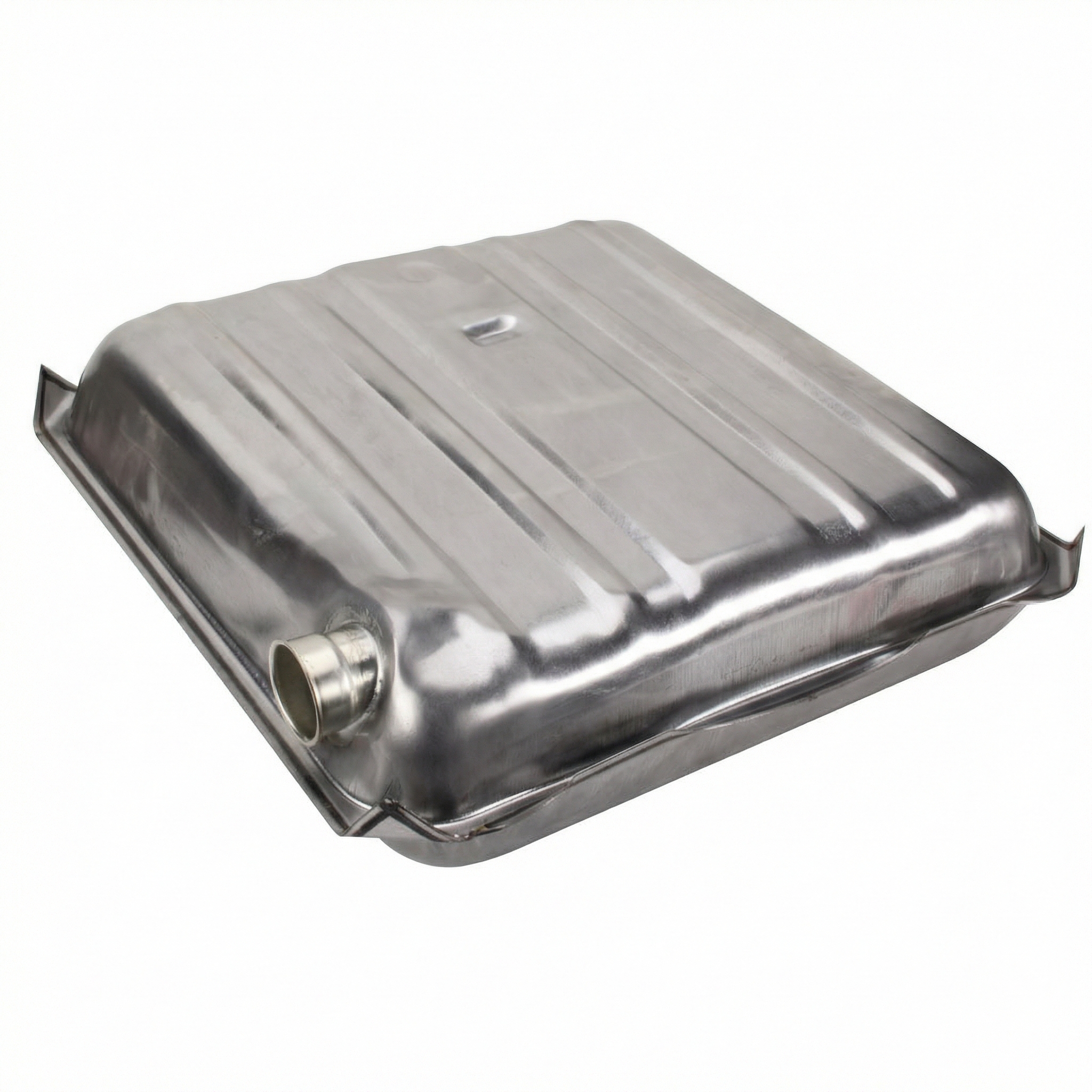
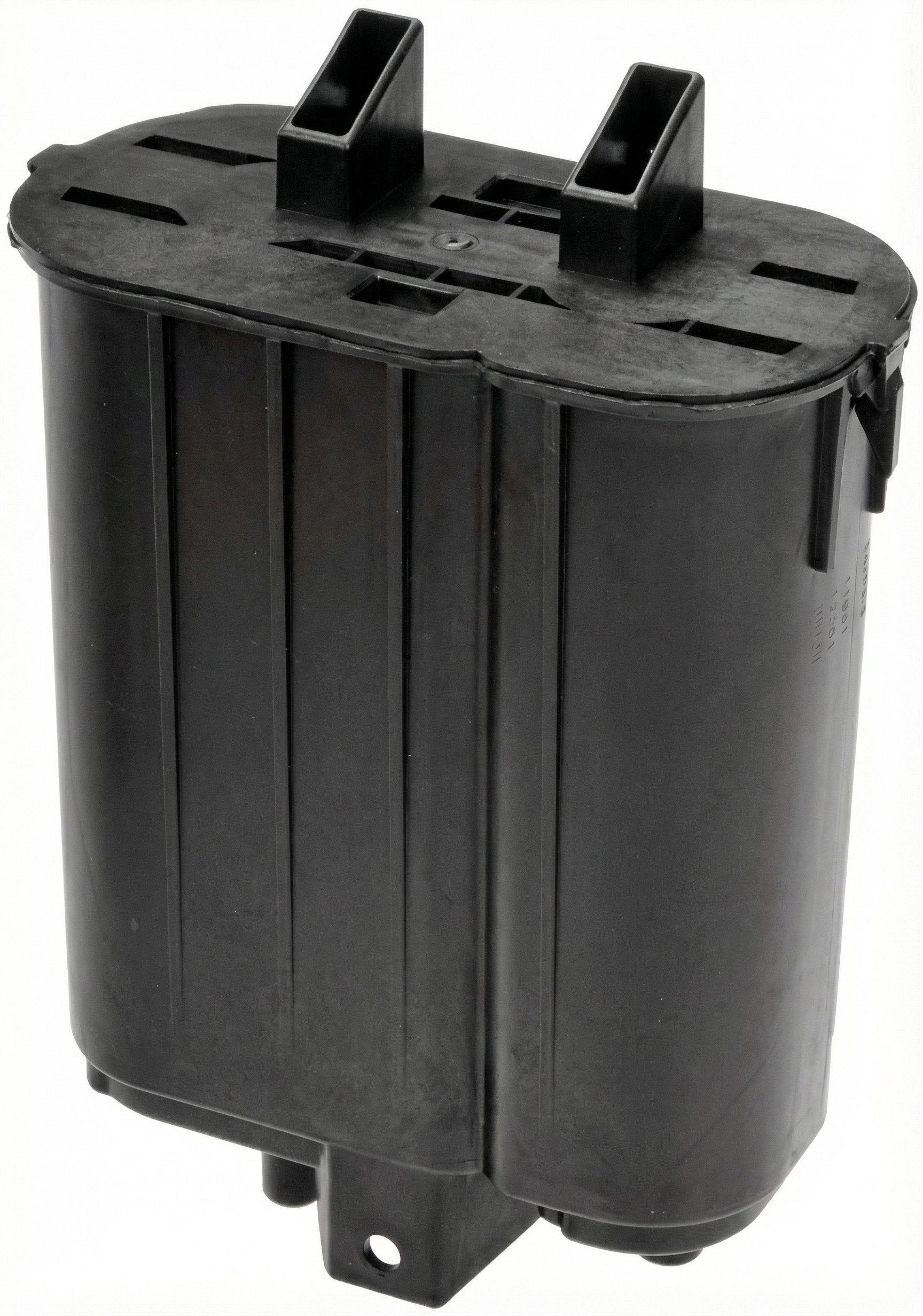
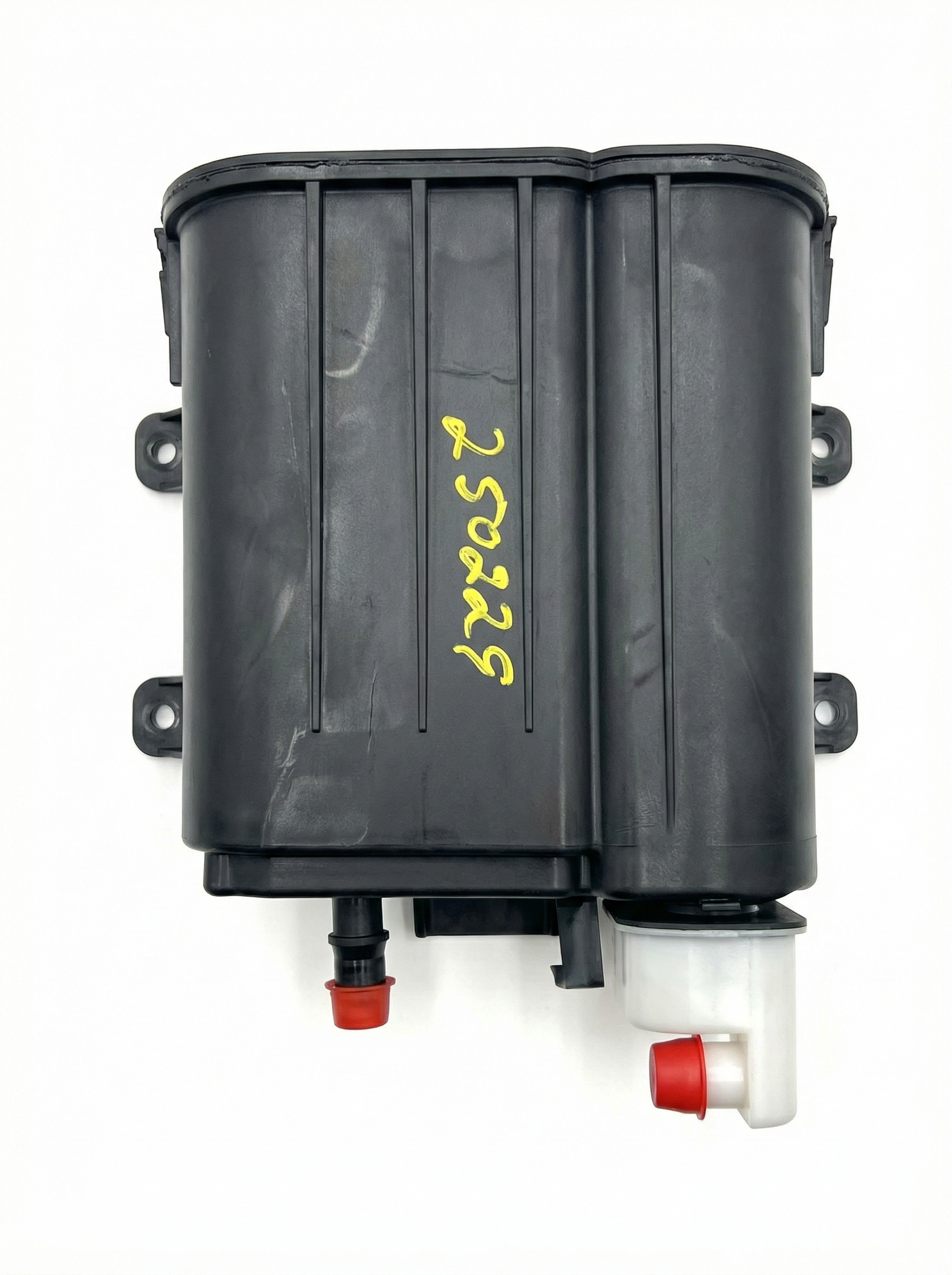
New Aftermarket Parts Available

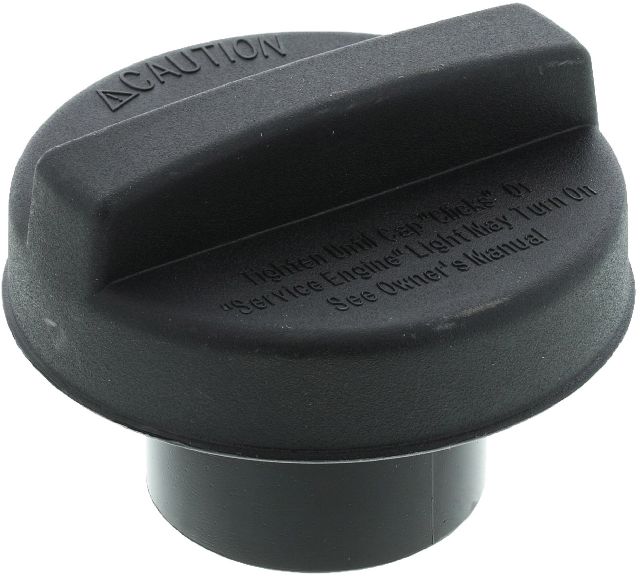

The information in this article is provided for general reference and educational purposes only. Vehicle specifications, procedures, and part compatibility can vary by production date, trim level, and region. Always consult your vehicle's factory service manual and verify part numbers before purchasing or performing repairs. Safety-critical components such as airbags, seat belts, and braking systems should be installed by a qualified professional.
- Chrysler Sebring:
- 🎬 Helpful Videos
- 🛍️ Shop This Part
- What's Unique About the 2001-2010 Chrysler Sebring
- Symptoms You May Notice
- Most Likely Causes
- Rare But Worth Checking
- Diagnosis Steps
- Parts You'll Likely Need
- Related Codes That Often Appear With This One
- Technical Service Bulletins (TSBs) & Recalls
- Platform-Specific Known Issues
- Mechanic-Grade Diagnostic Values
- Hidden / Shadow Codes Worth Checking
- Scan Tool Commands That Help
- Wiring & Ground Locations
- Real Owner Repair Stories
- "I Checked Everything" — The Actual Cause
- When the Usual Fixes Don't Work
- OEM Part Supersession History
- Model Year Variations Within This Range
- Diagnostic Flowchart
- Other Known Issues on This Vehicle
- Used vs. New Parts: Buying Guide for This Vehicle
- Real Owner Stories
- 2002 Chrysler Sebring
- 2008 Chrysler Sebring
- 2002 Chrysler Sebring
- Related OBD-II Codes
- Frequently Asked Questions
- 🎟️ Get 5% Off