

P0456 on 2014-2019 Chevrolet Silverado: EVAP Small Leak Causes and Fixes
For a P0456 code on a 2014-2019 Silverado, the most likely cause is a faulty EVAP vent valve solenoid near the fuel tank, often clogged with dust. First, check that the gas cap is tight and the filler neck is clean. If the light remains, replacing the vent valve is the next logical step, costing about $40-$110 for the part. For 2019+ models in dusty areas, a TSB recommends a filter relocation kit.
- P0456 is a minor issue that won't stop you from driving, but it will cause an emissions test failure.
- Always check your gas cap first. Make sure it's tight and the seal is intact. This is the easiest and cheapest fix.
- The most likely failed part on a 2014-2019 Silverado is the EVAP vent valve solenoid, located near the spare tire, which gets clogged with dirt.
- Note your truck's generation: 2014-2018 is K2XX, 2019 can be K2XX ('LD'/'Limited') or T1XX (new body). The vent valve part number is different for each.
- If you have a 2019 or newer truck and drive in dusty conditions, consider having the filter kit from TSB 23-NA-073 installed to prevent future issues.
What's Unique About the 2014-2019 Chevrolet Silverado

On this generation of Silverado, the EVAP system components, particularly the vent valve solenoid located under the truck bed, are highly susceptible to contamination from road dust and debris. This is a well-documented issue, especially for trucks used in dusty or rural environments. For the 2019+ (T1XX) models, GM even issued a Technical Service Bulletin (TSB 23-NA-073) recommending the installation of an auxiliary filter kit (Part No. 86792068) to prevent dust from clogging the EVAP canister and vent valve, which leads to various EVAP codes. While a loose gas cap is always the first thing to check, a faulty, dust-contaminated vent valve is a very common root cause on these specific trucks.
Generation note: This range covers two Silverado generations. The 2014-2018 models (and 2019 'LD' or 'Limited' models) are the K2XX platform. The new body style 2019 model is the T1XX platform. While the causes are similar, the EVAP vent valve part numbers are different between these two generations. Furthermore, the T1XX platform is specifically covered by TSB 23-NA-073 for dust intrusion issues.
Symptoms You May Notice
- Check Engine Light is on
- Possible faint fuel smell near the gas cap or rear of the truck (uncommon)
- Remote start may be disabled by the system
- Vehicle will fail an emissions inspection
- Replacing the purge valve when the vent valve is the actual problem. Due to its exposed location under the truck, the vent valve is more exposed to elements and is a more frequent failure point for leaks on these trucks.
- Replacing multiple components without performing a smoke test. Many owners and shops have wasted money on parts when the actual issue was a small, hard-to-see crack in an inexpensive hose.
Most Likely Causes


- Loose or Faulty Gas Cap 🔴 High Probability This is the most common cause for any EVAP leak code on any vehicle due to user error (not tightening after refueling) or a worn-out seal. Aftermarket gas caps are a notorious cause of this code, as they often use improper seals that cannot hold the required pressure.
How to confirm: Ensure the gas cap is tightened until it clicks at least three times. Inspect the rubber O-ring on the cap for cracks, tearing, or signs of dry rot. Also, inspect the metal fuel filler neck for any rust, pitting, or debris that could prevent a proper seal. As a test, some owners apply a thin layer of petroleum jelly to the cap's rubber seal to see if it temporarily resolves the code. On 2019+ T1XX models with a capless system, inspect the filler neck flap for debris holding it open.
Typical fix: Tighten or replace the gas cap. Always opt for an OEM cap, as some aftermarket caps are known to cause sealing issues. Thoroughly clean the filler neck's sealing surface with a mild abrasive pad before installing a new cap.
Est. part cost: $15-$30 - Faulty EVAP Vent Valve Solenoid 🔴 High Probability The vent valve is mounted under the truck near the spare tire, where it is exposed to road grime, water, and dust. This contamination is a known issue that can cause the valve to stick slightly open or fail electrically, creating a small leak. This is a very common failure point on GM trucks.
How to confirm: The most definitive way is with a bi-directional scan tool and a smoke test. A technician can command the valve closed; if smoke still exits the vent, the valve is bad. It can also be tested with a multimeter for proper resistance (typically 10-30 Ohms). Applying 12V should cause it to click closed from its normally open state.
Typical fix: Replace the EVAP vent valve solenoid. For 2019+ T1XX models in dusty areas, installing the filter kit from TSB 23-NA-073 is also highly recommended to prevent repeat failure.
Est. part cost: $40-$115 - Faulty EVAP Purge Valve Solenoid 🟡 Medium Probability This valve is located in the engine bay and cycles frequently. Over time, it can wear out and fail to seal completely, creating a small, constant vacuum leak from the EVAP system into the engine.
How to confirm: Disconnect the valve's electrical connector and remove the hoses. With the valve unpowered (as it is normally closed), try to blow through it. If any air passes through, the valve is stuck open and must be replaced.
Typical fix: Replace the purge valve solenoid. 🎬 Watch: Step-by-step guide to replacing the purge valve solenoid. GM has a Special Coverage program (N232395300) that may cover this replacement for free on certain models.
Est. part cost: $40-$60 - Cracked or Disconnected EVAP Hose ⚪ Low Probability Rubber and plastic lines can become brittle over time due to heat cycles and exposure, leading to small, hairline cracks, especially at connection points or in areas where they might rub against the frame.
How to confirm: A visual inspection may reveal obvious cracks or damage, but this is often difficult. The most effective method is to use a smoke machine, which fills the EVAP system with a visible vapor, making even pinhole leaks easy to spot. 🎬 See how a smoke machine identifies hidden EVAP leaks.
Typical fix: Replace the damaged section of hose.
Est. part cost: $10-$50
Rare But Worth Checking
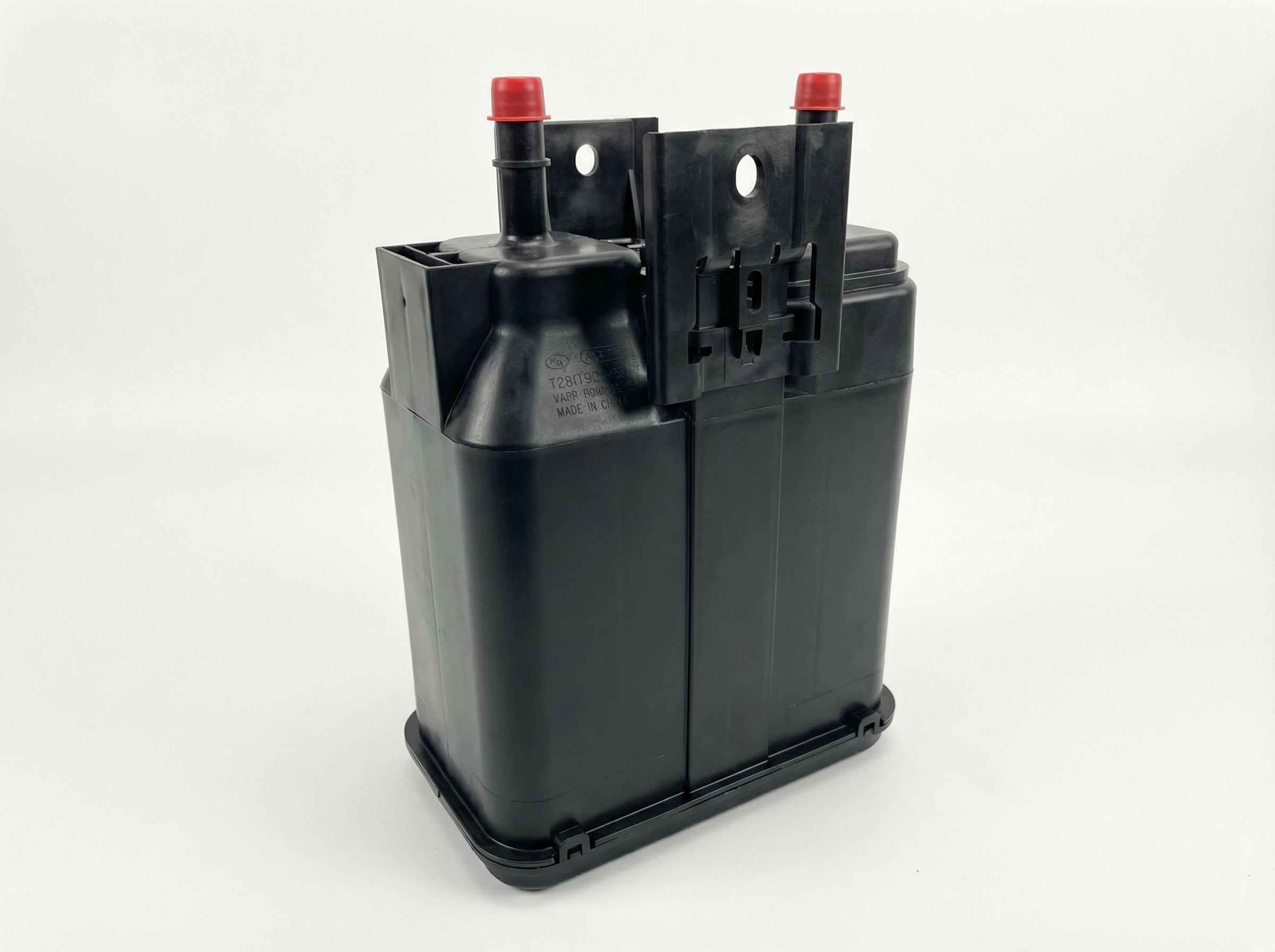
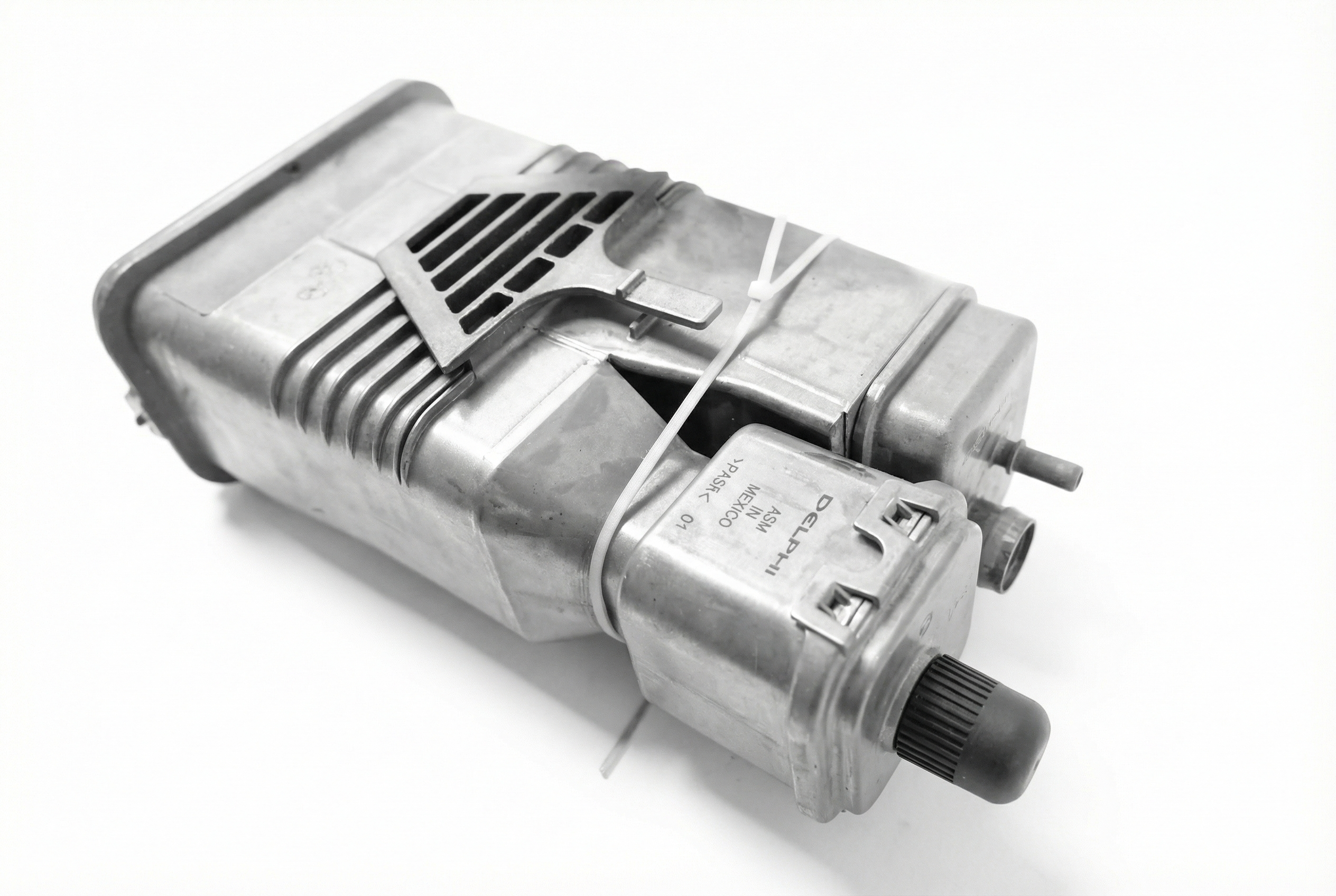
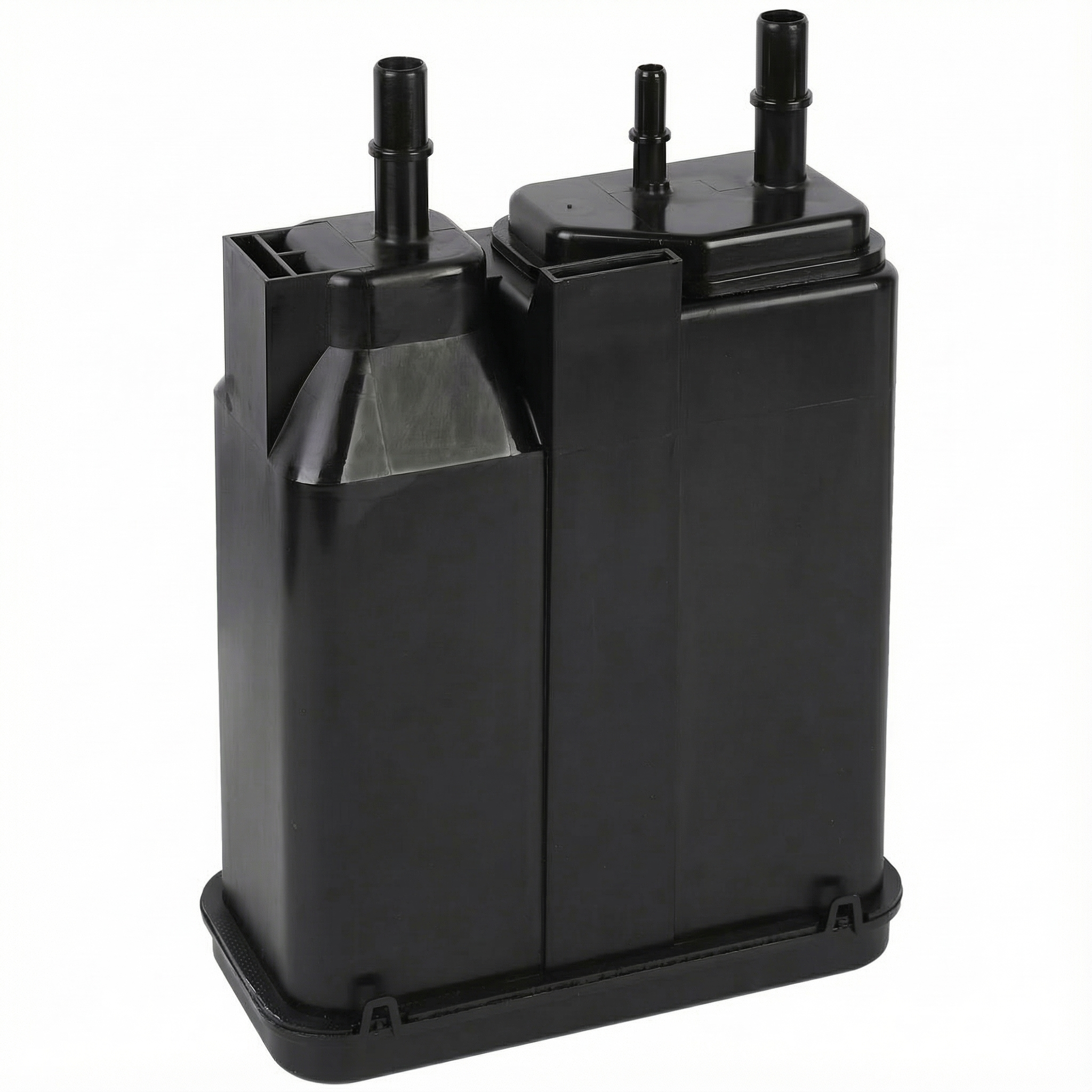
- Cracked Charcoal Canister: The plastic housing of the charcoal canister can develop hairline cracks from impacts (like road debris) or age, creating a leak. This is almost always found with a smoke test.
- Faulty Fuel Tank Pressure (FTP) Sensor: It is possible for the sensor that detects the leak to fail and give a false reading. However, this is uncommon for a P0456 code and would typically be diagnosed after all other potential leak sources have been ruled out. A faulty FTP sensor is more likely to set codes like P0451, P0452, or P0453.
- Leaking Fuel Tank Gasket/Seal: The seal where the fuel pump module mounts to the top of the fuel tank can degrade over time and cause a small vapor leak. This requires lowering the tank or lifting the bed to access and is usually found via smoke test.
Diagnosis Steps
- Check the Gas Cap: Ensure it is tight and clicks several times. Remove it and inspect the seal for any cracks or damage. Also inspect the filler neck for rust or debris. If it's a capless system, check the flap for debris. Clear the code and drive for a few days to see if it returns. It can take several drive cycles for the EVAP monitor to run again. 🎬 Watch this breakdown of the P0456 code and common fixes.
- Visual Inspection: Inspect all visible EVAP hoses in the engine bay and under the truck near the fuel tank. Look for any obvious cracks, disconnections, or signs of rot. Pay close attention to connections at the purge valve and canister.
- Inspect/Test the Purge Valve: Locate the purge valve on the engine. Disconnect it and try to blow through it. If air passes, it's faulty and needs replacement.
- Inspect/Test the Vent Valve: Locate the vent valve near the charcoal canister (usually by the spare tire). Inspect its electrical connector for corrosion. Given its high failure rate on these trucks, replacement is often the most straightforward diagnostic step if the gas cap is confirmed good.
- Perform a Smoke Test: If the above steps do not reveal the cause, the next step is to introduce low-pressure smoke into the EVAP system using a specialized machine. The smoke will escape from the leak point, making it easy to identify cracked hoses, a leaking canister, a faulty fuel tank seal, or a bad valve that isn't sealing when commanded shut.
Parts You'll Likely Need
- EVAP Vapor Canister Vent Valve Solenoid (2014-2018/19 K2XX)
(OEM #23481275)— This is the most common part to fail on the K2XX platform trucks, causing a small leak. It gets clogged with dust or fails electrically.
Trusted brands: ACDelco, Dorman
OEM price range: $65-$115
Aftermarket price range: $35-$75 - EVAP Vapor Canister Vent Valve Solenoid (2019 T1XX)
(OEM #84613138)— This is the equivalent part for the newer T1XX platform. It is also prone to failure from dust and debris, as documented in TSB 23-NA-073.
Trusted brands: ACDelco, Dorman
OEM price range: $35-$50
Aftermarket price range: $25-$40 - EVAP Canister Purge Valve Solenoid (V8)
(OEM #12630282)— A common failure point located on the engine that can stick open and cause a small, un-metered vacuum leak.
Trusted brands: ACDelco, Bosch, Standard Motor Products
OEM price range: $40-$60
Aftermarket price range: $20-$40 - EVAP Canister Auxiliary Filter Kit (2019+ T1XX)
(OEM #86792068)— A filter relocation kit recommended by GM in TSB 23-NA-073 for trucks in dusty environments to prevent repeat failures of the vent valve and canister.
Trusted brands: ACDelco
OEM price range: $50-$80
Related Codes That Often Appear With This One
- P0442 — P0442 indicates a 'small leak,' while P0456 indicates a 'very small leak.' They point to the same type of failure, just of a different magnitude. A leak may start as a P0456 and worsen to a P0442 over time.
- P0455 — This code indicates a 'large leak.' If you see this with P0456, it could suggest an intermittent major failure, like a vent valve that is sometimes sticking wide open or a gas cap left off.
- P0449 — This code points to an electrical fault in the vent valve circuit. If you see P0449 and P0456 together, it's a very strong indicator that the vent valve solenoid is the root cause of the problem.
Technical Service Bulletins (TSBs) & Recalls

- 23-NA-073: This bulletin addresses customer concerns about various EVAP codes on 2019 and newer GM trucks and SUVs (T1XX platform). The cause is identified as excessive dust and dirt being drawn into the EVAP canister through the fresh air intake, clogging the canister and vent valve solenoid. While P0456 is not explicitly listed, it is a directly related 'very small leak' code caused by the same component failure (a vent valve stuck slightly open). The official fix is to replace the affected components and install an auxiliary fresh air filter kit (Part No. 86792068) in a cleaner location to prevent recurrence.
Platform-Specific Known Issues
- TSB 23-NA-073: For 2019+ T1XX models, this bulletin addresses various EVAP codes caused by dust intrusion into the EVAP canister and vent solenoid, particularly on trucks operated in dusty environments. The fix involves installing a new vent hose with an integrated filter. This is a customer-pay alteration, not a warranty repair.
Mechanic-Grade Diagnostic Values
- EVAP Vent Valve Solenoid Coil Resistance — expected: 10 - 30 Ohms. Failure: A reading of infinite resistance (OL) indicates an open coil; near-zero Ohms indicates a shorted coil.
- Voltage at Vent Solenoid Connector (Key On, Engine Off) — expected: ~12 Volts (Battery Voltage) on the power wire (often Red/Light Green).. Failure: 0 Volts indicates a blown fuse (e.g., F57 in the under-hood block on K2XX) or a break in the power wire.
- Fuel Tank Pressure (FTP) Sensor Voltage — expected: Typically operates within a 0.5 - 4.5 Volt range during self-tests.. Failure: Voltage stuck high (near 5V) or low (near 0V) can indicate a sensor or wiring fault, often triggering codes P0452 or P0453.
Scan Tool Commands That Help
- GDS2 / Tech2 (or equivalent professional scanner): EVAP System Service Bay Test — This is a comprehensive, automated test that commands the purge and vent valves to cycle, sealing the system and monitoring pressure decay to verify a leak's presence before and after a repair.
- GDS2 / Tech2 (or equivalent professional scanner): Output Control > EVAP Canister Vent Solenoid Valve Command — This bidirectional command allows a technician to manually command the vent valve closed (it is normally open). This is essential during a smoke test to seal the system and force smoke to exit from any leak point.
- GDS2 / Tech2 (or equivalent professional scanner): Output Control > EVAP Purge Solenoid Valve Command — Allows manual control of the purge valve to check for operation (listening for a click) and to verify it is not leaking vacuum when commanded closed.
Wiring & Ground Locations
- EVAP Vent Solenoid Connector — Under the truck, on or near the charcoal canister, typically on the driver's side frame rail by the spare tire.. This is a primary failure point. The connector and its wires are exposed to the elements. The control wire (often white) is known to corrode and break, causing an open circuit and triggering EVAP codes.
- EVAP Purge Solenoid Connector — On the driver's side of the engine's intake manifold.. Less prone to corrosion than the vent valve, but a loose connection here can cause intermittent issues.
- G401 (or similar 400-series ground) — Rear of the vehicle, typically on the frame rail. GM ground locations are numbered by area: 4xx grounds are from the rear seat area to the back of the vehicle.. A poor ground connection for the rear-mounted EVAP components (like the vent valve) can cause erratic operation and false codes. These frame grounds are susceptible to rust and corrosion.
- EMISSIONS Fuse (F57 on K2XX) — In the under-hood fuse block on the driver's side.. This fuse provides the 12V power to the EVAP vent solenoid. If it's blown, the solenoid cannot be commanded closed, which will prevent the EVAP monitor from running correctly and can set various codes.
Real Owner Repair Stories
- YouTube user 'All Things Mechanical' (2018 Chevrolet Silverado) — Gas pump nozzle would click off almost immediately when trying to refuel. No check engine light was present.
❌ Tried (didn't work) The user went straight to the suspected cause based on symptoms.
✅ What actually fixed it Replaced the EVAP vapor canister vent valve solenoid assembly. Upon inspection, the filter and intake hose for the old valve were completely clogged with dust and dirt, preventing the system from venting properly during refueling. - YouTube user 'Pro-Tip Auto Repair' (Unspecified vehicle, but common problem) — P0456 code appeared immediately after replacing the gas cap.
❌ Tried (didn't work) Installing a new, aftermarket gas cap.
✅ What actually fixed it The problem was twofold: 1) The aftermarket gas cap used an incorrect flat seal instead of a factory-style contoured seal, and 2) The metal rim of the fuel filler neck had micro-corrosion and grit. The final fix was to thoroughly clean the filler neck rim with a Scotch-Brite pad and install a genuine OEM fuel cap, tightening until it clicked three times.
OEM Part Supersession History
20995472→23481275— Part has been updated by GM over the years for the K2XX platform.
Model Year Variations Within This Range
- 2019+ (T1XX Platform): These models are subject to TSB 23-NA-073 for dust intrusion causing EVAP codes. The fix is an auxiliary filter kit (PN 86792068) that relocates the vent intake to a cleaner location. The vent valve itself (PN 84613138) is also a different part from the earlier 2014-2018 trucks.
- 2014-2018 (K2XX Platform): These models use vent valve PN 23481275. While also prone to dust, the official TSB for a filter relocation kit is directed at the newer T1XX platform. The vent valve is typically located on a frame crossmember near the driver's side rear door on crew cab models.
Diagnostic Flowchart
Real Owner Stories
Aggregated from forums and TSBs cited above. Mileages and costs reflect what owners reported in those sources.
Chevrolet Silverado
Symptoms: Persistent P0456 code that remained active even after throwing multiple parts at the truck.
What fixed it: The owner replaced the purge valve and the entire fuel tank without success. The community highlighted that a proper smoke test is required to find the true source of the leak, with many suggesting the vent valve as the actual culprit.
Source hint: Reddit r/MechanicAdvice thread titled 'Still getting P0456 code even after purge valve...'
Chevrolet Silverado
Symptoms: Check engine light illuminated with a P0456 very small EVAP leak code.
What fixed it: Replacing the EVAP purge valve successfully fixed the code once the vehicle completed its readiness drive cycle.
Source hint: Reddit r/MechanicAdvice thread titled 'Had a check engine light and code P0456...'
Chevrolet Silverado
Symptoms: Triggered a P0456 code and suspected a failing gas cap seal.
What fixed it: Applied Vaseline to the gas cap's rubber seal as a temporary diagnostic trick to see if the code would disappear, and inspected the metal filler neck for rust or pitting that could prevent a good seal.
Source hint: Reddit r/MechanicAdvice thread titled 'Do you guys think I need new gas cap getting...'
Related OBD-II Codes
Frequently Asked Questions
Does TSB 23-NA-073 apply to my 2015 Chevrolet Silverado for code P0456?
Is there a recall or warranty extension for the EVAP purge valve on the 2014-2019 Silverado?
Why did my remote start stop working when the P0456 code appeared?
I have a 2019 Silverado with a capless fuel system. How can a loose gas cap cause this code?
Where is the EVAP vent valve located on my Silverado, and why does it fail so often?
How can I quickly test if my gas cap is the reason for the P0456 code?
Helpful Videos
![How to Fix P0456 Engine Code in 7 Minutes [7 DIY Methods / Only $3.44]](https://img.youtube.com/vi/njt81AALI3U/mqdefault.jpg)


Used OEM Parts in Stock



New Aftermarket Parts Available


The information in this article is provided for general reference and educational purposes only. Vehicle specifications, procedures, and part compatibility can vary by production date, trim level, and region. Always consult your vehicle's factory service manual and verify part numbers before purchasing or performing repairs. Safety-critical components such as airbags, seat belts, and braking systems should be installed by a qualified professional.
- Chevrolet Silverado:
- 🎬 Helpful Videos
- 🛍️ Shop This Part
- What's Unique About the 2014-2019 Chevrolet Silverado
- Symptoms You May Notice
- Most Likely Causes
- Rare But Worth Checking
- Diagnosis Steps
- Parts You'll Likely Need
- Related Codes That Often Appear With This One
- Technical Service Bulletins (TSBs) & Recalls
- Platform-Specific Known Issues
- Mechanic-Grade Diagnostic Values
- Scan Tool Commands That Help
- Wiring & Ground Locations
- Real Owner Repair Stories
- OEM Part Supersession History
- Model Year Variations Within This Range
- Diagnostic Flowchart
- Real Owner Stories
- Chevrolet Silverado
- Chevrolet Silverado
- Chevrolet Silverado
- Related OBD-II Codes
- Frequently Asked Questions
- 🎟️ Get 5% Off