

P0452 on 2007-2018 Jeep Wrangler: EVAP Pressure Sensor Circuit Low Causes and Fixes
On a 2007-2018 Jeep Wrangler, code P0452 is almost always caused by a faulty fuel tank pressure sensor, which is part of the leak detection pump assembly (also called an ESIM). Replacing this entire assembly is the most common fix, costing around $40-$80 for the part and is a DIY-friendly repair.
- P0452 is an electrical code for the fuel tank pressure sensor circuit, not a fuel or EVAP leak.
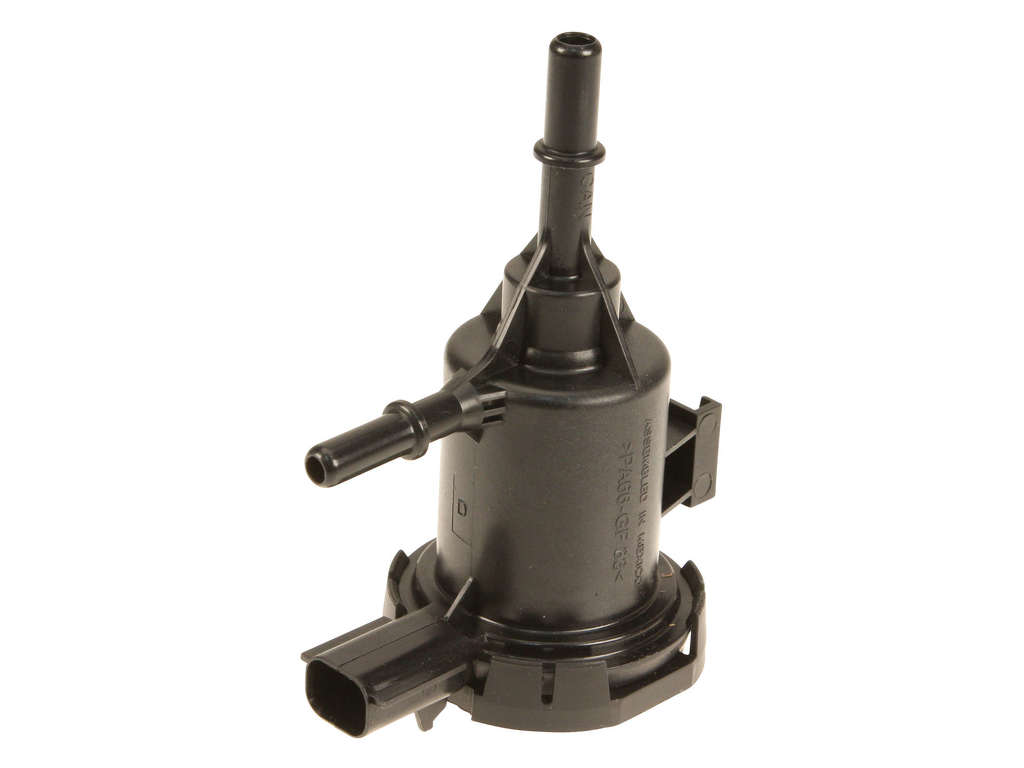
- The most likely cause on a 2007-2018 Wrangler is a failed sensor, which is part of the Evaporative System Integrity Module (ESIM), Mopar Part #04861962AD.
- Do not waste time with a smoke test or by replacing the gas cap for this specific code.
- Diagnosis involves checking the sensor's voltage with a scan tool and testing the wiring harness for a 5V reference, ground, and for a short on the signal wire before replacing parts.
- The repair is DIY-friendly for those comfortable working under the vehicle, takes less than an hour, and costs under $100 in parts.
What's Unique About the 2007-2018 Jeep Wrangler
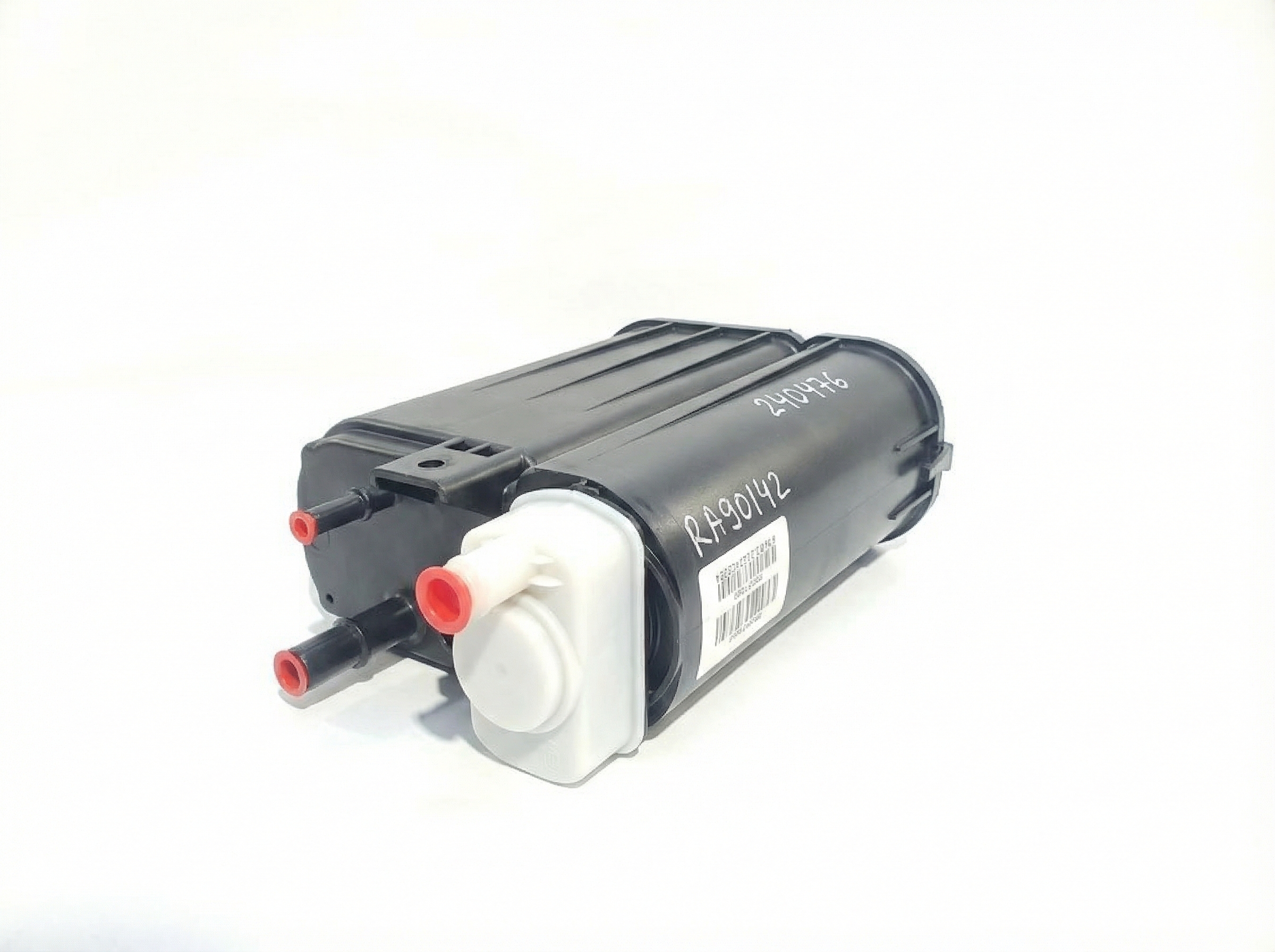
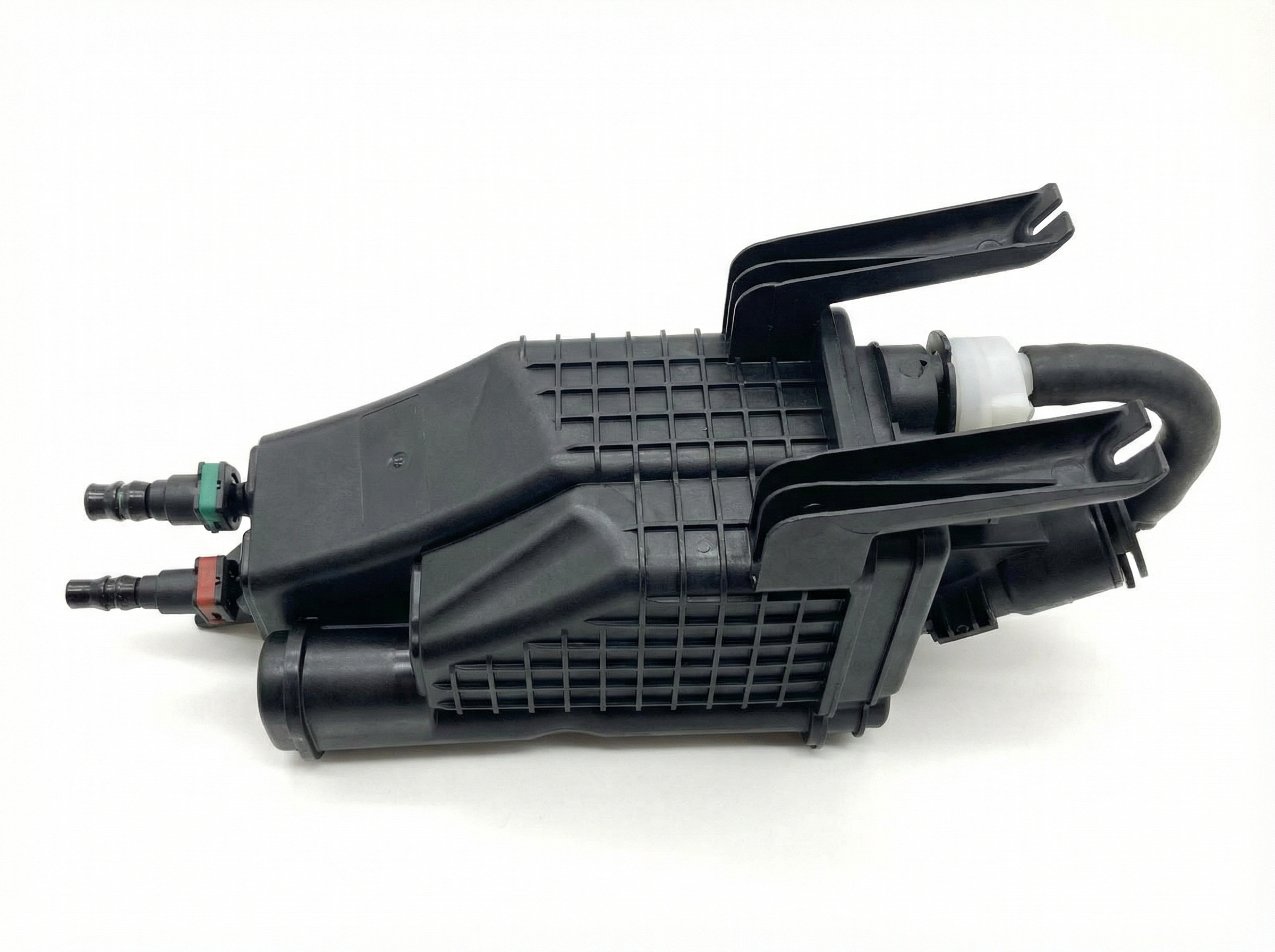
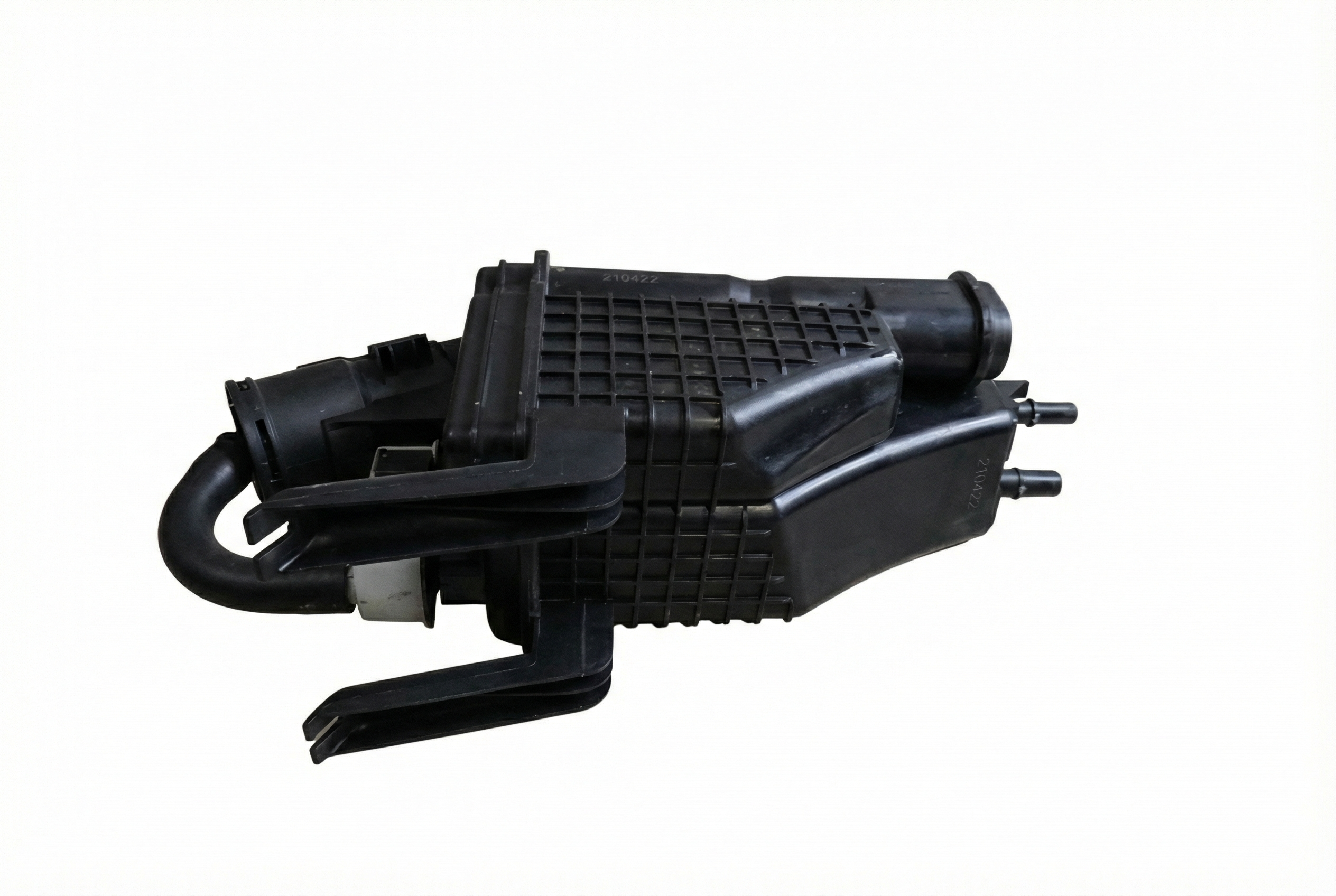
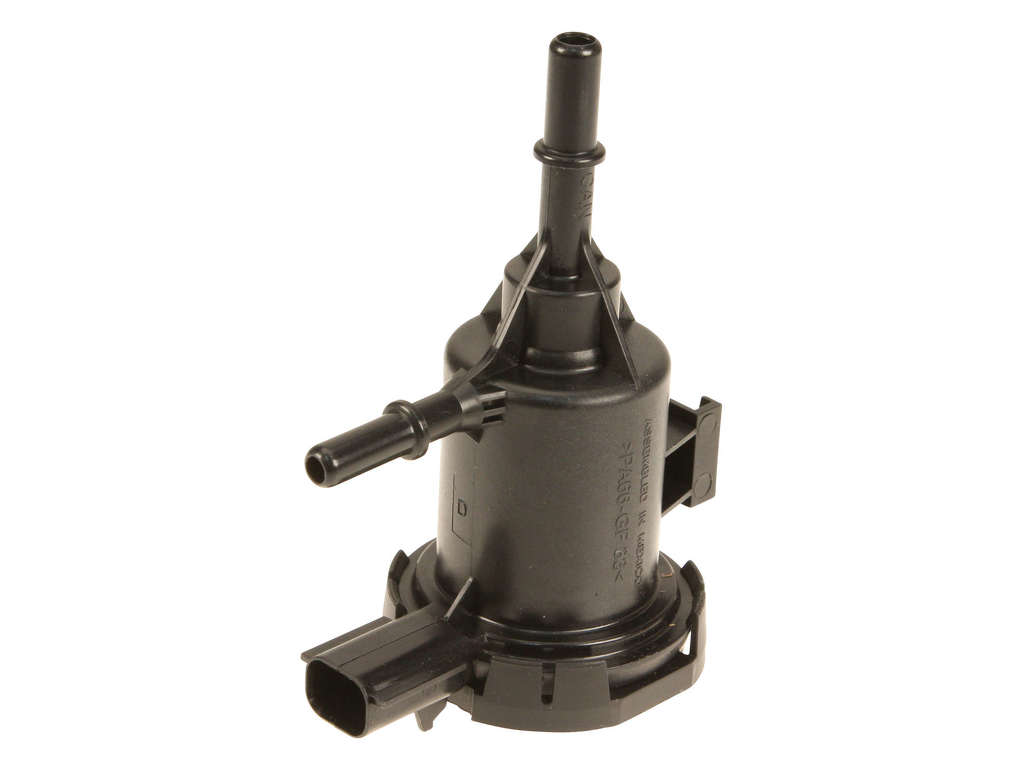
For the Jeep Wrangler JK (2007-2018), the fuel tank pressure sensor is not a standalone part. It is integrated into the Evaporative System Integrity Module (ESIM), also known as the leak detection pump. This entire assembly is mounted directly to the charcoal canister located near the rear axle, in front of the rear tire. Owners consistently find that replacing the complete ESIM/leak detection pump assembly is the most direct and successful way to fix the P0452 code, as the sensor itself is the common failure point within that unit.
Generation note: The 2007-2018 model years cover the 'JK' generation of the Jeep Wrangler. The causes and fixes are consistent across this entire generation, applying to both the 3.8L and 3.6L engines.
Symptoms You May Notice
- Check Engine Light is on
- Possible faint fuel smell (rare)
- "Gascap" message on the odometer (less common for P0452, more common for leak codes, but can occur)
- Replacing the gas cap. A bad gas cap typically causes a leak-related code (like P0455, P0456, or P0457), not a sensor circuit code like P0452.
- Performing a smoke test. P0452 is an electrical circuit code, not a system leak code. A smoke test is used to find physical leaks and will almost always pass when only P0452 is present.
Most Likely Causes
- Faulty Leak Detection Pump / Fuel Tank Pressure Sensor 🔴 High Probability The sensor is integrated into the leak detection pump assembly (ESIM), which is exposed to the elements under the rear of the vehicle. Internal failure of the sensor is common over time, sometimes indicated by a rattling sound when the unit is shaken. The plastic nipple where the hose attaches can also crack, causing a leak.
How to confirm: Using a scan tool, observe the live data for the Fuel Tank Pressure sensor. If the voltage reads consistently low (e.g., <0.5V) and does not change, the sensor is likely bad. A YouTube video shows a failed unit rattling when shaken, indicating a broken internal component. On forums, owners confirm that replacing this part is the most frequent fix.
Typical fix: Replace the entire leak detection pump assembly (ESIM). This part is located on the EVAP canister near the rear axle. The repair involves disconnecting one electrical connector, one hose, and turning the module to release it from the canister.
Est. part cost: $40-$80 - Wiring or Connector Issue 🟡 Medium Probability The wiring harness runs along the vehicle's frame to the rear, making it susceptible to damage from road debris, corrosion, or chafing, especially on a vehicle designed for off-road use. A short to ground in the signal circuit is a primary cause for the 'low input' code. Rodent damage to the harness is also a known issue.
How to confirm: Visually inspect the wiring harness and connector leading to the leak detection pump for any signs of damage, corrosion (green crust), or loose pins. Use a multimeter to check for a 5-volt reference signal, a good ground, and continuity on the signal wire back to the PCM. If the 5V reference and ground are present, but the signal wire shows continuity to ground with the sensor disconnected, the wire is shorted.
Typical fix: Repair the damaged section of the wire or replace the connector pigtail.
Est. part cost: $5-$25
Rare But Worth Checking
- Faulty Powertrain Control Module (PCM): This is extremely rare. The PCM should only be considered after all other possibilities, including the sensor and wiring, have been thoroughly tested and ruled out.
- Blocked EVAP Line: In rare cases, particularly after heavy off-roading in mud, a line between the fuel tank and the EVAP canister can become clogged. This can sometimes trap pressure or vacuum, causing abnormal sensor readings, though it's less common for the specific P0452 low circuit fault.
Diagnosis Steps
- Connect an OBD-II scanner and confirm that P0452 is the only code present. If other EVAP codes are stored, diagnose them first.
- Using the scanner's live data function, monitor the voltage from the 'Fuel Tank Pressure Sensor'. A reading stuck below 0.5V, regardless of whether the engine is running or the gas cap is removed, points towards a sensor or circuit issue.
- Locate the leak detection pump/ESIM assembly on the charcoal canister at the rear of the Jeep, just in front of the rear axle.
- Inspect the electrical connector and wiring going to the assembly. Look for green corrosion, chafed wires, or loose pins.
- If the wiring looks good, disconnect the sensor and use a multimeter to test the harness side of the connector. With the key on, you should find a 5-volt reference wire, a ground wire, and the signal wire.
- If the 5-volt reference or ground is missing, there is a wiring issue between the PCM and the sensor. If both are present, the sensor assembly is the most likely culprit.
- If you suspect a wiring short, turn the ignition off, disconnect the PCM, and check for continuity between the signal wire pin at the ESIM connector and a chassis ground. If there is continuity, the signal wire is shorted to ground and needs repair.
- If wiring tests pass, replace the leak detection pump assembly (ESIM). This is the most common resolution.
Parts You'll Likely Need
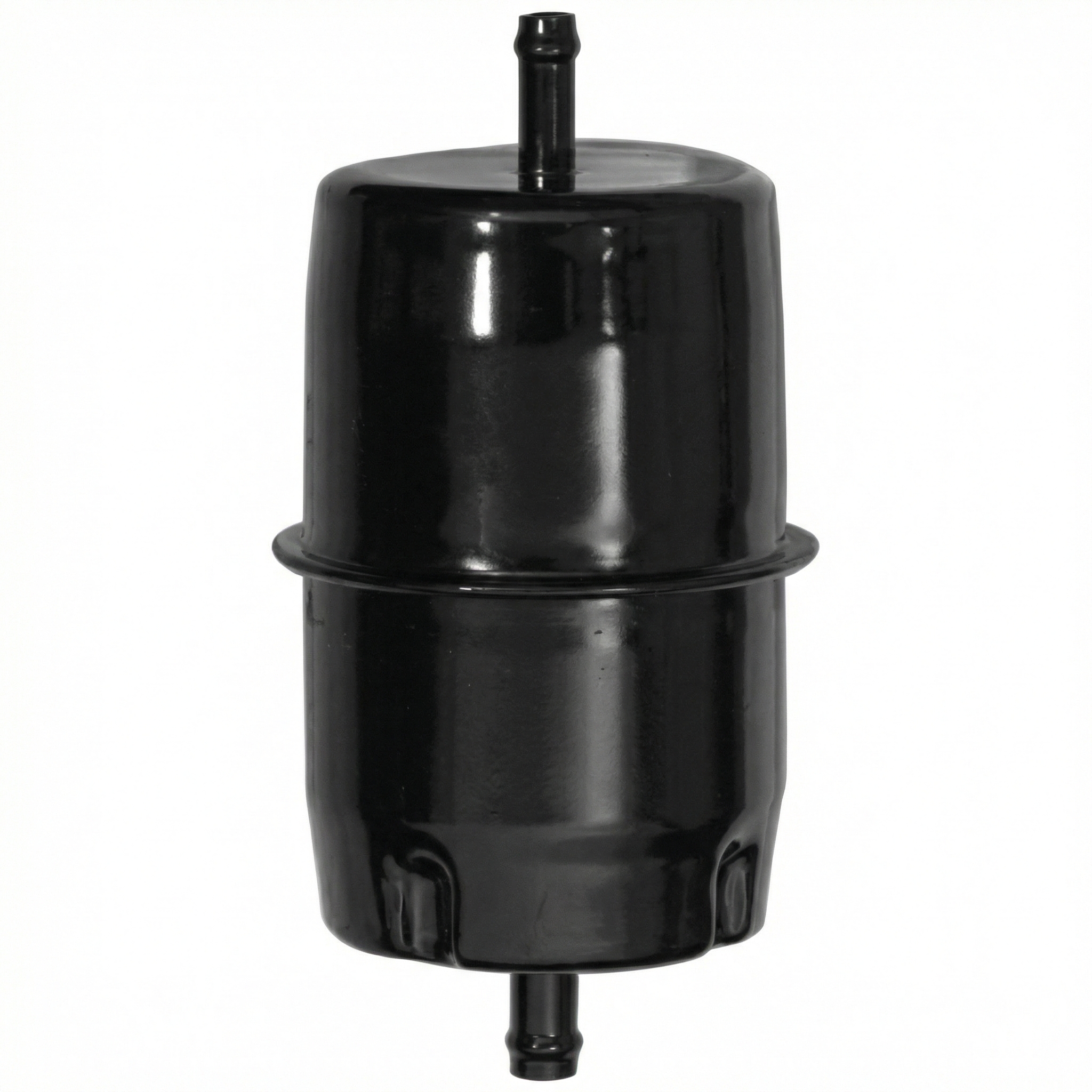
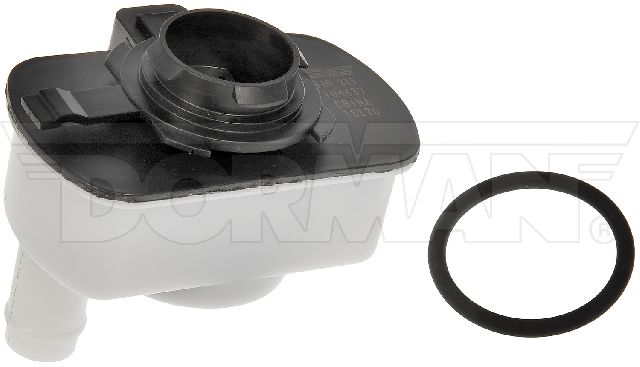
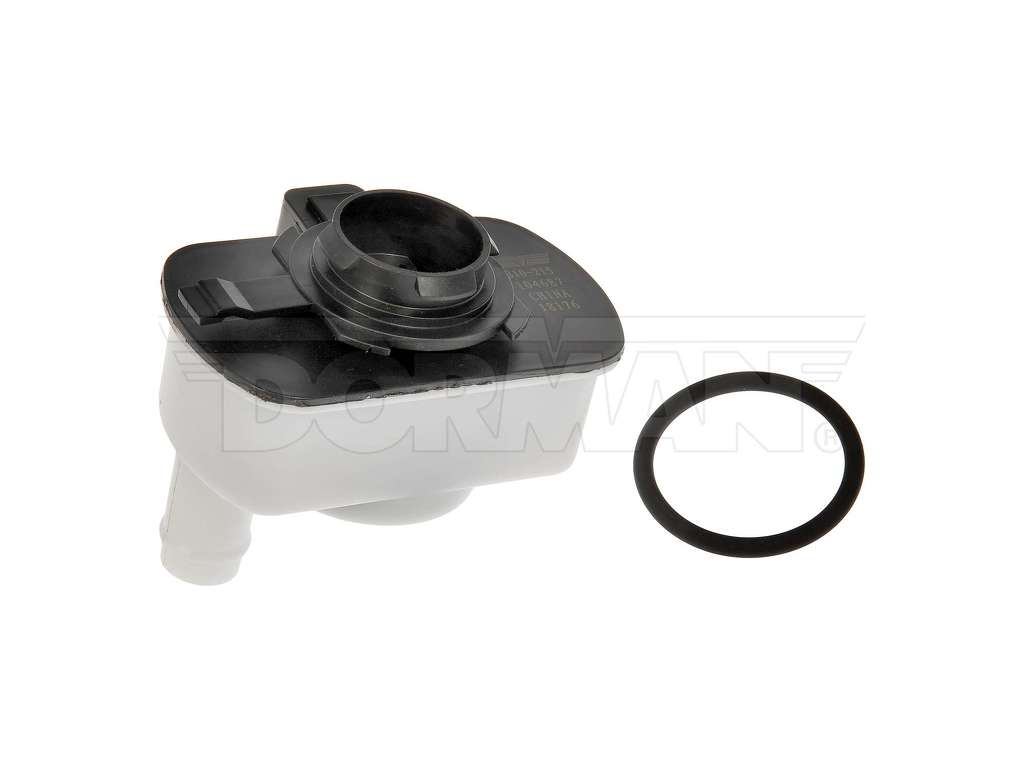
- Evaporative System Integrity Module (ESIM) / Leak Detection Pump
(OEM #04861962AD (supersedes 4861962AA, 4861962AB, 4861962AC))— This assembly contains the fuel tank pressure sensor, which is the most common failure point for code P0452 on this vehicle.
Trusted brands: Mopar, Dorman, Standard Motor Products
OEM price range: $70-$110
Aftermarket price range: $25-$80
Technical Service Bulletins (TSBs) & Recalls
- While no TSBs directly address the P0452 code specifically, TSB 18-089-19 exists for diagnosing a small leak code (P0456), which involves a different diagnostic path. The lack of a specific TSB for P0452 reinforces that it's typically a straightforward component failure.
Mechanic-Grade Diagnostic Values
- ESIM/FTP Sensor Connector - 5V Reference Wire — expected: ~5.0 volts with key on, engine off. Failure: 0V or significantly low voltage indicates an open or short in the reference circuit from the PCM.
- ESIM/FTP Sensor Connector - Ground Wire — expected: Near 0 ohms resistance to a known good chassis ground. Failure: High resistance (OL) indicates a broken ground wire or a bad ground point (like G104).
- ESIM/FTP Sensor Connector - Signal Wire (harness side, sensor disconnected) — expected: Should not have continuity to ground.. Failure: Continuity to ground (near 0 ohms) indicates the signal wire is shorted to ground somewhere in the harness.
Scan Tool Commands That Help
- wiTECH (Chrysler/Jeep Dealer Tool): ESIM Force Monitor Test / Large Leak Test — This command forces the EVAP system to run a self-test, allowing a technician to monitor the ESIM switch state and system pressure data in real-time. It can help verify if the ESIM is responding electrically and mechanically, which is useful for differentiating a bad sensor from a wiring issue before replacing parts.
Wiring & Ground Locations
- ESIM Connector — On the ESIM/Leak Detection Pump, which is attached to the EVAP canister located in front of the rear axle, under the vehicle.. This is the primary connection point for the Fuel Tank Pressure sensor. All voltage and signal tests for the sensor circuit are performed here.
- G104 — On the engine block, typically near the thermostat housing on the passenger side.. While not the primary ground for the ESIM, G104 serves as a ground point for multiple engine and emissions components, including O2 sensor heaters. A corroded or loose G104 can cause widespread electrical issues and has been anecdotally linked to various EVAP circuit codes on Jeeps.
Real Owner Repair Stories
- YouTube channel 4WDVNT-19 (2013 Jeep Wrangler JKU) — Check Engine Light with codes P0452 and P0457.
❌ Tried (didn't work) Initial research was confusing due to lack of specific P0452 videos.
✅ What actually fixed it The P0452 code was resolved by replacing the leak detection pump (ESIM). The old unit rattled when shaken, indicating an internal failure. The P0457 was fixed with a new gas cap. - JK-Forum.com user (Jeep Wrangler JK (year not specified)) — Check Engine Light for EVAP system after the vehicle sat for months.
✅ What actually fixed it A visual inspection revealed that a mouse had chewed through the wiring and connector for the EVAP canister/ESIM. The fix was to repair the damaged wiring harness.
OEM Part Supersession History
4861962AA, 4861962AB, 4861962AC→04861962AD— Standard part revision and improvement over time.
Heads up: All parts are reported to be interchangeable for the 2007-2018 JK model range. No significant incompatibility issues are noted between revisions.
Model Year Variations Within This Range
- 2007-2018 (JK) vs 2018+ (JL): While the ESIM part itself is very similar or the same, the location of the EVAP canister assembly changed. On the JK, it is relatively exposed under the vehicle near the rear axle. On the newer JL model, it was relocated to a more protected position inside the passenger-side rear wheel well.
Diagnostic Flowchart
Other Known Issues on This Vehicle
Issues unrelated to this code that are worth knowing about as an owner of this generation:
- Cracked/Leaking Oil Filter Housing (3.6L Pentastar) 🔴 High — Extremely common, typically occurs between 80,000-120,000 miles. The plastic housing cracks or the seals degrade from heat cycles, causing oil to pool in the engine valley and leak down the back of the engine. (Ref: Multiple TSBs exist, including one noting high replacement rates and advising to first replace gaskets (Mopar P/N 68191356AB) or O-rings (Mopar P/N 68191349AC) before the whole assembly.)
- "Death Wobble" Front End Vibration 🔴 High — A characteristic issue for solid front-axle vehicles. Can occur at any mileage, on stock or lifted Jeeps, typically triggered by hitting a bump at speeds over 45 MPH. It is not a single part failure but caused by looseness in any combination of front-end components. (Ref: A warranty extension (XF1) and TSB were issued for the steering damper, which can mask the issue but is not the root cause. The most common culprit is a worn front track bar.)
- Totally Integrated Power Module (TIPM) Failure 🔴 High — Common across 2007-2018 models. Internal relays in the TIPM (fuse box) fail, causing erratic electrical behavior like the fuel pump not turning on (crank-no-start), wipers or horn activating randomly, or door locks malfunctioning. (Ref: No recall, but it is a widely documented failure. Repair involves replacing the TIPM or sending it to a specialist for rebuilding.)
- Clogged Heater Core 🟠 Medium — Common across all model years, leading to poor or no heat output from the vents. Often caused by casting sand left over from the engine manufacturing process, which clogs the fine passages of the heater core.
- Water Leaks (Hard Top and Doors) 🟡 Low — A very common complaint. Leaks typically occur at the A-pillar/door seals and the junction of the 'Freedom Panels' on hardtops, often due to pinched or degraded seals.
- Clockspring Failure 🟠 Medium — Common failure causing the airbag light to illuminate and loss of function for steering wheel controls (horn, cruise control). A warranty extension (X68) was issued for this part. (Ref: Warranty Extension X68 / TSB #08-005-17 REV. A)
Used vs. New Parts: Buying Guide for This Vehicle
When a used part is the smart pick: Given the low cost of a new aftermarket part (around $40) and the high failure rate of the original component due to its electronic nature and exposure to the elements, buying a used ESIM is not recommended. The risk of getting a part that has already failed or is near the end of its life is high.
Aftermarket brands forum-validated for this vehicle:
- Dorman
- Standard Motor Products (SMP)
Brands owners have reported issues with on this vehicle:
- No specific brands are consistently reported as problematic, but ultra-cheap, unbranded parts from online marketplaces may have lower quality control.
Real Owner Stories
Aggregated from forums and TSBs cited above. Mileages and costs reflect what owners reported in those sources.
Jeep Wrangler JKU
Symptoms: Check Engine Light was on with codes P0452 and P0457. The old leak detection pump was rattling internally when shaken.
What fixed it: The P0452 code was resolved by replacing the leak detection pump.
Source hint: YouTube - 4WDVNT-19
Jeep Wrangler JK
Symptoms: A recurring P0452 code that returned intermittently, especially after off-roading damage that had previously required replacing the fuel tank and canister.
What fixed it: The forum discussion reinforced that the most common fix for this recurring issue is the failure of the sensor/pump assembly.
Source hint: JK-Forum.com - 'p0452...not the first time'
Jeep Wrangler
Symptoms: Owner had an active P0452 error code and was seeking advice.
What fixed it: The recommended fix was to replace the ESIM (Evap system integrity module) attached to the charcoal canister, which was identified as the most common culprit.
Cost: $20-$30
Source hint: Reddit - r/JeepWrangler - 'Error Code P0452'
Related OBD-II Codes
Frequently Asked Questions
Is the P0452 code on my Wrangler caused by a loose gas cap?
Where is the part that typically causes P0452 located on my Jeep?
I heard a rattling sound from the back of my Jeep. Is this related to my P0452 code?
Could my recent off-roading trip have caused the P0452 check engine light?
How can I test the sensor before buying a new one?
Are there any official TSBs or recalls for code P0452 on the 2007-2018 Wrangler?
Used OEM Parts in Stock

New Aftermarket Parts Available


The information in this article is provided for general reference and educational purposes only. Vehicle specifications, procedures, and part compatibility can vary by production date, trim level, and region. Always consult your vehicle's factory service manual and verify part numbers before purchasing or performing repairs. Safety-critical components such as airbags, seat belts, and braking systems should be installed by a qualified professional.
- Jeep Wrangler:
- 🛍️ Shop This Part
- What's Unique About the 2007-2018 Jeep Wrangler
- Symptoms You May Notice
- Most Likely Causes
- Rare But Worth Checking
- Diagnosis Steps
- Parts You'll Likely Need
- Technical Service Bulletins (TSBs) & Recalls
- Mechanic-Grade Diagnostic Values
- Scan Tool Commands That Help
- Wiring & Ground Locations
- Real Owner Repair Stories
- OEM Part Supersession History
- Model Year Variations Within This Range
- Diagnostic Flowchart
- Other Known Issues on This Vehicle
- Used vs. New Parts: Buying Guide for This Vehicle
- Real Owner Stories
- Jeep Wrangler JKU
- Jeep Wrangler JK
- Jeep Wrangler
- Related OBD-II Codes
- Frequently Asked Questions
- 🎟️ Get 5% Off