

P0449 on 2020-2024 Ford Explorer 3.0L: EVAP Vent Circuit Causes and Fixes
On a 2020-2024 Ford Explorer, code P0449 is most often caused by corrosion in the C1198 wiring connector on the driver's side frame rail, not a bad vent solenoid. Inspecting and cleaning this connector is the most likely fix and should be done before replacing any parts. This issue is documented in Ford TSBs.
- Before buying any parts for a P0449 code, you MUST inspect connector C1198 on the driver's side frame rail for corrosion.
- This code points to an electrical circuit problem, not a system leak. Do not start by replacing the gas cap or performing a smoke test.
- The problem part is the VENT solenoid (near the fuel tank), not the PURGE solenoid (in the engine bay).
- Check fuse #7 (15A) in the under-hood fuse box early in your diagnosis.
What's Unique About the 2020-2024 Ford Explorer
While many vehicles with P0449 have a failed vent solenoid, the 2020-2024 Explorer has a known weakness in a specific wiring connector. Ford issued technical service bulletins (like SSM 51247) for other EVAP codes that point to corrosion in connector C1198, located on the driver's side frame rail. This connector is a large, multi-wire junction that is exposed to moisture and road spray from the front driver's side wheel. Problems here can easily cause the P0449 circuit code because the wiring for the EVAP system passes through it. Owners should investigate this connector before assuming the vent solenoid itself has failed.
Symptoms You May Notice
- Check Engine Light is on
- Difficulty refueling (gas pump clicks off before the tank is full)
- Possible faint fuel odor
- A 'whoosh' or hissing sound when removing the gas cap (if the vent is stuck closed).
- Replacing the gas cap. A bad gas cap causes EVAP *leak* codes (like P0455 or P0457), not a circuit code like P0449.
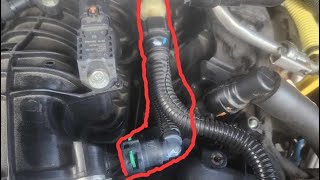
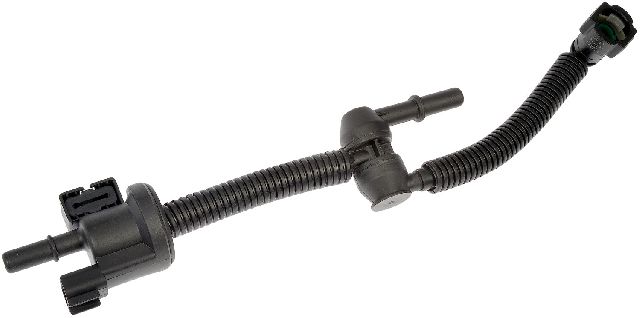
- Replacing the EVAP Purge Valve. The purge valve is located in the engine bay and has its own specific circuit code (P0443). P0449 points specifically to the vent valve circuit near the fuel tank. The purge valve for the 3.0L is often sold with its hoses as an assembly. 🎬 Watch: 2020+ Explorer ST EVAP purge valve replacement walkthrough
Most Likely Causes
- Corroded or Damaged Wiring at Connector C1198 🔴 High Probability Ford TSBs SSM 51247 and 51132 identify this connector as a common failure point for EVAP system issues on this platform due to its location on the driver's side frame rail, where it is exposed to moisture. Although the TSBs specifically mention the 2.3L engine, the connector serves as a junction for multiple vehicle systems across different powertrains, making it a relevant weak point for the 3.0L as well.
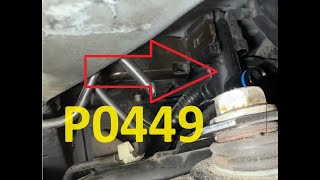
How to confirm: Locate connector C1198 on the driver's side lower frame, underneath the brake lines that route near the electric brake booster (EBB). Disconnect the battery, then unplug the large connector and inspect both sides for green or white corrosion, bent pins, or water intrusion. Pay close attention to the pins related to the EVAP system.
Typical fix: Clean the connector terminals with an electrical contact cleaner and a small brush. Apply dielectric grease before reconnecting to prevent future corrosion. If pins or wires are severely damaged, the connector may need to be repinned or a new pigtail (Motorcraft WPT-1198) spliced in.
Est. part cost: $10-$75 - Failed EVAP Canister Vent Solenoid 🟡 Medium Probability The vent solenoid is located under the vehicle near the rear, where it is exposed to road debris and moisture, which can lead to internal failure over time. While less common than the C1198 issue on this platform, it remains a possible cause.
How to confirm: The vent solenoid is attached to the charcoal canister at the rear of the vehicle. If the wiring at C1198 and at the solenoid itself is good, you can test the solenoid. Apply 12V power and a ground to its terminals; a healthy solenoid will make an audible click. You can also check its resistance with a multimeter (compare to a new part's specification if available).
Typical fix: Replace the EVAP canister vent solenoid. It is often serviced with the charcoal canister assembly.
Est. part cost: $40-$110 - Blown Fuse ⚪ Low Probability
How to confirm: Check fuse #7 (15A) in the under-hood fuse box. If the fuse is blown, inspect the vent solenoid wiring for a short circuit before replacing the fuse.
Typical fix: Replace the blown 15A micro fuse.
Est. part cost: $1-$5
Rare But Worth Checking
- Damaged Charcoal Canister: If the canister is physically cracked or the ports are clogged with debris, it can cause related EVAP issues. This is usually accompanied by other leak codes.
- Faulty Powertrain Control Module (PCM): This is extremely rare. The PCM's internal driver for the vent solenoid circuit can fail, but all other possibilities must be exhausted before condemning the PCM.
Diagnosis Steps
- Read the trouble codes with an OBD-II scanner to confirm P0449 is present and note any other codes.
- Inspect Fuse #7 (15A) in the under-hood fuse box. If it's blown, inspect the wiring to the vent solenoid for a short before replacing it.
- Locate connector C1198 on the driver's side lower frame rail, near the electric brake booster.
- Disconnect the battery. Unplug C1198 and thoroughly inspect both halves for green/white corrosion, moisture, or damaged pins. This is the most likely cause.
- If corrosion is found, clean the terminals with electrical contact cleaner and a small brush. Apply dielectric grease and reconnect. Clear codes and re-test.
- If the connector is clean, locate the charcoal canister at the rear of the vehicle. Inspect the wiring and connector going directly to the vent solenoid for damage.
- Using a multimeter, check for 12V power at the vent solenoid connector with the key on. One wire should have power.
- If power and wiring are good, test the solenoid itself. Apply 12V and ground to the solenoid's pins to see if it clicks. If it doesn't, the solenoid has failed.
- If all wiring and the solenoid test good, the fault may be a broken wire between C1198 and the PCM, or a rare internal PCM failure.
Parts You'll Likely Need
- EVAP Connector Pigtail
(OEM #WPT-1198)— This is the pigtail for the C1198 connector, which is a known failure point for corrosion on this vehicle.
Trusted brands: Motorcraft
OEM price range: $40-$75
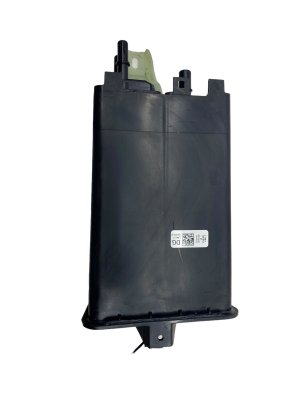
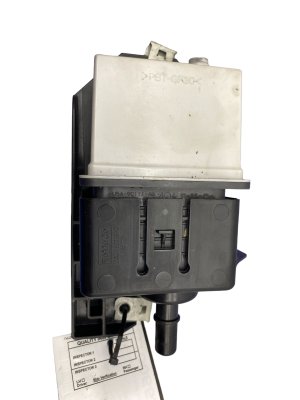
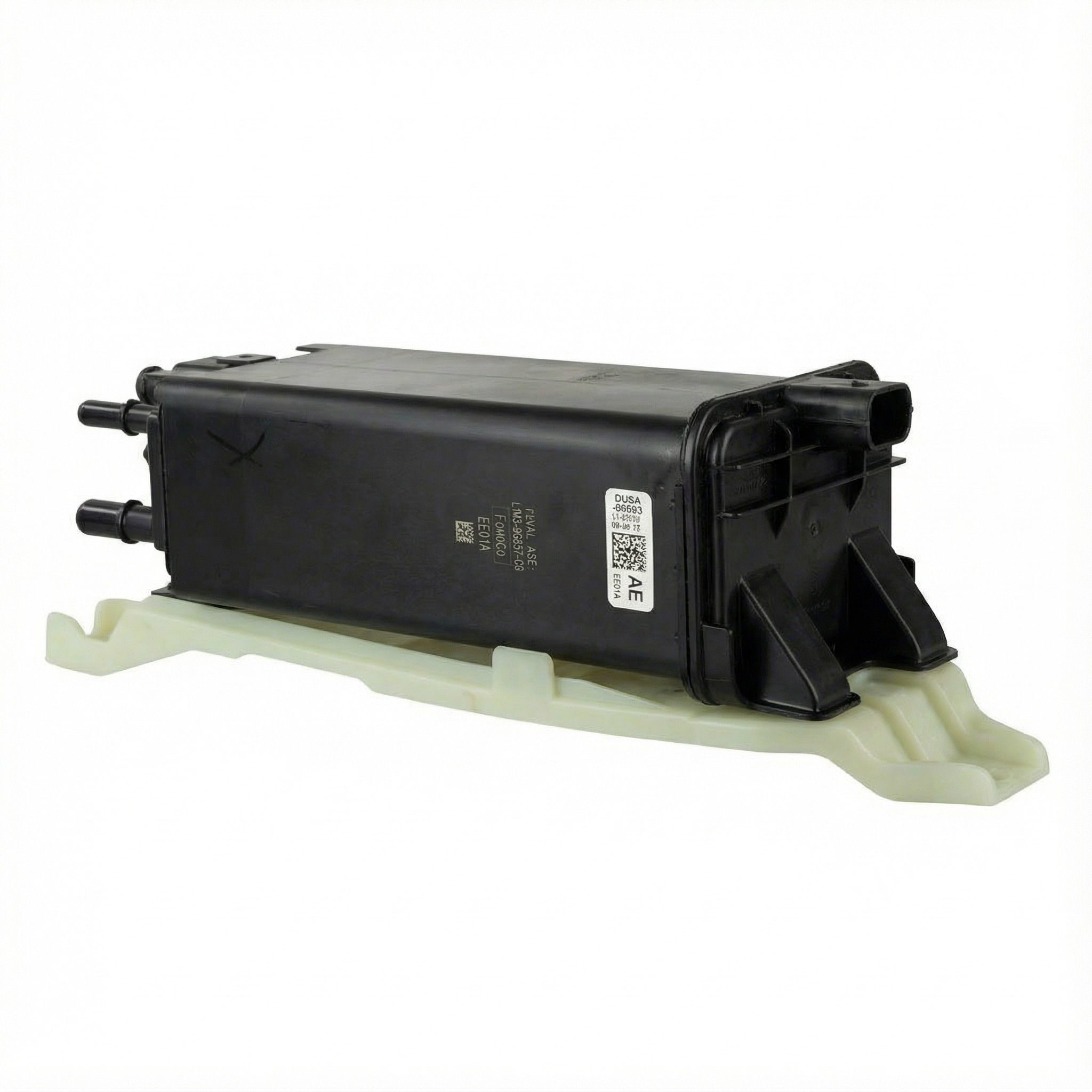
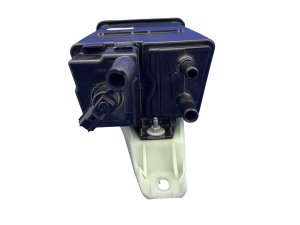
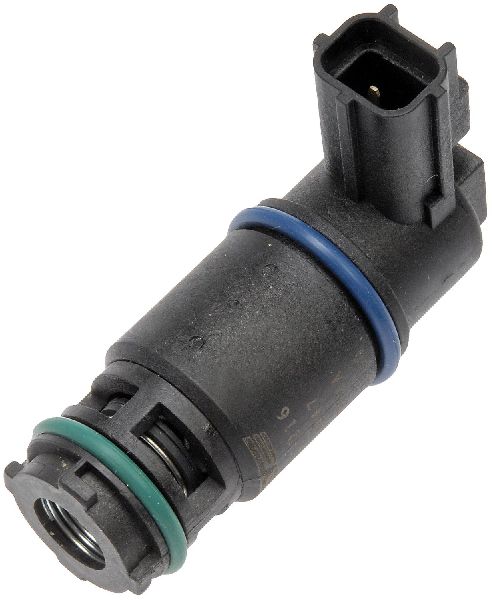
Aftermarket price range: $20-$50 - EVAP Canister Vent Solenoid — If the wiring is confirmed to be good, the solenoid itself is the next most likely failure. It is often sold as part of the charcoal canister assembly.
Trusted brands: Motorcraft, Dorman, Standard Motor Products
OEM price range: $70-$150
Aftermarket price range: $40-$110 - Vapor Canister Purge Valve
(OEM #FB5Z-9G271-A)— This is NOT for code P0449, but is often confused with the vent solenoid. This part is in the engine bay and causes different codes (like P0443 or P0456). Included for differentiation.
Trusted brands: Motorcraft
OEM price range: $35-$60
Aftermarket price range: $25-$45
Related Codes That Often Appear With This One
- P0451 — This code for the EVAP Pressure Sensor can be triggered by the same wiring fault in connector C1198, as noted in Ford TSB SSM 51247.
- P0455 — A large leak code can appear alongside P0449 if the wiring fault at C1198 also affects the Fuel Tank Pressure (FTP) sensor readings or if the vent valve is stuck open due to the electrical fault.
- P0456 — A small leak code can also be caused by the wiring issue at connector C1198, causing multiple EVAP codes to appear at once.
- P04F0 — This EVAP system code is also listed in TSB SSM 51247 as being potentially caused by the C1198 connector issue.
Technical Service Bulletins (TSBs) & Recalls
- SSM 51247: Points to connector C1198 on the driver's side frame as a likely cause for various EVAP codes (P04F0, P0451, P0455, P0456, etc.) on 2020-2022 Explorers due to wiring issues.
- SSM 51132: An earlier version of the TSB also pointing to connector C1198 as the root cause for multiple EVAP DTCs.
Platform-Specific Known Issues
- Ford TSBs SSM 51247 and SSM 51132 highlight a high probability of EVAP system codes being caused by corrosion or damage to the C1198 wiring harness connector on the driver's side frame rail.
Mechanic-Grade Diagnostic Values
- Voltage Reference (VREF) at sensors fed by C1198 — expected: 5.0 Volts (KOEO). Failure: A reading significantly lower than 5.0V indicates high resistance, likely within connector C1198.
- Fuel Tank Pressure (FTP) sensor signal voltage — expected: ~2.5 - 2.7 Volts (KOEO at atmospheric pressure). Failure: A reading near 0V or 5V indicates an open or shorted circuit, potentially originating at C1198.
- EVAP Canister Vent Solenoid power feed wire — expected: 12V / Battery Voltage (KOEO). Failure: No voltage indicates a blown fuse or an open in the power supply wire.
- EVAP Canister Vent Solenoid resistance — expected: Approximately 20-50 Ohms (General specification). Failure: An over-limit (open) or very low (shorted) resistance reading indicates a faulty solenoid.
Scan Tool Commands That Help
- Ford IDS (Integrated Diagnostic System): Manual EVAP System Test / EVAP Monitor Test — To force the EVAP monitor to run and test the integrity of the entire system. It allows a technician to command the vent solenoid closed and monitor the FTP sensor to verify the system can seal and hold a vacuum.
- Ford IDS (or equivalent professional scanner): Cold Soak Bypass — This function allows a technician to run the EVAP monitor test without the mandatory multi-hour cold soak period, drastically reducing diagnostic time.
- Ford IDS (or equivalent professional scanner): Output Control for EVAP Vent Solenoid — To directly command the vent solenoid on and off (closed and open) while monitoring circuit voltage or listening for an audible click from the solenoid, confirming both the PCM driver and the solenoid itself are functional.
Wiring & Ground Locations
- C1198 — On the driver's side lower frame rail, located underneath the brake lines near the Electric Brake Booster (EBB).. This is the primary failure point identified in Ford TSBs. It's a large harness connector exposed to moisture, and corrosion here disrupts the power, ground, or signal wires for the vent solenoid and other EVAP components, directly causing P0449 and related codes.
- Wiring Diagram Cell 22-12 — In the official Ford service manual wiring diagrams.. Ford TSB SSM 51247 specifically directs technicians to this diagram to identify the critical Voltage Reference (VREF) wires that pass through connector C1198, which is essential for accurate diagnosis.
- G104 — On the right side of the engine compartment, near the front corner.. This is a major chassis ground point for multiple engine compartment components. While not directly linked to the P0449 circuit in findings, a poor ground here could cause various difficult-to-diagnose electrical issues.
Real Owner Repair Stories
- Explorer ST Forum user report (2020-2022 Ford Explorer ST (3.0L EcoBoost)) — Check Engine Light with EVAP codes P04F0 and P0496.
❌ Tried (didn't work) Replaced the EVAP canister purge valve., Smoke tested the system multiple times with no leaks found.
✅ What actually fixed it A dealer technician aware of the TSBs inspected connector C1198, found green corrosion on several pins, cleaned the connector, and applied dielectric grease. The codes did not return. The repair was billed as 2 hours of diagnostic labor.
"I Checked Everything" — The Actual Cause
- A common scenario for this vehicle is passing a smoke test, which only checks for physical leaks, but still having EVAP codes. The actual cause is frequently electrical: corrosion within the C1198 frame rail connector disrupts the circuit, a fault that a smoke test cannot detect.
Model Year Variations Within This Range
- 2020-2022: The key Technical Service Bulletins (SSM 51247, SSM 51132) that identify the C1198 connector as the primary culprit for a range of EVAP codes specifically list the 2020-2022 model years. While the issue may persist on 2023-2024 models due to the same design, the official documentation is concentrated on these earlier years.
Diagnostic Flowchart
Other Known Issues on This Vehicle
Issues unrelated to this code that are worth knowing about as an owner of this generation:
- Rear Axle Bolt Fracture 🔴 High — Common enough to trigger multiple recalls (22S27, 23S55) affecting 2020-2022 models. The bolt can fracture under acceleration, potentially leading to a loss of power or vehicle rollaway in park. (Ref: Recall 23S55 / NHTSA 23V-675)
- 10R60 Transmission Faults (Harsh/Erratic Shifting) 🔴 High — Extremely common across all 2020+ Explorer powertrains. Issues range from harsh shifting and delayed engagement to complete failure, often related to the main control valve body or CDF clutch drum. Some owners report improvement by correcting low transmission fluid levels from the factory. (Ref: TSB 23-2250, TSB 22-2428)
- 360-Degree Camera System Failure 🟠 Medium — Widespread on 2020-2023 models equipped with the system, affecting hundreds of thousands of vehicles. The primary symptom is a blue or black screen on the SYNC display when in reverse. (Ref: Recall 23S23 / NHTSA 23V-022)
- Cam Phasers Rattle on Cold Start 🟠 Medium — Mentioned in owner forums as a 'signature problem' for early model year (2020) 3.0L STs, causing a rattling noise from the engine for a few seconds after a cold start. (Ref: Related TSBs exist for other EcoBoost engines, like 23-2133 for the 3.5L.)
- Leaking Front Axle Boots 🟡 Low — Owners of 2020 models report finding grease leaking from the front axle shaft boots, requiring replacement under warranty.
Used vs. New Parts: Buying Guide for This Vehicle
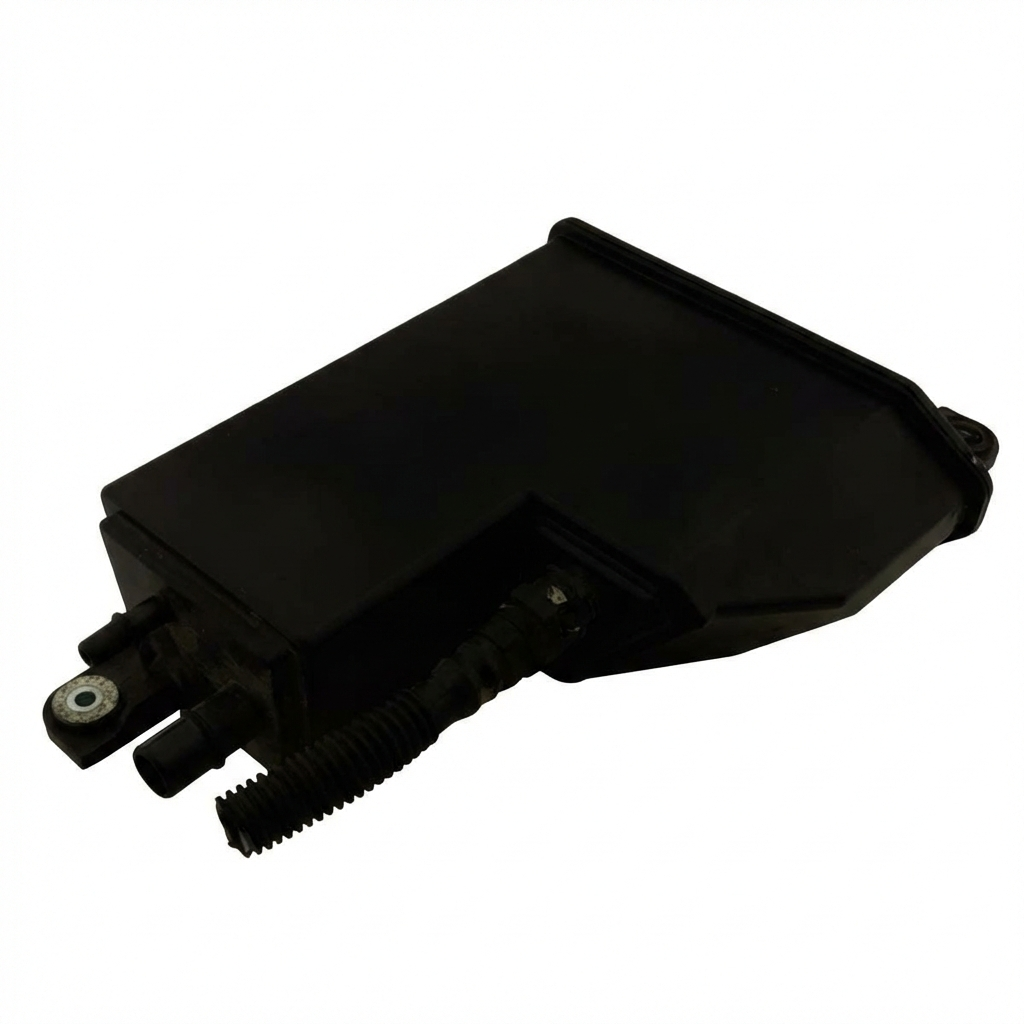
When a used part is the smart pick: A used EVAP canister vent solenoid from a verified low-mileage, non-corroded donor vehicle can be a cost-effective alternative to a new part. Since it's a simple electromechanical valve, failure is not always tied to age alone.
Donor-vehicle mileage cap: roughly under 60000 miles for the part to have meaningful remaining life.
What to inspect on the donor part:
- Inspect the donor vehicle's undercarriage for excessive rust or mud, which suggests harsh environmental exposure.
- Check the solenoid's plastic housing for cracks or physical damage.
- Examine the electrical connector pins on the used solenoid; they must be clean, straight, and free of any green or white corrosion.
- If possible, test the used solenoid by applying 12V power and ground to its pins to confirm it makes an audible 'click'.
OEM-only on this vehicle (don't cheap out):
- Powertrain Control Module (PCM) — Never use a used PCM; it must be a new, genuine part programmed specifically for the vehicle's VIN.
- Wiring Harness Pigtail (WPT-1198) — It is strongly recommended to use the OEM Motorcraft pigtail for the C1198 connector repair. The quality of the wire, terminals, and seals is critical to prevent a repeat failure.
Aftermarket brands forum-validated for this vehicle:
- Standard Motor Products (SMP)
- Dorman
Brands owners have reported issues with on this vehicle:
- No-name, unbranded parts from online marketplaces should be avoided, as the quality of the solenoid windings and internal seals can be poor, leading to premature failure.
Real Owner Stories
Aggregated from forums and TSBs cited above. Mileages and costs reflect what owners reported in those sources.
2020 Ford Explorer ST 3.0L EcoBoost
Symptoms: Check engine light for EVAP codes; owner noted the vehicle was part of a community discussion regarding chronic platform issues including camera failures and transmission shifts.
What fixed it: Inspection of the C1198 wiring harness connector on the driver's side frame rail for corrosion or damage as highlighted in SSM 51247.
Source hint: reddit.com/r/FordExplorerST
2020-2022 Ford Explorer
Symptoms: Multiple EVAP system codes appearing simultaneously, potentially including P0449.
What fixed it: Cleaning connector terminals with electrical contact cleaner and applying dielectric grease, or repinning the connector if severely corroded.
Source hint: SSM 51247
Related OBD-II Codes
Frequently Asked Questions
Does SSM 51247 apply to my 2020-2024 Ford Explorer with the 3.0L EcoBoost engine?
Where is the C1198 connector located on my Explorer?
Why does the gas pump click off early when I try to refuel my Explorer?
Which fuse should I check for the EVAP vent solenoid on the 3.0L EcoBoost?
Can I use a used vent solenoid to fix this issue?
Is there a specific part recommended for repairing the wiring at the C1198 connector?
Helpful Videos
Used OEM Parts in Stock
New Aftermarket Parts Available


The information in this article is provided for general reference and educational purposes only. Vehicle specifications, procedures, and part compatibility can vary by production date, trim level, and region. Always consult your vehicle's factory service manual and verify part numbers before purchasing or performing repairs. Safety-critical components such as airbags, seat belts, and braking systems should be installed by a qualified professional.
- Ford Explorer:
- 🎬 Helpful Videos
- 🛍️ Shop This Part
- What's Unique About the 2020-2024 Ford Explorer
- Symptoms You May Notice
- Most Likely Causes
- Rare But Worth Checking
- Diagnosis Steps
- Parts You'll Likely Need
- Related Codes That Often Appear With This One
- Technical Service Bulletins (TSBs) & Recalls
- Platform-Specific Known Issues
- Mechanic-Grade Diagnostic Values
- Scan Tool Commands That Help
- Wiring & Ground Locations
- Real Owner Repair Stories
- "I Checked Everything" — The Actual Cause
- Model Year Variations Within This Range
- Diagnostic Flowchart
- Other Known Issues on This Vehicle
- Used vs. New Parts: Buying Guide for This Vehicle
- Real Owner Stories
- 2020 Ford Explorer ST 3.0L EcoBoost
- 2020-2022 Ford Explorer
- Related OBD-II Codes
- Frequently Asked Questions
- 🎟️ Get 5% Off