

P0443 on 2007-2011 Toyota Camry: EVAP Purge Valve Circuit Causes and Fixes
On a 2007-2011 Toyota Camry, code P0443 almost always points to a failed EVAP purge valve (solenoid) or its connector wiring. It's an easy DIY replacement located in the engine bay, with an aftermarket part costing around $70-$120. Always check for broken wires at the connector before replacing the valve.
- P0443 on a 2007-2011 Camry is an electrical circuit code, not a leak code.
- The most likely culprit by far is the purge valve solenoid itself or the wiring at its connector.
- Diagnosis is simple with a basic multimeter to check resistance on the valve and voltage at the connector.
- This is a very DIY-friendly repair that can be done in under 30 minutes with basic tools.
- Do not waste money on a new gas cap for this specific code, as it relates to a circuit fault, not a system leak.
What's Unique About the 2007-2011 Toyota Camry

For the XV40 generation Camry (2007-2011), this code is a very common and straightforward issue. Unlike some vehicles where the purge valve is buried, on the Camry's 2.4L (2AZ-FE) and 3.5L (2GR-FE) engines, it's easily accessible in the engine bay, making for a quick diagnosis and repair. The failure is almost always the valve itself or the wiring directly at its connector, rather than more complex wiring or computer issues.
Symptoms You May Notice
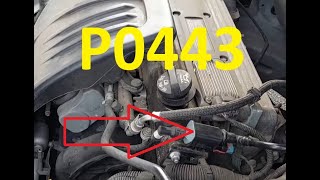
- Check Engine Light is on. 🎬 Watch: Understanding the causes and fixes for code P0443
- Slightly reduced fuel economy.
- A faint fuel odor may be present.
- Difficulty starting the engine, especially after filling the gas tank (if the valve is stuck open).
- Rough idle or engine hesitation.
- Engine stalling in rare cases if the valve is stuck open.
- Replacing the gas cap. A bad gas cap typically causes EVAP leak codes (like P0455 or P0456), not a circuit malfunction code like P0443.
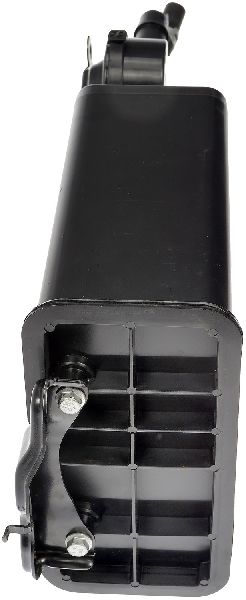
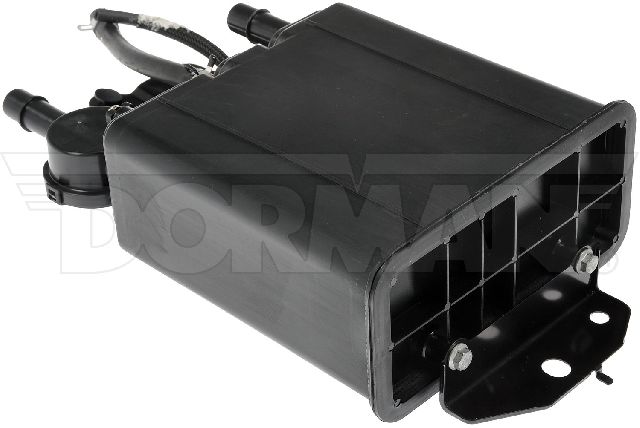
- Replacing the charcoal canister. The canister is a passive component that stores vapors; it is not part of the electrical circuit and would not cause a P0443 code.
Most Likely Causes

- Faulty EVAP Purge Valve (Vacuum Switching Valve) 🔴 High Probability The solenoid coil inside the valve is a common failure point due to age and heat cycles in the engine bay, leading to an internal open or short circuit.
How to confirm: Unplug the connector and measure the resistance across the two pins on the valve with a multimeter. A healthy valve should read between 23-26 ohms at 68°F (20°C). If it reads as an open circuit (infinite resistance) or a short (zero resistance), it's bad. You can also try to activate it with a 9V or 12V battery; you should hear a distinct click.
Typical fix: Replace the purge valve. It is typically held in place by one or two bolts and has two vacuum hoses and one electrical connector.
Est. part cost: $70-$120 - Damaged Wiring or Connector 🟡 Medium Probability Engine bay heat and vibration can make wiring brittle over time, causing it to break right at the back of the connector. Rodents can also chew on the wires.
How to confirm: Visually inspect the wiring harness leading to the purge valve for any breaks, corrosion, or loose pins in the connector. Pay close attention to the point where the wires enter the plastic connector. Use a multimeter to check for battery voltage on one wire and a ground signal from the ECM on the other when the engine is running (the ECM pulses the ground to activate the valve).
Typical fix: Repair the broken section of wire or clean/replace the electrical connector. Pigtail connectors are available for an easy repair if the connector itself is damaged.
Est. part cost: $5-$30 - Blown Fuse ⚪ Low Probability
How to confirm: Check the fuse box diagrams for fuses related to the emissions system (e.g., 'EFI' or 'EMISS'). Pull the relevant fuse and check for continuity with a multimeter or look for a broken filament.
Typical fix: Replace the blown fuse with one of the same amperage. If it blows again immediately, there is a short circuit that needs to be traced.
Est. part cost: $1-$5
Rare But Worth Checking
- Faulty Engine Control Module (ECM): This is extremely rare. The ECM should only be considered after all other possibilities, including the valve and its entire circuit, have been thoroughly tested and confirmed to be good.
Diagnosis Steps

- Confirm the presence of code P0443 with an OBD-II scanner. Note any other codes and read the freeze frame data to see the conditions when the code was set.
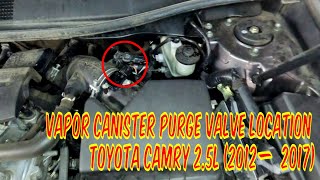
- Locate the EVAP purge valve (Vacuum Switching Valve) in the engine bay. On the 2.4L engine, it's typically on the driver's side near the air filter box. 🎬 See this video for help locating the purge valve On the 3.5L V6, it's on the intake manifold.
- Inspect the electrical connector and wiring going to the valve for any visible damage, corrosion, or loose connections. Wiggle the wires near the connector to check for an intermittent break.
- Disconnect the connector. Test for power at the connector with the ignition on. One pin should have battery voltage (approx. 9-14V).
- Test the valve itself. Measure the resistance between the two pins on the valve. A good valve will have a specific resistance (typically 23-26 ohms). An open (infinite) or shorted (near zero) reading indicates a bad valve.
- If resistance is good, you can test the valve's mechanical function by applying power and ground (e.g., from a 9V battery) to the pins. You should hear it click.
- Use a bi-directional scan tool (like Toyota Techstream) to perform an 'Active Test'. Command the purge valve ON and OFF ('Activate the VSV for EVAP Control') and listen for a clicking sound from the valve to confirm it is responding to the ECM's command.
- If the valve and power supply are good, but the active test fails, the issue is likely in the ground wire leading back to the ECM or the ECM itself (which is rare).
- Replace the faulty component, clear the code, and drive the vehicle to see if the code returns.
Parts You'll Likely Need
- EVAP Purge Valve / Vacuum Switching Valve
(OEM #90910-12276 (superseded by 90910-TC001))— This is the most common failure for code P0443. The internal solenoid coil fails, creating an open or short in the circuit.
Trusted brands: Denso (OEM supplier), Dorman, Standard Motor Products
OEM price range: $100-$180
Aftermarket price range: $70-$120
Platform-Specific Known Issues
- On the 2.4L 4-cylinder (2AZ-FE) engine, the purge valve is very easy to access, mounted on a bracket near the air filter housing on the driver's side of the engine bay.
- On the 3.5L V6 (2GR-FE) engine, the purge valve is located on the intake manifold, and while still accessible, may require removal of the engine cover for clear access.
- A frequent point of failure on Toyota models of this era is not the valve itself, but the wires breaking inside their insulation right at the connector due to years of vibration.
Mechanic-Grade Diagnostic Values

- EVAP Purge Valve (VSV) Coil Resistance — expected: 23 to 26 Ω at 20°C (68°F). Failure: Open circuit (infinite ohms) or short circuit (near 0 ohms).
- Voltage at Purge Valve Connector (Power Wire) — expected: 9 to 14 V with ignition switch ON.. Failure: No voltage indicates a problem with the power supply, likely a blown fuse or faulty relay.
- Vapor Pressure Sensor Voltage (for system context) — expected: Approx. 3.33 V at atmospheric pressure (e.g., gas cap off).. Failure: Voltage that doesn't change when the system is tested may indicate other EVAP issues, though not directly a P0443 cause.
Scan Tool Commands That Help
- Toyota Techstream: Active Test: 'Activate the VSV for EVAP Control' — This command directly tells the ECM to cycle the purge valve. It's used to verify if the valve clicks and opens/closes on command, which confirms the wiring from the ECM to the valve is intact and the valve's solenoid is functional.
Wiring & Ground Locations

- Purge Valve Connector Pin 1 — On the two-pin connector at the EVAP purge valve in the engine bay.. This pin receives 12V power from the EFI relay. A lack of voltage here points to a power supply issue (fuse, relay) rather than a faulty valve.
- Purge Valve Connector Pin 2 (PRG) — On the two-pin connector at the EVAP purge valve, this wire runs back to the ECM.. This is the control wire. The ECM provides a pulsed ground signal on this pin to open the valve. A break in this wire is a common cause of P0443. It can be tested for continuity back to the corresponding 'PRG' pin on the ECM connector.
- ECM Connector E12 (2.4L) or E7 (V6) — Located in the engine bay, typically near the battery or firewall.. This is the main engine computer connector where the purge valve control wire terminates. Checking for a ground signal here during an active test can confirm if the ECM driver is working, isolating the fault to the wiring or the ECM itself.
Real Owner Repair Stories
- YouTube video on a Toyota Corolla with the same EVAP system design (Toyota Corolla (year not specified, but uses same components)) — Check Engine Light with code P0443 stored multiple times.
❌ Tried (didn't work) Clearing the code by disconnecting the battery terminal. The light would always return shortly after.
✅ What actually fixed it The wire for the purge valve was broken inside the insulation right at the connector. The connector pigtail was replaced, which permanently resolved the code.
OEM Part Supersession History
90910-12276→90910-TC001— Standard part number update by Toyota. The new part is a direct replacement for the old one.
Heads up: There are no known incompatibilities; 90910-TC001 is the correct current part to order.
Diagnostic Flowchart
Used vs. New Parts: Buying Guide for This Vehicle
When a used part is the smart pick: A used OEM (Denso) purge valve from a reputable salvage yard is a reasonable choice for this repair. The part is not a high-wear item, but rather fails from electrical coil burnout or plastic housing cracks due to heat cycles. A used part from a lower-mileage, newer model year donor car can be a cost-effective and reliable alternative to a new aftermarket part.
Donor-vehicle mileage cap: roughly under 80000 miles for the part to have meaningful remaining life.
What to inspect on the donor part:
- Check for a donor vehicle from a dry, non-salt-belt region to minimize corrosion risk on electrical pins.
- Inspect the plastic housing for any cracks or brittleness.
- If possible, test the resistance of the used valve with a multimeter before purchase; it should be within the 23-26 ohm range.
- Ensure the connector pigtail from the donor car's harness is not cut too short if you plan to use it for a wiring repair.
Aftermarket brands forum-validated for this vehicle:
- Denso (OEM supplier)
- Standard Motor Products (SMP)
- Dorman
Brands owners have reported issues with on this vehicle:
- Unbranded, no-name parts from online marketplaces should be avoided, as their internal coil quality and durability can be questionable, leading to premature failure.
Real Owner Stories
Aggregated from forums and TSBs cited above. Mileages and costs reflect what owners reported in those sources.
Toyota Corolla (similar platform)
Symptoms: Check Engine Light on with code P0443.
What fixed it: Repairing a single wire that had broken right at the purge valve connector.
Source hint: YouTube - 'Toyota Corolla code p0443...' - https://www.youtube.com/watch?v=s-r22V3g2w0
Toyota Corolla (similar platform)
Symptoms: Check Engine Light on.
What fixed it: Fixed a broken wire at the pigtail connector for the purge valve.
Source hint: YouTube - 'P0443 Toyota Code...' - https://www.youtube.com/watch?v=5z-Zz7qgq_o
2007-2011 Toyota Camry
Symptoms: Check Engine Light illuminated for P0443.
What fixed it: The wires were found to be broken inside their insulation right at the connector due to vibration over time. Repairing the wiring resolved the code.
Source hint: Vehicle Specific Issues section describing frequent failure on Toyota models of this era.
Related OBD-II Codes
Frequently Asked Questions
Where is the EVAP purge valve located on my 2009 Toyota Camry?
What resistance reading should I get when testing the purge valve on my Camry?
My mechanic says the wiring is the problem, not the valve. Is this common on these Camrys?
Can I test the purge valve myself without a professional scan tool?
Are there any recommended aftermarket brands for the purge valve if I need to replace it?
Can I use a purge valve from a Lexus ES350 or a RAV4 in my Camry?
Helpful Videos
Used OEM Parts in Stock
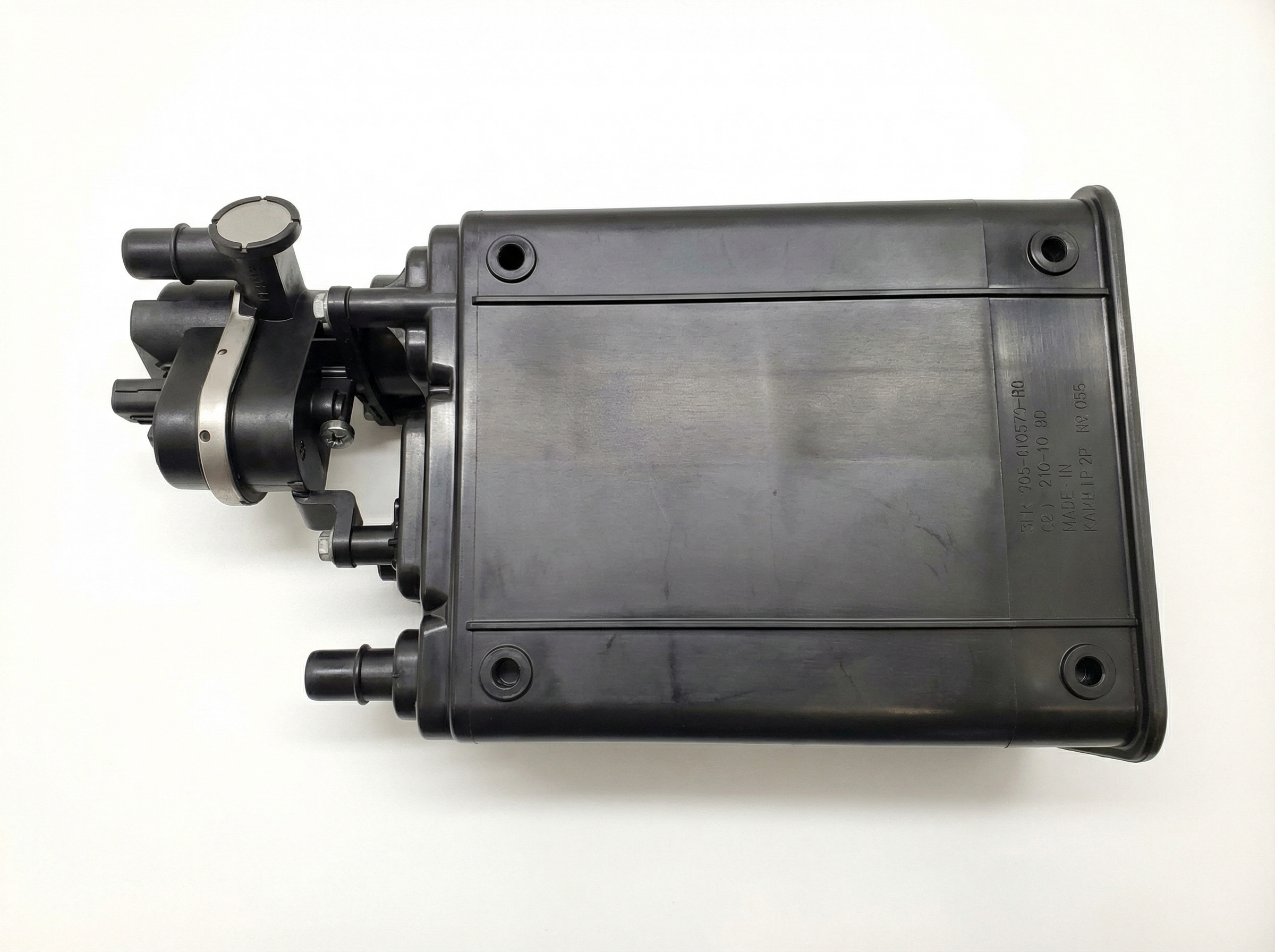
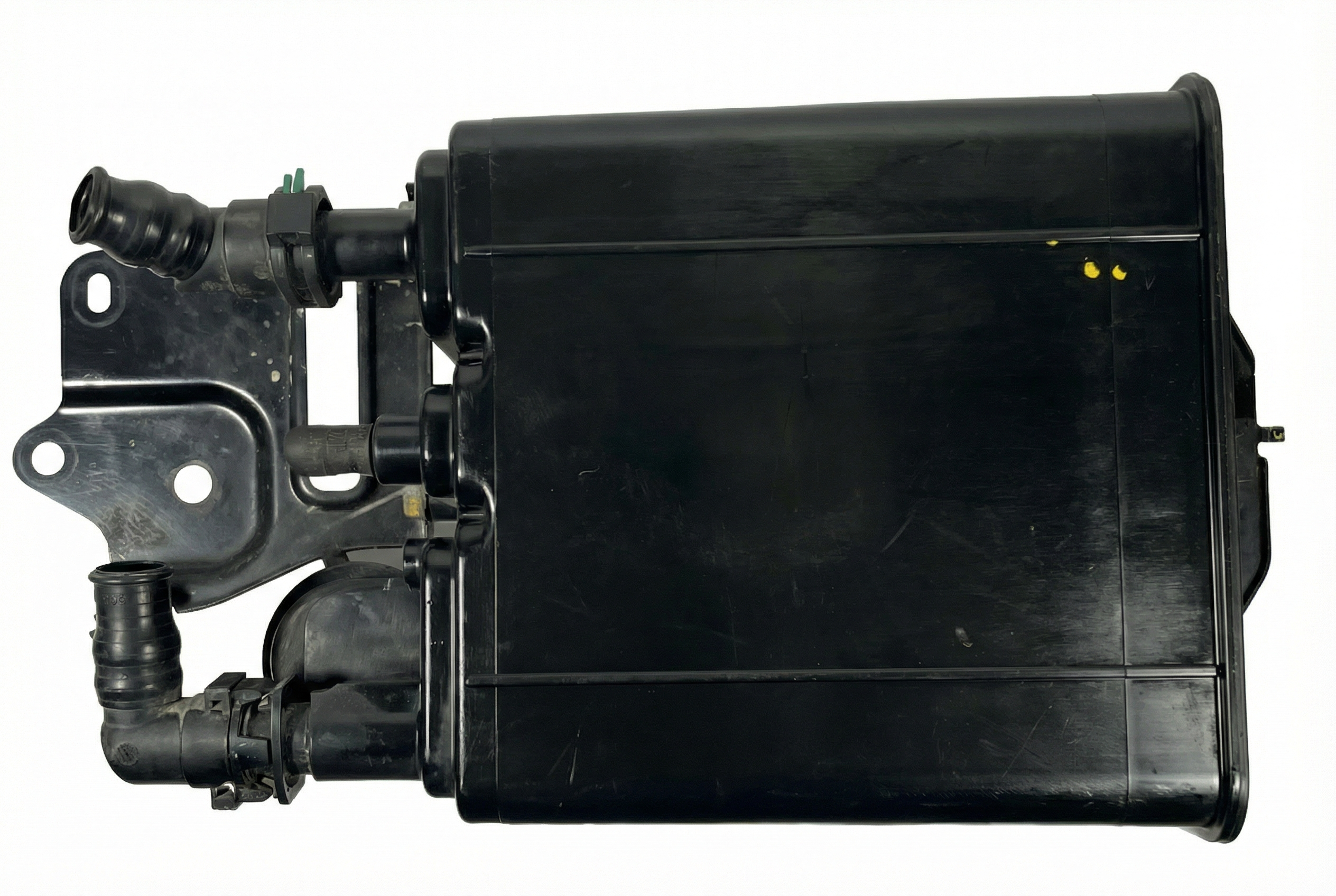
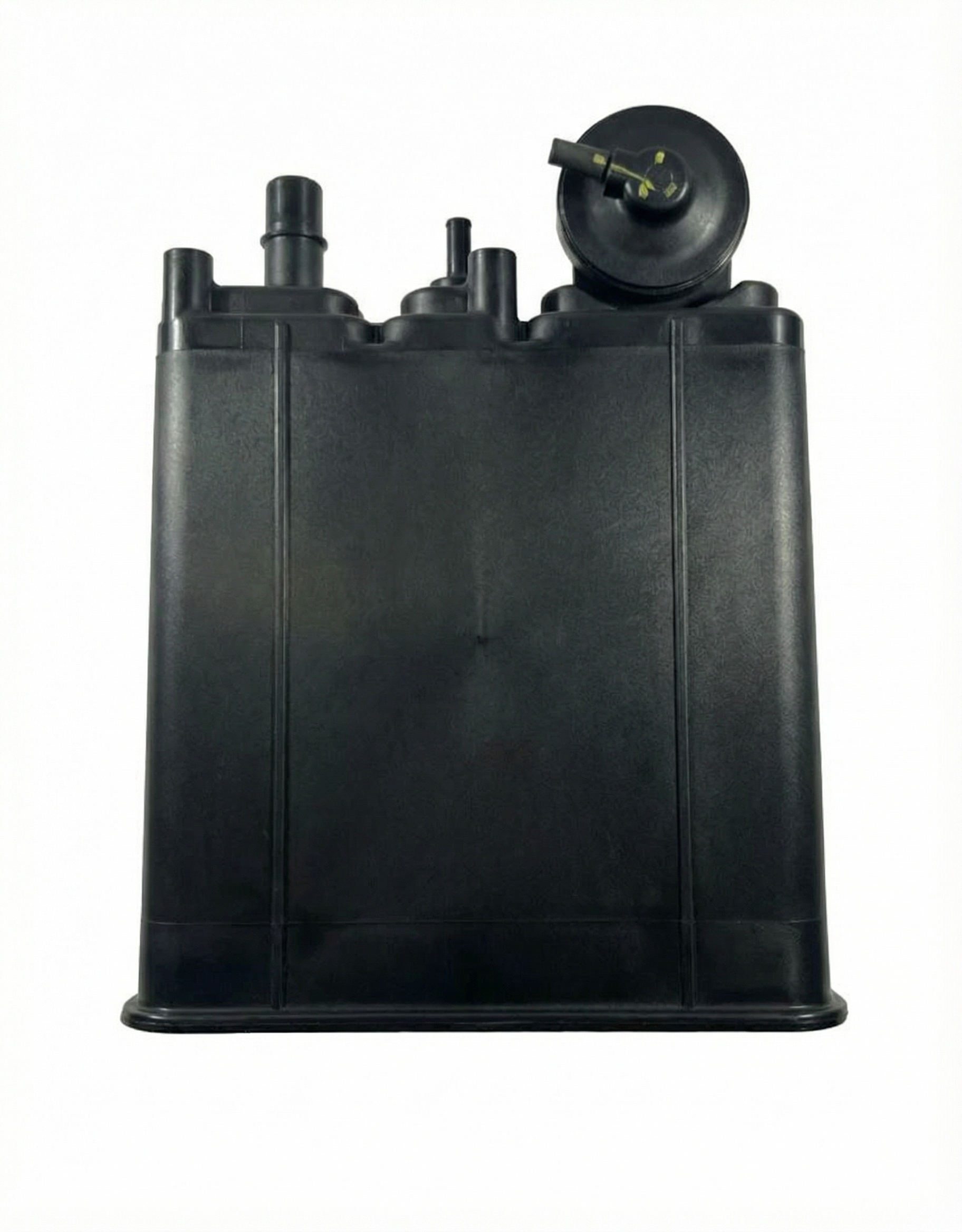
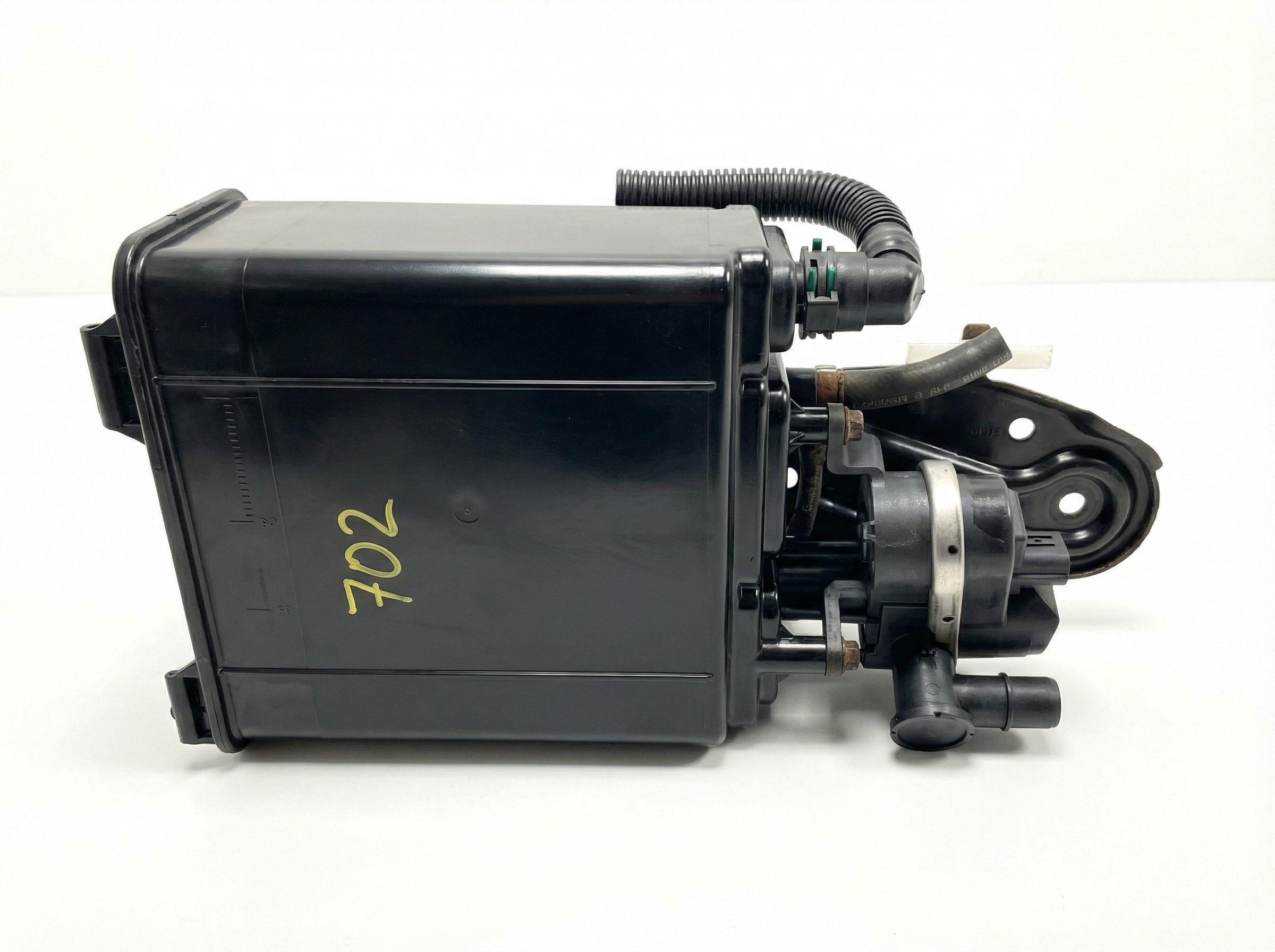
New Aftermarket Parts Available



The information in this article is provided for general reference and educational purposes only. Vehicle specifications, procedures, and part compatibility can vary by production date, trim level, and region. Always consult your vehicle's factory service manual and verify part numbers before purchasing or performing repairs. Safety-critical components such as airbags, seat belts, and braking systems should be installed by a qualified professional.
- Toyota Camry:
- 🎬 Helpful Videos
- 🛍️ Shop This Part
- What's Unique About the 2007-2011 Toyota Camry
- Symptoms You May Notice
- Most Likely Causes
- Rare But Worth Checking
- Diagnosis Steps
- Parts You'll Likely Need
- Platform-Specific Known Issues
- Mechanic-Grade Diagnostic Values
- Scan Tool Commands That Help
- Wiring & Ground Locations
- Real Owner Repair Stories
- OEM Part Supersession History
- Diagnostic Flowchart
- Used vs. New Parts: Buying Guide for This Vehicle
- Real Owner Stories
- Toyota Corolla (similar platform)
- Toyota Corolla (similar platform)
- 2007-2011 Toyota Camry
- Related OBD-II Codes
- Frequently Asked Questions
- 🎟️ Get 5% Off