

P0442 on 2012-2018 Ford Focus: EVAP Leak Causes & Fixes
For the 2012-2018 Ford Focus, P0442 is most often caused by a faulty canister purge valve (CPV), which is covered by safety recall 18S32 for 2.0L engines. Check the recall status first. If not the CPV, the next likely cause is a leaking capless fuel filler neck. A DIY purge valve replacement costs about $50-$100 and can be done in under 30 minutes.
- Your first step must be to check for the free safety recall 18S32 if you have a 2.0L engine, as this is the most likely cause.
- If the recall is not applicable or already done, the next most common leak source is the seal in the capless fuel filler neck.
- This is a very DIY-friendly repair if it's the canister purge valve, often taking less than 30 minutes with basic tools.
- Do not simply replace parts. Confirm the leak source, especially since the most common fix may be free at a dealership.
- If replacing the charcoal canister, you must check the under-hood emissions sticker to see if you need a PZEV or Federal part; they are not interchangeable.
What's Unique About the 2012-2018 Ford Focus

The 2012-2018 Ford Focus (MK3 generation) has two highly common failure points for this code, making diagnosis more direct than on other vehicles. First, the canister purge valve (CPV) on 2.0L engines is so prone to sticking open that Ford issued a major safety recall (18S32). A key symptom of this specific failure is the engine having a long crank or being difficult to start right after refueling. Second, this generation uses a capless fuel filler system, and the internal seals are a frequent source of small leaks as they age or get contaminated with dirt.
Symptoms You May Notice
- Check Engine Light is on.
- Long crank or difficulty starting immediately after refueling (strong indicator of a stuck-open purge valve).
- Inaccurate or erratic fuel gauge readings, or incorrect Distance-To-Empty (DTE).
- A faint smell of fuel, particularly around the outside of the car.
- In rare cases related to a failing purge valve, you might experience a rough idle or hesitation.
- Replacing the gas cap. This vehicle does not have a traditional gas cap; the issue would be with the capless filler neck assembly itself.
- Replacing the charcoal canister when the actual problem is a faulty purge valve that has not been diagnosed.
- Assuming any EVAP leak is from a hose, when the purge valve and filler neck are far more likely culprits on this specific model.
Most Likely Causes


- Faulty Canister Purge Valve (CPV) 🔴 High Probability This part is subject to a major safety recall (18S32 / NHTSA 18V-735) on 2.0L GDI and GTDI engines for sticking open. A stuck valve creates a constant vacuum leak, which can flood the engine with vapors after refueling, causing a long crank.
How to confirm: First, check if your vehicle's VIN has an open recall 18S32 on the Ford or NHTSA website. If so, a dealer will diagnose and fix it for free. To test it yourself, disconnect the electrical connector and the EVAP line, then try to blow through it; a good valve is normally closed and should not allow air to pass. A long crank after filling the gas tank is also a very strong symptom.
Typical fix: Replacement of the canister purge valve and its associated hose. The recall service 🎬 Watch: Step-by-step guide to replacing the purge valve yourself. also includes a PCM software update. In severe cases where the fuel tank is deformed from excessive vacuum, the dealer will also replace the fuel tank and charcoal canister free of charge.
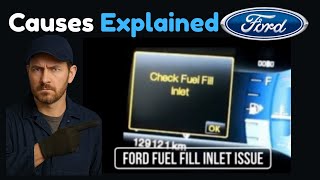
Est. part cost: $0 if covered by recall. $25-$60 for an OEM part otherwise. - Leaking Capless Fuel Filler Neck 🟡 Medium Probability The spring-loaded door and internal seal of the 'Easy Fuel' capless system can wear out or get fouled with dirt and debris, preventing it from sealing completely against fuel vapors. This can trigger a 'Check Fuel Fill Inlet' message on the dash.
How to confirm: Visually inspect the opening for any debris. Use the emergency fuel funnel from your trunk to work the internal flap open and closed. If it feels sticky or doesn't snap shut, it's likely the source. A professional smoke test is the definitive way to confirm a leak here.
Typical fix: Thoroughly cleaning the seal may work. Use the emergency funnel to open the flap, spray the seal and mechanism with a silicone lubricant or electronics cleaner, and work the flap open and closed 10-15 times. If the code returns, the long-term fix is to replace the entire fuel filler neck assembly. Owner forums suggest using an OEM part, as some aftermarket versions have failed prematurely.
Est. part cost: $160-$220 for an OEM assembly. - Cracked or Disconnected EVAP Hose ⚪ Low Probability
How to confirm: Perform a visual inspection of all accessible EVAP lines between the engine bay, charcoal canister (near the fuel tank), and fuel tank. A professional smoke test is the most effective way to find a small crack in a hose.
Typical fix: Replace the damaged section of hose or reconnect it securely. Manufacturer bulletin #TSB 25-2308 notes that on some Ford platforms, P0442 can be caused by a chaffing or rubbing condition between the fuel vapor canister line and the air vent hose.
Est. part cost: $10-$50
Rare But Worth Checking
- Faulty EVAP Canister Vent Solenoid: This valve is normally open and closes to allow the system to be tested for leaks. If it fails to close properly, it will cause a leak code. It's less common to fail than the purge valve.
- Cracked Charcoal Canister: Physical damage to the canister housing can cause a leak. This is usually due to road debris or improper jacking. Manufacturer bulletin #SSM 49313 notes that on similar Ford platforms, P0442 has been traced to damage to the carbon canister occurring during vehicle transportation. Also, if the purge valve has been stuck open for a long time, the canister can become saturated with liquid fuel and fail, which is a condition checked for under recall 18S32.
Diagnosis Steps

- Check for Recalls: Enter your vehicle's VIN on the NHTSA or Ford owner website to check for open safety recall 18S32. If it's active, schedule a free repair at a Ford dealership. This should be your first step.
- Test for Long Crank After Refueling: The next time you fill up the gas tank, pay close attention to how the car starts. If it cranks for an unusually long time or struggles to start, a stuck-open purge valve is the most likely cause.
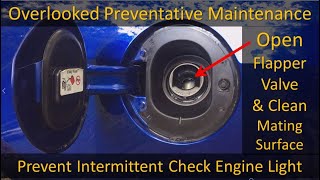
- Inspect and Clean Capless Fuel Filler: Open the fuel door. Use the white emergency funnel found with your spare tire tools to open the flap. Spray silicone lubricant into the mechanism and work the funnel in and out 10-15 times to clean and lubricate 🎬 See how to properly clean the capless filler neck seal. the seal. If the code returns, clear it and see if it comes back.
- Inspect and Test Canister Purge Valve (CPV): Locate the CPV in the engine bay. It's a small solenoid with electrical and vacuum line connections. With the engine off, disconnect the electrical connector and the line going to the intake manifold. Try to blow through the valve. If air passes through, the valve is stuck open and must be replaced.
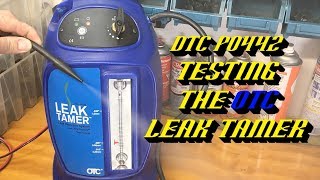
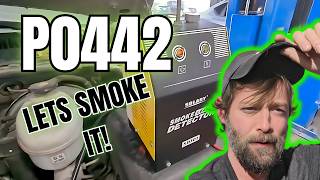
- Perform a Smoke Test: If the above steps do not reveal the cause, the next step is to introduce smoke into the EVAP system using a specialized machine. This will reveal the precise location of any small leaks from hoses, the charcoal canister, or the filler neck. In one instance, NHTSA ODI #10351913 reports that a smoke test on a Ford vehicle revealed a severed fuel line on top of the tank causing the P0442 code.
- Inspect Vent Solenoid: During the smoke test, command the vent solenoid closed with a scan tool. If smoke exits from the vent valve, the valve is faulty and needs replacement.
Parts You'll Likely Need
- Canister Purge Valve (CPV)
(OEM #BV6Z-9D289-R)— This is the most common failure item for P0442 on this vehicle and is the subject of a major recall for the 2.0L engine. This part number supersedes older versions BV6Z-9D289-A and BV6Z-9D289-B.
Trusted brands: Motorcraft, Dorman, Bosch
OEM price range: $25-$60
Aftermarket price range: $20-$50 - Fuel Filler Neck Assembly
(OEM #BV6Z-9034-F)— The internal seal of the capless system is the second most likely cause of a small leak if the purge valve is functioning correctly. Owner experiences suggest OEM parts are more reliable.
Trusted brands: Ford (Genuine), Spectra Premium
OEM price range: $160-$220
Aftermarket price range: $100-$150
Related Codes That Often Appear With This One
- P1450 — Stands for 'Unable to Bleed Up Fuel Tank Vacuum'. This code is very common alongside P0442 when the canister purge valve is stuck open, causing excessive vacuum. It is specifically mentioned in the 18S32 recall notice as a primary indicator.
- P0456 — Indicates a 'Very Small EVAP Leak'. This can appear instead of, or along with, P0442 depending on the exact size of the leak and the sensitivity of the test at that moment. Also listed as a related code in recall 18S32.
- P0441 — Indicates 'Incorrect Purge Flow'. This often points directly to a malfunctioning canister purge valve that is not opening or closing when commanded.
- P0443, P0452, P0460, P2196 — These are additional codes related to the EVAP system, fuel level sensor, and fuel mixture that Ford lists in the recall documentation as potential companions to a failed purge valve.
Technical Service Bulletins (TSBs) & Recalls

- 18S32 (Safety Recall): Addresses faulty Canister Purge Valve on 2.0L engines leading to potential stalling. This is the most critical document for this issue.
- Bulletin #TSB 25-2308: Notes that P0442 and other EVAP codes may be caused by a chaffing or rubbing condition between the fuel vapor canister line and the air vent hose.
- Bulletin #SSM 49313: Identifies that damage to the carbon canister, potentially occurring during vehicle transportation, can trigger P0442 and related leak codes.
Platform-Specific Known Issues
- Safety Recall 18S32 / NHTSA 18V-735: Affects 2012-2018 Focus models with 2.0L engines. A stuck canister purge valve can cause excessive fuel tank vacuum, leading to tank deformation, inaccurate fuel gauge, stalling, and triggering codes P1450 or P0442. The dealer fix is free and involves reprogramming the PCM and, if DTCs are found, replacing the purge valve. If the tank is deformed, the canister and fuel tank will also be replaced.
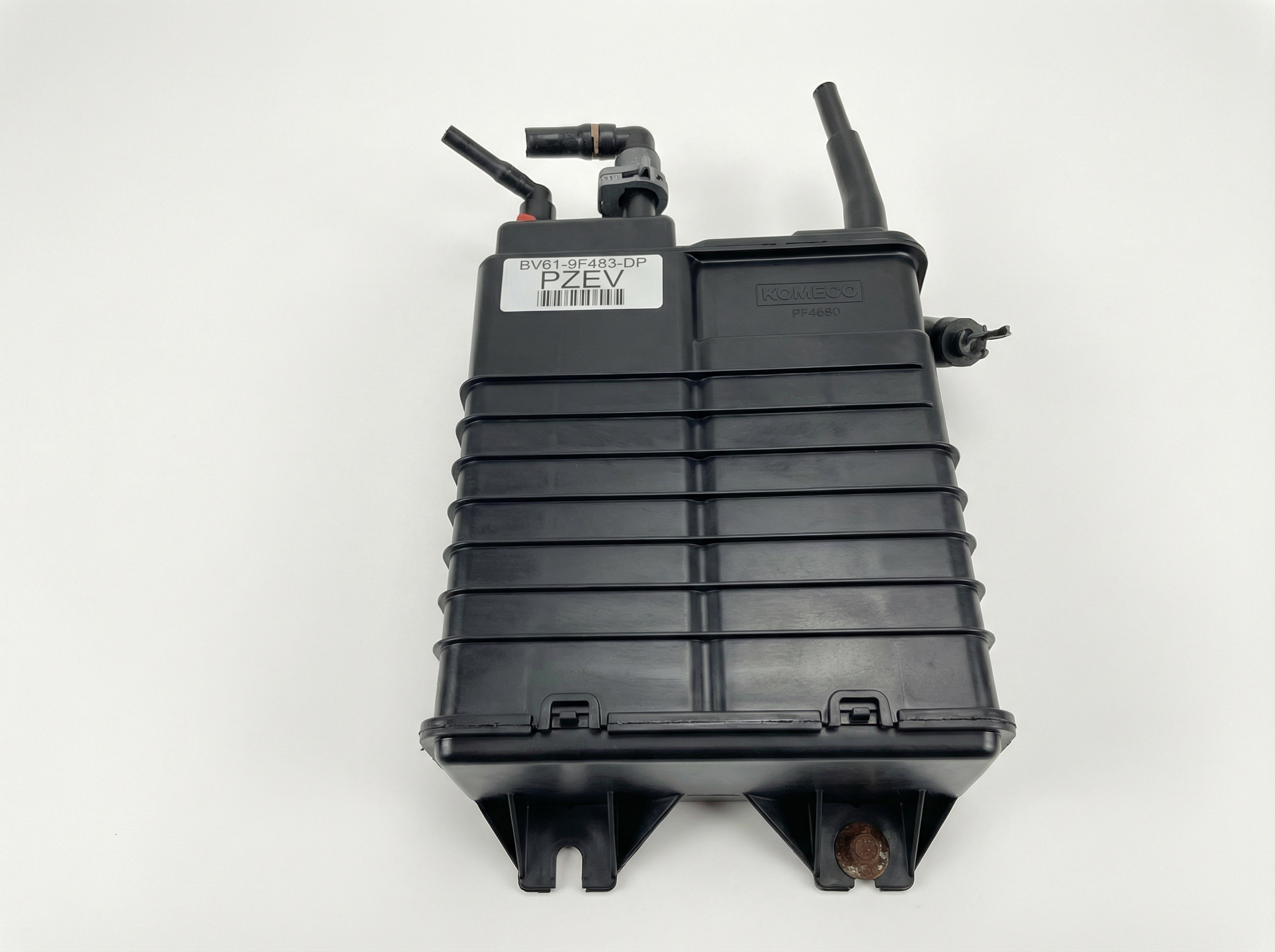
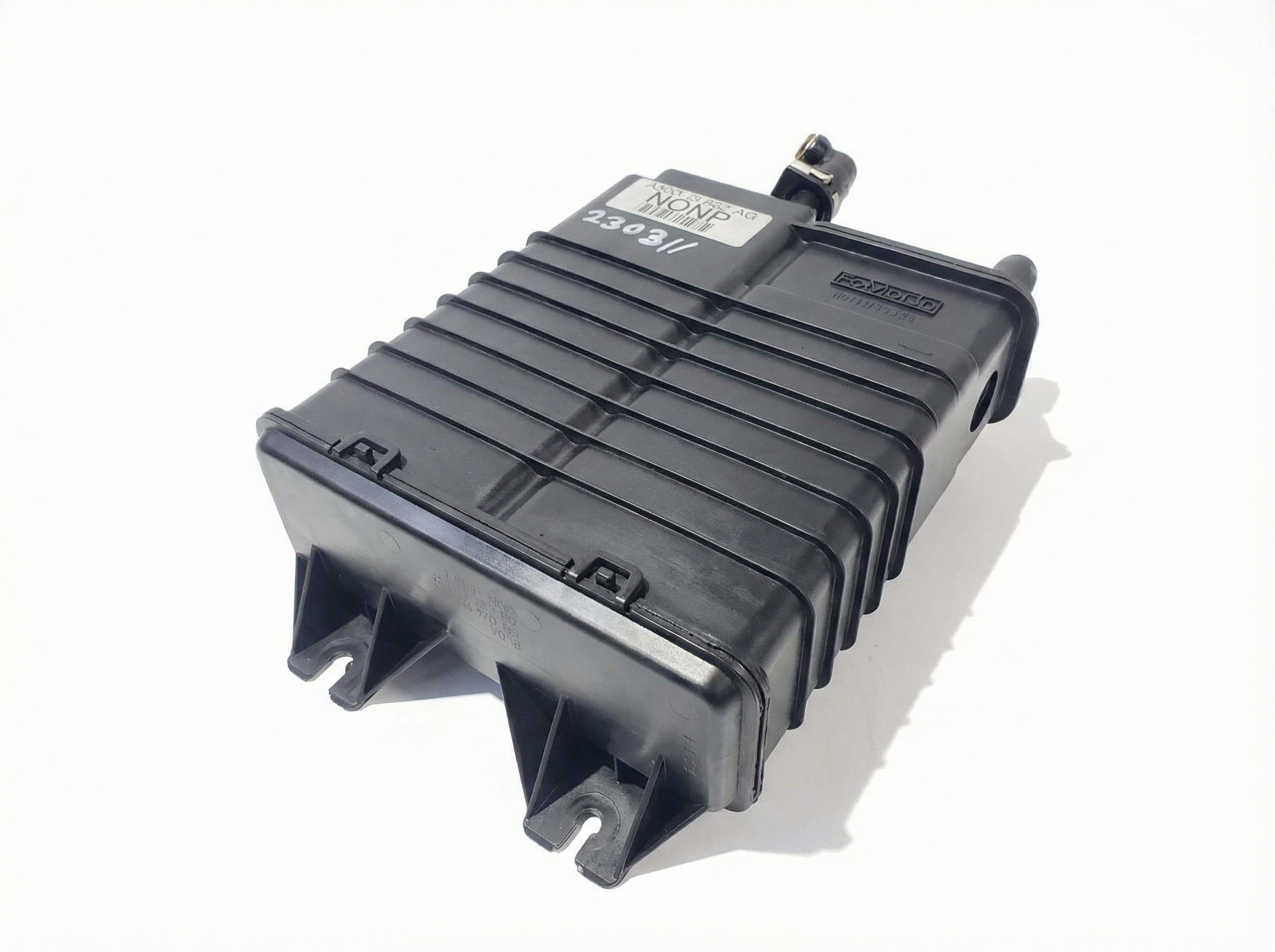
- PZEV vs. Federal Emissions: When replacing the charcoal canister, it is critical to identify if your car is a Partial Zero Emission Vehicle (PZEV) by checking the emissions sticker under the hood. The PZEV and Federal canisters are not interchangeable.
Mechanic-Grade Diagnostic Values
- Fuel Tank Pressure (FTP) Sensor Voltage — expected: Approximately 2.6 volts with the EVAP system open (engine off or vent open). Should drop to 1.0 volts or less when the purge valve is commanded open and the engine is running, pulling a vacuum.. Failure: If the voltage does not drop when a vacuum is applied, or if it rises unexpectedly after the purge valve closes, it may indicate a leak or a faulty sensor.
Scan Tool Commands That Help
- Ford IDS / FORScan / High-End Bidirectional Scanner: EVAP System Test / Close EVAP Canister Vent Solenoid — This command is essential during a smoke test. The vent solenoid is normally open, so to pressurize the system with smoke to find a leak, a scan tool must be used to command the vent solenoid closed. If smoke still exits the vent, the solenoid itself is faulty.
Wiring & Ground Locations
- Main Engine Bay Ground — Underneath the air cleaner assembly. On some models, a primary ground point is located on the driver's side strut tower area.. A poor main engine or chassis ground can cause erratic behavior in various sensors and solenoids, including those in the EVAP system. Cleaning this connection point is a good preventative measure for many electrical issues.
- FTP Sensor Signal Wire — Yellow/Violet wire at the PCM connector.. This wire carries the signal from the Fuel Tank Pressure sensor to the computer. In a unique and confusing scenario, this same circuit may be shared with the Power Steering Pressure sensor. A short in the power steering sensor can send an incorrect voltage down this line, tricking the PCM into thinking there is an EVAP leak.
- Interior Ground Points — Behind the kick panels in the front passenger and driver footwells, and under the trim near the rear of the vehicle for components like the fuel pump driver module.. The Fuel Pump Driver Module and other rear-mounted EVAP components rely on solid chassis grounds in the rear of the vehicle. Corrosion at these points can cause intermittent issues.
Real Owner Repair Stories
- NHTSA ODI #11540072 — An owner reported that their check engine light came on due to code P0442. The failure was caused by a faulty purge valve, even though the vehicle had previously been subject to a recall for this specific component.
- NHTSA ODI #10852382 — An owner reported that after receiving code P0442, a strong scent of gas was present. Despite changing the fuel cap (on a compatible Ford platform), the issue remained unresolved.
- Ricks Free Auto Repair Advice (Tech Article) (General Ford vehicles, applicable to the Focus) — P0442 code present.
❌ Tried (didn't work) Smoke test may show the system holds pressure, leading to confusion.
✅ What actually fixed it The Power Steering Pressure (PSP) sensor had an internal short. This sensor shared a signal return wire with the Fuel Tank Pressure (FTP) sensor, causing the FTP sensor to send an artificially high voltage reading to the PCM, mimicking a leak. Disconnecting the PSP sensor caused the FTP voltage to return to normal, confirming the PSP sensor was the root cause. - FocusFanatics Forum (Hypothetical common scenario) (2014 Ford Focus 2.0L) — P0442 and P0456 codes, CEL on. No other driveability issues.
❌ Tried (didn't work) Replaced canister purge valve (recall already performed)., Cleaned and lubricated the capless fuel filler neck., Performed a smoke test which showed no visible leaks.
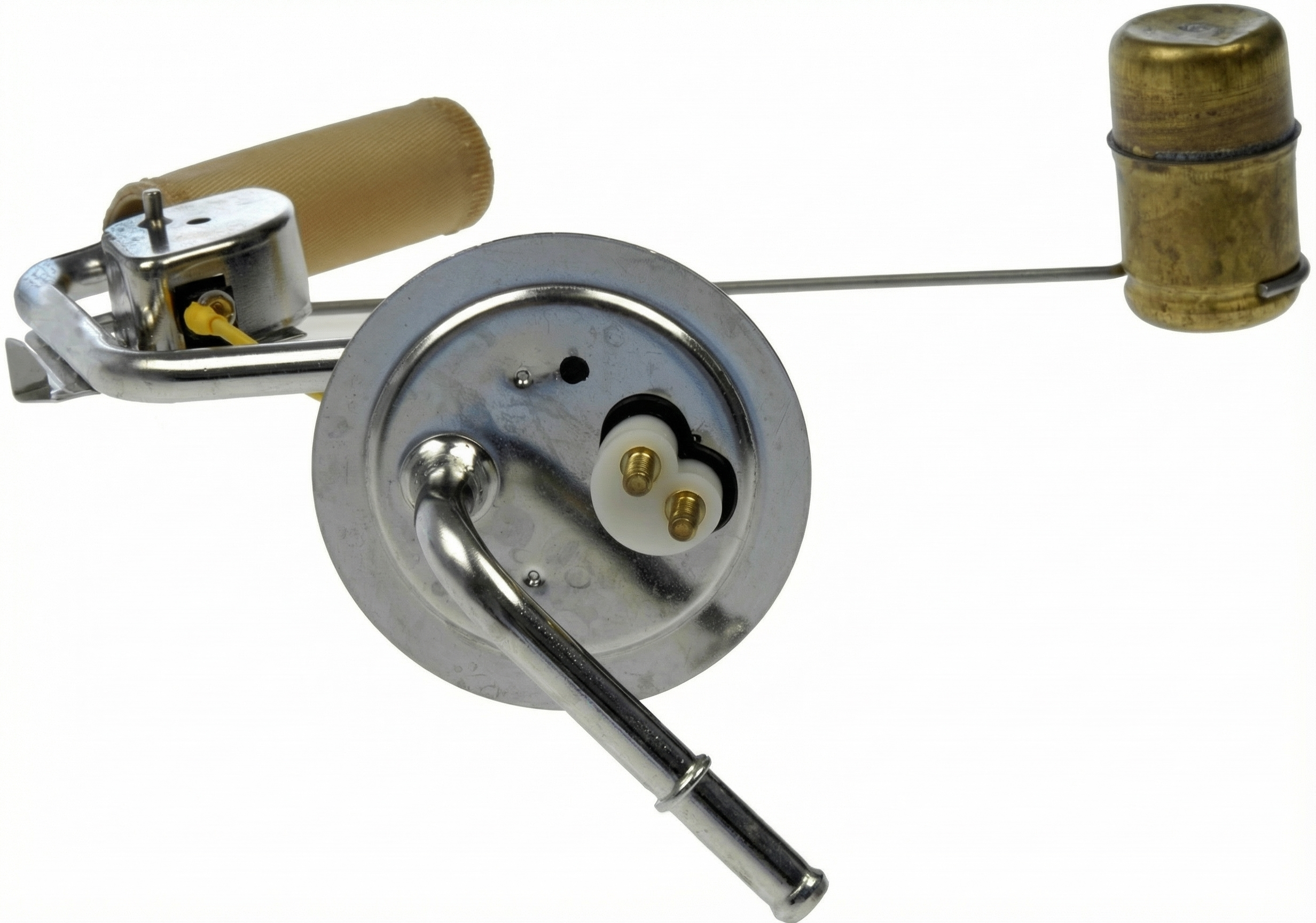
✅ What actually fixed it The Fuel Tank Pressure (FTP) sensor itself was faulty. Even though it was not leaking, it was sending inaccurate pressure readings to the ECU. Replacing the FTP sensor, which is typically located on top of the fuel tank as part of the fuel pump assembly, resolved the code.
"I Checked Everything" — The Actual Cause
- A faulty Fuel Tank Pressure (FTP) sensor can cause a P0442 code even if the system has no physical leaks. The sensor may send incorrect voltage readings, leading the computer to believe a leak exists when one does not.
- An internal short in the Power Steering Pressure (PSP) sensor can feed incorrect voltage into the shared signal wire for the Fuel Tank Pressure (FTP) sensor, causing the PCM to misinterpret the data as an EVAP leak.
OEM Part Supersession History
BV6Z-9D289-A, BV6Z-9D289-B→BV6Z-9D289-R— These are earlier, likely more failure-prone, revisions of the canister purge valve for the 2.0L engine.
Heads up: The newer part BV6Z-9D289-R is the correct replacement for the earlier versions.
Model Year Variations Within This Range
- 2012-2018: It is critical to identify if the vehicle is a PZEV (Partial Zero Emission Vehicle) or a standard Federal emissions vehicle by checking the underhood sticker before ordering an EVAP canister. The canisters for PZEV and non-PZEV models look similar but are not interchangeable and will cause persistent codes if the wrong one is installed.
Diagnostic Flowchart
Real Owner Stories
Aggregated from forums and TSBs cited above. Mileages and costs reflect what owners reported in those sources.
2013 Ford Focus SE
Symptoms: After getting gas, the car acted like it was going to die and lurched forward. It ran fine at idle, but the issue returned upon acceleration. The problem would resolve after about 5 minutes of driving.
What fixed it: Replaced the purge valve (though the owner noted the issue returned later after a subsequent fill-up).
Source hint: Ford Forum
2015 Ford Focus
Symptoms: Experienced a long crank after refueling and a P1450 code. The dealer initially claimed the issue wasn't covered by the recall.
What fixed it: Addressed under the purge valve recall (18S32) after pushing back on the dealer's incorrect claim.
Source hint: r/FordFocus - '2015 Focus P1450 Issue'
2012-2018 Ford Focus 2.0L Duratec
Symptoms: Experienced EVAP issues and symptoms related to a faulty purge valve.
What fixed it: Replaced the canister purge valve using an OBD2 device to clear codes, completing the repair in less than 15 minutes.
Source hint: YouTube - 'Ford Focus Purge Valve Replacement! 2012-2018 2.0L Duratec' (user @joeybarrows8252)
Ford Escape (Platform-mate)
Symptoms: Triggered a P0442 code due to a leaking capless filler neck.
What fixed it: Replaced the filler neck, but noted that the aftermarket part failed quickly, leading to the recommendation to use OEM parts.
Source hint: Ford Truck Enthusiasts - 'P0442, capless filler neck'
Related OBD-II Codes
Frequently Asked Questions
Is there a recall for the P0442 code on my 2012-2018 Ford Focus?
Why does my Focus have a long crank or hard start right after I fill up with gas?
Can I clean the capless fuel filler neck myself to fix P0442?
Are all charcoal canisters the same for the 2012-2018 Focus?
Should I use an aftermarket fuel filler neck if mine is leaking?
Helpful Videos


Used OEM Parts in Stock

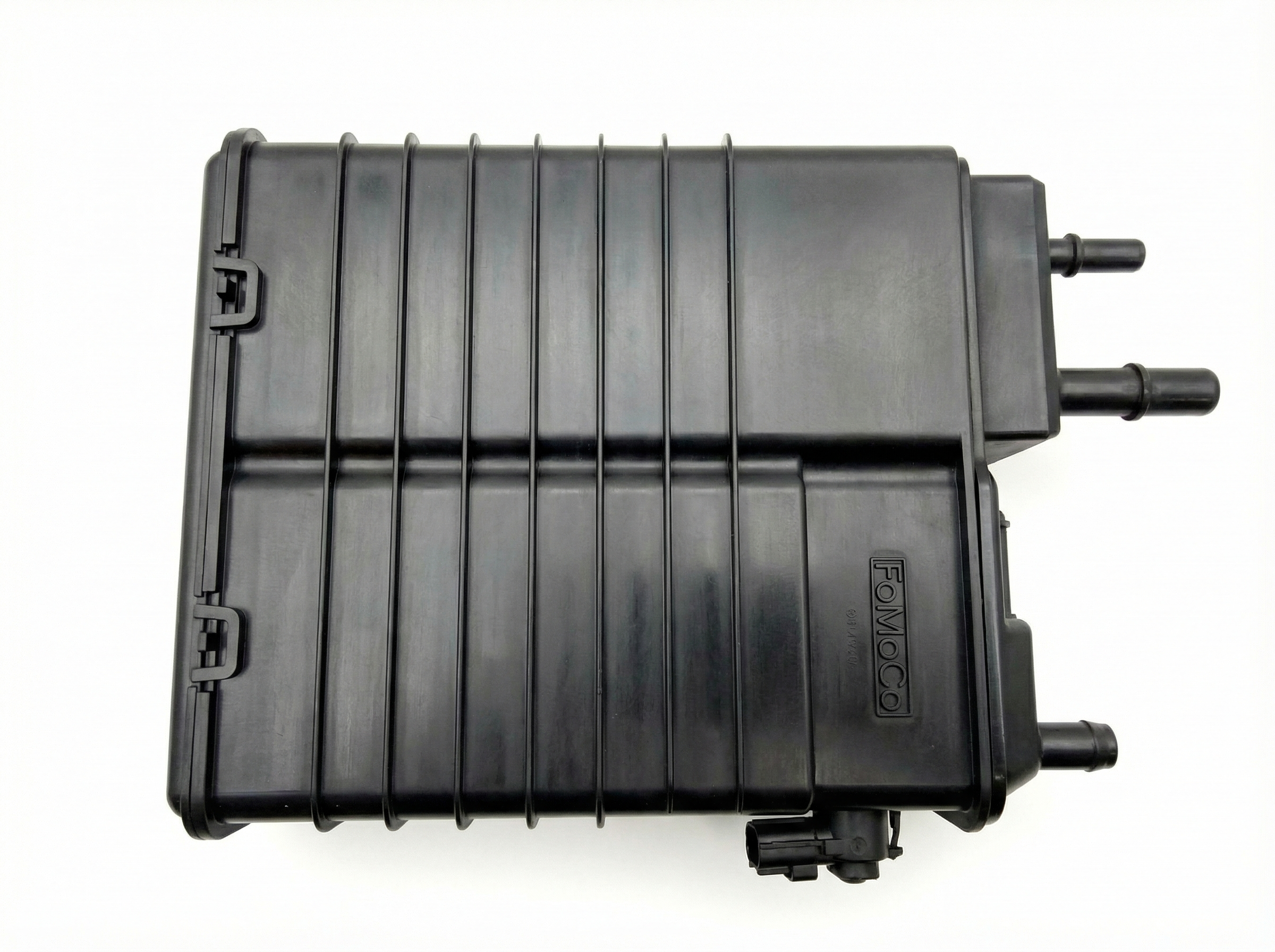
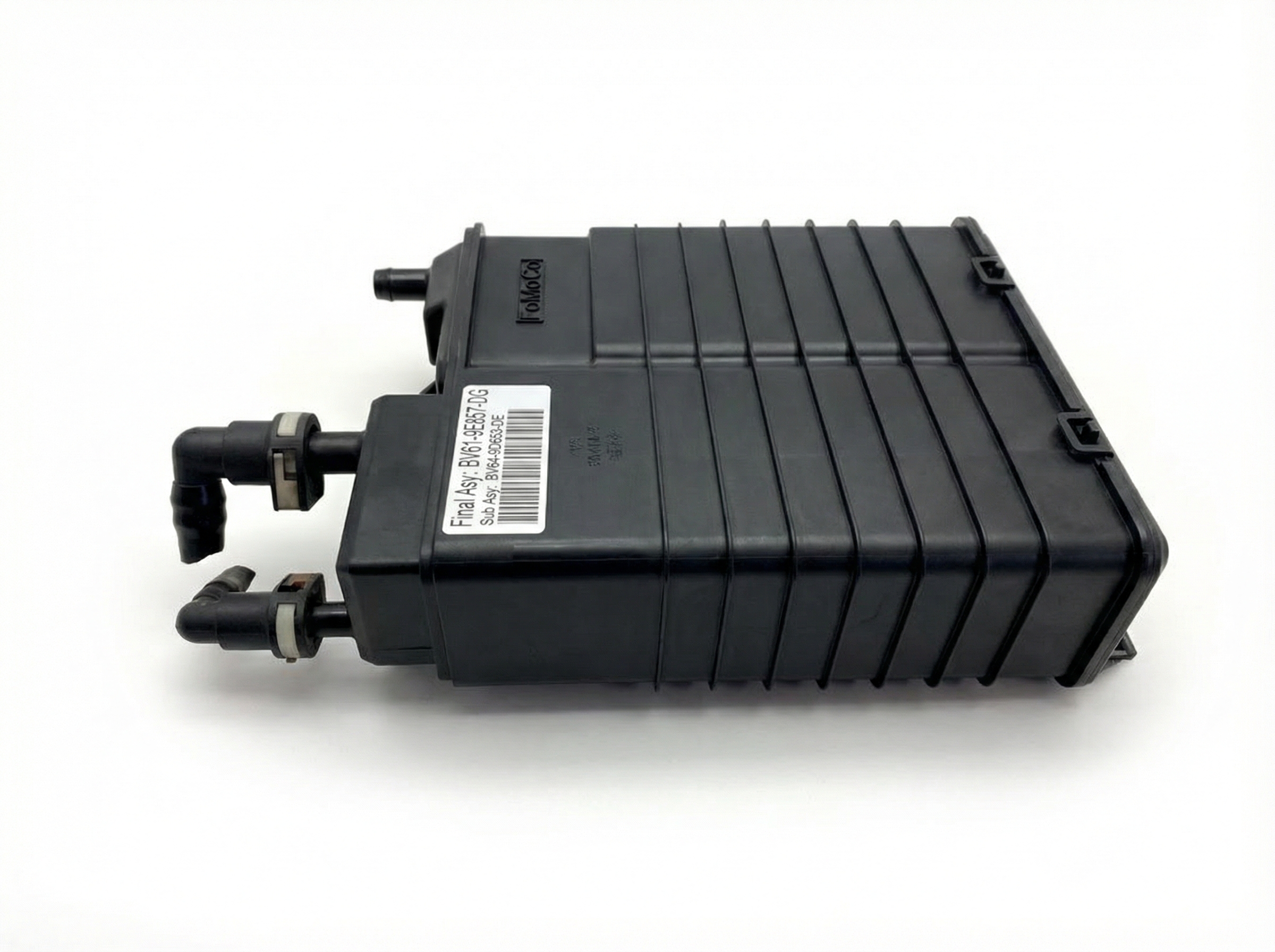
New Aftermarket Parts Available

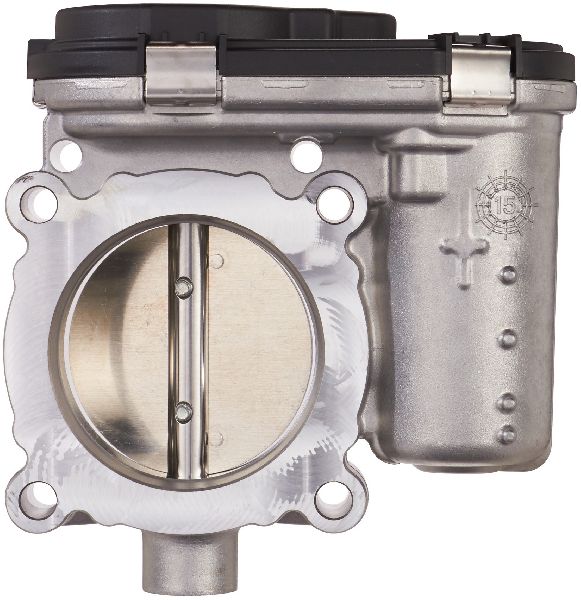
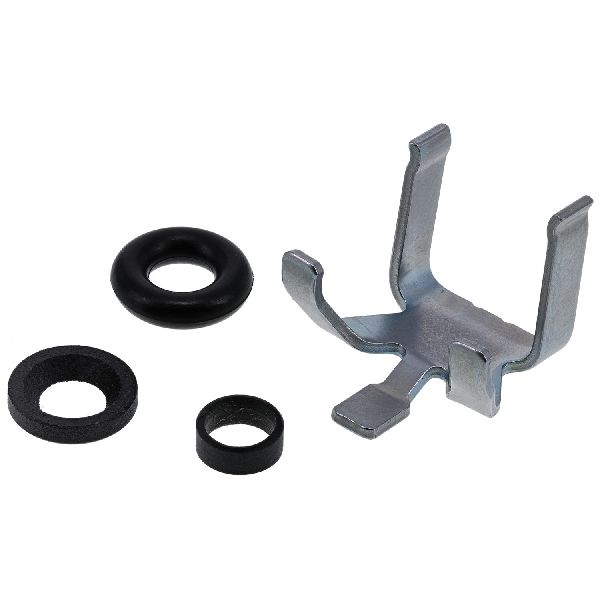

The information in this article is provided for general reference and educational purposes only. Vehicle specifications, procedures, and part compatibility can vary by production date, trim level, and region. Always consult your vehicle's factory service manual and verify part numbers before purchasing or performing repairs. Safety-critical components such as airbags, seat belts, and braking systems should be installed by a qualified professional.
- Ford Focus:
- 🎬 Helpful Videos
- 🛍️ Shop This Part
- What's Unique About the 2012-2018 Ford Focus
- Symptoms You May Notice
- Most Likely Causes
- Rare But Worth Checking
- Diagnosis Steps
- Parts You'll Likely Need
- Related Codes That Often Appear With This One
- Technical Service Bulletins (TSBs) & Recalls
- Platform-Specific Known Issues
- Mechanic-Grade Diagnostic Values
- Scan Tool Commands That Help
- Wiring & Ground Locations
- Real Owner Repair Stories
- "I Checked Everything" — The Actual Cause
- OEM Part Supersession History
- Model Year Variations Within This Range
- Diagnostic Flowchart
- Real Owner Stories
- 2013 Ford Focus SE
- 2015 Ford Focus
- 2012-2018 Ford Focus 2.0L Duratec
- Ford Escape (Platform-mate)
- Related OBD-II Codes
- Frequently Asked Questions
- 🎟️ Get 5% Off