

P0441 on 2006-2011 Honda Civic: EVAP Incorrect Purge Flow Causes and Fixes
For a 2006-2011 Honda Civic, the P0441 code is almost always caused by a faulty EVAP canister purge valve that is stuck open or closed. A key symptom of a stuck-open valve is difficulty starting the car immediately after refueling. This is a simple, DIY-friendly repair with the OEM part (36162-RNA-A01) costing between $50 and $75.
- P0441 means the EVAP system has an incorrect amount of vapor flow.
- The most likely cause on a 2006-2011 Civic is a bad EVAP canister purge valve.
- A key symptom is difficulty starting after refueling, which points directly to a stuck-open purge valve.
- Always check that your gas cap is tight and its seal is intact before buying any parts.
- Replacing the purge valve is a very easy DIY job that takes less than 30 minutes with basic tools.
- The correct OEM part number for the purge valve is 36162-RNA-A01.
What's Unique About the 2006-2011 Honda Civic

On the 8th generation Honda Civic (2006-2011), the EVAP canister purge valve is a very common failure point that leads to the P0441 code. Unlike some other vehicles where this code can be a diagnostic challenge, for this specific Civic, the purge valve is the primary culprit by a large margin. The part is located in the engine bay and is easily accessible, making it a frequent and straightforward DIY repair for owners. Numerous forum threads confirm this is the first and often only part needed to fix the code.
Symptoms You May Notice
- Check Engine Light is on
- Slightly rough idle, sometimes dropping sporadically.
- Difficulty starting the engine immediately after refueling (a classic symptom of a purge valve stuck open).
- A faint smell of fuel, though this is uncommon.
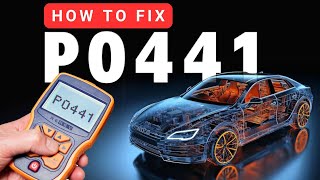
- Slight decrease in fuel economy 🎬 Watch: A quick breakdown of P0441 causes and symptoms.
- Replacing the oxygen sensors. Oxygen sensors are not related to the EVAP system and will not fix a P0441 code.
- Replacing the fuel tank pressure (FTP) sensor. While part of the EVAP system, a faulty FTP sensor will typically set its own specific trouble codes, not P0441.
Most Likely Causes

- Faulty EVAP Canister Purge Valve (Solenoid) 🔴 High Probability This specific part is a known common failure item on this generation of Honda Civic. The internal valve mechanism can stick open or closed over time, or fail electrically.
How to confirm: Locate the valve in the engine bay, attached to the intake manifold. With the engine off, disconnect the hose from the valve that leads to the charcoal canister and try to blow through it. It should be closed and not allow air to pass. If you can blow through it, it's stuck open and needs replacement. Alternatively, with the engine running at idle, place your finger over the vacuum port; if you feel suction, the valve is stuck open.
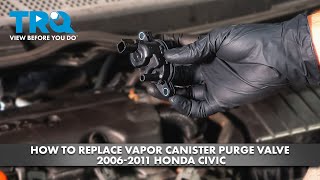
Typical fix: Replace the EVAP canister purge valve. This involves disconnecting one electrical connector and two hoses, and unbolting the valve. It is a 15-minute job with basic tools. 🎬 Watch: Step-by-step guide to replacing the purge valve yourself.
Est. part cost: $25-$75 - Loose or Faulty Gas Cap ⚪ Low Probability
How to confirm: Ensure the gas cap is tightened until it clicks at least three times. Inspect the rubber seal on the cap for cracks, stiffness, or damage. If the seal is compromised, the cap cannot hold pressure. A bad gas cap is a common cause for many EVAP codes.
Typical fix: Tighten the existing cap or replace it with a new one. It is highly recommended to use an OEM Honda gas cap, as aftermarket caps can sometimes fail to seal properly.
Est. part cost: $15-$30
Rare But Worth Checking
- Cracked or Disconnected EVAP Hoses: The rubber hoses in the EVAP system can become brittle and crack over time, creating a vacuum leak. Pay close attention to the hoses connected directly to the purge valve and the charcoal canister for any visible damage or loose connections.
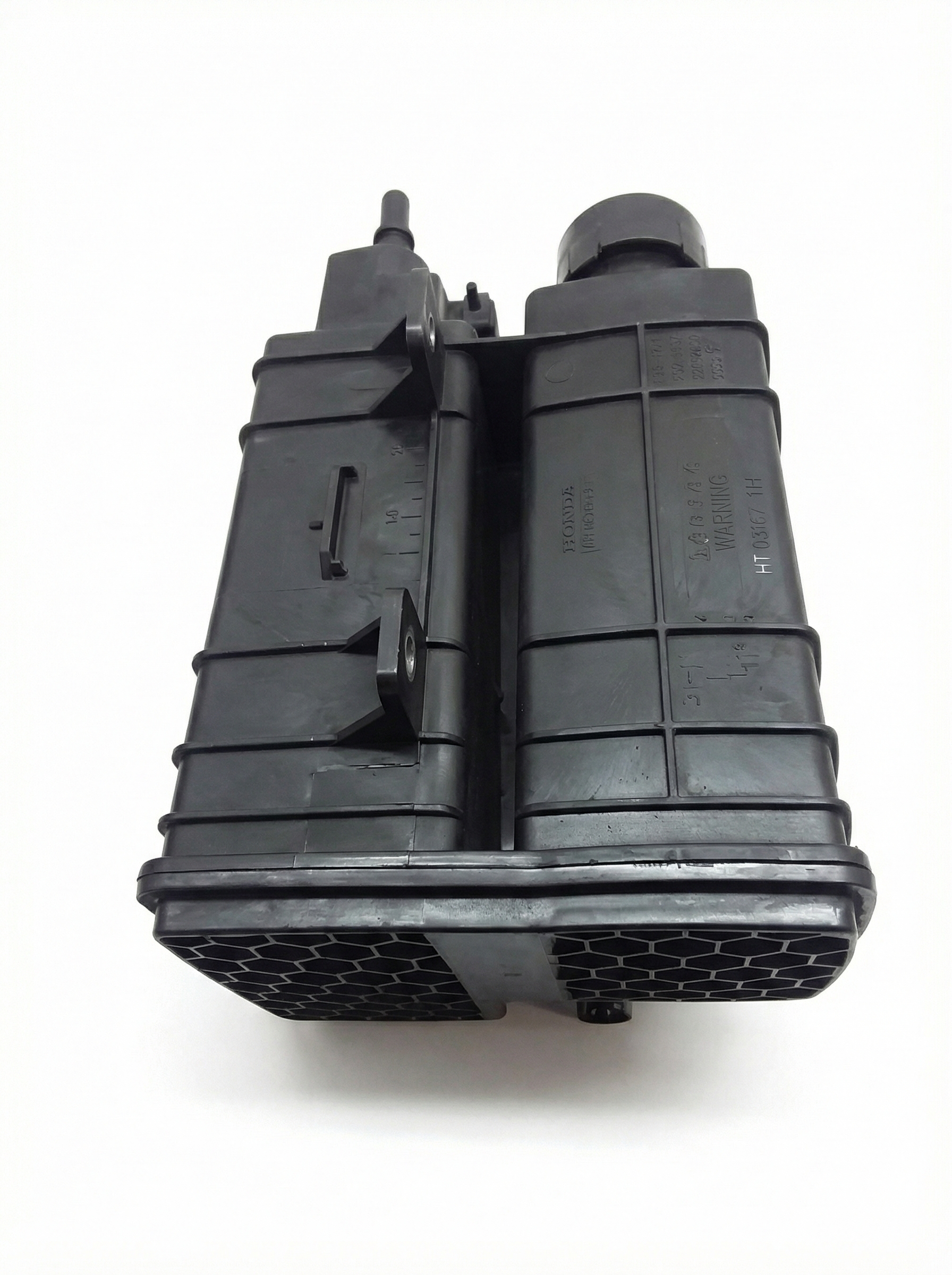
- Failed Charcoal Canister: This is more common if you frequently 'top off' your fuel tank after the pump clicks off. Liquid fuel can saturate the canister, causing it to fail. A failed canister can send charcoal pellets into the EVAP lines, which will clog the purge valve. If you replace a purge valve and find black, sandy debris inside, you must also replace the charcoal canister to prevent the new valve from failing quickly.
Diagnosis Steps

- Read the code with an OBD-II scanner to confirm P0441 is present.
- Check the gas cap. Remove it, inspect the seal for damage, and reinstall it, ensuring it clicks several times. Clear the code and drive to see if it returns.
- Visually inspect all accessible EVAP hoses in the engine bay, particularly those connected to the purge valve, for cracks or disconnection.
- Locate the EVAP canister purge valve on the intake manifold.
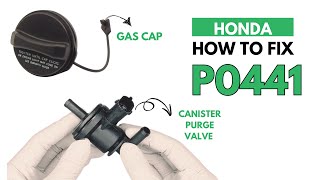
- Test the purge valve. With the engine off, disconnect the valve and try to blow through it; it should be closed and block air. If air passes, the valve is stuck open 🎬 See these two simple DIY methods to test the valve. and must be replaced.
- If the purge valve is confirmed to be faulty, replace it. This is the most common resolution.
- If the purge valve tests good, the problem is less common. A smoke test may be required to find a leak in a hose or the charcoal canister itself. Check the old purge valve for any black charcoal pellets, which would indicate a failed canister that needs replacement.
Parts You'll Likely Need

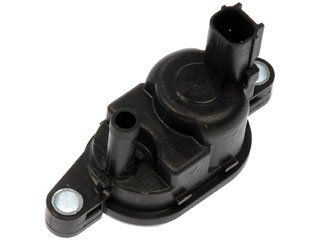
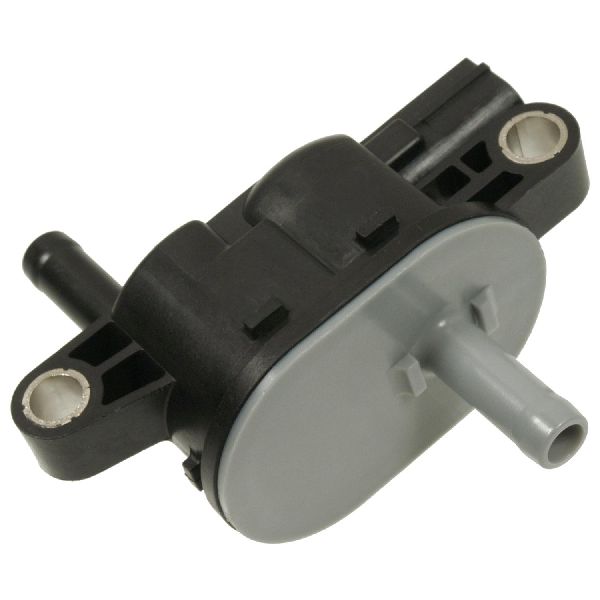
- EVAP Canister Purge Valve / Solenoid
(OEM #36162-RNA-A01)— This is the most common failure part for a P0441 code on this specific vehicle. It gets stuck, causing incorrect vapor flow. This part number is confirmed to fit 2006-2011 Honda Civics with the 1.8L engine.
Trusted brands: Honda (OEM), Denso, Standard Motor Products (CP731)
OEM price range: $50-$75
Aftermarket price range: $25-$50
Related Codes That Often Appear With This One
- P1457 — This is a Honda-specific code for a leak detected in the EVAP canister area. If seen with P0441, it points more strongly to a problem with the charcoal canister or the canister vent solenoid at the rear of the vehicle, rather than the purge valve in the engine bay.
Technical Service Bulletins (TSBs) & Recalls
- TSB 23-091: For newer Honda models (Odyssey, Pilot, etc.), this TSB notes that variations in the purge control solenoid valve spring can cause it to stick and trigger P0441. While not officially for the 2006-2011 Civic, it describes the exact failure mode commonly seen on this platform, showing it's a known issue with Honda's valve design.
- TSB Bulletin #A23-091: A manufacturer service bulletin notes that due to variations in the purge control solenoid valve spring, the valve wears unevenly and intermittently sticks, which may result in setting DTC P0441.
- TSB A21-081: On some other Honda models like the CR-V, a TSB was issued because radio wave interference could affect the wiring harness and cause a P0441 code. This is not a common issue for the 2006-2011 Civic but is worth noting as a rare possibility.
- TSB 10-048: This is an important but unrelated TSB for the 2006-2009 Civic regarding a warranty extension for cracked engine blocks. It is a critical issue for owners of these years but does not relate to the P0441 code.
Mechanic-Grade Diagnostic Values
- EVAP Canister Purge Valve Solenoid Resistance — expected: 30-40 Ohms. Failure: A reading of infinity (open circuit) or close to zero (short circuit) indicates a failed solenoid.
- EVAP Canister Purge Valve Connector Voltage — expected: Battery Voltage (approx. 12V). Failure: Significantly low or no voltage suggests a wiring issue, fuse problem, or a fault in the PCM driver circuit.
Scan Tool Commands That Help
- Honda Diagnostic System (HDS): EVAP TEST > FUNCTION TEST — This command initiates a full, automated test of the entire EVAP system, including the purge valve, vent solenoid, and pressure sensor. It's the factory method for verifying system integrity after a repair or when diagnosing an intermittent fault.
Wiring & Ground Locations
- G101 — Right side of the engine compartment, on the engine block.. This is a primary ground point for multiple engine components and sensors. While not directly tied only to the EVAP purge valve, a corroded or loose G101 ground can cause a host of erratic electrical issues and codes, including intermittent sensor and solenoid problems.
- Purge Valve Connector — Connected to the purge valve solenoid, located on the back of the engine near the intake manifold.. This 2-pin connector provides power and ground control from the PCM. One pin is the power supply (should have battery voltage with key on) and the other is the ground signal controlled by the PCM. Checking for voltage here is a key diagnostic step.
OEM Part Supersession History
36162-RNA-A01→No supersession found.— N/A
Heads up: This part number appears to be consistent for all 2006-2011 Honda Civics with the 1.8L engine.
Diagnostic Flowchart
Other Known Issues on This Vehicle
Issues unrelated to this code that are worth knowing about as an owner of this generation:
- Cracked Engine Block (R18A1) 🔴 High — Common on 2006-2009 models, typically appearing between 80k-120k miles. A manufacturing defect could cause coolant to leak externally from a crack in the block. (Ref: Honda Service Bulletin 10-048 extended the warranty on the engine block to 10 years with unlimited mileage, but this has since expired for all affected vehicles.)
- Peeling/Fading Paint and Clear Coat Failure 🟡 Low — Widespread across the generation, especially on darker colors like black, blue, and red. The clear coat begins to delaminate, causing large patches of peeling paint on the roof, hood, and trunk. (Ref: A warranty extension was issued for some model years (up to 7 years from purchase), but it has long since expired. No recall was issued.)
- Faulty Passenger Side Engine Mount 🟠 Medium — A very common failure item. The hydraulic mount collapses, leading to excessive engine vibration felt in the cabin, particularly at idle or when in reverse.
- Broken Sun Visors 🟡 Low — Extremely common. The plastic pivot point for the visor cracks, causing it to droop and obstruct the driver's view. A class-action lawsuit was filed over this issue.
- Faulty Rear Upper Control Arms 🟠 Medium — The original equipment control arms can cause premature and uneven rear tire wear, specifically on the inside edge. Aftermarket adjustable control arms are a common fix.
Used vs. New Parts: Buying Guide for This Vehicle
When a used part is the smart pick: A used EVAP canister purge valve from a junkyard is a reasonable choice if on a tight budget, as it's a simple, external engine part that is easy to access and replace if the used part is also faulty. It is not a safety-critical component.
Donor-vehicle mileage cap: roughly under 100000 miles for the part to have meaningful remaining life.
What to inspect on the donor part:
- Check the donor vehicle's mileage; lower is always better.
- Inspect the plastic housing for cracks or heat damage.
- Look at the hose ports for any signs of black, sandy charcoal debris. If present, do not buy the valve as it indicates the donor car had a failed charcoal canister.
- Ensure the electrical connector pins are clean and free of corrosion.
OEM-only on this vehicle (don't cheap out):
- Gas Cap - While not expensive, forum users consistently recommend using an OEM Honda gas cap to avoid sealing issues common with some aftermarket designs.
Aftermarket brands forum-validated for this vehicle:
- Denso (often the OEM manufacturer)
- Standard Motor Products (SMP) - Generally considered a reliable aftermarket brand for sensors and solenoids.
Brands owners have reported issues with on this vehicle:
- Unbranded, low-cost parts from online marketplaces can have high failure rates. While a specific brand isn't consistently cited as poor, the general advice is to avoid the cheapest available option if possible.
Real Owner Stories
Aggregated from forums and TSBs cited above. Mileages and costs reflect what owners reported in those sources.
2010 Honda Civic EX
Symptoms: Check Engine Light came on repeatedly with code P0441; no other drivability symptoms like rough idle or fuel smell were present.
What fixed it: Replaced the vapor canister purge valve solenoid with an aftermarket part (PV645), noted as being interchangeable with OEM part 36162-RNA-A01.
Source hint: AliExpress Review for PV645 Vapor Canister Purge Valve Solenoid
2008 Honda Civic
Symptoms: The check engine light turned on and a diagnostic tool confirmed code P0441, indicating a faulty evaporative emission control system.
What fixed it: Replacement of the VCPV solenoid valve (specifically part PV405).
Source hint: AliExpress Review for PV405 solenoid valve
2007 Honda Civic
Symptoms: Evaporative emissions control system incorrect purge flow. Code p0441.
What fixed it: Diagnosis starting with the gas cap and moving to the purge solenoid.
Source hint: honda-tech.com thread titled 'Evaporative emissions control system incorreect purge flow. Code p0441'
2006-2011 Honda Civic
Symptoms: P0441, making occasional sporadic drops in idle sometimes.
What fixed it: Purge solenoid replacement; also discussed the possibility of a saturated charcoal canister if a fuel smell is present.
Source hint: reddit.com/r/mechanic thread titled 'P0441, making occasional sporadic drops in idle sometimes'
Documented NHTSA Reports
NHTSA ODI #11563010
Symptoms: An owner reported that the MIL comes on with DTCs P0441 (EVAP System Purge Flow Malfunction) and P04F1 (EVAP System Low Purge Flow Detected).
What fixed it: The owner replaced the purge flow valve to address the malfunction.
NHTSA ODI #11552804
Symptoms: An owner noted an "Emissions System Error" related to canister purge valve malfunction (P0441), which resulted in increased fuel consumption and failing emissions standards.
NHTSA ODI #11474249
Symptoms: A diagnostic check found codes P0441 and P04F1 for Evap System Purge Flow Malfunction. A visual inspection of the purge hoses showed no damage.
Related OBD-II Codes
Frequently Asked Questions
Does TSB 23-091 apply to my 2006-2011 Honda Civic?
Is the P0441 code related to the cracked engine block issue on my 2008 Civic?
What is the specific Honda part number I need to fix the P0441 code?
Can I use an aftermarket gas cap to clear the P0441 code?
Could radio interference be causing my P0441 code?
How long does it take to replace the purge valve on this generation of Civic?
Helpful Videos
![How to Fix P0441 Engine Code in 3 Minutes [2 DIY Methods / Only $4.50]](https://img.youtube.com/vi/ifwpcNQCSvI/mqdefault.jpg)
Used OEM Parts in Stock
New Aftermarket Parts Available


The information in this article is provided for general reference and educational purposes only. Vehicle specifications, procedures, and part compatibility can vary by production date, trim level, and region. Always consult your vehicle's factory service manual and verify part numbers before purchasing or performing repairs. Safety-critical components such as airbags, seat belts, and braking systems should be installed by a qualified professional.
- Honda Civic:
- 🎬 Helpful Videos
- 🛍️ Shop This Part
- What's Unique About the 2006-2011 Honda Civic
- Symptoms You May Notice
- Most Likely Causes
- Rare But Worth Checking
- Diagnosis Steps
- Parts You'll Likely Need
- Related Codes That Often Appear With This One
- Technical Service Bulletins (TSBs) & Recalls
- Mechanic-Grade Diagnostic Values
- Scan Tool Commands That Help
- Wiring & Ground Locations
- OEM Part Supersession History
- Diagnostic Flowchart
- Other Known Issues on This Vehicle
- Used vs. New Parts: Buying Guide for This Vehicle
- Real Owner Stories
- 2010 Honda Civic EX
- 2008 Honda Civic
- 2007 Honda Civic
- 2006-2011 Honda Civic
- Documented NHTSA Reports
- NHTSA ODI #11563010
- NHTSA ODI #11552804
- NHTSA ODI #11474249
- Related OBD-II Codes
- Frequently Asked Questions
- 🎟️ Get 5% Off